


Did This Yorkshire Manor House Inspire Charlotte Brontë’s Jane Eyre?
By
8 months ago
Charlotte Brontë worked as a governess for the family who owned West Riddlesen Hall
If there’s one thing the world can agree on, Emerald Fennell’s sadomasochistic, surrealist, room-made-from-Margot-Robbie’s-skin adaptation of Wuthering Heights has left viewers divided. As many a Letterboxd reviewer has noted, Fennell’s rather liberal interpretation has probably (much like Cathy’s window-knocking ghost) got poor old Emily Brontë rolling in her grave.
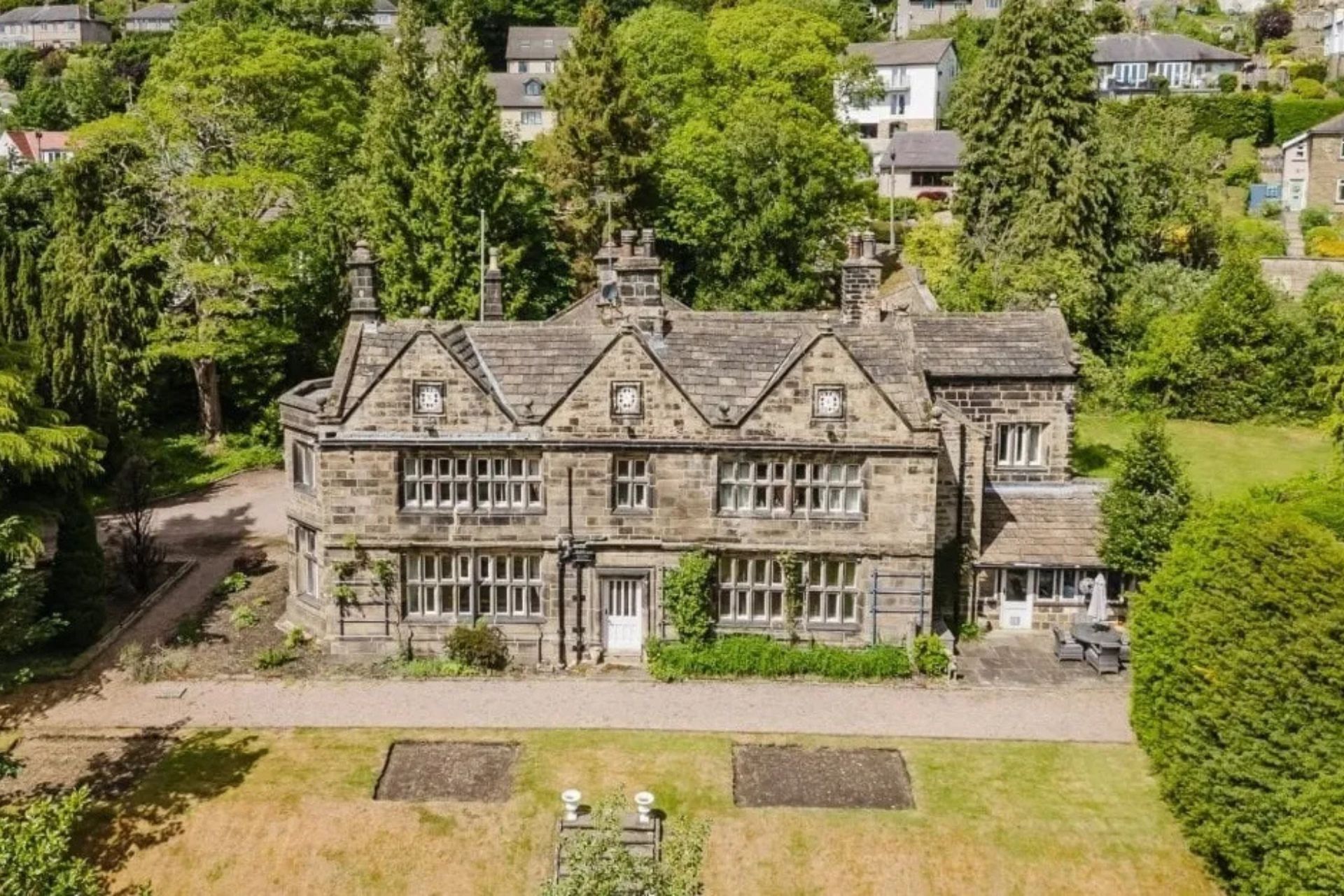
Whether you’re a book loving loyalist or a Fennell enthusiast, there’s something about the bleak and gothic world of the Brontë sisters’ Yorkshire moors which draws us in again and again. And though the literary siblings’ home is now transformed into a museum, the home of the family where Charlotte once served as governess has now hit the market.
Discover This Home With Connections To Charlotte Brontë
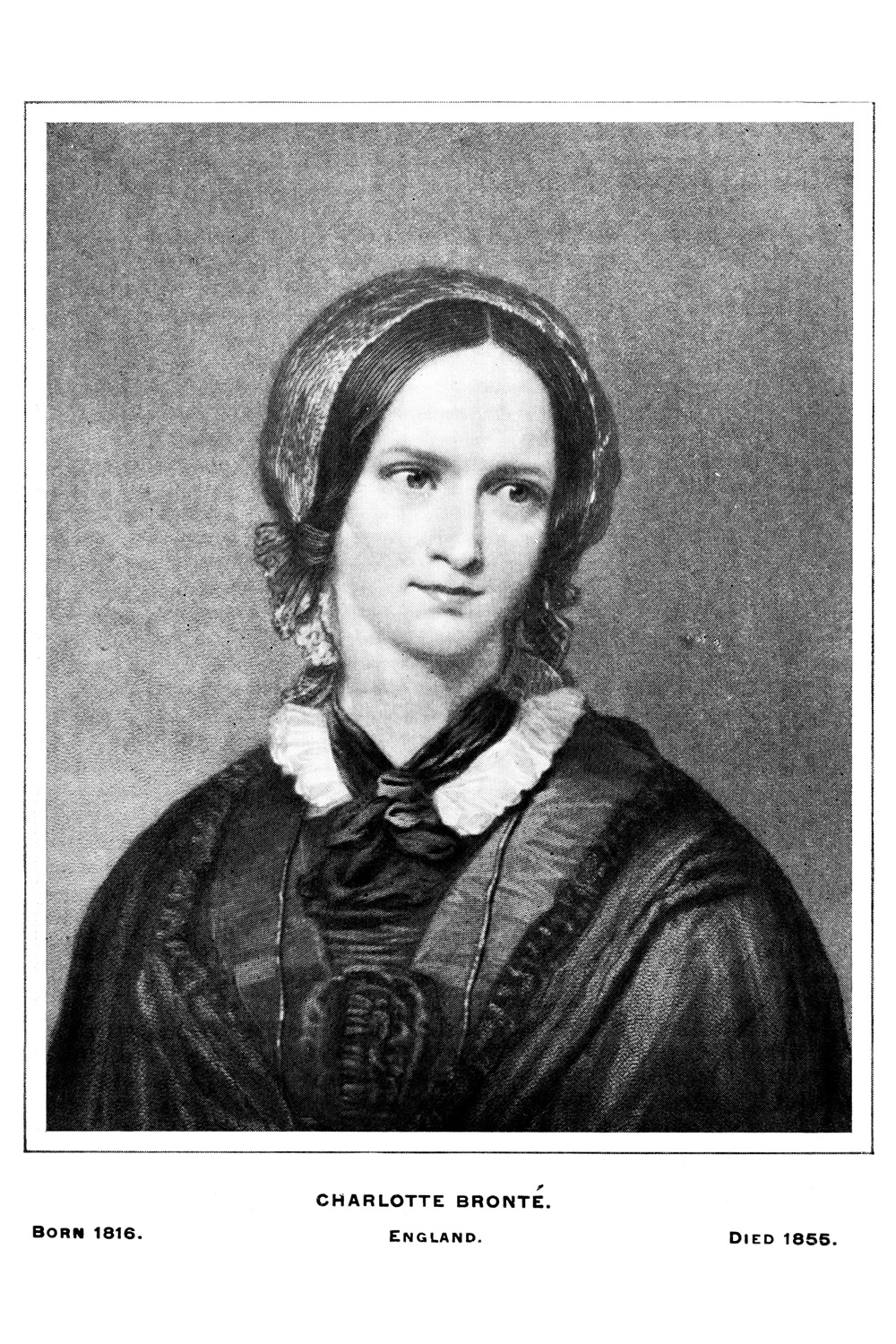
Portrait of Charlotte Brontë (21 April 1816–31 March 1855)
Want to live liked a haunted Brontë heroine? This 17th century Yorkshire manor house was once home to the family who employed Charlotte Brontë as a governess to their children. Although Charlotte spent most of her teaching time at their other property, Stone Gappe, which sits just a few miles away, it is likely that she visited West Riddlesen Hall multiple times throughout her employment – and its former owner is said to be the inspiration behind Jane Eyre’s dark and brooding romantic anti-hero, Mr Rochester.
While some sections are said to date to the early 15th century, the bulk of the structure was built in 1687 for local businessman Thomas Leach. Charlotte herself was employed by the home’s owners in 1839, eight years before Jane Eyre was published. Though less gothic than the neglected battlements and thorn trees of Thornfield Hall, much like the famed literary manor house, West Riddlesden Hall, is also a ‘fine old hall’ with a ‘grey front’ of ‘proportions not vast, though considerable: a gentleman’s manor-house, not a nobleman’s seat’.
During her short employment, Charlotte discovered that she wasn’t cut-out for the life of a governess – often lamenting the behaviour of the ‘riotous, perverse, unmanageable cubs’ (who with their Bible-throwing tendencies likely inspired Jane Eyre’s book-bashing cousins). Complaining of the home’s matriarch Mrs Sidgwick, she wrote in one letter to Emily: ‘A complaint to Mrs Sidgwick brings only black looks upon oneself, and unjust, partial excuses to screen the children […] ‘I now begin to find that she does not intend to know me, that she cares nothing in the world about me except to contrive how the greatest possible quantity of labour may be squeezed out of me.’
Much like her eponymous heroine, Charlotte was overwhelmed by life with the Sidgwick family, fearing that Mrs Sidgwick did not like her because she ‘can’t help being shy in such an entirely novel scene’. Just as her sister Anne wrote of the horrors of being a governess in her novel Agnes Grey, Charlotte’s letters read: ‘‘I see now more clearly than I have ever done before that a private governess has no existence, is not considered as a living and rational being except as connected with the wearisome duties she has to fulfil.’
But at least the home held one source of joy for Charlotte in the form of West Riddlesden Hall’s master, John Sidgwick: ‘Mr Sidgwick is in my opinion a hundred times better – less profession, less bustling condescension, but a far kinder heart,’ she writes. ‘It is very seldom that he speaks to me, but when he does I always feel happier and more settled for some minutes after.’
And it seems that reality seeped into fantasy. Her most famous novel and first major literary success, Jane Eyre, was published the same year as Emily’s Wuthering Heights, in 1847, after several ventures into poetry and a failed attempt at getting her first novel The Professor published. The bildungsroman follows the tale of orphan Jane Eyre, as she is raised by her horrid aunt and cousins, sent off to boarding school, and then employed as a governess in the home of the novel’s Byronic hero, Rochester.
Today, West Riddlesden Hall is owned by John Pennington who has owned the property since 2001. Now looking to downsize, he couldn’t have put his home on the market at a better moment – having perfectly timed the sale with the buzz of the latest Brontë adaptation.
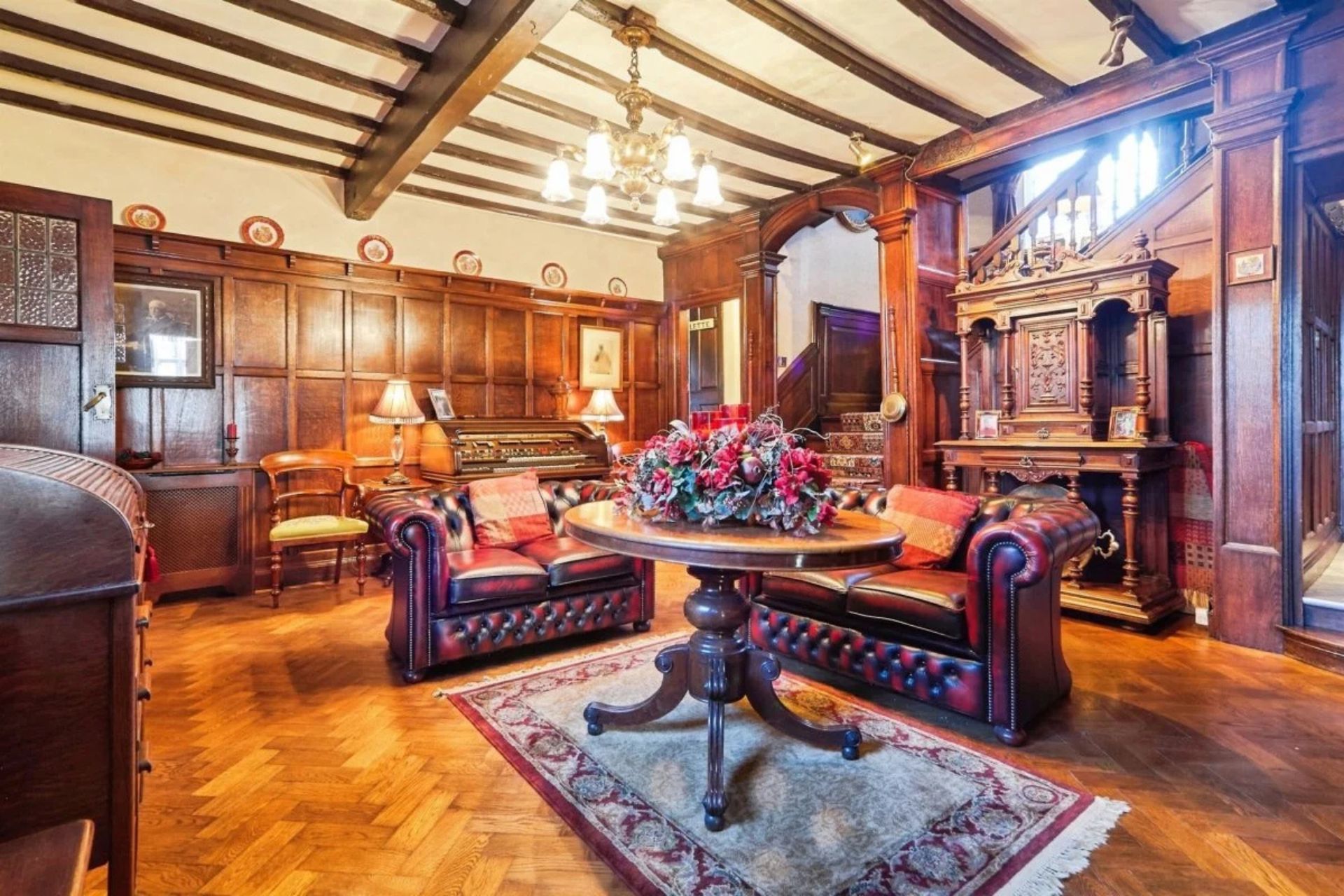
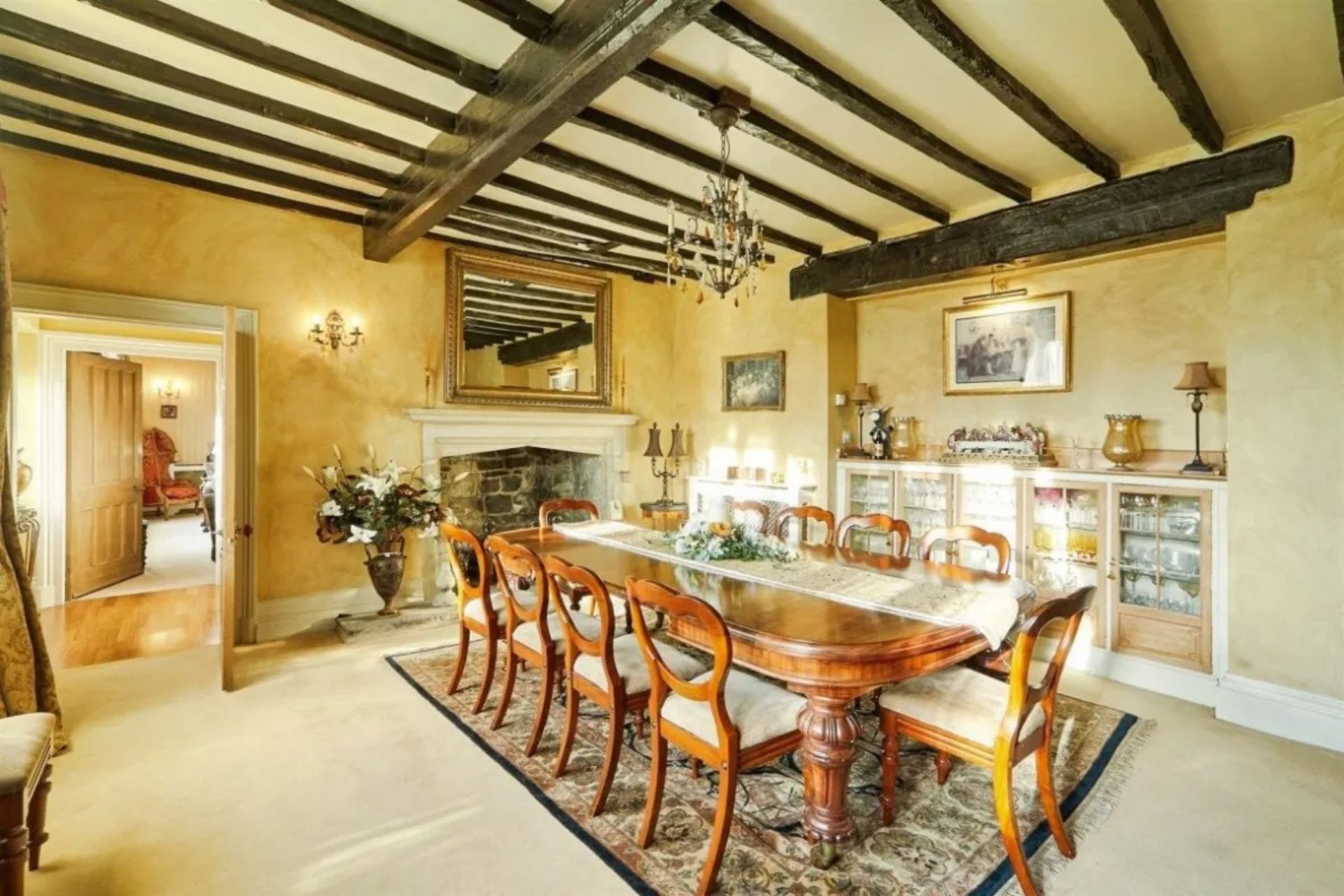
Set within 2.3 acres of land near Keighley, and secluded behind a 3m-tall stone wall, this Grade I listed six-bedroom property is rich in period details. Beyond the slate roof and stone grey facade, reception hall is a particular standout with its stone-mullioned windows, beamed ceiling, herringbone oak parquet flooring, feature fireplace, and extensive oak panelling, plus the historic carved panel which dates back to 1687 as a tribute to the home’s original owner, Thomas Leach. Beyond the flagstone floors and oak-framed doors, the house has also been updated for the present day, complete with a hot tub, granite countertops, and former gun store turned wine cellar. The home is also said to hold a secret passageway – a potential inspiration behind the hidden entrance to Bertha Mason’s attic room perhaps?
Nearby, West Riddlesden Hall’s sister property East Riddlesden Hall was donated to the National Trust in 1943 – its dark stone walls and rose windows having starred in the 2009 Wuthering Heights ITV series, the 1992 production and a 1920 silent film. The National Trust is currently hosting an exhibition there titled Lights, Camera, Brontë, about the manor’s on-screen appearances.
According to Pennington, West Riddlesden Hall is largely identical to its neighbouring property: ‘Each of the halls has a tower, quite an impressive tower with a large rose wool window in it and the only difference between my house and East Riddlesden is I have a flagpole on top of mine,’ he says. ‘It’s idyllic and it’s got everything you could wish for and you’re out of the way so nobody can find you. It’s peace and tranquillity.’
West Riddlesden Hall is on the market for £1.15m. Find out more at holroydsestateagents.co.uk