


This Coaching-Inn-Turned-Home Was Once Frequented By Charles Dickens & Samuel Pepys
By
8 months ago
This Stevenage property is steeped in history
In the Elizabethan era, if you wanted to head north from London, it’s likely you would have taken the Great North Road. Stretching up from Highgate through to Barnet and Hatfield, and on to Stevenage, Baldock and beyond, this was the quickest route out to the city folk’s country manors. Much like how we often reroute our journeys based the best service stations today (no shame in it), the most common routes on the Great North Road were rewired over time to favour the very best coaching inns.
The Tebay Service Station of its time? The Swan Inn in Stevenage. A significant staging post on the Great North Road, The Swan Inn was first recorded in 1530. As well as being the oldest of the Stevenage posting inns, The Swan Inn was also a relatively upmarket option for travellers. Said to be kept by postmaster Cass, clientele were not just ordinary travellers but spanned princes and dukes down to baronets and wealthy knights.
Dickens House: Inside This Historic Transformed Coaching Inn
The Swan attracted many famous fans over the years. Samuel Pepys – who first recorded a journey through Stevenage in his diary on 5 August 1664 – returned to the town in 1667 when he slept over at The Swan Inn. To pass the time, the famous diarist took a turn playing bowls on The Bowling Green opposite, a popular meeting place for locals for more than 800 years, where crowds would gather to hear proclamations, celebrate or remember the dead.
On another occasion, Pepys journeyed over to Stevenage with an entire hoard of gold in tow. The writer had dug it up from his Brampton family home’s garden, where it was originally hidden years earlier in fear of a Dutch invasion. Describing the hazardous journey in his diary, Pepys put his gold in a basket and set it under one of the seats of his coach, pausing his work every quarter of an hour to check whether it was still there. ‘I did ride in great fear all the day,’ he wrote, ‘but it was a pleasant day, and good company, and I mightily contented.’
From St Neots, he headed straight to Stevenage (‘through Bald Lanes, which are already very bad’) and with great care, he, his wife, his daughter and another carried the baskets and ‘set it all under a bed in [the] chamber’.
Far from the only famous face to frequent The Swan Inn, later in the 19th century, Charles Dickens also took a coach from London to Stevenage in order to visit politician and fellow writer Sir Edward Bulwer Lytton at Knebworth House, who collected him from The Swan.
Unfortunately, not everybody had the most pleasant of times on the Great North Road. Charles I was led through Stevenage back to London on the route while under arrest by the Roundhead soldiers during the Civil War. Meanwhile, Robinson Crusoe writer Daniel Defoe described his journey on the Great North Road as ‘most frightful’.
The Great North Road was also notoriously haunted by highwaymen hunting wealthy travellers. Famous robbers include James Witney, who was executed at Newgate prison in 1693 for highway robbery committed on the Great North Road. Meanwhile Dick Turpin is said to have escaped through a secret passage at the Roebuck Inn to evade the local Justices of the Peace.
In Stevenage itself, the passage was described as a frightful, muddy track in desperate need of repair. It was the responsibility of the local parish to maintain the stretch of road that fell within its boundaries. And with potholes plaguing our roads today, it seems some things never change… In 1683, however, locals were totally liable, and the inhabitants of Stevenage were taken to court for failing to repair a part of the road leading between Stevenage and Graveley.
The Swan Inn Today
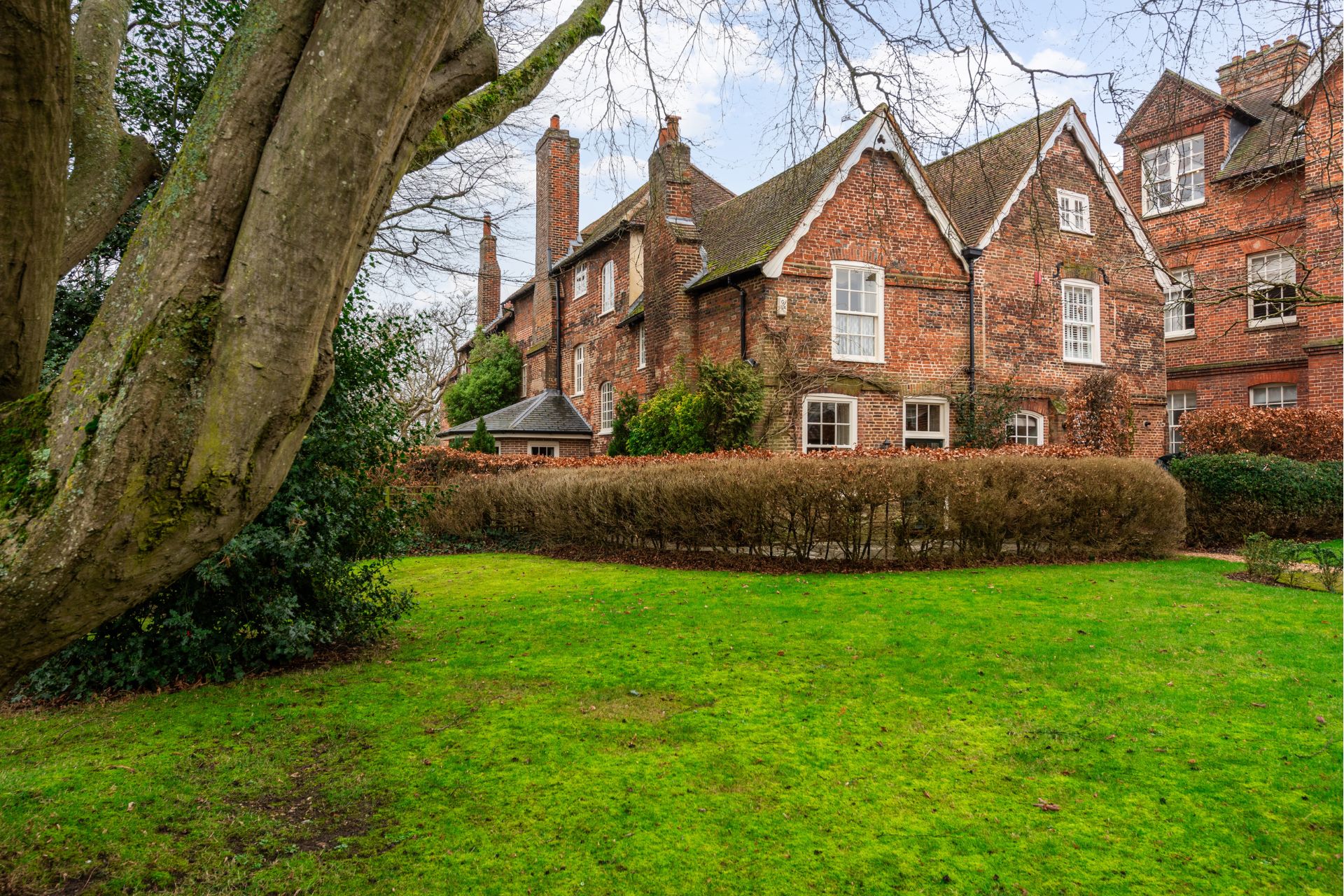
Despite its popularity with visiting travellers, in the 1840s The Swan Inn was renamed The Grange and converted into a school by Reverend John Osborne Seager. From there it was transformed into council houses which incorporated the Town’s Registry Office, and in 1999 City and Country Homes restored the building into two Grade II and Grade II* listed family homes.
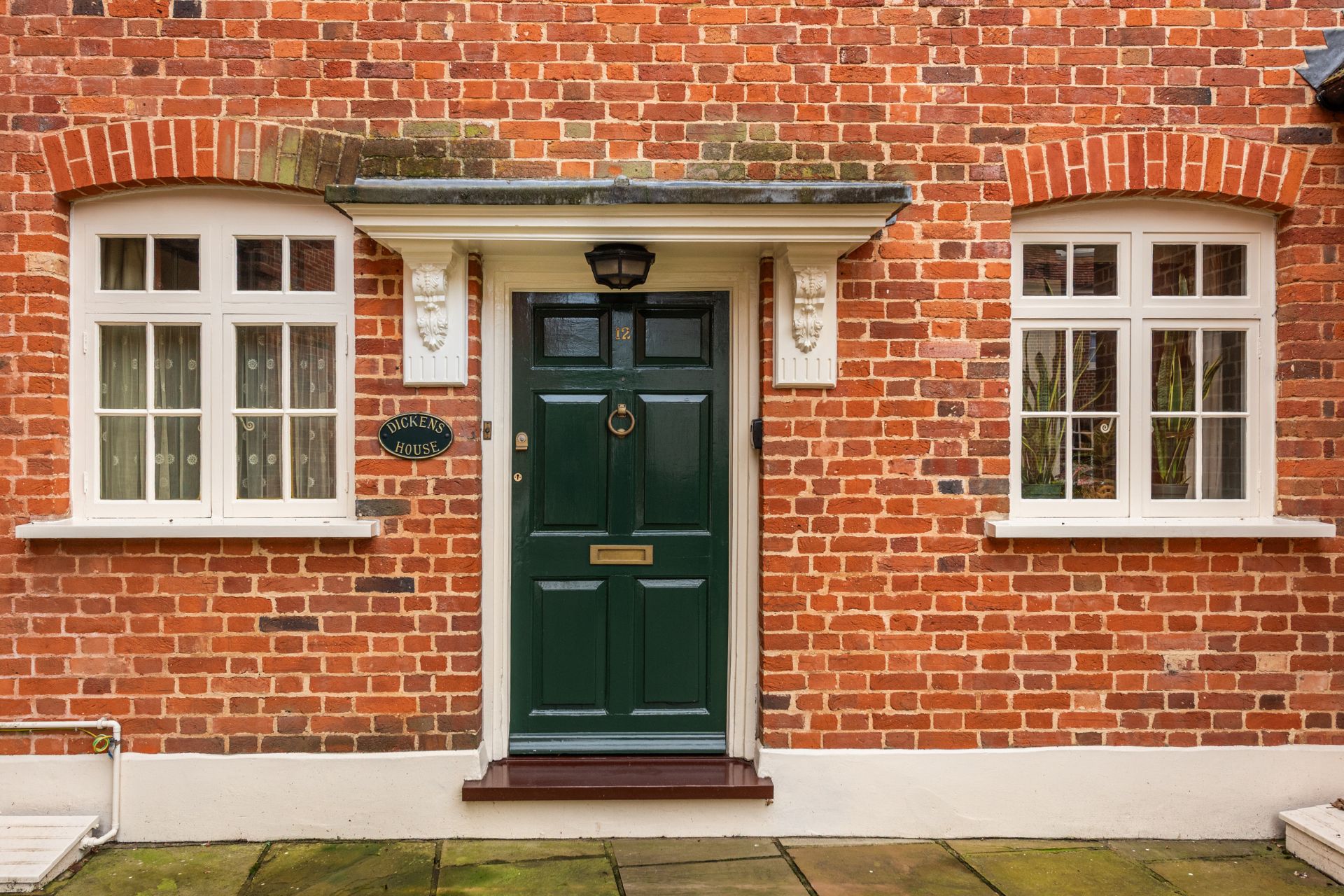
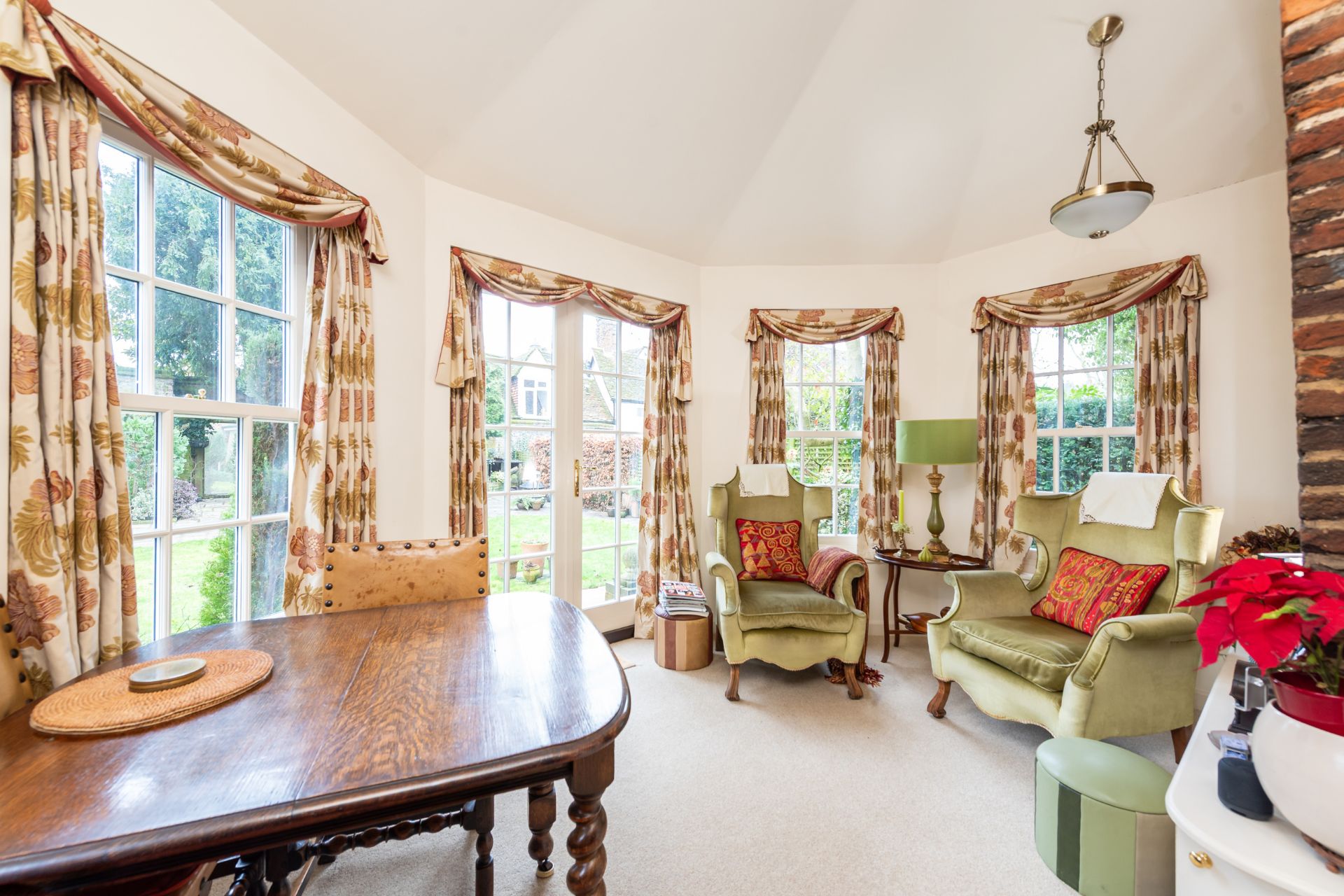
The former, Dickens House (named for its famous visitor), is a three storey detached house spanning 2,500 sqft of refurbished living space. Inside, the historic property features three reception rooms (including a sitting room, dining room and sun room) with four bedrooms spread over the top two floors.
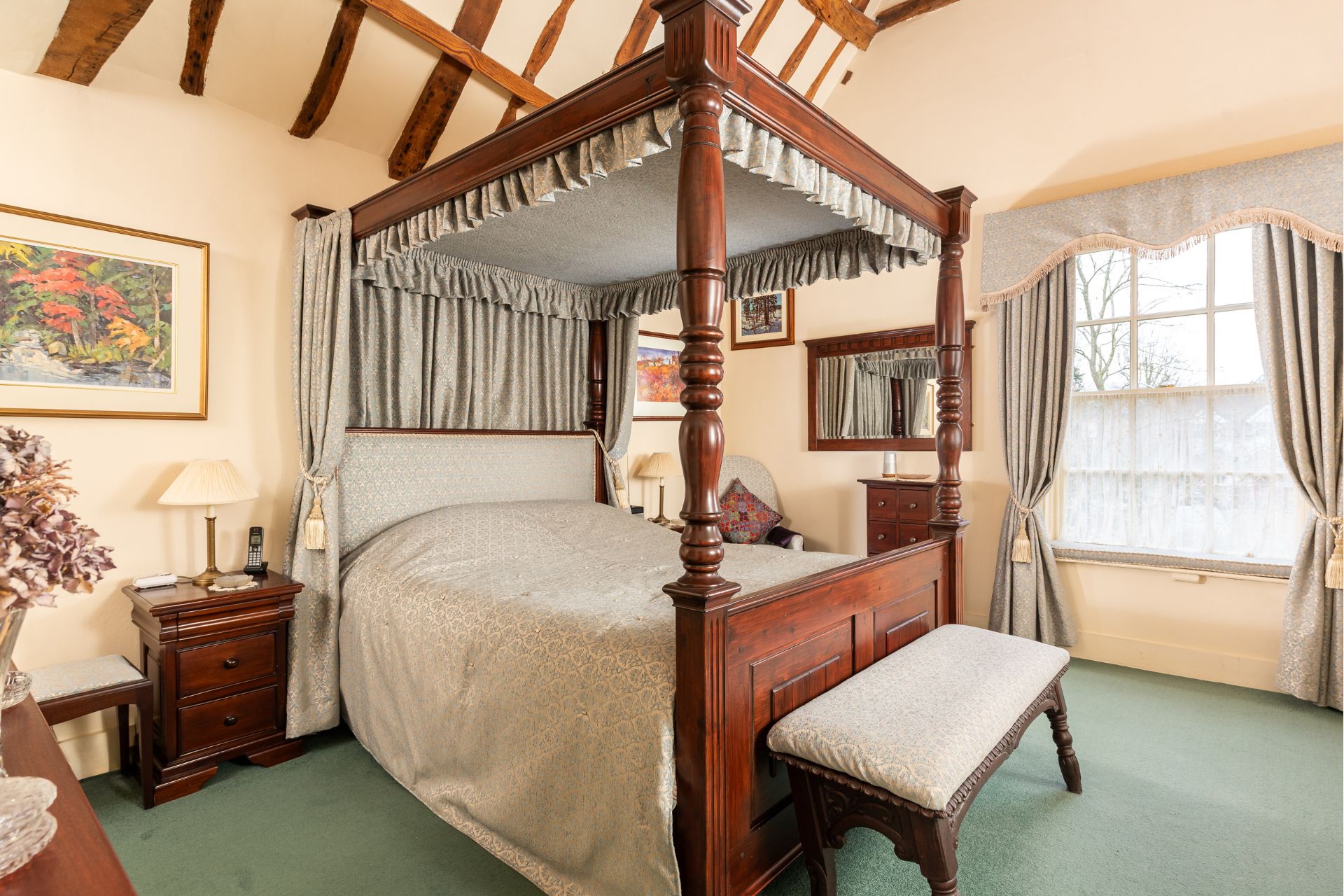
Though updated, many historic features remain including exposed beams, a cast iron fireplace, a Georgian style front door, four-poster beds and a high vaulted ceilings. Other features include a garage, a private south-facing garden, plus communal gardens.
Situated at the entrance of Stevenage’s Old Town, Dickens House is within walking distance of the train station, town centre and the hospital.
The property is on the market for £950,000 as a freehold with a £1,700 service charge p/a. Find out more at michaelgraham.co.uk