


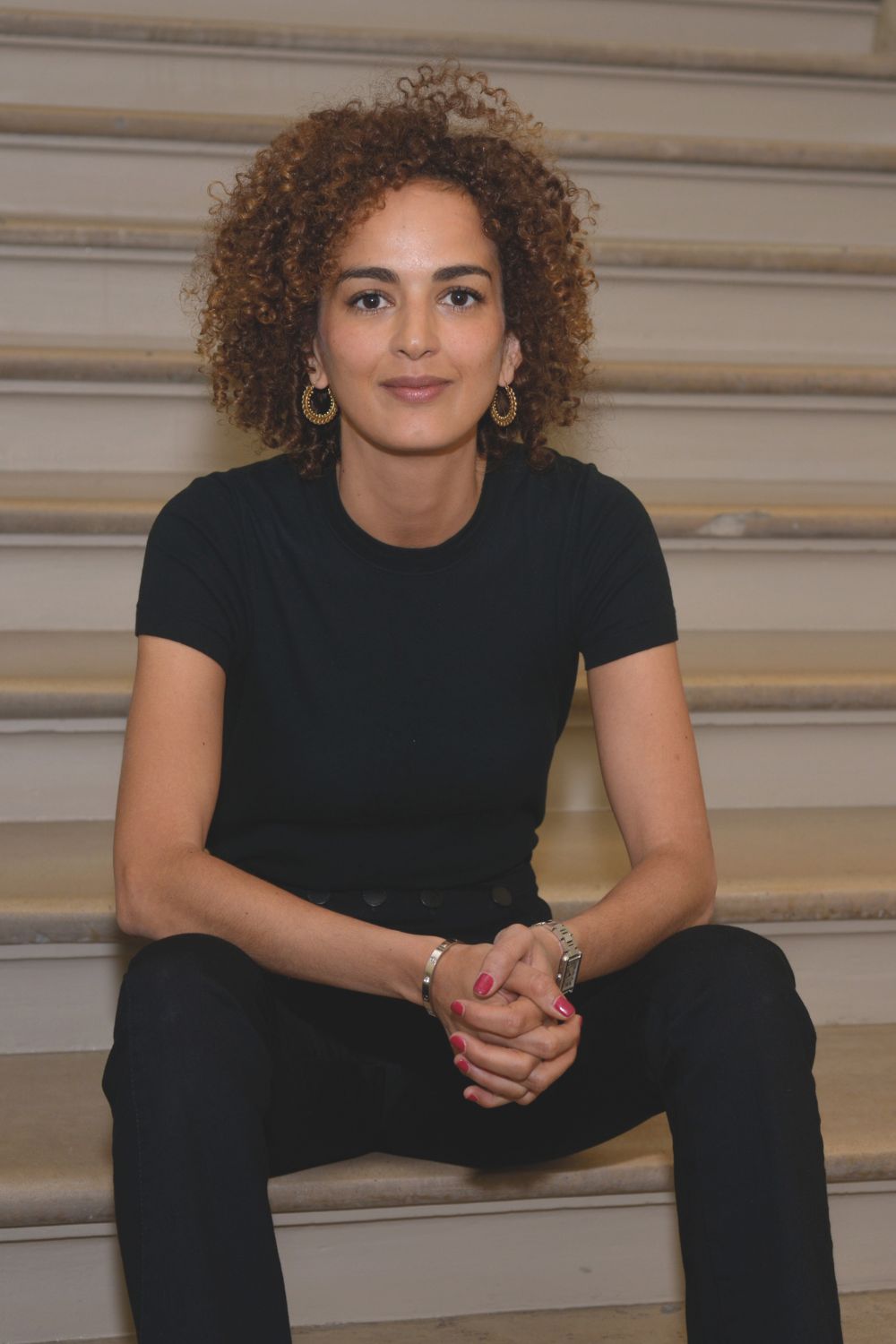
Leïla Slimani On Sexual Freedom, Disappointment & The Heartbreak Of Immigrant Life
By
6 months ago
'I’m convinced the tenderness and empathy we feel for a fictional character can transform us more profoundly than facts and figures'
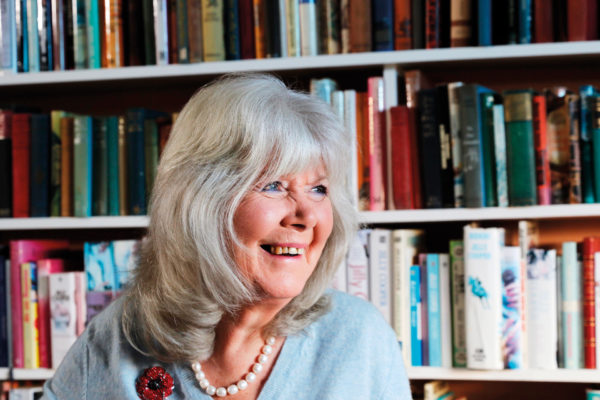
Ahead of her latest book I’ll Take the Fire, the final novel in The Country of Others trilogy, author Leïla Slimani talks to Belinda Bamber about the inspirations behind the story.
Interview With Leïla Slimani
What’s the story of I’ll Take the Fire?
Mia and Inès are third-generation sisters who leave Casablanca for Paris in this final book of The Country of Others trilogy, which is about a family settling in Morocco against a background of historic change.
What’s the significance of the title?
Mehdi tells his daughter, Mia: ‘Leave Morocco and take the fire with you. Don’t look back, don’t dwell on your childhood or your country. Fire is the dream that drives us forward, the flame inside us that must not die.;
How did your own family history inspire the story?
I have no idea how my grandmother felt when she arrived in Morocco or what my father went through in prison. But fiction is a strange process, a falsifying of reality that allows us to get closer to a kind of truth.
Did writing it illuminate your own immigrant experience?
I wanted to detach myself and convey something universal through Mia: the heartbreak that all immigration brings, the feeling of loneliness, the effort required to belong to a new country.
What’s the significance of Mia’s sexuality?
When I arrived in Paris aged 18, having had my sexuality oppressed in Morocco, I built my life thanks to queer culture. Mia is homosexual, contrary to what some horrible conservatives claim – that homosexuality doesn’t exist in Morocco and is a Western perversion.
What has changed for Moroccan women?
An enormous amount. In 1945, the vast majority were illiterate; now, girls are doing much better than boys in engineering, medicine, politics. But major challenges remain – the patriarchy still controls women at every level.
Why is violence a theme of your work?
A great contradiction of the human condition is our desire to belong and our desire to be free. We all seek to channel our rage. I confront my own violence by transforming it into language.
What disappoints you?
Becoming an adult means being disappointed, and that’s what I’ve written about: the disappointment of sexuality in Adèle, the disappointment of motherhood in Lullaby, the disappointment of exile in The Country of Others. Our youthful fantasies and ideals are constantly swept away by reality.
What feels more effective in challenging prejudice, your novels or your journalism?
I’m convinced the tenderness and empathy we feel for a fictional character can transform us more profoundly than facts and figures.
How does being multilingual affect you?
English is increasingly important to me; I was moved and honoured to chair the 2023 International Booker Prize. I’m learning Portuguese because I live in Lisbon with my French husband and two children. Arabic unfortunately drifted away when I moved to Paris – I have always felt great shame and sorrow about this.
How would you like to be remembered by your own grandchildren?
By the meals I prepared! I enjoy cooking for the people I love and organising dinners where we share the joy of being together.

I’ll Take the Fire by Leïla Slimani is published on 23 April (Faber & Faber, £16.99)
ALSO ON THE READING LIST…
For his Costa award-winning novel A Place Called Winter (2016), Patrick Gale researched his own family history to tell the fictionalised story of his great-grandfather, a man who emigrated to Canada in the early 1900s to escape a gay scandal, leaving behind his wife and daughter.
Gale’s new standalone novel revisits Harry Cane in the 1950s, now an elderly wheat farmer in Saskatchewan grieving the secret love of his life, Paul. Returning to England, he reconnects jaggedly with his long-lost daughter, Betty. As ever, Gale powerfully evokes the push-pull of family ties, the anguish of secrets and his belief in true love – whatever its name.
Published on 26 March (Tinder Press, £20), uk.bookshop.org