


Inside A Home On The Same Street Where Vladimir Lenin Once Hid Out
By
6 months ago
The Russian revolutionary lived just down the road
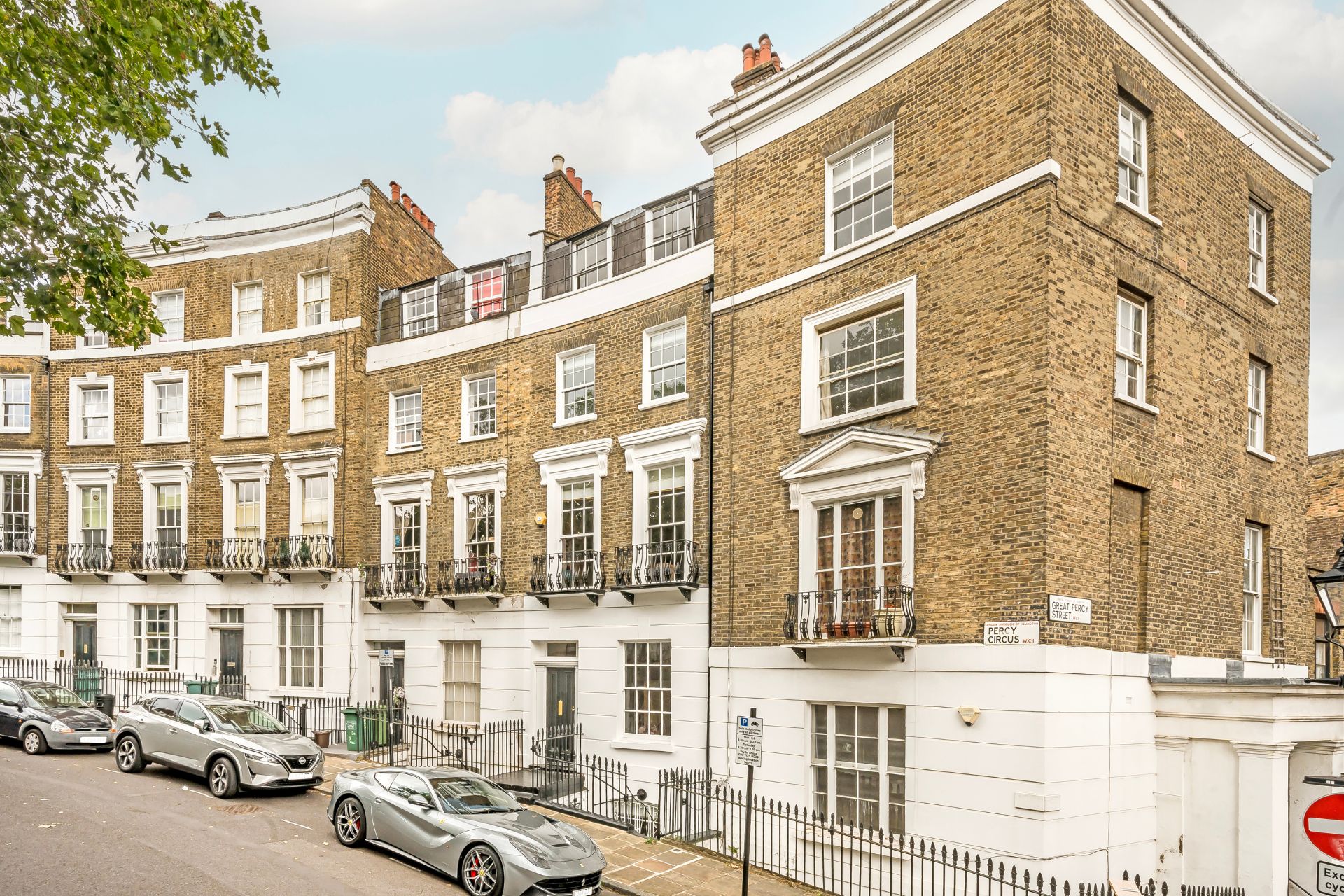
Only a few doors down from Vladimir Lenin’s secret London hideout, this Percy Circus home is steeped in history.
The History Of Percy Circus
In April 1902 a couple by the names of Dr and Mrs Jacob Richter got off the train at Charing Cross station and arrived in London for the very first time. Dr Richter soon registered himself as a reader at the British Museum’s Reading Room, claiming rather vaguely that he had come ‘to study the land in question’.
In an era of anti-tsarist sympathy, when the British authorities were more concerned with the Irish, Latvians and Jews than potential foreign communists, the Special Branch paid no intention to these two new Russian immigrants. And did not think twice to check whether the names they gave were the same as the names they held back home. For Mrs and Dr Jacob Richter were not named Richter at all; their real names were Nadezhda and Vladimir Ilyich Ulyanov – AKA the Lenins.
Unbeknownst to the police, Lenin and his wife had just fled an undercover operation in Munich, fearing imminent arrest by the German police. And so they moved in with a small community of Russian political exiles just off the Gray’s Inn Road, renting rooms for £1 a week.
Entirely focused on his political work, Lenin split his time between the editorial office of his radical newspaper Iskra (The Spark) and the British Library, using his residence as a base for revolutionary planning while evading the Russian authorities. Despite his hatred of capitalist London, and the rigid English class system, the revolutionary is said to have enjoyed English beer and could often be found having a pint at the Crown Tavern (then known as the Crown and Anchor) – where he allegedly met Joseph Stalin.
Leaving the country for a brief three months, Lenin returned to London in the spring of 1903, now back and undercover for the second congress of the Russian Social and Democratic Labour Party. He then returned for the third congress in 1905. Under increased scrutiny for government officials, he hid out at no 16 Percy Circus in Clerkenwell – a brief residence now commemorated by a Blue Plaque.
Inside This Percy Circus Home
Now available to rent, this five-storey, Victorian townhouse sits just down the road from no 16. The property – along with the rest of the Grade II listed crescent – was built circa 1839 as part of the New River Company’s ambitious estate expansion. The street itself is named after the governor of the New River Company from 1827-45, Robert Percy Smith.
Drawing inspiration from the Royal Crescent in Bath and the neoclassical planning of Edinburgh, Percy Circus’s circular form is unique for central London. Designed by architect-surveyor William Chadwick Milne and built along a steep hillside, the terrace descends a full storey as it moves west toward the valley of the River Fleet.
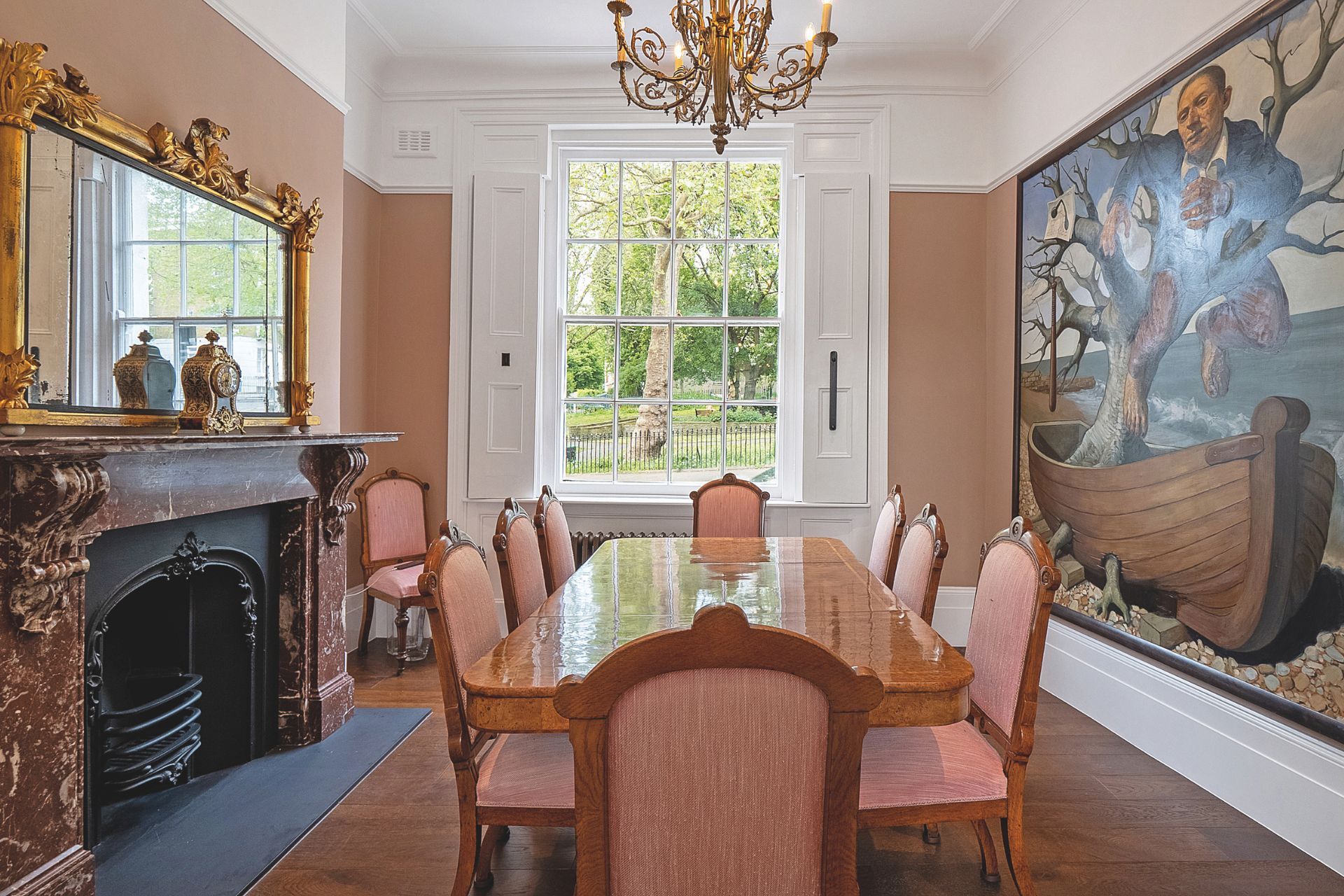
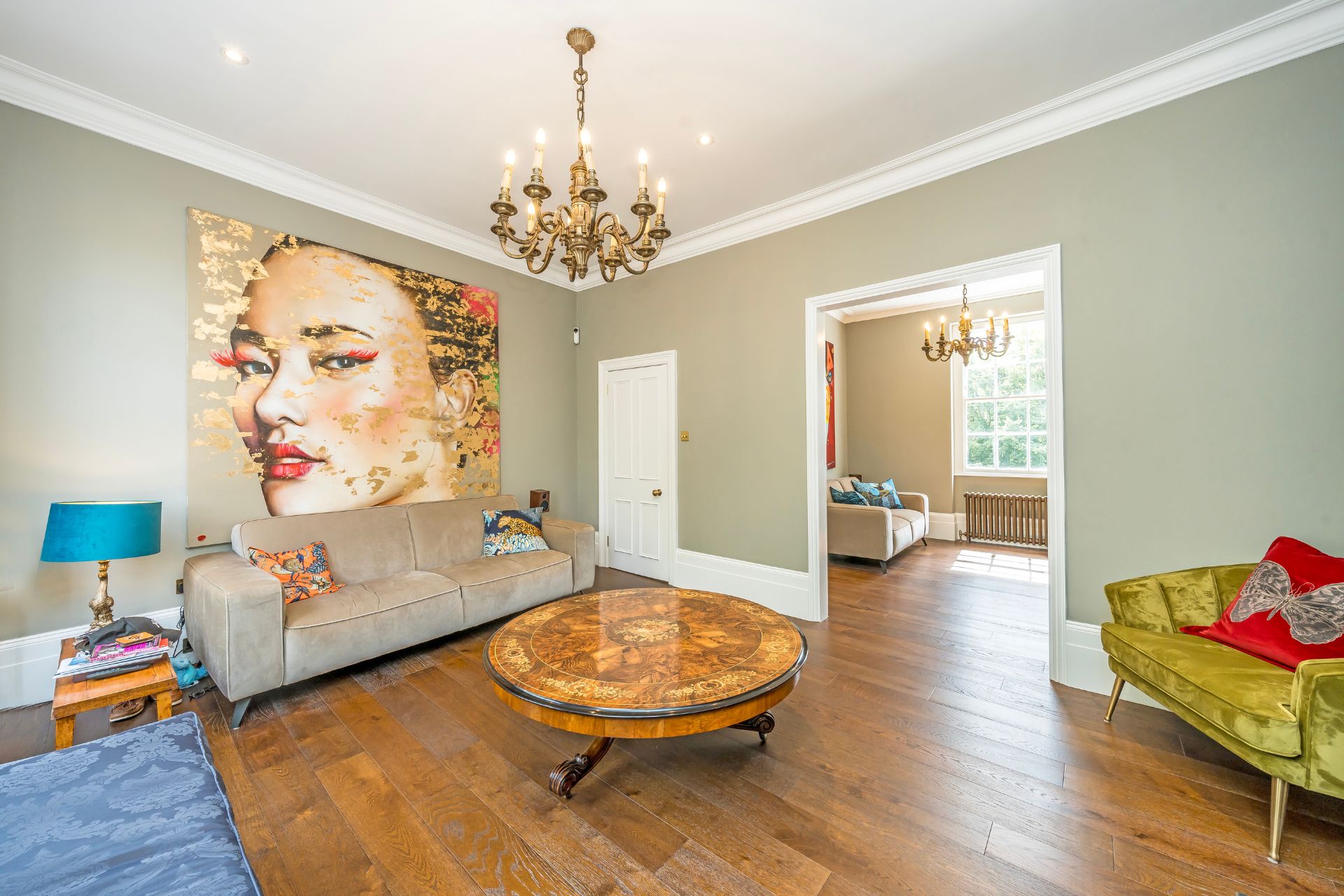
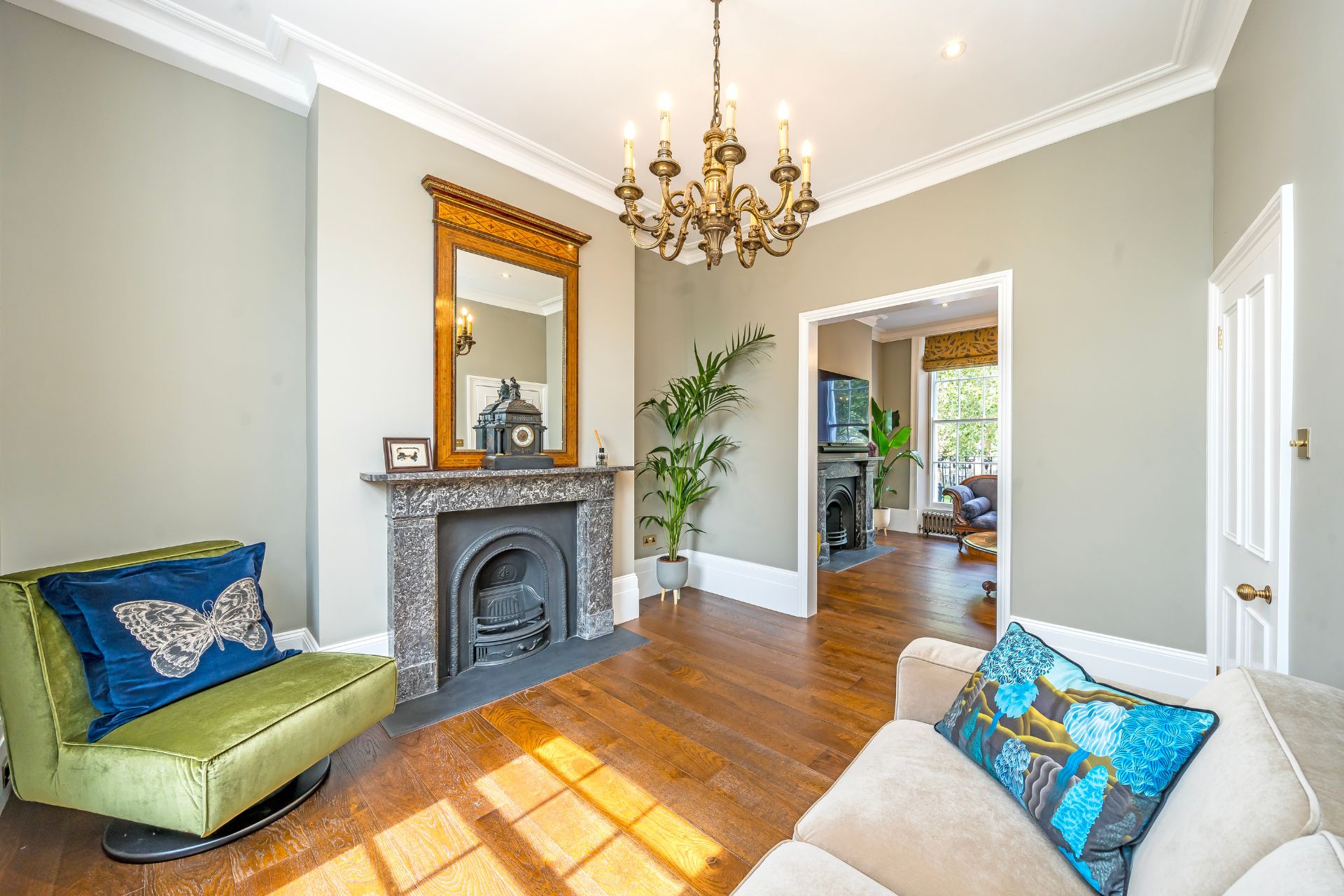
Spanning 2,728 sqft of accommodation, no 16 Percy Circus boasts four bedrooms, three bathrooms, four reception rooms and an 80 ft south-west facing garden. With this garden outback and a park outfront, the sash windows offer up green, light-filled views throughout the home. Classical features (think high ceilings, chandeliers, shutters, marble fireplaces and gilded mirrors) are paired with modern artwork and neutral tones to create a playful mix of old and new.
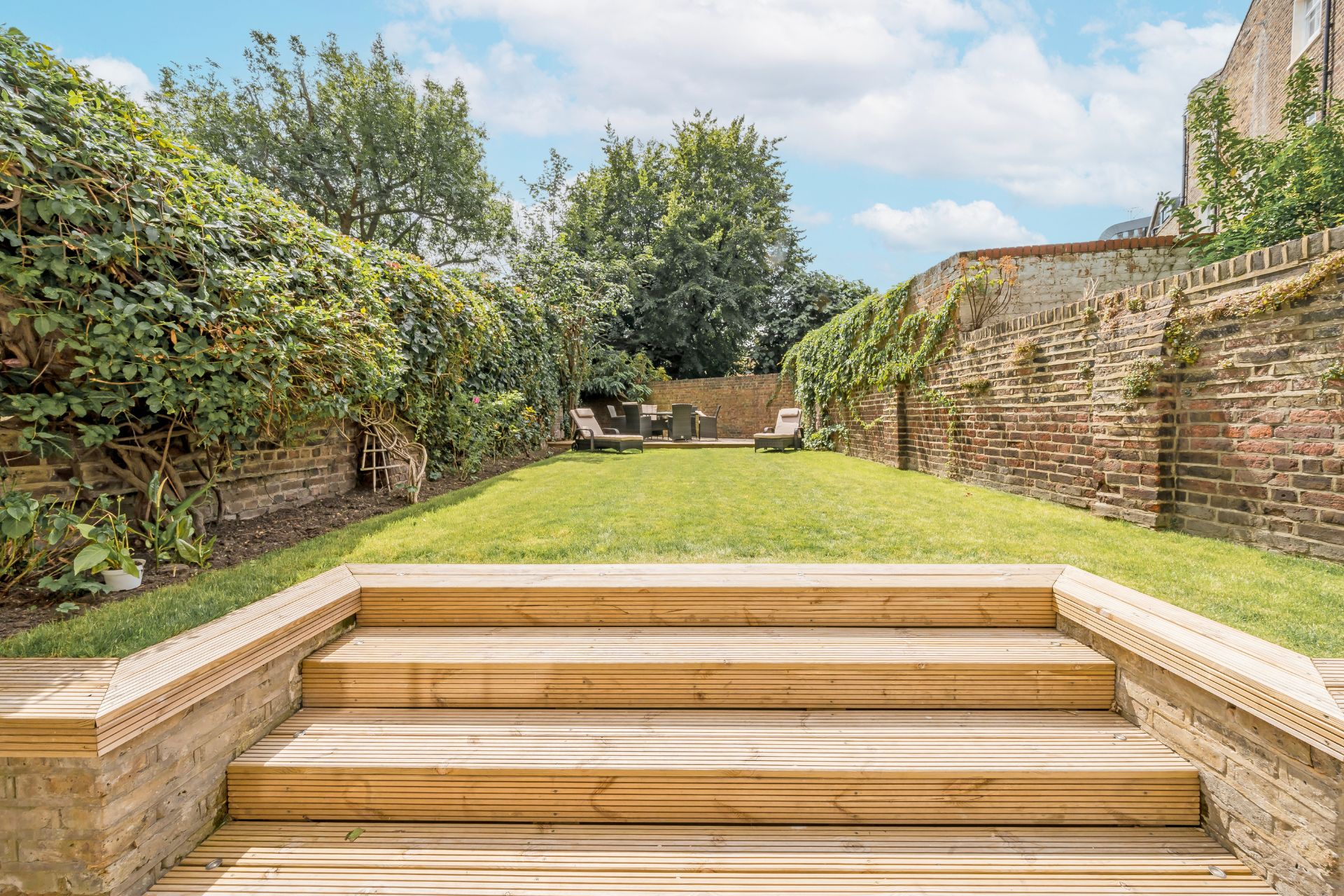
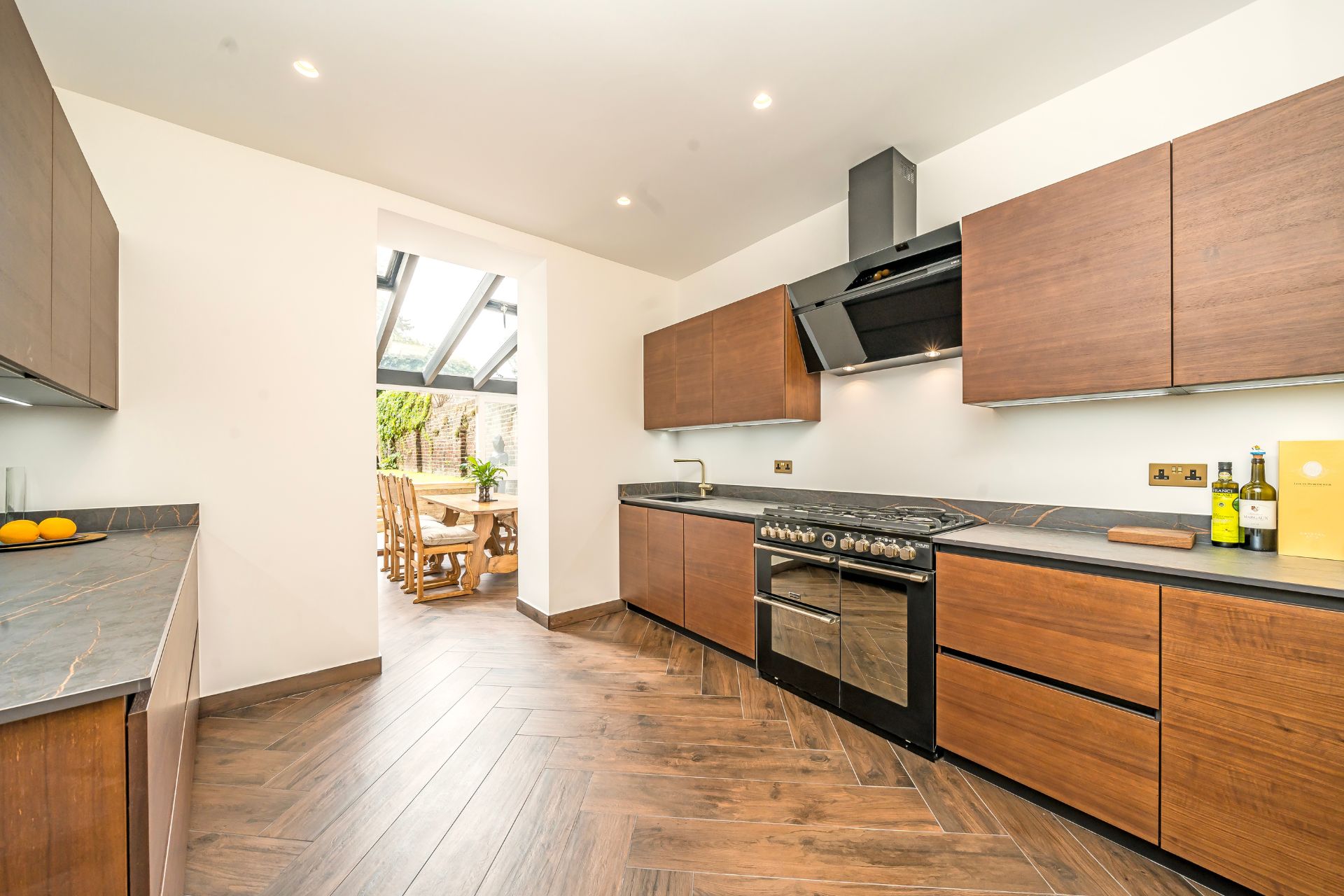
The lower ground floor includes a bedroom and bathroom, as well as a fully fitted kitchen and family dining area, crowned with a skylight and bi-folding doors that open out onto a decked patio and landscaped walled garden. Meanwhile, the first floor comprises two interconnecting living rooms, alongside a utility room, and the second floor hosts the principal bedroom, complete with a walk-in wardrobe, en suite bathroom – with a bathtub overlooking the garden – a separate shower, his-and-hers sinks and a private terrace.
Percy Circus is available to rent £2,877 per week (£12,500 per month). Find out more at dexters.co.uk