


Soho House Founder Nick Jones Has A Private Island For Sale In Scotland
By
5 months ago
Inchconnacan is also home to a family of wallabies
Soho House: it’s cool, it’s elusive, and it’s impossible to get into. With a waiting list said to hover somewhere around the 27,000 mark, and a membership that will leave you at least £2,000 short every year, it’s no wonder so many A-listers are drawn in by its exclusive allure.
While you may not be able to weasel your way inside, its founder now has an even more exclusive proposal to offer: a private island for sale in Scotland.
Discover An Island For Sale In Scotland
CGI rendering
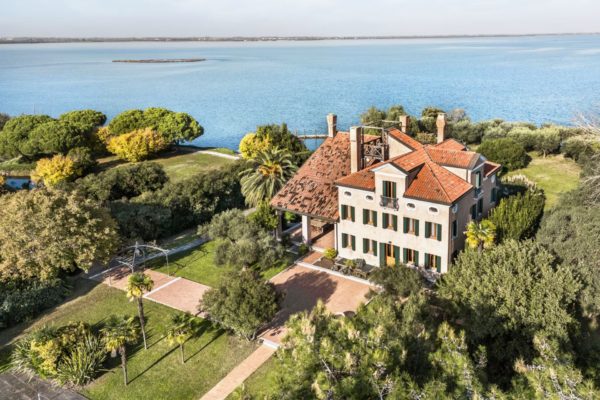
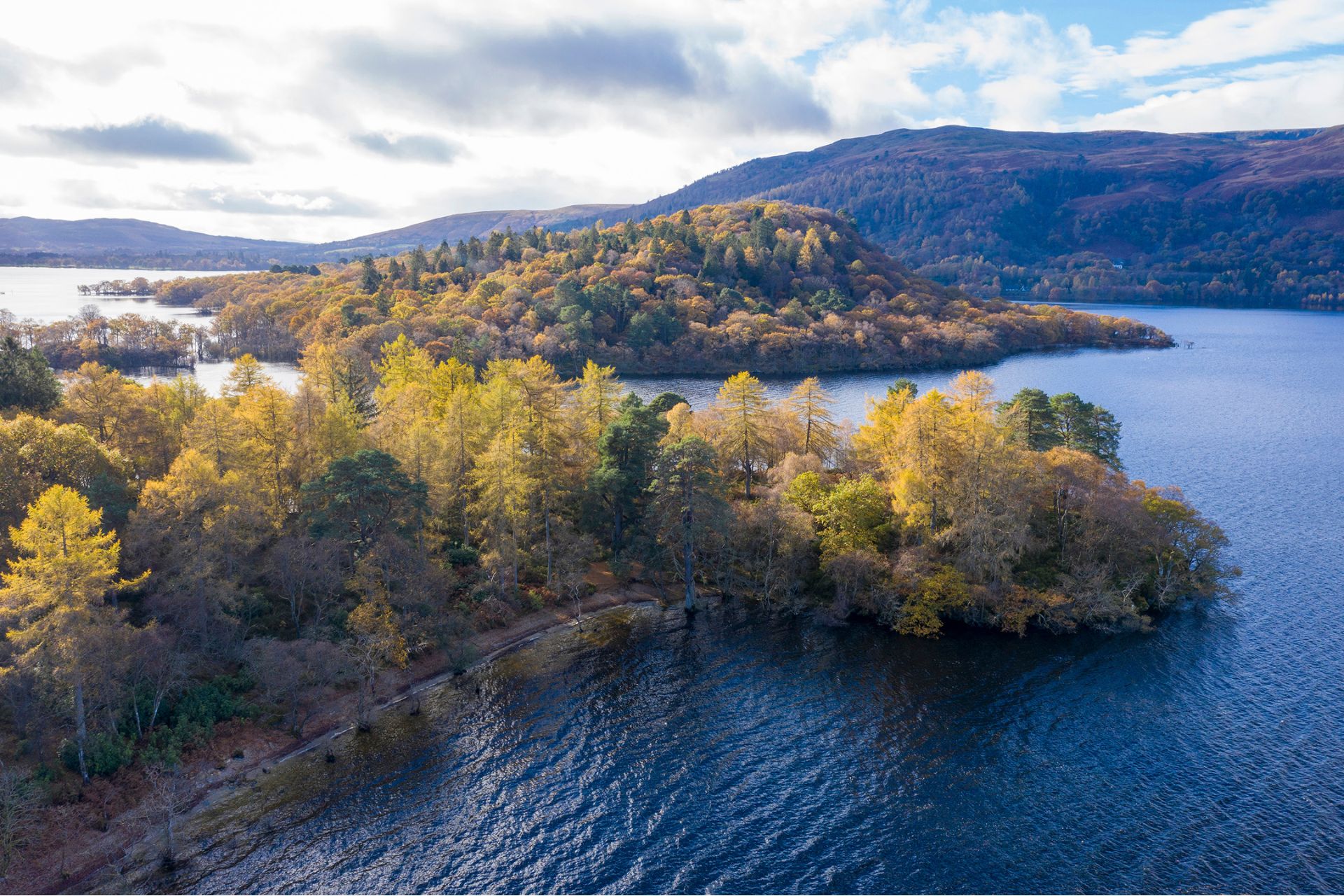
Introducing Inchconnachan Island. Located on the ‘bonnie, bonnie banks of Loch Lomond’, and set within the heart of the Loch Lomond & The Trossachs National Park, this 103-acre plot is one of the most significant private island offerings to hit the market in recent years. Secluded by an ancient wood of pine, oak and birch, the island enjoys privacy, untouched beaches and uninterrupted views, with elevated vantage points on the 50-metre summit offering up panoramic scenes across the open shoreline to the peak of Ben Lomond.
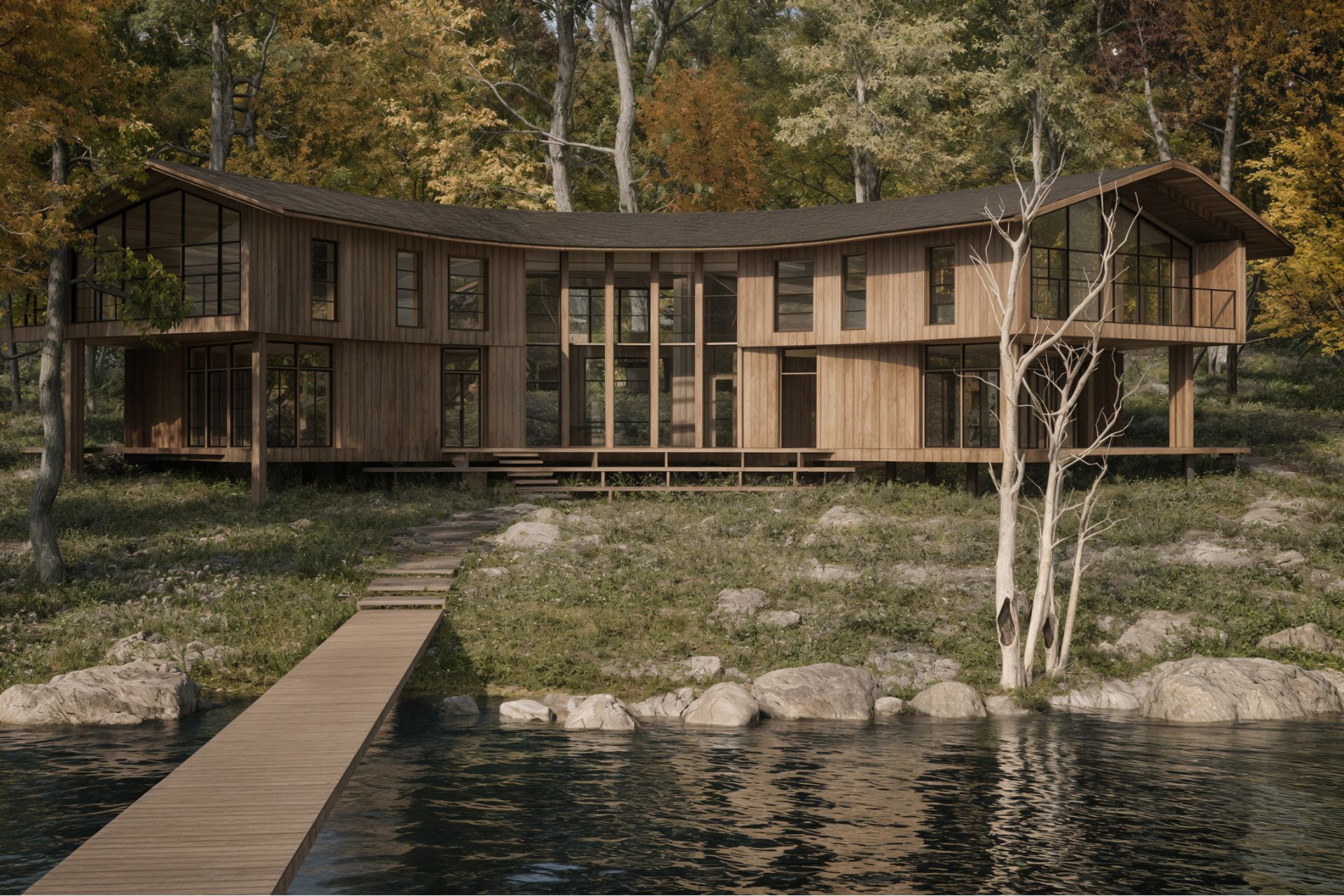
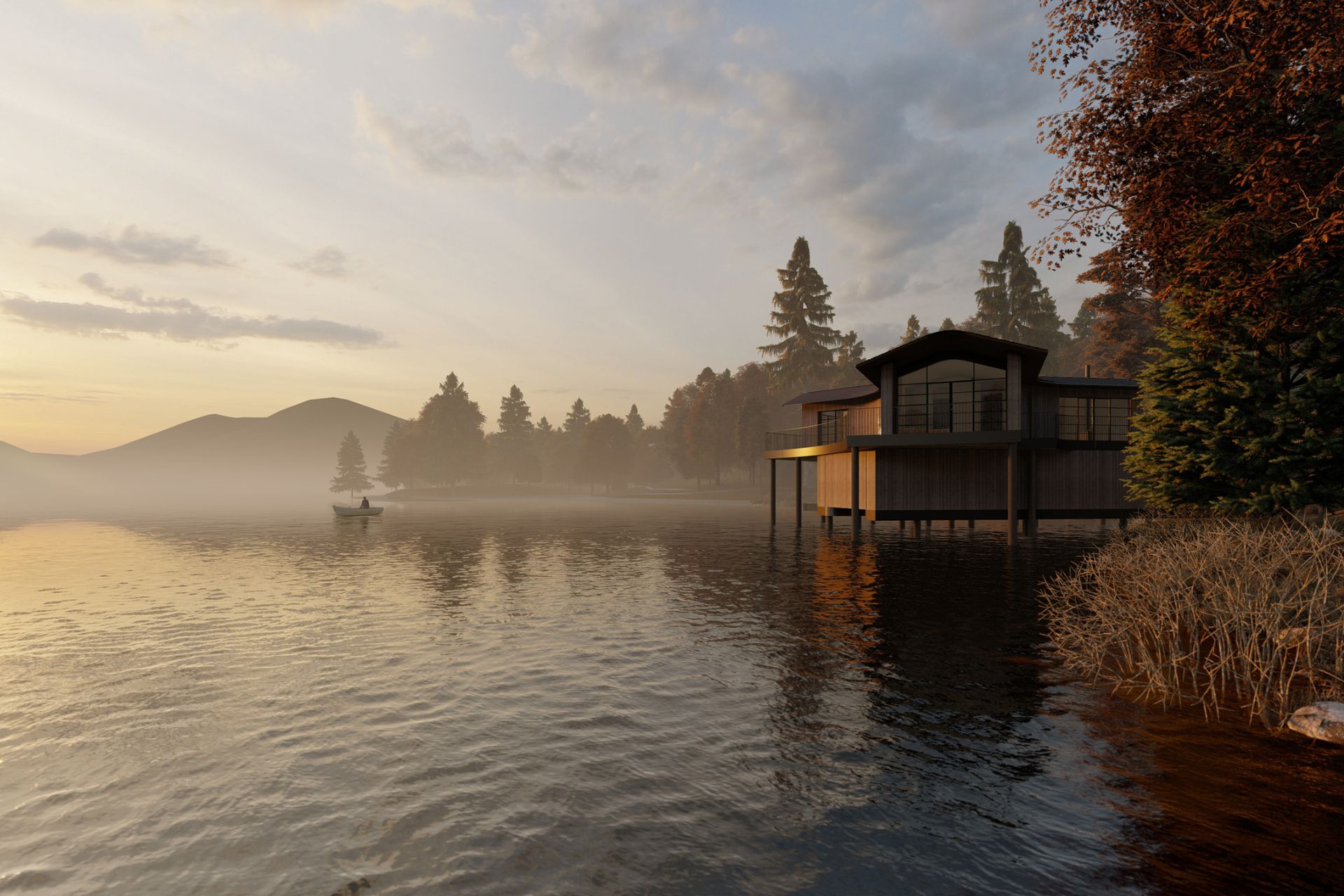
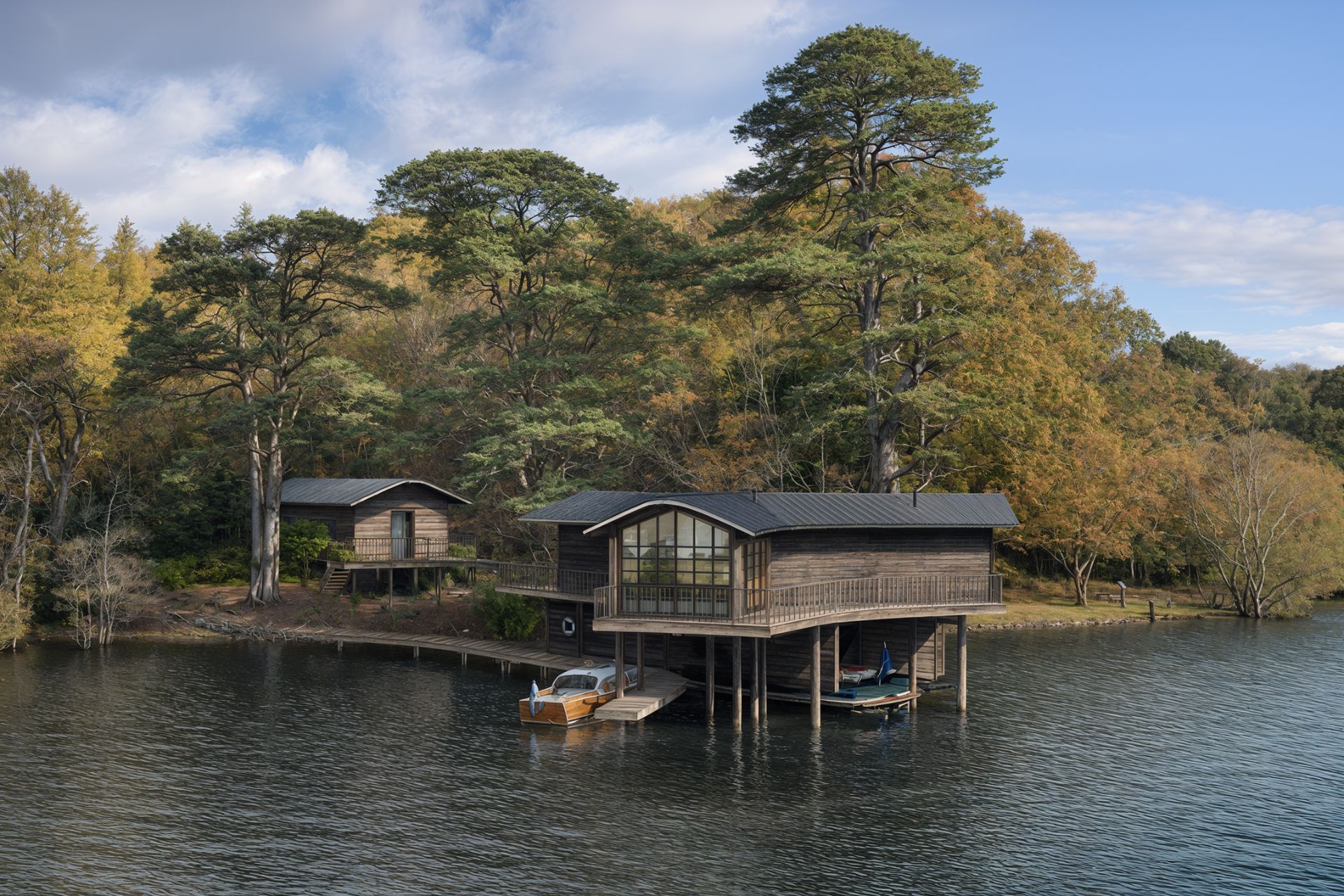
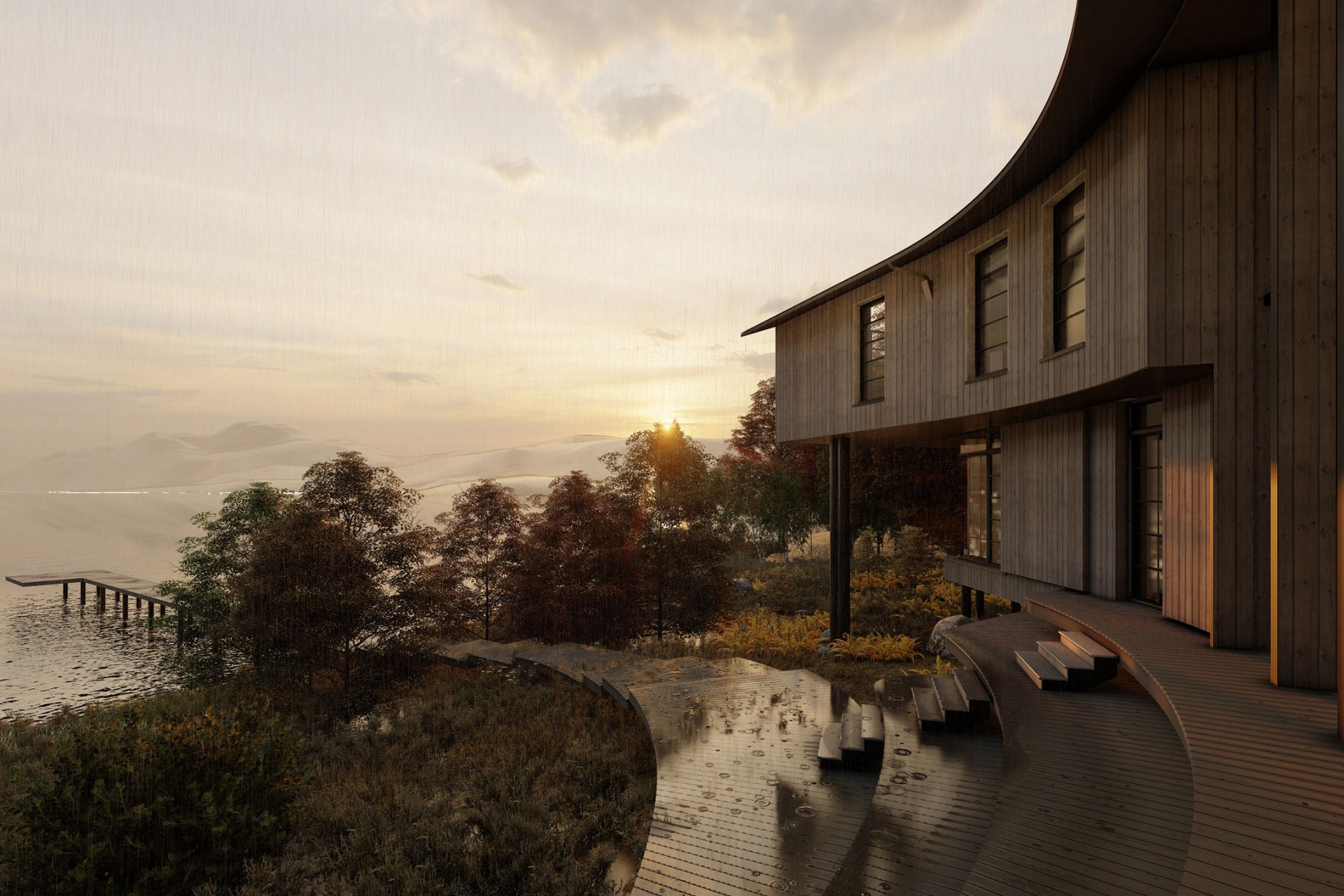
Currently owned by Soho House founder Nick Jones, the near-empty island is either available at £3m for the land alone, or for £10m – for which a turn-key residence dreamt up by Jones will be built on the plot. The proposed property has already received planning permission, and boasts the extra-added value of being born from the brain of one of the world’s top tastemakers. The design of the structure has been led by Nicos Yiatros and Gunna Groves-Raines of GRAS Architects, both renowned for their work in Scotland and across the wider world. Designed with a focus on restraint, longevity and sympathy for the landscape, the property will be deliberately understated to keep the island at the fore.
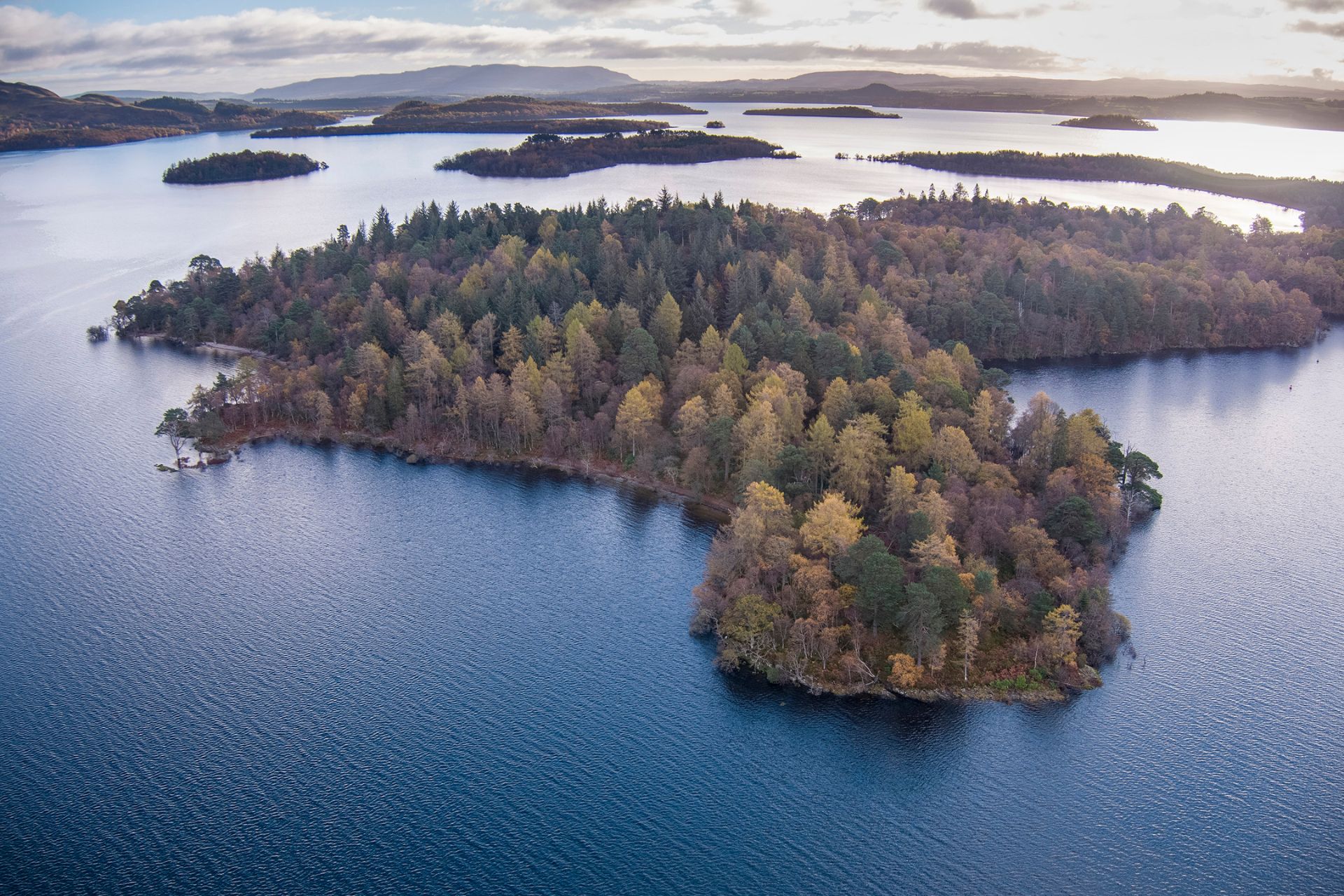
Shaped around Inchconnacan’s natural topography and designed to minimise environmental impacts on the woodland floor and root systems, the blueprints ensure that important existing trees will be retained. Similarly, its shoreline position was chosen to reduce visual presence and limit interaction with other visitors to the island (Scotland’s open land laws mean tourists can womble across and even camp out on the island, regardless of who owns it).
At the heart of the plans is the Main House – a two-storey lodge with a private jetty. Though currently conceived as a three-bedroom property, there is flexibility to reconfigure the layout to accommodate additional bedrooms (up to five in total) if required. Planning also includes a boathouse with integrated warden’s accommodation and a private jetty, alongside an additional jetty and a garage/storage facility located on the mainland.
CGI rendering
Just a 15-minute boat ride away from Scotland-proper, for an island in the Scottish wilds Inchconnachan isn’t especially cut-off from the wider world. For those who can’t get into Soho House, the renowned private members club Loch Lomond Golf Club, designed by Tom Weiskopf, is only a quick boat trip away, while Glasgow International Airport is a 30-minute journey further, traffic dependent.
Talking about the private island, Nick Jones says, ‘This is a once in a lifetime opportunity to own an island and to care for its flora, fauna, and wildlife, under the guidance of Nature Scot. […] The house has been designed for extreme comfort, for family, for golfing and fishing weekends, as well as moments of solitude and reflection.’
CGI rendering
The History Of Inchconnacan
While Wallaby Island sounds like some tropical paradise just off the Australian coast, it’s actually the nickname for this rainy Scottish outpost. In the 1940s, a wild colony of red-necked wallabies were introduced to the island by its eccentric owner, Fiona Gore, Countess of Arran. A pioneering Scottish aristocrat and powerboat racer, the Countess was known for her unconventional spirit. Later earning the nickname ‘the fastest granny on water’, she became the first woman to travel faster than 100mph in a speedboat.
Born in 1918 to the famous Colquhoun clan in Scotland, Gore’s family had owned Inchconnacan (translation: ‘The Colquhouns’ Island’) and the surrounding isles since the 14th century. She grew up on the western shore of Loch Lomond and loved exploring the islands surrounding her childhood home at Rossdhu, often returning to Inchconnachan as its mid-loch location and secluded bays made it ideal for powerboating.
CGI rendering
Back then, the only property on the island was a derelict colonial-style timber bungalow from the 1920s, which was built for the tea merchant Admiral Sullivan. But, having fallen in love with the hidden oasis, Fiona ordered a timber-framed holiday home, boathouse and pier for her personal use – all three of which are now derelict.
In 1937, Fiona then married Sir Arthur Gore, the 8th Earl of Arran, making her the Countess of Arran. At their home in Hemel Hempstead, Gore’s penchant for keeping non-native animals, such as llamas and alpacas, was well-documented. She introduced the red-necked wallabies to the island in the 1940s, of which somewhere between 50 and 60 still survive.
A Site of Special Scientific Interest, other animals to call the island home include sea eagles and the native capercaillie, an endangered woodland grouse.
The island was eventually put up for sale by the the Colquhoun family in 2020 for a little over £500,000 – a sixth of its asking price today.
On the market for £3m (island alone) or £10m (island with property). Find out more at sothebysrealty.co.uk