


Jewellery Restoration Is In – Here’s How I Put The Sparkle Back Into My Ring
By
5 months ago
From forgotten to cherished: how the same woman’s treasure can be revamped
Upcycling heirloom pieces has never been so popular as increasingly eco-savvy consumers turn to their jewellery boxes for inspiration, transforming dated designs into modern, bespoke showstoppers. Juliet Herd explores the trend of jewellery restoration, and tries it out for herself.
Inside The Jewellery Restoration Trend
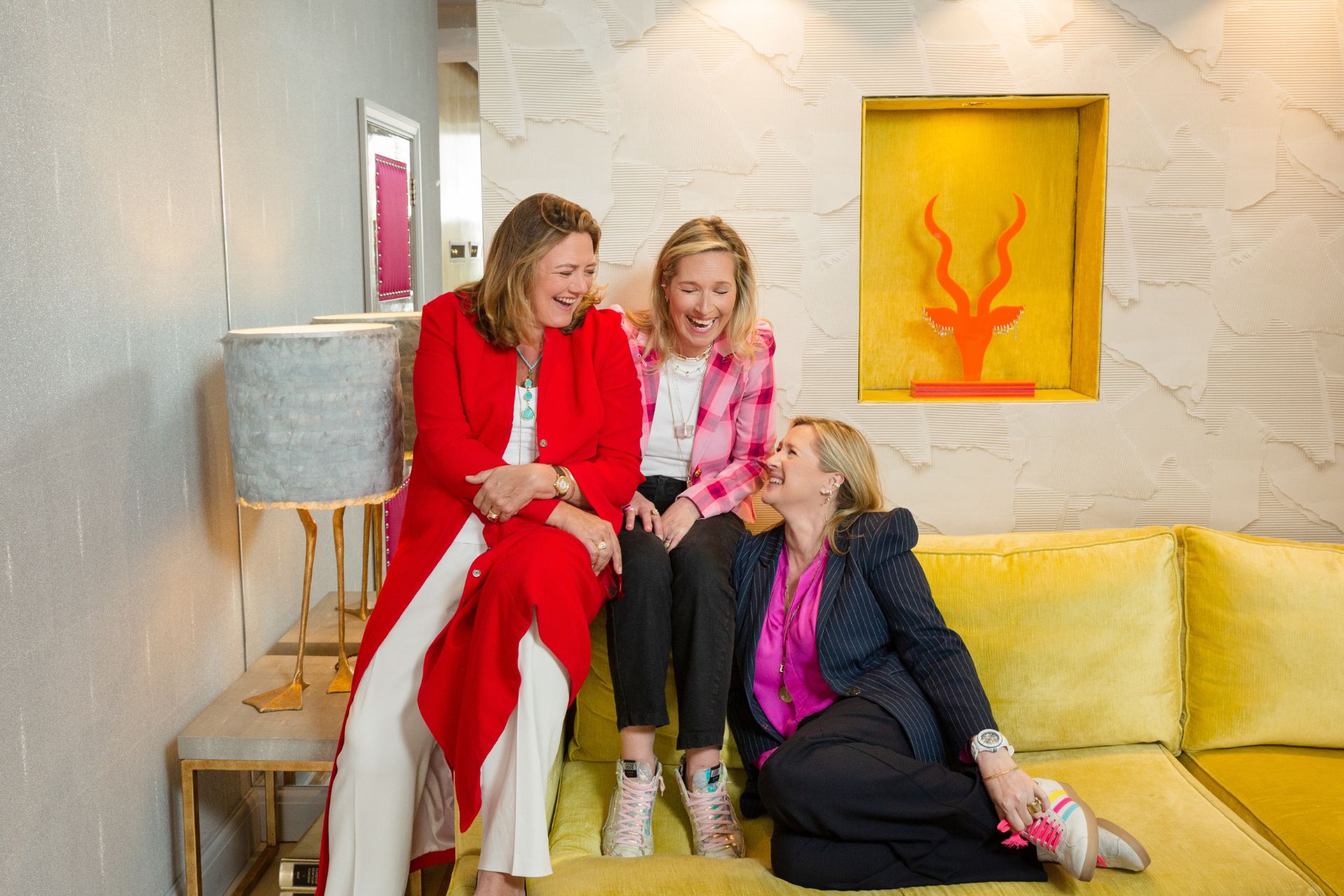
Robinson Pelham founders (left to right): Kate Pelham Burn, Vanessa Chilton and Zoe Benyon
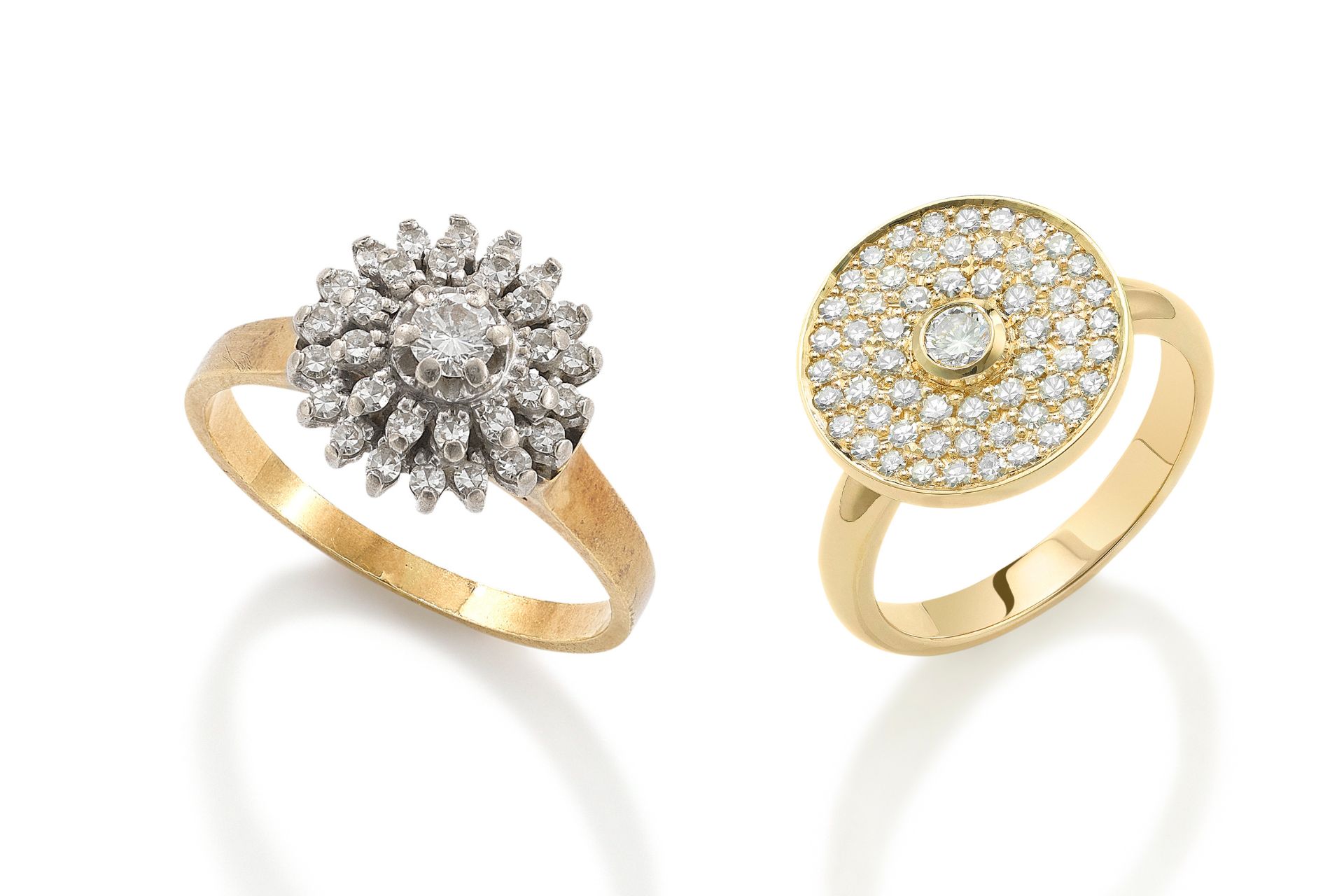
I am sitting on Robinson Pelham’s distinctive yellow sofa at its flagship Chelsea store as co-founder and jeweller Vanessa Chilton talks through ideas to revamp an old family ring that has remained hidden in my jewellery box for years. A traditional diamond engagement ring flanked by three diamond guard rings, it’s more of a neglected trinket than a treasured heirloom. But chatting to Chilton, I start to become excited at the prospect of giving it a new lease of life and transforming it into something that I would wear.
I’m not the only one looking to ‘reinvent rather than retire’ family pieces. According to Pinterest Predicts 2026, searches for ‘heirloom jewellery’ have increased by 45 percent, a trend driven mainly by Gen Z and Millennials. Bespoke jewellery, including remounted and redesigned old pieces, outsold ready-made inventory by a whopping 340 percent in 2024, according to American luxury brand consultancy Tuple Strategy. It is part of a wider shift towards a circular economy in jewellery as increasingly eco-savvy customers demand more from every purchase.
Robinson Pelham, whose clients include the Princess of Wales and Gwyneth Paltrow, has been customising jewellery since 1996 when Chilton, and fellow founders Zoe Benyon and Kate Pelham Burn, first set up shop together. ‘Private commissions are still a big part of the business; they’re really at the heart of what we do best,’ says Chilton, who studied jewellery and goldsmithing at Central St Martins before working for Elizabeth Gage and other eminent names. ‘We like to get to know our customers and find out what makes them tick. We then weave this into a unique and symbolic design; something that encompasses them as a person. No project is too complex, no idea too farfetched.’
The very nature of using old pieces is sustainable,’ she continues. ‘Over the years we have come across beautiful stones that have been tucked away at the back of a safe. They emerge and we are lucky enough to be able to reimagine them into something that can be worn for generations to come.’
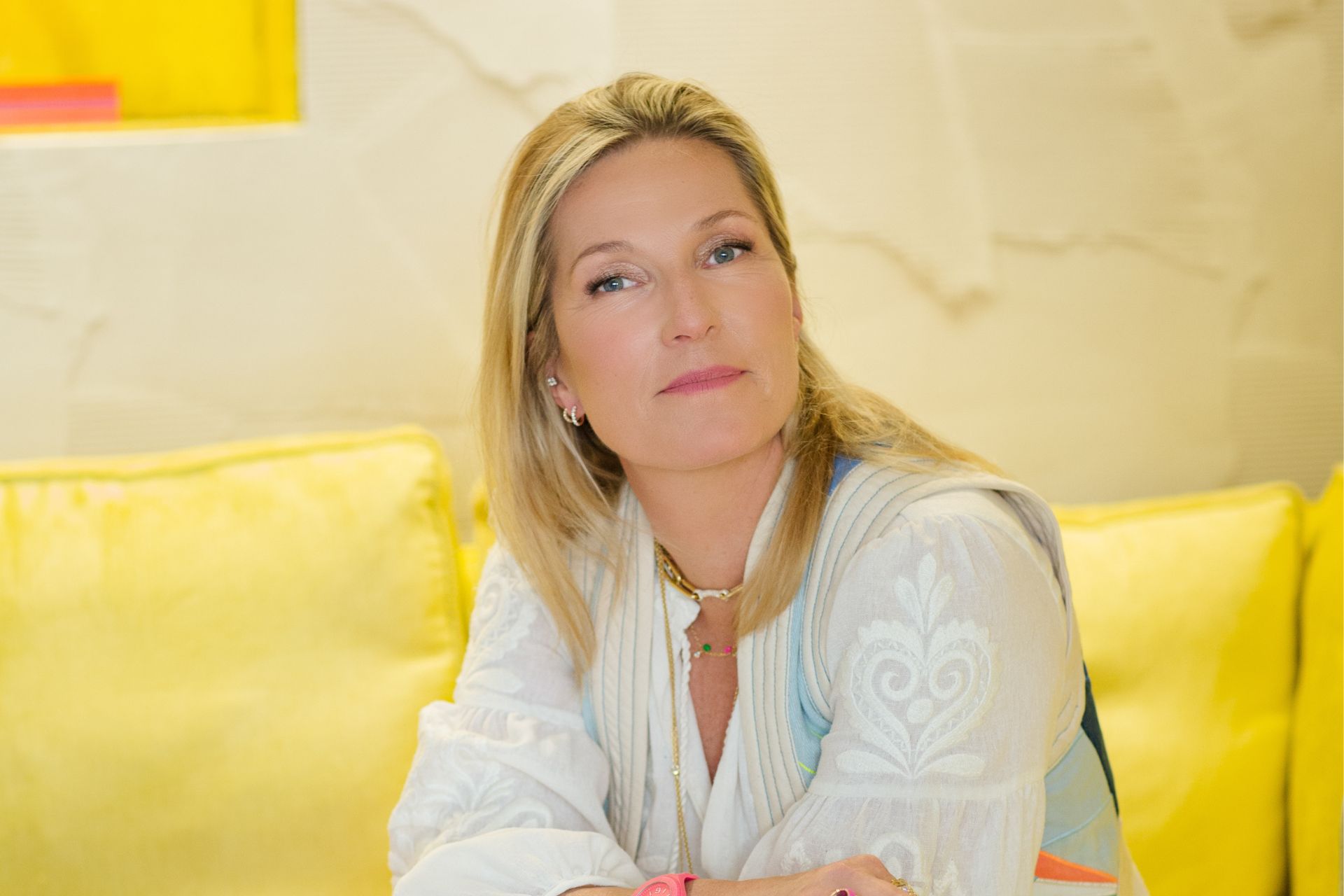
Vanessa Chilton
Australian Made
Before she teases out my taste in baubles, she wants to know a bit more about the piece I’ve presented her with today.
Its history is sketchy. I know only that the ring belonged to my maternal grandmother, who was born and raised in Australia in the early 1900s. ‘Did she have three children?’ asks Chilton. ‘It was very fashionable at that time to have an engagement ring with bands that fitted around it for each child.’ My grandmother did indeed have three children – my mother, her twin sister and their younger sister.
The first thing Chilton and her colleagues do before breaking up an existing piece is to check whether it has been signed or hallmarked. ‘We make sure we’re not taking apart anything that has intrinsic value, such as a piece by Cartier or Van Cleef & Arpels,’ she explains. Having established that the provenance of my rather lustre-less ring is unknown, she forensically casts her expert eye over the multiple tiny diamonds and 18ct yellow gold bands using her loupe, almost instinctively knowing how they could be reconfigured into something contemporary and fun. ‘When I design the piece, I see the finished product visually, three dimensionally,’ she says.
I’m open to suggestions. Chilton quickly comes up with some options: a variation of the brand’s made-to-order iconic diamond Bubble ring with pavé set diamonds or the playful Spinner ring, which features a domed centre surrounded by a diamond-set outer band that spins. I’m drawn to the simplicity and stylishness of the Spinner – without the spin. ‘We can make a flat plate ring with the central stone in a rub-over setting surrounded by pavé set diamonds, mounted on a simple d-shaped band,’ she says, drawing me a rough sketch. ‘We’ll lay it all out to work out the circumference. Smaller diamonds look great when they are set together to create a pattern and sparkle. It’s a really easy ring to wear and will look much more modern.’ Later, I receive beautifully sketched drawings of the design choices, including one with three bands gypsy-set with any remaining diamonds (there weren’t any).
As part of the brand’s ‘earth-conscious’ policy, it uses as many stones as possible from the original piece, and will also offer to sell any excess gold, which can go towards the cost of the new creation. Given the high price of gold, this is a welcome service. One of the biggest costs of redesigning a piece is the dismantling process, which can be hugely time consuming, especially if it involves the removal of lots of little stones, as in the case of my four rings.
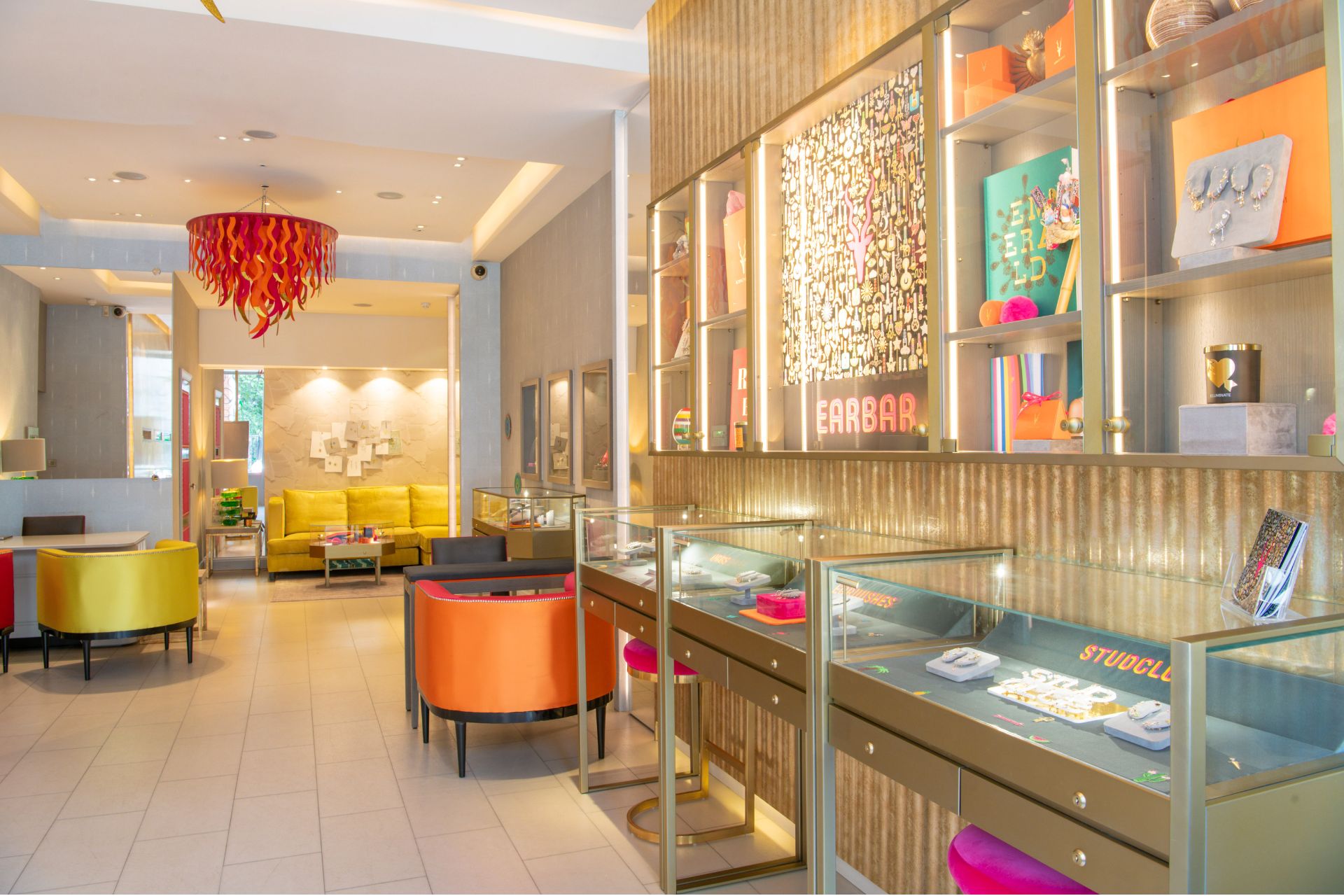
The Self-Gifting Movement
When Chilton and her two colleagues started out 30 years ago, there were few female jewellers in the business, apart from pioneers like Elizabeth Gage and Kiki McDonough, and women were unlikely to buy their own fine jewellery. Today’s financially independent female consumer is more likely to self-gift rather than wait for a partner to purchase for a special occasion. According to the Business of Fashion, 42 percent of women reported buying more jewellery for themselves in 2026 than a couple of years ago, driven by empowerment and a desire for self-expression.
‘When we first started making jewellery men were the buyers,’ confirms Chilton. ‘They needed an occasion like a birthday, Christmas or an anniversary and would often stick to white gold and diamonds. We’d gently tell them that their wives didn’t shop like this. As women’s careers and lifestyles have shifted, so too have their jewellery buying trends and needs. They like wearing different clothes, so it makes sense to be able to change your jewellery, add a component or colour, or change the length etc. to suit your look. We like to position ourselves as being accessible. It’s about versatility, wearability and enjoyment. Not just for high days and holidays.’
One of trailblazer Robinson Pelham’s trademarks is its bold use of coloured stones, including pink, blue, yellow and orange sapphires, tsavorites, emeralds and rubies. ‘We’re not afraid of colour,’ says Chilton, pointing to the candy-coloured enamel Arena rings on display. ‘When we started out, not many jewellers were doing it.’ The brand also has its own library of stones, which it can draw from for commissioned pieces.
Having decided on a design, all I must do now is wait for it to be turned into a reality. I understand what Chilton’s colleague Kate Pelham Burn means when she tells me: ‘It’s the anticipation that I love; that pause between designing the piece and delivering it to the client.’
After months of heightened anticipation, I am reunited with my reimagined ring, which does not disappoint. It’s an absolute dazzler – ablaze with nearly 60 tiny diamonds clustered around the central stone – yet sleek, minimal and classy at the same time.
An heirloom that I feel proud and privileged to wear.
Visit robinsonpelham.com to arrange a complimentary consultation.