


Inside The World’s Oldest Hat Shop
By
5 months ago
Lock & Co. Hatters has sat on St James's Street for 350 years
London is no stranger to history – with much of the city dating back hundreds and hundreds of years. But did you know it’s also home to the world’s oldest hat shop? Lock & Co. Hatters, tucked into a small 17th-century townhouse on the sunny side of St James’s Street, has been crowning lords, ladies, royals and celebrities from the same address since 1676 – which means, rather remarkably, this year marks its 350th birthday. With celebrations now underway, we caught up with Managing Director Ben Dalrymple to talk about the shop’s beautifully unaltered quirks, its storied history, and what’s still to come this anniversary year.
Ben Dalrymple On 350 Years Of Lock & Co. Hatters
Lock & Co. marks a huge milestone this year – turning 350 years old. How did London’s oldest hat shop come to be?
It all began in 1676, when the milliner Robert Davis opened a shop in St James’s Street to cater for the fashionable upper classes of the time – the home of hats begins to trade. About 10 years later, the tantalising tastes and aromas of distant lands are brought to this corner of London when merchant George Lock imports coffee, chocolate, hosiery and tobacco through his shops. This is also when No. 6 St James’s Street was established as a coffee house.
In 1747, James Lock, grandson of George Lock (who opened No. 6 St James’s Street), became a hatter’s apprentice to Charles Davis. Charles was the son of Robert Davis, the milliner who opened the hat shop in 1676. The Lock and Davis family trees intertwined in 1757 when James Lock married Mary Davis, daughter of Robert Davis. James Lock was then given the keys to his former master’s hat shop.
Some time later, in 1765, James and Mary Lock – along with their four children and workers – moved back across the street to No. 6 St James’s Street and established what is today known as the oldest hat shop in the world. It was here that Lords and leading figures made Lock & Co. their hatter of choice; an honour that continues to this day, 350 years later.
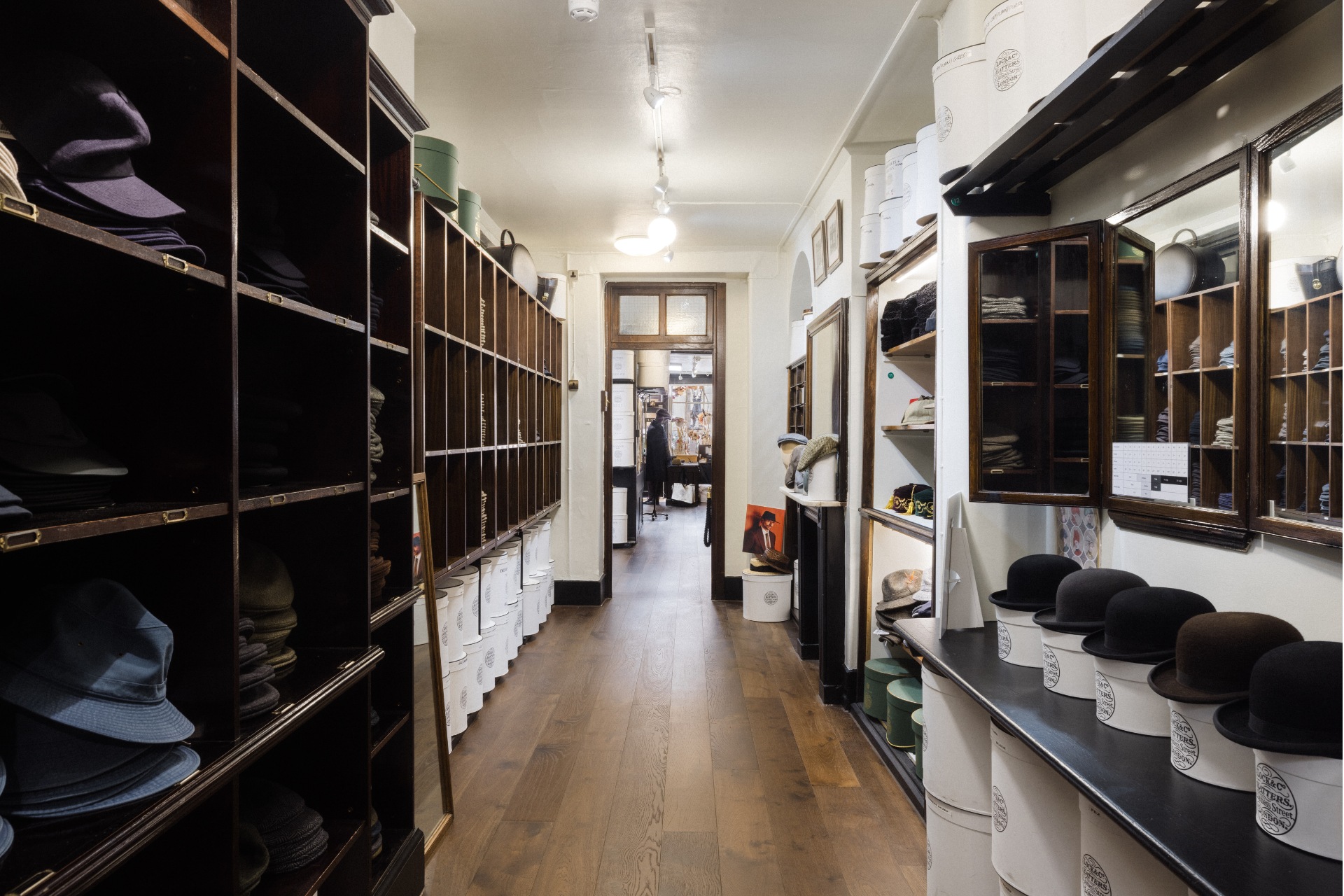
Photo by Krystian Krzewinski
And what about the shop itself – what role does it play in the history of the brand?
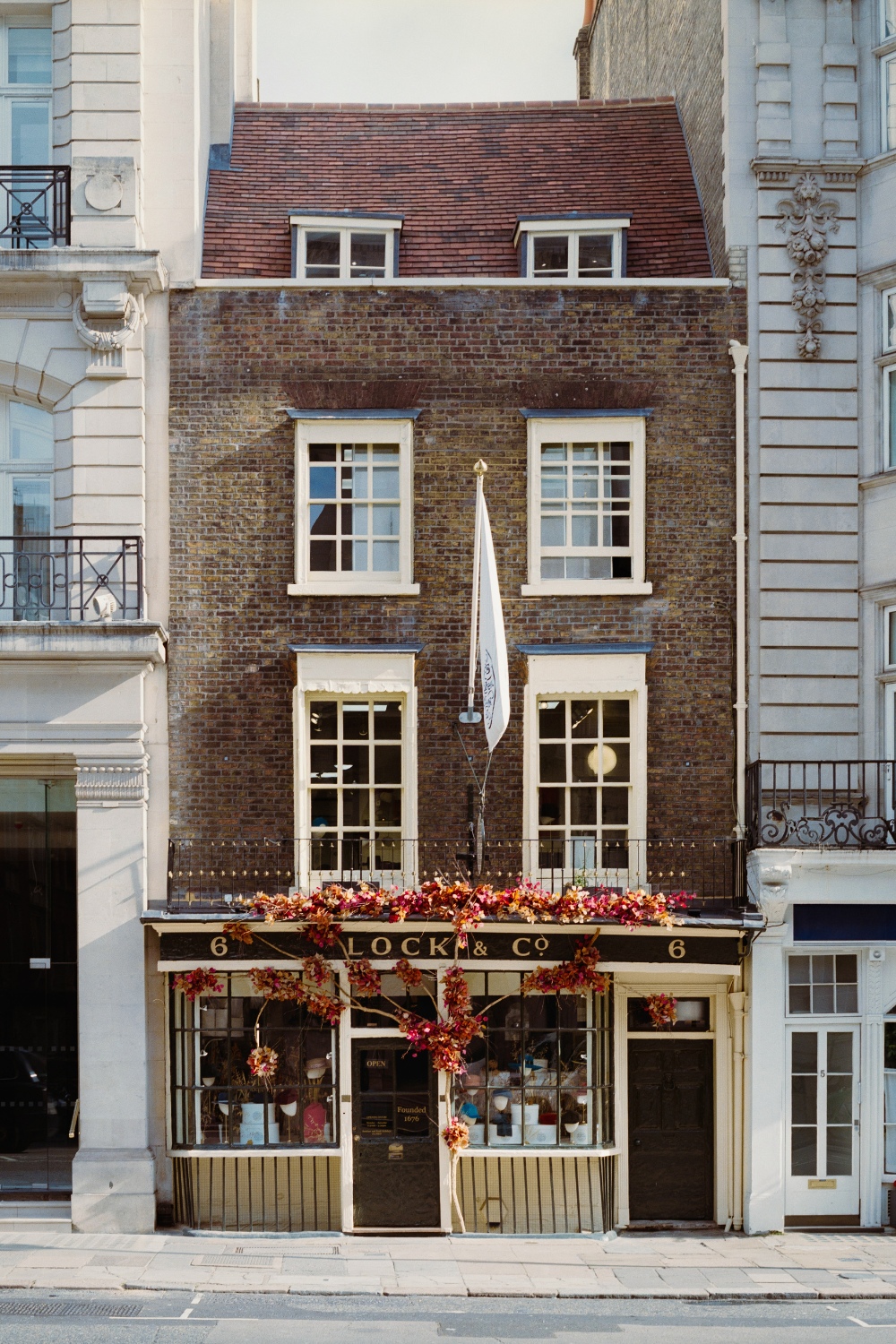
We’re often asked why the Lock family decided to move premises in 1765. As a hat shop, you need lots of light to showcase the fabrics and colours (much more than you would coffee), and the best way to achieve that in the 1700s was daylight. The east side of St James’s Street is the sunny side of the street, and to this day you’ll notice that most of the shops are still on this side, with this as the original reason why. Our small 17th-century townhouse is iconic and almost completely unchanged over the centuries, but is now surrounded by ever-growing buildings – however it remains a little oasis of tradition and old-fashioned values. (And it’s intriguing to think that some of the paint on our front door probably goes back even earlier than the coffee house times!) It’s beautiful, and despite not being perfect for a shop with all its nooks and crannies and uneven floors, we wouldn’t change it for the world.
Compared to photographs from c.1819, the shopfront today doesn’t look like it has changed much – can you tell us about some of the historical quirks that we can still find today, both inside and outside the shop?
The shop is small, but perhaps surprisingly bigger than it might look at first glance from the outside. It actually extends back to Crown Passage behind St James’s Street, and at the back of our building stands a cottage from even earlier than No. 6, which used to stand in the herb gardens of St James’s Palace before the development of the area following the reformation during the reign of Charles II.
The shop has barely changed to look at, but we are good custodians and it had a full renovation inside and out over the last two years to keep it in good shape for generations to come. You can find a very early cat-flap in the cottage, a coffin staircase in the shop (where you could lower a coffin from the top floor to the ground floor), and there are still shrapnel marks from the blitz in the door and old window panels.
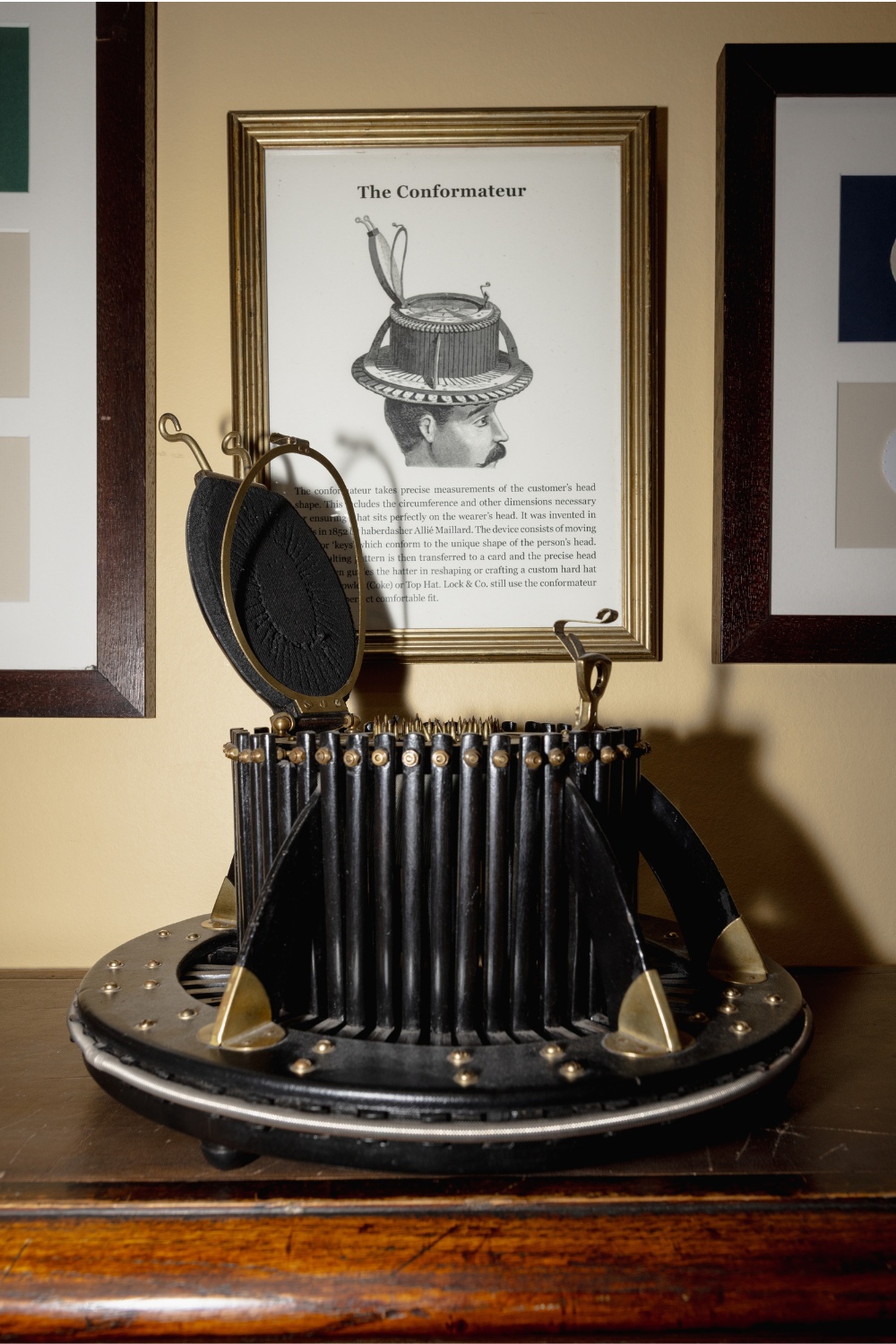
Photo by Krystian Krzewinski
And how has it changed – any new details, layouts or interior designs?
The fundamental layout hasn’t changed – and there are restrictions, of course, as the building is heritage listed – but in careful partnership with specialised architects, we have improved the heritage room at the rear of the shop, which serves as a little museum of our history and showcases some of our most famous head shapes.
Speaking of, there have been plenty of famous wearers of Lock & Co. hats over the years – who would you pick out as your favourites or most memorable?
I think Winston Churchill was possibly one of the most iconic clients, and prolific too – you can see one of his ledgers in our heritage room. It is always hugely rewarding to see our hats on stars of stage and screen, and enormously fun to work with the costume designers and actors themselves. Personally, I loved Gary Oldman in The Darkest Hour as Sir Winston, who wore a bespoke Lock & Co. Cambridge hat.
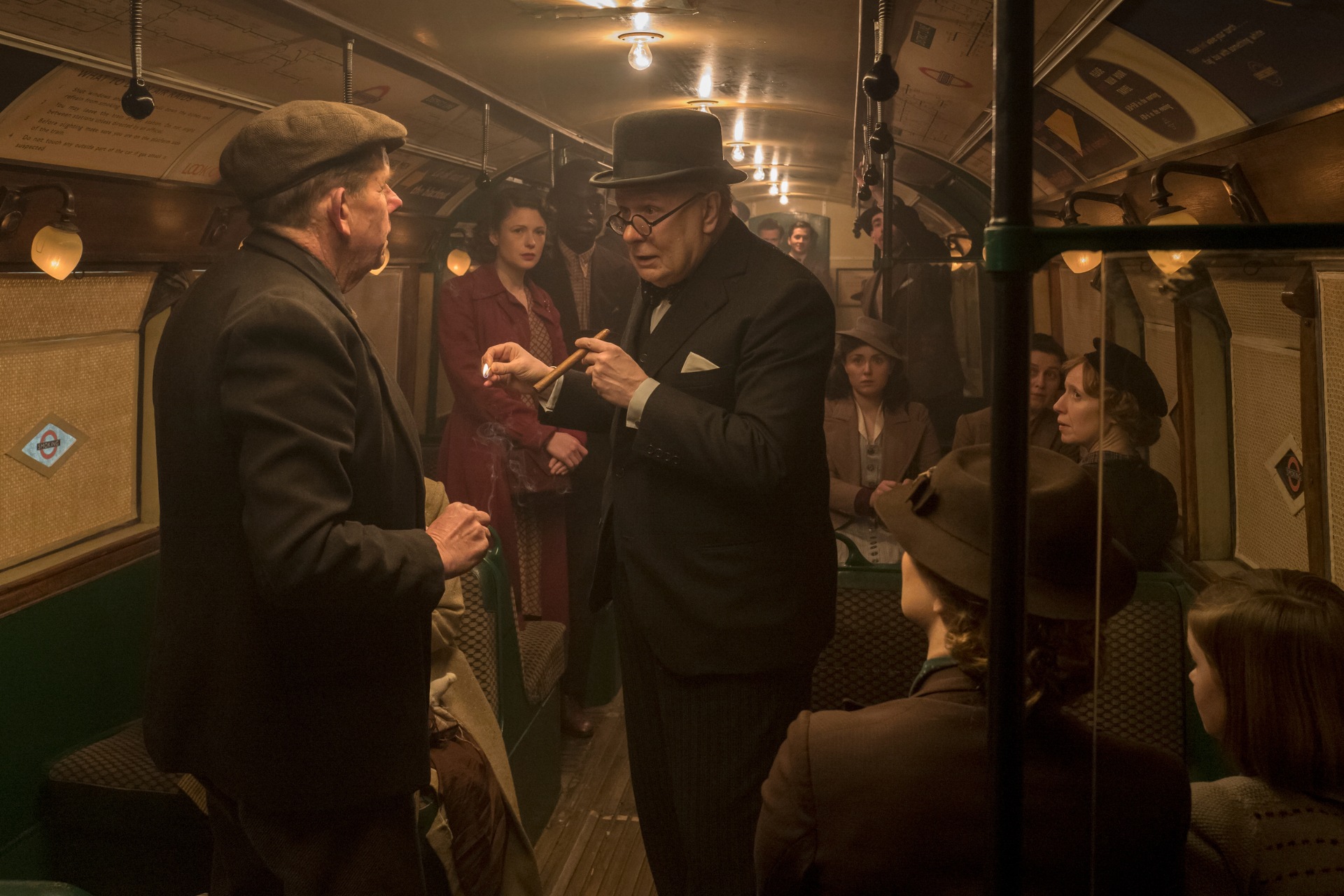
Gary Oldman in The Darkest Hour as Sir Winston Churchill, wearing a bespoke Lock & Co. hat © 2017 Focus Features LLC. All Rights Reserved
Lock & Co. also has a long-standing connection with the royal family – can you tell us about this relationship, and how it’s changed over the years?
We are very honoured to be Royal Warrant holders for His Majesty King Charles III, and we work hard to raise funds for The King’s Foundation as part of our partnership with Highgrove , funds from which support British craftsmanship. Hatmaking is on the endangered list of British crafts, so this is vitally important to us.
Another particularly fun part of Lock & Co’s story is its association with Alice in Wonderland. What’s the story there?
Some have suggested that Charles Lutwidge Dodgson, perhaps more famously known as Lewis Carroll, may have based his character of the Hatter on the shop manager of the time, James Benning. Dodgson was a regular customer and the reputation of hatters being ‘mad’ was due to the use of mercury in the manufacture of fur-felt for hats at that time. Mr Benning was a very astute manager though.

The Royal Ascot Handbook 2026, featuring a Lock & Co. top hat
Compared to the rest of Lock & Co’s long history, womenswear still feels like quite a new addition for the brand. What does womenswear at Lock & Co. look like today?
This is something we can be very proud of at Lock’s. Womenswear was introduced as a standalone department in 1993, but now in 2026 represents a significant part of our business and turnover, and possibly the most beautiful selection of couture hats available in London – all meticulously handmade in our atelier at Lock’s. It is a beautiful department, with quite a different look and feel from the ground floor, but with the same expert level of service. It is wonderful to know that Lock’s can welcome and cater to everyone, and it is still growing.
What have been some recent highlights for the brand?
Alongside our 350th anniversary celebrations, we’ve been continuing to strengthen our presence at key cultural and sporting events, including Pitti Uomo in Florence and Royal Ascot, where Lock & Co.’s top hats remain a defining part of formal race day dressing. We were recently featured in the Royal Ascot 2026 Handbook, The Art of Dressing Well.
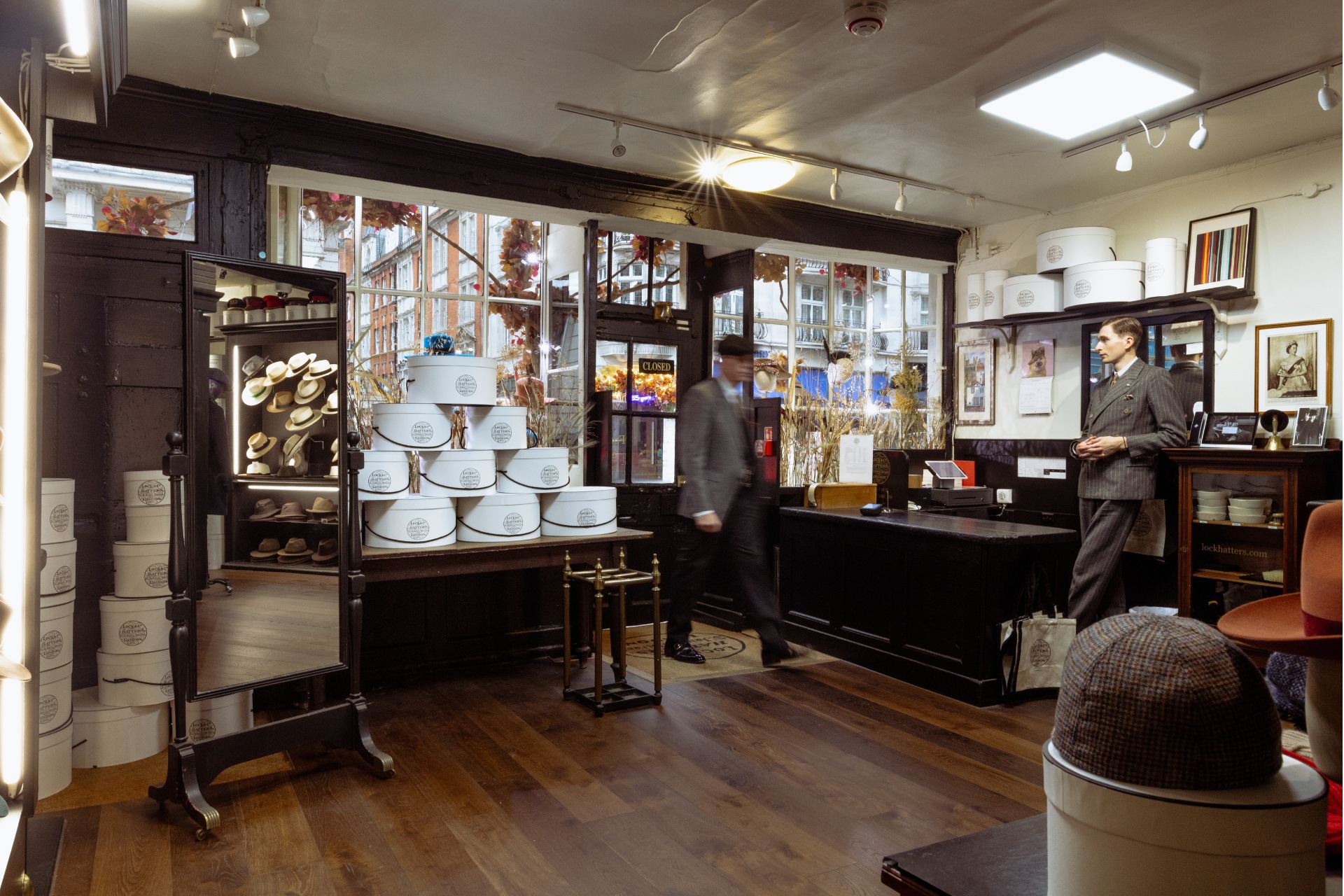
Photo by Krystian Krzewinski
This year, Lock & Co. celebrates its 350th anniversary. Can you tell us about what’s already been done to mark the occasion – and give us a taste of what’s to come?
The anniversary year has seen the launch of a series of exclusive limited-edition pieces, including commemorative hats and caps, anniversary hat boxes, handcrafted English fine bone china tankards, and a bespoke chocolate collaboration inspired by the early history of No. 6 St James’s Street.
More recently, we unveiled our Spring/Summer 2026 collection, alongside striking new ‘350 in Bloom’ windows at the St James’s Street shop, transforming the façade in celebration of the milestone year.
With more launches planned throughout the year, there is still much to come – though for now, we would like to keep what’s next a surprise.
It’s a long way away, but do you think Lock & Co. will be in the same spot in London in another 350 years?
Yes, absolutely. No question.
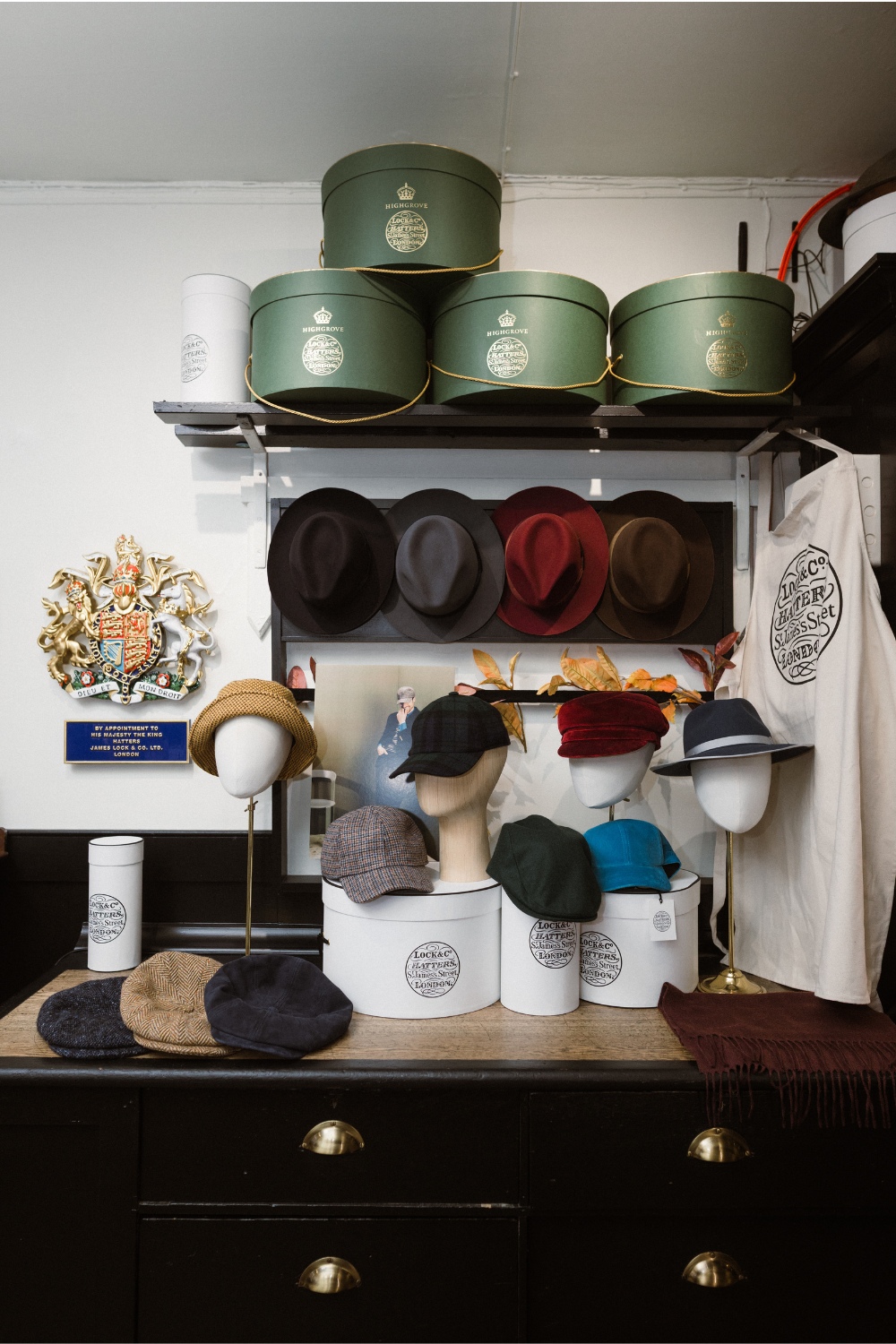
Photo by Krystian Krzewinski
EXPLORE
Lock & Co. Hatters, 6 St James’s Street, London SW1A 1EF. lockhatters.com