


How To Keep Your Garden & Cut Flowers Thriving In A Heatwave
By
2 months ago
Expert advice on maintaining soil moisture, preventing plant stress, and extending the life of your cut flowers when the summer heat strikes
After May’s record-breaking temperatures veering from frost to 35 degrees within days, gardens face serious stress. And as summer unfolds, the risk of further desiccating heat is right on the horizon – so it’s easy to see why so many gardeners are anxious about the months ahead. Whether you’re tending flower beds, managing a balcony full of pots, or keeping cut flowers fresh indoors, here’s how to keep your plants thriving, according to gardening expert Rosebie Morton.
Hot Summer Gardening Guide
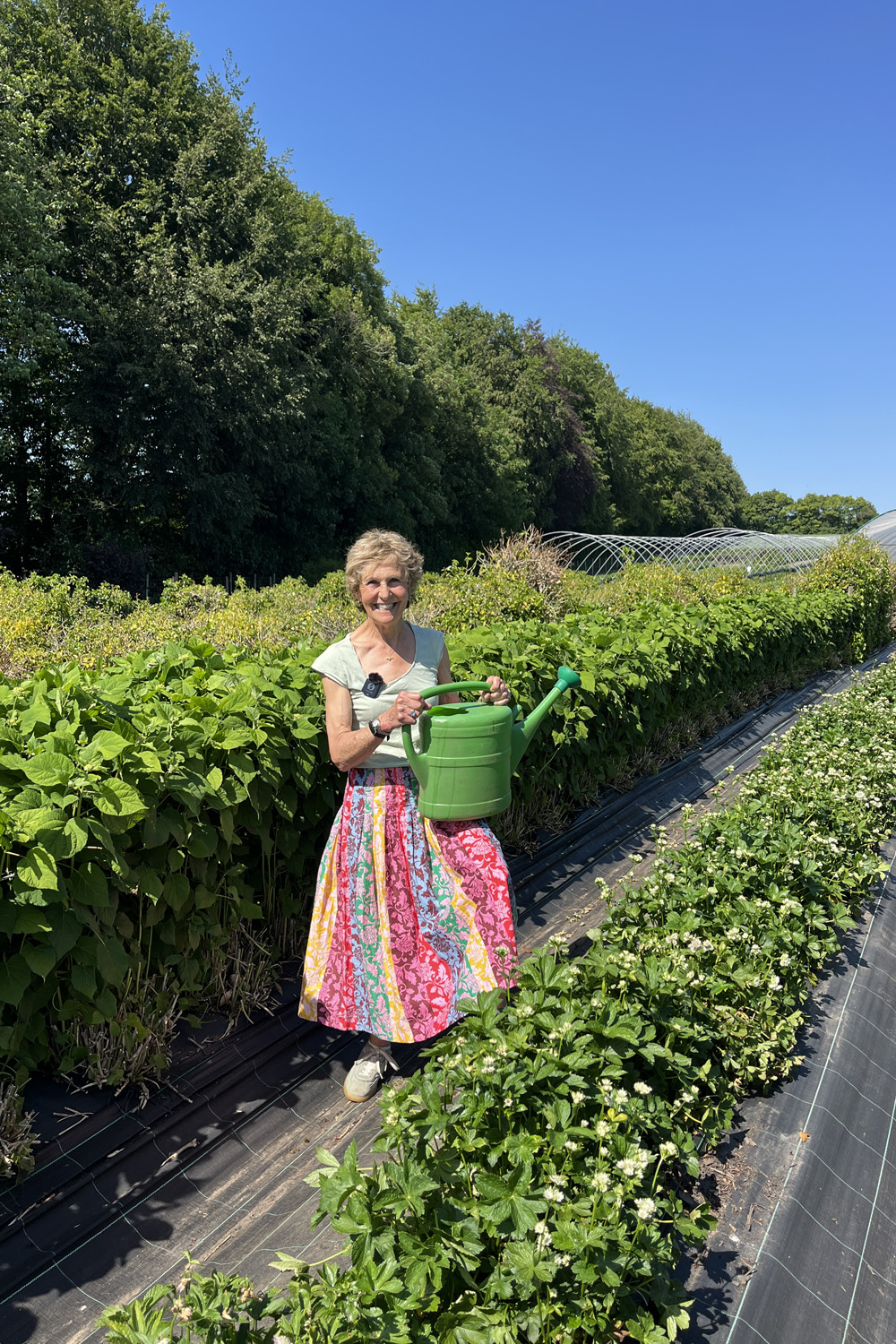
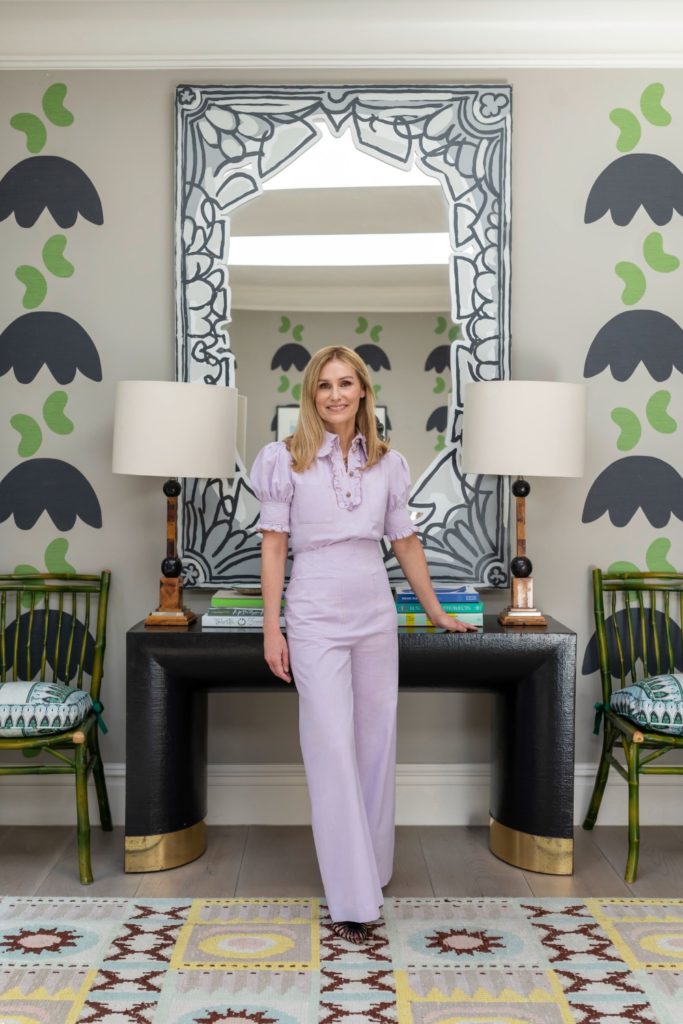
Rosebie in the garden.
Watering New & Mature Plants
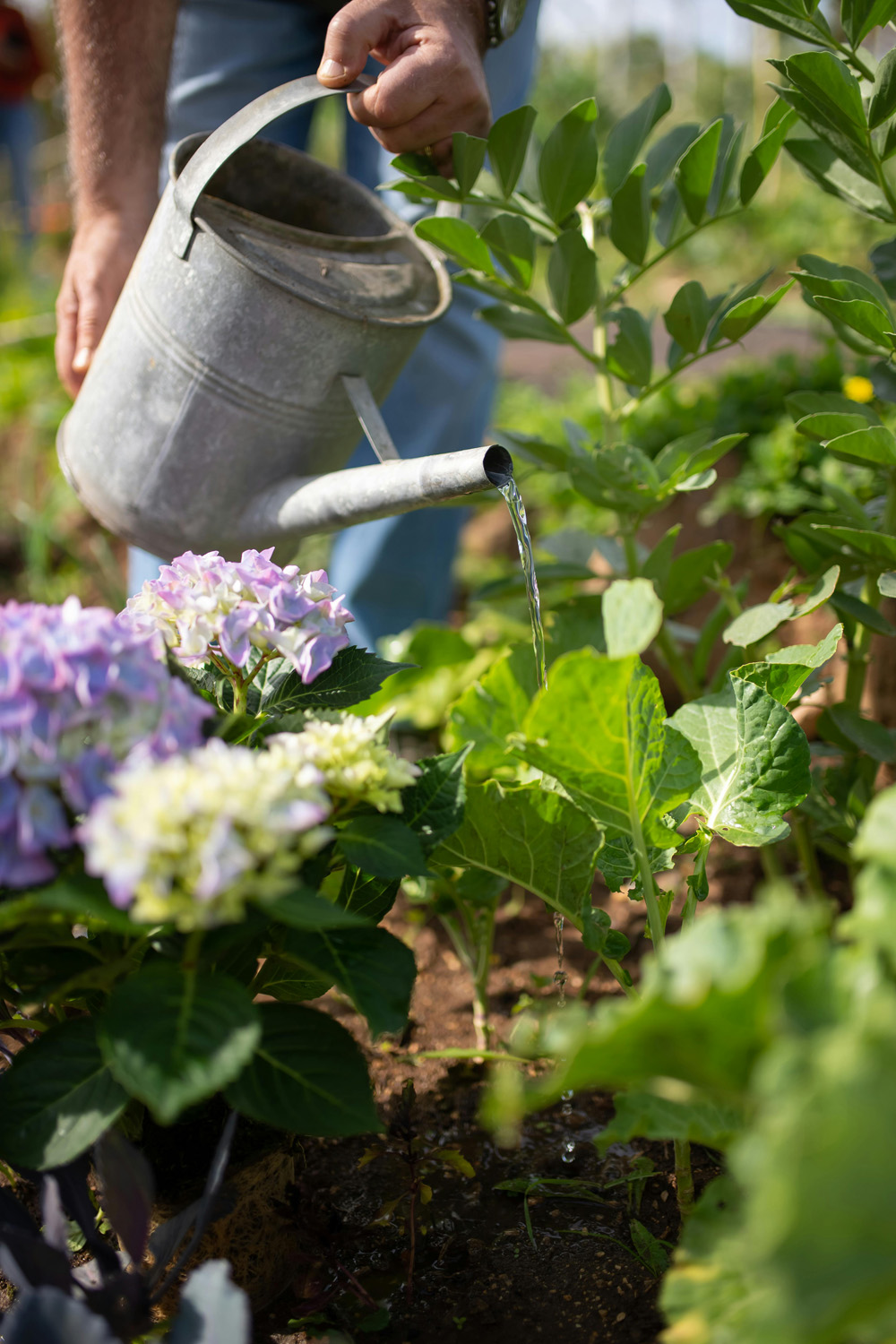
Mature gardens cope far better with temperature swings than newly planted ones whose plants haven’t yet established their root systems. New plants require regular watering during a heatwave. A full watering can per plant is best applied either very early in the morning or late evening, directed at the roots and avoiding the leaves, which scorch easily in strong sun.
For an entire new bed, use a sprinkler, leaving it on for several hours until you can feel moisture 15cm (6 inches) deep in the soil. A really good soaking means plants will cope well for several days. If budget allows, an automatic drip irrigation system solves watering issues entirely. A good mulch around your plants will also help maintain moisture.
Plants that are a couple of years old or more have much better resilience. Before panicking and watering everything, look at your plants carefully and water only if they show signs of stress; floppy leaves and flowers are the giveaway.
Soil type matters, too: sandy, free-draining soils need water more often than heavy clay soils.
Protecting Potted Plants
A balcony garden full of pots left for a weekend without water can look disastrous on your return. Give your pots a really good soak before you leave. If practical, submerge them in a large container of water until you see no air bubbles, indicating saturation.
Small pots dry out very quickly, so place individual pots on a saucer or bowl of water to keep them hydrated. Move them into shade if possible.
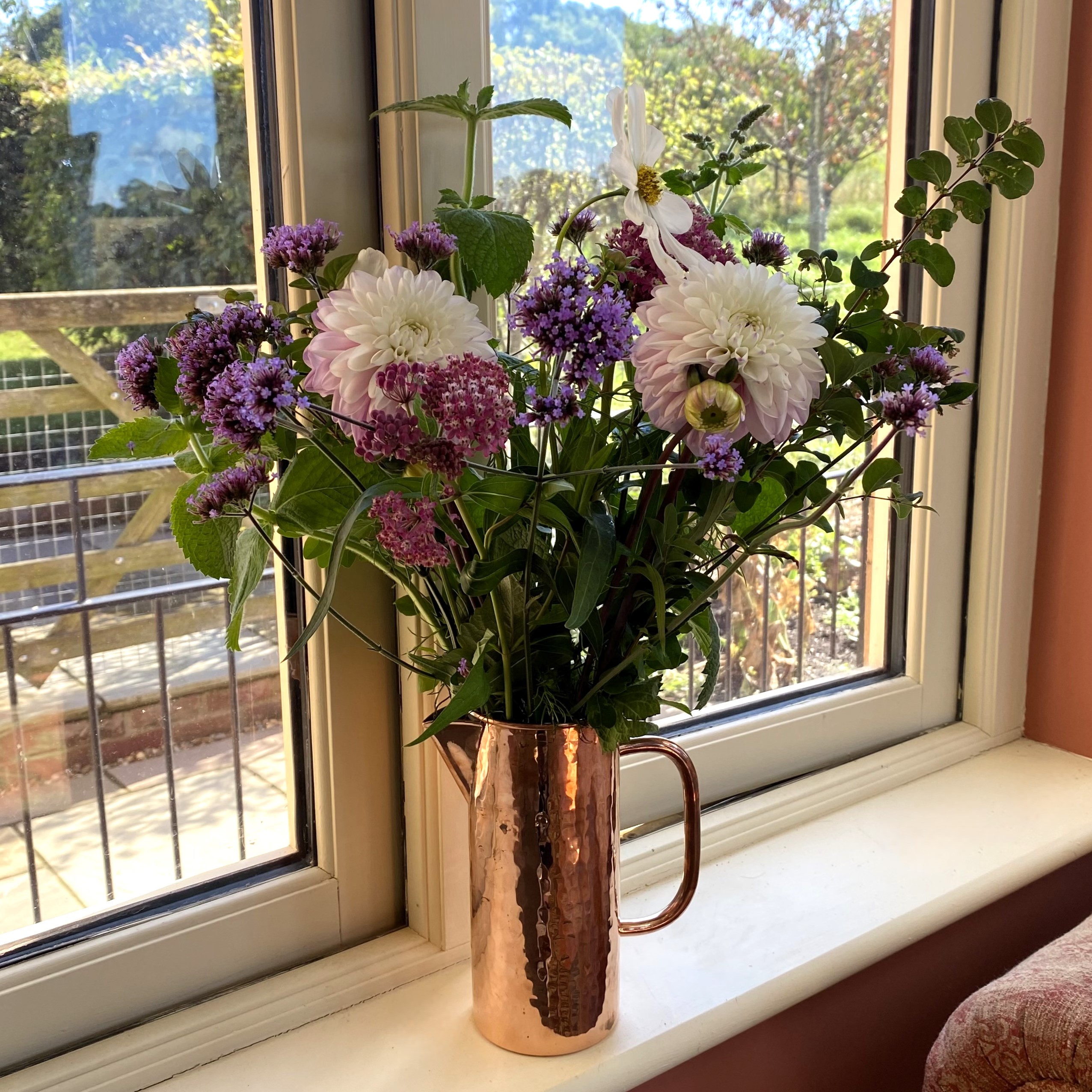
Cut Flowers In The Heat
Cut flowers equally struggle in the heat. If using flowers from the garden, cut them first thing in the morning, ideally in tight bud so they won’t blow too quickly. Give them a good long drink before arranging them. The container you choose makes all the difference to how long the flowers last.
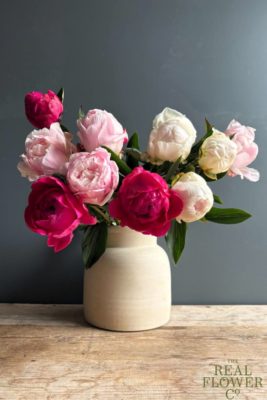
Avoid glass, which absorbs heat and quickly turns the water green. Metal containers are ideal: even on a hot day, the water will feel considerably cooler than the room. Copper is especially good because it contains natural fungicide properties that prevent bacteria from building up in the water, keeping stems unclogged so water can travel to the flower heads. Terracotta and ceramic are also good options.
If you’re short of vases, a multi-purpose jug filled with flowers can look stunning.
Finally, moving the arrangement to a cool hall or larder at night will extend the life of your flowers considerably.
Rosebie Morton is a gardening writer and the founder of The Real Flower Company.