





Farm To Face: The Skincare Brands Growing Their Own Ingredients
By
3 months ago
Meet the brands proving that the source of an ingredient can be as powerful as the formula itself
Where an ingredient is grown can be just as powerful as the formula it ends up in. From a working farm in Tuscany to barley fields on the edge of Iceland’s volcanic landscape, Olivia de Courcy meets the farm to face skincare brands cultivating their own ingredients, and finds that provenance pays off in potency.
The Farm To Face Skincare Brands To Know
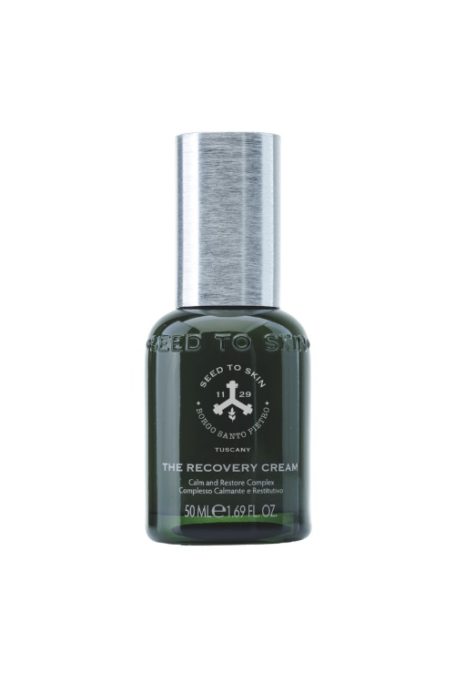
From the outside, Borgo Santo Pietro looks like an Italian idyll: honey-hued stone buildings, cypress avenues and a swimming pool framed by Tuscan hills. But for naturopath Jeanette Thottrup, founder of natural skincare brand Seed to Skin, the estate is something else entirely. It is a working farm, distillery and laboratory, where the land is central to the product. Her motivation was personal: struggling to start a family, she turned to alternative healing and discovered just how transformative nature – allied with the right science – could be.
All botanicals for Seed to Skin products are grown in seed form, and around 50 percent directly on the Borgo Santo Pietro estate. ‘I won’t grow anything that won’t naturally thrive here,’ explains Thottrup. ‘If an ingredient has better bioavailability in India, I’ll source it from there.’ But that doesn’t stop her from trying. She recently had success growing ashwagandha, a herb native to Asia and Africa that is known for reducing stress-induced inflammation. The rest is outsourced to partner farms, carefully vetted so the brand can retain 100 percent supply chain control.
In the lab, formulas are led by biotechnology – a process that can be thought of as amplifying nature rather than replacing it. In a 30-day clinical trial, a routine using hero moisturiser The Cure, The Alche’Mist serum spray and The Midnight Miracle night oil delivered a 30 percent increase in the skin’s natural collagen production – a result that speaks directly to skincare’s current most coveted goal.
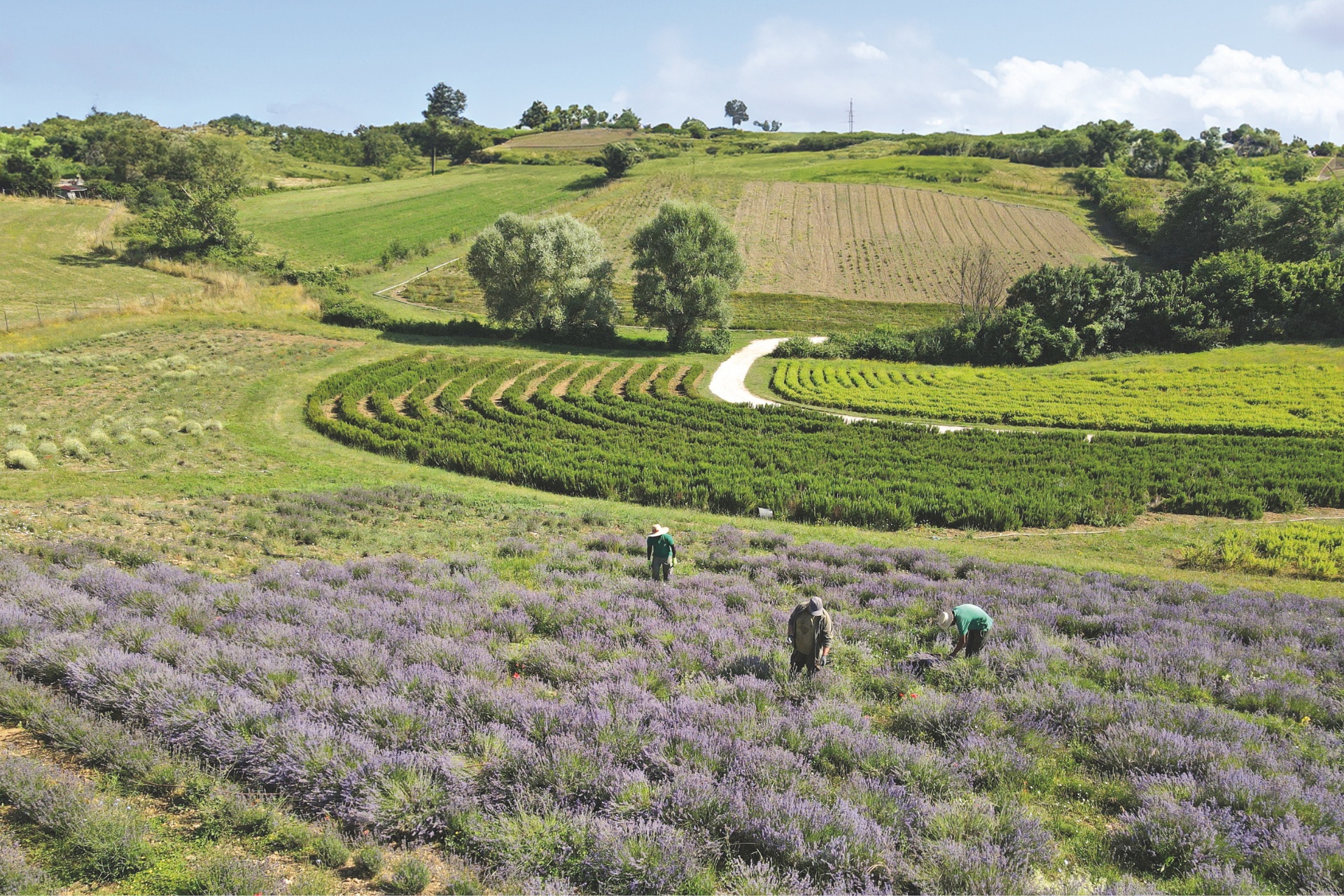
Borgo Santo Pietro in Tuscany, where Seed to Skin has a working farm and laboratory
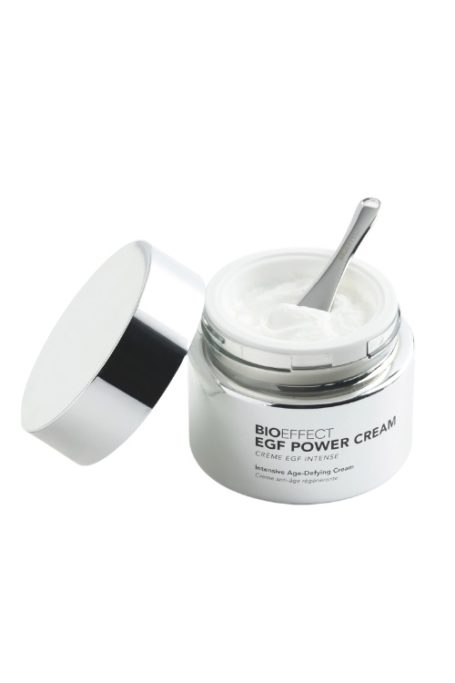
Among Iceland’s volcanic landscape sits Bioeffect‘s outdoor barley fields, where epidermal growth factors (EGF) are grown from barley for its products. These proteins are an under-sung dermal powerhouse. They are our cells’ very own personal trainers, acting as messengers to activate different processes in the skin, like chivvying collagen production or soothing inflammation. They occur naturally in our skin, but due to regulations, human growth factors are not permitted in skincare. The alternative, it turns out, is plants.
The environment in which they are grown is key. Iceland naturally benefits from some of the purest rainwater in the world, and along with the mineral-rich volcanic soil, Bioeffect sidesteps one of the industry’s quiet problems: much EGF on the market is produced via bacteria or yeast, a process that generates endotoxins (byproducts that can irritate skin). Bioeffect’s method produces none of them.
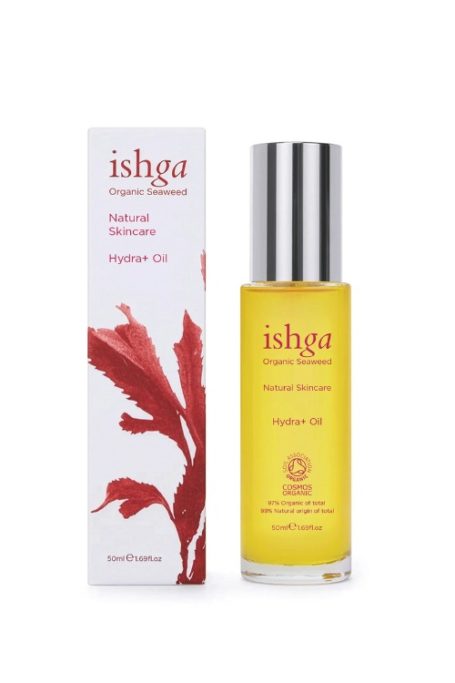
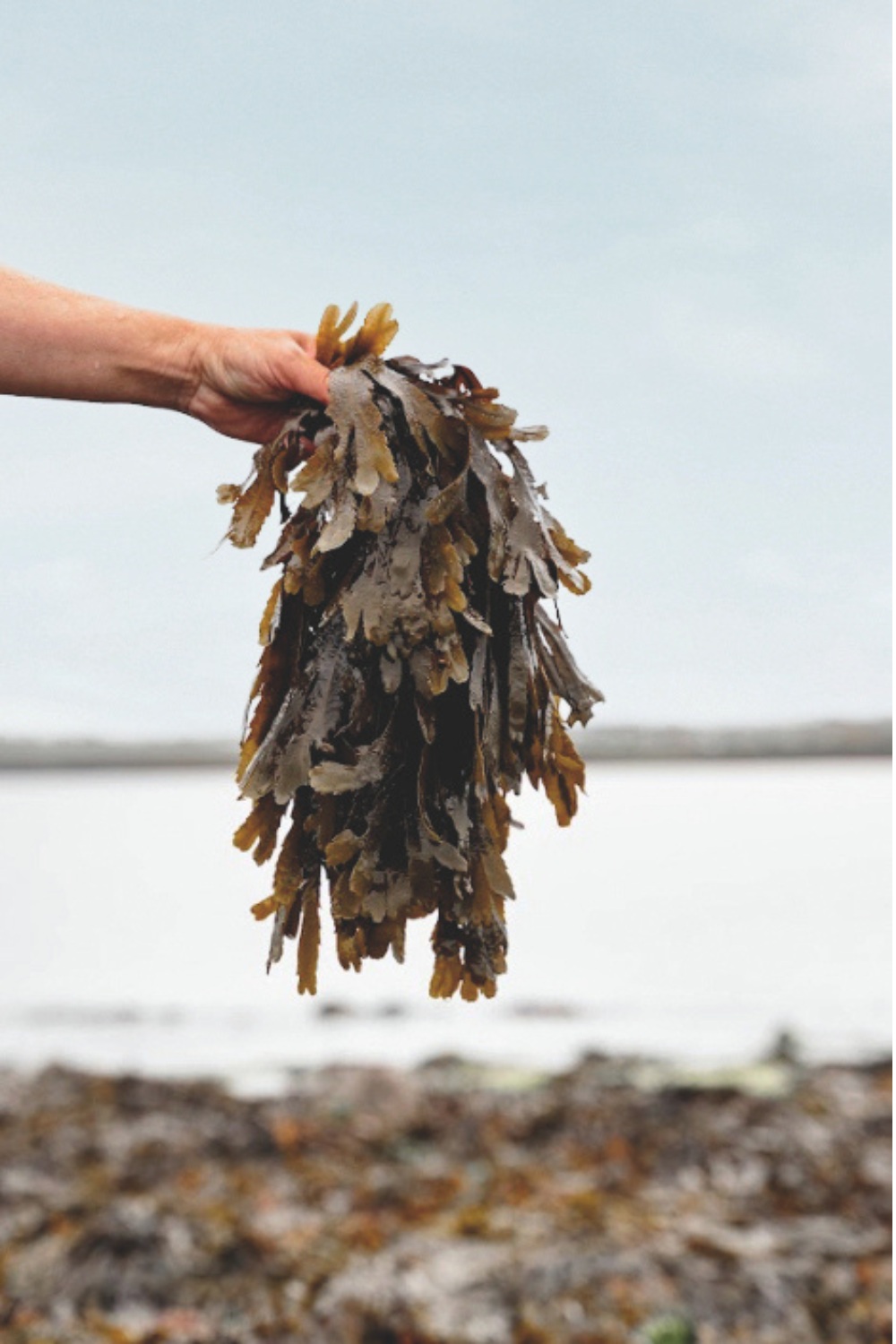
While some ingredients are grown in controlled environments for a specific purpose, others are simply harvested where they thrive – and are all the more potent for it. Take seaweed, which needs to be harvested and cut back to encourage regrowth. On the Isle of Lewis in the Outer Hebrides, mineral and antioxidant-rich seaweed is harvested by ishga for its organic skincare. Hebridean variants fucus serratus and fucus vesiculosus feature in its new Hydra+ face and hair oil, delivering natural abundance of antioxidants, vitamins and hydrating compounds from a single wild-harvested ingredient.
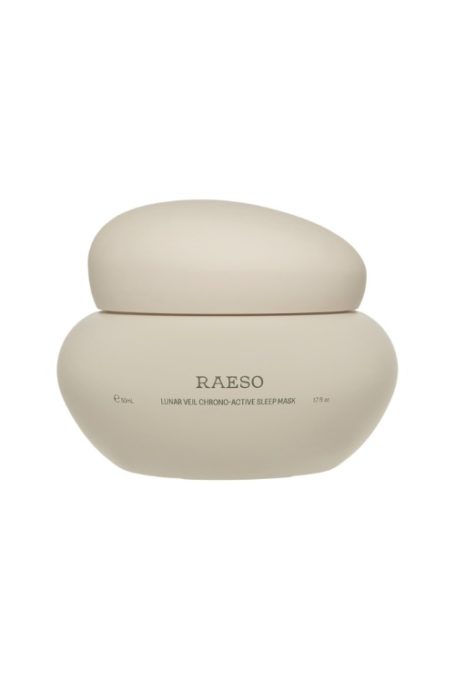
In New Zealand, Katey Mandy founded Raeso in 2022 having grown up on a farm, which taught her to see plants as intelligent ecosystems. As such, she is scrupulous as to where her ingredients are sourced. ‘We choose botanicals not only for efficacy, but for the environments that have shaped their resilience,’ says Mandy. Raeso’s alpine botanicals – such as red marine algae – are sourced from New Zealand’s South Island, where harsher growing conditions create more resilient plants. Antarctic currents also enrich the waters with minerals, creating extraordinary stress-adapted actives.

Seed to Skin founder Jeanette Thottrup (far left) and her production team
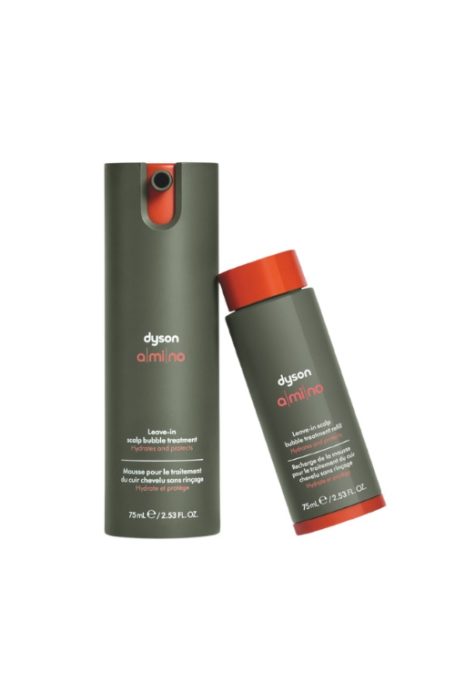
Back in Britain, the country’s largest farming business has turned its engineering-first approach to agriculture to fuel the creation of haircare. The man behind it? Sir James Dyson. ‘We spent over a decade experimenting and investing in precision farming,’ he says. In the process, his passion turned to haircare. The Lincolnshire farm’s 800,000 sunflowers produce nutritious oils for Dyson‘s Omega range to fortify and strengthen hair, and each year 2,500 tonnes of spring barley produced in Oxfordshire goes into the new Amino leave-in scalp bubble treatments. ‘We’ve harnessed barley’s amino acid profile to support scalp barrier function and hydration,’ says Dyson.
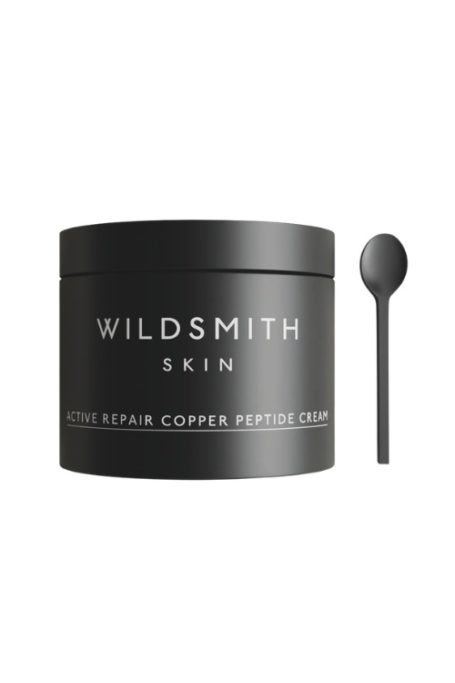
And at Heckfield Place in Hampshire – the brand C&TH named Responsible Skincare Brand of the Year in its Future Icons Awards – Wildsmith is biodynamically farming ingredients for its formulas. On Heckfield Home Farm, roses and chamomile grown in the modest market garden produce hydrolats (plant-based waters collected during the steam distillation of essential oils), which are used in the brand’s face mists as well as its new hand and body wash.
Wildsmith is also revolutionising one of skincare’s most stubborn problems: packaging. More and more Wildsmith products come in a home-compostable material called Vivomer, made by London-based startup Shellworks. It entirely degrades in a year.
Packaging, ingredients, harvesting… it takes a lot to ensure every step of the process is monitored and effective. And as these brands demonstrate, skincare that gives back may currently be small, but goodness is it mighty.
Soil Saviours: The Products To Shop