

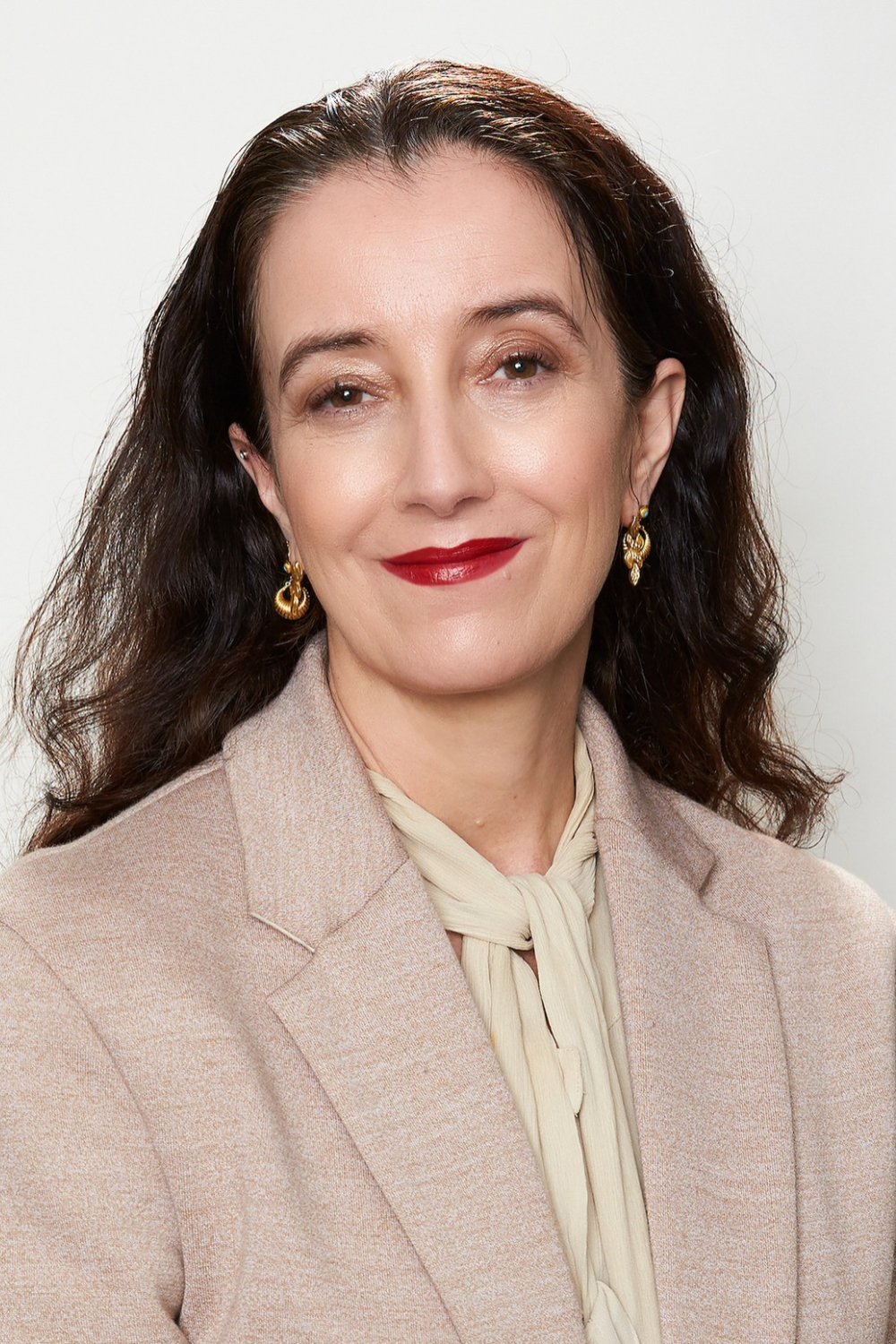
Meet the Future Icons: Tamara Cincik
By
28 minutes ago
CEO, Fashion Roundtable
‘I have changed the voice our industry has with politics. Fashion wasn’t mentioned for seven years before I launched.’
Former stylist Tamara Cincik set up Fashion Roundtable to give the industry a voice in politics, and says fashion runs from the farm to the retailer, with the catwalk only a small part of it.
What do you do and why does it matter?
I work on fashion policy and the intersection of changing industry and lives for the better, with an increasing focus on regenerative systems and natural fibres, from a local to national to global perspective.
What first made you realise environmental or social impact was something you wanted to be part of?
I have always been socially minded. I joined CND at 13. I grew up seeing the positive impact of the welfare state on people’s lives, and this has driven every area of my life, from issues of education, access and attainment to inclusion and social impact. Before FR I did fundraising for Afghan Aid to help Afghan women, and also for Iraqi and Syrian refugee children.
My mindset has always been: help everyone to help themselves. It’s a very Welfare State mindset. We need that back if we are to end food bank usage and homelessness, and to have a sector in our industry which values everyone in the supply chain with pay, equity and dignity.
What’s the achievement you’re most proud of – and what made it possible?
All of it: from working with my team on the first representation and inclusion report for the industry, to the first farmer-to-designer summit for the Great British Wool Revival at Dumfries House in May, to the Fashion Roundtable collab with UNEP, which hosted a calendar of interesting events.
Where have you had the most measurable, tangible impact?
I don’t know that I can answer that – but I have changed the voice our industry has with politics. Fashion wasn’t mentioned for seven years before I launched. Now we are, but there is more to do, as the industry needs more agency if we are to get the right investment and infrastructure, as well as policies which serve us.
What’s the biggest misconception people have about your field – or about the change you’re trying to make?
That fashion is just catwalk shows. I styled many in my styling career, and even then it was a small part of my business. Fashion is everything from the farm to the designer to the delivery logistics to the retailer and more.
If you could change one thing systemically – policy, culture, industry practice – right now, what would it be?
Revisit, without the noise, the impact of Brexit on the UK, and look at a way to rejoin with the benefits we enjoyed before – not in Schengen and not with the euro.
Who or what is your biggest source of inspiration right now?
The regenerative fashion sector and the groundswell around natural indigenous fibres.
What keeps you up at night – and what gives you hope?
Funding!
Eco-guilty pleasure – what’s the one thing you haven’t managed to give up?
Vintage shopping. I told Tiffanie Darke there was no way I was doing the power of 5 as it included vintage and gym clothes.