


A Royal Flush: This Bath Home Boasts Connections To 2 English Queens
By
37 minutes ago
This historic property was once owned by the inventor of the flushing toilet
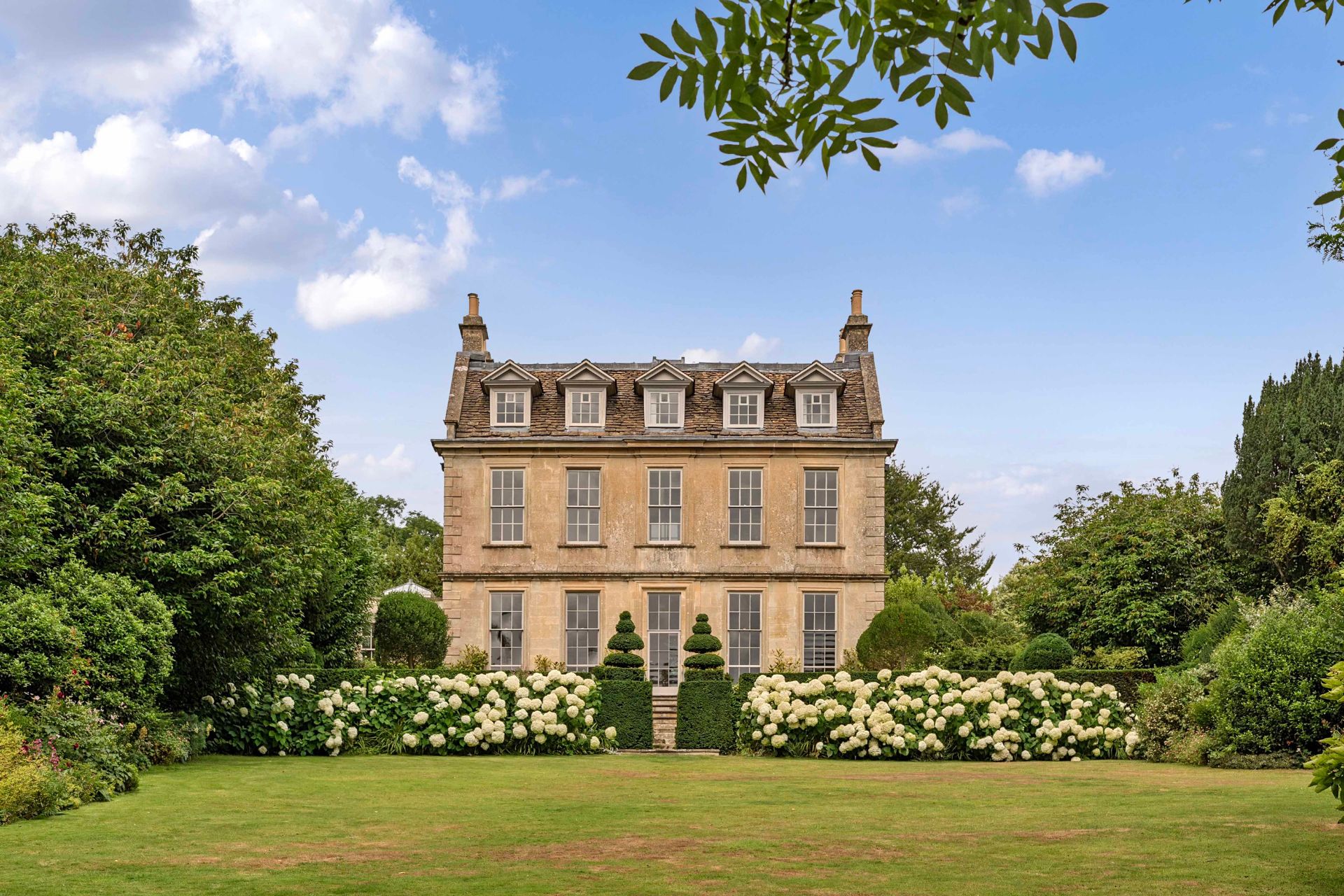
Though built in 1712, this Grade II* listed property dates back all the way to the 1500s. And with connections to two English queens, plus the inventor of the flushing toilet, Batheaston House is steeped in history, both high and low.
Batheaston House Is Up For Sale
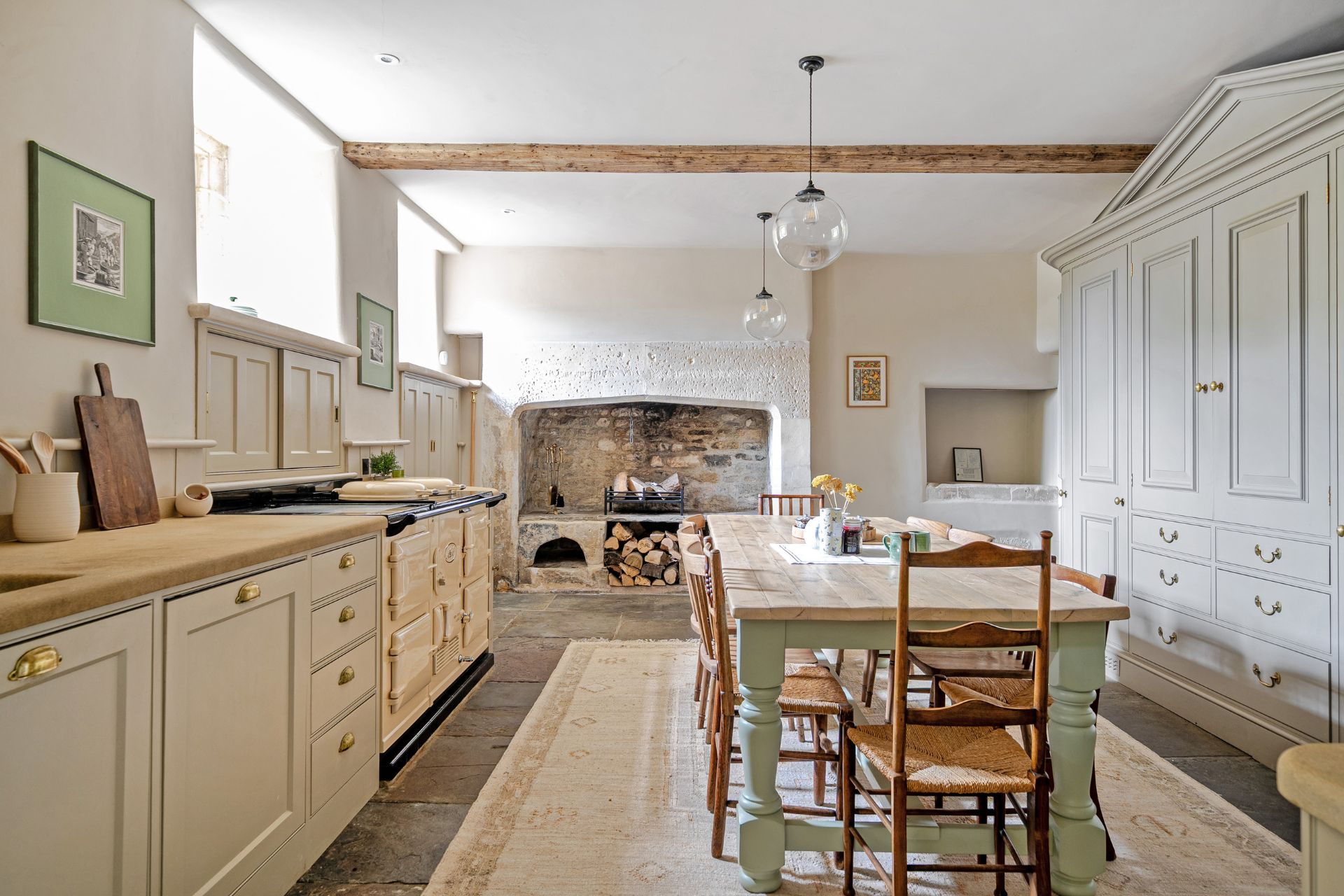
First constructed in the 1500s, the original Lord of the Manor was Sir John Harington. Known among the court as Queen Elizabeth I’s ‘saucy godson’, Harington was not only a courtier, author and translator, but also the inventor of the flushing toilet.
Naming the contraption Ajax (not after the ancient Greek hero, but as a pun on the popular slang word for toilet, ‘jakes’), Harington installed the device at his nearby estate in Kelston, Bath in 1596. Though it boasts a flush valve and water tank alongside its pioneering wash-down design, the toilet crucially lacked the S-bend or U-bend later invented by Alexander Cumming in 1775 to curb noxious smells.
For those interested in a flushable water-closet of their own, Harington outlined his method in the pamphlet: A New Discourse of a Stale Subject. Called the Metamorphosis of Ajax. Though his godmother was a fan of the loo – even having one installed at Richmond Palace – this treatise was taken less kindly, for it served as a thinly veiled political satire of the corruption and decay of the Elizabeth court.
As one of 102 godchildren, it seems that Queen Elizabeth I didn’t have much love to spare for her treacherous godson. Although Her Majesty encouraged his writing, Harington overstepped the mark on more than one occasion. His translation of Ariosto’s Orlando Furioso got him temporarily banished from the court on the grounds of its raciness, with his godmother declaring that he could not return until he had finished the entire translation (under the assumption that he never would). Annoyingly for her, Harington did just that when he completed the translation in 1591 and re-entered society.
Though the flushing loo got him back in her good books, Harington quickly screwed his chance of redemption. The Metamorphosis of Ajax made several political allusions to the Earl of Leicester (AKA Queen Elizabeth I’s rumoured lover Robert Dudley) and referred to the court as the excrement poisoning society. Angered by the insubordination, Queen Elizabeth I had him permanently banished from the court, the little love she had left for Harington saving him from being tried at the Star Chamber.
The second phase of Batheaston House began in 1712 when it was rebuilt by Henry Walters, the high sheriff of Somerset. He demolished the existing house, retaining only the ground floor (now basement) and commissioning the symmetrical, Queen Anne style property which still stands today. The Bath Stone structure remained home to the Walters family until 1921 when it began being rented out to tenants – including Mrs Sophie Pagden and her sister Francesca Ferrari. A music teacher, Ferrari taught Queen Victoria’s youngest daughter Princess Beatrice to play the piano at Batheaston, where she occasionally stayed.
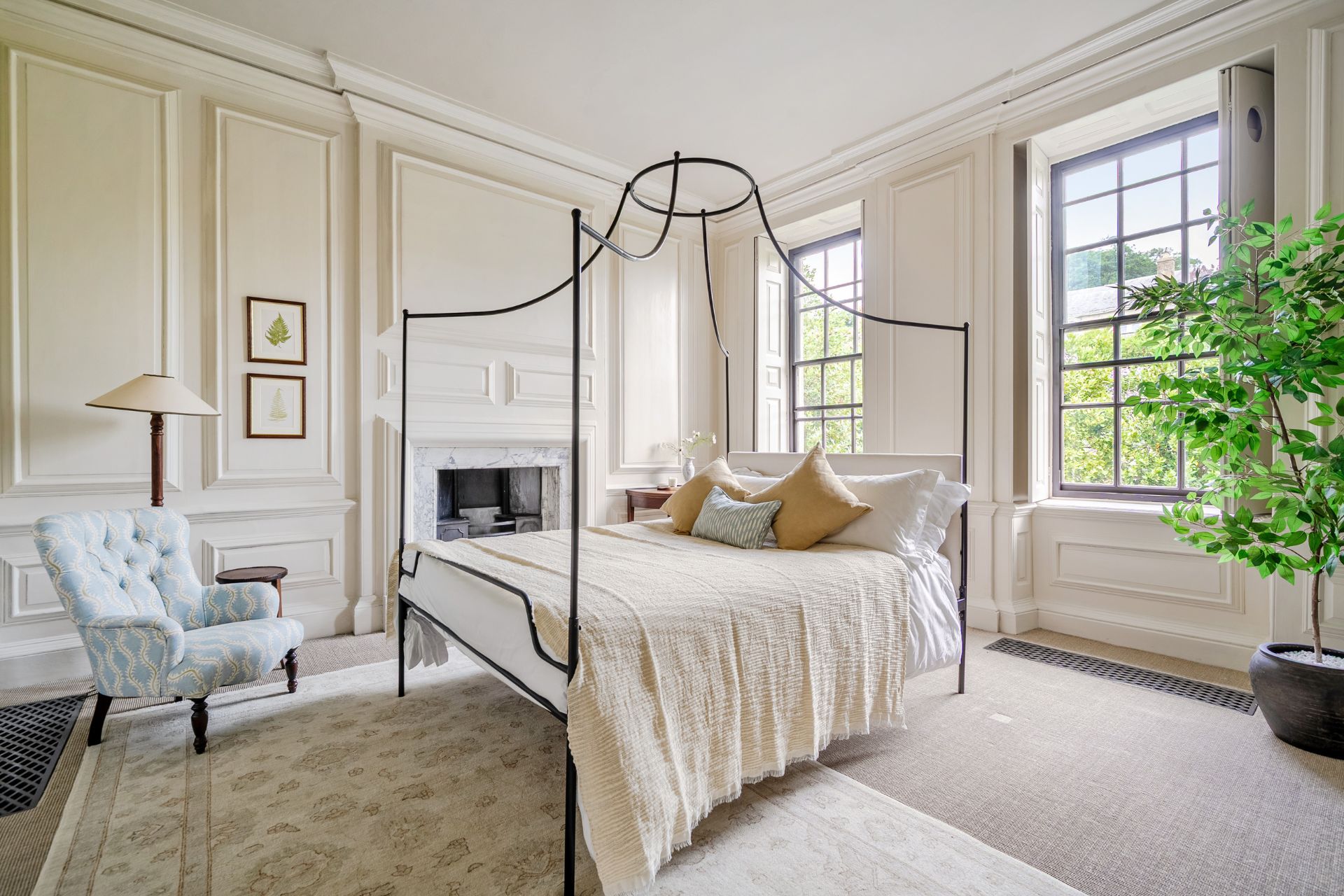
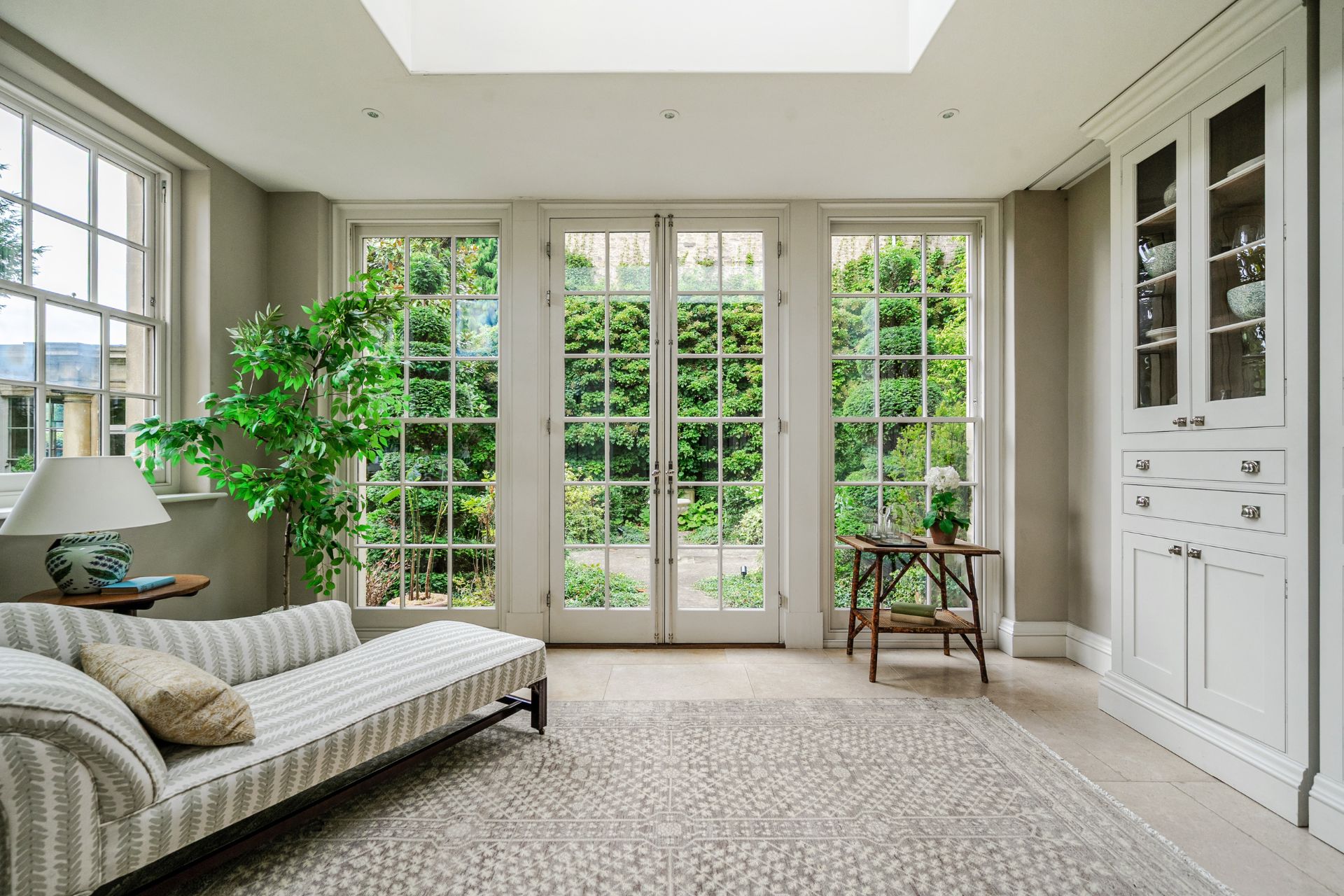
Batheaston’s final phase of redevelopment came in 2015 when it was restored by renowned architects Watson, Betram and Fell. Rich in period detail, today Batheaston House is complete with ornate fireplaces, high ceilings, intricate panelling, cornices, working sash windows and a grand central staircase. Entering at ground level, the elegant entrance hall leads through to four reception rooms, including a south-facing drawing room which opens onto the garden terrace via French doors, and a garden room with a kitchen-bar concealed, like a mystery novel, behind sliding bookcases.
Down below, the Tudor basement serves as a reminder of the property’s 16th century origins. Meticulously renovated, the once cold, dank floors have been retrofitted with underfloor heating and laid with blue lias flagstones. Home to the kitchen – centred around working stone fireplaces and vintage Electrikit AGA – this storey also features a pantry, larder, media room, wine cellar and utility spaces. The first and second floors boast three bedrooms, two bathrooms and two en suites each, while an 18th century coach house turned annexe provides an additional bedroom, plus home office space and garaging.
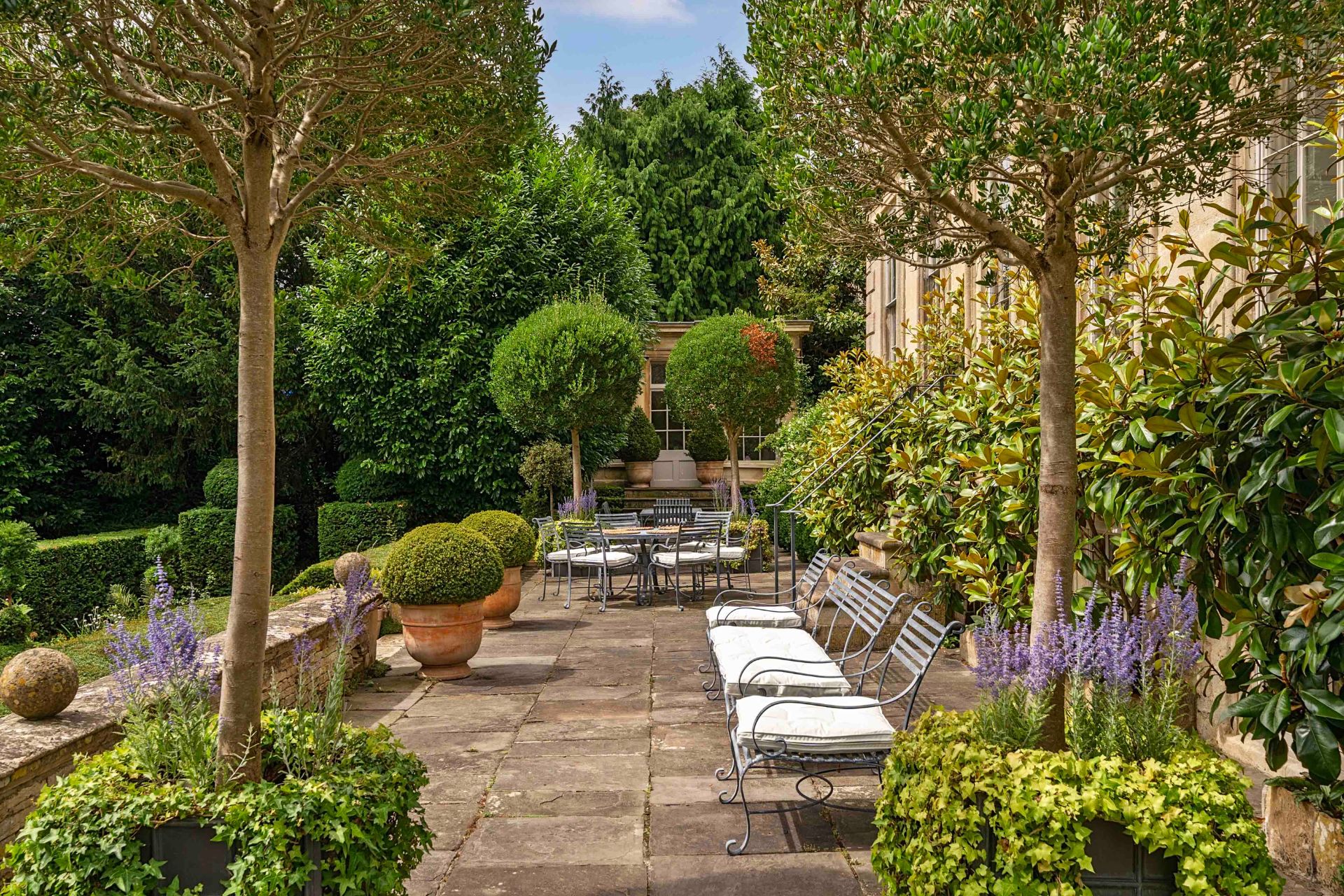
Set within 1.15 acres of grounds with direct access to the River Avon, the dressed-stone wall encloses the north courtyard complete with a fountain and elevated bay hedge, while the west courtyard featured Yew spiral topiary, and the south-facing terrace boasts a stone orangery with sweeping views across the river and surrounding countryside. The grounds also offer a kitchen and cut-flower garden with raised beds, a greenhouse, potting shed, mature specimen trees, abundant topiary, a river water pump and historic ice house.
On the market for £4.25m. Find out more at search.savills.com