


Fancy Living In The Home Of Jane Austen’s Most Scandalous Relatives?
By
1 hour ago
The author frequently visited her aunt and uncle at this Berkshire home
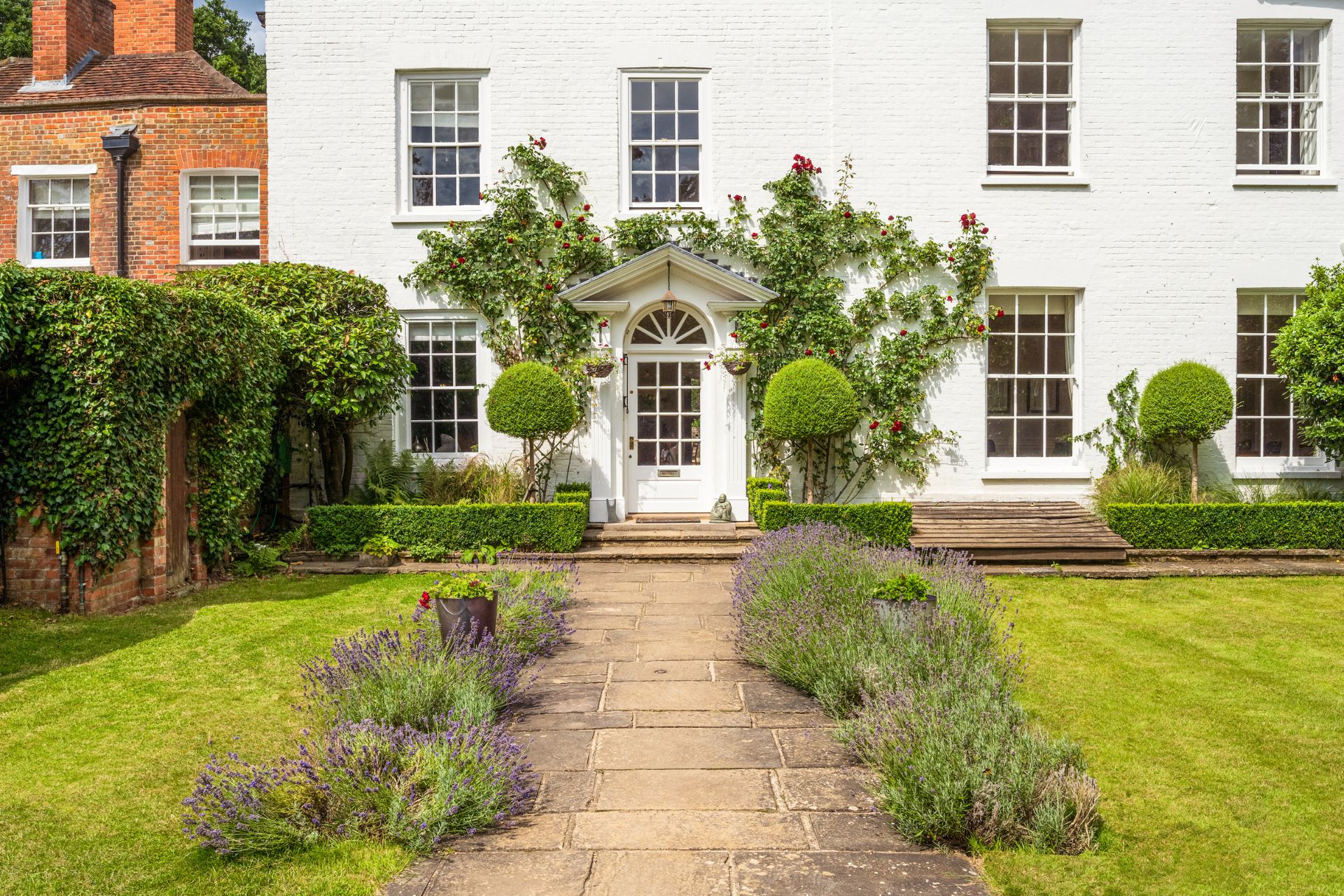
With a new Sense & Sensibility film, Pride & Prejudice TV show, and Mary Bennett inspired series all soon to hit the small screen, it seems the world is more obsessed with Jane Austen than ever. While you may no longer be able to live in her Chawton home-turned-museum, the Berkshire seat of her aunt and uncle whom she frequently visited is now up for sale.
Discover Scarletts Close
In 1799 a scandal shook the Austen family. Jane Austen’s maternal aunt, Mrs Jane Leigh-Perrot, had been arrested for shoplifting and would soon be taken to trial.
According to records, it was on 8 August that Mrs Leigh-Perrot visited a haberdasher at no. 1 Bath Street and bought a card of black lace. Or so she claimed. Later that day the shopkeeper accosted her in the street and accused her of stealing an additional length of white lace worth 20 shillings – which was then discovered on her person.
Mrs Leigh-Perrot insisted that it was a mistake by a clerk who had wrapped the white along with the black, but her excuses did her no good. She was arrested just a few days later and placed in custody at Ilchester jail, where she resided with the jail’s governor Edward Scadding as her genteel status excused her from the horrors of the jail itself.
Her husband, Jane’s uncle James Leigh-Perrot, joined her, in spite of the ‘Vulgarity, Dirt, Noise from morning till night’, waiting out the arrest for seven long months until the case went to trial.
To keep her spirits up, her sister-in-law offered her the company of her daughters Jane and Cassandra. Fortunately for the sisters, and their reputations, Mrs Leigh-Perrot declined to subject them to the ordeal. In March, she was tried at the Taunton Assizes and found not guilty in 15 minutes. Had the verdict gone the other way, she would have been deported to Australia, or worse, hanged.
Over the years there has been much speculation as to whether Mrs Leigh-Perrot was truly innocent, with some accounts suggesting she was let off easy for being a gentlewoman and others, in her defence, suggesting she had been blackmailed by the shop owner. If you want to make up your own mind, Frank Douglas MacKinnon’s Grand Larceny (1937) and a surviving pamphlet about the trial give all the juicy details.
Bringing such scandal to Jane’s family, it’s no wonder aunts tend to have a less than pleasant reputation in her novels. It’s theorised that Mrs Leigh-Perrot inspired two of Jane’s most unpleasant fictional aunts: Pride & Prejudice’s snobbish Lady Catherine de Bourgh (aunt of Mr Darcy), and Fanny’s cruel aunt, Mrs Norris, from Mansfield Park.
It seems it wasn’t only the criminal charges that put Jane off, however. In one letter, she writes of the inheritance of Stoneleigh Abbey to her cousin, which the complaining Leigh-Perrots had hoped would be granted to them. ‘My aunt says as little as may be on the subject by way of information, and nothing at all by way of satisfaction,’ Jane writes of the matter. ‘[She] looks about with great diligence and success for inconvenience and evil, among which she ingeniously places the danger of her new housemaids catching cold on the outside of the coach.’
In another, Jane records that when her relatives returned to Scarletts Close they ‘found their house so dirty and so damp that they were obliged to be a week at an inn’ and so moaned about their servants. Elsewhere she notes her aunt’s knowledge of ‘very cheap’ shops in Bath (where she had a townhouse) and, with classic Austen acidity, that the best way to repay her offer to stay there would be to not stay at all.
Despite these occasional tensions, Jane was a frequent visitor to both her aunt and uncle’s Bath home (The Paragon) and their country seat in Berkshire, this very same Scarletts Close. The couple were particularly delighted to host the Austens in 1801 as they recovered from their criminal scandal, and it was likely that Austen’s visit to Bath in 1797 inspired Catherine Moreland’s own in Northanger Abbey.
While there was some love between the pair, even on her aunt’s deathbed Jane was more concerned about the question of inheritance than her worsening illness: ‘Indeed I shall be very glad when the Event at Scarletts is over, the expectation of it keeps us in a worry, your Grandmama [Jane’s mother] especially; She sits brooding over Evils which cannot be remedied & Conduct impossible to be understood.’
The question of inheritance loomed large over the Austens due to the Leigh-Perrots’ childless status. In the end, their Berkshire home passed down to Jane’s nephew (the son of her eldest brother), James Edward Austen Leigh. It is this same nephew that wrote the first, and probably best-known, biography of Jane Austen, A Memoir of Jane Austen (1869), while many of his children contributed works to the canon too.
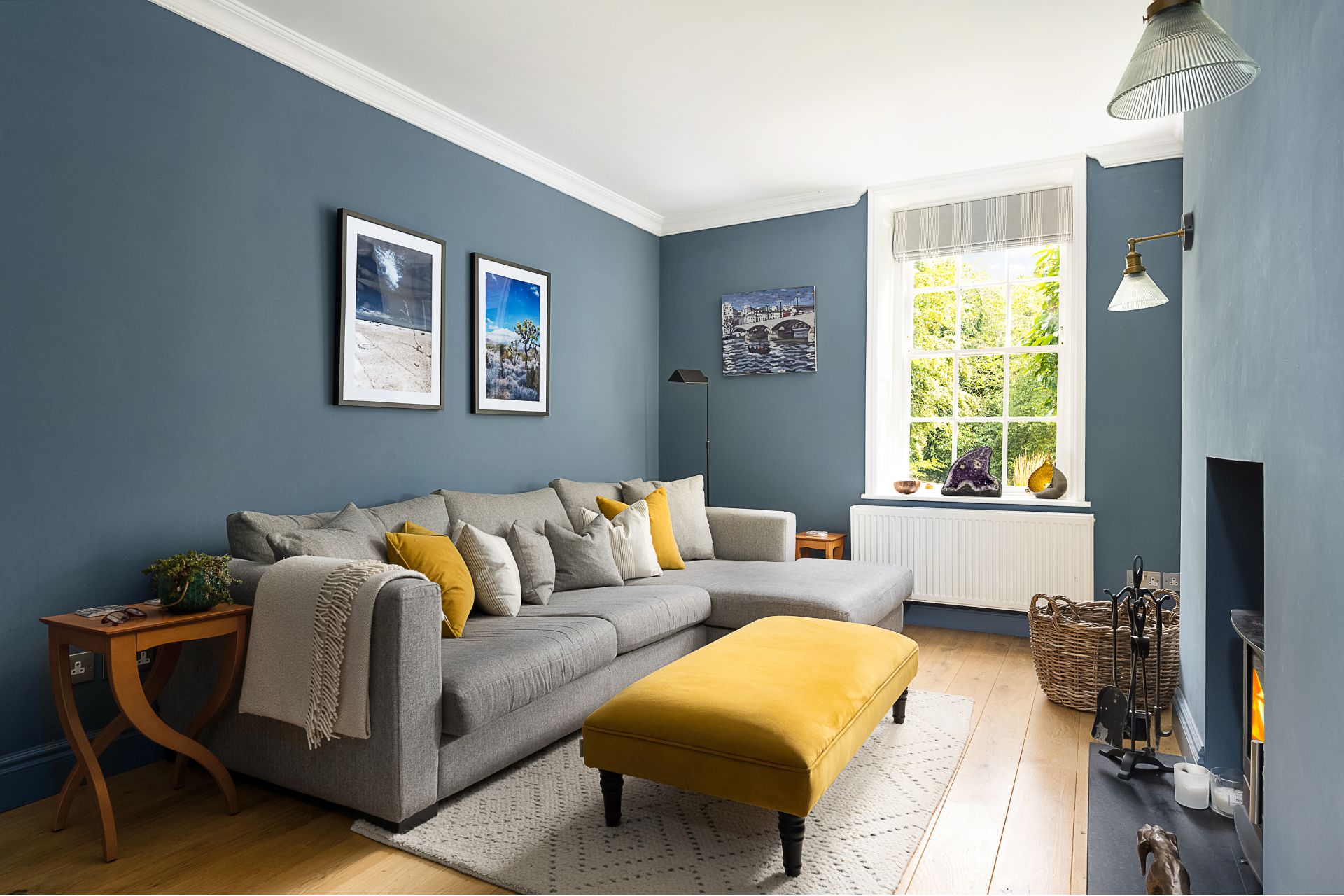
Overtime, Scarletts Close was passed down, and then out from, the Austen line. And now it is up on the market. Originally built in 1765 for Jane’s uncle, it has since been divided up into three separate residences – this one occupying the central and most prestigious position within the original house. Sensitively restored and refurbished over the years, the Grade II listed home spans 4,500 sqft arranged over three floors.
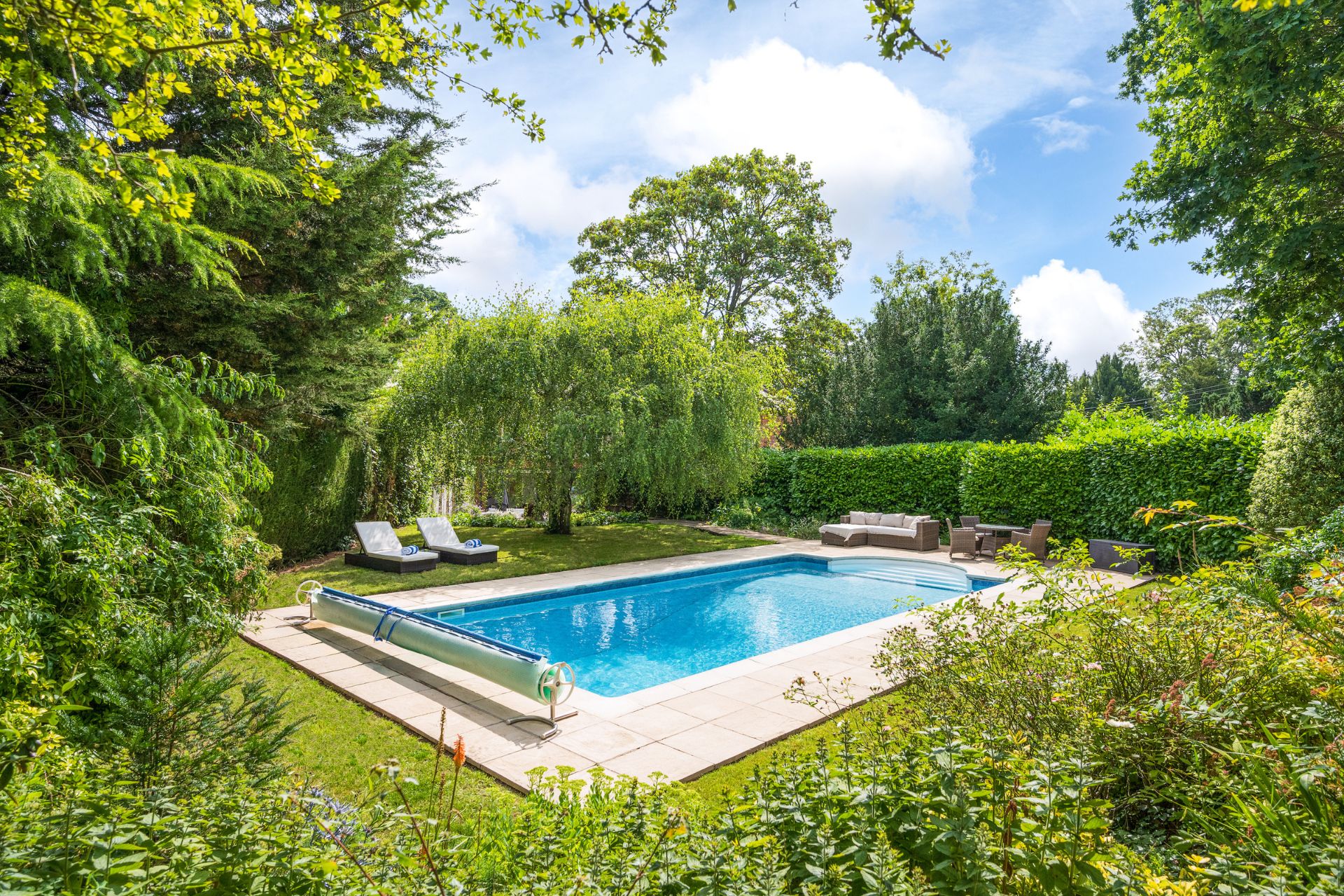
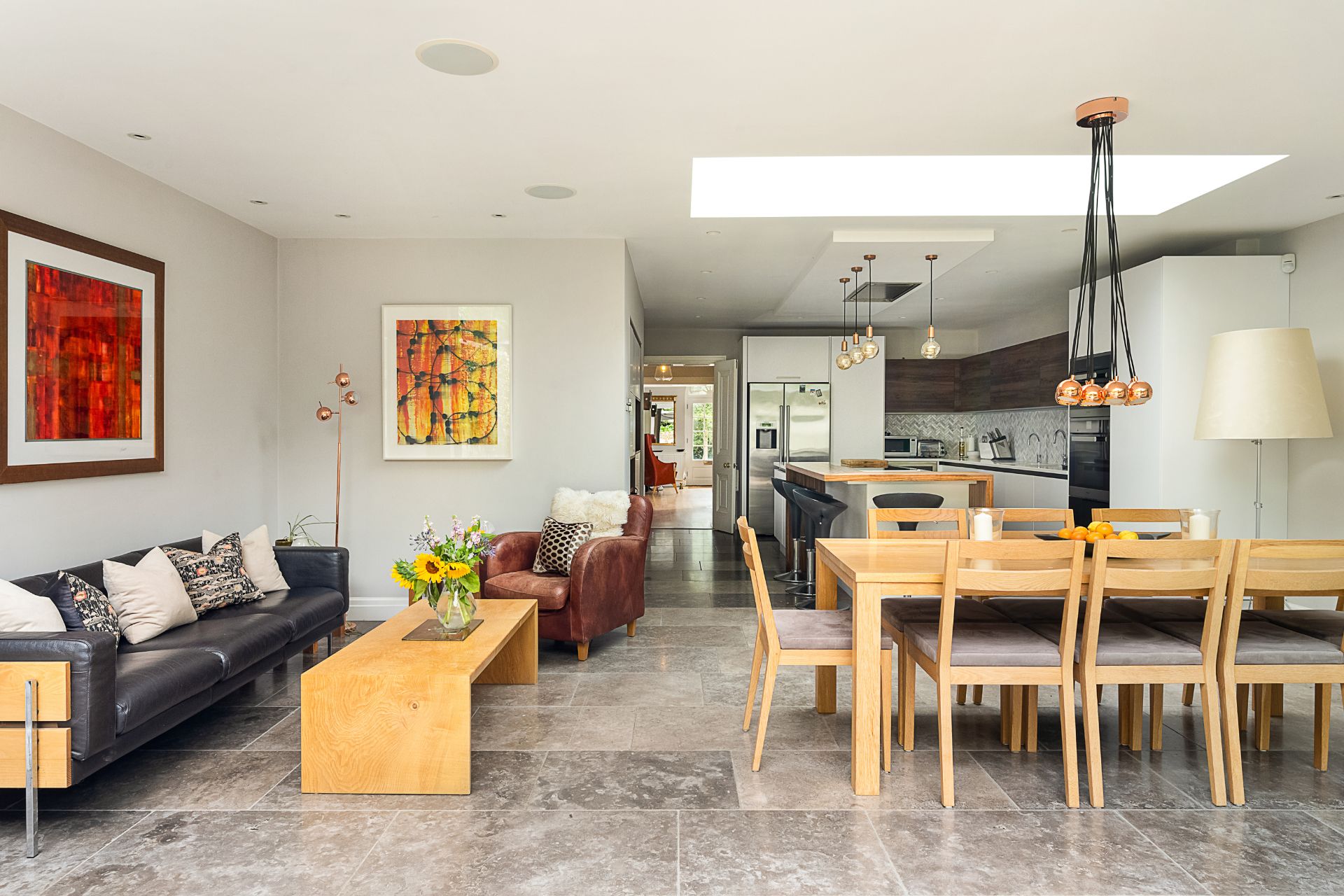
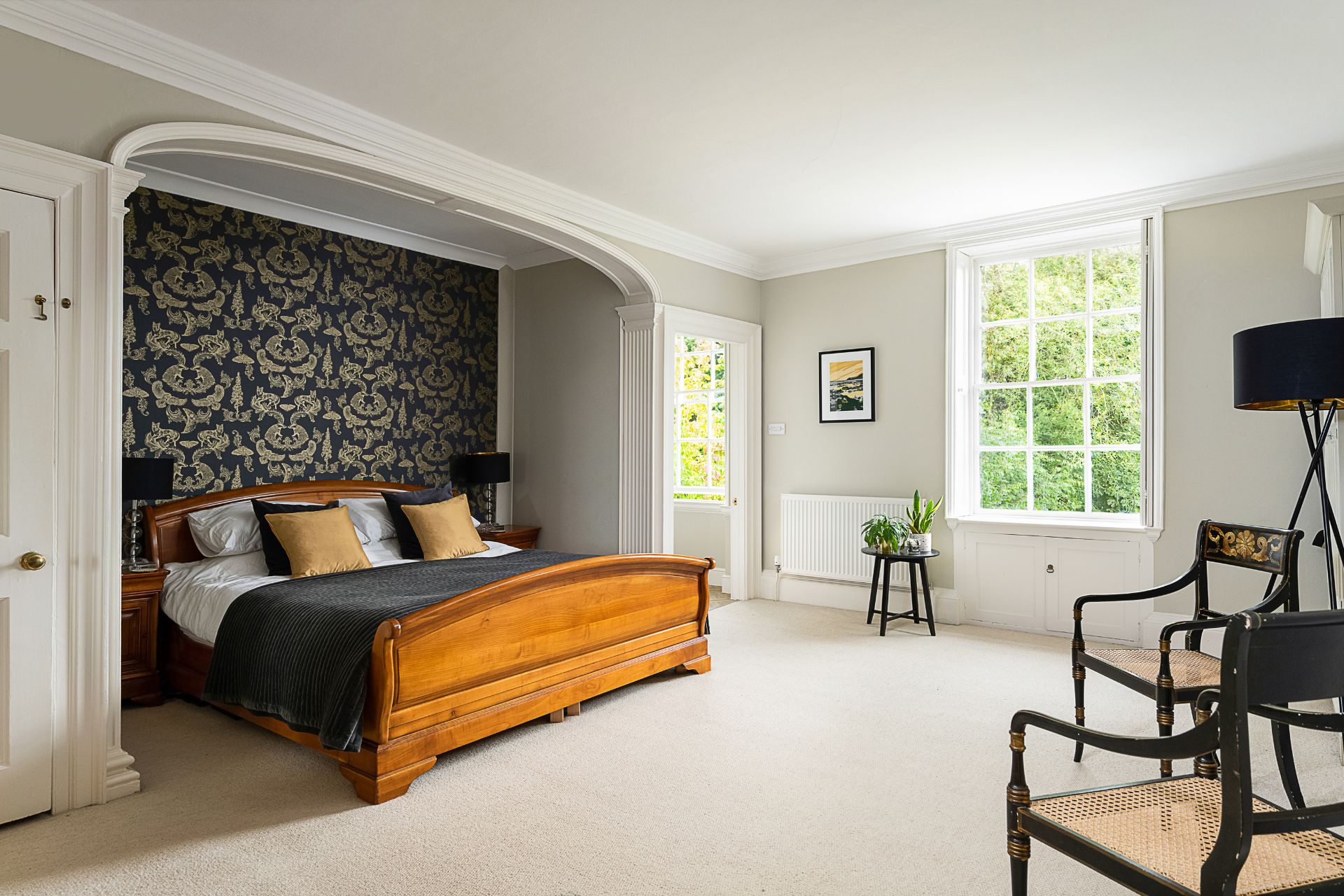
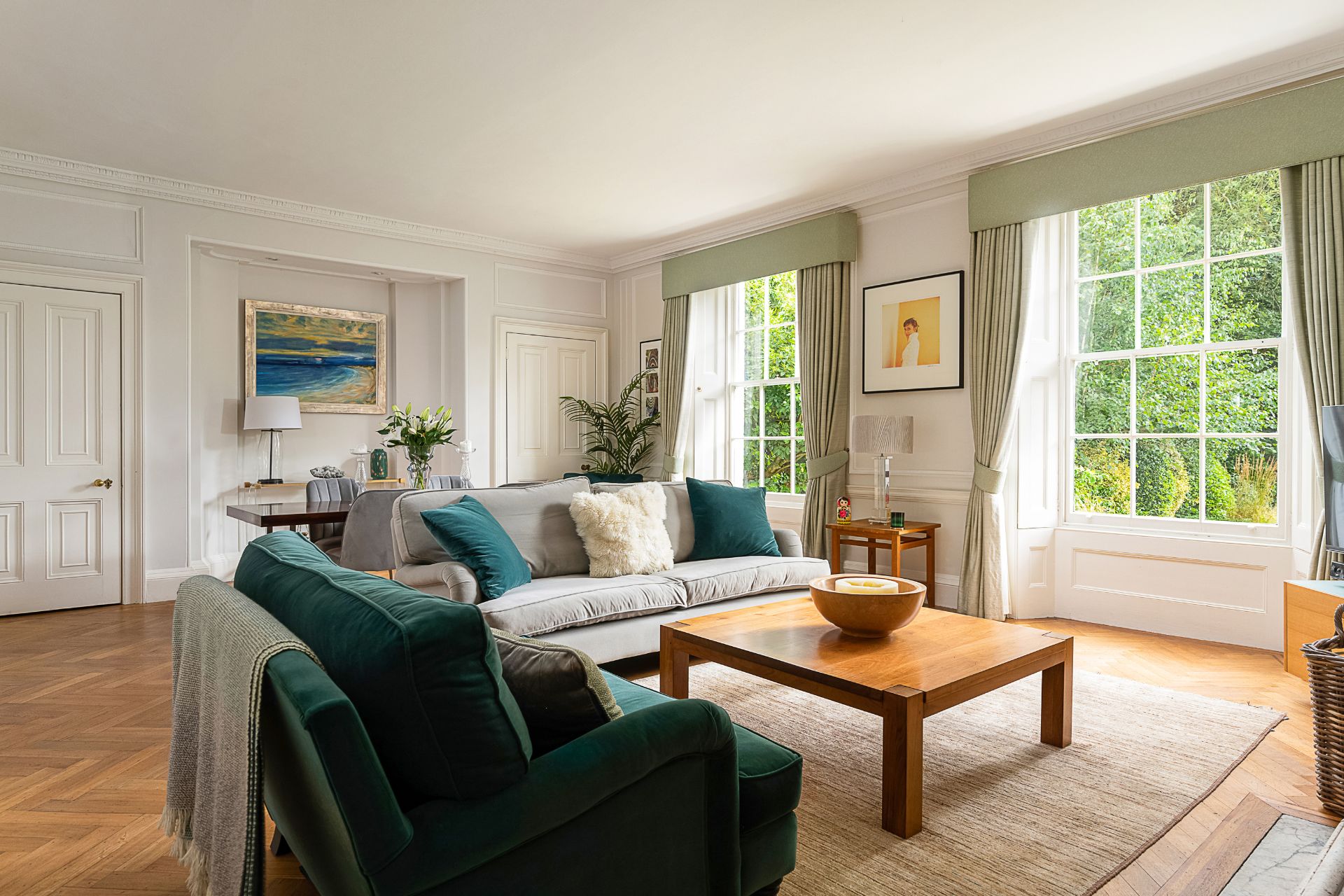
From sash windows, original shutters and parquet flooring, to Georgian proportions, decorative panelling and an Adam-style fireplace, many of the home’s period features remain. Beyond the home’s multiple reception rooms, it boasts an open-plan kitchen/dining space, six bedrooms and three bathrooms. With views over the countryside, the gardens offer up private terraces, a swimming pool and lawns, plus a garage with additional studio space.
On the market for £2m. Find out more at ddre.global