


A House Fit For A King: Henry VIII’s Former Northamptonshire Estate Is Up For Sale
By
27 seconds ago
Take a look inside
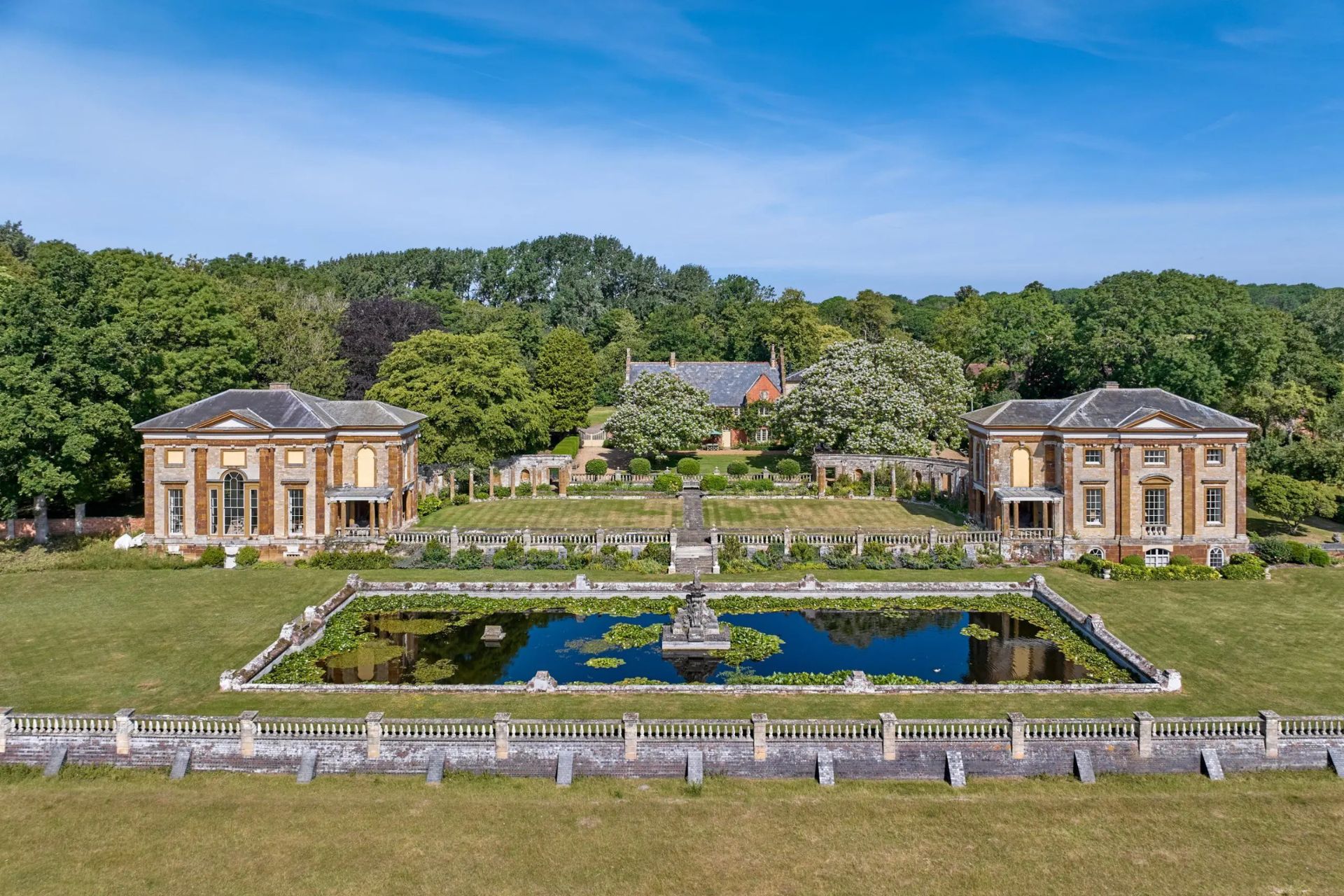
Back in the 16th century, Henry VIII hunted with Anne Boleyn in the deer park that once occupied the grounds of this 113-acre estate: Stoke Park. The king bought the land in 1541 and it was passed down through the royal line until 1629, when Charles I bequeathed it to entrepreneur Sir Francis Crane in order to settle a debt he’d incurred. As well as the founder of Mortlake Tapestry Works, Crane was a favoured courtier and Charles returned to stay at Stoke Park six years later. The property is now on the market for £5,250,000, endowed with a rich history that stretches well beyond its royal connections.
Look Inside Stoke Park
Henry VIII was far from the only famous face to call this plot of land home. Isaac Newton also took an extended stay at Stoke Park back in 1672. It seems he didn’t have a particularly pleasant time of it, however, as he ended up writing a letter of complaint about nearby Towcester’s apparently ineffectual postal service.
At the time the mathematician resided there, Crane had replaced Henry’s medieval hunting lodge with an Italian Palladian house. It was one of the first in the country of its kind, designed by fellow courtier Inigo Jones, who was inspired by Venetian architect Andrea Palladio on his travels to Italy. The style has roots in Roman architecture, prioritising symmetry and usually involving columns and an arched central window.
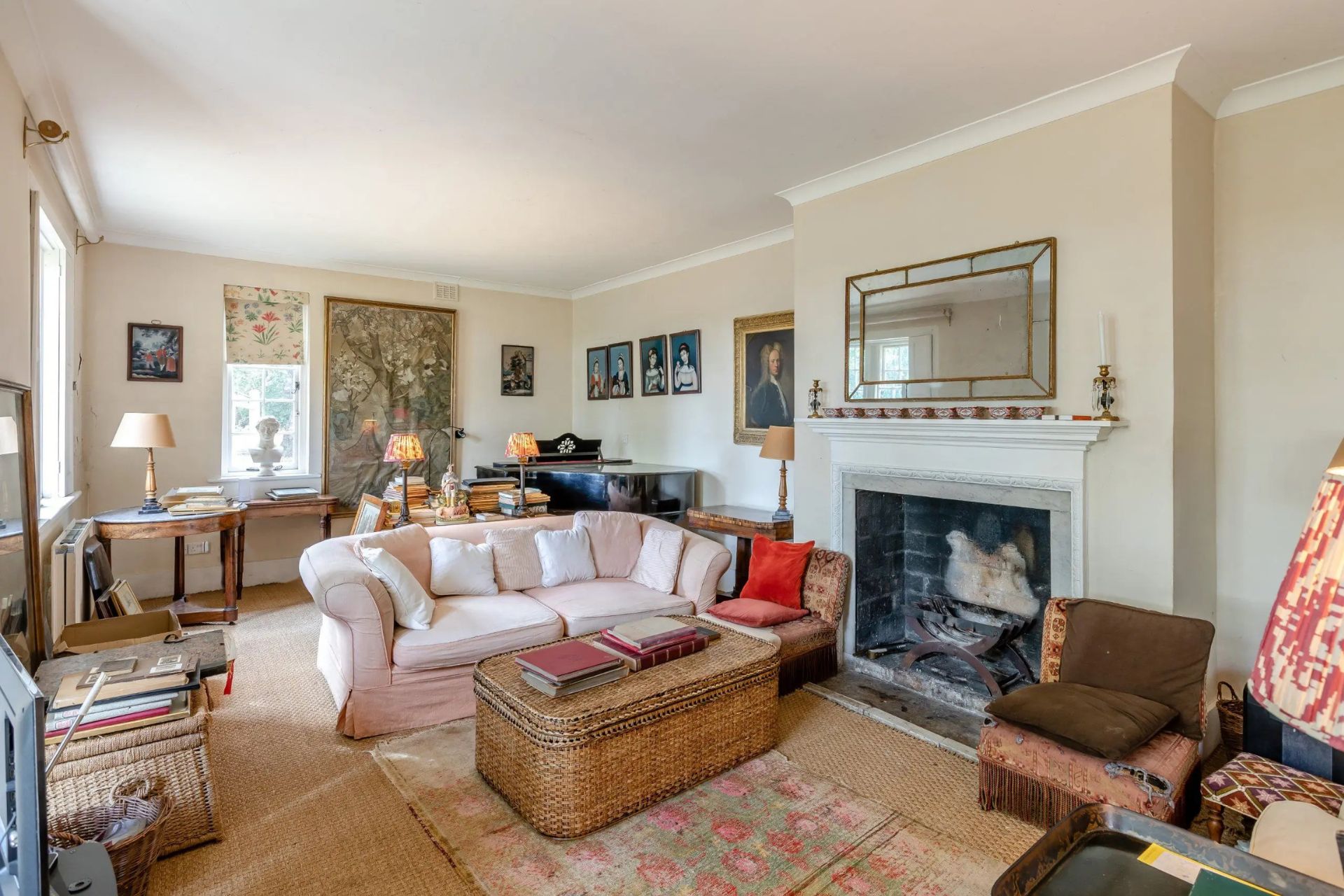
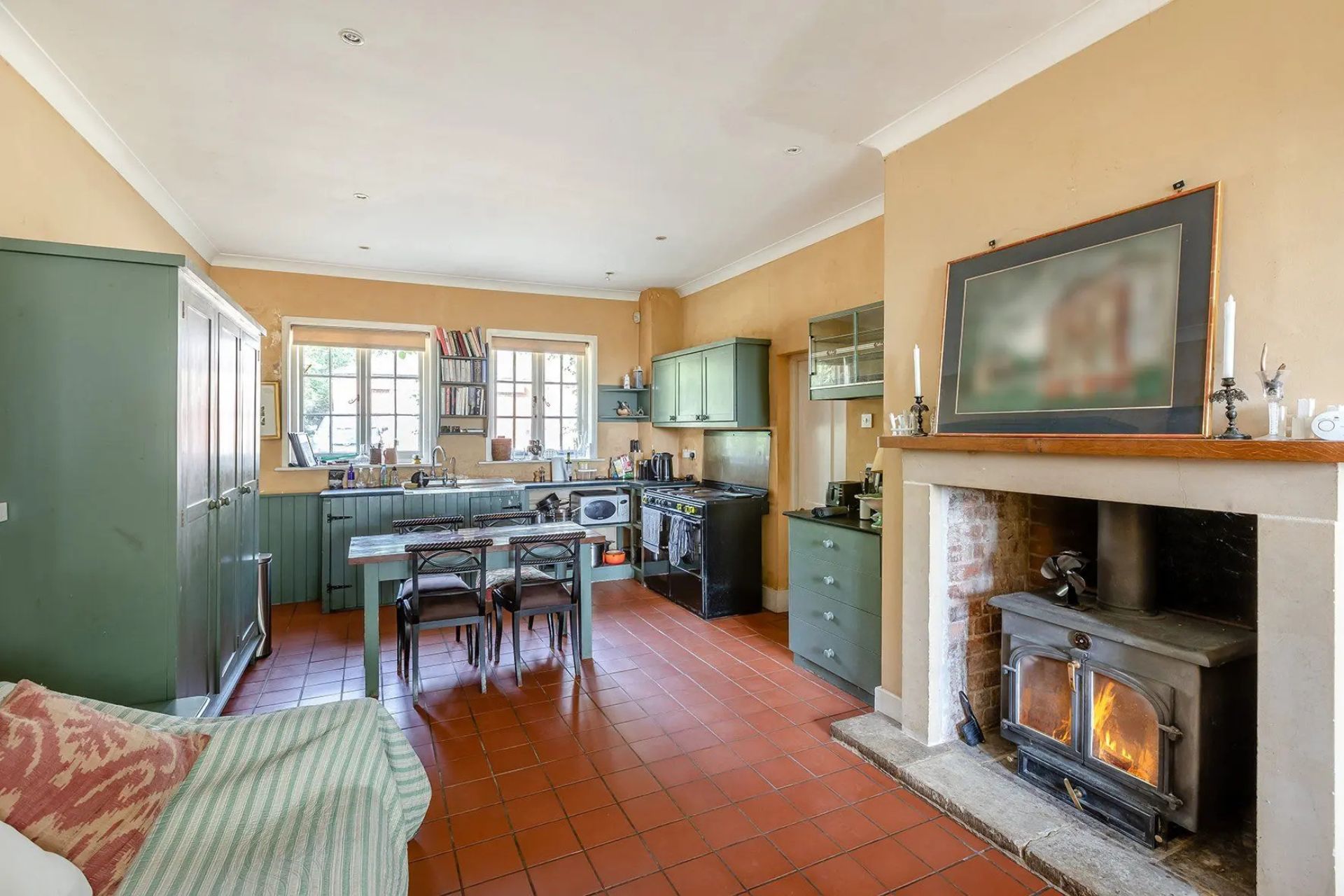
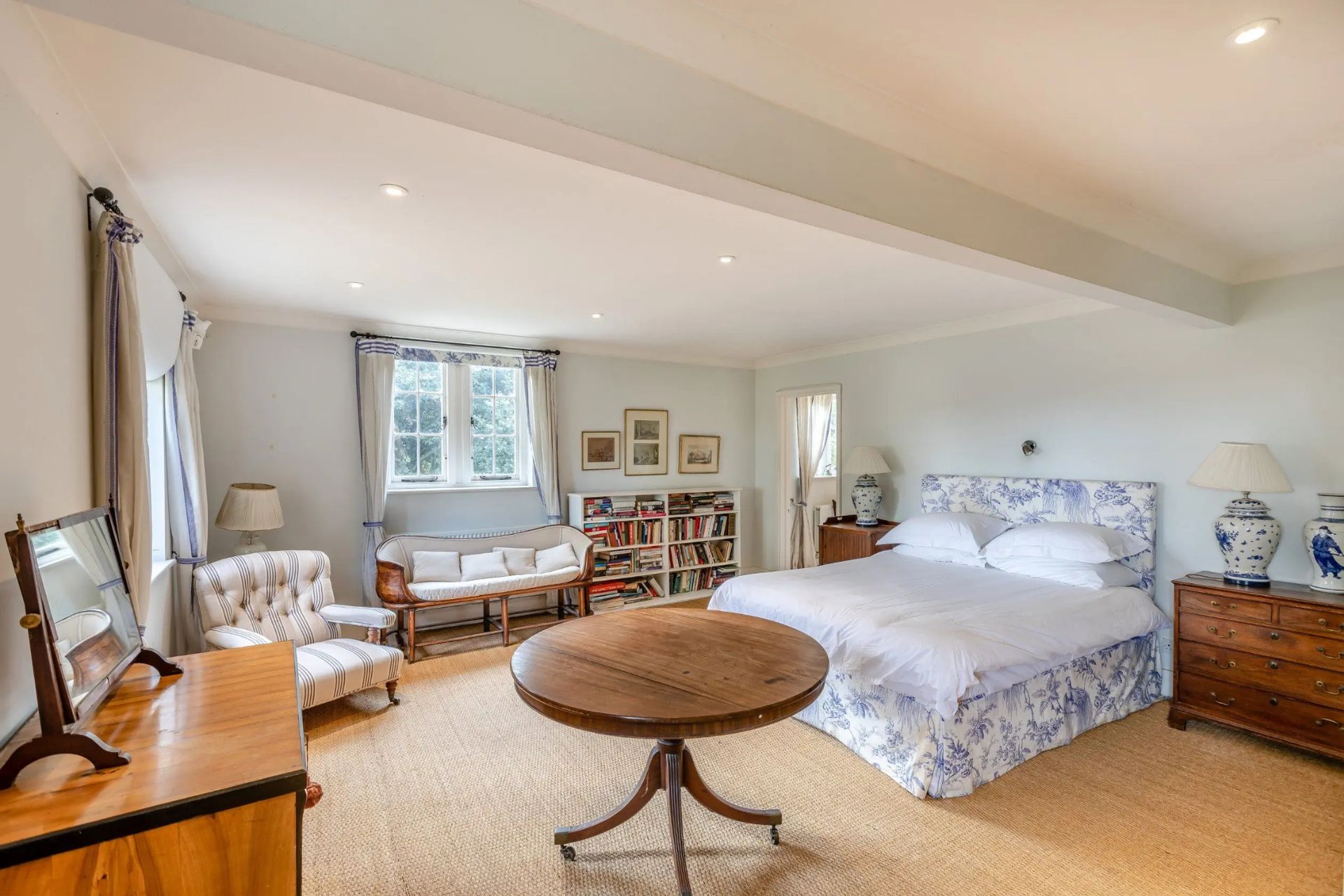
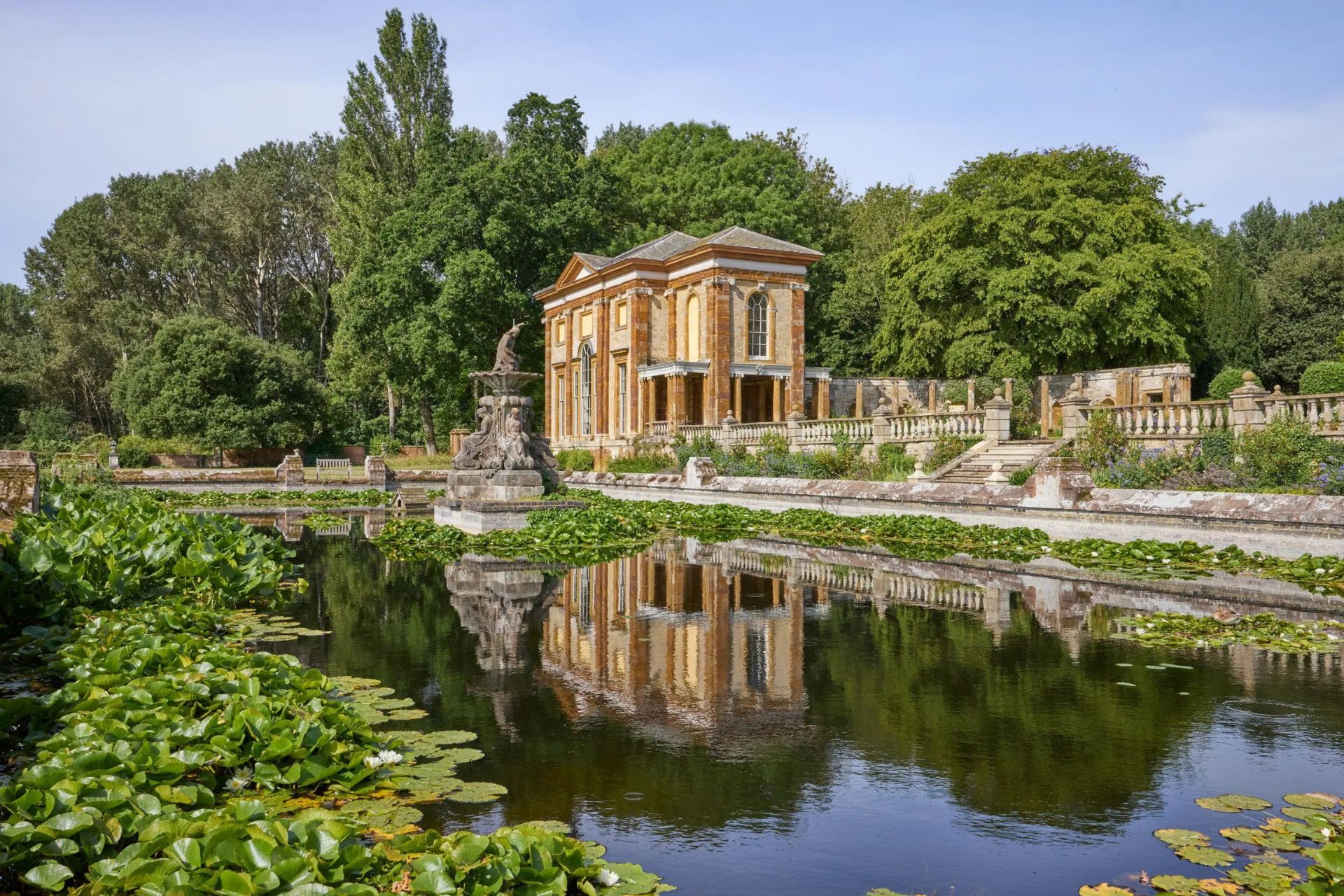
Although a fire devastated that original house in 1886, the two Grade II* listed on-site pavilions survive in their original state. The one to the west was a library and ballroom, its stone fireplace and floor-to-ceiling windows looking straight out of Chatsworth House (best-known for its starring role as Pemberley in the 2005 Pride & Prejudice). To the east, sits the former chapel, also built from Blisworth sandstone ashlar. It was carefully modernised in 2024, while retaining its period features. Today, the east building houses two bedrooms, a bathroom, a kitchen, a sitting room, traditional drawing room and a reception room with doors leading directly to the garden. The west pavilion, meanwhile, houses only a drawing room and cellar.
After the original house burnt down, it was swiftly replaced with a red brick neo-Jacobean building, but that was also partly destroyed in the late 1940s when it was used by the army during WWII. Known to deface or damage buildings they were occupying, the soldiers were anything but considerate, often tearing out woodwork to burn when fuel rations ran short.
Then, in the early 1950s, publisher Robin Chancellor bought and restored the pavilions. His nephew Alexander Chancellor (editor of The Spectator and journalist at The Guardian, The Oldie and The New York Post) later lived in Stoke Park, doing his part to care for it by replanting the parkland.
Now dotted with mature trees, the grounds themselves contain terraced lawns, orchards and a mid-19th century ornamental lily pond with a stone fountain centrepiece. The walled garden adjoins a potting shed, and there is a lake hiding in the woodland.
The estate’s southern boundary is delineated by the River Tove. To the north lies a three-bedroom coach house, boasting sash windows, a wood-burning stove, garage and private parking. Next to the main house, there’s a stone stable with a tack room and three stalls complete with traditional partitions.
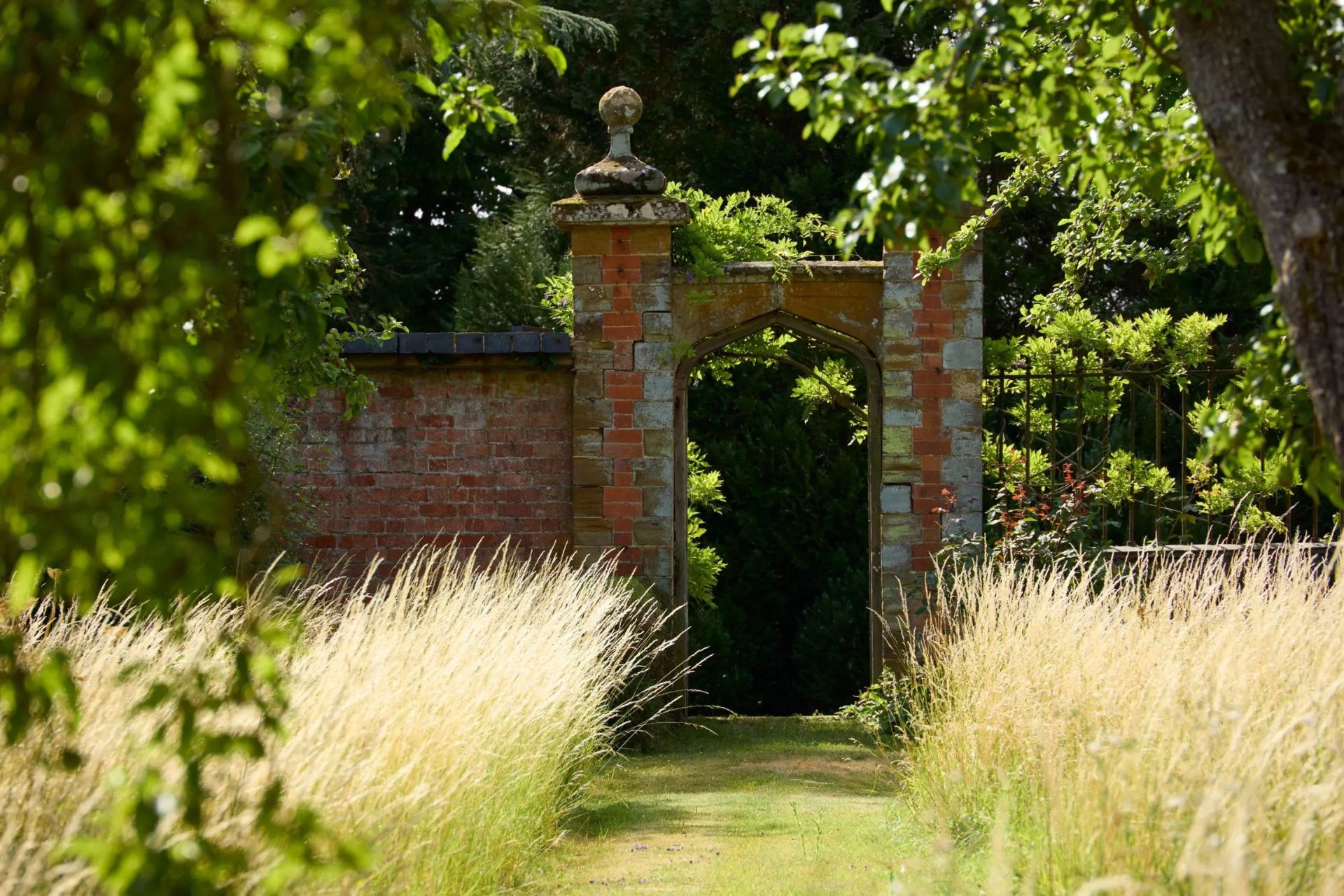
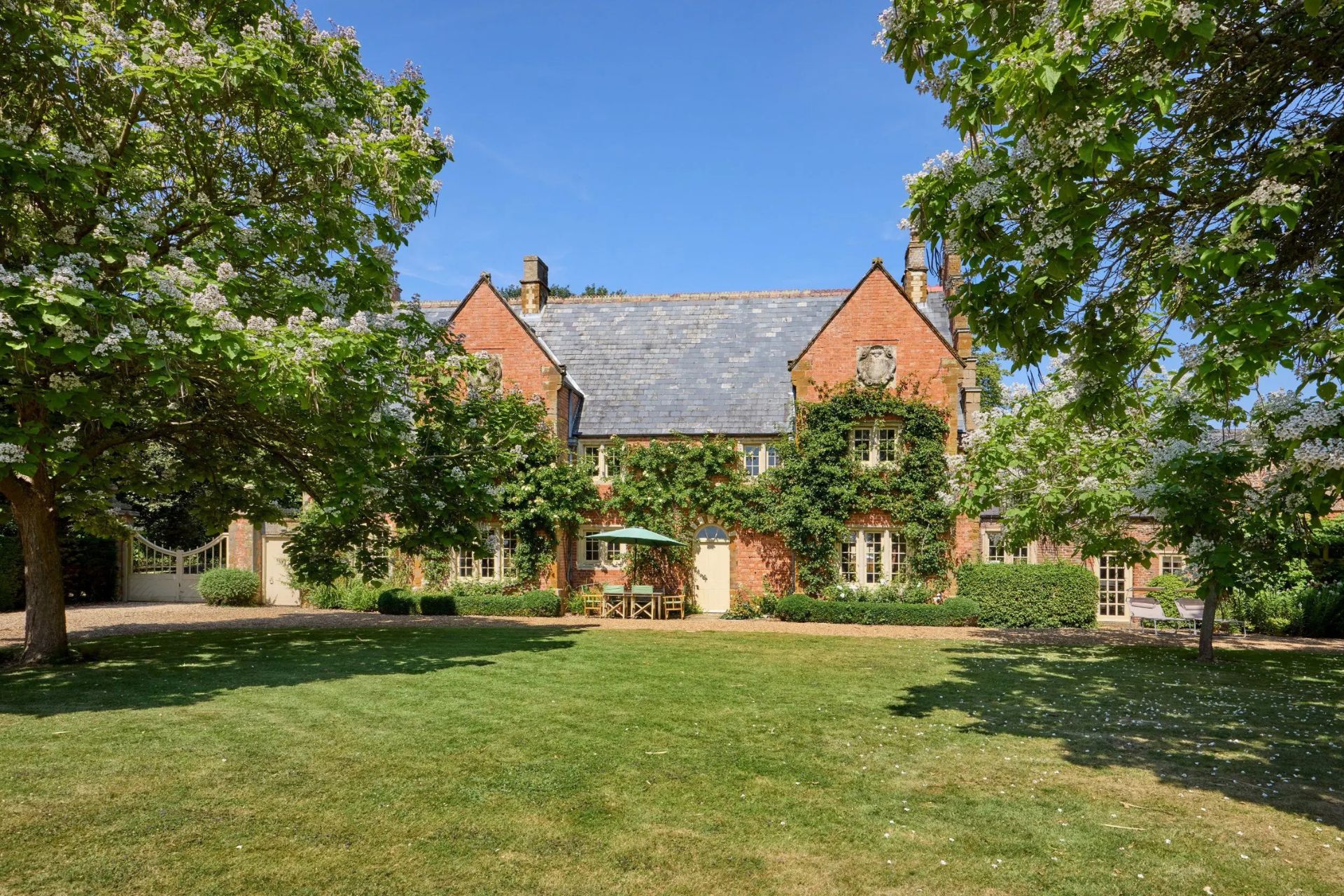
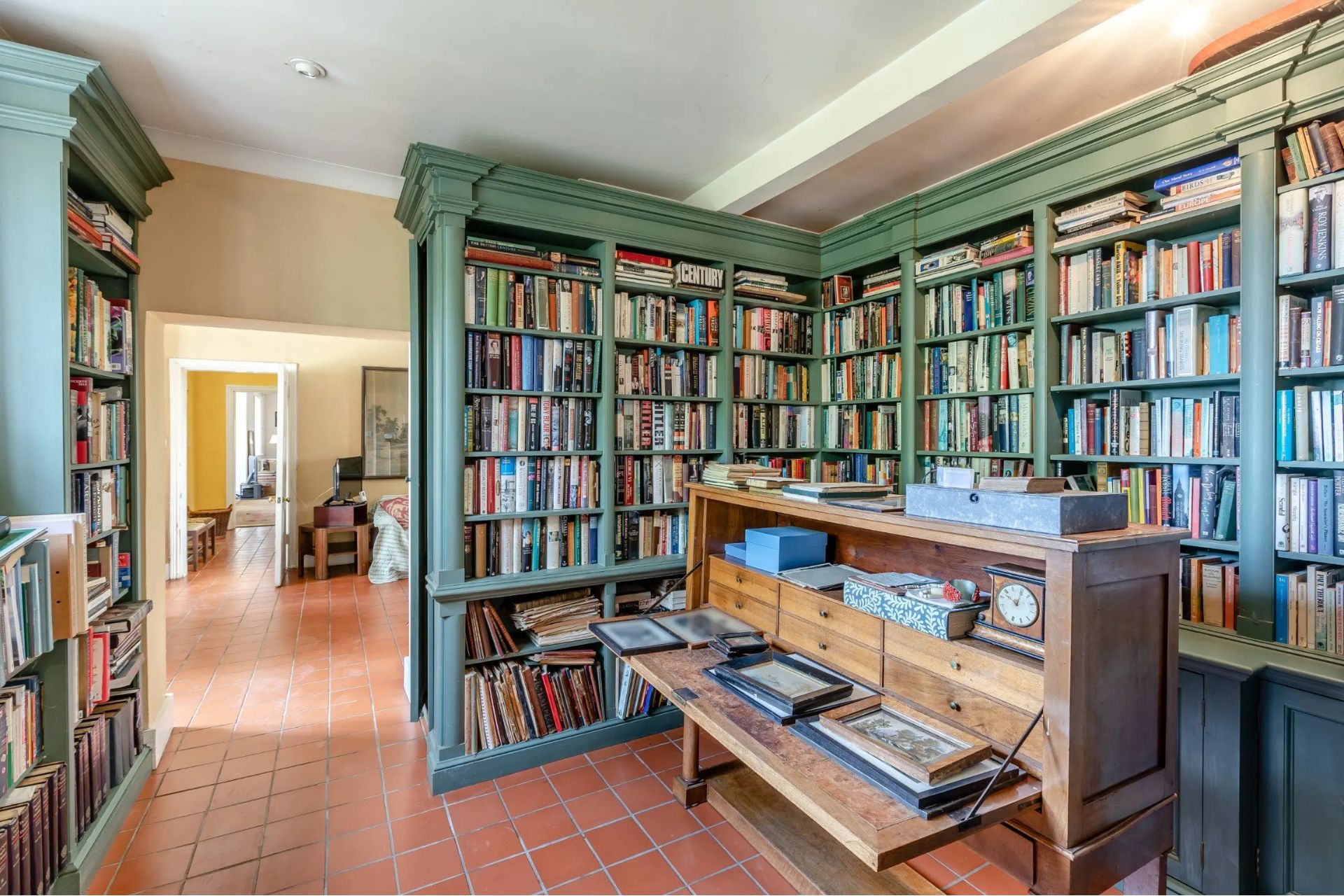
Today, the main house is a 19th-century four-bedroom property reached by a winding tarmac driveway. Its many rooms include a sitting room, drawing room, snug, dining area, library, study and a tiled entryway leading straight onto the garden, which is sprinkled with Catalpa trees, lush borders and rose bushes.
Nestled in the Northamptonshire countryside, the estate sits to the south of Stoke Bruerne. Just three miles from Towcester, the village is known for its picturesque canal scattered with narrowboats. It even has a museum dedicated entirely to the history of the waterway, as well as pubs, cafes and shops.
Stoke Park is on the market for £5,250,000. Find out more at struttandparker.com