


Meet The Curator: Beatriz González At The Barbican
By
3 hours ago
C&TH meets Lotte Johnson, Curator at Barbican Art Gallery
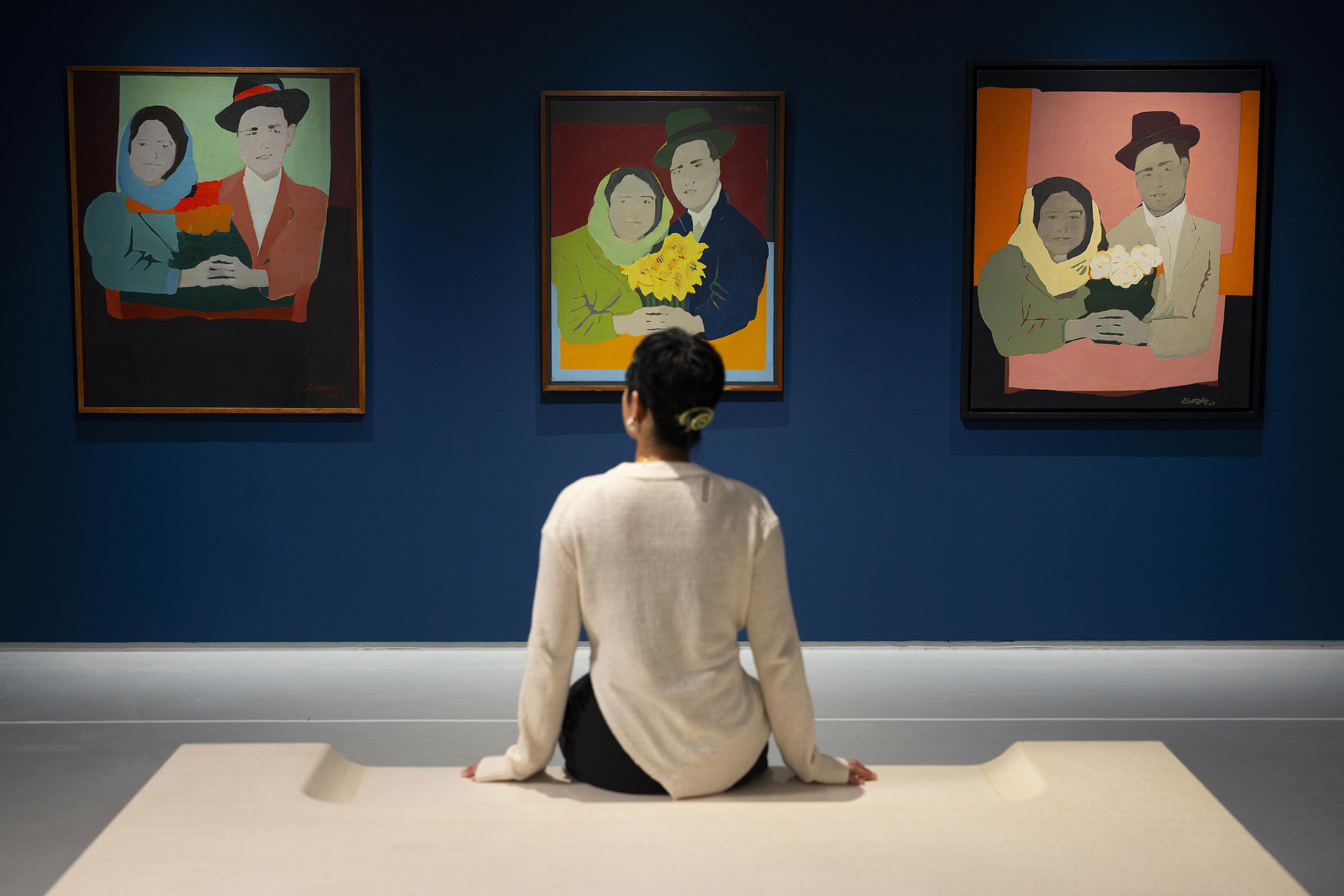
While we (im)patiently await the Tate Modern’s major Frida Kahlo exhibition (opening 25 June), there’s another Latin American painter to know. Having passed away at the beginning of the year, the largest ever European show of Colombian artist Beatriz González’s works is now on display at the Barbican Art Gallery, bringing together six decades of la maestra’s work. Expect bright, saturated paintings from sunsoaked South America that conversely depict grave, occasionally horrifying images of life in war-torn Colombia in the period known as La Violencia.
Running until May, the exhibition is a landmark collaboration between Pinacoteca de São Paulo (where it debuted), Oslo’s Astrup Fearnley Museet (where it’ll head next) and the Barbican, with the curator here being Lotte Johnson with assistant curator Diego Chocano. Here is Lotte’s guide to Beatriz González.
The Curator’s Guide To Beatriz González At The Barbican
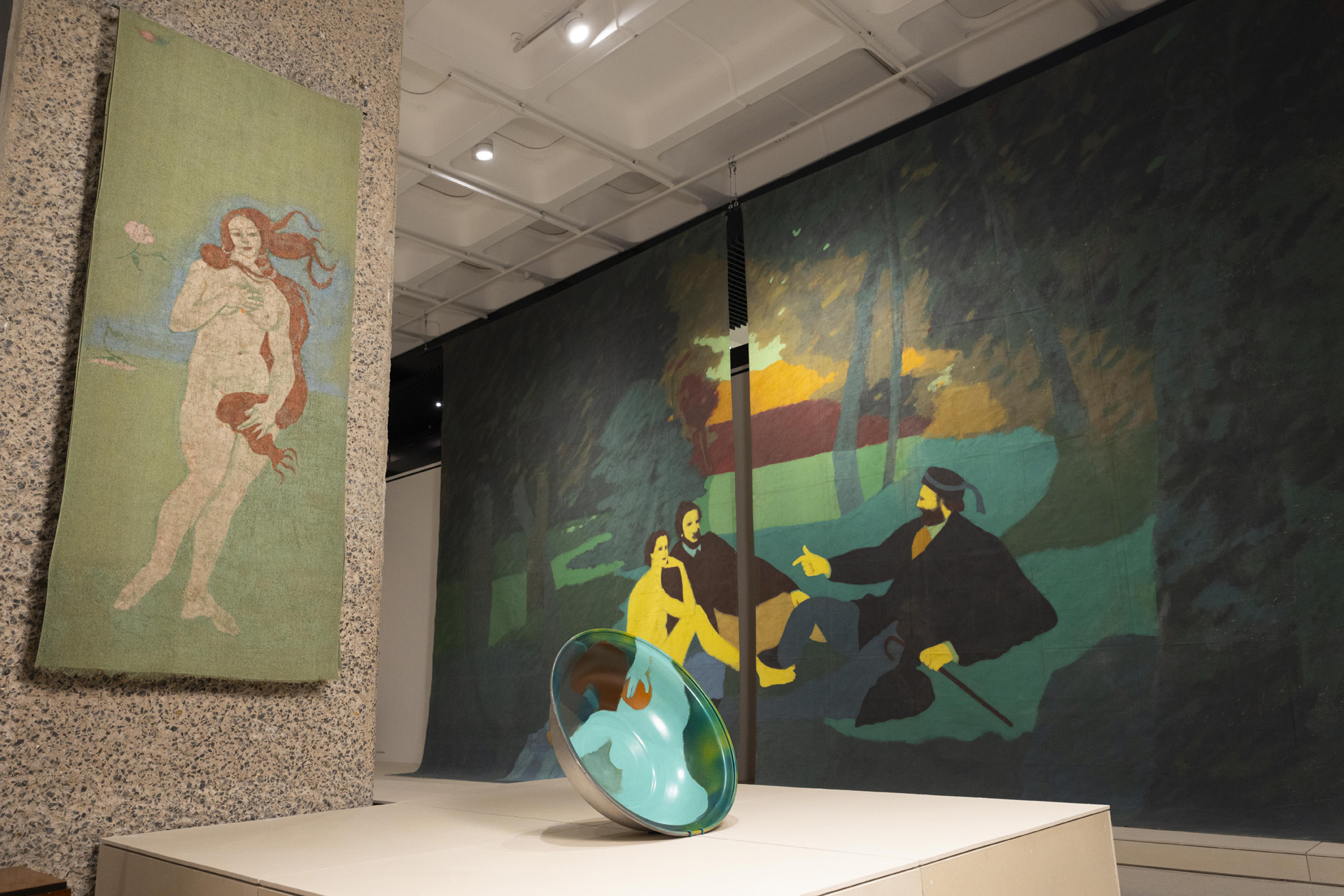
(Barbican Art Gallery, David Parry © Beatriz González)
The Background
If you are unfamiliar with Beatriz González’s work, you can be forgiven: there has never been an exhibition in the UK dedicated solely to her work. Born in Bucaramanga, Colombia in 1932, the painter’s ‘groundbreaking’ work ‘spans over six decades,’ Lotte says. And the curator’s own relationship with the artist’s work can be traced back to 2018, when she saw a major show of González’s work in Berlin. ‘I have wanted to present an exhibition of her work at the Barbican ever since,’ Lotte tells C&TH.
In a sense, then, this exhibition is the best part of a decade in the making – and the Barbican Art Gallery is the perfect place to stage it, Lotte says: ‘I immediately imagined her taking on the Barbican’s vast galleries. I was completely blown away by her formidable, diverse practice and was struck by how resonant her work is to the contemporary conditions in which we live – an extremely image-saturated culture in which we are inundated with images from different sources every day, which shape how and what we think about the world.’
But who is Beatriz González? Known as la maestra in Colombia (‘the teacher’), González ‘has influenced generations of artists and thinkers across Latin America,’ Lotte explains. ‘However, UK audiences haven’t been able to see her work. After the seed was planted in 2018, I finally began properly developing the project in 2024. I spent time with González in Bogotá, and she visited the Barbican later that year. I later went back to Bogotá to do further research. It was such an honour for our team to work with her on this project before she sadly passed away earlier this year. We hope the show can pay tribute to her brilliant wit, her incisive critique and her extraordinary practice of bearing witness.’

Beatriz González . Decoración de interiores (Interior Decoration), 1981. (Barbican Art Gallery, David Parry © Beatriz González)
What Is On Display?
This landmark Barbican exhibition consists of more than 150 of González’s works, many on display for the very first time in the UK. ‘The exhibition positions her as an artist who responded to very specific histories in Colombia and yet whose work resonates with global concerns,’ Lotte summarises.
This is displayed across the Barbican Art Gallery’s double-height sequence of rooms, ‘which allows you to look across the galleries and find connections across different periods in an artist’s work,’ Lotte notes. ‘There is a consistent thread throughout Gonzalez’s six-decade practice in which she contends with what the images that we encounter every day can tell us about the world in which we live.’
As the curator puts it, González’s oeuvre consists of ‘powerful works that deal with subjects as diverse as art history, popular culture, taste and value, grief and memory’. She’s a very referential artist: ‘Taking printed sources as her starting point – whether reproductions of famous paintings from Western art history and kitsch prints of popular icons or images of violence in the newspaper – her work offers playful, irreverent critiques of power as well as moving meditations on mourning and loss,’ the curator explains.
‘González was an amazingly experimental artist, working across a striking range of mediums, including oil painting, interventions on found furniture and objects, sculptural assemblage, public installations, wallpaper designs, and more,’ Lotte adds. ‘She is distinctive for her bold, graphic style and vivid, saturated colour palette. Her work addressed the recurring violence in Colombia, socially constructed ideas of taste and value, the legacies of colonialism, and the displacement of communities.’
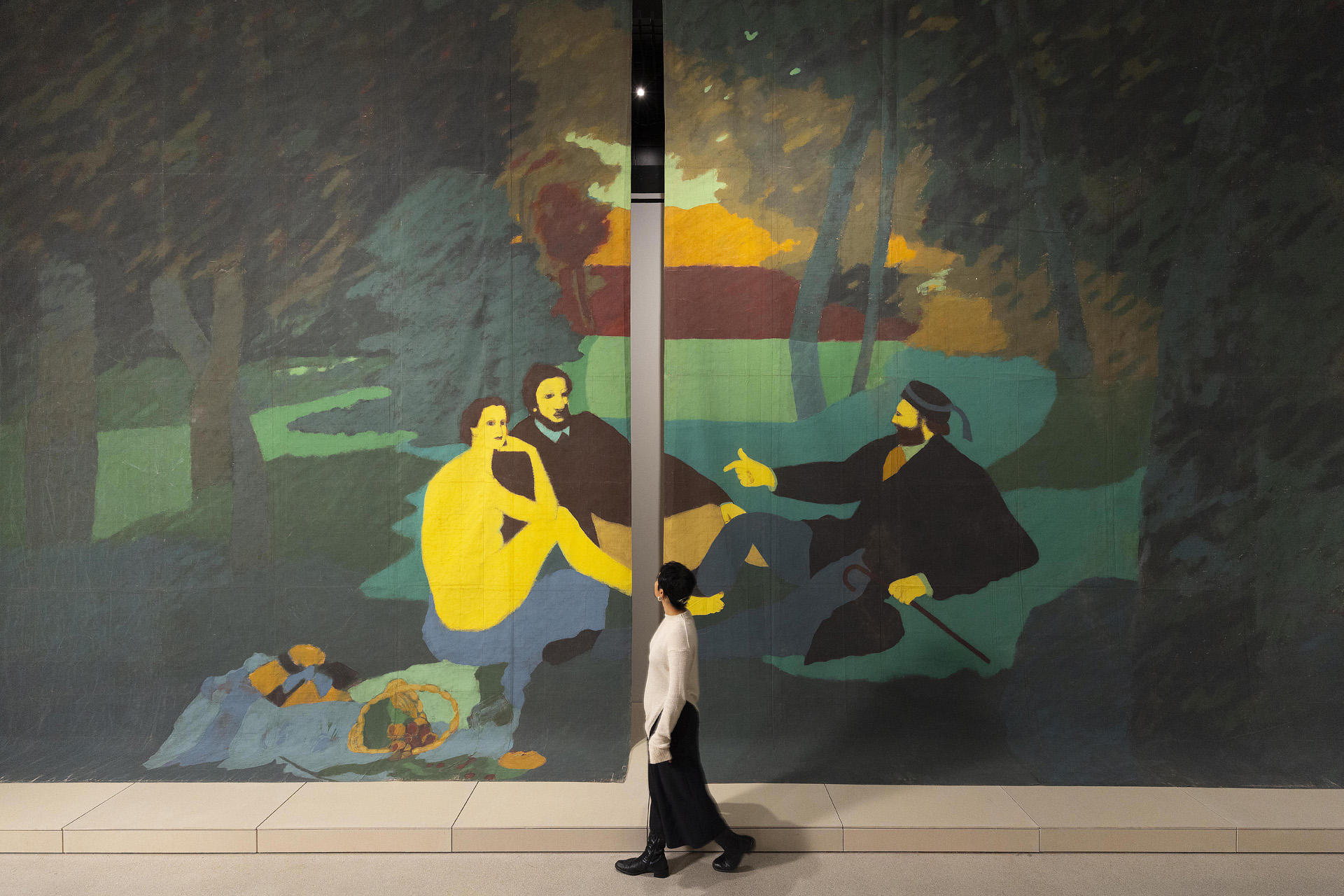
Beatriz González. Telón de la móvil y cambiante naturaleza (Backdrop of a Moving and Changing Nature), 1978. (Barbican Art Gallery, David Parry © Beatriz González)
The Highlights
‘One of the most monumental works in the show is Telón de la móvil y cambiante naturaleza (Backdrop of a Moving and Changing Nature), made for the Venice Biennale in 1978,’ Lotte says. ‘A huge painted canvas in two parts, measuring over six metres high and ten metres wide, it is González’s own rendering of Edouard Manet’s Luncheon on the Grass (1863).
‘González recalls coming across a tattered reproduction of the famous painting from art history pinned up in the window of a food shop in Bogotá, surrounded by Colombian products,’ Lotte explains. ‘She was fascinated by how images like these were transformed when they landed in a Latin American context. Painting the scene at larger-than-life scale across two canvases, she delighted in the idea that it reminded her of the opening to a circus tent. She relished bringing in kitsch, playful references like this to her work to challenge hierarchies of taste and value. By bringing her irreverent version of Manet’s painting back to Europe at the Venice Biennale, she playfully prompts questions about the power dynamics that exist between the West and Latin America.’
Elsewhere, visitors might notice a shift when they reach González’s work in the ‘90s and early ‘00s, which Lotte has been ‘particularly moved by’. This is when the artist’s ‘tone and palette shift, as she describes it, “to the shadows”,’ Lotte notes. ‘González began translating the images of mourning that she came across in newspapers into her own extraordinary visions, using glowing blues, deep purples, murky greens and rich yellows to depict those who have lost loved ones to violence, in particular women. In one painting González paints a self-portrait, naked, holding her hands to her face in a gesture of grief – this painting suggests a powerful act of solidarity. The artist herself reflected: “I am all the mothers together”.’
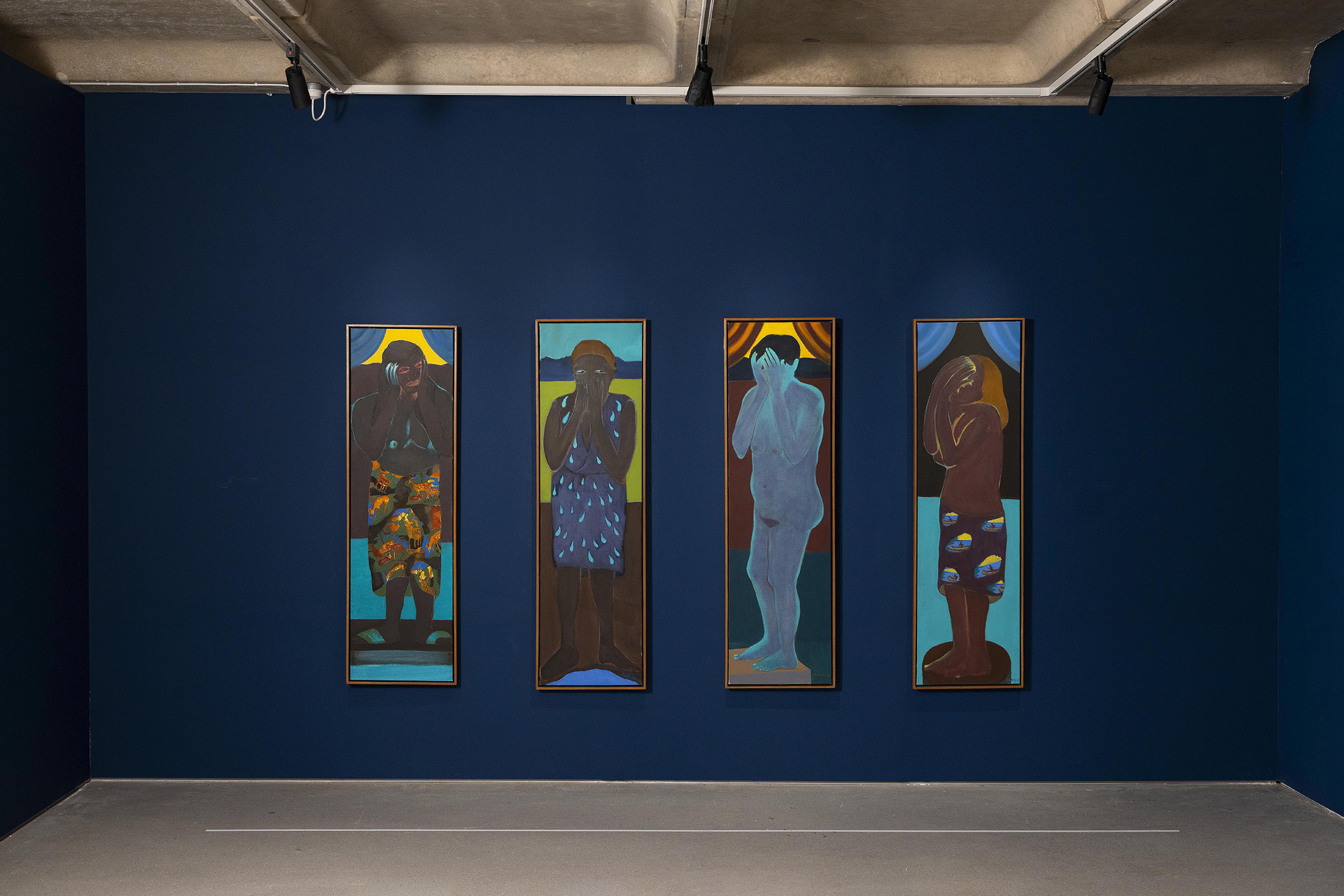
(© David Parry/ Barbican)
While You’re There…
‘You can also see a free exhibition on the ground floor, a new commission by artist Julia Phillips in our Curve gallery,’ Lotte suggests. ‘Phillips has made an electrifying and unsettling sculptural installation that contends with the experiences of the body and processes of conception. Her ceramics, moulded against her own body and fired with intense pink and metallic glazes, are both visceral and enigmatic.’
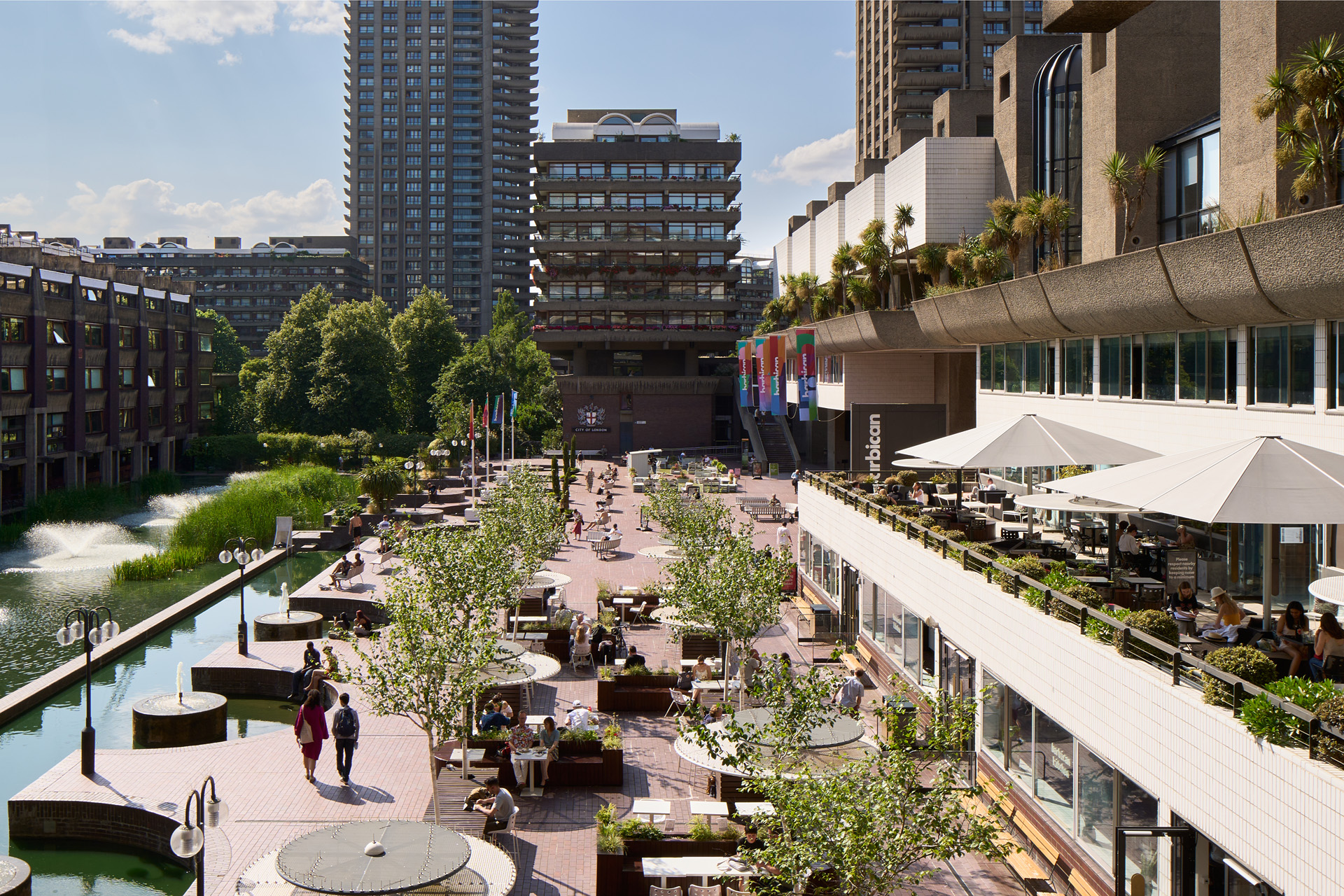
Barbican’s Lakeside Terrace (© Dion Barrett)
The Debrief
If you are visiting with a companion and would like to debrief what you have seen, or if you are visiting alone and would like to make space for some post-exhibition contemplation, there’s plenty more to enjoy onsite, including the tranquil Conservatory and the unique lake.
Hungry? ‘If you visit the Barbican on a weekday, there’s a brilliant food market at lunchtime on Whitecross Street right opposite the Barbican,’ Lotte recommends. ‘The street is lined with independent food stalls – a special shoutout to Luardo’s, the delicious burrito truck where I am a regular! You can sit and eat in Fortune Park, just round the corner, and finish with a coffee at the little kiosk cafe Giddy Up.’
Other C&TH approved eateries local to the Barbican include:
- Raf Liuth‘s zero-waste, nose-to-tail gastropub Jugged Hair (49 Chiswell St, London EC1Y 4SB)
- Elegantly pared-back Basque steak restaurant Ibai (92 Bartholomew Cl, London EC1A 7BN)
- Russell Norman’s cosy Michelin Bib Gourmand trattoria Brutto – if you can snag a reservation (35-37 Greenhill Rents, London EC1M 6BN)
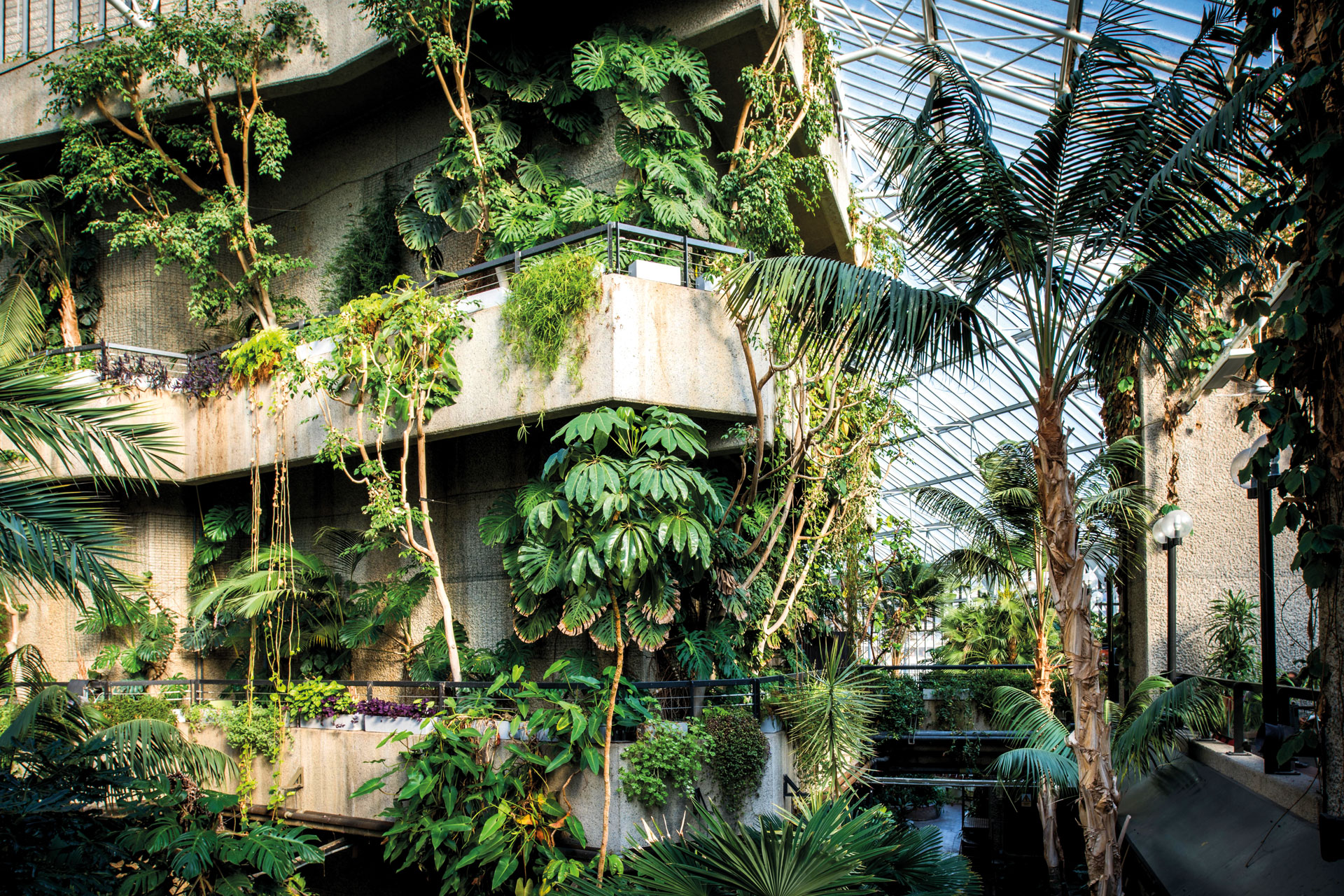
Barbican Conservatory
VISIT
Beatriz González runs at The Barbican Art Gallery (Barbican Centre, Silk St, London EC2Y 8DS) until 10 May 2026. Standard tickets are £19pp.