


The Curator’s Guide To Gwen John: Strange Beauties, National Museum Cardiff
By
1 day ago
C&TH meets Lucy Wood, Senior Curator of Art at Amgueddfa Cymru (aka National Museum Cardiff)
She may have worked in France for most of her career, but painter Gwen John was firmly Welsh. Born in Haverfordwest in 1876, in her lifetime she worked in the shadows of her brother Augustus John and her mentor and lover Auguste Rodin – but today she is reclaiming the spotlight. The subject of a landmark new exhibition at Amgueddfa Cymru (National Museum Cardiff) titled Strange Beauties, C&TH meets the Gwen John exhibition’s curator Lucy Wood.
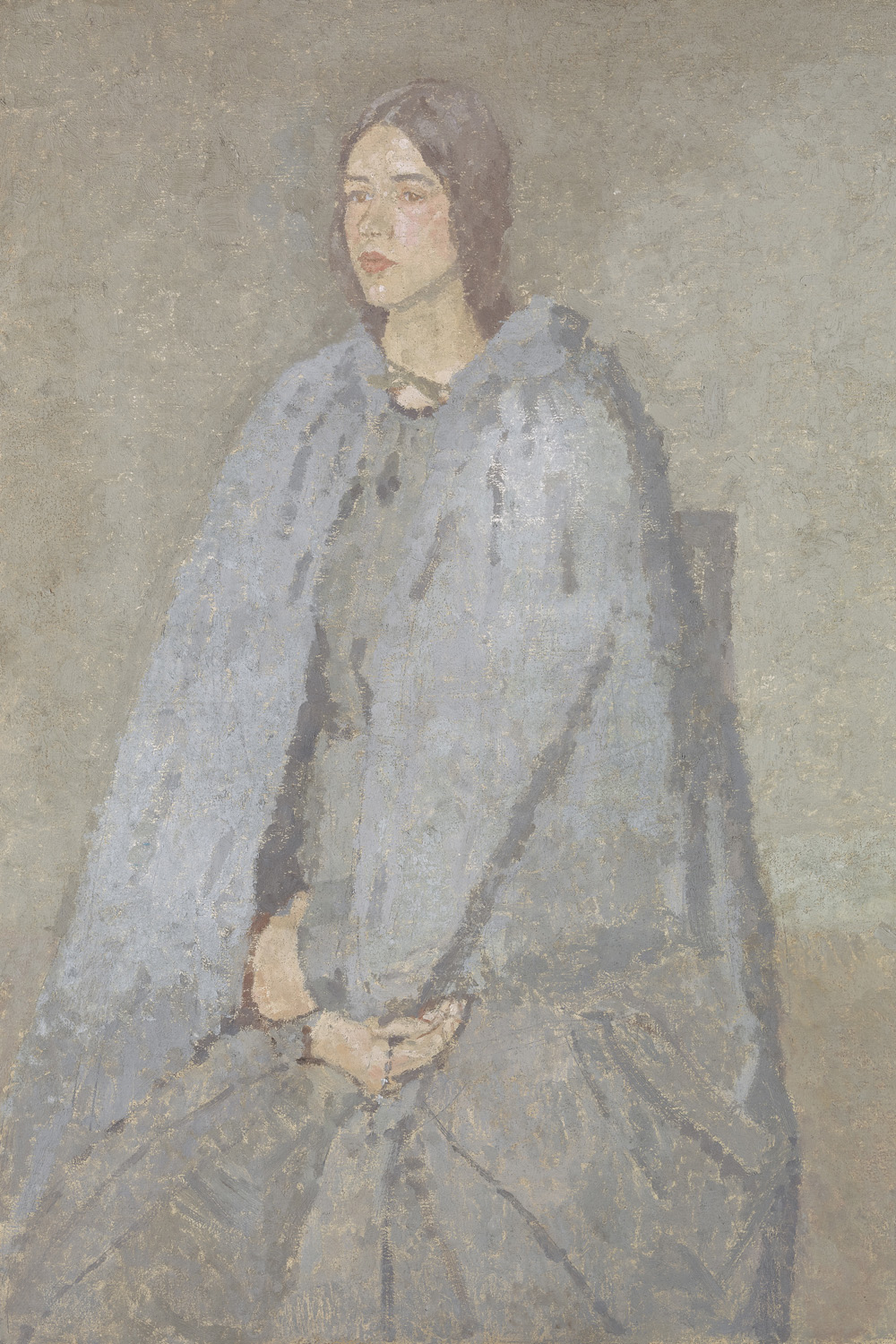
The Pilgrim by Gwen John. (Yale Center for British Art, Paul Mellon Collection)
The Background
As Lucy puts it, ‘Gwen John: Strange Beauties offers a comprehensive view of one of the most important Welsh artists of the early twentieth century.’ Born in Haverfordwest in 1876, John moved with her family to Tenby in 1884 after her mother’s premature death. There, she and her siblings were raised by governesses and encouraged to sketch the coastline.
She’d go on to study at the Slade School of Art before travelling to Paris, living in London, hiking across France and eventually modelling for the (now famed) sculptor Auguste Rodin in Paris. She would remain in Paris for the rest of her life – a lover of Rodin, rubbing shoulders with Matisse, Picasso, Brâncuși and Rainer Maria Rilke.
John died in 1939 at her home and studio on the outskirts of Paris, and Amgueddfa Cymru eventually acquired the largest public collection of her work in 1976 – ‘but this has rarely been researched or exhibited,’ Lucy says. ‘I’ve spent the last three years working on this collection, and this exhibition offers a unique opportunity to view this body of work alongside loans from across the UK and USA, including from our partner Museums: National Galleries of Scotland, Yale Center for British Art, and the National Museum of Women in the Arts, Washington D.C.’ Lucy’s research trips to France and the US were funded by Art Fund’s Jonathan Ruffer curatorial grants, allowing the curator to ‘build a fuller picture of [John’s] artistic development’, she says.
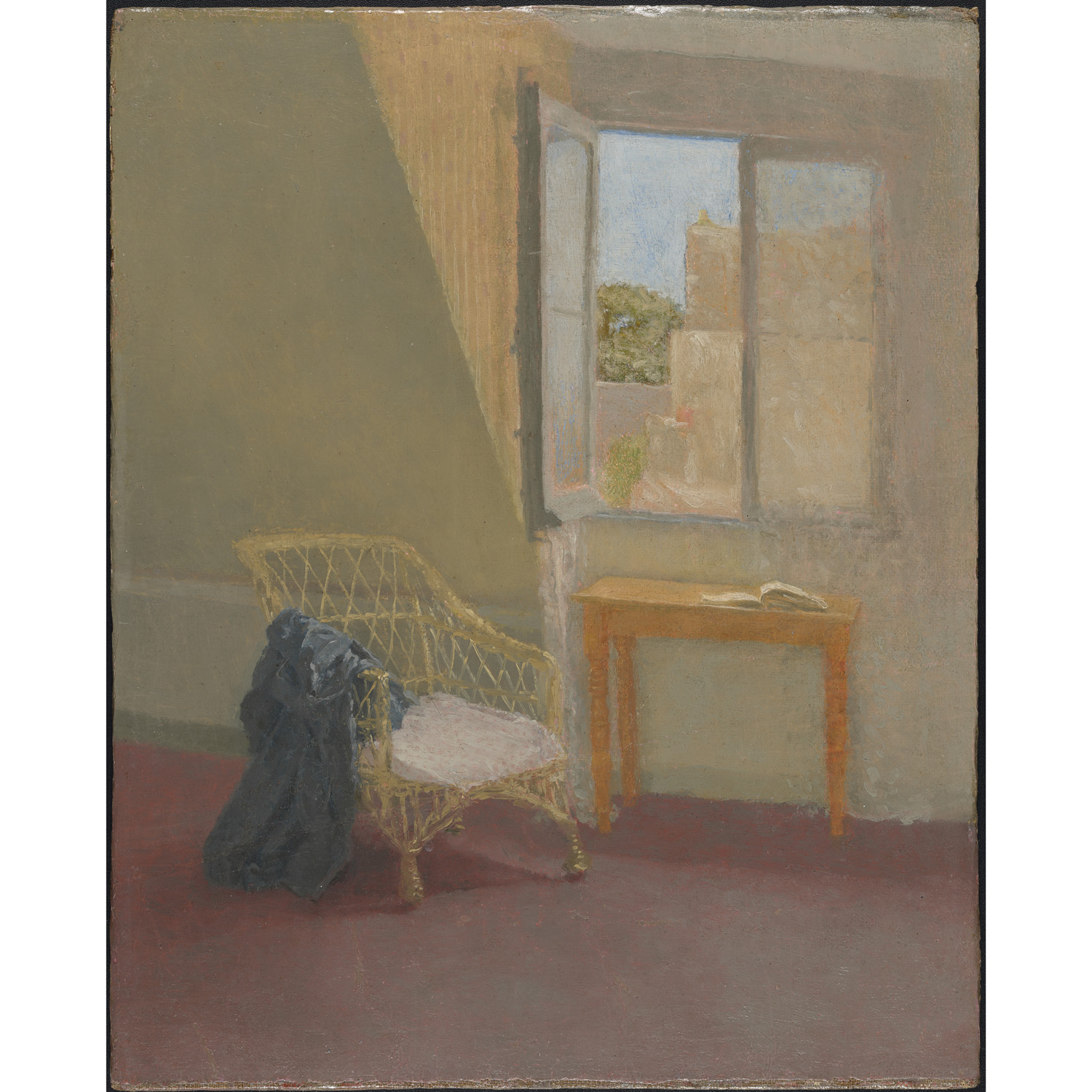
A Corner of the Artist’s Room in Paris, Gwen John. (Amgueddfa Cymru-Museum Wales)
‘These experiences fed directly into the exhibition and accompanying book, shaping both the selection of works and the themes explored throughout,’ Lucy says. Speaking of themes: ‘Drawing on Amgueddfa Cymru’s collection of over nine hundred works on paper, sketchbooks and oil studies, the exhibition presents celebrated paintings alongside rarely seen material that she left in her home and studio on the outskirts of Paris when she died in 1939,’ Lucy says.
‘The exhibition explores John’s spiritual approach to artmaking, her engagements with European modernism, her expressive use of colour, and her gradual movement away from traditional figuration towards abstraction over the course of her lifetime,’ the curator adds. ‘Rather than focusing on her biography alone, the exhibition foregrounds her working methods and artistic ambitions.’
It also helps that ‘Amgueddfa Cymru holds the largest public collection of Gwen John’s work in the world, much of which was acquired in 1976 but has rarely been researched or exhibited,’ Lucy points out.
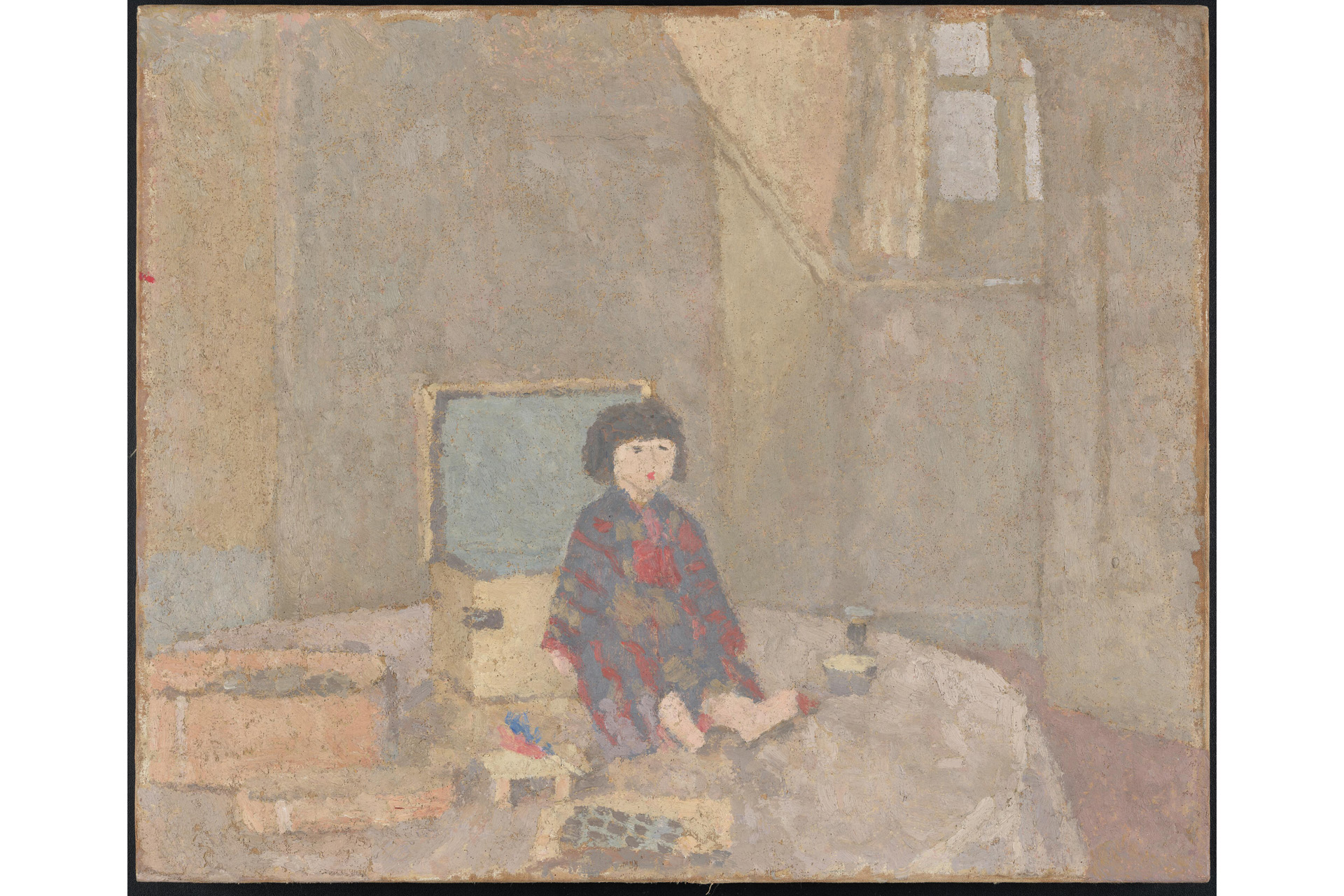
The Japanese Doll by Gwen John. (Amgueddfa Cymru – Museum Wales)
What Is On Display?
‘The exhibition brings together oil paintings, drawings, watercolours and sketchbooks, revealing the breadth of John’s practice,’ Lucy says. ‘Her subjects are often deceptively simple: solitary women, nuns, interiors, cats. Yet beneath this apparent simplicity lies a sustained and attentive exploration of form and colour.
‘A central theme is the relationship between art and faith,’ Lucy adds. ‘Following her conversion to Roman Catholicism in 1913, John’s practice became increasingly entwined with her spiritual beliefs. Many of the works on paper she produced later in life never left her studio, suggesting that artmaking itself became a private, devotional act.’
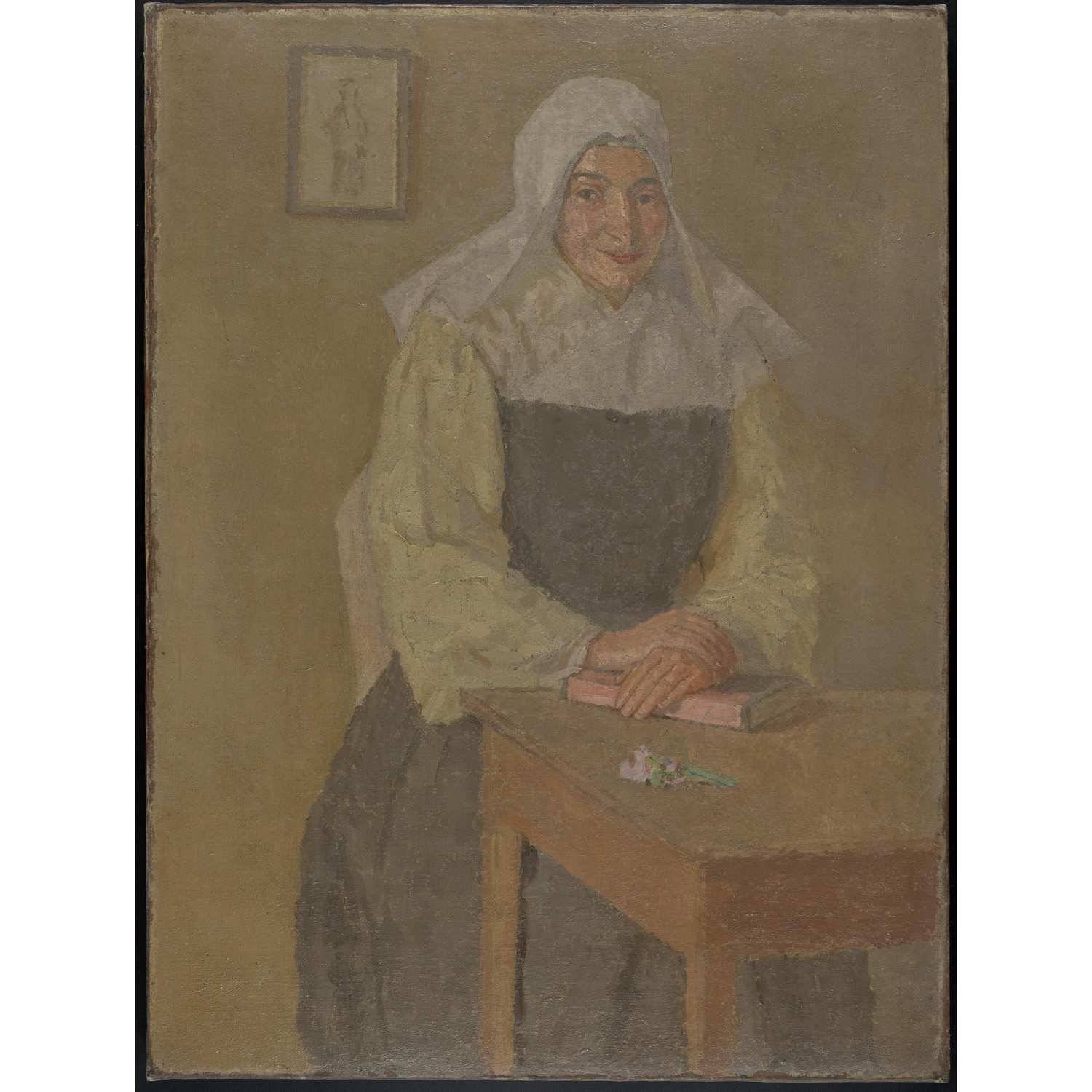
Mère Poussepin Seated at a Table by Gwen John. (Amgueddfa Cymru – Museum Wales)
The Highlights
As Lucy puts it: ‘There are many.’
‘The exhibition includes some of John’s most celebrated paintings of female figures and nuns, as well as rarely exhibited sketches and late works on paper that offer an intimate glimpse into her studio practice,’ the curator explains. ‘For me, the opportunity to show these works together is especially meaningful, as they reveal the private, experimental side of her art.
‘John often worked in series, returning to the same subjects repeatedly. Displaying these works together allows visitors to see subtle variations,’ Lucy adds. ‘The exhibition emphasises dialogue across her practice, between paintings and drawings, between early and late works, and between different approaches to similar subjects.’
‘Visitors are often surprised by how experimental John’s work is,’ she adds. ‘The exhibition reveals her as deeply engaged with modernist ideas. Her late works on paper, in particular, push towards abstraction in ways that feel remarkably forward-looking.’
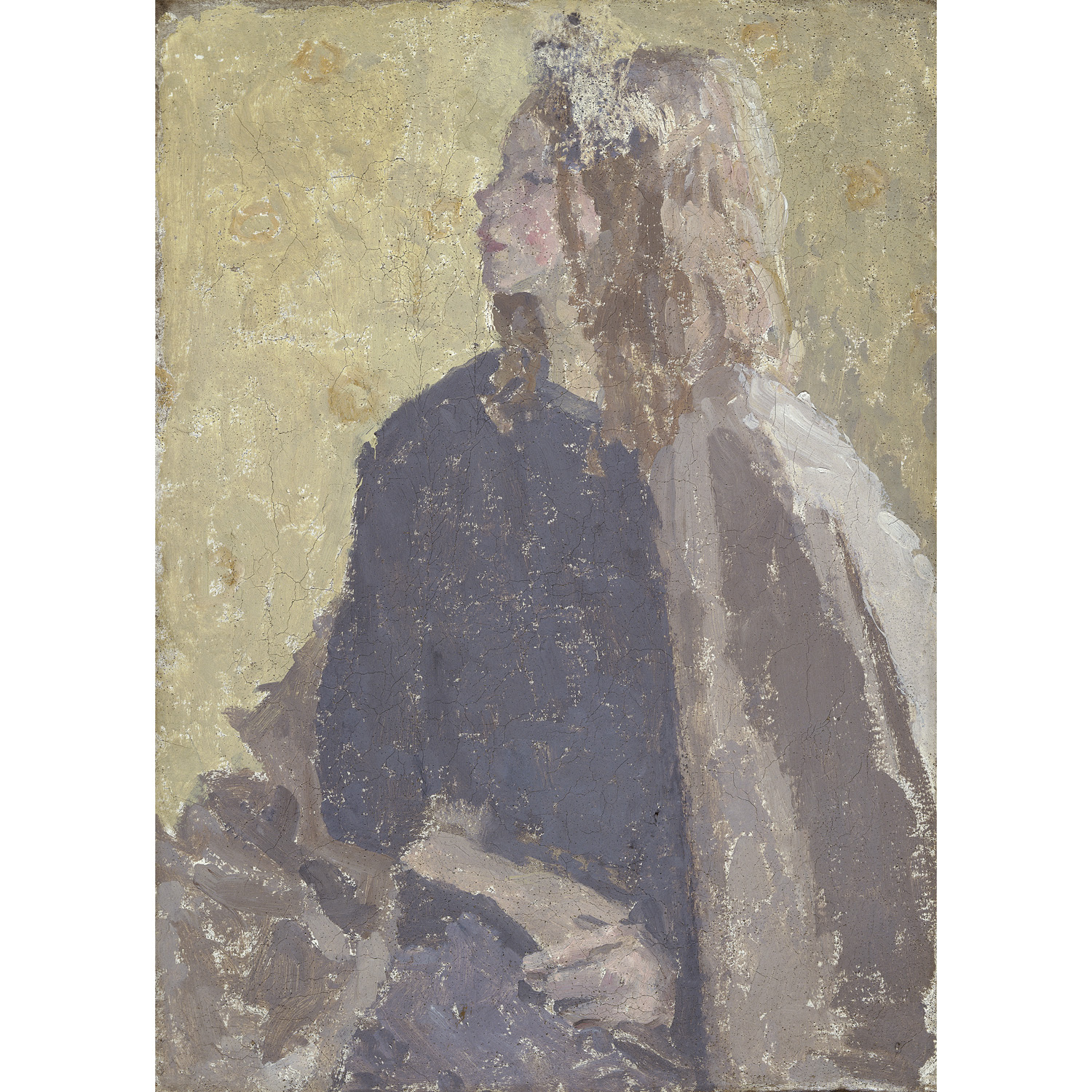
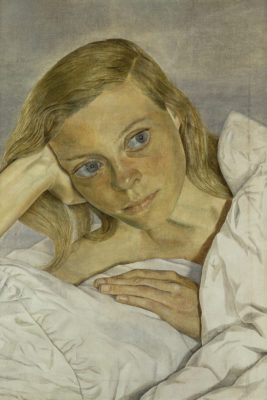
Girl in Profile by Gwen John. (Amgueddfa Cymru – Museum Wales)
While You’re There…
‘I’d encourage spending time with the rest of National Museum Cardiff’s art collection which charts five hundred years of paintings, drawings, sculpture, silver and ceramics from Wales and across the world, including one of Europe’s finest collections of Impressionist art,’ Lucy recommends. ‘Gwendoline Davies (1882–1951) and Margaret Davies (1884–1963), two sisters from mid-Wales, amassed one of the most important art collections of the 20th century. Together, they bequeathed 260 works to us in 1951 and 1963, completely transforming our collection.’
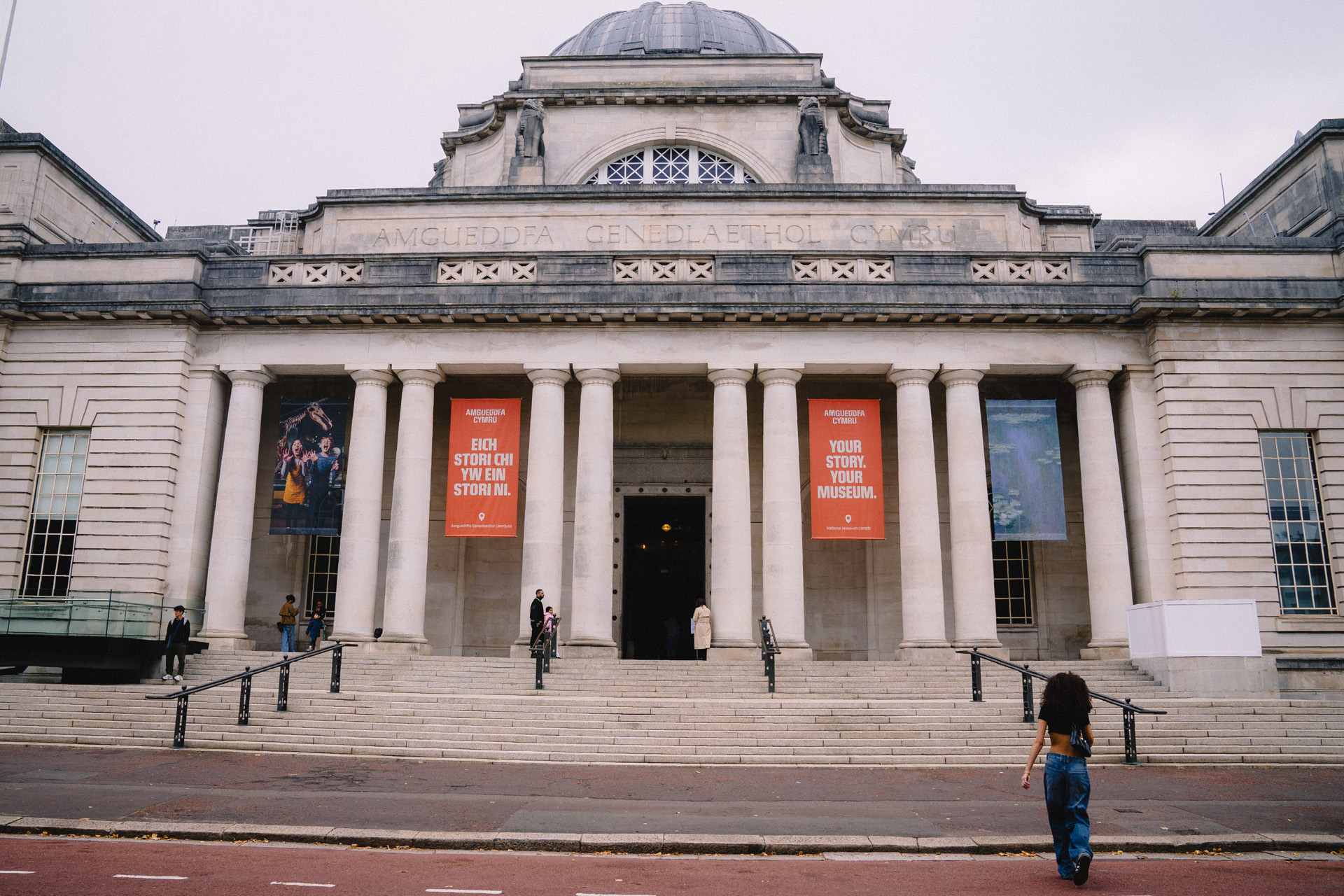
The Debrief
Fancy chatting through or mulling over what you’ve seen? ‘Cardiff has a wonderful range of cafes and restaurants within walking distance of the Museum,’ Lucy says, ‘including Longa which is a Turkish restaurant just opposite, and Brodies which is a great place to get a coffee either before or after your visit.
‘A walk through nearby Bute Park is also a lovely way to reflect after seeing the exhibition,’ the curator recommends. ‘A bit further from the immediate vicinity of the Museum are Cardiff’s historic arcades which are filled with some great independents like Coffee Barker and Waterloo Tea, and there’s also Cardiff Indoor Market which has a bustling street food offering as well as serving up traditional Welsh cakes.’
VISIT
Gwen John: Strange Beauties is now open until 28 June at National Museum Cardiff/Amgueddfa Cymru (Cardiff CF10 3NP).
To avoid the crowds, ‘Weekday mornings tend to be quieter,’ Lucy shares. ‘Gwen John’s paintings reward slow looking, so visiting at a time when you can move through the exhibition at an unhurried pace is ideal.’
For more information and to buy tickets, visit museum.wales/gwenjohn