



Why Polestar’s Industry-Leading Approach To Sustainability Is A Breath Of Fresh Air
By
49 minutes ago
Pole position
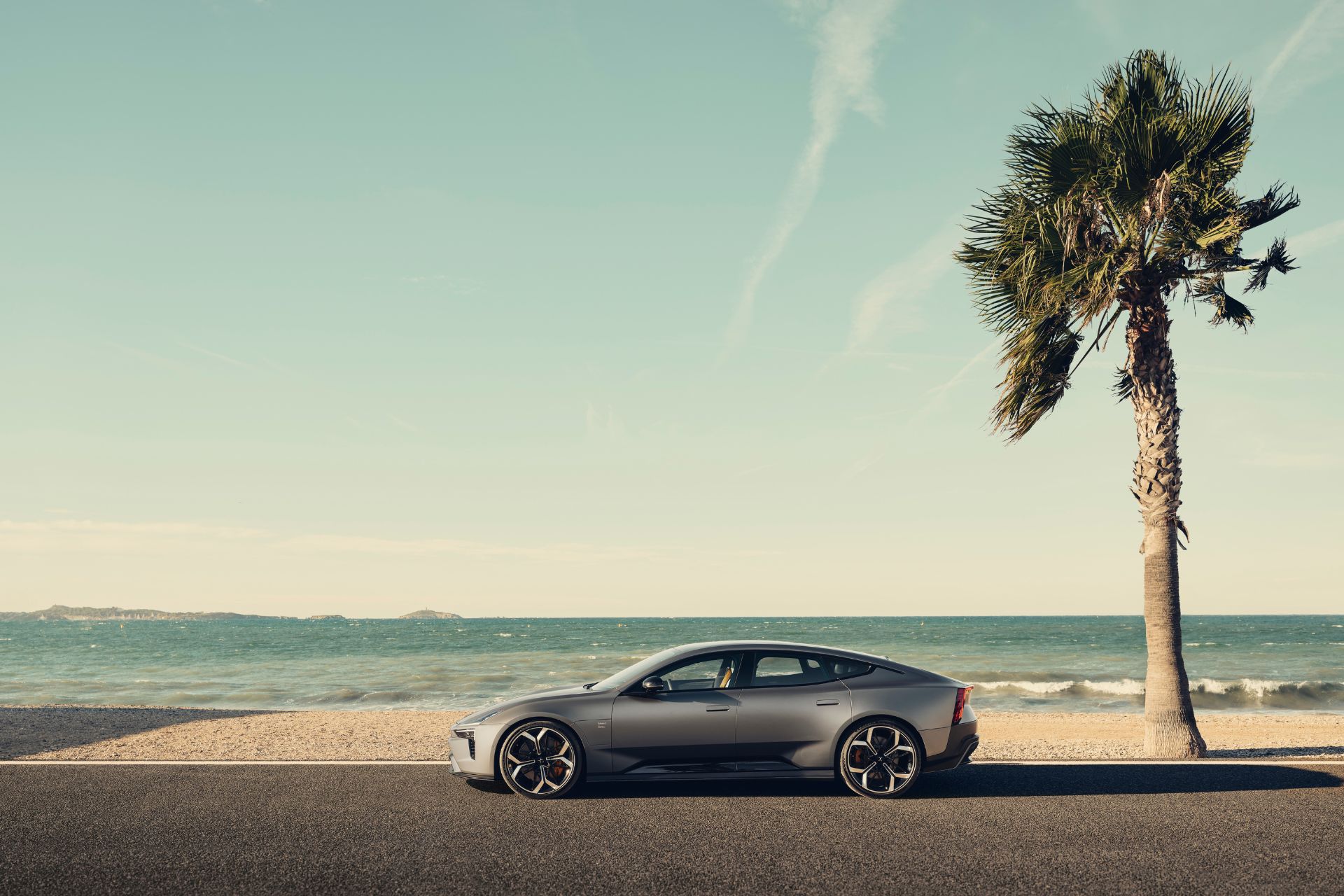
When Polestar unexpectedly released the brand’s first Life Cycle Assessment report on sustainability in 2020 it threw down the gauntlet to the rest of the car industry.
The Swedish marque wasn’t just publishing data – the entire automotive sector was being urged to go all in on transparency.
Today, the story of Polestar’s ground-breaking LCA reports is one of a company moving away from its origins in high-performance motorsport, to leadership in electric vehicle sustainability.
The latest LCA report on the new Polestar 5 was released this week. An all-electric, four-door performance Grand Tourer, the 5 launches in the UK later this year as the brand’s latest flagship model.
A production version of the Polestar Precept concept car, first revealed six years ago, the GT is built on a bespoke, lightweight aluminium platform and will rocket from 0–62mph in just 3.1 seconds.
Like Polestar 4, the 5 lacks a traditional rear screen to aid aerodynamics, while the cabin uses eco-friendly materials including Amplitex (a flax-based composite), recycled PET textiles and discarded fishing nets.
Too sporty to be sustainable? According to the report, the 5 has a modest rating of 23.8 tCO2e, or tonnes of carbon dioxide equivalent. This standard unit is used to measure the climate impact of all greenhouse gases, based on their global warming potential.
And if that’s difficult to visualise, 1 tCO2e roughly equals 2,500 miles driven in a petrol passenger car, 120,000 smartphone charges, or 500 litres of diesel. It’s commonly known as carbon footprint.
Polestar’s first LCA report in 2020 set a benchmark by detailing the Polestar 2’s lifetime carbon footprint, comparing it to a petrol-powered Volvo XC40. Through battery and supply chain improvements, the company reduced the tCO2e of the later 2024 model by three tonnes per car.
The Polestar 3 LCA was the first to be critically reviewed by a third party – eco-specialists at Ricardo – adding a new layer of accountability. The Polestar 4 launched as the brand’s lowest-carbon car at the time of its release.
A good idea yet, surprisingly, it’s difficult to find another car manufacturer willing to publish tCO2e figures, a situation branded ‘the dirty secret’ in some industry circles.
‘Polestar continues to challenge the opaque automotive industry,’ said a spokesman. ‘We have led on climate transparency by publishing full LCA’s on all of the models since 2020, a unique level of disclosure.
‘Transparency in a largely opaque industry is unusual. At a time of growing scrutiny over corporate climate claims, publishing full LCAs offers journalists, consumers and policymakers the data they need to scrutinise industry climate claims.’
So how has Polestar taken the lead in meaningful sustainability? Changes in aluminium sourcing alone have cut more than 14 tCO₂e per car using recycled aluminium and smelters powered by renewable electricity.
And as EVs go mainstream, the climate battle is shifting upstream to the materials and supply chains. New data from Polestar shows sourcing decisions on aluminium alone can cut more than 14 tonnes of CO₂ per car.
‘Highlighting the emission hotspots allows Polestar to focus its efforts where it matters most. That’s why we are targeting climate neutrality across operations by 2040, as well as a climate neutral car known as the “Polestar 0 Project”,’ added the spokesman.
0 Project has an ambitious goal to create a truly climate-neutral car by 2030, without relying on carbon offsetting. By sharing its methodology publicly, Polestar aims to transform the marathon of sustainability into a sprint for the entire automotive world.
Compare Carbon Footprints
Smartphone (Lifetime): Approximately 0.06 to 0.08 tCO2e (roughly 80 percent comes from manufacturing alone).
Pair of Jeans: Roughly 0.033 tCO2e (33 kg) from cotton farming to disposal.
Cheese: 0.021 to 0.025 tCO2e per kg.
Cement: Approximately 0.9 tCO2e per ton produced.
Average annual footprint per person in the UK: 12 tCO2e