


Summer Solstice 2026: What Is It & How To Celebrate
By
4 months ago
The history and traditions of the astronomical event
We’ve been basking in good weather for a while already this year, but according to the astronomical calendar summer doesn’t officially begin until the summer solstice which falls this year on 21 June 2026. Over the years, the June solstice has inspired many festivals and traditions – but why is the event so significant? Read on for everything you need to know about the age-old celebration, plus ideas for how to mark it.
Summer Solstice: Everything You Need To Know
What Is The Summer Solstice?
Two solstices take place each year – one in winter, and one in summer. The summer solstice occurs when the earth’s axis is tilted at its closest point from the sun, above the Tropic of Cancer. This means that in the northern hemisphere, the sun is at its highest point in the sky, hence why we have the maximum hours of sunlight. The word ‘solstice’ derives from the Latin words for sun (sol) and to stand still (sistere), alluding to the apparent pause in the sun’s movement across the sky. This day marks the beginning of the astronomical summer, although meteorologists define summer in the northern hemisphere as beginning on 1 June and ending on 31 August.
When Is The Summer Solstice?
The summer solstice occurs between 20 and 22 June, differing slightly because the calendar year doesn’t exactly match the time it takes the Earth to orbit the Sun. This year, the solstice occurs on 21 June – specifically at 9.24 BST, though the whole day is usually celebrated. In the UK, you can expect at least 16 hours of sunlight, with the sun rising at around 4.43am and setting at 9.21pm.
Getty Images
How Is It Celebrated?
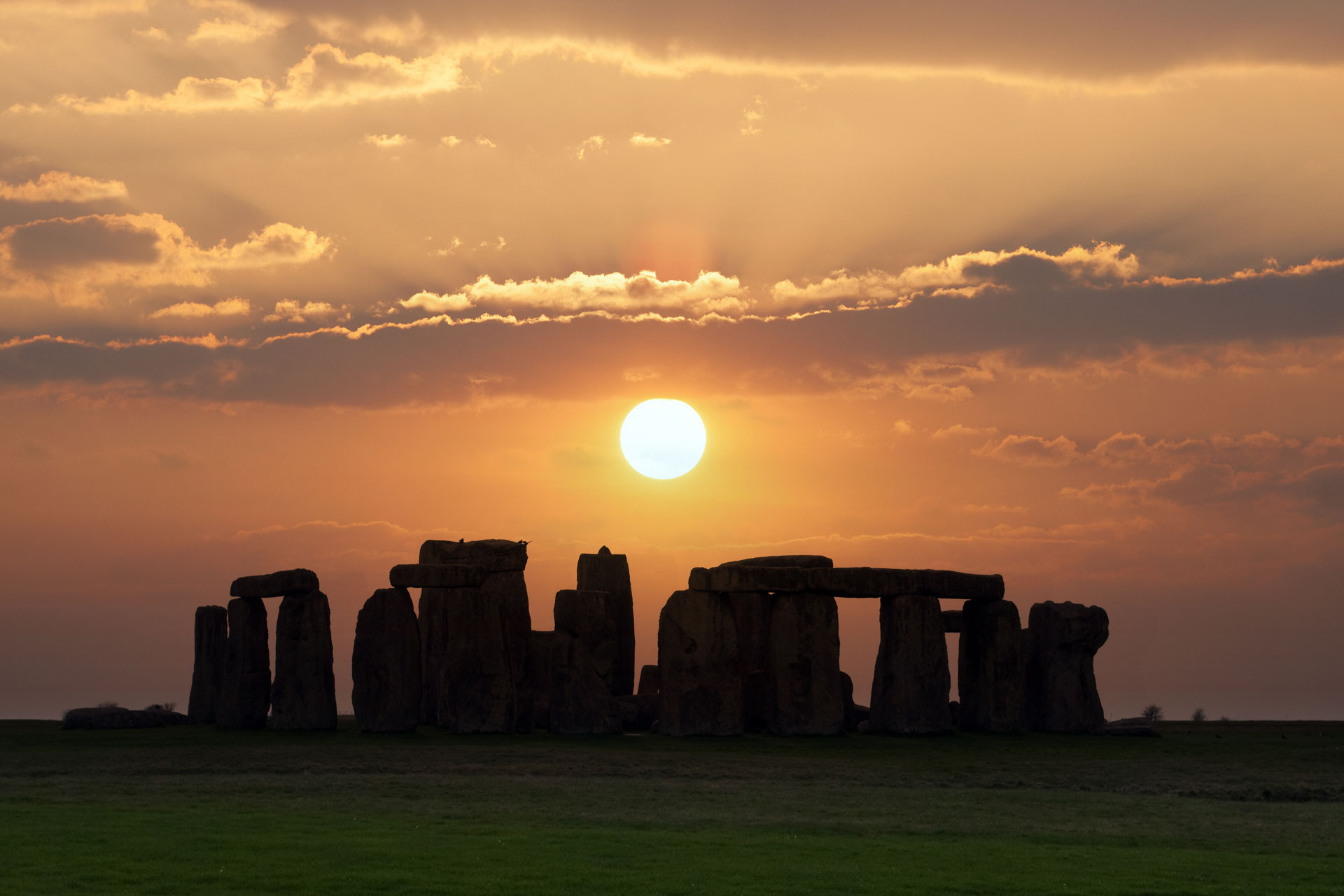
Since prehistoric times, the summer solstice has inspired midsummer festivities and rituals. Historically, the event was particularly important for Nordic communities, where seasonal changes in sunlight were dramatic. In the Neolithic era, the day was marked with bonfires – intended to boost the sun’s strength – and it’s thought stone circles were built to align with the sun’s movements.
Nowadays, the day is celebrated with picnics, singing, parties and more. The UK’s biggest solstice event takes place at Stonehenge, where people from all over the world join to watch the sun rising in line with the stones. Festivities also take place at places like Glastonbury Tor, Rollright Stones in Oxfordshire, Little Moreton Hall in Cheshire, and Ben Nevis, the UK’s highest mountain (many people climb to the top to catch the sun rise).
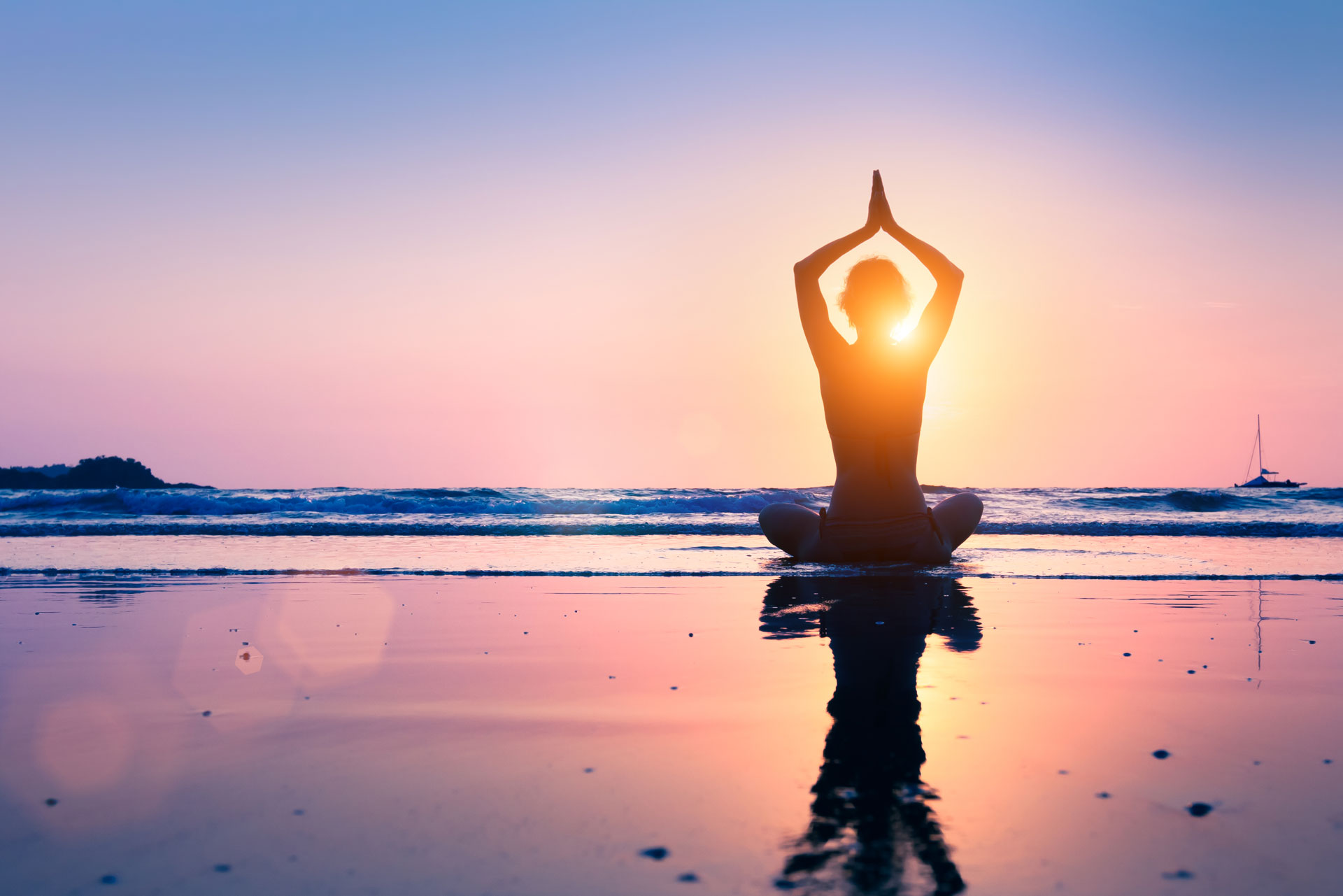
For many people, summer solstice has spiritual significance, representing new beginnings, enlightenment and creativity, hence why it’s an important day on the yoga calendar. Many yogis mark the day by practising a yoga mala, which is 108 sun salutations in a row. Others gather objects that represent midsummer (think herbs, petals and symbols of the sun) then create a small altar in their home or garden.
In Scandinavia, the solstice revolves around making the most of the light and spending as much time outside together as possible. Ways to do this include rising early to catch the sunrise (bonus points if you do a meditation) or staying up for a late dinner in the garden before watching the sunset.
You can also simply use the day as a time to reflect: do some solstice journalling or a mid-year review and soak up the powerful solar energy.
Is Summer Solstice The Same As Midsummer?
Although they are often used interchangeably, summer solstice and Midsummer’s Day are actually two different events. Midsummer’s Day occurs annually on 24 June, and is one of the four Quarter Days on the UK Legal Calendar, alongside Lady Day (25 March), Michaelmas (29 September) and Christmas Day (25 December).