


Is Cacao Water The New Coconut? Meet The Woman Behind Sustainable Drinks Brand Wow Cacao
By
6 months ago
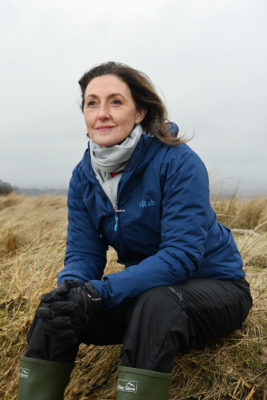
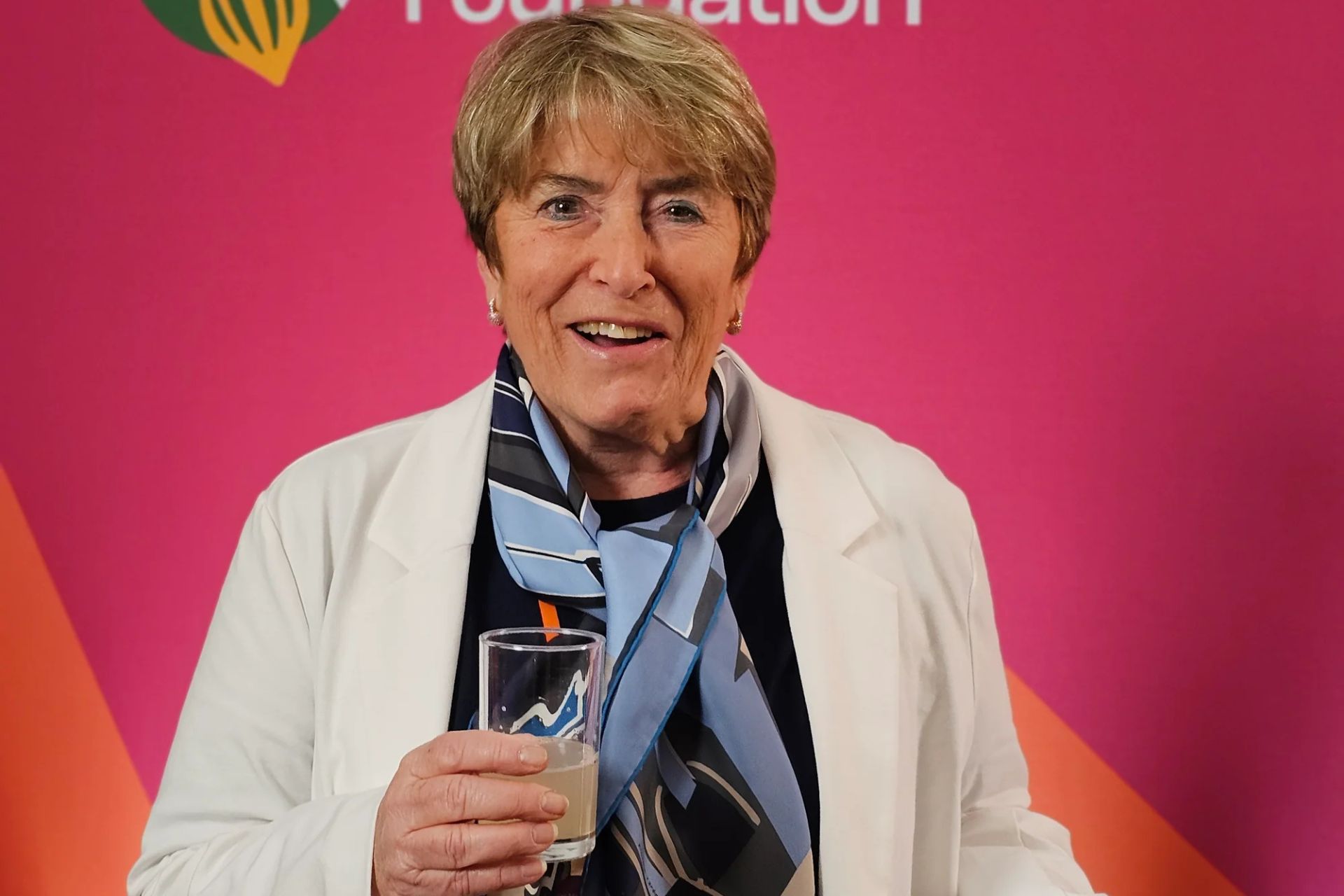
We caught up with Wow Cacao founder Pam Thornton
Pam Thornton has been a cocoa trader for over 40 years, supplying cacao beans to the chocolate industry. But when she discovered that the discarded pods could be upcycled for their pulp and juice to create a refreshing vegan drink packed full of electrolytes and antioxidants – a whole new sustainable journey begin with Wow Cacao.
Green Hero: Wow Cacao
How did the idea for Wow Cacao originate?
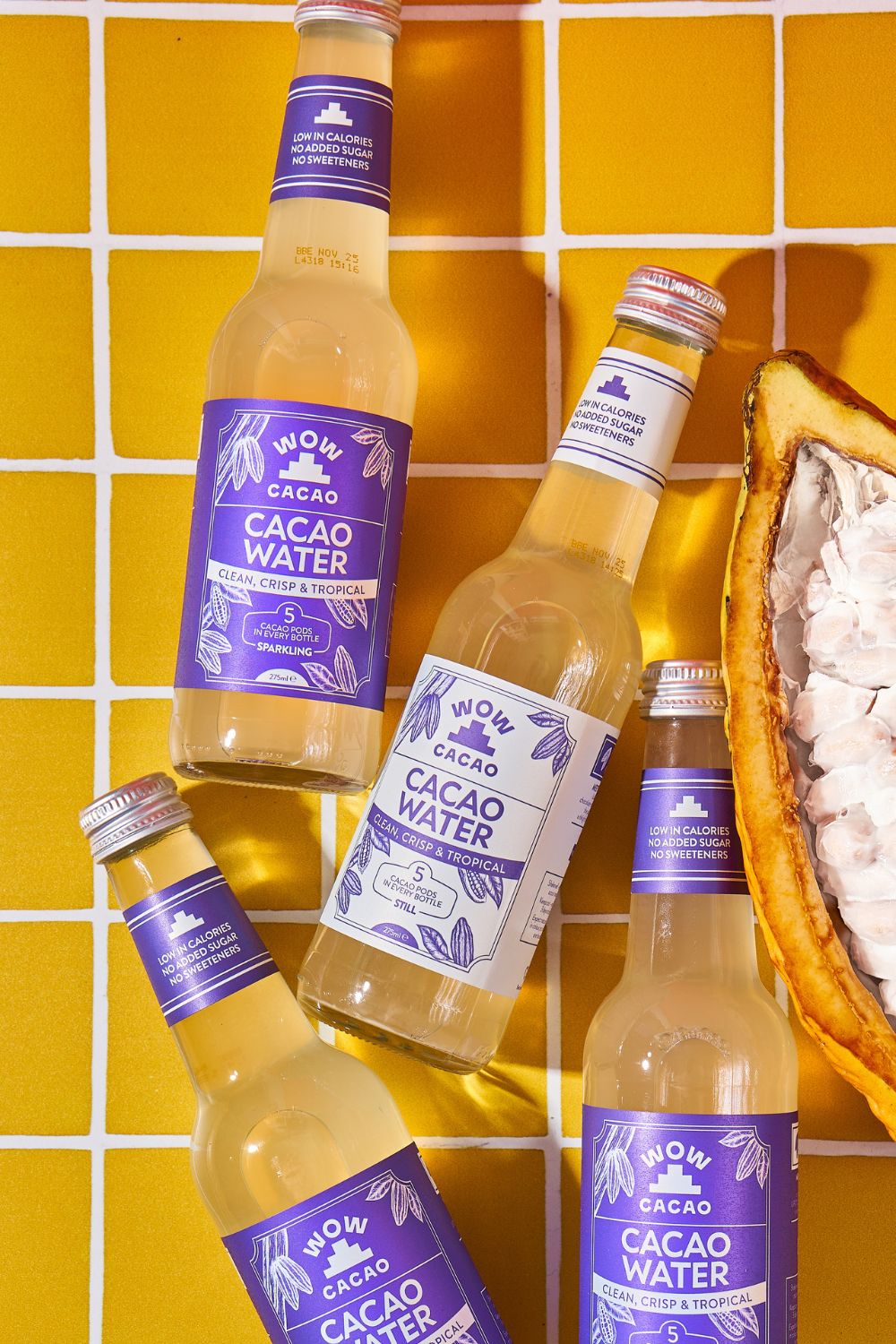
Wow Cacao upcycles the pulp and juice found within a cacao pod. Until recently being able to enjoy the juice was limited to smashing the pod open when walking around a farm and then sucking up the juice. When I discovered this, I felt consumers in the UK would love the taste and it could develop into a potential competitor to coconut water (which somewhat resembles in taste, although cacao juice is fruitier).
100 percent cacao juice is naturally very sweet so we collaborated with a top drink developer in the UK to produce a drink the entire family can enjoy, optimising the health benefits while ensuring the calorie count was controlled. From April on, we will also be able to supply 100 percent juice and pulp, enabling end-users to create their own smoothies, cocktails, desserts and sauces. In Latin America they use it in both savoury and sweet dishes.
Where do you source the cocoa pods from and how do you actually make the cacao water from the pods?
Our juice and pulp come from Ecuador as we prioritise quality and consistency. We have known the suppliers for literally decades. Selected pods are opened in the cool of the morning and the pulp is tested for colour and sweetness. Approved material is sent to the processing facility which separates off some of the pulp. The rest remains embedded around the beans which go on to be fermented for export as usual.
In the case of pulp this is all ‘on the farm’. For the juice another step is required. The pulp is taken to a larger facility where, as before, some of the pulp is segregated and then pressed to extract the juice which is easier to work with for making a drink. Both pulp and juice are flash pasteurized – as is normal with fresh juices – to ensure no microorganisms are present before being frozen. We import the frozen juice and then bottle it into glass in Worcestershire using our unique recipe.
What are some of the benefits of drinking cacao water?
Thousands of years ago, long before the first crude forms of chocolate, the pulp and juice were revered for their energising and restorative qualities by the Mesoamerican cultures of the Upper Amazon who used it in rituals, festivals and sacred offerings. Mayan and Aztec shamans used it to treat physical and emotional ailments, believing it could purify the soul and strengthen the spirit. In West Africa the women believe that massaging the pulp into the face keeps the skin soft and helps fight off ageing. No wonder when botanists first classified the plant they named it theobroma – meaning ‘food of the gods’ in Greek.
What we can say about the drink is that cacao juice contains lots of different minerals and nutrients. These include polyphenols and other antioxidants. Potassium magnesium, manganese, chromium, copper and Vitamins B and C are among them.
One starts with a raw agricultural product, the components of which vary according to the season, the climate, the degree of ripeness etc. Then you add some other variables. We can control the degree of dilution, but the pasteurisation of the juice at its source (to ensure the safety of the product) diminishes the concentration of the nutrients to differing degrees. A lot of moving parts. That’s why we fortify Wow Cacao to guarantee that each 100ml provides 15 percent of your daily Vitamin C needs and 7.5 percent of your potassium while stressing that all the other goodies are present but in less quantifiable amounts. There are no added sugars, sweeteners, nor preservatives used – so as well as the good things in the bottle, there are no baddies.
What green business practices are you most proud of?
The most obvious one is that our main ingredient – cacao juice – is an upcycled product. This means our base ingredient is created by using a hitherto discarded by-product and turning it into a new product of value. Until we had some large cacao farms with the infrastructure to quickly open the pods, separate the cacao beans from the pulp, then freeze the pulp/juice for commercial use, we had a product that basically just drained away into the soil as part of the traditional bean fermentation process.
We also have a clean and very transparent supply chain. Cacao has long been associated with deforestation throughout the world including in Ecuador. The mapped farms behind our juice are well-established and no deforestation has been involved in its establishment. They are located in a semi-arid region which were just rough pasture until a series of irrigation canals were built about 40 years ago. Good agricultural practices are followed on the farms which are efficient and modern, so able to provide a consistent, high-quality ingredient for us.
It is also worth contrasting this with the huge environmental damage caused by the coconut water industry where swathes of tropical rainforest have been replaced by coconut groves. Apart from deforestation and loss of natural habitats, there is significant use of water and a huge waste management issue as the husks and shells are largely discarded.
Who is your own green hero?
David Attenborough but also in a different way, Jimmy Carter. The latter introduced massive land conservation in the US, doubling the size of the national parks. He was also very visible early on warning about the impact of climate change and introduced policies to conserve and encourage energy innovation long before it was popular.
What makes you feel positive about a sustainable future?
I think awareness about the damage we are doing is growing but it needs to be turned into corrective behaviour at an individual, corporate and government scale. I am less positive that this is happening and the back-sliding from various governments on previous commitments encourages people to shrug. Vote for people who have plans to lead by example and will enact them. And on a personal level try to follow simple rules: discourage waste and buy products with minimal/recyclable packaging.
Should we be green-shaming brands that aren’t changing their ways?
I know from my long involvement in the cocoa industry that a lot of the declarations and commitments made by various parties on the environment are very often crafted by public relations people but don’t reflect the reality on the ground. There is a lot of exaggeration of the positive and unpleasant situations that are often covered by ‘don’t ask, don’t tell’ conduct. AI will of course make it worse. Yes, we should call out liars but be careful you don’t just follow a social media post and ruin a company that actually tries to do the right thing. Do your homework.
What are the biggest challenges in running a sustainable business?
As a start-up, while we know our supply chain very well and we haven’t had many choices on where and how we produce our drink, by far the biggest challenge is distribution as we don’t have the funds to buy space in retailers. This means we have had to largely rely on direct sales via our website, which of course means packaging and transport which are environmental negatives. Gaining more outlets and enabling our customers to just pick the bottles up themselves would make us more sustainable. The second major challenge is educating our customers to understand what our product is and how it ticks the boxes of healthy and sustainable.
What advice would you give to other businesses aiming to do better?
Don’t over-promise or over-claim. It’s tough when you don’t have unlimited resources or huge budgets but ask yourself – is it worth it? Do I want to cut corners and be deceptive in order to be successful? What sort of success is that?
How do you feel about the plastic pollution crisis?
It’s a reflection of both innovation and the result of a wasteful and lazy global society, which is what we have unfortunately become. Awareness of the scale has helped motivate people to recycle and clean-up , as have the individual stories of the impact on wildlife, and for this social media should be greatly credited, but the problem is huge.
According to National Geographic, half of all plastics ever manufactured have been made in the last 15 years. Production increased exponentially, from 2.3 million tons in 1950 to 448 million tons by 2015. Production is expected to double again by 2050. Some of the plastics (due to the additives making them stronger, more flexible and durable) are expected to take at least 400 years to break down. One can notice some progress on UK shelves in some small reduction of plastics around food but its not radical enough to contribute to reversing this trend.
What are three things we can all do as individuals to help in the climate crisis ?
- Reduce, re-use, repair and recycle
- Buy Local
- Reduce waste, especially food
How do you think the media and governments could help the climate crisis?
The climate crisis has become a political football which the media exploit to sell advertisements. The focus should go back onto science and education.
Find out more at drinkwowcacao.com