


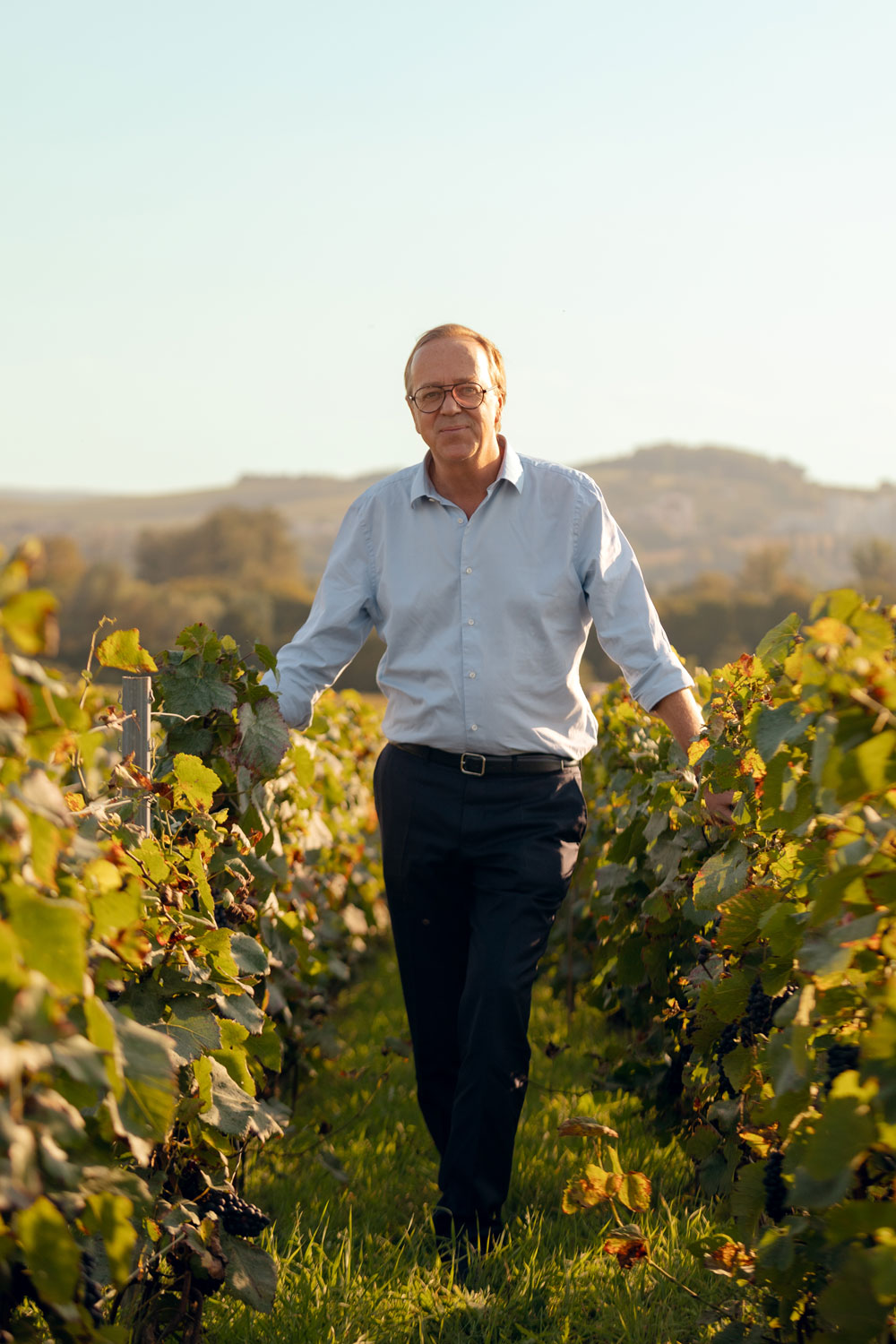
CEO Frédéric Rouzaud On 250 Years Of Louis Roederer
By
3 months ago
We meet the man at the helm of the historic family-owned champagne house
The Louis Roederer story began in 1833, when its eponymous founder inherited the French estate from his uncle and gave the champagne brand its name. Right from the beginning, the house established itself as a trendsetter by focusing on provenance: rather than buying in the grapes, Roederer established his own vineyards to ensure he had total control over the growing and harvesting process.
In 1876, the brand launched its hero product, Cristal. This evolved from a request from Tzar Alexander II of Russia, who wanted a champagne created especially for his enjoyment, presented in a glass bottle. Today, it remains one of the finest prestige cuvee champagnes out there.
Over the years Louis Roederer was passed down through the family, and is now helmed by Frédéric Rouzaud. Under his leadership, the house has become a pioneer in sustainable champagne: in 2006 Rouzaud implemented a biodynamic farming process, and the majority of land on the estate is certified organic.
As the brand celebrates its 250th anniversary, it remains a leader in the industry – in 2026, the house was ranked the world’s most admired champagne brand for the seventh consecutive year. So what’s its secret? We spoke to Frédéric to find out more.
Louis Roederer Marks 250 Years
Congratulations on the anniversary! What are you doing to celebrate?
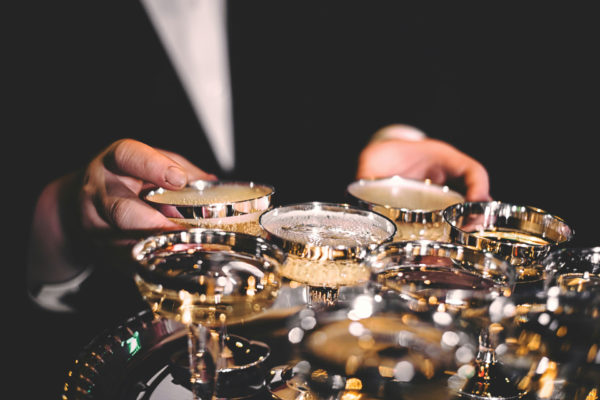
Last week we did a big event with more than 600 people from all over the world, from Brazil to Japan to Europe to the UK. We did a one-hour what we call ‘live magazine’ where six different people – journalists, artists – told their story about who Louis Roederer is. And then we had a classic cocktail with Cristal champagne, of course.
Which moments have stood out the most for you since starting as CEO of Louis Roederer?
A lot of good moments. I succeeded my father in 2006 so 20 years ago; I started working on the sales team, then I became a HR manager, and then worked closely with my father as vice president. What I’m very proud of, and really thank my father for, is the way he passed me the key to the company 20 years ago. He not only just passed me the baby, he really did it. He moved to Paris to physically be there. The previous generation transmitted these great values of long-term vision, where time is key. If you want to make great wine, you need time.
As a CEO, I have the freedom of creativity, which is another great luxury, to not only wait for the time to pass but also to reinvent ourselves, to experience, to have new ideas – because the world is not the same, it’s changing very fast. Champagne is a project, it’s an idea, and above all it’s a beautiful story between man and woman crafting this great creation.
What are the biggest changes you’ve seen since starting out?
Global warming. And the new way of communicating – when I was younger, there was no iPhone, no social media.
How do you balance the history of the brand with staying modern and relevant?
I don’t know if we succeed in doing that, but each generation brings energy, long-term vision, coherence and creativity. This 250th anniversary is a way to take a breath, to look at the past, and to see what has been very beneficial and interesting. But it’s also a way to move up, to see how the future can be, how we can continue the passion for creativity and continue to bring energy and coherence. Not to lose the vision and the essentials.
How has the focus on biodynamic farming impacted the business?
It’s part of the thousands of details that we have to focus on to try to make extra dimensional wine. When you sell a champagne at a certain level of price and your mission is to craft the best wine, you have to be very close to organic. It’s not to say that the wine is good because it is organic, it’s to say bringing organic viticulture to wine is so evident because it brings life to the soil. There is no pesticides. No one today wants to have pesticides in a glass of wine.
And by the way, it’s back to what my grandparents were doing – this was the period just before my father arrived, when science brought some chemicals, because at that time agriculture was very difficult.
What trends are you seeing in the champagne industry at the moment?
We are not making champagne like we were making 20 years ago. Champagne has moved from a wine that was mainly drunk with dessert to now, a wine that is much more suited to aperitifs, with much lower dosage. I think that’s really a big trend, to go for more authenticity, more purity. Our mission is to deliver the true sense of place – and what should that look like? It has to look like chalky soil, it is salinity, it is mineral. I think people like this purity.
Would you ever consider buying land in England?
No, because we already have lots of projects.
What’s a champagne memory that really stands out for you?
When I was younger, doing the harvest at 12 years old really cemented my desire to work in this environment. It’s a very special moment, it’s the end of one year of work and there’s a kind of excitement – everybody is at the same time very joyful and stressed. After that I did the harvest every year.
What’s your favourite thing to eat with champagne?
If I talk about Cristal, one of the top food pairings is scallops. They’re very concentrated, very structured, but at the same time very refined with a lot of finesse and delicacy. I also had a very nice experience last year pairing Cristal Rosé with wagyu.
What’s a common misconception about champagne?
There are no misconceptions – just enjoy it! There are many ways to drink champagne. Start drinking in the morning at breakfast, have it with lunch. It’s very versatile.
Find out more at louis-roederer.com