




Is Hojicha The New Matcha?
By
6 months ago
This Japanese green tea is having a moment
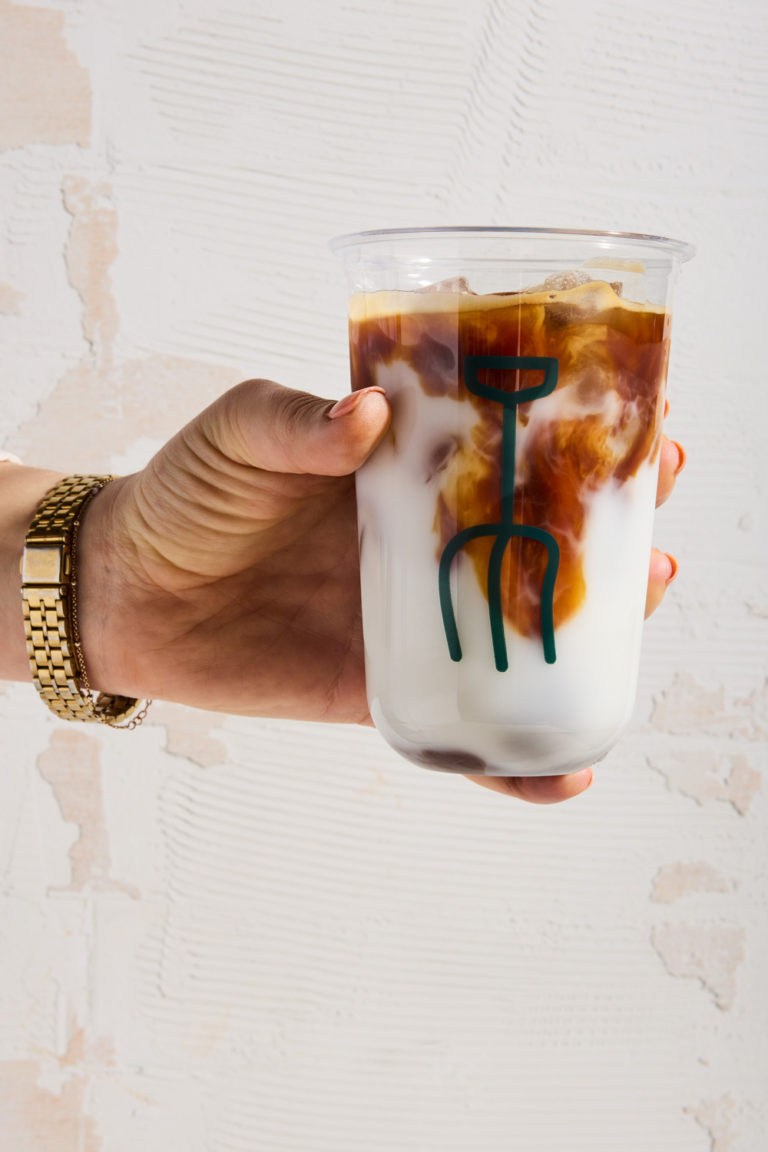
Matcha has exploded over the past few years, with green lattes now mainstream and dedicated bars popping up all over the country. But in the background, another Japanese green tea has been quietly gaining popularity: hojicha, matcha’s roasted cousin. Google Trends shows global interest in ‘hojicha’ is up 54.6 percent since early 2025, while searches for ‘hojicha latte’ have soared by 173 percent. Meanwhile, the trending drink is appearing on the menus of more and more cafes – but what actually is it? And is it good for you?
What Is Hojicha?
Hojicha is a type of green tea which originated in Kyoto, Japan in the 1920s when a tea merchant began roasting unsold tea leaves to extend their shelf life and reduce the amount of waste. Little did he know, this would be the start of a whole new type of tea.
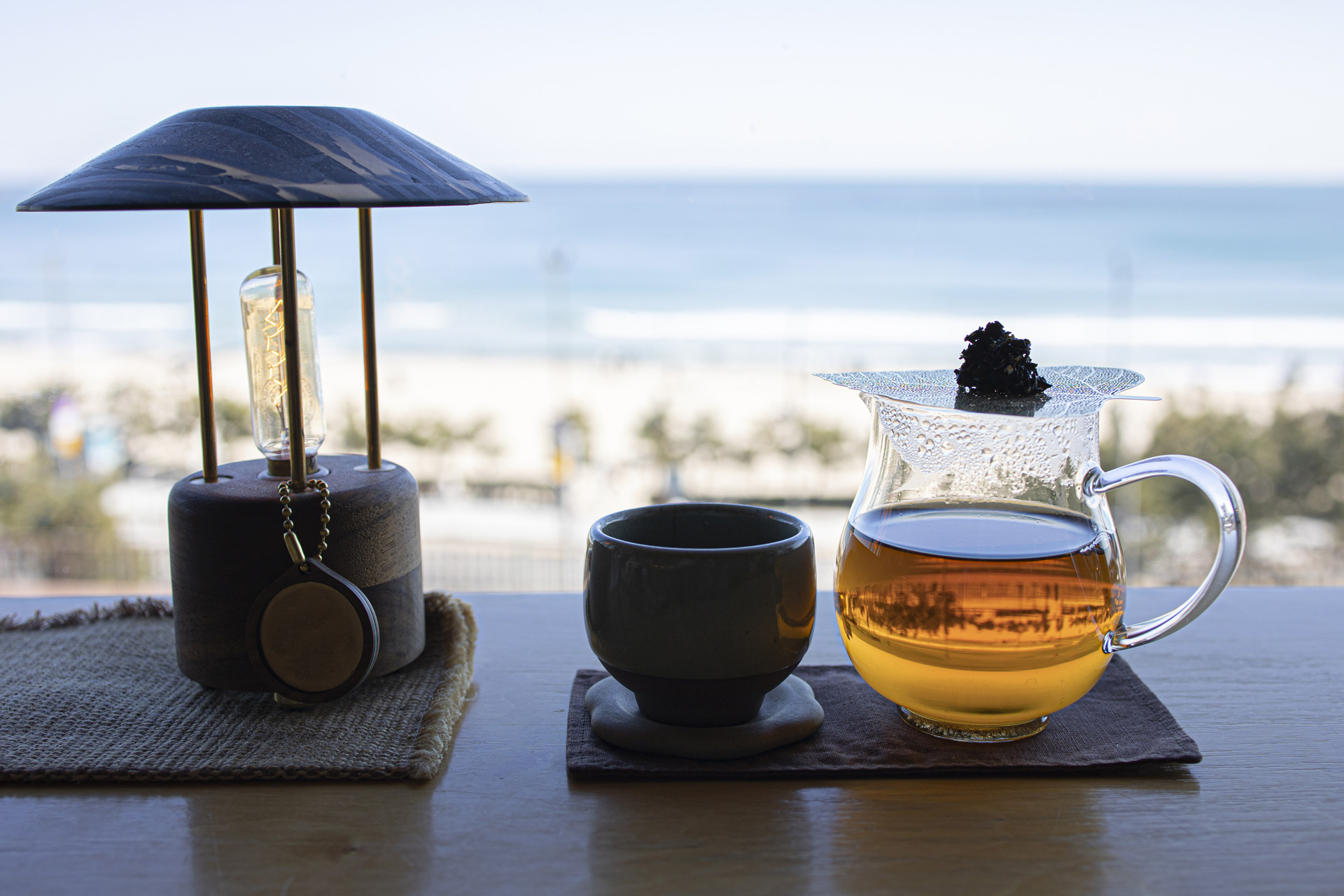
Like matcha, hojicha comes from the Camellia sinensis plant, but the key difference is the leaves are roasted after being picked (hence the name: ‘hoji’ translates as ‘roast’ in Japanese, while ‘cha’ means ‘tea’). The leaves are roasted at a high temperature over charcoal, creating a toasty, nutty flavour – unlike the earthy, grassiness of matcha.
Getty Images
The drink has long been popular across Japan, where you can order a hojicha latte from any given Starbucks. And now Brits are getting a taste for the tea, with an increasing number of cafes adding it to their menus. Lunchtime favourite Farmer J, for instance, recently added a hojicha and maple iced latte to its spring menu. ‘Hojicha is quickly becoming one of the standout drink trends of 2026 and is a natural fit alongside our breakfast and lunch offerings,’ says CMO Ali Recanati. ‘While matcha has dominated for years, we’re now seeing a shift towards more comforting, nuanced tea profiles. Hojicha, with its roasted, nutty, almost caramel-like flavour, really taps into that. It feels indulgent, yet still delivers the benefits people expect from green tea.’
Recanati also notes how well hojicha pairs with milk. ‘Unlike matcha, which can be quite grassy and bold, hojicha is naturally smoother, slightly sweet, and has those toasted notes that work really well in lattes.’
Hojicha is proving popular, too, at matcha bar JENKI. ‘We’re seeing a real shift towards more balanced, low-caffeine options, and hojicha fits that perfectly,’ says founder Claudia Boyer. ‘It offers a very different experience to matcha, more comforting in flavour profile and naturally lower in caffeine, which makes it appealing both as an afternoon drink and in the evening. The roasting process gives it a warmth and depth that feels familiar, almost nostalgic, while still being rooted in high-quality Japanese tea.’
She adds that the homemade chai hojicha has been a big hit, ‘bringing a subtle spice that complements its naturally nutty, roasted profile’ – and notes ‘ strong demand for simple additions like vanilla or maple, creating a smooth, almost caramel-like finish that feels both comforting and elevated.’
Does Hojicha Contain Caffeine?
Yes, there is caffeine in hojicha but the levels are significantly lower than matcha. A standard serving of one cup (250ml) contains around 7.7mg of caffeine, while a cup of matcha contains about 70mg. Coffee, on the other hand, is even higher at approximately 94.8mg.
Is Hojicha Good For You?
As well as being a low-caffeine alternative, hojicha offers a whole host of health benefits. Like matcha, it is rich in L-theanine, an amino acid which helps reduce stress and boost mood (as shown by this study). The tea is packed with antioxidants too, such as catechins and polyphenols, which help protect cells from damage and lower inflammation as well as lowering LDL cholesterol levels (the ‘bad’ kind). The roasting process also creates compounds that are gentler on the stomach than raw green tea, hence why hojicha is often served after meals to aid digestion.
‘My family in Japan will always drink a cup of hojicha after supper to encourage the food to go down easily,’ says Keiko Uchida, founder of an eponymous tea shop in London. ‘Interestingly Japanese hospitals also serve mild cups of hojicha to their patients at every meal. It’s clearly a very healthy tea, and is good for getting to sleep, and especially good for those who don’t get on with caffeine (and more helpful than sencha or matcha or coffee for those who find it difficult to sleep in the evening).’
How To Drink Hojicha
Hojicha can be brewed hot with roasted levels (use 1 tsp for every 200ml of water) – make sure the water is really hot (around 90°C) and steep for between 30 seconds to one minute. ‘We can make a hojicha latte like matcha latte,’ adds Uchida. ‘Mix with some hot water and some milk. You can drink it hot as well as iced.’


