


We launched our Future Icons Power People list last year with a mission to celebrate leaders who put transformation and impact at the heart of what they do. As the political and cultural zeitgeist has seemingly moved on from ‘sexy sustainability’, the crisis grows ever deeper and it behoves us more than ever to keep shining a spotlight on the incredible work and leadership that goes on every single day
For this year’s list, we asked those 2025 leaders on last year’s list to pay it forward: to nominate the people who had ignited passion in them or those who they admired and followed for their courage and needle-shifting work.
Once more, our list is wide-ranging, cross-industry, cross-continents, as we understand everything is interconnected. Fighting for women’s rights, making farming part of a national conversation, upending the textile industry and bringing the issues of our time to a broad audience through art and fashion, all serve to knit together the ways in which we need to reframe how we live.
This 2026 Future Icons Power People list is our thank you to those changing the conversation and delivering measurable impact. We champion you. We celebrate you. And we will keep telling your stories.
– Lucy Cleland, Editorial Director


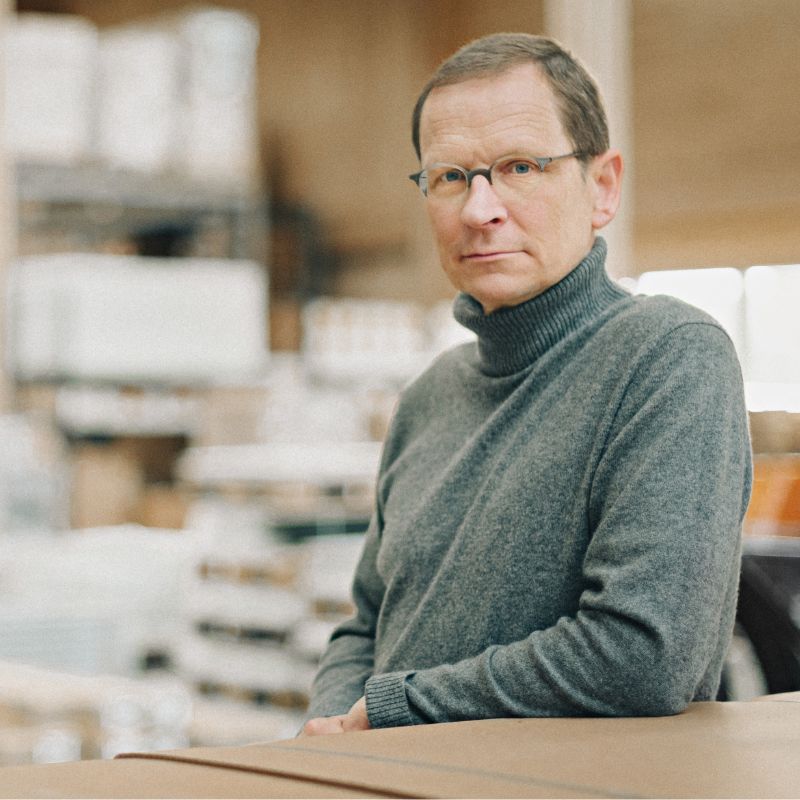
Director, Vitsœ
At Vitsœ, Mark Adams has long argued that the most modern luxury is buying less, but better. After rescuing the company from bankruptcy in 1995, he rebuilt UK production and a customer base in 90 countries around longevity, repair and restraint – proving a business can thrive by persuading people not to over-consume. A zoologist by training, steeped in Darwin, Dawkins and Attenborough, he frames design within ecology: humans are a wholly-owned subsidiary of nature. His provocation on pace is bracing – we should move slower and better, toward fulfilled lives not tethered to GDP and extraction. His 2050 looks precarious, with tipping points accelerating unless we change course. Still, he remains stubbornly constructive.
Eco-guilty pleasure? ‘Dark chocolate.’
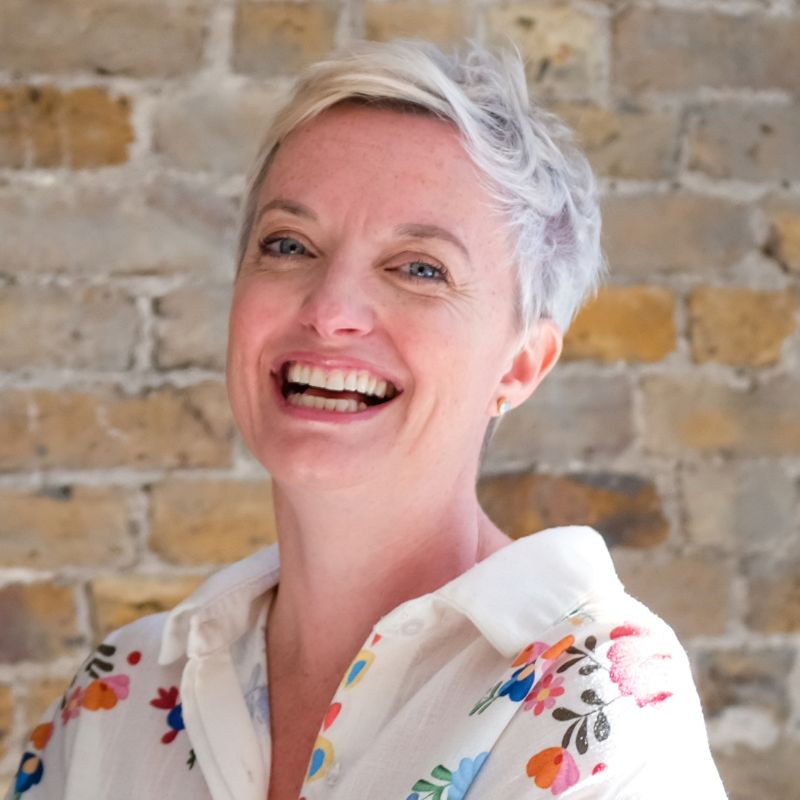
Founder & CEO, 29acacia
Sarah Angold, once the go-to designer for A-listers, is now revolutionising material use globally by scaling low-impact textiles made from agricultural waste. With her business 29acacia she hopes to raise 200,000 farmers out of poverty by 2030 by buying their banana tree waste to turn into textiles. This fibre reduces C02 emissions by 90 percent and water use by 99 percent compared with organic cotton: ‘a fraction of the impact our technology will have,’ she says. An entire systems overhaul is needed, she believes. ‘Essentially a revolution is going to be necessary to lay the groundwork for a sustainable future. Look at our streets, at the marches and protests of “regular” people, not extremists – the revolution has already begun.’
Eco-guilty pleasure? ‘McDonalds in bed with a bottle of barolo.’
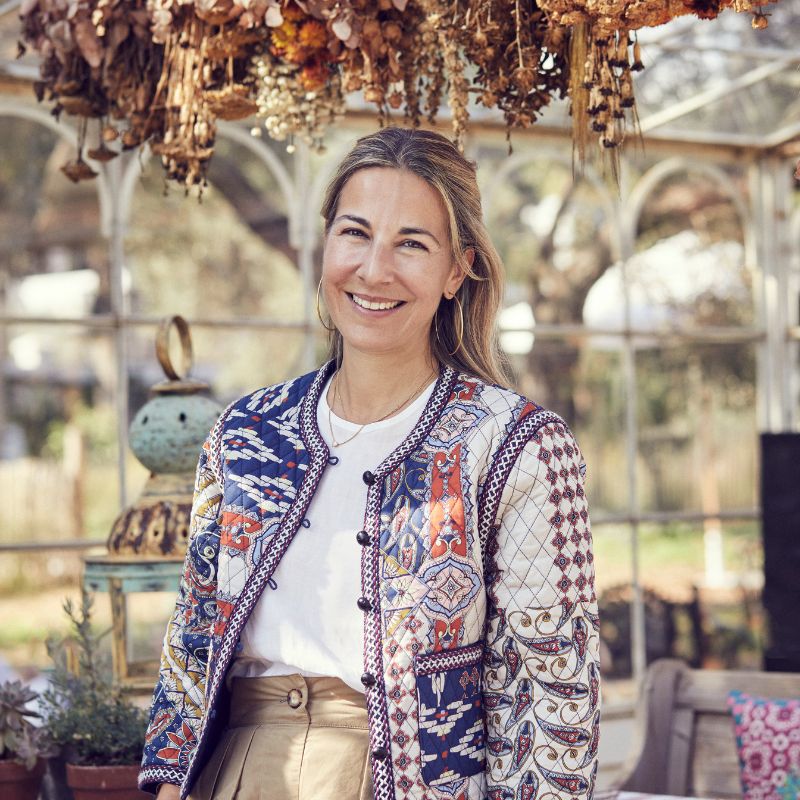
Hotelier, The Marbella Club
A visionary hotelier weaving heritage, culture and sustainability into contemporary hospitality, Jennica Arazi is shaping the Marbella Club Hotel – a family-founded icon of Mediterranean hospitality – as both guardian of heritage and a platform for the future. Part of Luxury Hotel Partners and the Small Luxury Hotels of the World community, her work champions design and craftsmanship as tools for meaningful connection. She has revived the spirit of generational hospitality – where guests feel like family across decades, reimagined spaces through sustainable design, and launched La Concha Conversations – a stage for ideas at the intersection of culture, wellbeing and sustainability. She would accelerate the shift from hospitality as consumption to hospitality as stewardship, grounding innovation in heritage so change feels like evolution. For her, 2050 should be a time when luxury is defined by regeneration – with hotels that produce more energy than they consume, gardens that feed communities, and culture thriving.
Eco-guilty pleasure? ‘Fresh flowers – locally and seasonally where possible, but I can’t resist filling a space with living colour.’
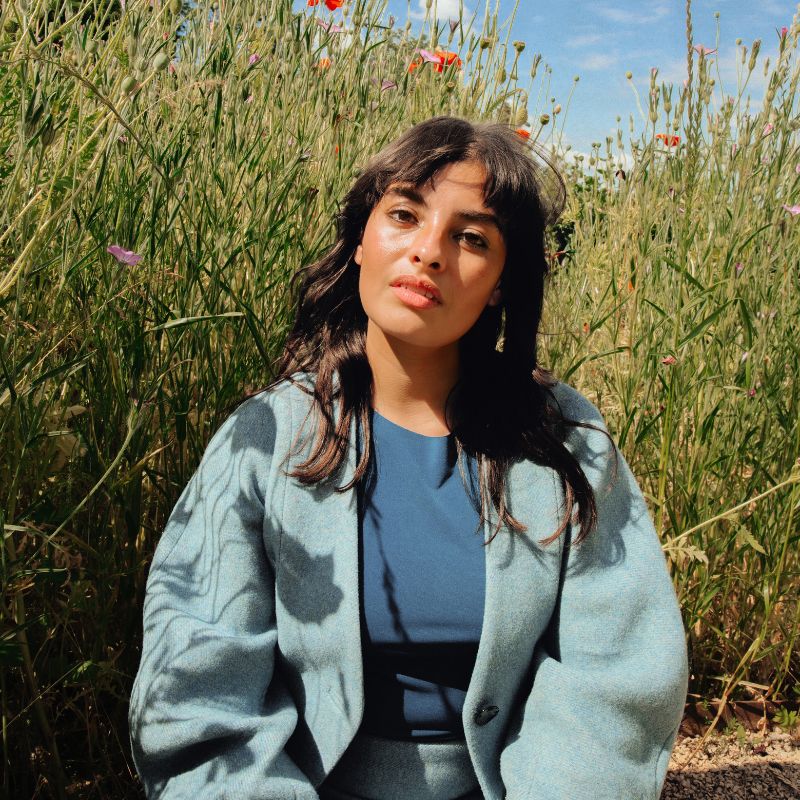
Founder, Play
Kalpana Arias is a guerrilla gardener, technologist, nature rights campaigner and food grower, writer, speaker and founder of PLAY, a social enterprise fighting for urban nature. Play builds tools, runs campaigns, programmes, learning hubs and hands-on workshops, community gardens, and sets up grassroots growing projects to help people, plants, and planet. Their latest project is Glitch, an app that makes growing playful and accessible. Using AI, AR, and local biodiversity data, Glitch helps you map green gaps, design gardens, and get ready to plant in your street or neighbourhood. Arias has delivered a global TED talk, spoken at the United Nations, featured on Evening Standard’s 30 under 30, and is a trustee for GROW charity and National Park City and an environmental consultant for corporations and governments. As for her impact, she’s helped people across London turn unused corners into small gardens and pollinator patches, using technology to organise and scale, although, she says, ‘it’s people who take us over the finish line’. She would ‘end the war on nature’ and ‘democratise design’ if she could.
Eco-guilty pleasure? ‘Keeping 72 tabs open and thousands of emails I’ll never read again – turns out the cloud isn’t that clean.’
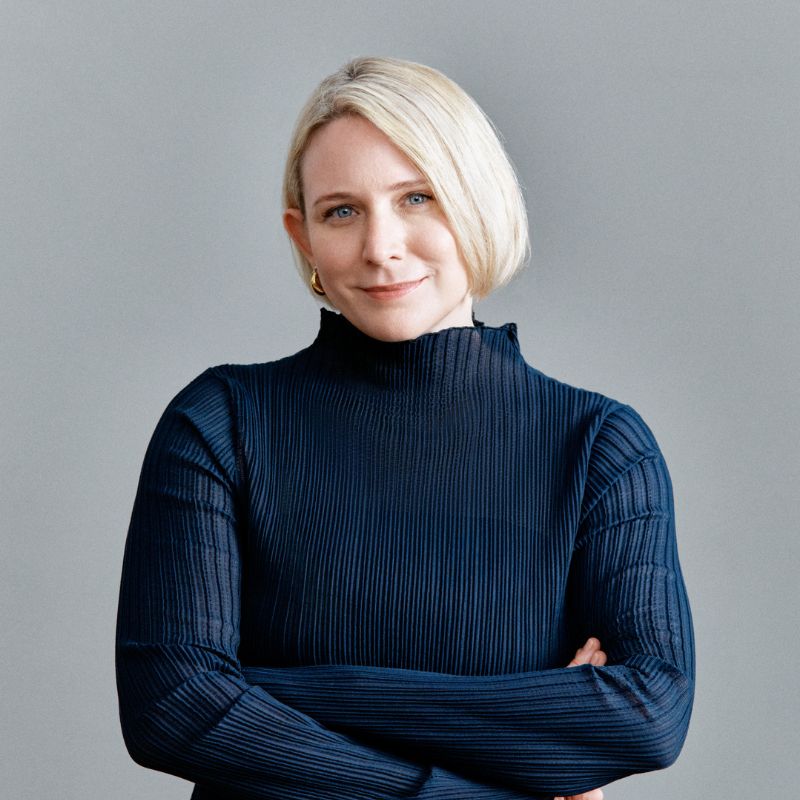
CEO, Textile Exchange
Claire Bergkamp is CEO of Textile Exchange, a global nonprofit working to transform how we produce, choose, and reuse materials to benefit people and places at the source. She believes the biggest opportunity for change starts at the very beginning of the supply chain, in raw materials, with work grounded in systems thinking and the conviction that – ‘with courage, flexibility, and persistence’ – real transformation is possible at scale. Earlier in her career on the brand side, she helped pioneer fully traceable supply chains, introduced regenerative and innovative materials into luxury fashion, and contributed to developing natural capital accounting for textiles. She urges that there should be more space to listen to farmers, growers, and recyclers, and notes that scale and complexity slow down change – yet she thinks momentum is building. Her vision for 2050 sees a world where materials are valued and never wasted and producers are fairly rewarded.
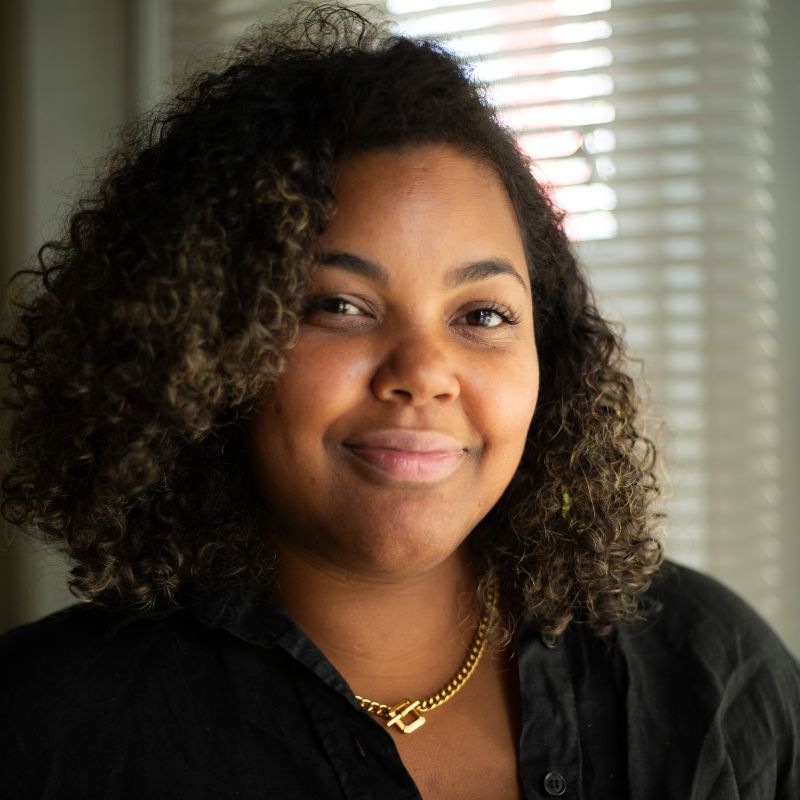
Founder, Light/Work
After founding and leading the Global Impact Programme at Soho House, Jamila set up Light/Work, an impact agency that helps brands do better for people and planet. She wants to break down silos between innovators, policymakers, funders, and cultural leaders and make positive impact mainstream. She is most proud of connecting innovators with culture shapers, noting that solutions already exist but progress is slowed by a lack of collaboration. She wants to see a shift to conscious capitalism where innovation is only rewarded if exploitation and irresponsibility are eliminated. ‘No more “pass on the responsibility to someone else” culture, no more winning at all costs,’ she says. But Brown feels many of us are overwhelmed by what needs to happen, especially when the pressure is on things that have a more immediate impact. ‘Ironically, we’re all so busy firefighting in our day-to-day lives that we don’t realise we’re fuelling a much bigger fire for tomorrow.’
Eco-guilty pleasure? ‘Beef.’
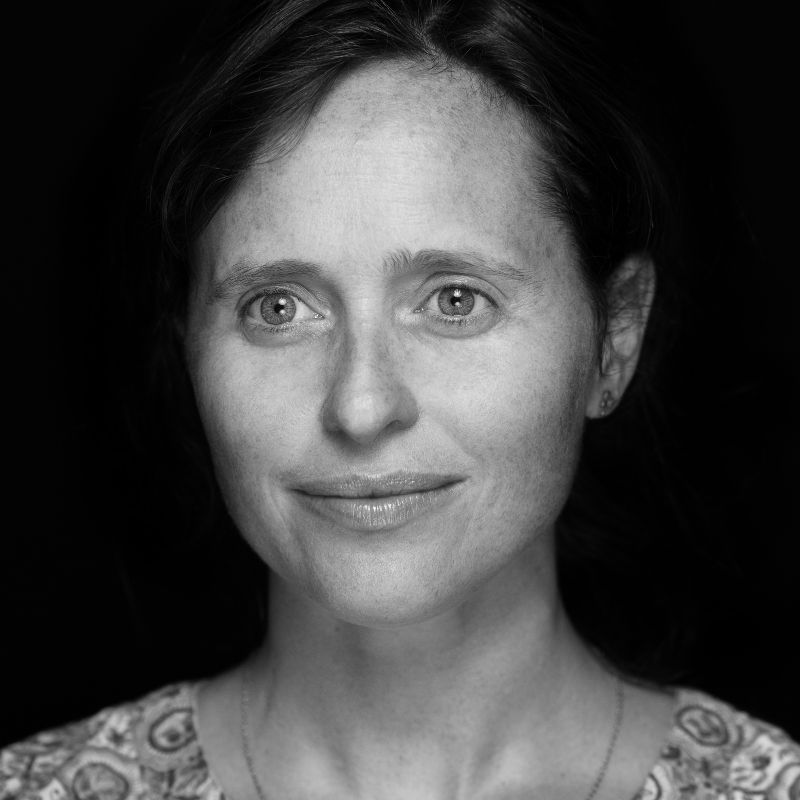
Executive Director, Conservation Collective
Executive Director of Conservation Collective, Jade Brudenell has built a global network connecting people who care passionately about their place to boost support for dedicated local environmental champions working tirelessly to protect and restore nature. Since launching Conservation Collective in 2020, over £20 million has been raised across a network of over 20 Foundations. She is proud of launching, incubating and supporting more than 20 locally focused environmental funding organisations where support was ‘scarce, difficult to access, or completely absent’. Impact speaks volumes – turtle monitors in St. Vincent and the Grenadines, farmers in Devon training for nature-friendly practices, leopard corridors in Sri Lanka, strengthened marine protection in Greece and across the Mediterranean – plus wow moments securing funding from Coldplay, Depeche Mode, easyJet holidays and Scott Dunn. On what she’d change: ‘our addiction to phones’. On why we’re going too slowly: ‘Egos.’ On her vision for 2050: ‘either Armageddon or Heaven’.
Eco-guilty pleasure? ‘Daily contact lenses (recycled at Boots).’
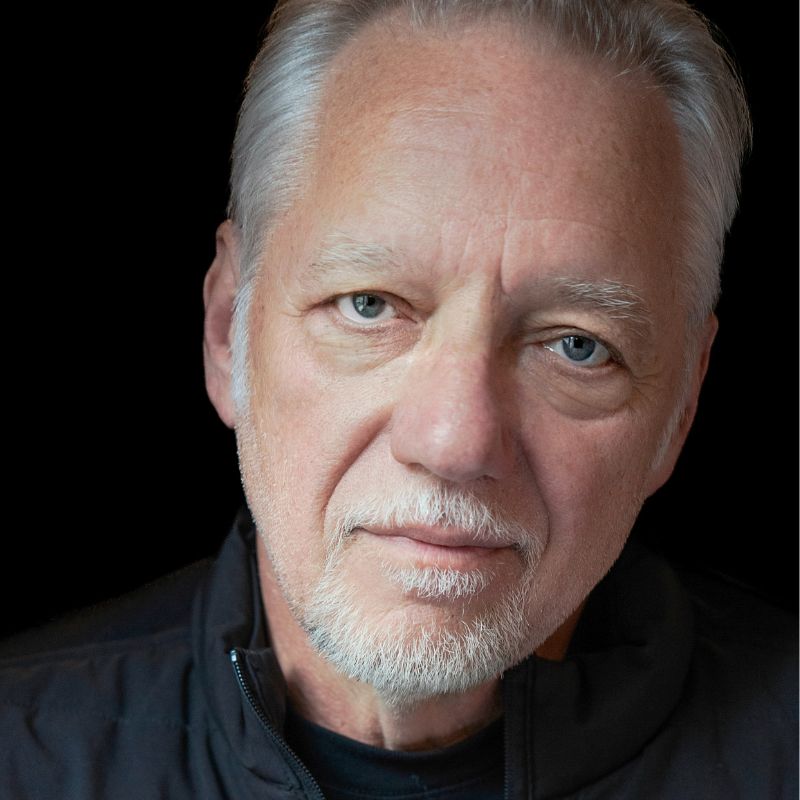
Photographer & Artist
For over four decades, Edward Burtynsky has chronicled the imprint of human industry on the planet, counterbalancing those engineered vistas with images of pristine nature’s vitality. His work is intentionally revelatory rather than accusatory, inviting viewers into dialogue about shared responsibility rather than shutting it down. He wants sustainability de-politicised – treated as common sense across partisan lines – yet worries facts are increasingly drowned out by conspiracy and noise. Away from the camera he relishes slow, elemental rituals: canning, making pickles, fishing and then smoking the catch. His honest read on 2050 is ‘scary as hell’ unless alignment accelerates; still, he keeps making pictures that help people truly see.
Eco-guilty pleasure? ‘A steak once a month.’
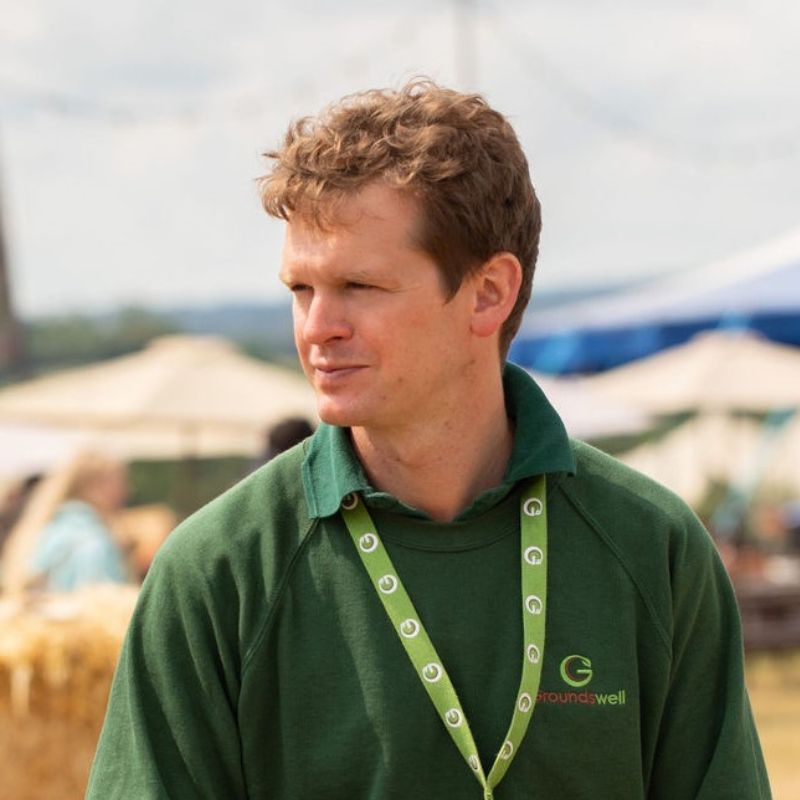
Farmer & Event Director of Groundswell Festival
Since co-founding the Groundswell Agriculture Festival with his family in 2016, Alex Cherry has helped turn it into the UK’s leading forum for regenerative farming, where practical know-how travels fast. From reduced tillage and cover cropping to integrating livestock and restorative herbal leys, Groundswell has inspired thousands of farmers to rebuild soil health and biodiversity. Cherry’s fix for policy drift is simple: send every agricultural decision-maker on a week’s placement at a regenerative farm to see the system, not just the spreadsheets. He admits progress can be slow when you’re stuck in the weeds, yet his 2050 is hopeful: harmonious societies living alongside thriving ecosystems. He also keeps a sense of play – he was once an unofficial under-nine tree-climbing champion.
Eco-guilty pleasure? ‘Dental floss sticks.’
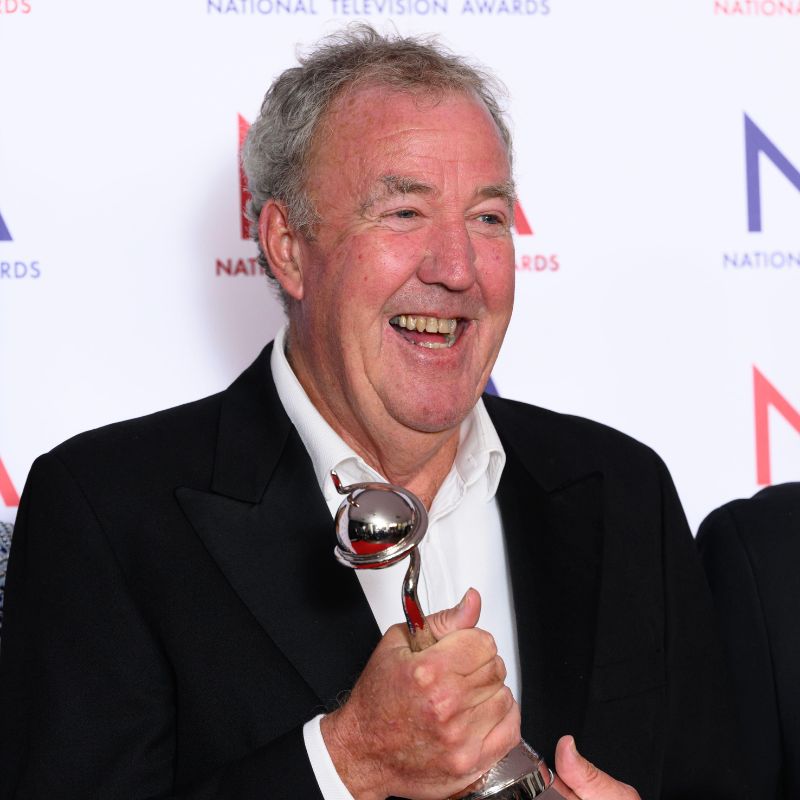
ALAMY
Television Presenter, Author & Farmer
Jeremy Clarkson is best known for his long tenures on Top Gear and The Grand Tour, and now, more recently, for his candid farming documentary Clarkson’s Farm. In 2008 he purchased a 1,000-acre plot in the Cotswolds, which in 2019 he began managing himself, making it the focal point of his public engagement with agriculture. Perhaps a Future Icons outlier to some, Clarkson’s influence is most evident in how the show has riveted audiences to the realities of UK farming – weather risk, bureaucracy, and slim margins – turning obscure challenges into cultural conversation. He once reflected, ‘When you till the soil or plough in weeds, it releases carbon… so you think: “OK, I won’t plough” … every decision you make as a farmer is bad for some reason or another.’ Putting the challenges of farming in the spotlight has made the farming community feel seen and listened to.
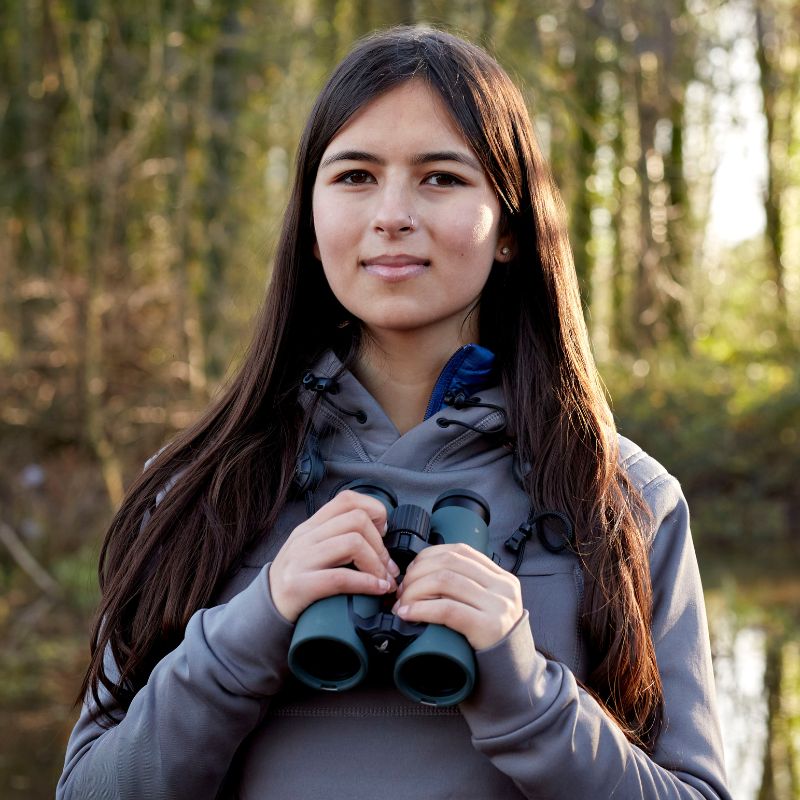
Ornithologist, author, broadcaster and environmental activist
Mya-Rose Craig – Birdgirl – pairs scientific focus with social justice, becoming the youngest person to see half of the world’s bird species while founding Black2Nature to open the outdoors to young people from Visible Minority Ethnic backgrounds. Now in its tenth year, the charity has built access, confidence and community through camps and campaigning. Craig wants us to transform our relationship with nature itself; real progress, she says, means slowing down and consuming less despite vested interests pushing the opposite. Her 2050 fork is stark – biodiversity collapse and climate displacement if we fail – but she insists every act of mitigation counts. For all the dawn starts of birding, she loathes early mornings, which makes her persistence all the more endearing.
Eco-guilty pleasure? ‘Cheese (local, organic, free-range where possible).’
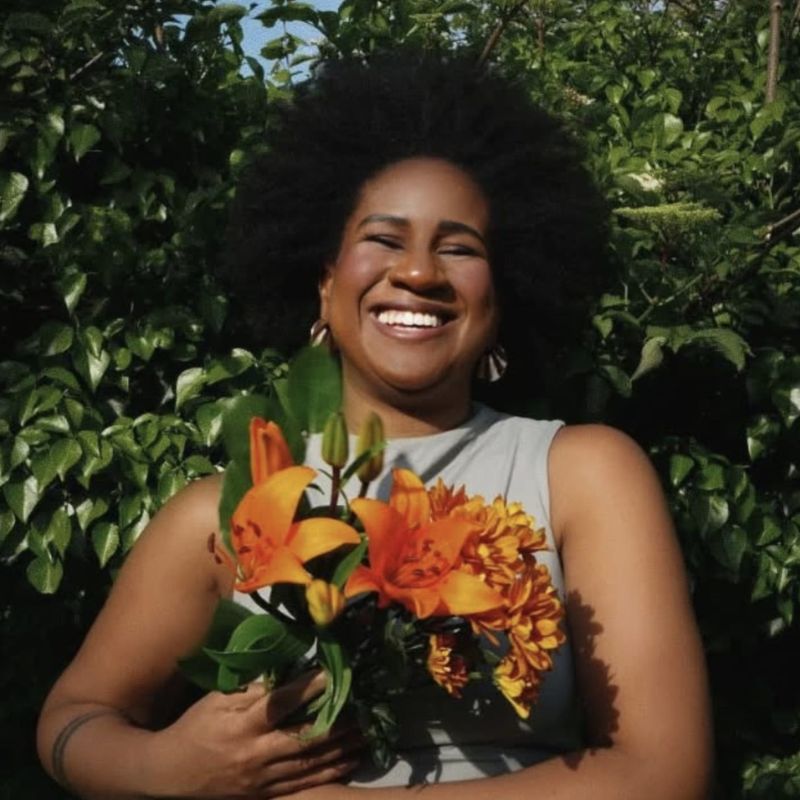
Founder, The People’s Ark
A climate justice advocate working at the intersections of education, community resilience and policy, Samia Dumbuya serves as the UK Head Youth Delegate for COP29, championing inclusive policymaking and urging government to formalise youth and community inclusion. Founder of the Black Ecofeminists Network UK and The People’s Ark, she pioneers intercultural, intergenerational spaces where communities learn green technical skills together – ‘hands-on and heart-led’. She sits on Veolia’s first-ever Future Generations Council, is a Trustee of Rethinking Economics, a Mercedes-Benz BeVisioneer Fellow, and has supported Oxford University, the Natural History Museum and Complicité. She would shift resources and decision-making power into the hands of frontline communities, naming extractive logics and a crisis of imagination as to why we’re not moving fast enough. 2050 is, for her, a vision of care and justice – self-sufficient communities, clean air, valued care work, and belonging.
Eco-guilty pleasure? ‘Long, steamy showers after a day of community workshops.’
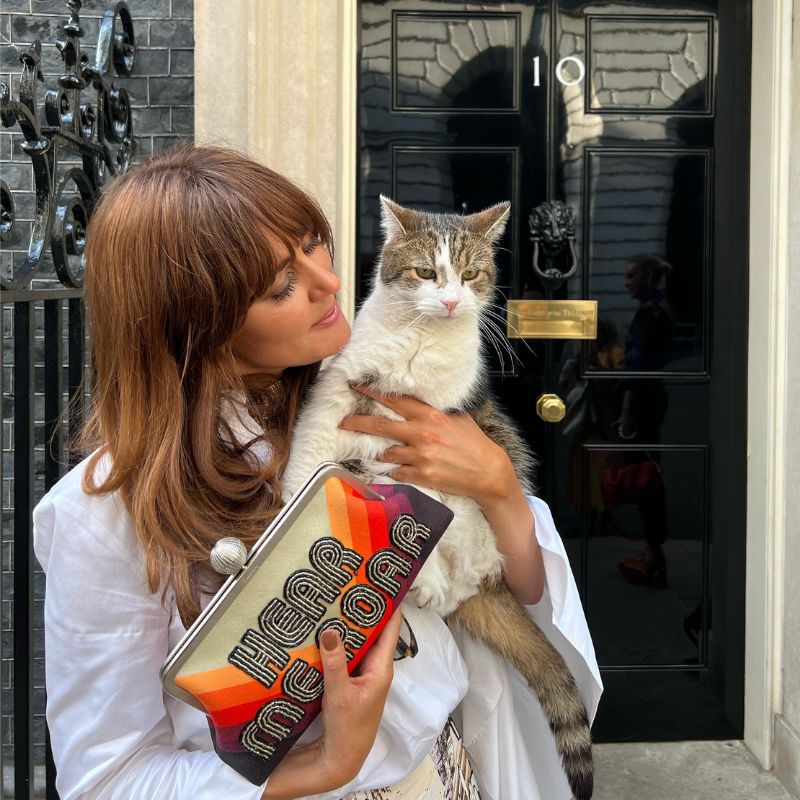
Founder, Greenwith Studio
A multi-disciplinary sustainability thought leader, Mary Fellowes founded B Corp sustainable fashion consultancy, Greenwith Studio. She quietly precipitated £75 million of public sector funding for sustainable and circular fashion innovation, and co-authored the ‘Empowering Citizens’ white paper for the British Fashion Council. In addition to pro bono advisory for NGOs and purpose-driven start-ups, she actions youth empowerment with the UK Children’s Parliament as their sustainability ambassador, and as a King’s College Executive Fellow, mentors Gen Z change-makers. Building on her role as Contributing Producer on Let Them Be Naked, the multi-award winning documentary on textile toxicity backed by James Cameron, she’s working behind the scenes on technology and initiatives for mandatory disclosure to consumers for products containing any of the 10,000 or so synthetic chemicals and hazardous substances in all textiles. On why we’re not winning the climate battle, she is adamant that, ‘We can’t sell lentils to anyone seeking luxury’, or put another way: sustainability gets engagement with cleverly crafted positive and visually led new narratives, ones that trigger dopamine and endorphins over fear and duty.
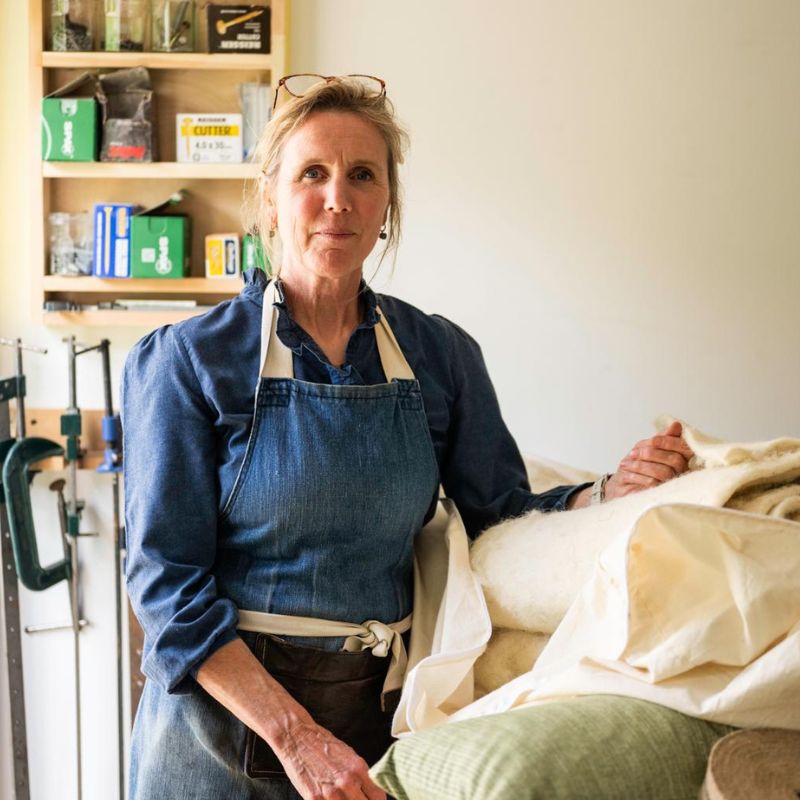
Sustainable upholstery designer
As the woman behind an upholstery business who designs sustainable upholstery solutions for furniture manufacturers, Delyth Fetherston-Dilke campaigns for a change to the UK law which sees soft furniture treated with toxic chemicals. She sits on the Board of the Association of Master Upholsterers and Soft Furnishers and the British Standards Institute Committee on Furniture Fire Safety. When the government opened consultation on the Furniture Fire Regulations, she wrote a letter which almost 6,000 upholsterers signed saying the chemicals made them unwell and has been engaging with them ever since – though they are yet to change regulations. She wants to design furniture that is safe… ‘rather than having a chemical solution dictated to us’.
Eco-guilty pleasure? ‘I’m no angel.’
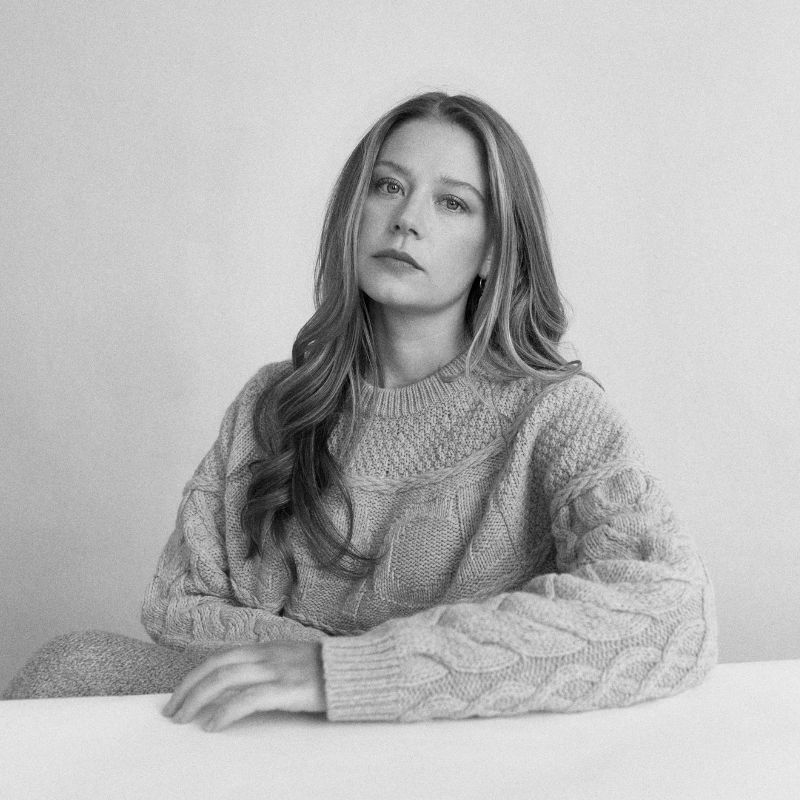
Founding Director, Walk Free
As founding director of Walk Free, an international human rights organisation, Forrest leads global efforts to eradicate modern slavery, forging critical links between the climate crisis, global supply chains and broader human rights abuses. In 2024, she became the first Australian woman to receive the Roosevelt Freedom from Fear Award. She serves on the Global Commission on Modern Slavery & Human Trafficking, is a UN Goodwill Ambassador for Australia and was Young West Australian of the Year (2021). Walk Free produces the Global Slavery Index, the world’s most comprehensive dataset on measuring modern slavery. For her, progress looks like a world where business is no longer built on the exploitation of people and planet.
Eco-guilty pleasure? ‘Travel, undoubtedly. My work requires it, but we leave a footprint wherever we go.’
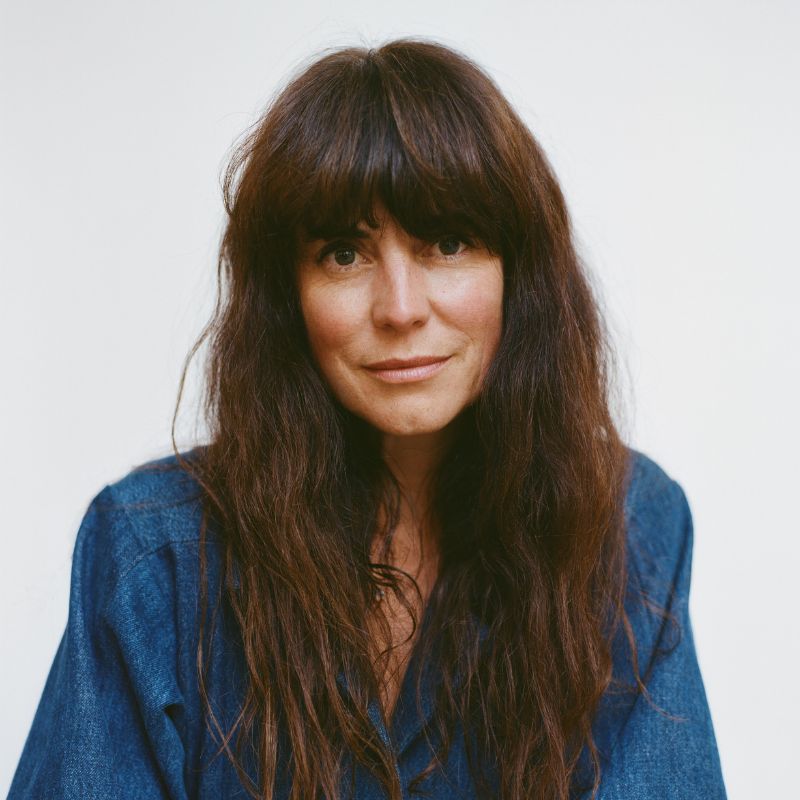
Creative Director & Founder, ELV Denim
The woman behind pioneering upcycling brand ELV DENIM, Foster launched it with the sole purpose of only using existing garments to create a 100 percent upcycled collection. Now it’s grown to a full Ready-To-Wear collection, all manufactured in East London. Recognition includes BFC/Vogue Designer Fashion Fund shortlists (2021, 2022), BFC Fashion Trust Fund (2021, 2022, 2024), an Innovate UK Women in Innovation Award (2022) and ‘Vogue Business 100 Innovators’ (2024). Collaborations span Gabriela Hearst, Hyundai and an industry first with THE OUTNET to monetise years of excess inventory. She has proved that a 100 percent upcycling and circular brand can be a successful business model. She believes that recycling is a short-term solution – and upcycling must anchor a textile-waste economy. Foster hopes that by 2050 upcycled collections are the norm and the planet has triumphed over profit.
Eco-guilty pleasure? ‘I rely on supermarket deliveries way too much. I am working on making my food shopping more local.’
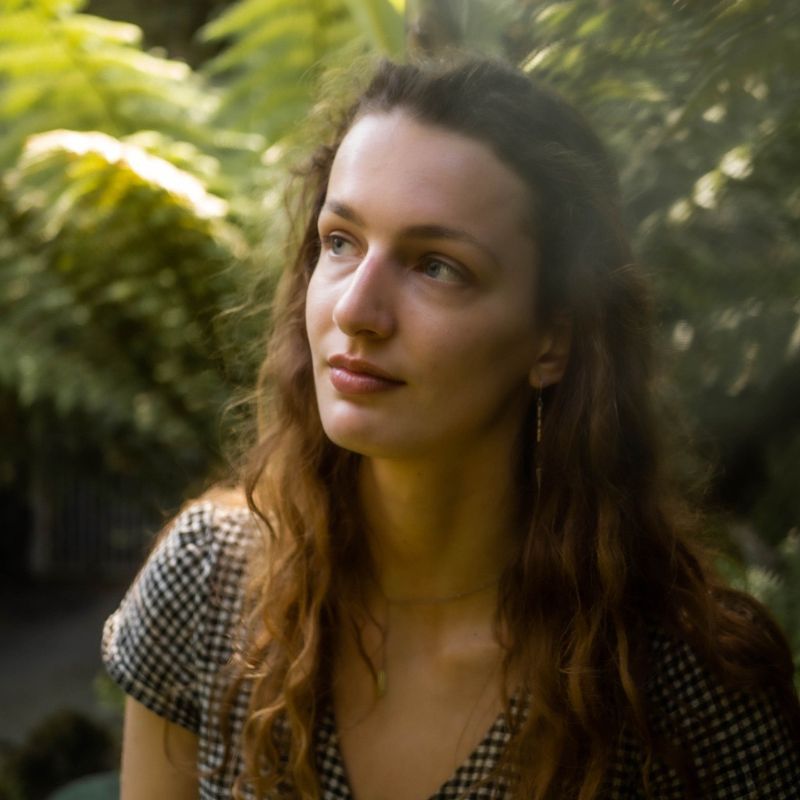
Global Founder & UK Director, Climate Live
As founder of Climate Live, a global youth-led charity that organises concerts and festival stages to engage new audiences in the climate movement through music – and is supported by the likes of Billie Eilish, Ellie Goulding and Greta Thunberg, Frances Fox has coordinated simultaneous shows in over 30 countries. She’s also organised Climate Live’s inaugural pavilion at COP28, and runs the solar-powered bus stage at major UK festivals. Her activism began with Fridays For Future youth climate strikes. She’s most proud of the bus stage community – proving that ‘activism can be fun, engaging and accessible to all’. Since 2022, she has platformed 577 artists and activists, prioritising providing opportunities to young people from marginalised communities who often face barriers to accessing these. She also provides paid shadowing opportunities for aspiring sound engineers, photographers and videographers with their partners Access Creative College. Fox wants events to stop granting social licences to sponsors funding climate collapse and to build ethical alternatives. By 2050, she hopes to attend a festival purely for the music.
Eco-guilty pleasure? ‘My much loved 10- strong vinyl collection!’
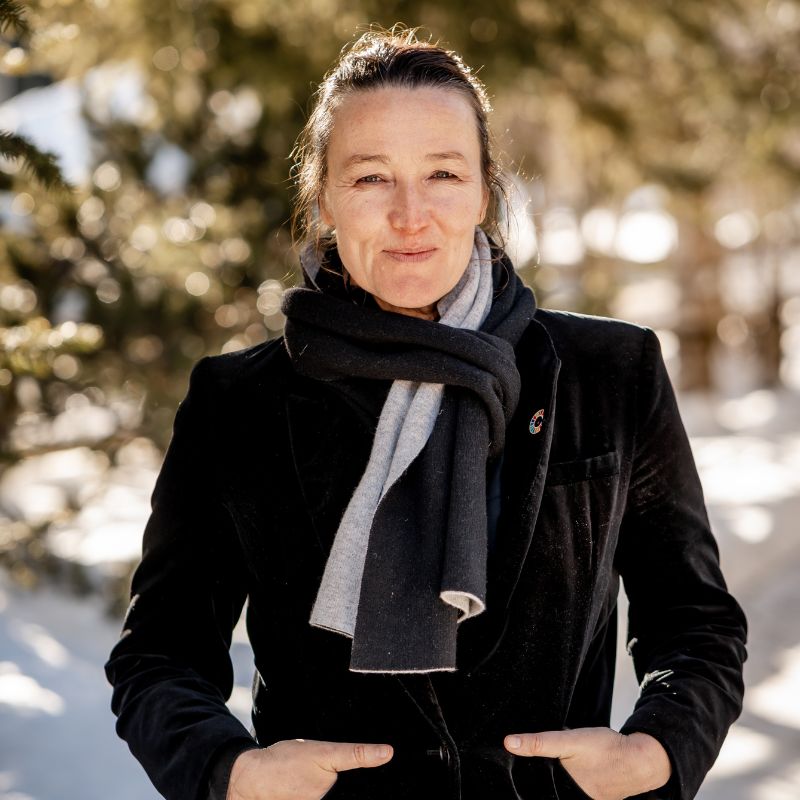
Climate and nature campaigner
Global lead at THE NAT (a cultural platform that raises vital funds for nature), Gail Gallie describes herself as a ‘serial communicator, convenor, and campaigner’, always deploying creativity to drive change at speed and scale. She was part of the design and launch team for the SDGs – working alongside the UN – and co-created Project Everyone to carry that work around the world. Her north star is tackling ‘the inequality of power’ – financial, corporate, social – arguing that if resources were shared more evenly, more people could shape the planet’s future and enjoy its benefits. What slows progress? ‘Legacy structures and systems’ – and leaders who see change as a loss – so she makes the case for a nature-positive win/win. She swims outdoors in any water and hopes that 2050 will be a calmer time, with less conflicts, and real evidence that a transfer of power and assets from the few to the many is underway.
Eco-guilty pleasure? ‘I really love travel and discovering new places – I try not to fly other than for work but it’s hard to avoid.’
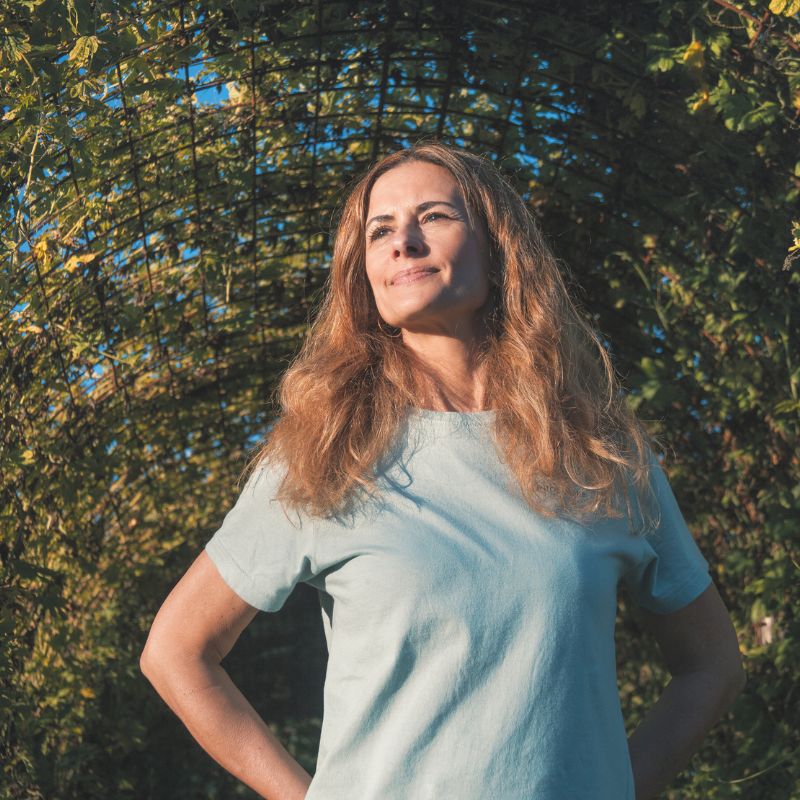
Co-founder, Quintosapore; co-founder, The Circle
Activist-entrepreneur Livia Giuggioli mixes agitation with build-outs: co-founding biomimic farm Quintosapore, co-founding The Circle, producing The True Cost after Rana Plaza, and pushing the first EU Parliament proposal for a garment-sector living wage in 2017. Her campaigning has earned the Rainforest Alliance Award for Outstanding Achievement in Sustainability, among multiple accolades. She calls herself a ‘Chief Agitator Officer’, convinced change now begins locally – reweaving community, co-dependence and solidarity. Why are we so slow to change? ‘We have been pacified by social media, we have been kept distracted by instant gratification with cheap consumption, and we have been lobotomised by populism so that we live in fear of “the other”. This machine is very well oiled and functioning to perfection.’ Her 2050 looks like a post-disaster film unless we course-correct – but she keeps pushing. Karaoke and pyjama Sundays help.
Eco-guilty pleasure? ‘Flying. I take fewer flights now, but it’s not always easy with a big extended family like mine.’
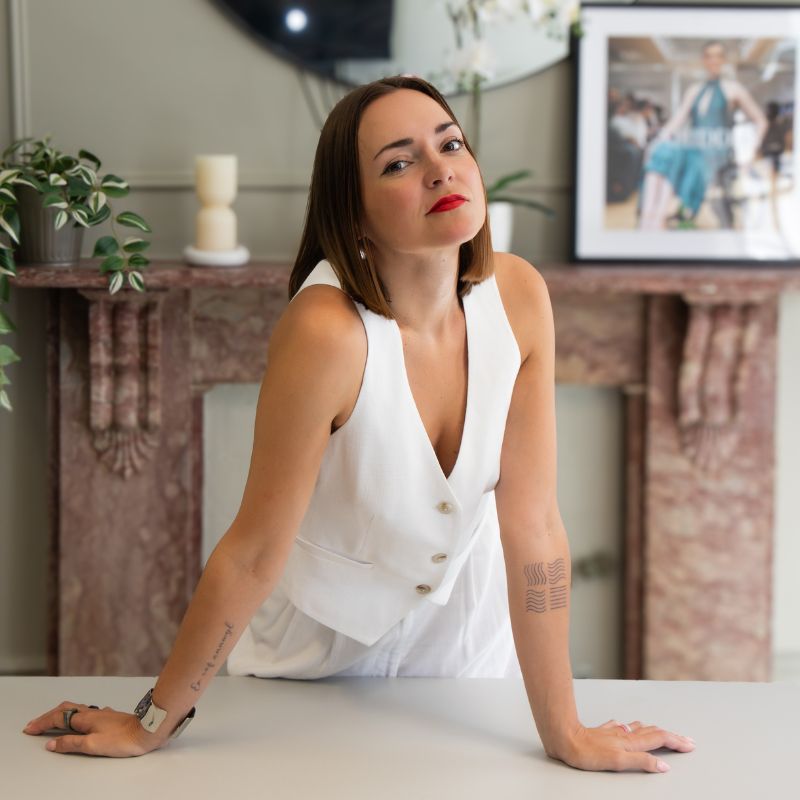
CEO & Founder, Unhidden
Victoria Jenkins founded Unhidden to bring adaptive fashion into the mainstream, designing stylish, functional clothing for disabled people and those with chronic health conditions. In a landmark step, she partnered with Primark to launch adaptive ranges in 10 countries, while advocating from TEDx stages to The Great British Sewing Bee – and earning places in the Vogue 25 and Vogue Business 100 Innovators. Her proudest moment remains Unhidden’s runway debut, which opened doors for models and reset expectations around representation. She argues that kindness and flexibility are the real engines of change; by 2050 she hopes for communities that care for nature and each other, without ‘othering’. At home she’s a gleeful gadget magpie, from smart plant pots to literary quote clocks and endless rechargeable lights.
Eco-guilty pleasure? ‘Disco-tile everything (my house must glitter).’
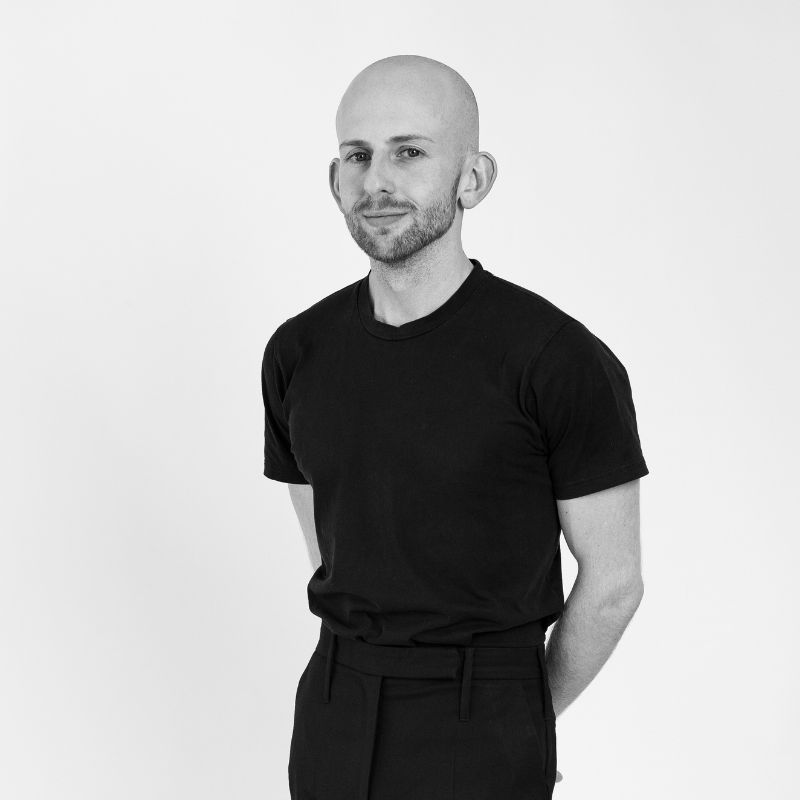
Creative Director & Founder, Patrick McDowell
Patrick McDowell is reshaping fashion through circular design – building a luxury brand for the future. Winner of The Queen Elizabeth II Award for British Design and named in Forbes 30 under 30, he creates clothing on the principles of beauty and responsibility. His work partners with world-leading innovators and heritage mills to champion repair, redesign and longevity as a new standard for luxury. His most significant impact, he says, is ‘moving the needle around circular and sustainable fashion to create beautiful design first with better principles built in’. If he could change one thing, it would be a shift in mindset: to explore clothes as an experience over a purchase. ‘The best part about that is that it’s already happening,’ he says, ‘sometimes it’s as simple as buying or renting a more conscious dress.’ Looking to 2050, he is pleasantly surprised by the speed at which innovation has come to transform how we all live for the better.
Eco-guilty pleasure? ‘Chocolate.’
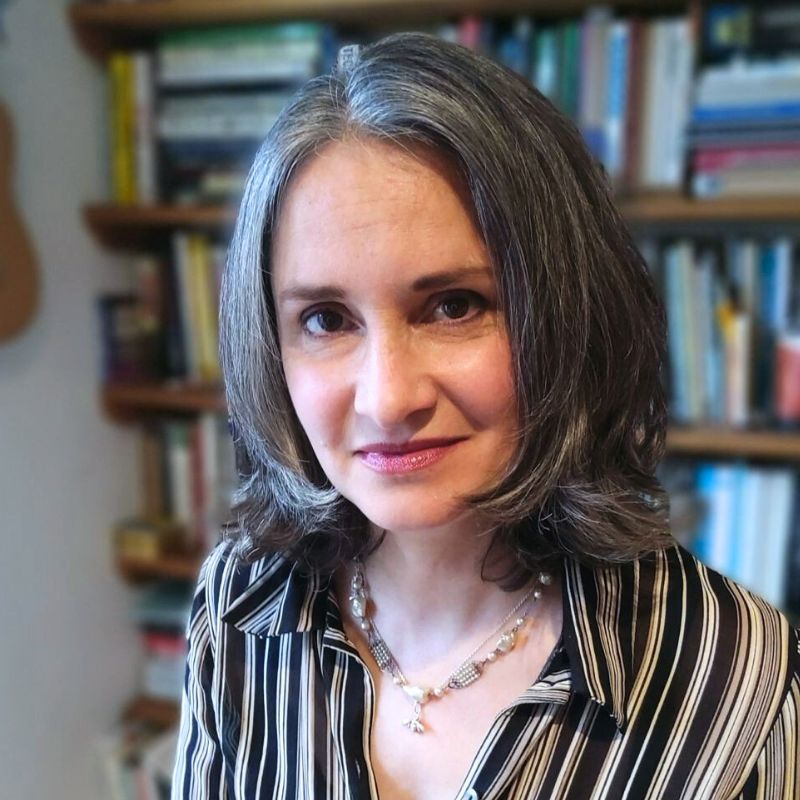
Co-founder & CEO, Stop Ecocide International
Jojo Mehta co-founded Stop Ecocide International with the late Polly Higgins to turn a moral intuition into enforceable law: severe, widespread or long-term harm to nature should be a crime. As CEO and spokesperson, she has driven remarkable momentum – bridging legal drafting, diplomatic traction and public narrative – so frontline governments and civil society can prevent ecological harm before it happens. She argues our slow progress stems from a centuries-deep separation from nature, and that criminal law is a rare lever that can shift culture fast by resetting what society deems acceptable. Her deep desire is to see ecocide law established in every jurisdiction. At home, you’ll find her happiest hanging laundry barefoot in the garden, cooking local food and upcycling on an antique Singer.
Eco-guilty pleasure? ‘Long hot baths and the occasional long-haul flight when diplomacy demands a seat in the room.’
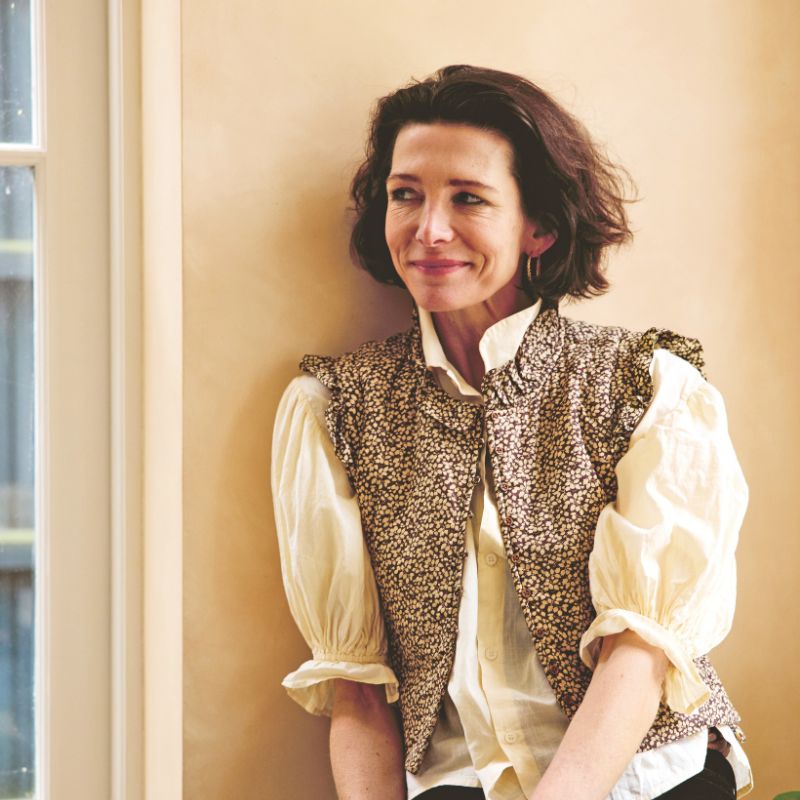
Co-founder, Wahaca; trustee of Chefs in Schools
Co-founded in 2007 by Thomasina Miers, Wahaca now has 14 restaurants and continues to trailblaze with multiple awards for its food and sustainability credentials. Over half the menu is vegetarian – converting into 45 percent of sales – with regen beef and free-range pork, food waste recycled into compost, plastic-free and compostable packaging, and suppliers including Hodmedod’s, Bold Bean, Riverford Organics and Blanco Niño. Wahaca has been carbon neutral status since 2015. Beyond the restaurants, Miers launched the award-winning ‘The Pig Idea’ initiative and helped set up Chefs in Schools – serving ‘minimally processed, delicious tasting whole foods’ in over 140 schools. Industry-wise, she’d separate out the positive-impact food businesses from those who are selling ‘cheap, unhealthy, toxic foods that are destroying nature and biodiversity’ and slap taxes on them. Ever the optimist, her 2050 vision is towns of greengrocers and local canteens.
Eco-guilty pleasure? ‘I live by the 80/20 rule – do the right thing most of the time and don’t sweat the rest.’
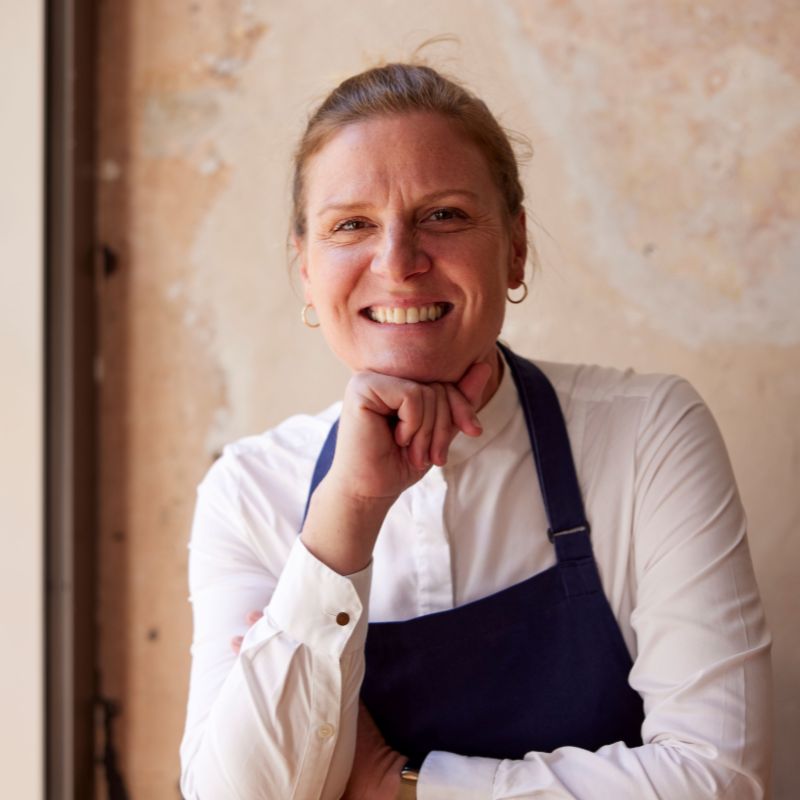
Founder, Apricity Restaurant
A New Zealand-born, London-based chef, restaurateur and sustainability advocate, Chantelle Nicholson – who started out life as a lawyer – is best known as the chef-owner of Apricity, her award-winning, Green Michelin starred restaurant championing regenerative hospitality. Her proudest achievement is ‘all the people I have planted seeds of positive change with’ – from teams at Tredwells and Apricity, to diners who ‘learnt something new’, to ‘all of the children I’ve taught through our culinary kids program’. To ensure the survival of independent hospitality businesses, she would cut VAT to 10 percent and increase business rates discounts to 50 percent to bolster ‘these vital businesses that are currently at a high risk of closing’. On why we’re not moving harder and faster, Nicholson says ‘there’s too much noise, and too many think the mountain is too big to climb. It starts with a drop, and we need to remind everyone of that fact.’
Eco-guilty pleasure? ‘Flying.’
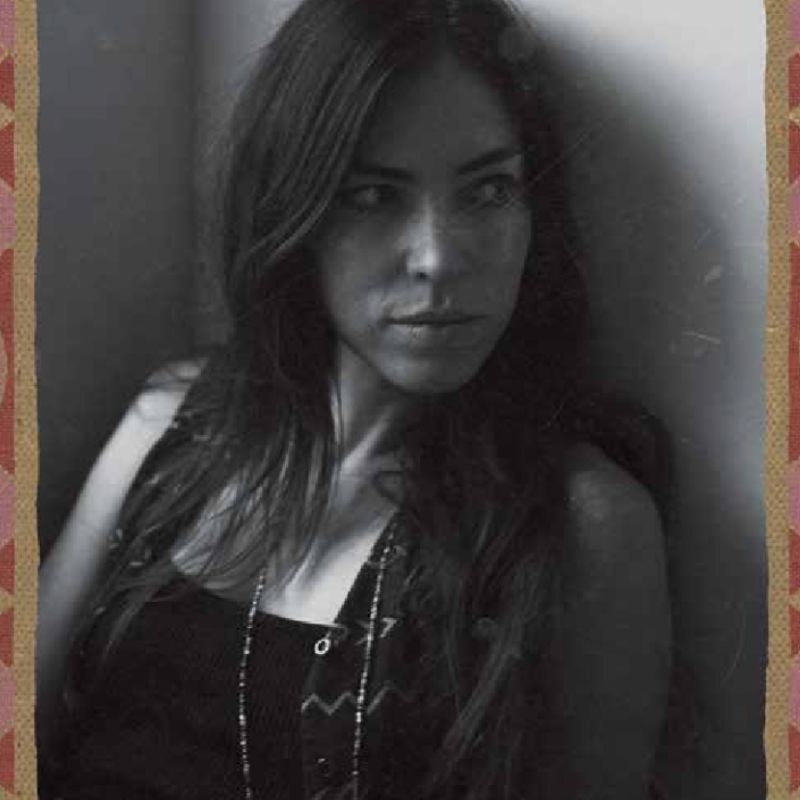
Founder, Asylum Speakers
Motivational speaker and podcaster Jaz O’Hara is the founder of Asylum Speakers, a platform amplifying voices on those impacted by displacement. A writer for The Huffington Post, winner of Marie Claire’s Future Shaper award and member of Amnesty International’s Collective, she has spoken everywhere from TEDx to the United Nations in NYC. Her proudest moments are receiving messages from people whose viewpoints or judgements have been challenged, especially when this leads people to take actions such as volunteering with asylum seekers in Calais, or even, most amazingly, fostering unaccompanied minors themselves having heard the stories of her four foster brothers from Eritrea, Sudan, Afghanistan and Libya. O’Hara wants to change the perception of immigration and to see it celebrated in the same way that travel is – ‘a beautiful way of expanding our minds, perceptions and horizons’. For her, 2050 looks like ‘a world where every passport comes with equal opportunity and freedom’.
Eco-guilty pleasure? ‘Eating avocados.’
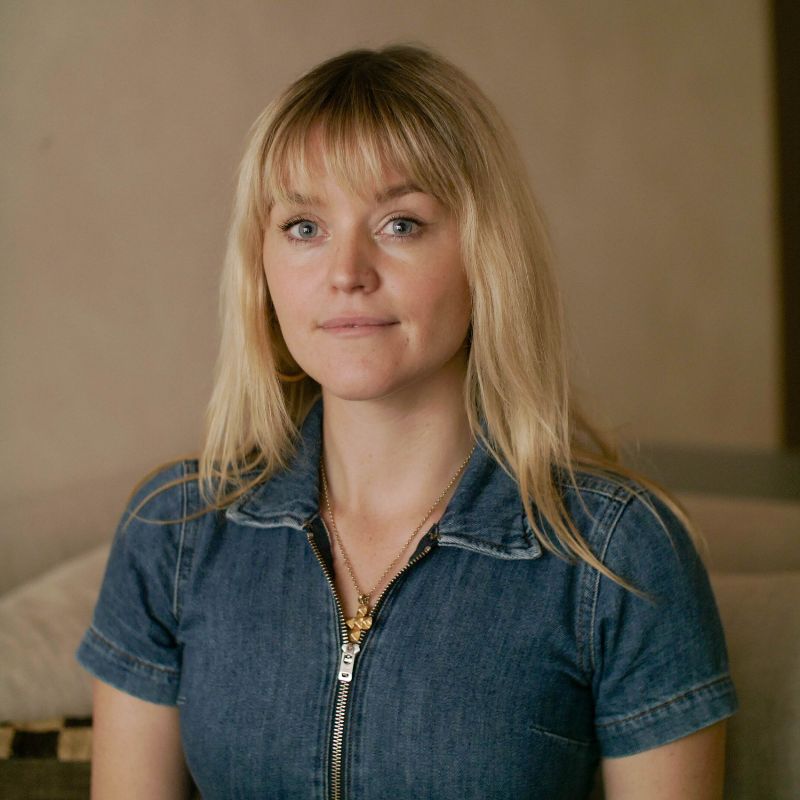
CEO and co-founder of Earthed, and co-founder of Advaya
An ecological entrepreneur and movement builder who has spent the past decade helping people reconnect with the wisdom and practical skills that can restore and regenerate our inner and outer landscapes, Christabel Reed runs two platforms. Earthed – a global community of more than 17,000 people across 102 countries – is on a mission to awaken a global movement of ecological citizens – helping people move from awareness to action, making ecosystem restoration something everyone can be part of. Advaya is a transformative learning platform connecting ecology, consciousness, mythology and the body. She argues that we underestimate the power of people. ‘The problem isn’t a lack of awareness about the ecological crisis, it’s a lack of access. If everyone had the right skills, community, and support, we’d see change happening everywhere. The solutions already exist, we just need to make them easier to reach.’ By 2050, she hopes we’ve left behind the consumer story that made us feel separate and powerless, and stepped fully into the citizen story. ‘One where people know they are capable, connected to other capable people, and able to build the alternative systems that make the old ones redundant.’
Eco-guilty pleasure? ‘I guess travel… I still fly a few times a year. Travel keeps me curious, but it’s not great.’
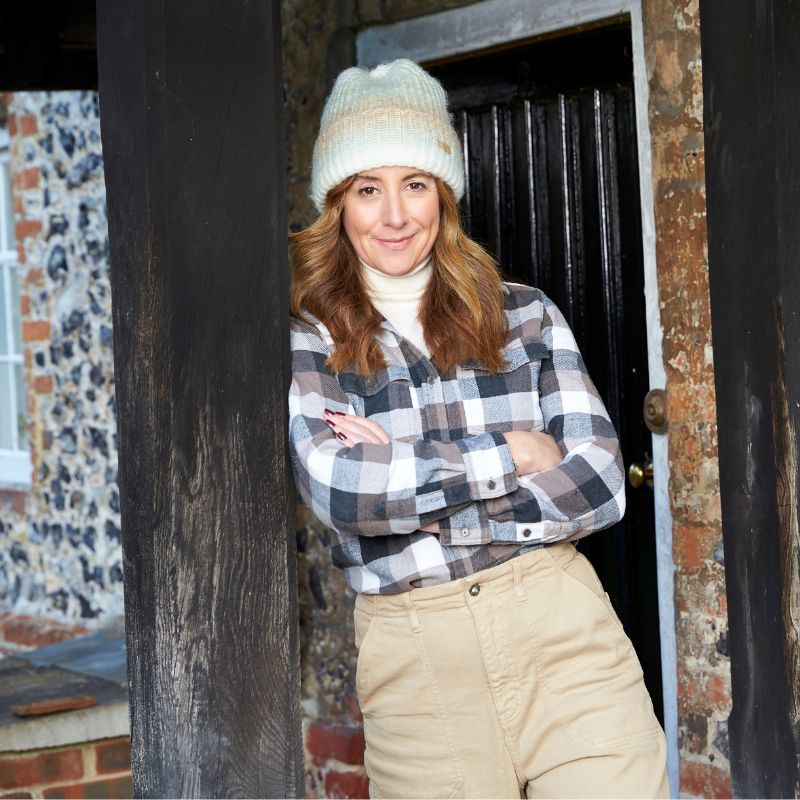
Journalist, presenter and author, eco and social justice
A ‘climate and nature nerd for hire’ with investigative roots and an obsession with resource use and supply chains, Lucy Siegle makes environmental issues mainstream ‘by explaining stuff’, believing that ‘sustainability is just a fancy word for change’ (informed by an understanding of how the biosphere works). A serial starter of awards, projects and programmes, she helped bring the documentary The True Cost (from her book To Die For: Is fashion wearing out the world?) to life; it continues to have impact still. She’s worked with Ellie Goulding supporting young people in climate advocacy. What would she change? ‘Stop fetishising the politics of rage and hate’. And she believes change is slow because ‘the men-of-death are at the wheel’ and system hierarchies persist. 2050 holds two visions for her – a charcoaled BC forest carpeted in fireweed, and COP 50 at a reforested UN where ‘the world is now at zero emissions’.
Eco-guilty pleasure? ‘I do have an addiction to hot baths, ideally a massive roll top or very deep.’
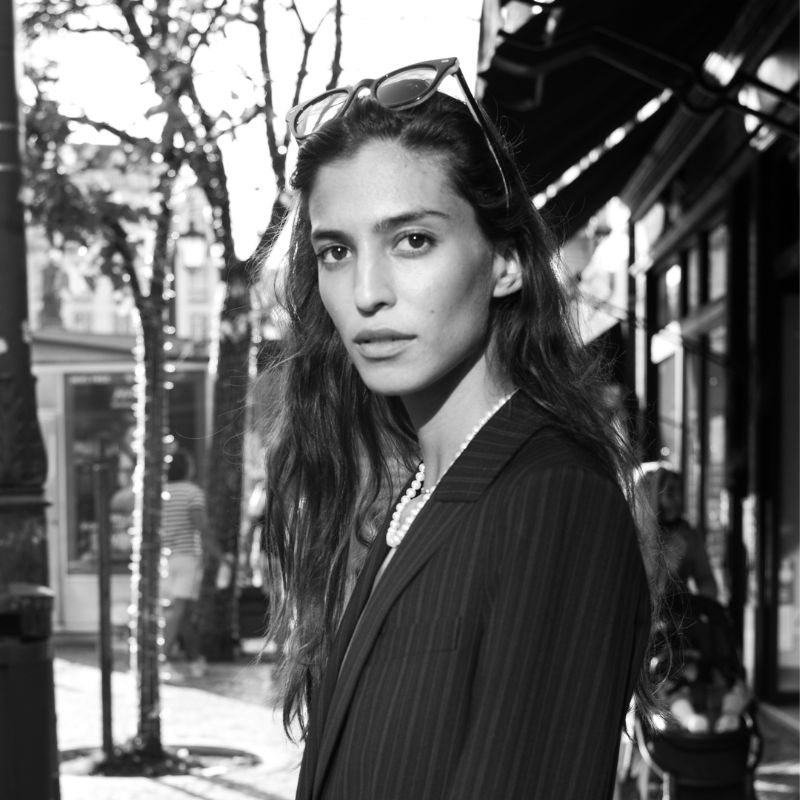
Sustainability Strategist & Creative Director
With nearly a decade working at the intersection of fashion, art, education, and environmental advocacy, Testino uses bold storytelling and visual campaigns to spark awareness and redefine conscious consumerism as stylish, inclusive, and solution-driven. Marina’s roles include: Director of Strategic Partnerships at Earth Partner, Sustainability Editor at Beyond Noise, and advisory councils at The Climate Museum and UNDP. Through her Sustainable Fridays platform, Marina curates immersive events – like re:FRAME, which launched during Earth Week at Leica Gallery NY – that merge advocacy with hands-on experiences and real-world solutions. Her artivism campaigns – such as #OneDressToImpress, #YellowLikeALemon, #WeSeaThrough – challenge industry norms while inviting individuals and brands to act more responsibly. Marina’s message is clear: ‘fashion doesn’t need more products’ – it needs purpose.
Eco-guilty pleasure? ‘Travel is part of my work, and while I know it carries an impact, I try to minimise it by choosing trains over flights whenever possible.’
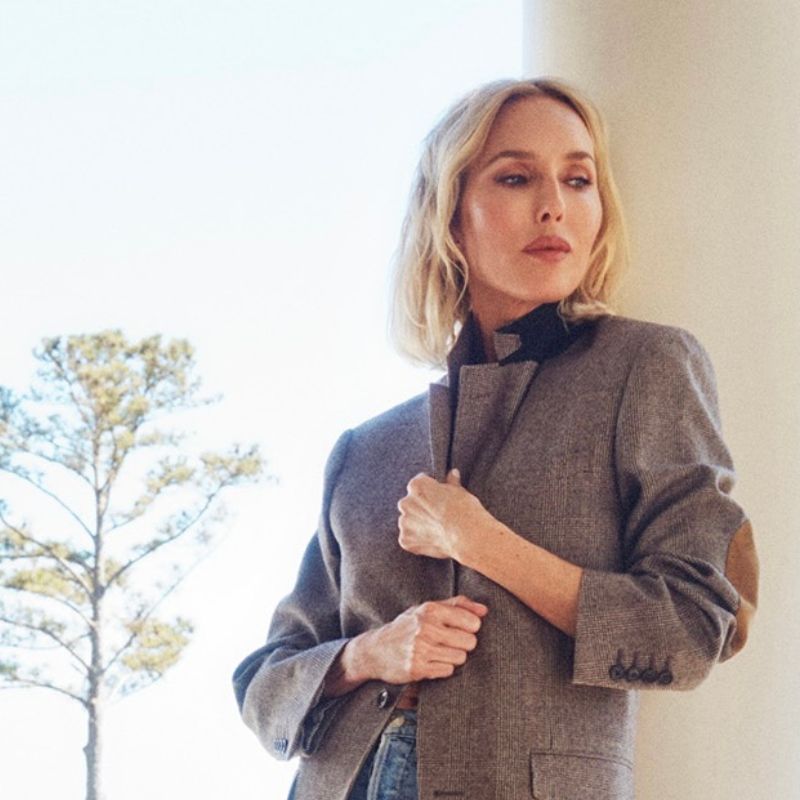
Conservationist
Co-founder of the Leuser Ecosystem Action Fund, dedicated to preserving and protecting the extraordinary biodiversity of Sumatra’s Leuser Ecosystem. Woodhead Bacon serves on the boards of Space for Giants, One Earth and the Bacon Foundation, as well as being ambassador for Journeys with Purpose and Panama Wildlife Conservation. Her career has been most notable in its diversity of background having had companies operating in music, film, fashion, clubs and travel. She creates impact by bringing high profile people and organisations together, often raising funds without corporate scaffolding. She wants to see more cooperation between non profits and less corporate capture. Her vision for 2050 replaces industrial farming with regenerative farming, tech to protect landscapes and wildlife with less tech for socialising and kids.
Eco-guilty pleasure? ‘Travel – often with my German Shepherd, Billy Bob.’
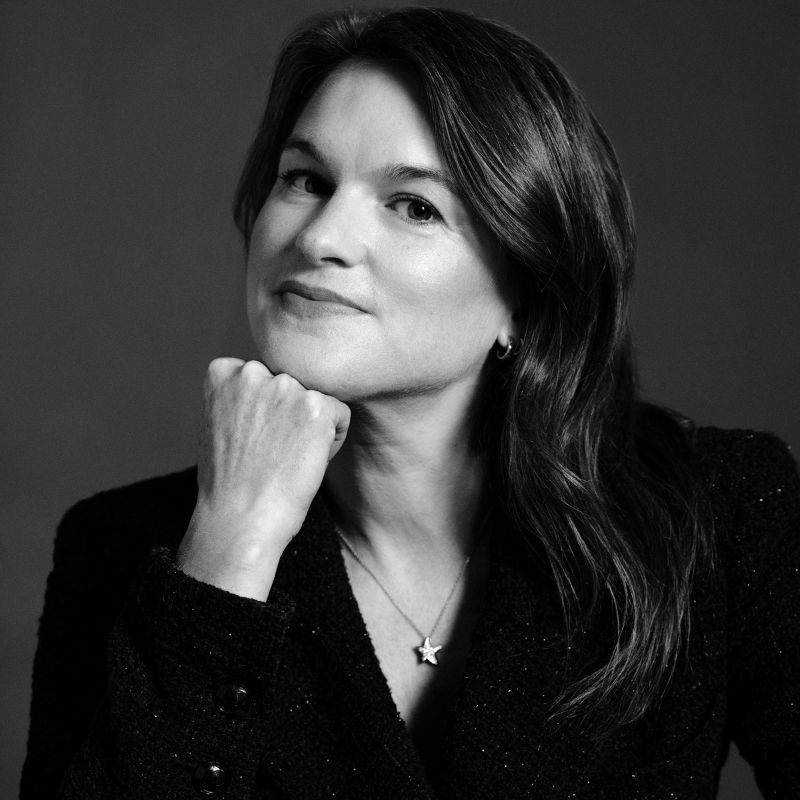
Global Chief Sustainability Officer at Chanel and Global Trustee of Foundation Chanel
Kate Wylie leads Chanel’s sustainability ambition and sustainable business transformation, developing and spearheading the House Sustainability Ambition across restoring nature and climate, circularity, dignity and opportunity, and women’s autonomy. This comes into play with everything from sustainable sourcing to embedding responsible design principles. Chanel is one of the few players in the luxury sector with a Science Based Target initiative (SBTi)-validated net-zero target, aiming to achieve this by 2040. Ranked in Forbes Top 100 UK Environmentalists, Wylie was President and Chair of Fondation CHANEL, overseeing its mission to impact the lives of over 10 million women and girls with $125m per year – and now sits on the board of trustees. What would she change? ‘The idea that anyone can go it alone: I’m a big believer in collective insight and action. In sustainability, especially, the best ideas get stronger the more they’re shared.’
Eco-guilty pleasure? ‘Pleasure and sustainability don’t have to be mutually-exclusive.’