


How To Choose Wall Art For The Living Room
By
34 seconds ago
Your home gallery awaits
Even with a fresh lick of paint or a brightly patterned wallpaper, sometimes the walls of our home can feel a little bare. This is especially true for the living room – aka, the heart of the home – where the pressure to create a characterful space is usually heightened. The solution? Paintings, photographs, curios and wall hangings. For us, nothing says ‘good taste’ quite like filling the living room walls with art that’s been carefully collected over the years. Make the living room walls your very own canvas with our guide, below.
The Case For Wall Art In The Living Room
While minimalists might disagree, we’d argue that a home doesn’t feel truly lived in unless the walls are thoroughly decorated. Hanging art on the wall not only makes the space look chicer, it also makes it feel chicly lived in. ‘Art is the layer that makes a room feel collected, evolved, and alive,’ agrees Henriette von Stockhausen, Creative Director of VSP Interiors. ‘Often, it’s that single unexpected piece that makes the whole room feel considered rather than conventional, balancing richness and cutting through pattern and texture with clarity.’
Joanna Wood
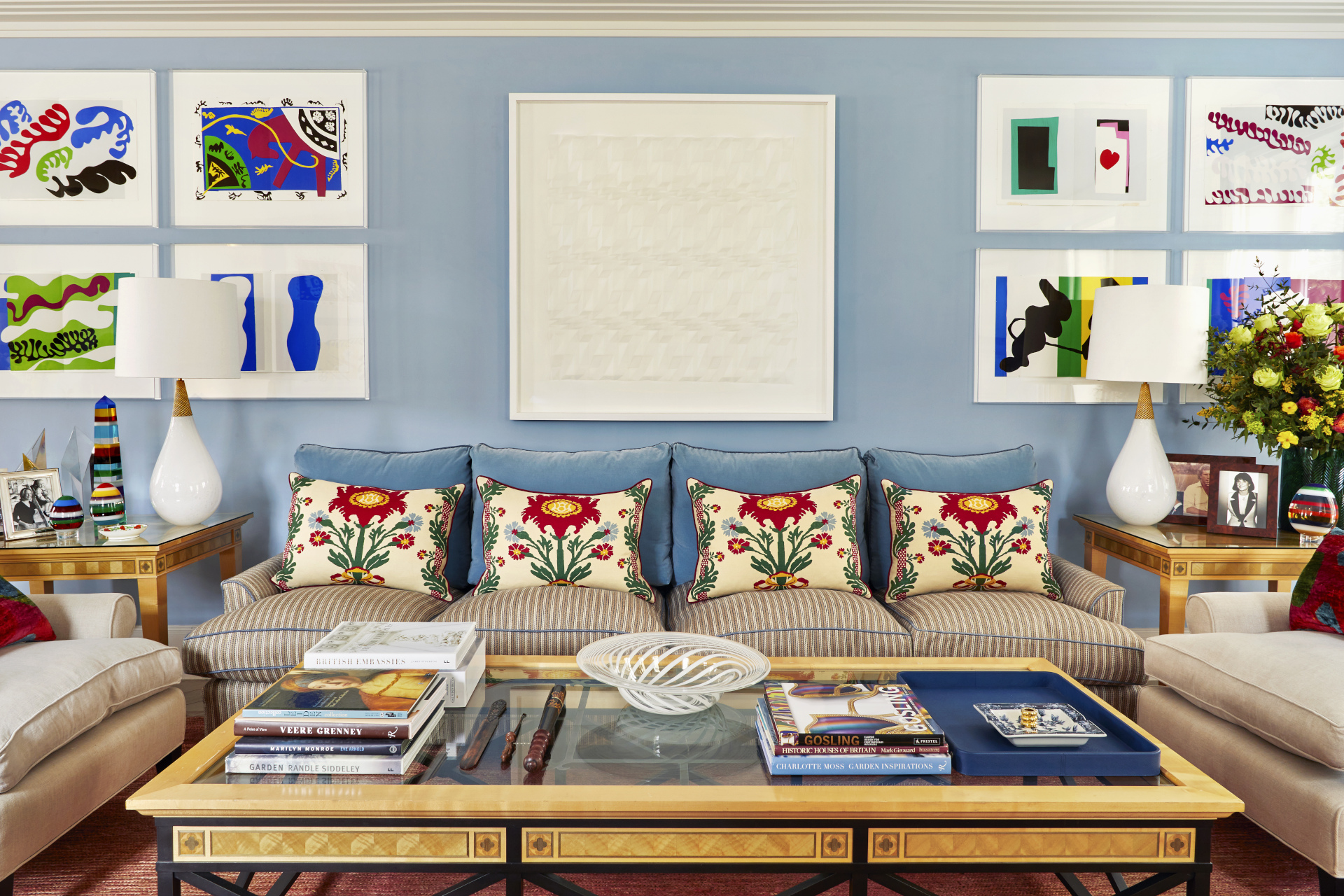
It’s also the point where you can introduce personality into a room. ‘Furniture can create comfort and layout, but art introduces personality and narrative,’ adds interior designer and creative consultant at Joanna Wood, Hattie Hansard. ‘It anchors a scheme and often becomes the emotional focal point of the space. A room without art can feel unfinished; even a single piece can bring cohesion and intention.’
In recent years, the interior designer has noticed a shift away from ‘overly styled gallery walls’, with ‘more intentional, breathing space around fewer, stronger pieces’ becoming the preferred choice for art curation. ‘I’m also seeing renewed interest in traditional portraiture and landscapes paired with simpler, contemporary rooms,’ she adds, noting that people are looking for playful juxtapositions in their home.
What Counts As Wall Art?
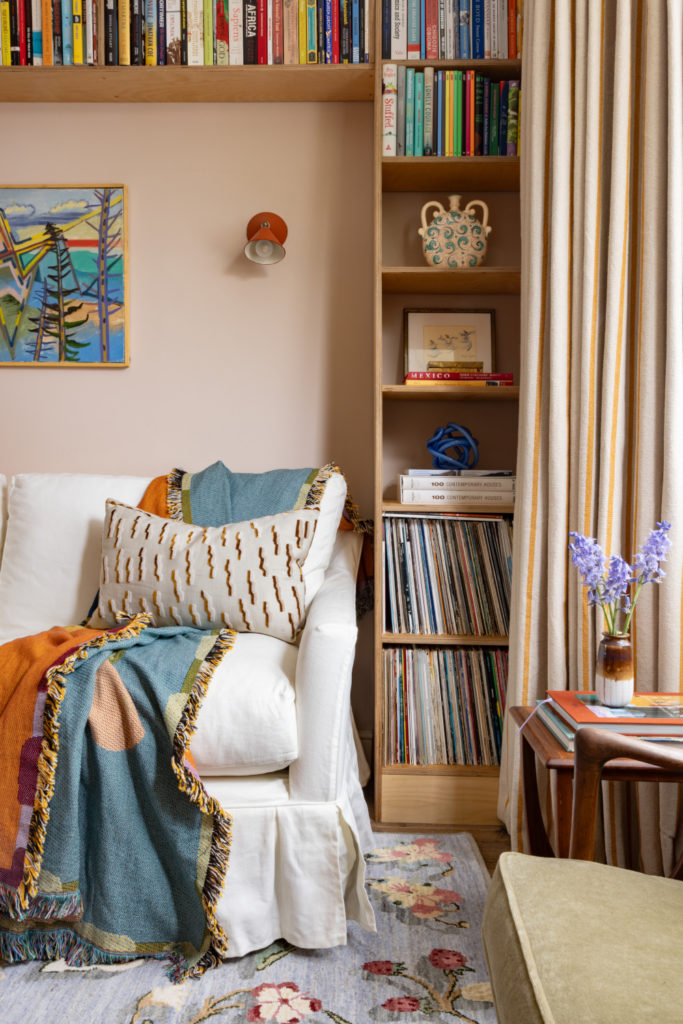
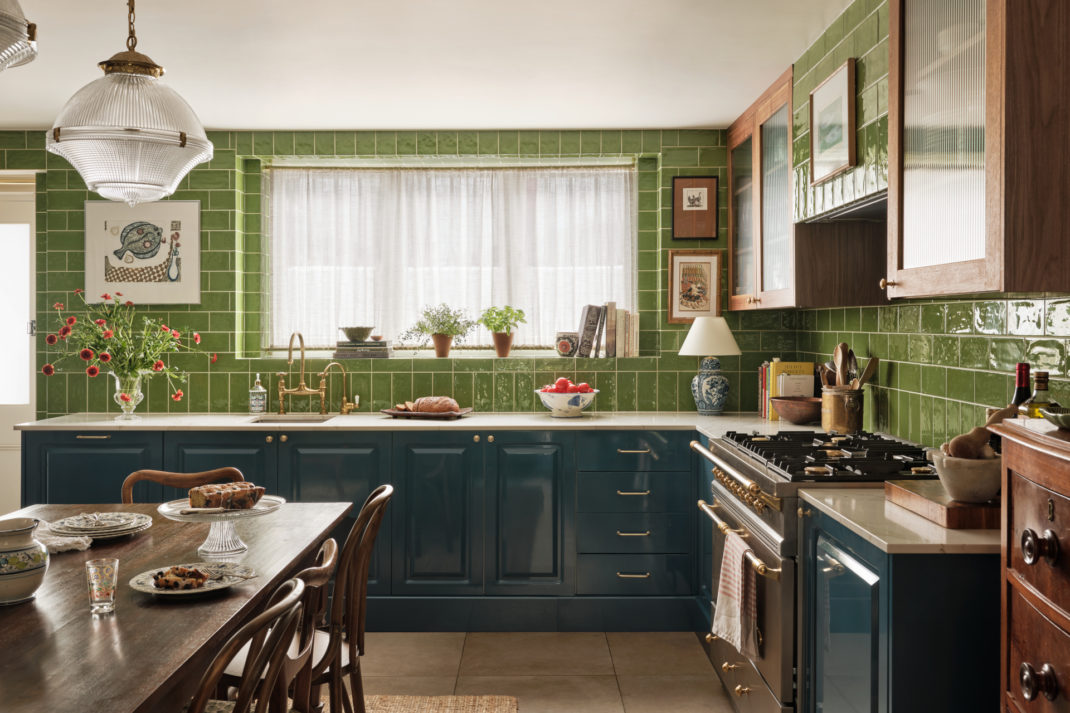
Don’t be put off by the thought of stuffy paintings – wall art doesn’t stop there. ‘As well as framed paintings, it can include plates, mirrors, sculptural objects, children’s drawings, photography, antique maps and even textiles in perspex boxes,’ says Hattie. ‘I’m particularly fond of mixing traditional oil paintings with more unexpected elements – a contemporary print, a vintage textile or a small sculpture. Variety adds richness.’
Joanna Wood (photo by Mark Nicholson)
Expert Tips: Curating Wall Art For The Living Room
Bigger Is Often Better
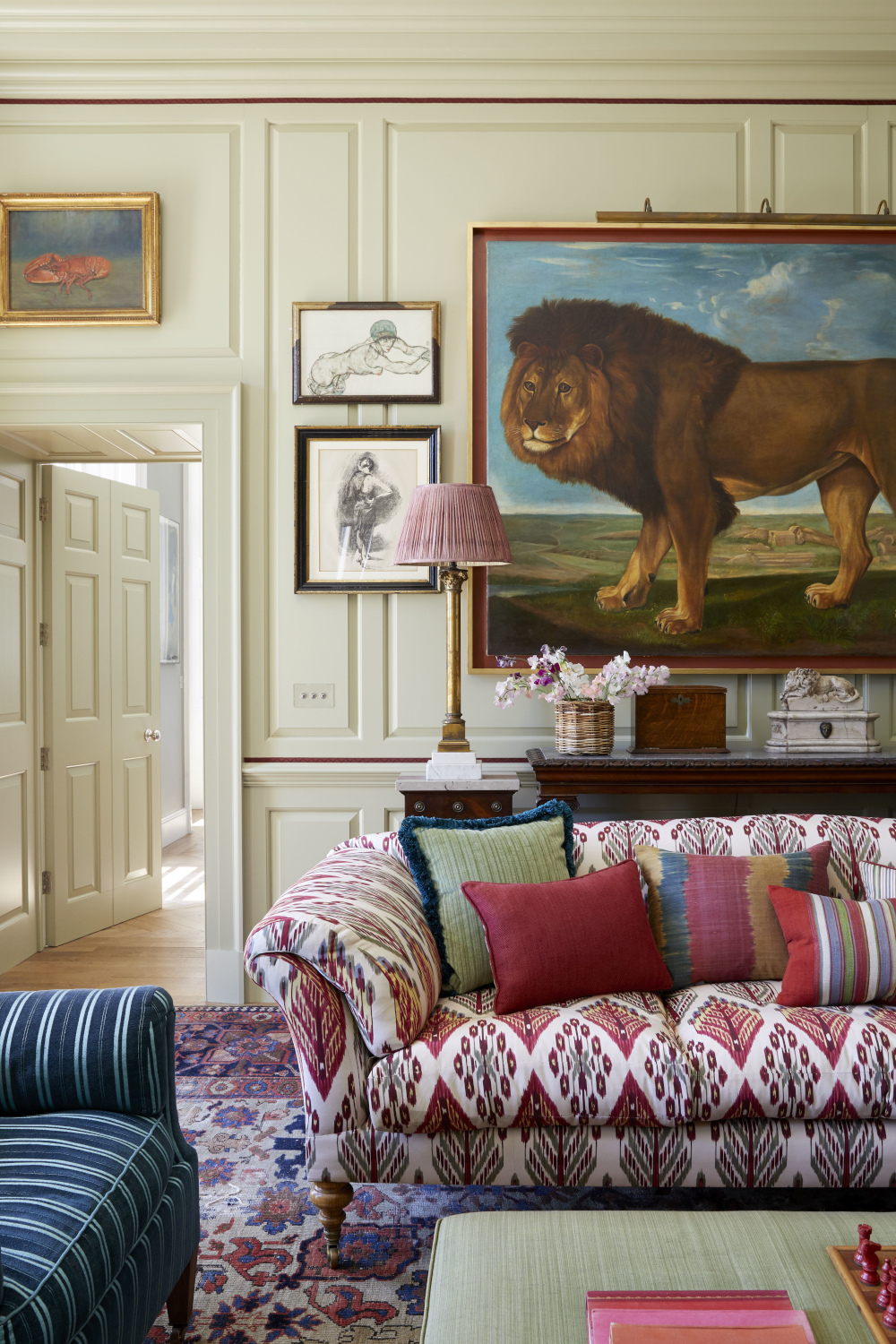
One of the first things to consider when hanging art on the wall of a room is the size of the piece itself. ‘Scale is really important – hanging artworks that are too small is one of the most common mistakes,’ confirms Hattie, who adds that, in this case, bigger is almost always better. ‘A generous piece above a sofa feels confident, while tiny frames floating in space – unless you’re a curator and really know what you’re doing – can look a bit untethered.’
‘A generously sized artwork can anchor a room and give structure to a layered scheme, especially in period or traditional interiors,’ adds Henriette. Country houses and period properties benefit best from large scale artworks, she notes, as they ‘prevent the room from feeling fragmented’.
Be Intentional
But don’t rush to fill the space; art should be intentional, not an afterthought. ‘It shouldn’t be the final five-minute decision once everything else is in place,’ adds Hattie. ‘Artwork can really make or break a room.’ She adds that it’s not worth falling into the trap of filling the space for the sake of it: ‘It’s ok to leave a gap and save up for something perfect.’
Play With Juxtaposition
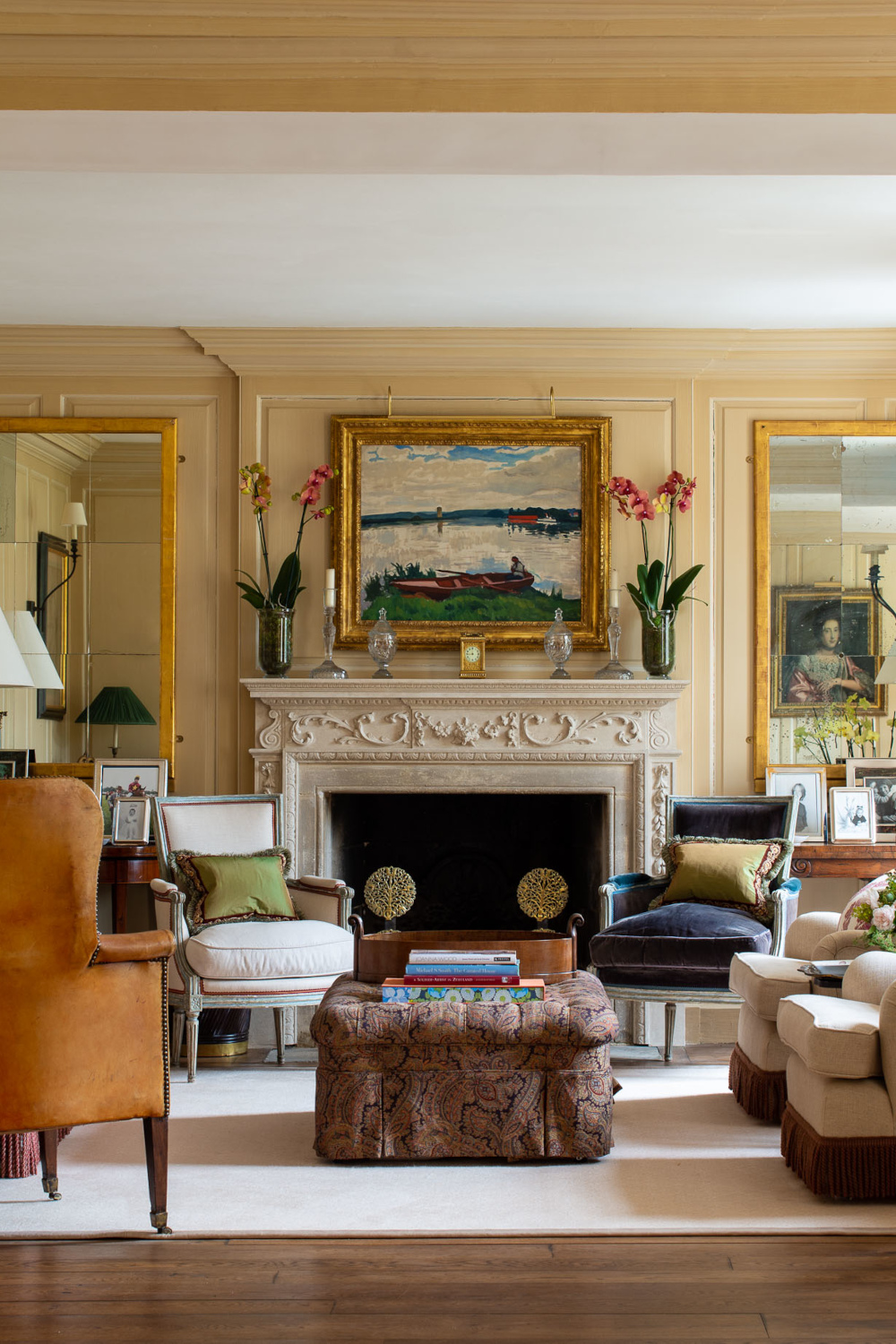
We’ll say it first: the art on your wall does not have to match. Be creative, and let your personal style guide your choice when curating a gallery wall. Henriette recommends ‘mixing old and new intentionally. A contemporary piece in a classical room, or a modern canvas in a traditional frame, creates dialogue and excitement.’
Don’t just pick pieces at random, though. ‘Juxtaposition is exciting, but it must feel intentional,’ says Henriette. ‘Perhaps a contemporary note appears in an otherwise classical room, or a traditional gilt frame surrounds a modern canvas. Sometimes a colour in the painting quietly echoes a fabric elsewhere, giving the room a sense of cohesion.’
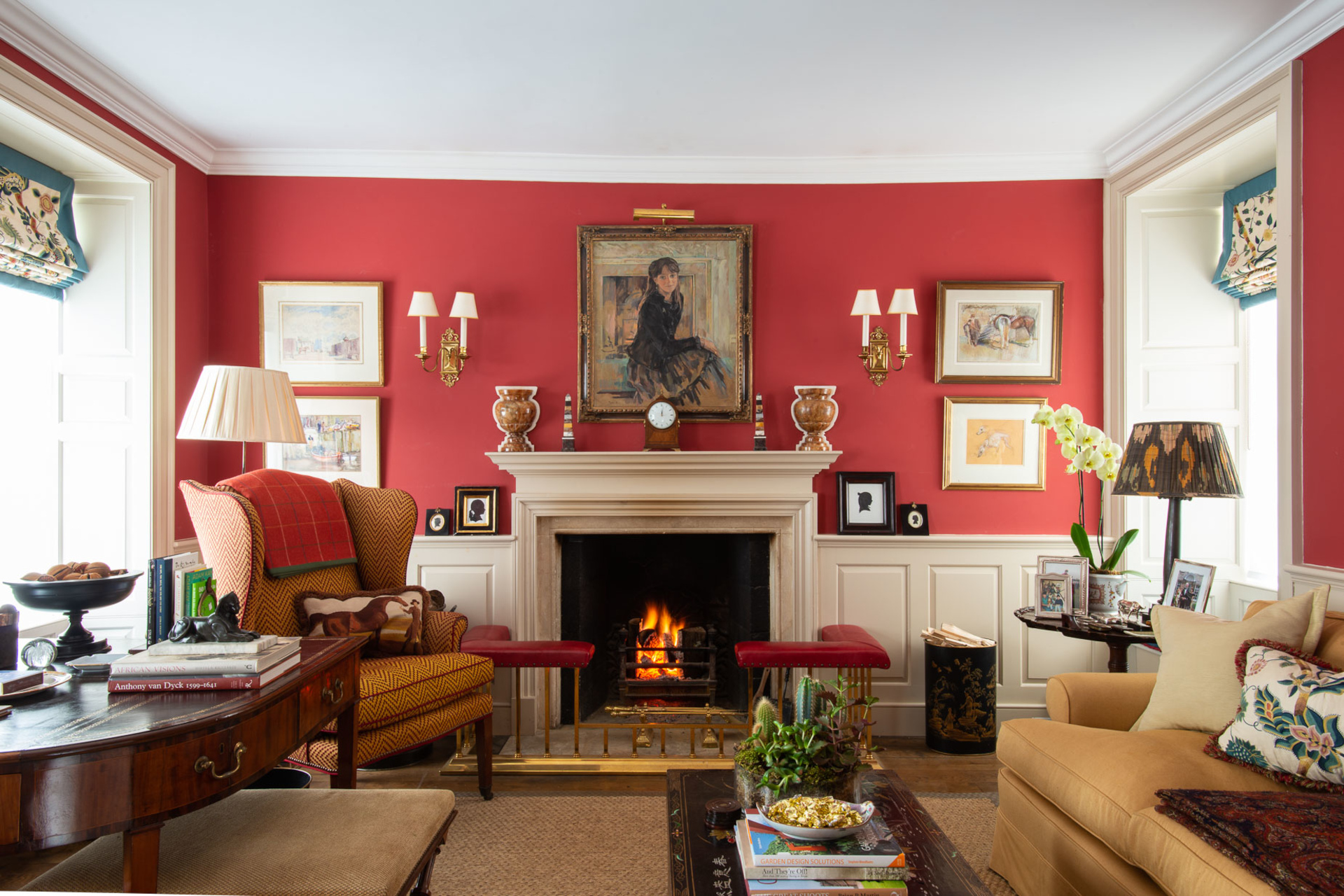
Joanna Wood (photo by Mark Nicholson)
Look For Subtle Connections
And while nothing has to match, it’s still good to have some level of cohesion – especially with the surrounding space. ‘Let elements of the artwork – colours, textures, or themes – echo other details in the room, whether it’s a fabric, rug, or architectural feature,’ suggests Henriette. ‘This makes the room feel thoughtful and cohesive.’
Always Check The Height
Speaking of the space, you’ll want to make sure your artworks sit at a good height on the wall. ‘The centre of the artwork should generally sit at eye level, not near the ceiling,’ says Hattie. ‘Although when hanging, consider your height – if you’re over six foot, for example, you may find it best to hang artworks lower than your eye height; if you’re closer to five foot, then you might want to look slightly higher (but not too much). If in doubt, slightly lower always feels more considered.’
Good Lighting Is Crucial
Next, you’ll need to think about the lighting – after all, why hang anything at all if it’s too dark to see it? If the big light or nearby lamps aren’t enough to illuminate your collection, Hattie suggests investing in a discreet picture light or a directional downlight: ‘these can make such a difference to how art feels in the living room.’
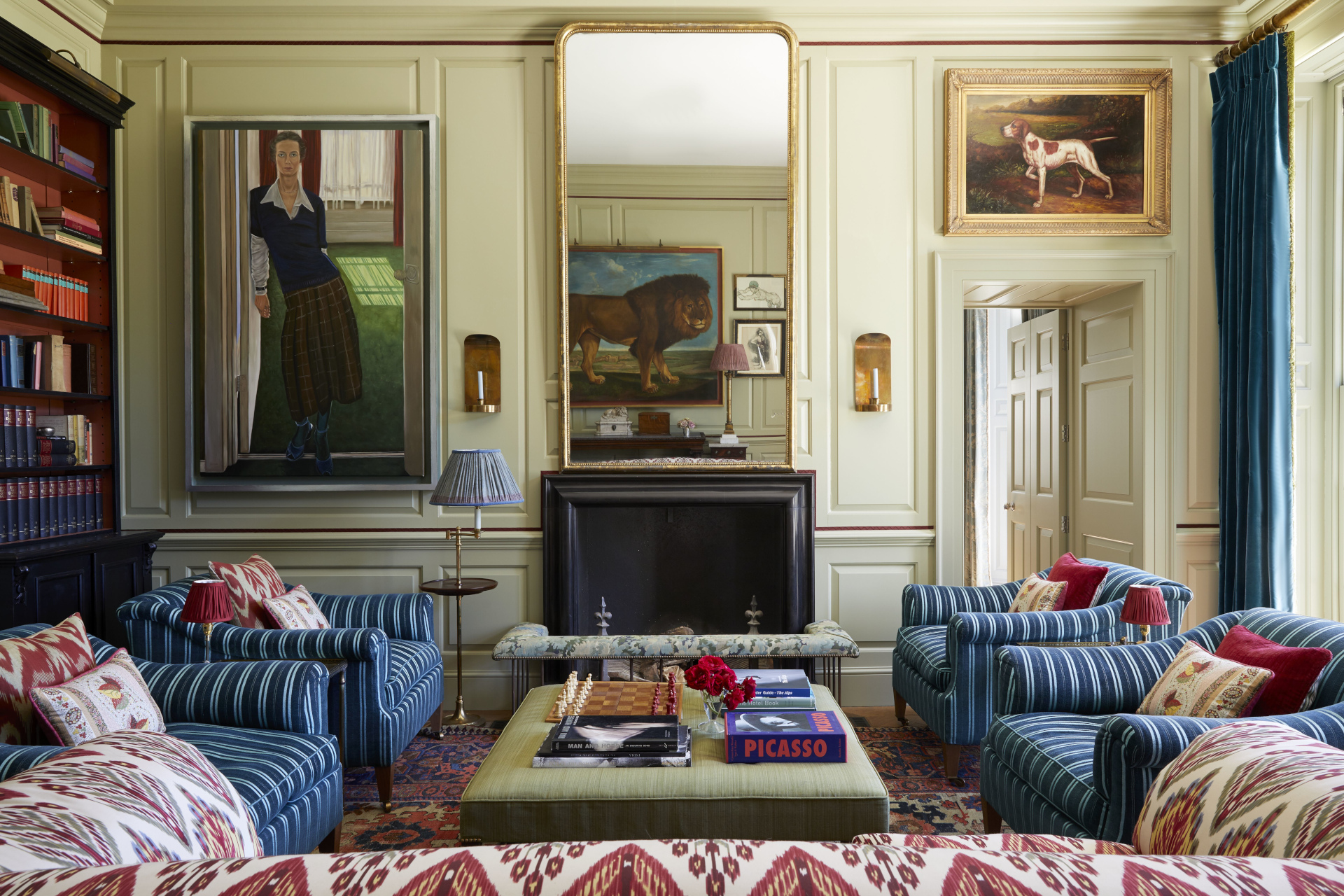
VSP Interiors
What To Avoid
Now you’ve got the basic dos covered, it’s time to factor in the don’ts – starting with the layout. While it’s tempting to create an orderly display, Hattie says the one thing you should avoid is ‘hanging everything in a perfect grid, unless the room is very architectural or modern and perfectly balanced.’ She adds that this look can very quickly look too ‘corporate’ if you’re not careful.
At the end of the day, it’s best to just let creativity steer your decisions. ‘People are almost always too cautious with art,’ Henriette confirms. ‘The key is confidence and a sense of play – often one unexpected piece transforms the whole space.’