





Is Somatic Movement The Ultimate Antidote To Over-Optimised Wellness?
By
2 hours ago
The trending workout, explained
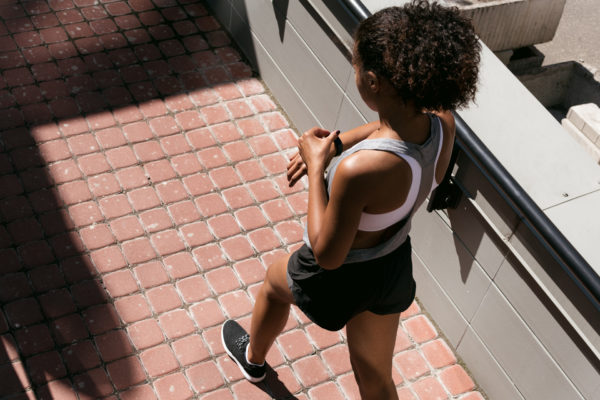
In today’s wellness culture, it’s easy to get overly obsessed with stats. (Did a run even happen if you didn’t track it on Strava?) Yet, ironically, this often leads to a disconnect between body and mind – all the focus on tracking and numbers can make us forget to observe how exercise actually makes our bodies feel. Perhaps this is why somatic movement is gaining traction right now: the mindful method is all about moving with full-body awareness, focusing on internal sensations rather than external appearance or performance goals.
The trend has been growing in the US for a few years now, with the WSJ reporting that somatic workout classes have exploded in popularity lately. But it’s quietly gaining momentum on this side of the pond too as more and more of us look to establish a holistic, conscious approach to fitness.
What Is Somatic Movement?
‘Somatic movement refers to a series of bodily practices that give attention and value to our internal experience and our sensations while we move, rather than our external appearance or a measurable result,’ explains movement specialist and recovery coach Vanessa Michielon. The word ‘soma’ means ‘the body’ in Latin, and Michielon notes that ‘somatic’ refers to the body as experienced from within. In practice, she says, this means paying attention to ‘sensations, breath, effort, pressure, balance and internal responses as we move, and developing a more refined awareness of what is happening in our body.’
Common practices include movements like the Alexander Technique, designed to prevent harmful postural habits, and the Feldenkrais Method, which uses gentle movement to teach the body to move naturally and comfortably.
Although there’s a lot of buzz around it at the moment, somatic movement has been around for years. In the late 1970s, the late philosophy professor Thomas Hanna coined the term as a way of describing movement techniques that increase proprioceptive awareness (your body’s ability to sense its own position and movements). ‘The human body is not an instrument to be used, but a realm of one’s being to be experienced, explored, enriched and, thereby, educated,’ he wrote in his 1988 book Somatics: Reawakening the Mind’s Control of Movement, Flexibility and Health.
More recently, the method took off in New York following the launch of Taryn Toomey’s cult studio The Class in 2011. Described as a ‘music-driven somatic exercise method’, it combines movement, breathwork, music and mindfulness to create an immersive experience, and has attracted a string of celebrities over the years, from Jennifer Aniston to Gwyneth Paltrow and Emma Stone.
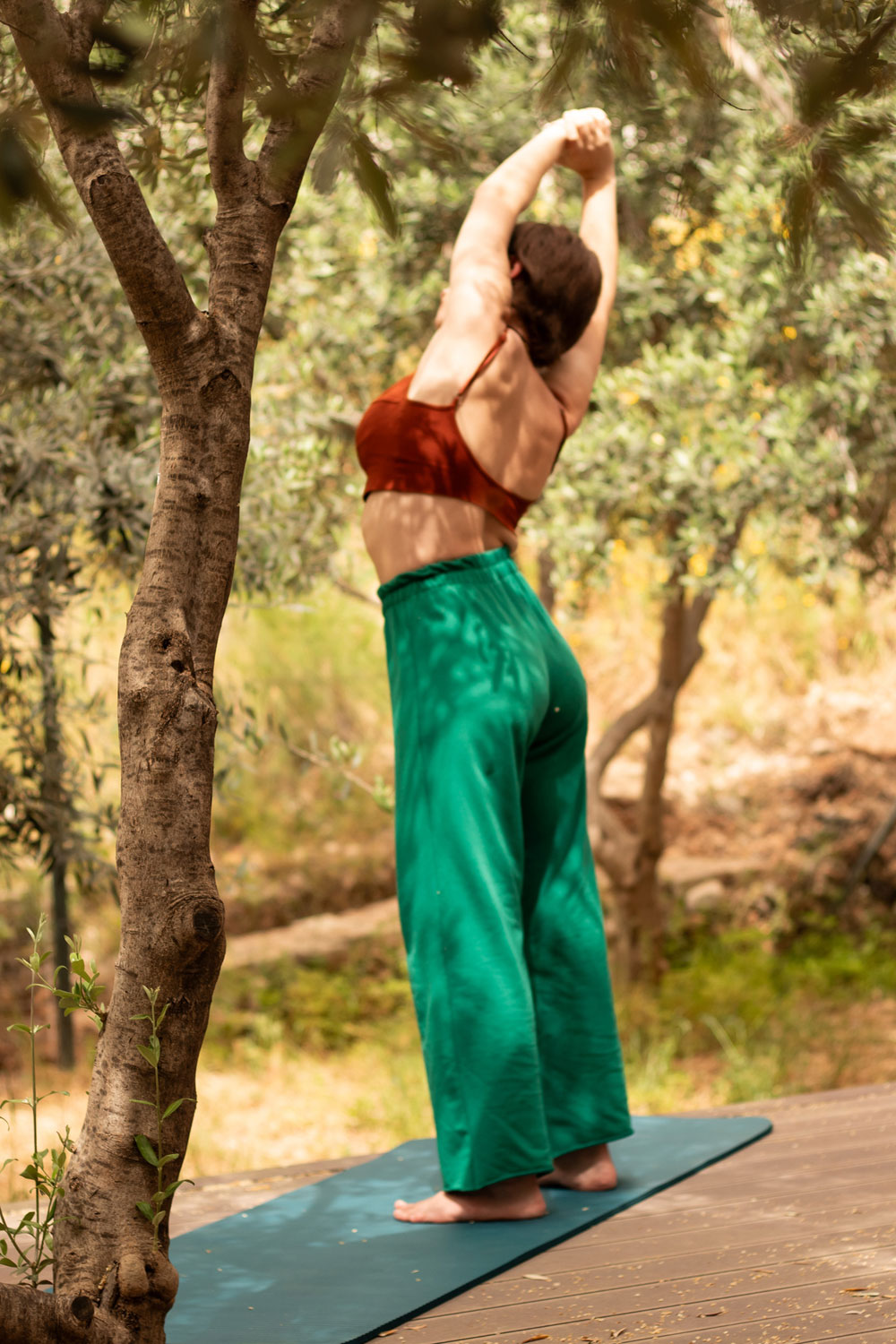
Somatic-inspired movement has long been used in practices like yoga, tai chi and qi gong too, but we’re increasingly seeing specific classes and workshops dedicated to it pop up across London. These vary, but you can expect exercises such as body scans, breathwork, spinal twists, clenches and releases, body tapping, back extensions and leg rotations.
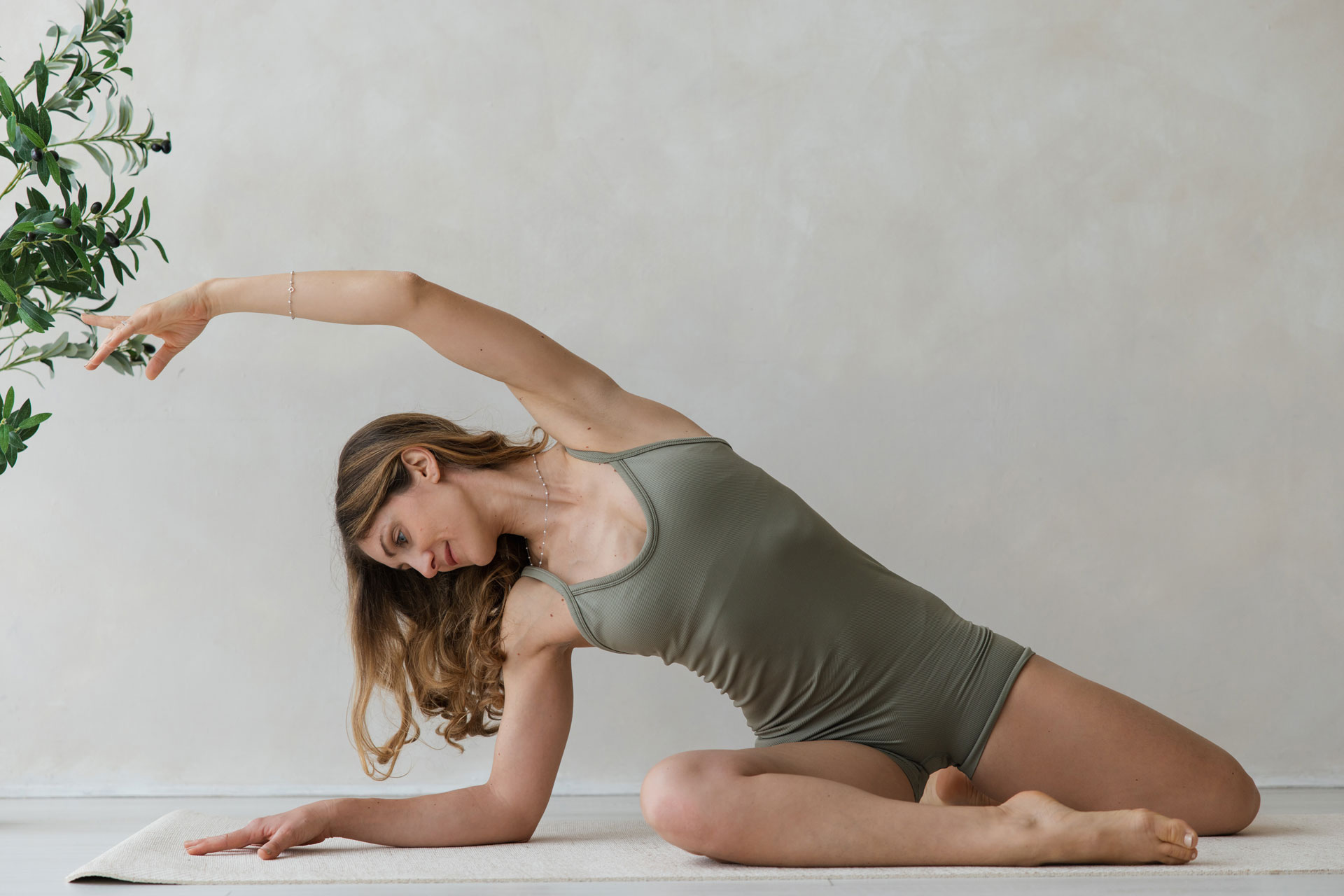
Vanessa Michielon (c) Yogaandphoto by Cecille
What Are The Health Benefits?
The science on somatic movement is fairly limited, but a few studies have found significant physical effects. A study published in The BMJ in 2008, for example, found it could help reduce chronic pain: participants with chronic pain who regularly practised the Alexander technique for a year reported an 86 percent reduction in the days they experienced pain. And in 2025, scientists found somatic movement can boost spine mobility among older adults. Movement coaches also say it can help with posture, mobility and circulation.
For Michielon, most of the benefits surround the mind-body connection: ‘Body awareness, movement efficiency and cultivating a sense of safety from within.’ She explains that ‘When we pay attention to our internal sensations, we can become better at noticing things such as unnecessary muscular tension, breath-holding, habitual patterns of movement or the difference between necessary effort and excessive effort. Over time, this can help us develop a richer movement vocabulary and find ways of moving that feel more comfortable and efficient.’
This type of movement can be particularly impactful for those who feel disconnected from their bodies, she adds, or people who are used to constantly pushing themselves with high-intensity workouts. ‘There is no emphasis on looking a certain way, so there is less pressure to perform or achieve compared to traditional fitness environments.’
Like all types of mindful movement, somatics workouts can also help support the nervous system – one of this year’s buzziest wellness trends. Michielon explains that the slower movement and deep breathing can ‘support a shift towards a calmer, less activated state’, and over time help us respond better to stress.
And ultimately, at a time when fitness culture seems more performance-driven than ever, somatic exercises can provide a welcome antidote. There’s something refreshing about movement that isn’t focused around heart rate, calories or HRV, but simply about awareness – giving your body what it needs on any particular day. It’s about being intuitive and slowing down, rather than pushing yourself through punishing workouts when you feel like stretching and resting.
How Can We Incorporate It Into Our Fitness Regimes?
If you’re new to somatic movement, start by trying a dedicated class or workshop. Creative hub and arts centre Jacksons Lane in Haringey offers classes on Fridays, described as ‘a space to slide and glide, roll, find grounding, play with balance, and discover new possibilities for movement.’ Wellness studio We The Conscious in Hackney, meanwhile, focuses on a breath-driven somatic practice.
You can also bring elements of somatics into your strength training sessions, says Michielon. ‘Begin a strength workout with a few minutes of slower, exploratory movement to notice how your body feels that day, or finish a more demanding session with some gentle movement on the floor and stillness to give yourself an opportunity to integrate the work, recover and notice the effects of the workout on your body and mind.’
She also suggests bringing a somatic approach into exercises you already do – rather than focusing exclusively on the number of repetitions, turn your attention to the experience of the movement. Ask yourself questions like: where am I using unnecessary effort? Am I holding my breath? Can I achieve the same movement with less tension? What changes if I slow down or change the way I initiate it?
Michielon also practices a somatic approach to Pilates, which you can try for free online here.