




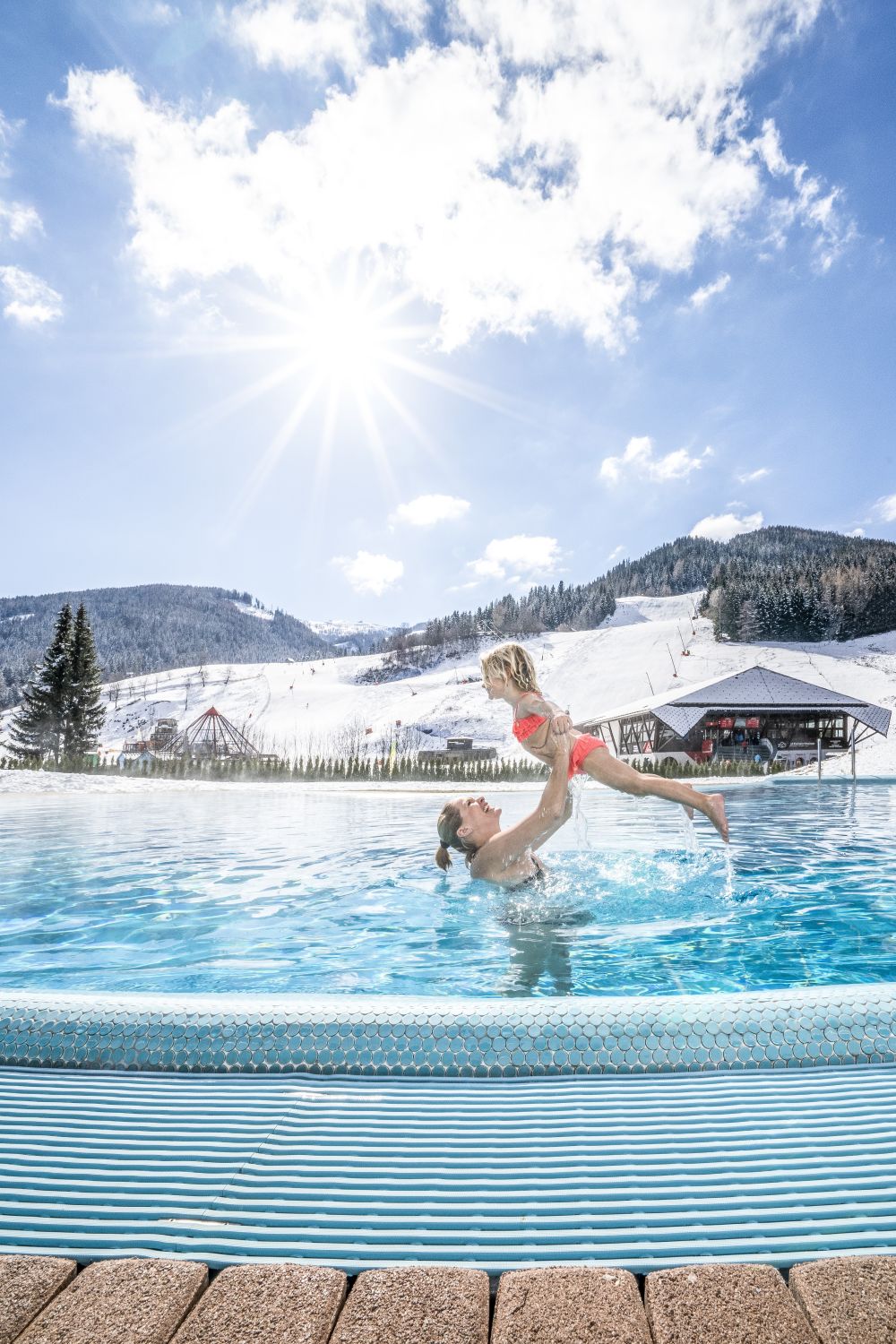
How Alpine Austria Marries Skiing Excellence With A Nourishing Retreat
By
6 seconds ago
Discover four Austrian regions where exhilarating skiing meets restorative Alpine living
Skiing holidays have a funny way of making life take on a new rhythm, one dictated almost entirely by the body. You wake with the light, push your muscles to tackle the slopes, refuel with something hearty, then give yourself over to the warmth of a sauna, a bath or a long meal.
It might sound physically demanding on paper, but there is something deeply restorative about having your attention narrowed to the essentials. The cold air on your face as you descend; the changing texture of snow beneath your skis; the way the light shifts across the mountains throughout the day; the first sip of something warm when you come inside. With so much to notice, the mind has little room for the usual noise. You return to the hotel pleasantly exhausted, cheeks flushed, appetite sharpened and, somehow, more awake than when you left home.
It is a feeling Austria has a word for: Lebensgefühl. Loosely translated as a zest or feeling for life, it describes something less tangible than a single experience: the cumulative pleasure of eating well, moving your body, being outdoors and noticing where you are. We’ve teamed up with Austria Tourism to explore four regions where that feeling takes on different forms, from glacial skiing and lakeside bathing to thermal waters, mountain yoga, moonlit snowshoe walks and some of the Alps’ most celebrated pistes.
Discover more inspiration and plan your escape at austria.info
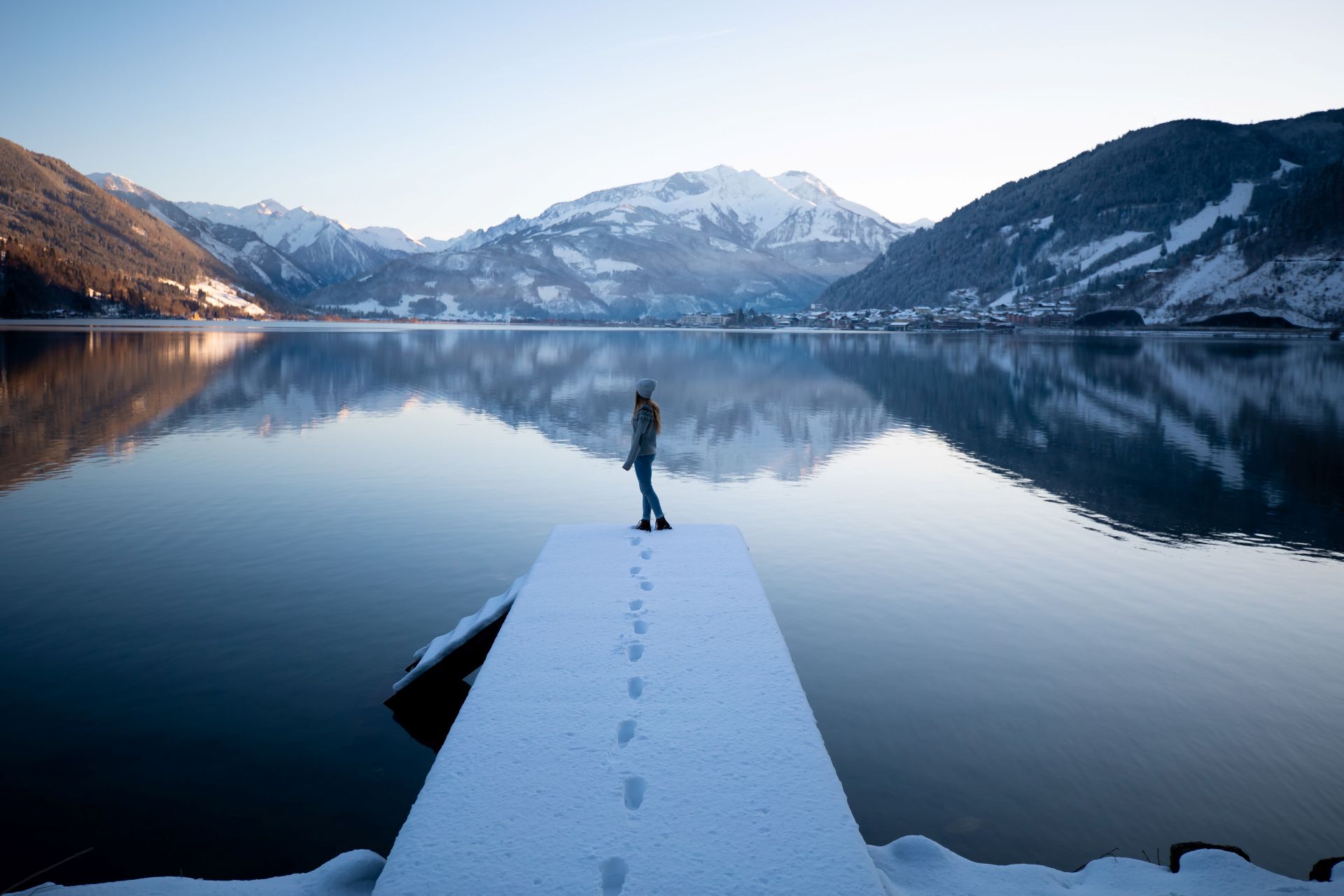
Lake Zell in winter (© Zell am See-Kaprun Tourismus)
Zell am See-Kaprun
Best for: Panoramic views
In Zell am See-Kaprun, the geography lends itself to a holiday of contrasts. Above it all sits the 3,203-metre Kitzsteinhorn glacier, where high-altitude skiing across 400km of slopes stretches from autumn into spring; below, Lake Zell brings a different kind of stillness, its surface reflecting the peaks around it.
It’s particularly easy to build recovery into the rhythm of a ski day here. At TAUERN SPA, 12 pools, saunas and relaxation areas provide somewhere picturesque to thaw out after time on the slopes. There are also salt, vitamin and beauty infusions in the sauna, while the outdoor water keeps the mountains firmly in view.
Wellness here doesn’t need to mean spending an afternoon indoors, either. Winter yoga, snowshoeing and ice bathing offer different ways to reconnect with the landscape. The latter is an exercise in presence: cold enough to command your complete attention, it leaves little mental space for anything else.
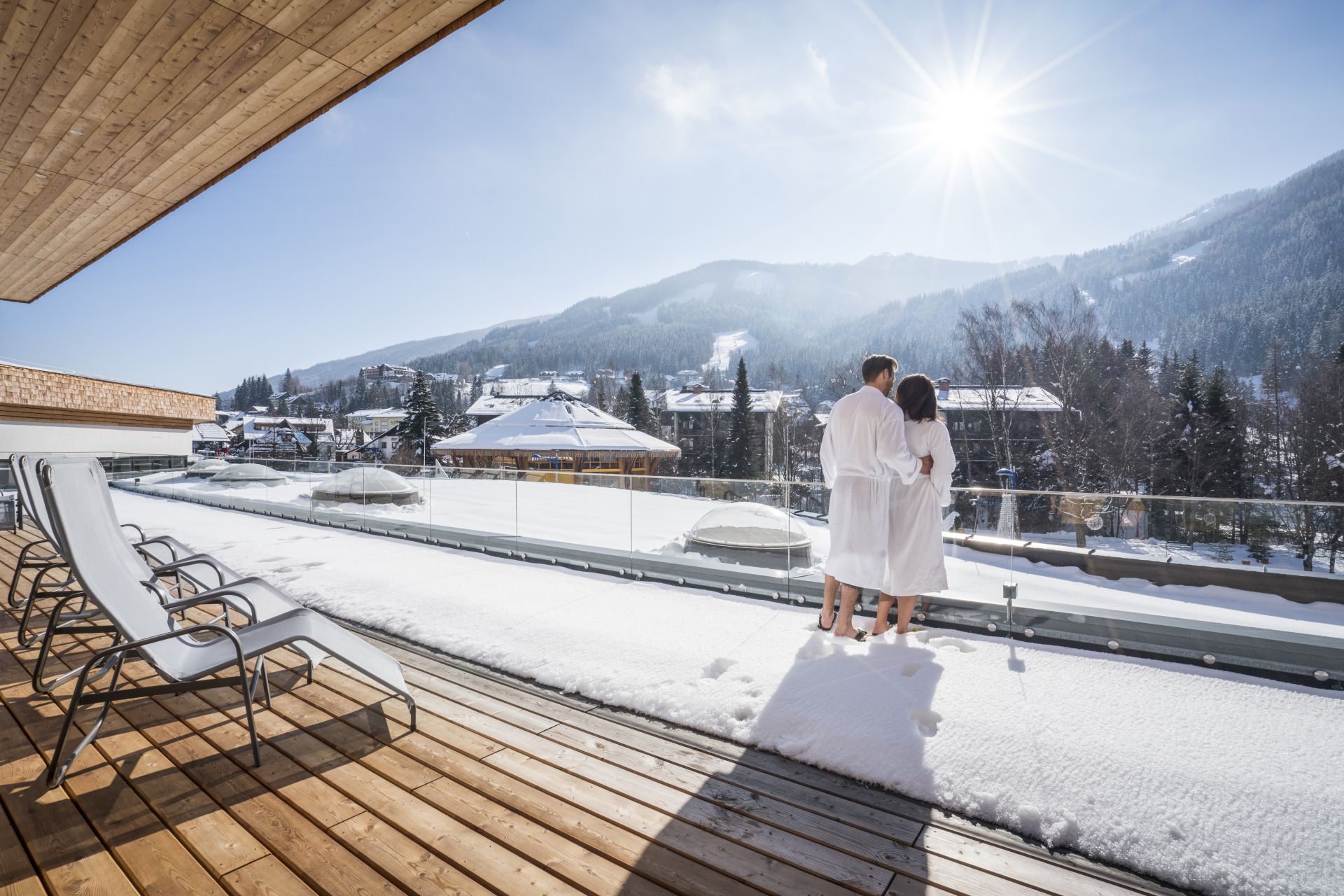
Thermal spa St. Kathrein, Bad Kleinkirchheim. (© Kaernten Werbung/Gert Perauer)
Carinthia
Best for: Sunshine, thermal waters and a slower rhythm
In southern Austria, winter has a slightly different character. Carinthia sits on the sunny side of the Alps, where mountains meet more than 1,200 lakes. Ski mornings can give way to afternoons spent in steaming thermal water, while lakeside bathhouses offer another way to experience the landscape in winter.
There are more than 30 ski areas across Carinthia and neighbouring East Tirol covered by the Kärntner Skipass, with more than 800km of pistes between them. But this is a region that rewards taking your skis off, too. Snowshoe through the Nockberge mountains, skate across a frozen lake, or settle on a sunny terrace and let the winter light do some of the work while you enjoy the sunset.
Then there are the thermal baths. In Bad Kleinkirchheim, the Thermal Römerbad sits directly beside the ski slopes, with three levels moving from active to deeply relaxing, 13 saunas, massage facilities, and outdoor pools filled with thermal water. At the Therme St Kathrein, meanwhile, a Roman tepidarium warms the body on heated stone loungers at around 40°C, alongside steam and Finnish saunas, a grotto and outdoor sauna. For something more invigorating, guided ice-bathing sessions at Lake Faak combine cold water immersion with breathwork.
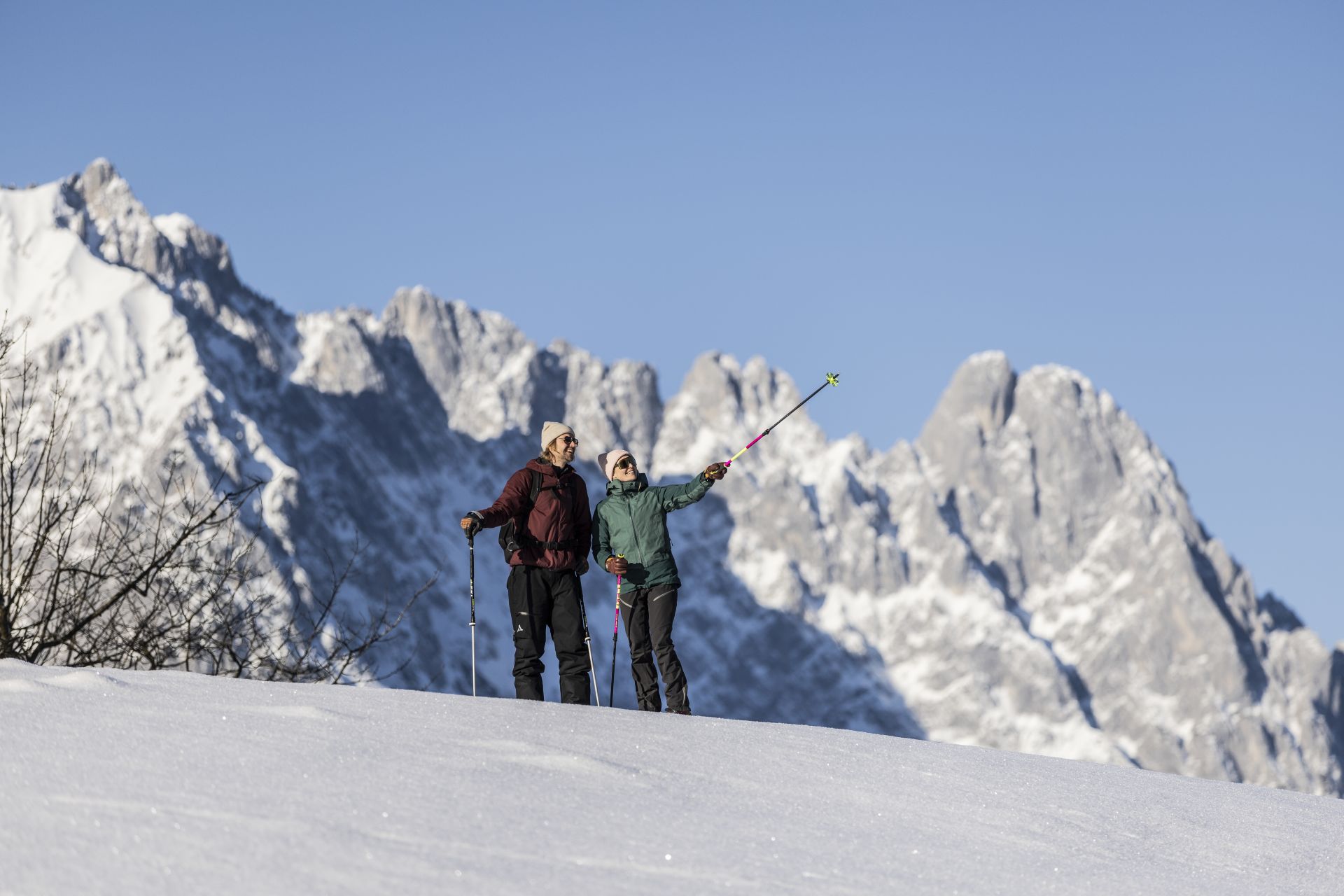
Snow shoe hiking in St. Johann in Tirol (© Mirja Geh)
St. Johann in Tirol
Best for: Sensory winter adventures
St. Johann in Tirol is the sort of place where the smallest details can become the memories you take home: the crunch of snow beneath boots on a winter walk, the hush of a forest after dark, the smell of woodsmoke drifting from a mountain hut. Known as a Glücksregion, or happiness region, St. Johann in Tirol even has its own expression for happiness: Mein Yapadu.
There are 40km of pistes here, alongside more than 170km of cross-country trails and a network of winter walking and snowshoeing routes. But the restorative part of the day often begins when the skiing stops. More than 20 huts and mountain restaurants offer places to linger over traditional Tirol fare, including the Angerer Alm, where the mountain setting is matched by one of the highest wine cellars in the Kitzbühel Alps.
This is wellness in its most convivial form. Rather than retreating from the world, you are encouraged to experience it through all five senses: the cold on your cheeks, the sound of skis cutting through snow, the warmth of a wooden hut, and the taste of Kaiserschmarrn after a morning outside.
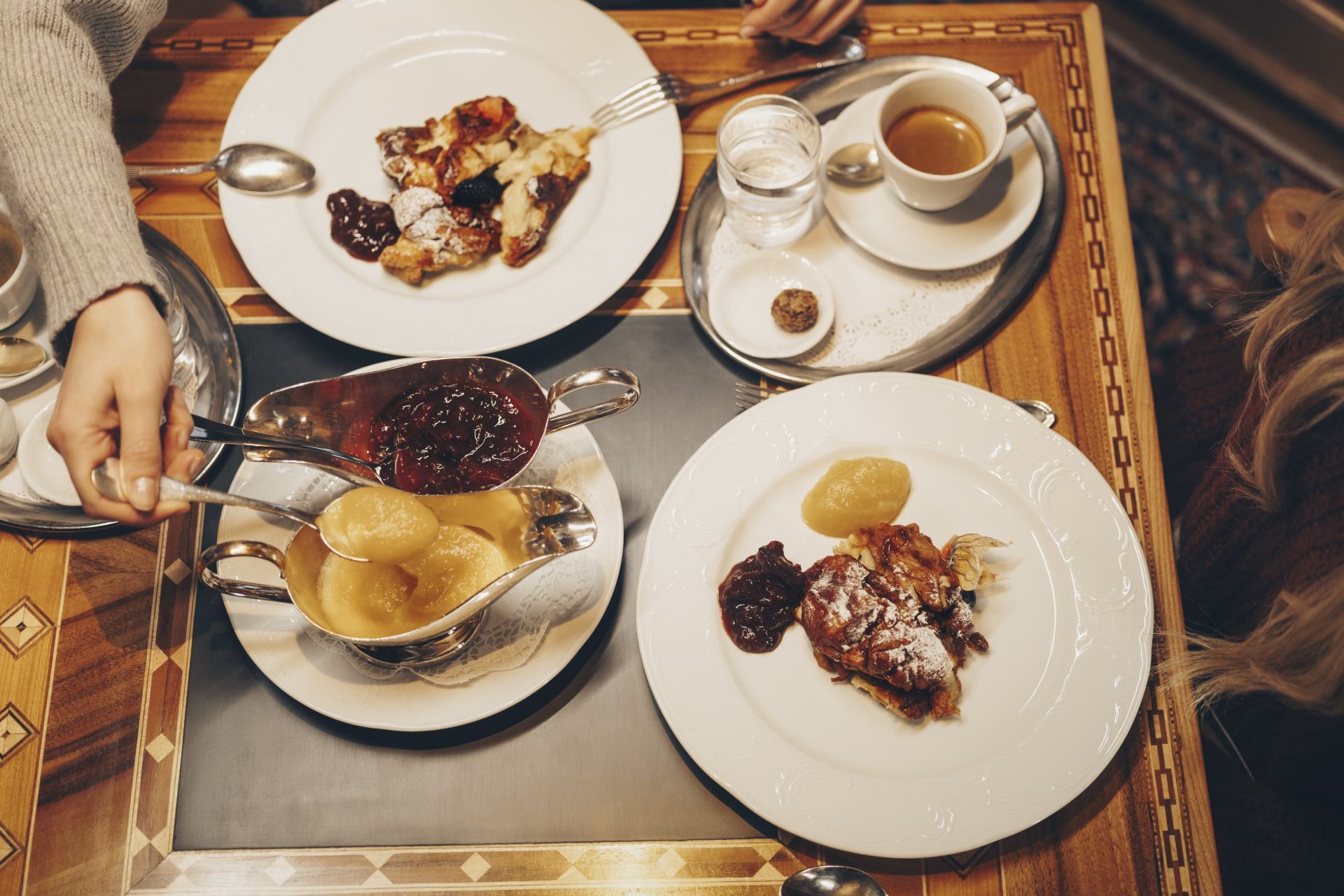
Culinary delights in Lech Zürs am Arlberg (© Lech Zürs Tourismus GmbH/Ian Ehm)
Lech Zürs
Best for: Alpine refinement and restorative space
At 1,450 metres, Lech Zürs occupies a particularly privileged position in the Arlberg, with access to 300km of pistes, more than 200km of powder runs and 85 lifts and cable cars. This is serious skiing country, but the experience extends well beyond the mountain.
Start with the first lifts and spend the morning moving through the vast Ski Arlberg terrain, then swap skis for snowshoes or winter boots and explore the quieter side of the landscape. Some 50km of winter hiking trails wind through the snow, while horse-drawn sleigh rides offer an altogether slower way of seeing the mountains. There is even night-time tobogganing for those who aren’t ready for the day to end.
Then comes the other side of the experience: the return indoors. Lech Zürs has more than 40 four- and five-star hotels and a concentration of award-winning restaurants, alongside traditional Alpine inns. At Rote Wand, a family-run hotel in Lech, the wellness offering includes saunas, steam baths and pools, while its restaurants span everything from a two-Michelin-star Chef’s Table to more traditional Alpine cooking.
Discover more inspiration and plan your escape at austria.info


