


Walk Where The Wild Things Are: Britain’s Most Biodiverse Routes
By
1 hour ago
Get outdoors
The childlike wonder of spotting rare and wonderful wildlife on a walk never quite fades. From endangered birds to vibrant wildflowers, and even ancient sharks, Britain is home to a wide variety of fascinating species, which can be spotted on routes all around the country. New research by Celtic Trails, analysing over 1 million iNaturalist wildlife observations, has revealed the UK’s most biodiverse walking routes. The Cotswold Way (Cold Ashton to Bath) tops the list, while the study shows coastal and even urban paths like the Thames Path boast remarkable species variety. Here, we round up the most biodiverse walking routes across the UK where you can get your nature fix.
Unsplash. Credit: Elliot Voilmy
The Cotswold Way
The Cotswold Way is a winding path between Chipping Campden and Bath, and has now been crowned the UK’s most biodiverse trail by Celtric Trails. Along the 102 mile stretch walkers can spot a wide range of wildlife, from roe deer to buzzards and owls.
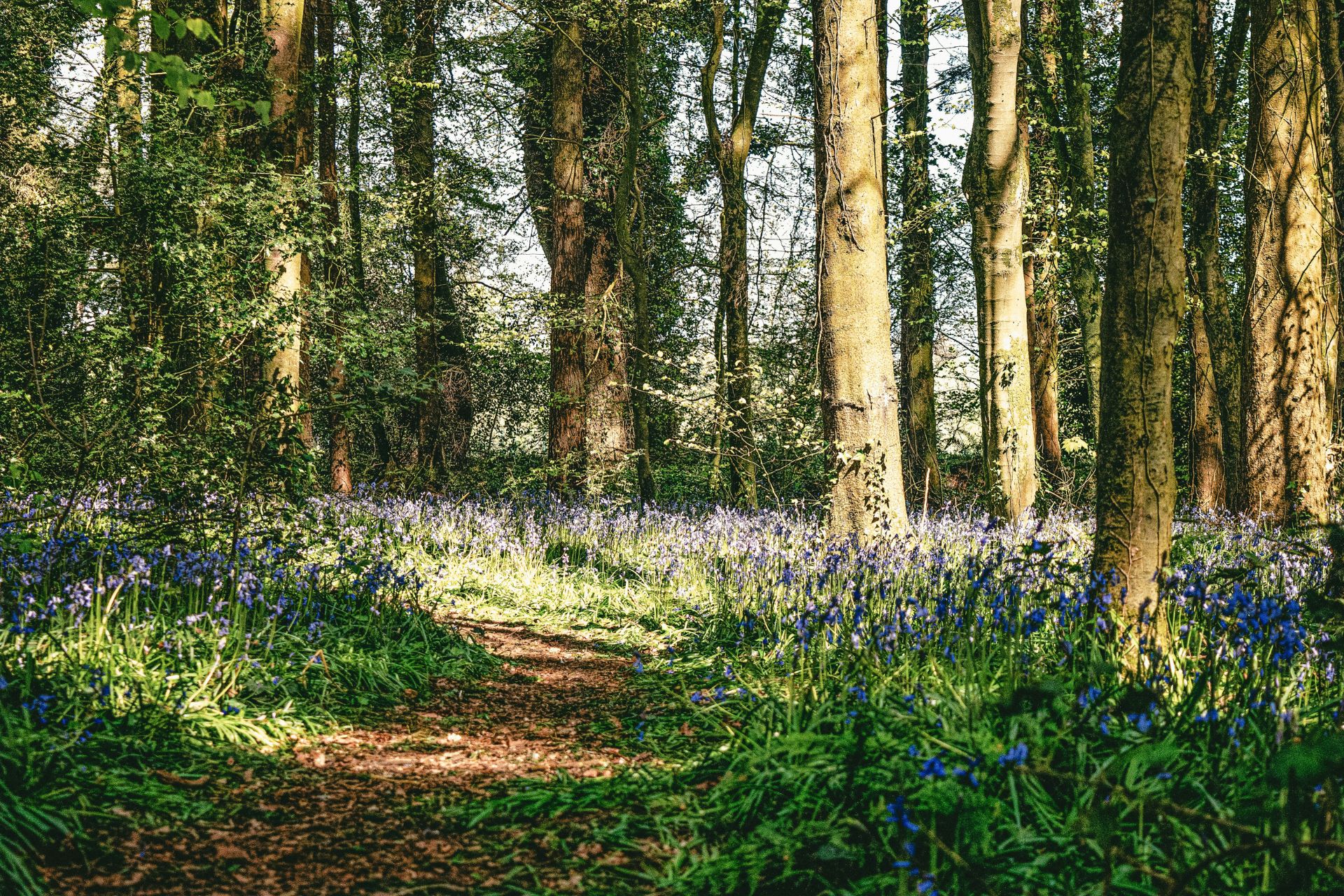
The flora along the path is particularly wonderful – in Spring, the woodland areas of the path are blanketed in bluebells. Though increasingly rare, the limestone grassland along the route encourages lesser-seen species like early purple orchids and maiden pink.
The Thames Path
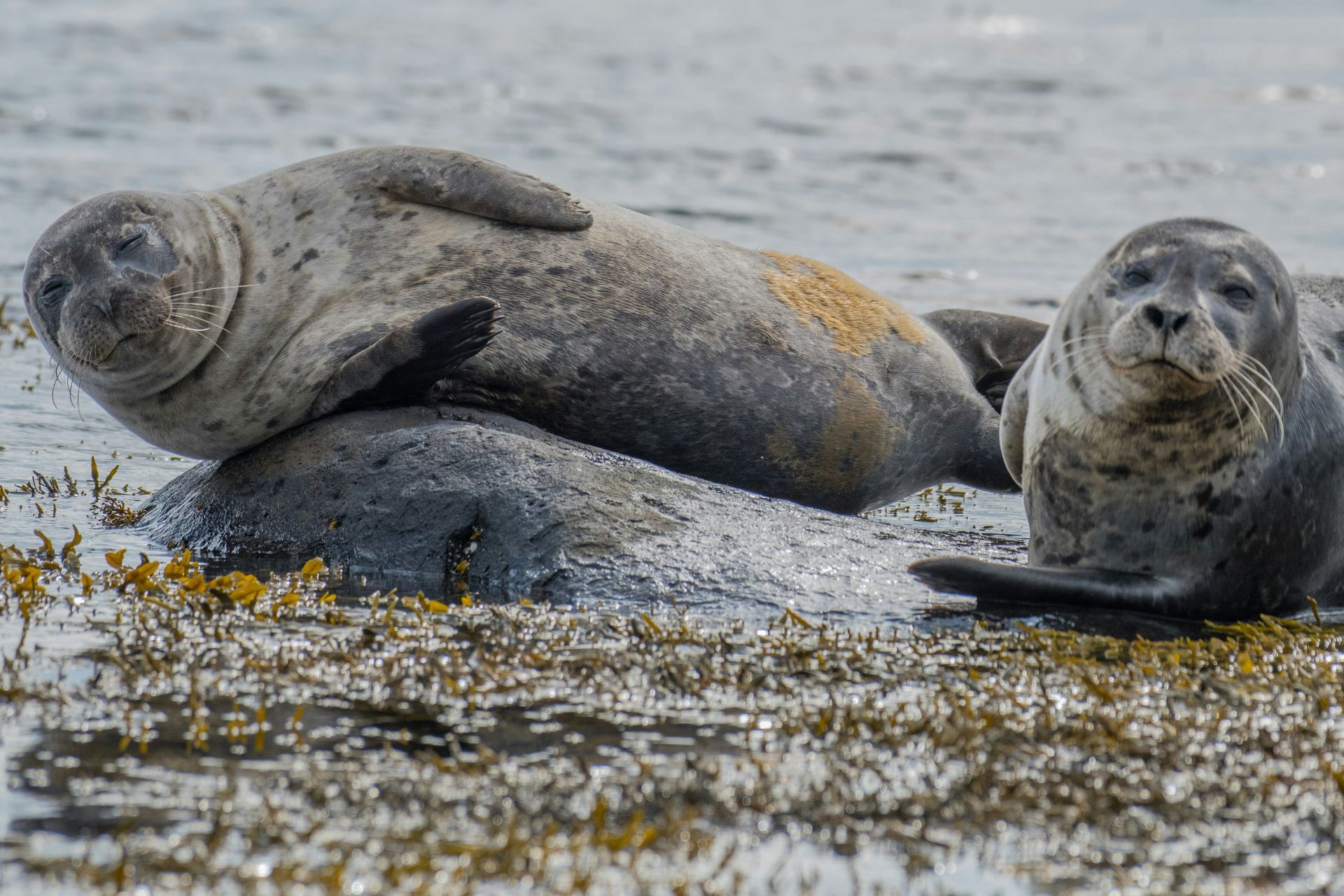
Perhaps London is more known for its vibrant nightlife than its wildlife, but it is actually home to over 1,000 unique species, including 125 different kinds of fish. Two different seal species take up residency in the Thames – harbour seals and grey seals – and though they mostly populate in the outer estuary, they have been known to swim as far west as Richmond.
Various mammals also live along the Thames Path, including badgers – the UK’s largest land predator. In west London, a small species of deer native to Asia called the Muntjac deer, can be found. Only as large as a spaniel, this deer was first introduced to the Britain when a tea inspector named John Russell Reeves imported the species over from China as part of an exotic deer collection. Some of the deer escaped and bred, now the population is estimated to be around 50,000 – although it is considered an invasive species.
Unsplash. Credit: Pascal Mauerhof
South West Coast Path
Meandering along the coast of Cornwall, Devon and Dorset this 630 mile path covers some of the most serene stretches of British coastline. In the shallow shoreline, a wide variety of marine life can be spotted. The UK is home to a third of the world’s population of grey seals, who can often be seen lying on the beaches, accompanied by their fluffy white pups.
Basking sharks are the gentle giant of the British seas, reaching up to 12 meters in length. They are the second largest fish in the ocean, second only to whale sharks, and are frequently seen along the coastline in Cornwall.
For budding ornithologists, many rare species can be seen whilst walking the South West Coast Path, including the red-billed Cough, Peregrine falcons and even puffins.
Anglesey Coastal Path
The Anglesey Coastal Path has been named the most biodiverse walking route in Wales. The landscape is varied, moving between farmland, saltmarsh, dunes and cliffs, alongside small pockets of woodland. Cardigan Bay, which can be found along the stretch, is home to Europe’s largest population of bottlenose dolphins, which can often be spotted from the cliff faces. The coastline is even home to the illusive and majestic leatherback turtle.
The skies are equally biodiverse. Kingfishers, often associated with tropical rainforests, can sometimes be found darting to the water to catch tiny fish. Thanks to the work of conservationists, north Wales is also home to more than 200 pairs of Red Kites, who were rescued from the brink of extinction.
St Mary’s Island Coastal Path
This route is 17km long, and takes around 4 to 5 hours to complete. The area is most known for its large population of grey seals, who can often be found luxuriating on the rocks by the lighthouse, built in 1898.
Rockpools can also be spotted, brimming with starfish, anemones, crabs and small fish – a delightful spot for children and adults alike. On extremely rare occasions, whales have even been spied, including minke and humpback whales.