


Discover Iceland: The Land Of Fire, Ice & Gender Equality
By
8 months ago
Iceland stunned the world on 24 October 1975 when 20,000 protesters downed tools and gathered for the biggest demonstration ever held in the country
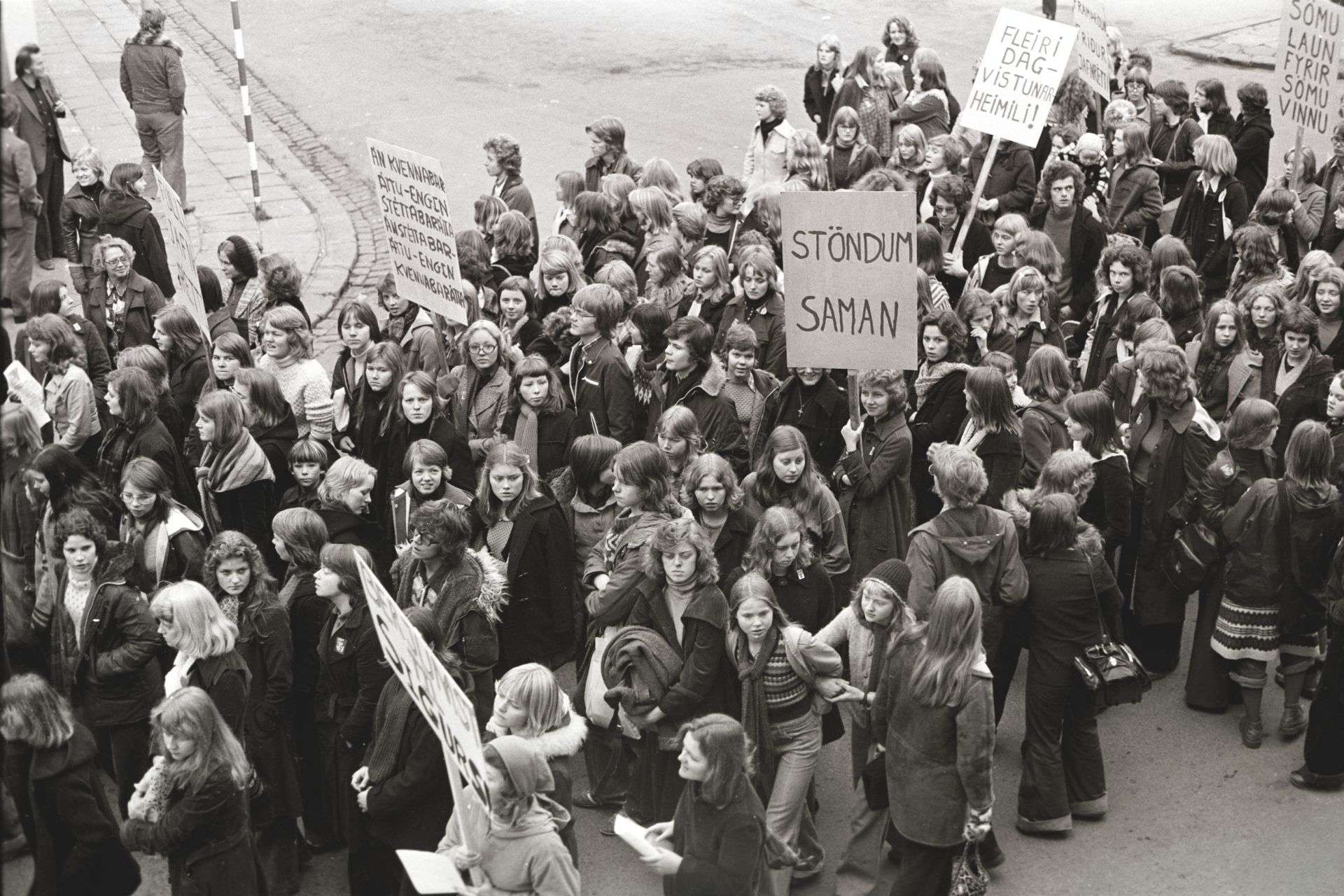
Half a century after the Women’s Day Off changed everything, Iceland remains the world’s most gender-equal country – a land of fierce weather, fiery landscapes and fearless women, says Sarah Marshall.
Gender Equality In Iceland
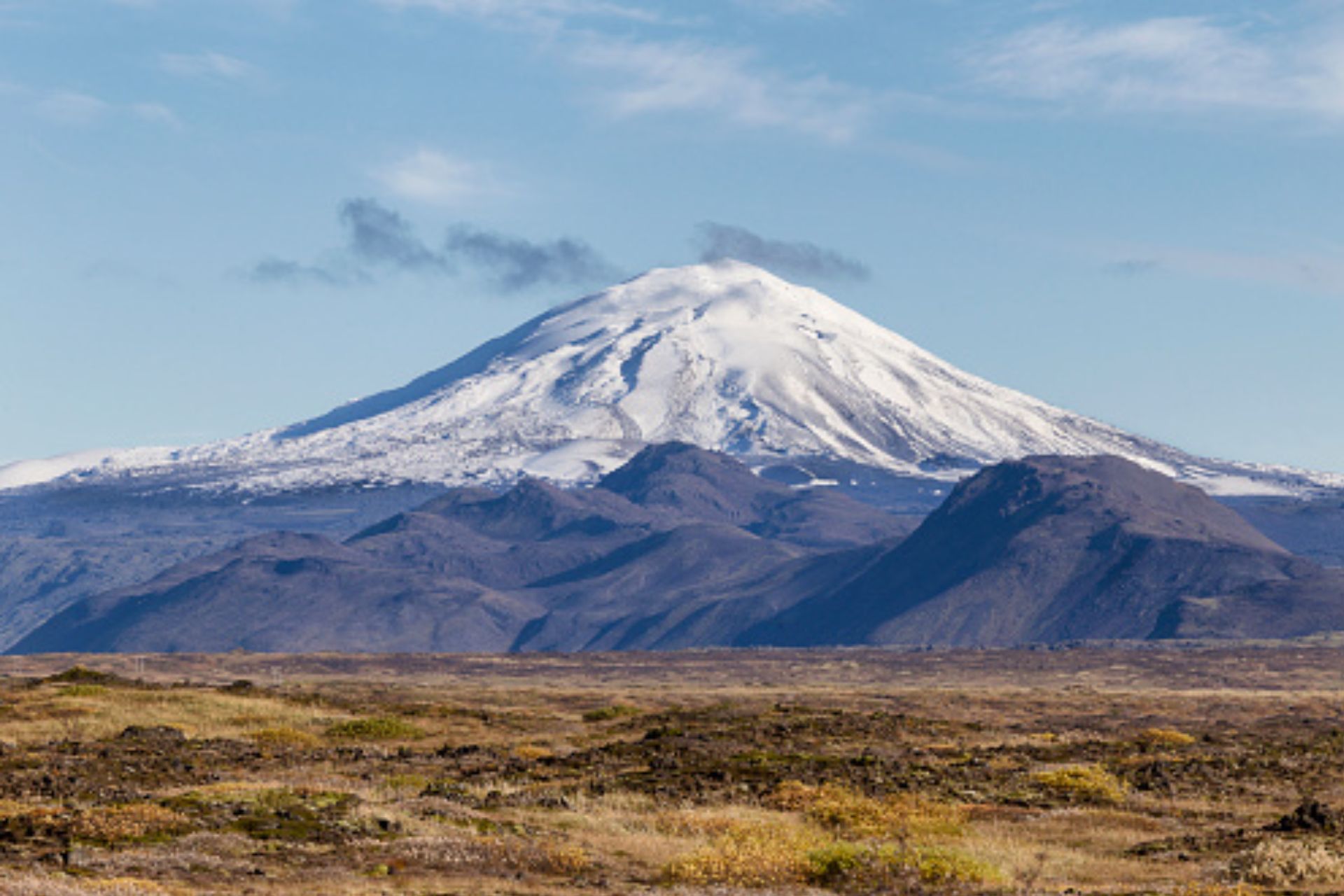
Crowned with a sparkling cascade of snow and ice, Hekla is justifiably nicknamed the ‘Queen of Icelandic Volcanoes’. Dominating South Iceland’s skyline, her frequent rumblings have shaped landscapes and imaginations for centuries. Gauging by reports from geophysicists at the University of Iceland, this portal to the underworld is due to erupt again soon.
It’s no coincidence many of Iceland’s major volcanoes have female names. In this tiny Nordic nation of fewer than 400,000 residents, mothers, daughters, sisters and wives command respect.
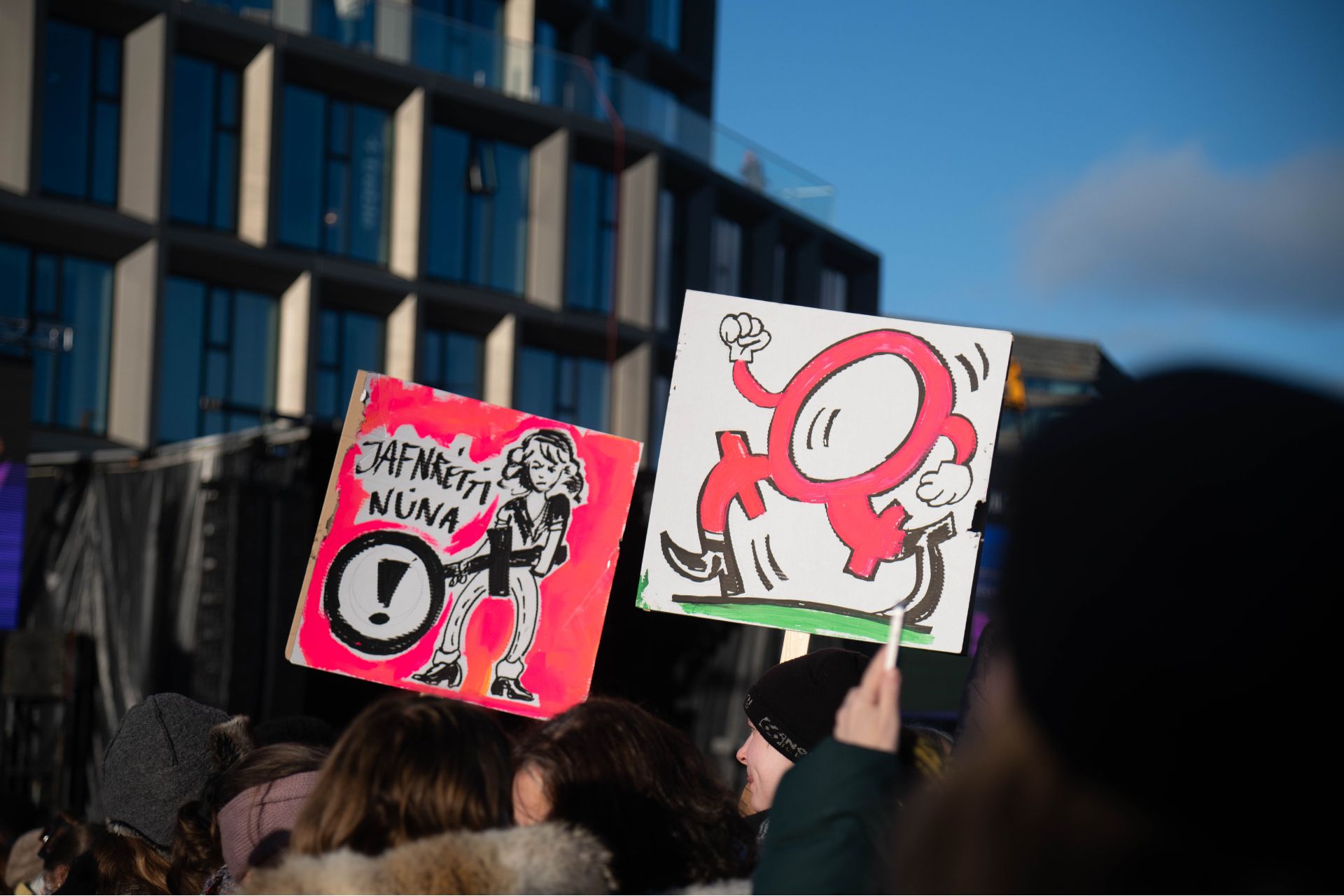
A surprising hub of fiery feminism, Iceland stunned the world on 24 October 1975 when 20,000 protesters downed tools and gathered for the biggest demonstration ever held in the country, forcing men to care for children at home and cook their own dinner.
The term ‘strike’ was substituted with ‘day off’, but the long-term impacts were no less radical. The movement prompted major policy changes including universal childcare, paid paternity leave and, eventually, a law mandating equal pay for companies with more than 25 employees. It also helped establish Iceland as one of the most gender-equal nations in the world, repeatedly ranked number one in the World Economic Forum’s Global Gender Gap Index.
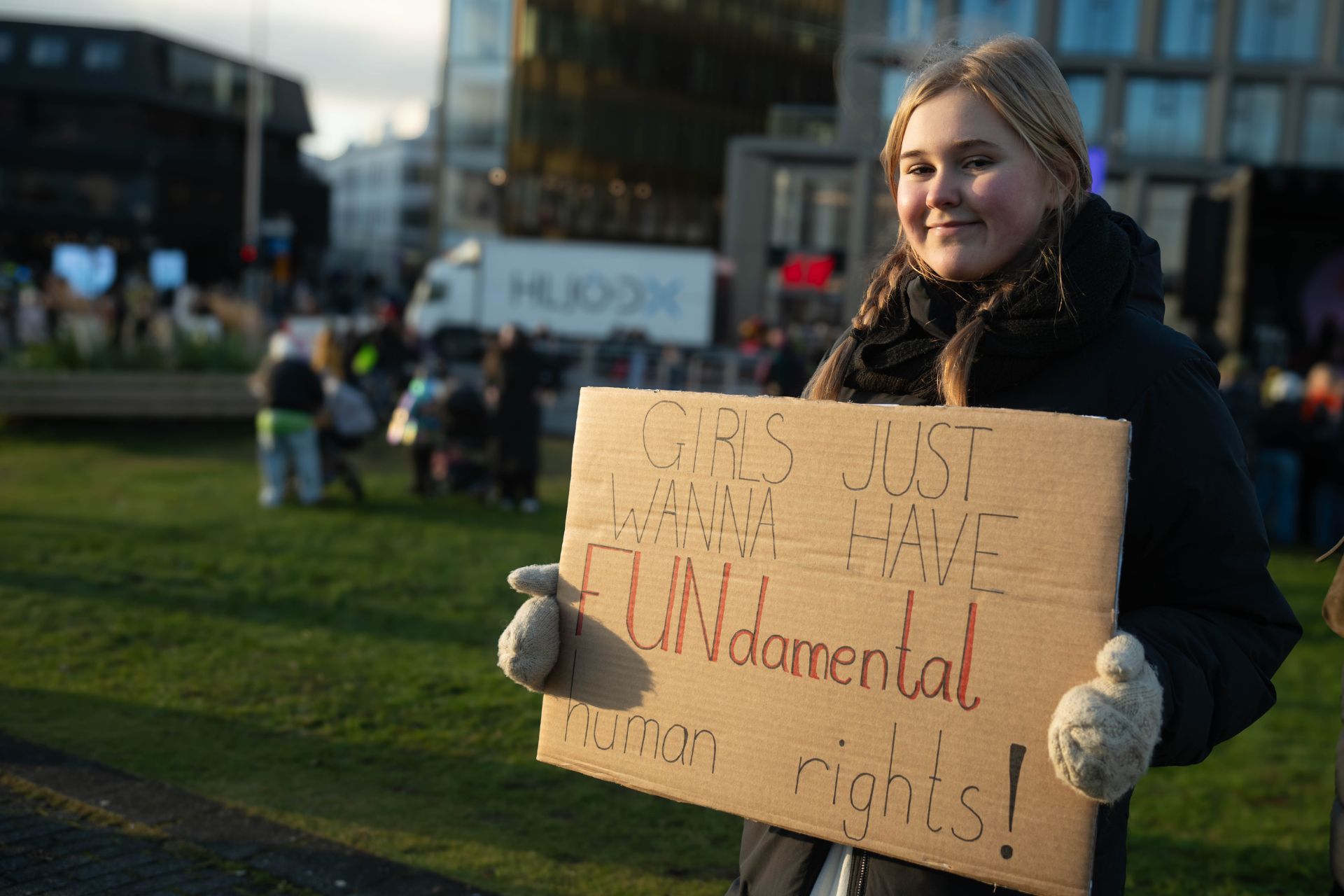
Fifty years later in downtown Reykjavik, I stood among a new generation of female and non-binary campaigners celebrating the admirable work of their foremothers while voicing demands for the future.
‘I’m here to raise awareness about injustice,’ proclaimed 14-year-old Lilja Karen, tossing her blonde plaits to one side. Wearing thick mittens, she clung to a handmade cardboard placard reading: ‘Girls Just Wanna Have FUNdamental Human Rights.’
Progressive attitudes have shaped a better Iceland – and a more welcoming destination. I’ve visited many times in the last 25 years, hunting for the aurora, clambering over glaciers and bathing in geothermal pools. Travelling solo, I’ve never felt intimidated or alone.
Volcanic eruptions aside, Iceland is widely regarded as one of the world’s safest countries, ranked number one on the Global Peace Index for 17 years in a row. Crime rates are low and there’s no need for an army.
To dig deeper into Iceland’s egalitarian roots, I visited a new exhibition at the National and University Library. Glass cabinets featured songbooks from Women’s Day Off instigators the Red Stockings, who made headlines by bringing a cow to a beauty pageant and crucifying the mannequin of a tired housewife to a Christmas tree. One wall was dedicated to largely forgotten female heroines, such as Oddný Guðmundsdóttir, a teacher and mountaineer who circumnavigated Iceland by bike and wrote a book about her travels.
‘We suffer from a real gender divide in our archives,’ admitted programme director Rakel Adolfsdóttir. ‘Only about two percent of diaries we have in the library were written by women.’ A common global problem, the disparity explains why historical accounts are so often skewed.
One woman with a well-documented story is Vigdís Finnbogadóttir, a former schoolteacher and single mother who made history in 1980 by becoming the world’s first democratically elected female president. She paved the way for women to secure powerful state positions including police commissioner, bishop and 46 percent of seats in Parliament.
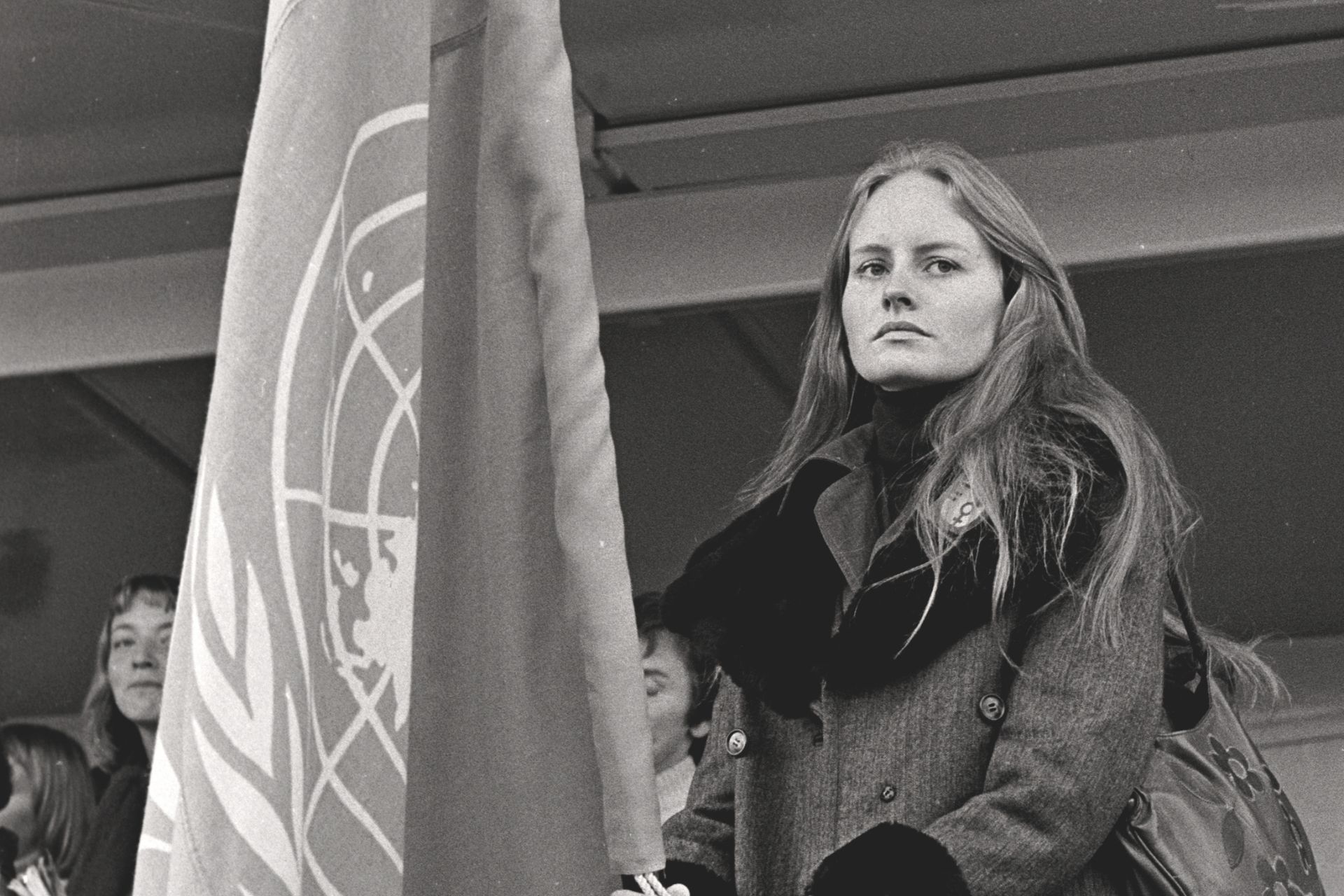
Speaker of the Parliament Þórunn Sveinbjarnardóttir represents a new guard of women in politics. But on a tour of the Parliament House, she warned that there’s still work to be done. ‘We are always only one election away from all of this falling apart and we have to be aware of that,’ she remarked, proudly showing a room where pictures of ‘old men’ had been replaced with paintings by handicapped artists.
Hinting Iceland is not immune to the ‘toxic’ immigration debate sweeping Europe, she continued: ‘Women have always stood with minority groups. They are all under attack.’
Tourism is another industry where women thrive – helming restaurant kitchens, guiding groups up mountains or, in the case of Rannveig Grétarsdóttir, organising whale-watching and aurora tours. Braving bitter winter winds later that evening, I boarded one of her company’s vessels in Reykjavik harbour – although choppy seas kept us tethered to the dock.
‘When my family started Elding in 2000, I knew nothing about the sea,’ confessed the no-nonsense entrepreneur, who took over the business six years later. ‘I couldn’t even tell the difference between a minke and a humpback.’
At that time, the seafaring industry was dominated by men. Captains would bypass Rannveig and ask to speak to a manager. Determined to cultivate a community of acceptance, she has introduced strict criteria for staffing. ‘We look for people who respect nature, value equality and believe kindness and strength can go hand in hand.’
In a tiny nation where weather dictates everything, camaraderie is a way of life – essential for survival. Governments are formed through coalitions and there are no stuffy airs and graces. Everyone is on familiar terms and even the president goes by her first name.
Blizzards, earthquakes and multiple eruptions – 12 in the last five years alone – have forced people to work together. In many ways, these hostile conditions created the perfect environment for an inclusive movement like the Women’s Day Off.
‘We are ruled by nature,’ agreed Rannveig as another gust rocked the boat. ‘If someone gets stuck, you have to help them.’ Through proactive effort, tolerance and acceptance, communities have developed resilience and a fatalistic approach to daily life.
‘We have a phrase for it,’ she smiled, uncorking a bottle of wine for the long dark night ahead. ‘Þetta reddast – it’ll all work out in the end.’
Check In: Reykjavik
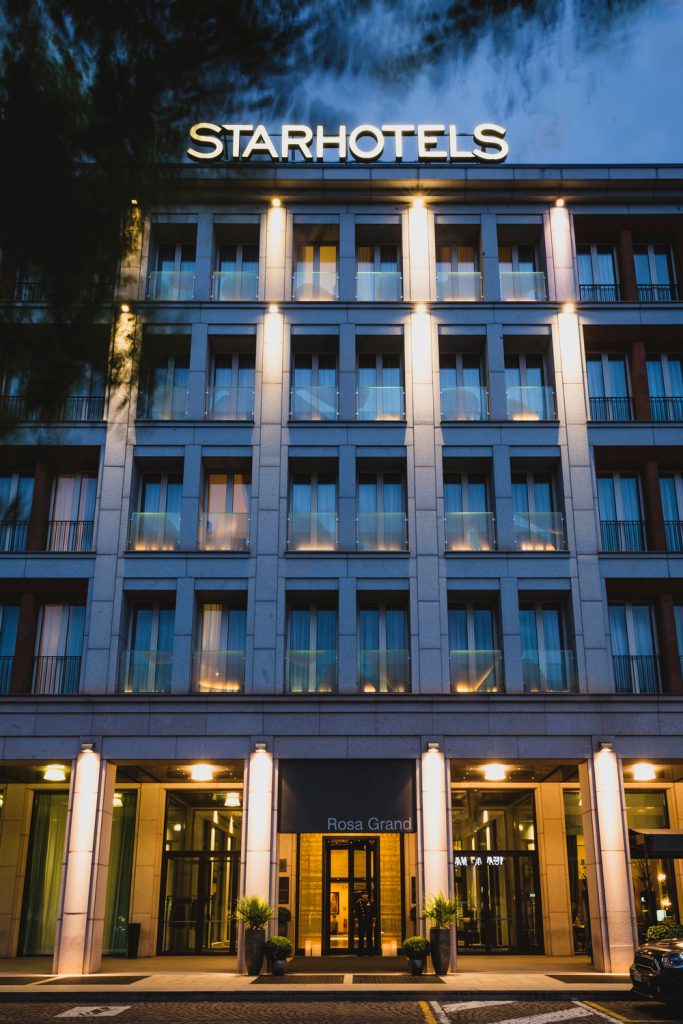
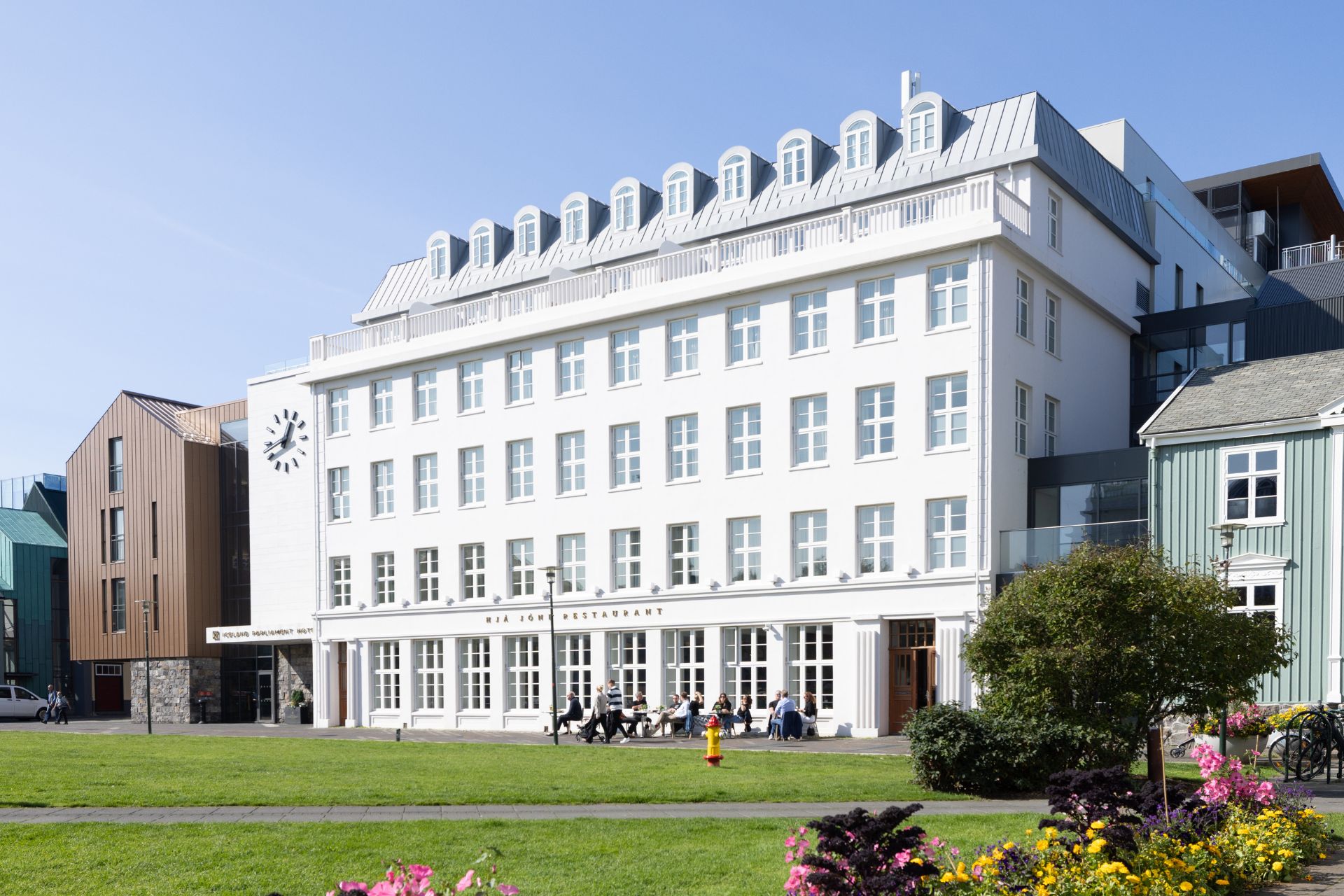
STAY: PARLIAMENT HOTEL
Keeping up appearances with its government neighbours, this central downtown hotel is slick, modern and efficient. But there’s enough personality in the cosy rooms to elevate it beyond a business hub. Doubles from £220 B&B, hilton.com
EAT: JÓMFRÚIN
Equality works all ways in Iceland. Jakob Jakobsson opened this restaurant specialising in Danish open-faced sandwiches after becoming the first man to be certified as a ‘smørrebrødsjomfru’ (smørrebrød maiden) in Copenhagen. Order Jakob’s Plaice – rye bread topped with fried fish, caviar and asparagus. jomfruin.is
SEE: PERLAN
A glass dome resting on geothermal tanks houses Iceland’s dynamic interactive nature museum. A new immersive Volcano Show plunges spectators into the belly of a magma chamber to experience an eruption from 2,000 metres down. perlan.is
SHOP: FISCHERSUND
Musician Jónsi Birgisson from Sigur Rós co-founded this perfume store with his siblings. Blends are inspired by memories and Icelandic moods using local oils and herbs. Poetic descriptions of tarred telephone poles and burnt driftwood are as heady as the scents. fischersund.com
Sarah’s return flights from London Gatwick to Keflavík had a carbon footprint of 585kg of CO2e (ecollectivecarbon.com).