This category recognises system-shapers transforming supply chains, inventors rethinking materials, climate thought-leaders, phenomenal female founders and visionaries working on behalf of communities who need their voices heard.

Give Your Best is a multi-award-winning social enterprise tackling two crises at once: clothing poverty, which affects more than 5.5 million people in the UK, and fashion waste. Its founder Sol Escobar began by gathering clothing for a small group of refugee women in lockdown, and the result is the UK’s first online clothing donation platform and first pay-it-forward stores, in London and Cambridge, where people in need choose exactly what they want to wear, for free. Its RePurpose programme redistributes surplus and deadstock from 52 brand partners, while Retail Ready supports people facing barriers to work. More than 5,500 people have been supported and 60,000-plus items kept in circulation at a 100 percent circulation rate.
What the judges said:
‘I love how they centre dignity in their model. Essential in undoing and rewriting the condescending, harmful and exclusionary narratives that often surround charity work, particularly when it comes to clothes.’ – Joycelyn Longdon

Founded by Lauren Scott-Harris in 2021, EARNT is a purpose-driven technology platform that transforms fandom into real-world action. Users complete challenges set by charities, schools, local authorities and purpose-led brands – from volunteering to environmental projects – and earn rewards provided by brand partners, so commercial investment directly funds community benefit. The numbers speak for themselves: more than 8,000 people have volunteered through the platform, many for the first time, completing over £250,000 worth of work for schools, community centres and charities. A partnership with The River Café generated more than 1,500 volunteer sign-ups, while a campaign offering access to Harry Styles tickets attracted 25,000.
What the judges said:
‘An innovative approach to making community participation feel accessible, rewarding and part of everyday life. The cross-sector model is particularly interesting, as it creates a mechanism through which commercial investment can support social action at scale.’ – Samia Dumbuya

Founded in 2017 by property developers frustrated by buzzing dimmers and wasteful installations, The Soho Lighting Company is an independent British brand creating lighting, switches and sockets inspired by period properties yet made for modern living. Through its in-house engineering arm, Enkin Technology, it first developed an award-winning dimming platform that cut standby energy consumption by more than 90 percent. Now comes the Soho Kinetic Switch – the world’s first luxury kinetic dimming switch – in which each press generates its own energy to control lighting wirelessly, eliminating batteries and dramatically reducing invasive wiring. For heritage buildings, that means less disruption, less waste and historic fabric preserved. With around 80 percent of the buildings that will exist in 2050 already standing,
What the judges said:
‘A strong example of invisible sustainability: reducing energy, batteries, materials and refurbishment waste without asking the user to change their behaviour.’ – Carmel Rafaeli

Peachaus began life as a sustainable underwear and loungewear brand, but conversations with women – many of whom had never had a bra fitting – revealed a hidden problem sitting in the gap between fashion and healthcare. Founded by Gillian Ridley Whittle, the business pivoted in 2025 to its Workplace BraFit service, taking expert fitting, breast health education and ethical products directly into workplaces and communities, with clients including Xero, Barclays, Expedia, Tesco and Virgin Atlantic. The need is clear: in one workplace activation, only 17 percent of women were wearing the correct size. Its core bra collection has remained unchanged since launch, designed for longevity rather than seasonal replacement, while its pyjamas use deadstock fabrics.
What the judges said:
‘Very clever and impactful on many levels. Really good to see this entry at this year’s awards’ – James Bidwell

Launched in 2026, SurpRice is a next-generation materials business turning rice straw and husk – agricultural by-products usually burnt in the field after harvest – into a plant-based, leather-like material that replaces fossil-fuel-derived PVC and PU. Its founding team unites Dr R Sri Ram of B Corp manufacturer Supreme Creations, former British Fashion Council CEO Caroline Rush CBE, former Nike and Burberry innovation head Professor Jalaj Hora and Suzi Woolfson FCA. Crucially, it built industrial-scale production – capable of processing around 100 tonnes of feedstock a month and expected to prevent approximately 170 tonnes of CO₂-equivalent emissions a year – before launching publicly at SXSW London 2026, with premiums paid to farming cooperatives for diverting waste from burning. Refreshingly, it refuses to make sustainability claims without verified data behind them.
What the judges said:
‘Such a fantastic idea to turn waste into something useful to have less impact on the environment. Excellent stats to demonstrate the positive impact they are making. Solid production facility and good evidence of the farm outreach work which is critical to this. Very strong application.’ – Rebecca Cook

Founded by former Vogue editor Ginnie Chadwyck-Healey in December 2024, the FairGround is a curated marketplace for fashion, beauty and homeware that does the hard work for overwhelmed shoppers. Its name has a double meaning – fair from the ground up, and joyful, as a fairground should be. Every brand is independently assessed by sustainability consultancy B.ABLE before it is onboarded, a step the founder says no other site outsources. With no external funding, it has turned over £400,000 in sales to date, with more than 30 brands on board and 80 percent remaining since launch. Each order also encourages customers to pass on unwanted items to charity partners Sal’s Shoes, SmartWorks and Sharewear.
What the judges said:
‘The brand assessment is great, and the “gentle nudge” in the direction of the charity partners too is a great way to make people feel comfortable buying without guilt.’ – Karen Harvey

Frustrated while marathon training by spreads full of palm oil and unnecessary ingredients, Pip Murray left a career in theatre production to make peanut butter in her kitchen and sell her first jars at London market stalls. Founded in 2015, Pip & Nut is now the UK’s number one nut butter brand, reaching two million households through more than 40,000 outlets, with £37.5m retail sales value in 2025. Palm oil-free from day one, the B Corp has raised its impact score from 81.2 to 97.1, reduced carbon intensity by 20 percent and committed to sourcing 100 percent of its almonds from regenerative agriculture by 2029. Ten percent of profits fund The Pip & Nut Foundation, which provided more than 60,500 meals in 2025.
What the judges said:
‘Pip Murray shows that responsible business does not need to sit in a niche. She has built scale while continuing to raise the bar on sourcing, climate impact and how a company treats its people.’ – Carmel Rafaeli

Vice President of Gürok Group and Türkiye’s first elected female Chamber of Commerce and Industry President, Esin Güral Argat left her career in glassware in 2018 to build JOALI Maldives – the Maldives’ first art-immersive resort – proving that ultra-luxury travel can carry genuine purpose. Gender equality is built into its foundations: the Women in Arts programme trains Maldivian women alongside JOALI’s Resident Artist, and the resort partners with three Women’s Development Committees in Raa Atoll on projects identified by local women themselves. After the 2024 bleaching event, its reef restoration programme planted 2,022 coral fragments and 160 mature colonies in 2025, with an 88.3 percent survival rate, while more than 61 percent of suppliers are local.
What the judges said:
‘Sustainable tourism is a big topic so seeing the breadth of things they are working across is impressive. Interesting to see how the art runs through everything they are doing and some really good stats in here as well as the commitment to local suppliers/sources.’ – Rebecca Cook

Charlotte Semler co-founded VERDEN in 2021 with Arabella Preston – the team also behind skincare brand VOTARY – after a return to the Danish beach of her childhood summers reminded her of the powerful connection between scent, memory and wellbeing. The independent, British-made brand, whose name means ‘the world’ in Danish, creates 100 percent naturally fragranced bath, body and home products that are vegan and cruelty-free, stocked by Liberty London and independent retailers nationwide. Charlotte’s hotel partnerships replace single-use plastic miniatures with five-litre refill systems, challenging a norm embedded in British hospitality, while VERDEN donates 1 percent of gross sales to environmental organisations including SeaWilding through 1% for the Planet.
What the judges said:
‘Every time I see this brand, my heart fills. From the packaging to the contents to the concept, I just love it.’ – Lucy Cleland
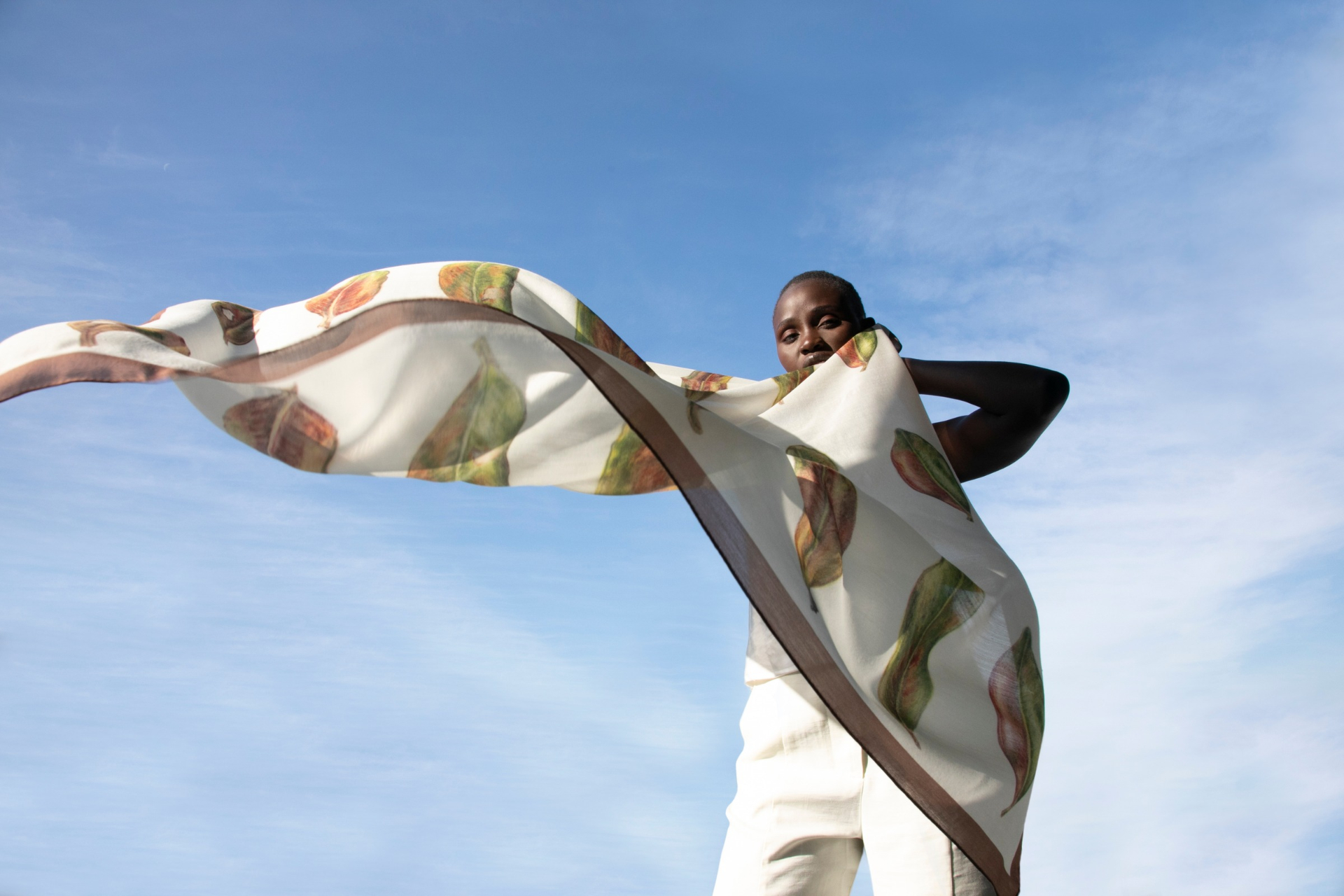
Lovebrook & Green was born from a simple question: why can’t we find all the world’s most ethical brands in one beautiful place? Launched in 2025 by Lucy Johnson as the world’s first ethical department store, it grew out of sustainability consultancy Green Salon, which has reviewed 331 brands over four years. More than 75 brands across fashion, jewellery, beauty, homeware and lifestyle are now featured, each holding recognised certifications such as B Corp, approved by Buy Me Once for durability, or passing its own framework of 76 weighted criteria. Crucially, it shows its workings: every brand’s Ethics page links directly to certifications and reports, with more than 150 pieces of evidence publicly accessible.
What the judges said:
‘Ambition beyond. Lucy’s drive in creating a world-first is admirable and the editorial quality of the site is just beautiful.’ – Lucy Cleland

Since 2008, Monica Vinader has sold its demi-fine jewellery through its own stores, concessions and e-commerce across the UK, US and international markets. As the brand puts it, ‘Customers cannot make responsible choices without transparency’, which is why its industry-first Product Passport now traces 79 percent of styles from mine to market, with the whole range due to follow by 2030. Pieces are made in 100 percent recycled gold and sterling silver, and more than 90 percent of its diamonds are lab-grown. Once a piece is bought, a five-year warranty and lifetime repairs service keep it in use, while a take-back scheme rewards customers for returning unwanted jewellery of any brand for recycling. Behind the counter, all sites run on renewable energy, Scope 1 and 2 emissions are down 98 percent against baseline, and its net zero target was validated by the SBTi in May 2026.
What the judges said:
‘Monica Vinader is an expert at retail – the brand she’s created shows others what a responsible brand can be, all the way to the shop floor.’ – Lucy Cleland
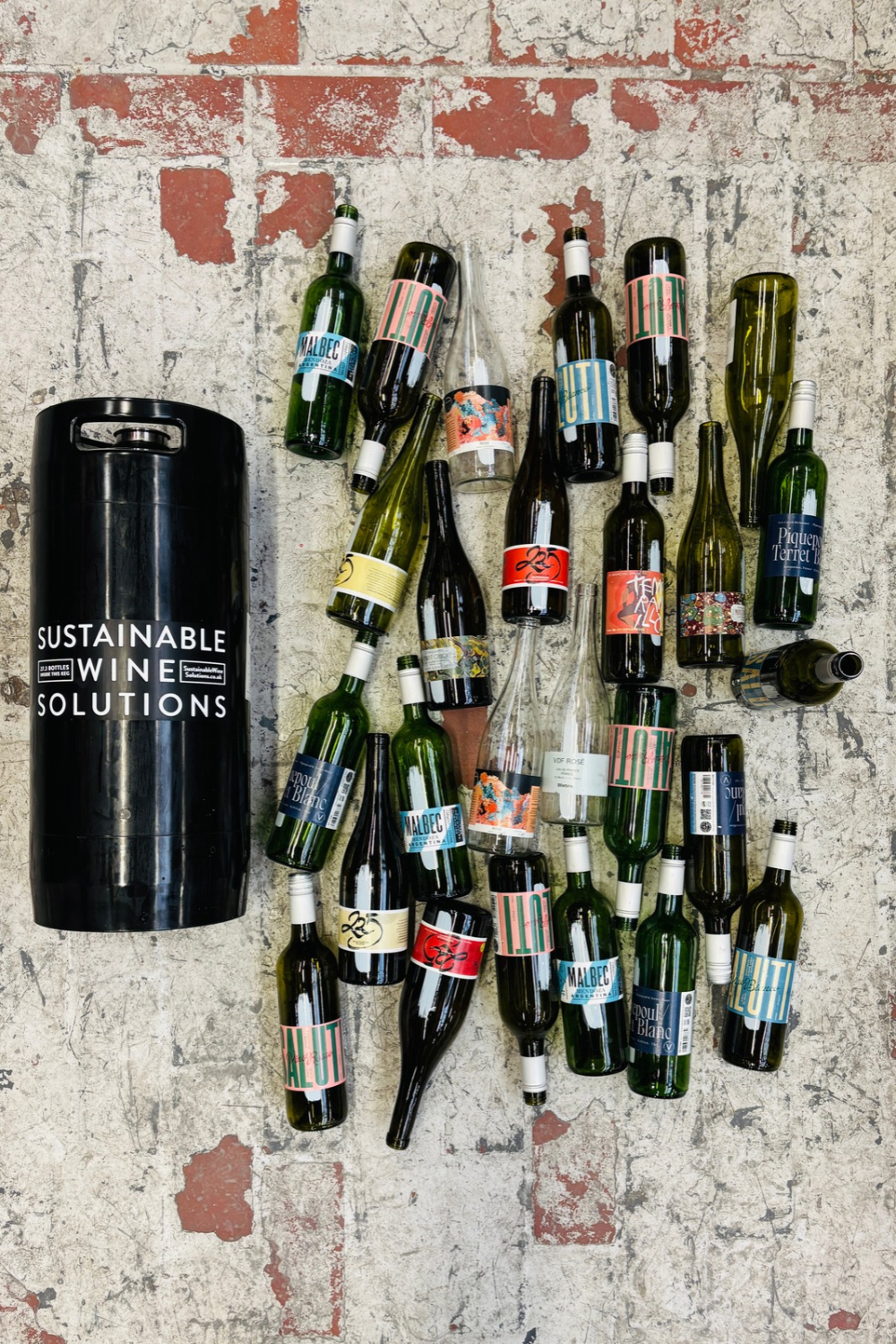
Born from more than 20 years running Borough Wines at Borough Market, Sustainable Wine Solutions is an independent, female-owned distributor supplying restaurants, bars, hotels and venues with wine that never touches single-use glass. Its reusable stainless-steel kegs – each replacing roughly 27 bottles and lasting up to 30 years – sit alongside a returnable bottle scheme, making it the only UK wine company running both. At Wimbledon 2026, 260 kegs across 52 taps displaced 7,098 bottles, and new clients include The Oval, the Royal Opera House and the Southbank Centre. A trial with Fuller’s has brought English wine on tap back into pubs at an accessible price, already removing more than 5,000 bottles. Every wine comes from organic, biodynamic, low-intervention or vegan-focused producers.
What the judges said:
‘Truly impressed with their mission to eliminate single-use glass and lead the wine sector toward a zero-waste, low-carbon future through scalable circular models, while championing independent, low-intervention winemakers.’ – Jenn McGarrigle

Nina Rauch’s impact journey began early: after losing her mother to breast cancer at 13, she founded Pink Week at 16, which grew into a nationwide movement raising more than $500,000 for breast cancer charities. At 25 she joined insurtech Lemonade as its first Global Head of Social Impact, building its social impact and ESG strategy from the ground up through IPO and international expansion. She has helped direct more than $14 million to over 100 nonprofits through the Giveback programme – which has grown by more than 5,000 percent – including over $3 million for climate initiatives and more than 218,000 trees planted. With Lemonade the first US insurer to publicly divest from coal and other fossil fuels, she is showing how purpose can shift an entire sector.
What the judges said:
‘What an incredible, lifelong mission for positive social and environmental change. Nina has demonstrated sustained effectiveness and care in delivering and driving impact at the intersection of technology, society, and climate.’ – Joycelyn Longdon

Creative director and impact founder Karen Harvey MBE started Toiletries Amnesty in 2014 with two bottles of shampoo. Today the award-winning NGO provides free access to toiletries and hygiene products for around 9 million people across around 1,500 locations in 22 countries, including more than 300 in the US. Its transparent online directory lets individuals and brands see exactly where their unwanted products will go – from women’s refuges to food banks and homeless shelters – turning mislabelled, end-of-line and returned stock into a lifeline. In 2026 to date it has diverted 51 tonnes, worth over £1 million, of beauty industry waste. Alongside it, her open-access photography platform Shutter Hub runs a Camera Amnesty that has supplied thousands of cameras to projects worldwide. This is circularity built on kindness.
What the judges said:
‘A hugely compelling example of sustainability leadership rooted in care, redistribution and practical action. I was particularly struck by the way Karen has connected waste reduction with dignity and access, creating an intervention that responds to social and environmental challenges at the same time.’ – Samia Dumbuya

For nearly 50 years, Carole Bamford has championed living in harmony with nature. A simple desire to improve her family’s food led her to turn their farmland organic, and Daylesford has grown into one of the UK’s most sustainable organic farms, with 7,500 acres farmed organically and regeneratively. Its soils contain 30 percent more organic matter than a comparable Cotswolds arable farm, and on-site solar generates around 250,000 kWh a year. Daylesford Organic and Bamford are both certified B Corps, and circular products upcycle the farm’s leather hides and waste coffee grounds from its cafés. Carole opens the farm to fellow farmers, schools and scouts, and supports charities from The Branch Trust in Gloucestershire to Nila House in India.
What the judges said:
‘Carole’s career and work are deeply inspiring, demonstrating a long, sustained and committed relationship to sustainability. Her dedication to sustainability has created a clear impact across culture, society, commerce, agriculture, and ecology.’ – Joycelyn Longdon
PARTNERS