


What Happens To Olympic Villages After The Games?
By
7 months ago
Some success stories – and some not-so-successful stories
After Paris 2024, it makes sense that the Milano Cortina 2026 Winter Olympic Games would solidify the new social aspect that emerged in the City of Love. With so many of the competing athletes part of the digital-native Generation Z (or ‘Gen Z’), social media (especially TikTok) is becoming a crucial part of the Games’ success and engagement, with athletes from across the globe providing fans at home with new insight into the ancient tournament.
The main intriguing hub of action is, of course, the Olympic Village, where athletes sleep, eat and socialise, and plenty of gossipy stories emerge. For one, at Paris 2024, dating apps Tinder, Bumble and Hinge all saw a spike in use while a whopping 200,000 condoms were stocked at the Olympic Village – that’s around 14 per athlete – which ran out way before the Games concluded despite the so-called ‘anti-sex’ cardboard beds in the accommodation. (With the recent success of hockey romance Heated Rivalry, we’re sure there’s a steamy TV series in there somewhere.)
In more PG news, the Olympic Village also houses recreational areas for athletes to gather, relax and play games like Foosball in downtime, as well as the canteen, home of 2024’s famous chocolate muffin and 2026’s famous tiramisu. In 2024, athletes also introduced fans to the wholesome concept of Olympic pin trading, where participants swap their badges with people from other countries or sports.
But what happens to these structures once the Olympics is over? C&TH investigates…
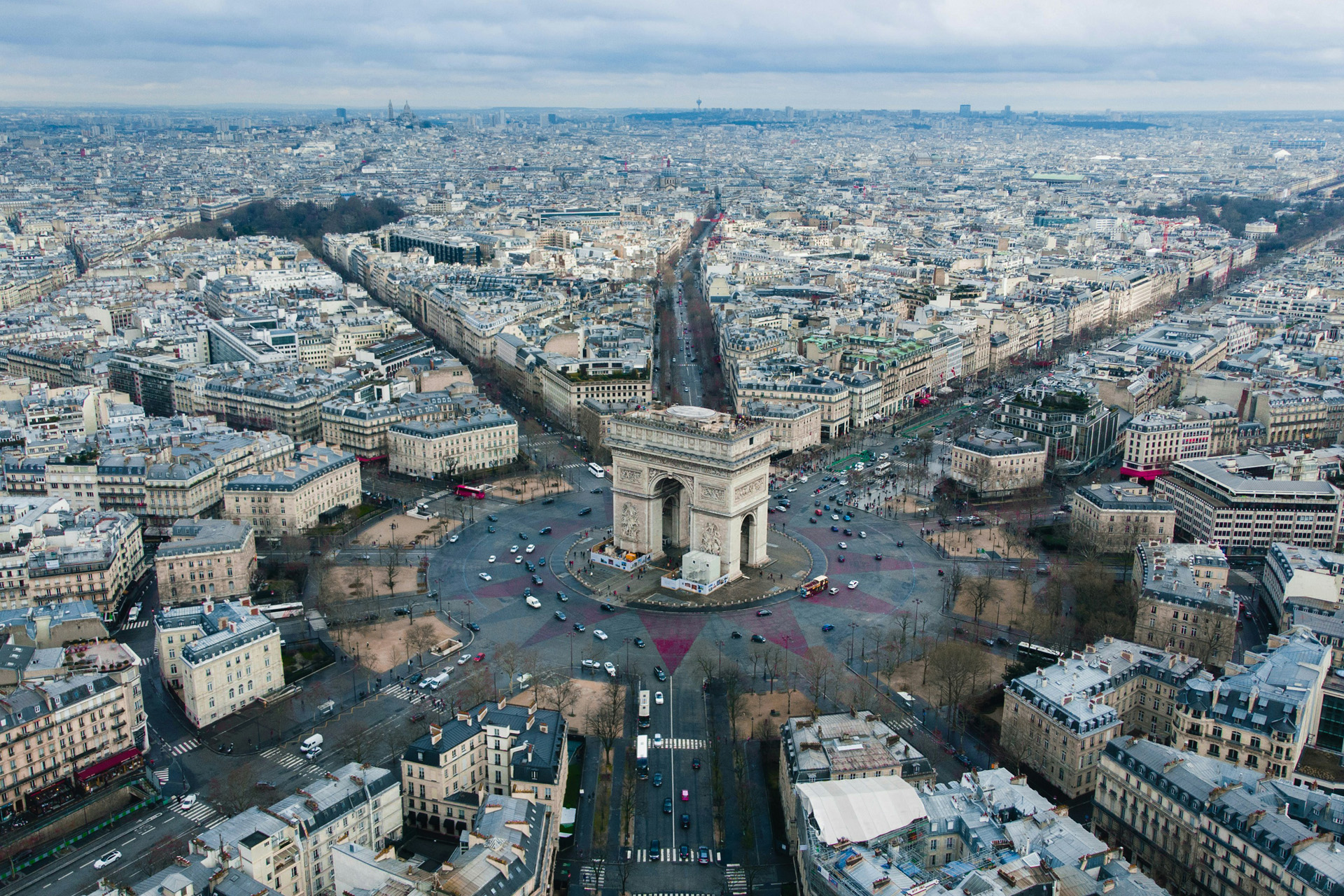
Arc de Triomph, Paris
What Happens To Olympic Villages After The Olympics?
The fate of Olympic villages varies with each Games: their proposed use after the Games have ended is supposed to be built into the nation’s bid when it applies to host the games, but this doesn’t always go according to plan.
The bid plan – also known as the Candidature File – covers the host city’s proposed venues, Olympic Village, transport, security, marketing and more, with the International Olympic Committee assessing the city’s capability to host a successful Games. In 2018, however, the IOC introduced the ‘New Norm’: 118 reforms shifting the Olympics’ focus towards sustainability and cost effectiveness. Today, host cities are encouraged to use new and temporary sporting venues rather than erecting entirely new sites, and to integrate the legacy and afterlife of any newly built structures into the bid.
At Milano Cortina 2026, for example, there are six villages housing athletes, taking over existing hotels, building temporary structures that will be deconstructed when the Games end, and constructing new blocks that will be later used as student accommodation.
At Paris 2024, three villages were constructed for the athletes, now transformed into permanent housing for approximately 6,000 residents, with a mixture of private (with one third of it affordable), social (one quarter) and student housing. Located in the Seine-Saint-Denis area, some buildings have been converted into a new business district for approximately 6,000 workers.
And for something closer to home, the London 2012 Olympic Village saw contaminated wasteland near Stratford converted into a new residential district that now houses 7,000 people, along with restaurants, bars and the huge Westfield Shopping Centre.
What Is An Olympic Village?
An Olympic Village is a purpose-built accommodation complex housing athletes during the Olympic Games. They are typically located near the Olympic Stadium and the Olympic Park of the host city.
Providing a safe location for athletes to live, eat and socialise, Olympic Villages have been an important part of the Games since they were first implemented in Paris 1924. Before then, athletes typically stayed in hotels. We always hear about them, with stories about cardboard beds and gourmet chefs escaping the boundaries – and never more so since athletes started sharing extra insight on Instagram and TikTok, from Q&As to bedroom tours.
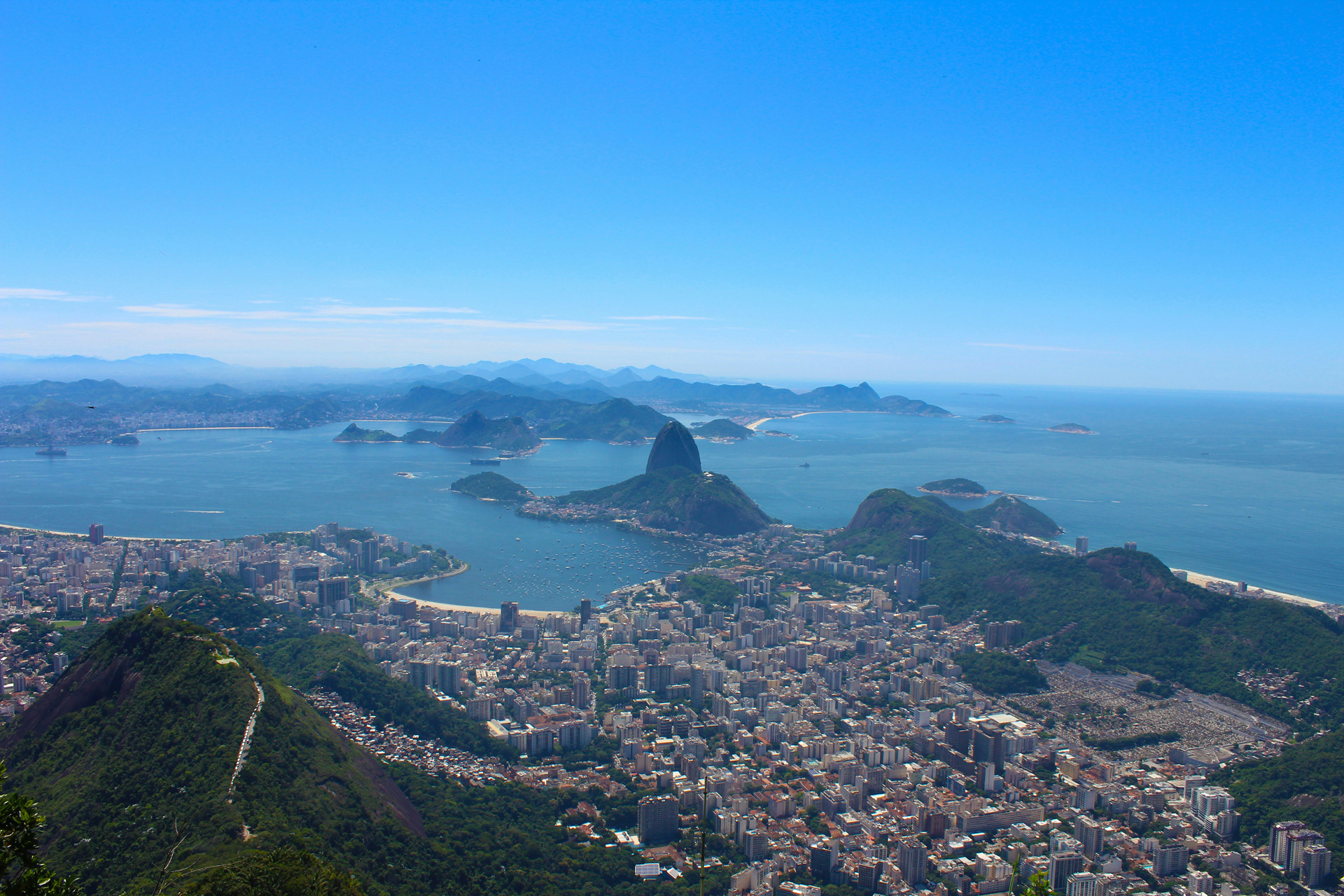
Rio de Janeiro hosted the Summer Olympics in 2016.
Abandoned Olympic Villages
No one wants an abandoned swathe of prime real estate, but Villages have been abandoned throughout time, especially before building re-use was a requirement of the Games. Examples of abandoned Olympic Villages include:
- Rio 2016: The largest in history with capacity for 17,950 people, this Olympic Village was converted into luxury apartments and, while not entirely abandoned, today it is mostly empty, with only seven percent of the units sold.
- Athens 2004: Due to economic struggles, the Olympic facilities from Athens 2004 are a prime example of wasted potential, with most totally abandoned, including the Village.
- Berlin 1936: Perhaps the eeriest Olympic Village of all is Berlin’s 1936 complex, which has been totally abandoned. Indeed, what to do with facilities totally overshadowed by Hitler’s regime? This Games was the last to be held before WWII derailed things, with Jewish people banned from participating and Hitler keen to market his horrific politics on a global stage. While the German army – and later the Soviet army – made use of it, the Olympic Village has sat abandoned since 1992.
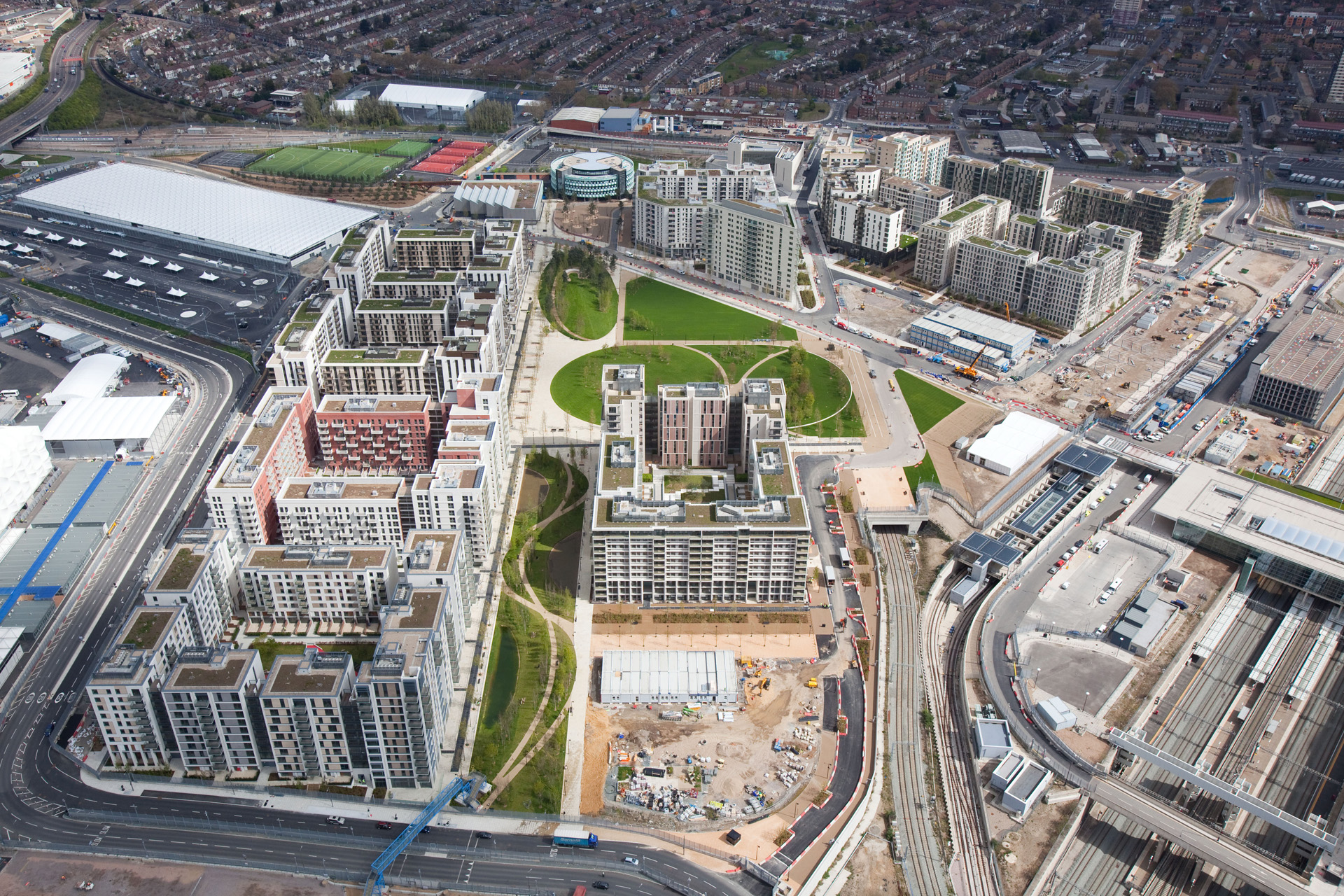
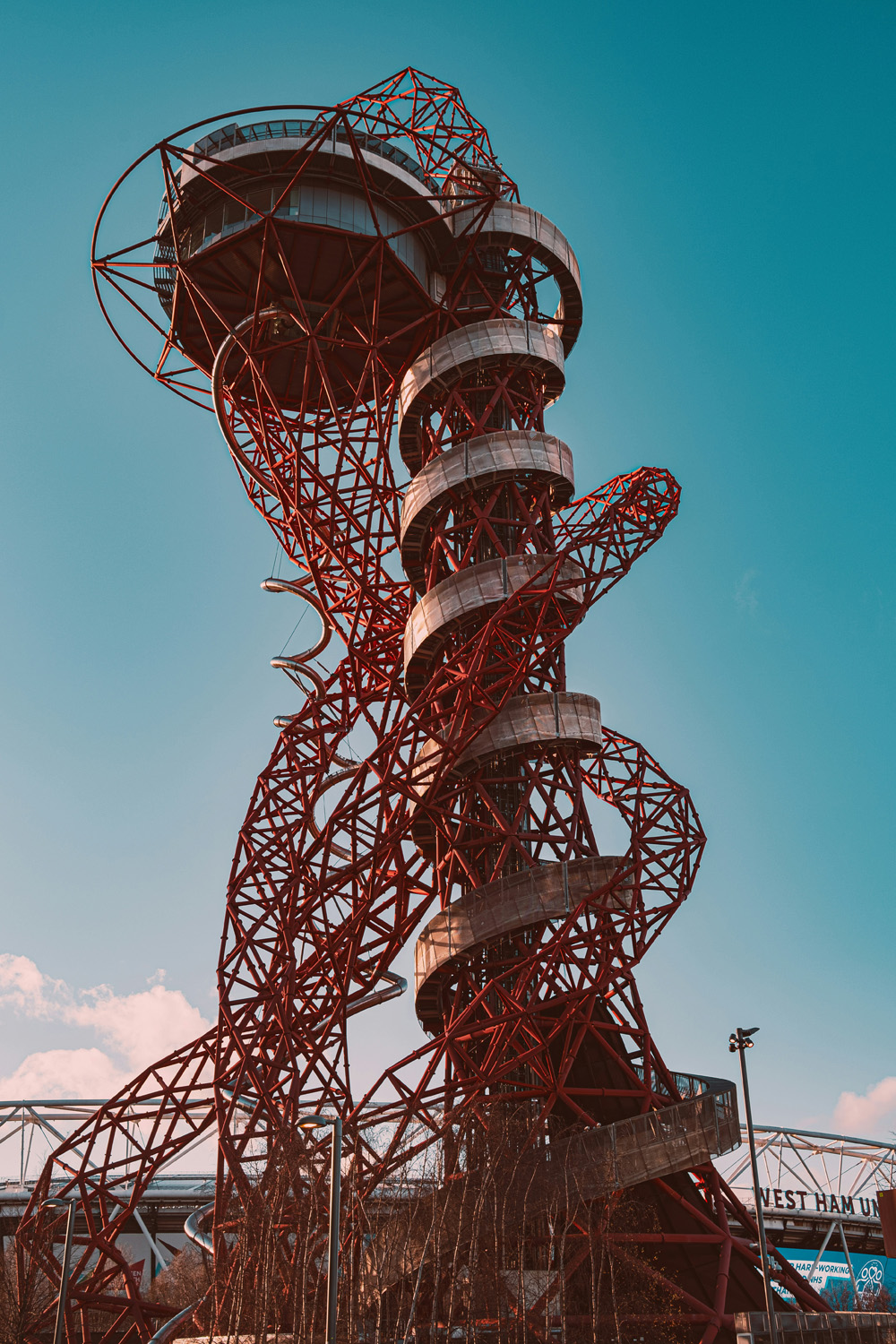
The London 2012 Summer Olympic Games mainly took place in Stratford. (EG Focus, CC BY 2.0, via Wikimedia Commons)
Olympic Villages With A Successful Afterlife
Thankfully, it’s not all bad. Examples of Olympic Village success stories include:
- London 2012: London’s Olympic Village has successfully been transformed into the sleek East Village, home to £1 million apartments complete with shops, bars and restaurants and streets with legacy names like Celebration Avenue, Victory Parade and Liberty Bridge. All of this is a stone’s throw from Stratford Station and the vast Queen Elizabeth Olympic Park.
- Munich 1972: This Olympic Village is now the city’s second largest student accommodation site, with private residential apartments on site, too.
- Atlanta 1996: After these US games, Atlanta’s Olympic Village was also transformed into student accommodation, first for Georgia State University before being passed to Georgia Tech in 2007.
- Sochi 2014: This Winter Olympic Village has largely been transformed into holiday resorts, perfectly located as they are between sea and ski mountains.
- Turin 2006: From abandonment into a success story: this Winter Olympic Village was supposed to be converted into a residential area, but sat abandoned until 2016 (due to the economic crisis) when it was occupied by more than 1,000 African migrants and refugees in need of a home. Flash forward to 2023, and the Olympic Village was finally converted into student and social housing, fulfilling its original purpose.