



Do I Need A Visa To Visit The EU?
By
5 months ago
New rules will affect continental travels this year
At present, billions of people from across the globe can travel to and within the European Union (EU) security check free – but this is about to change. The EU is introducing new travel rules that will affect British holidays to the continent later this year. There are two key terms to know: the Entry/Exit System (EES) and the European Travel Information and Authorisation System (ETIAS). Here’s how both will affect your trips in 2026.
EES & ETIAS: Everything You Need To Know

Unsplash
What Is ETIAS?
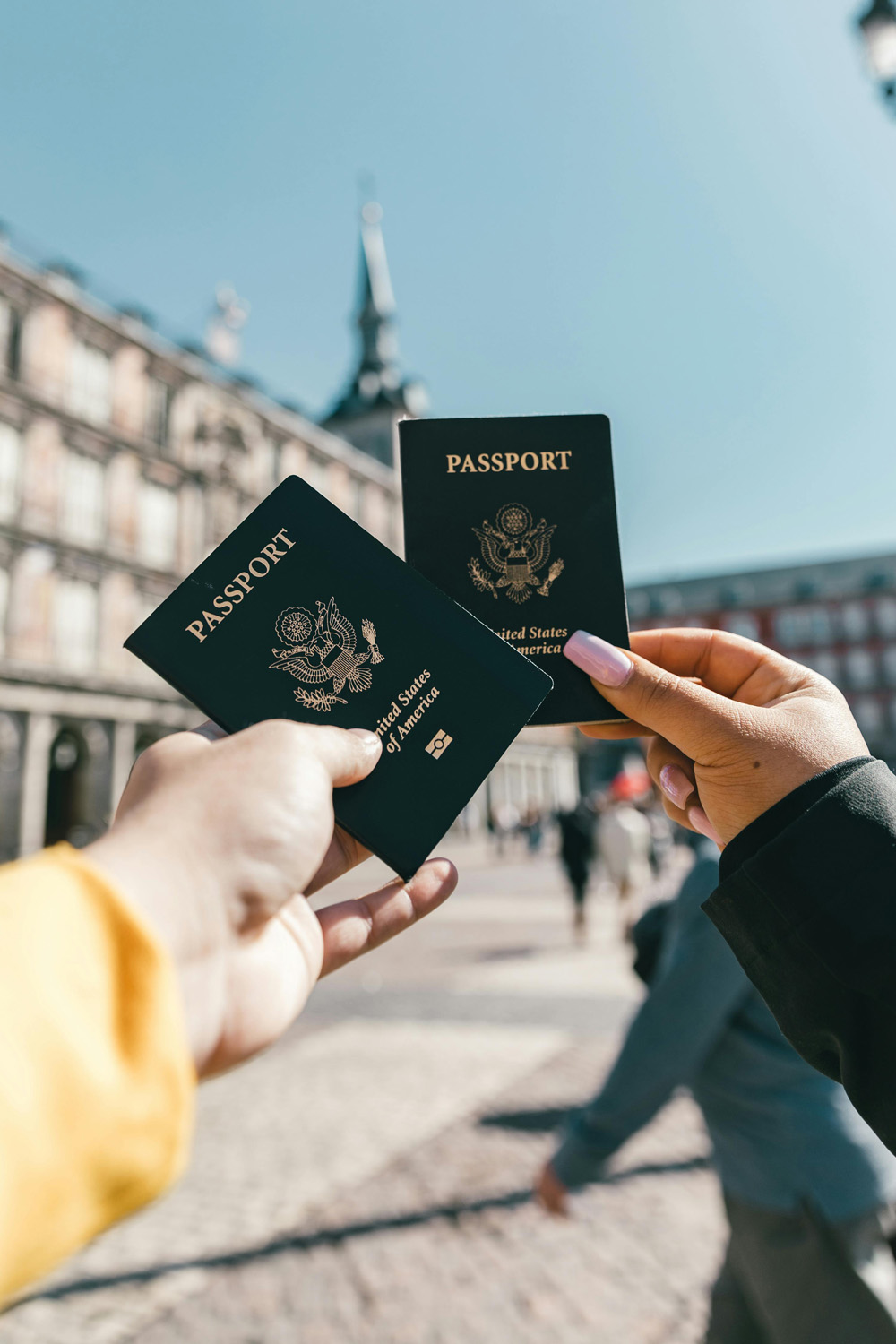
ETIAS (the European Travel Information and Authorisation System) is a new border control system in the EU, created in response to the migrant crisis and concerns over terrorism. The ETIAS system will strengthen security checks on people who travel visa-free to the EU but are not from the EU. This includes visitors from the US, Canada, Australia, New Zealand and many more – including Brits.
Once ETIAS travel authorisation has been granted, travellers can enter the 30 European countries it covers as often as you want for short stays (typically up to 90 days in any 180 day period). However, normal border checks will still apply, so border control guards will still ask to see your passport and other documents to verify you meet the entry conditions.
What Is The Entry/Exit System (EES)?
The ETIAS news follows the international introduction of fingerprint and photo records; in the EU, this is known as the Entry/Exit System (EES), and requires people entering the EU to register fingerprints, a photo and passport details, with each registration valid for three years.
This will replace passport stamping and help the EU ‘know if people stay too long’, EU home affairs commissioner Ms Johansson tells the BBC. The system ‘will make it harder for criminals, terrorists or Russian spies to use fake passports,’ she says – a topical issue if you’ve tuned in to The Capture season 3.
Eventually most travellers should be able to pass through borders on self-service machines.
After countless delays, the EU is finally rolling out the EES across Schengen airports, with travellers told to expect delays at the border as their biometric data is taken. The main people affected are Brits, Americans, Canadians and Australians giving their data for the first time. The biggest impact is expected to be felt this spring, with changes rolling out from 10 April – amid the prime Easter travel period.
‘While the scheme is designed to modernise border controls and tighten security, the early days of the rollout could bring delays, especially at busy hubs such as Paris, Rome, Barcelona and Amsterdam,’ Vykintas Maknickas, CEO at eSIM provider Saily, tells C&TH. ‘Whenever a new airport system launches, there’s a natural adjustment period. Spring is one of the busiest times for short haul travel into Europe. Travellers should allow extra time at arrival and be prepared for slightly slower border checks, particularly if it’s their first visit under the new system. When procedures change, small delays can create stress, especially in unfamiliar airports.’
When Will They Come Into Force?
There’s still no specific date from the EU just yet, but ETIAS is expected to be operational before the end of 2026 (we’re told Q4). All we know for sure is that ETIAS will launch six months after the EES rollout is complete, which is happening this spring.
Originally slated to launch in 2022 and later November 2024, the EES was delayed again in autumn 2024 because EU interior ministers from the likes of Germany, France and the Netherlands (together accounting for 40 percent of passenger traffic affected by the change) did not believe their computer systems would not be ready in time for the deadline.

How Long Does ETIAS Last?
Once approved, your ETIAS authorisation will be valid for three years, or until your passport expires, whichever comes first. Because ETIAS is linked to your passport, you need to get new authorisation if you get a new passport. Your ETIAS authorisation must also be valid for the entire length of your journey; if it is set to expire halfway through your trip, you will need to apply for a new one.
How Will It Affect Brits?
Brits travelling to the EU once ETIAS comes into force will need to be authorised before they travel. If you are not authorised, you will be denied entry to the destination country. Don’t worry: the EU plans to make a lot of noise when ETIAS is finally in action, so you shouldn’t be caught out.
How To Apply For ETIAS
We’re told the ETIAS application will be available online and in a mobile app and take around 10 minutes to complete. To apply, all you need is a valid passport or travel document. Your passport should be valid for more than three months after your intended date of arrival in the EU. Your travel document must not be older than 10 years.
You will be asked for the following information:
- Personal information: name, date and place of birth, sex, nationalities, home address, email address, phone number
- Parents’ first names
- Travel document details
- Level of education and current occupation
- Country of first intended stay and the address of your destination
- Details about past criminal convictions, past travels to war or conflict zones, and whether you have recently been the subject of a return decision.
If you’re not sure where you want to travel yet when you apply, do not worry: the destination country is used to process the application, but once your ETIAS is approved, you can travel to any of the 30 European countries involved in the scheme.
How Long Will ETIAS Authorisation Take?
The EU reassures 95 percent of ETIAS applications will be processed ‘within minutes’ – though some will naturally take a little while longer to process. If so, you will receive a decision or a request for more information within four days. You will receive an email with the outcome of your application; make sure to check the junk folder.
If you are asked for more information, documentation or even invited for an interview, your ETIAS application could take up to 30 days to be approved, so the EU encourages people to apply for travel authorisation well in advance of your journey.
Is This The End Of The Last Minute Break?
Not so: the EU encourages people to apply for ETIAS authorisation well in advance of travelling – even before you’ve bought a plane ticket or booked accommodation. Because the authorisation lasts three years, you could safely apply for ETIAS authorisation with no holidays planned and still be safe to travel spontaneously at a later date.
How Much Does It Cost?
The ETIAS application costs a non-refundable €7. People under the age of 18 and over the age of 70 are exempt from the payment but must still apply; the same is true for family members of EU citizens and people with the right to move freely in the EU.
Is It Because Of Brexit?
Partly – but partly not. Great Britain isn’t the only country subject to these changes – more than 1.4 billion people from 60 visa-exempt countries will be subject to the change of rules, and will need travel authorisation to enter 30 European countries for a short stay (i.e. a holiday).
What Happens If You Don’t Have ETIAS Authorisation?
If you forget to apply for ETIAS or your application is rejected but you still travel to the EU, you will be refused entry to the country at the border.
Do You Need To Print It Out?
You can for your own peace of mind, but you don’t have to. Border control will have access to your travel authorisation in their system as it is linked to your passport.
Who Needs To Apply?
In general, you should apply for ETIAS authorisation if you are not an EU national and you are planning to visit Austria, Belgium, Bulgaria, Croatia, Cyprus, Czech Republic, Denmark, Estonia, Finland, France, Germany, Greece, Hungary, iceland, Italy, Latvia, Liechtenstein, Lithuania, Luxembourg, Malta, Netherlands, Norway, Poland, Portugal, Romania, Slovakia, Slovenia, Spain, Sweden or Switzerland.
This includes people from any visa-exempt countries – including the UK and the US. See more advice on who should apply here.
Is ETIAS A Visa?
No, ETIAS is not the equivalent to a visa; it is better described as a visa waiver like the US’s ESTA. Etias only authorises short term stays, so it cannot be used for studying or working abroad, and in those cases non EU nationals should apply for a traditional visa.
More Information
For more information, visit the EU’s dedicated Etias website: travel-europe.europa.eu/etias