


C&TH x Polestar Sustainable Hotel Of The Year Award 2026: Meet The Winners
By
6 months ago
We reveal the hotels leading the way when it comes to responsible hospitality
Last year, we opened this awards feature by saying sustainability had never been more urgent – or more politicised. Well, guess what, nothing’s changed other than that urgency has only increased (and then some). Getting energy self-sufficient on renewables would seem mission critical. And supporting local food suppliers, employing local people, regenerating our landscapes and being a place that is embedded in its locale are the values by which we can do good in this world. This is why these awards matter.
Hotels and places to stay are where we gather, experience, share, learn, relax, be spoilt. They play a pivotal part in what it is to enjoy a good life, whether that’s through the food, the gardens, the wellness, the activities or just being somewhere that is cosseting. Those who are going further and faster when it comes to bringing that same care to the land they occupy, the environment they share and the people they employ are honoured in these awards.
This year, we changed our categories to reflect the relaunch of our beautiful hotel guide (we hope you love it), so you’ll find outstanding responsible hotels in all locations – town to country, coast to the wilds, pub to private rental.
As ever, there are barriers to perfection. Old buildings can’t always be as accessible as they would like; city locations mean food sourcing may not be as local as their rural cousins; independently owned hotels don’t always have the larger corporate purses that allow for certifications; remotely located places can’t always attract a local workforce. We understand this. We also introduced two new awards: one for longterm commitment and another for a new star on the scene. Among all the winners and highly commended places below, there is without doubt a clear plan in place, accountability, progress tracking, innovation, passion and commitment. They are doing the work, where others can and should follow.
We’re proud to partner once more with Polestar, the design-led EV marque that is as committed as we are to purposeful innovation. The company has set ambitious targets for climate neutrality and circularity. In 2023, it launched the Polestar 0 project – a moonshot to create a truly climate neutral car by 2030, without relying on offsetting.
Meet The Judges
Juliet Kinsman
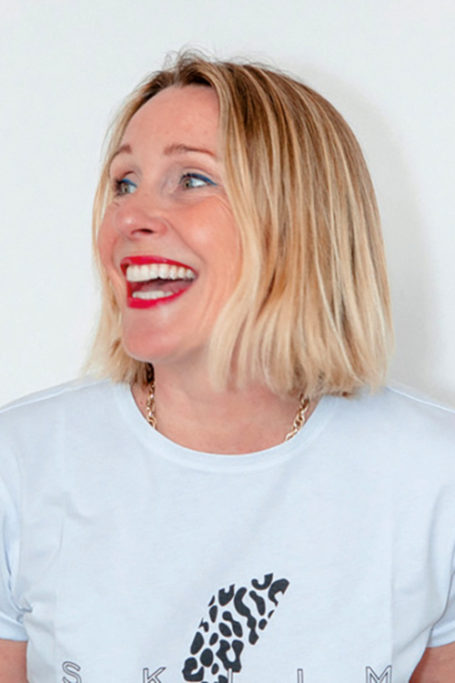
A journalist, broadcaster and sustainability expert, Kinsman was Condé Nast Traveller’s first sustainability editor and is the founding editor of Mr & Mrs Smith. She now runs Bouteco, a non-profit consultancy promoting responsible tourism, and frequently appears on BBC and Sky News.
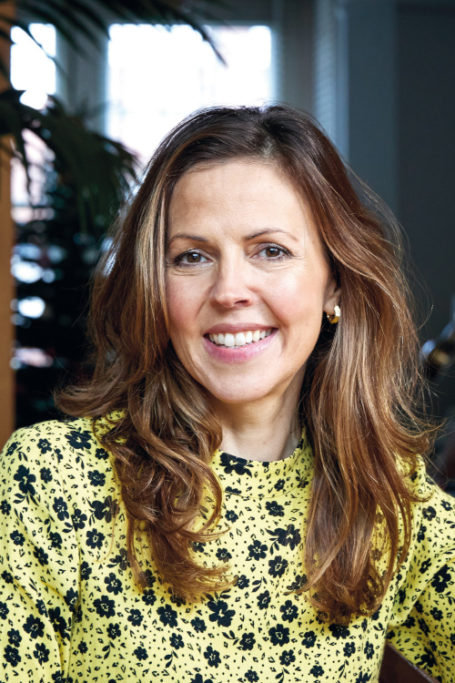
Francisca Kellett
An award-winning travel writer and editor, Kellett writes for The Times, FT and National Geographic Traveller. Formerly at Tatler and The Telegraph, she brings years of editorial experience and a strong commitment to sustainable, community-focused travel. Discussing the awards, Kellett said: ‘Sustainability has gone from a fad to a buzzword to a vital part of any travel experience – something that can add to the joy and soul of staying somewhere truly fabulous’
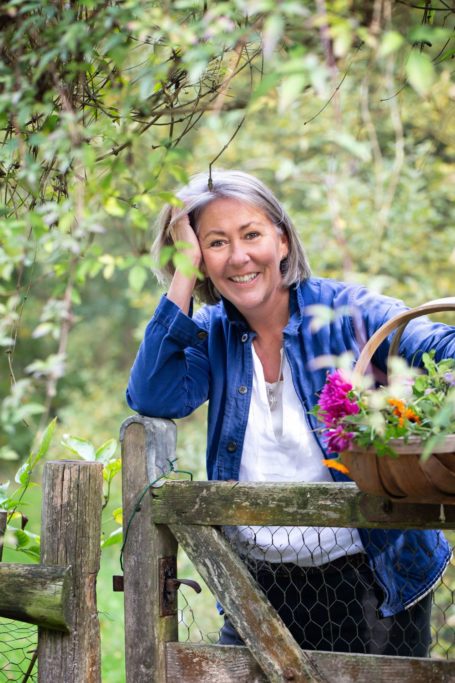
Marian Boswall
Boswall is a leading landscape architect known for her regenerative, ecologically sensitive designs. Her work spans floodplain restoration to heritage gardens. She leads her studio across all design stages, with sustainability and storytelling at the heart of every project.
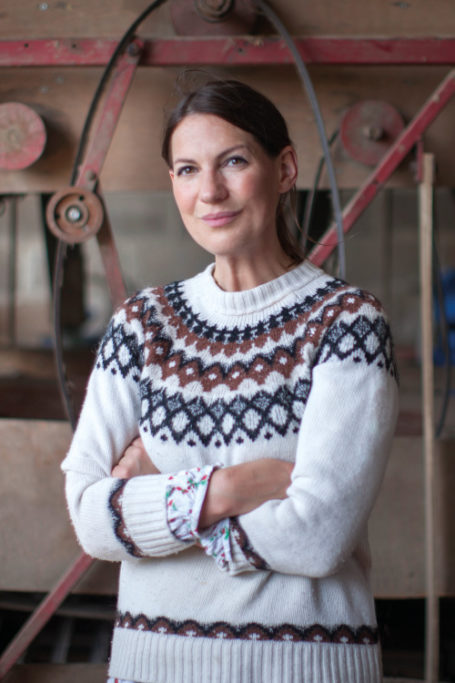
Sarah Langford
A former criminal barrister turned author, Langford spent seven years managing a Suffolk farm through its transition to organic regenerative methods. She is the author of two books, In Your Defence and Rooted, and writes and speaks widely on sustainable food, fashion and farming.
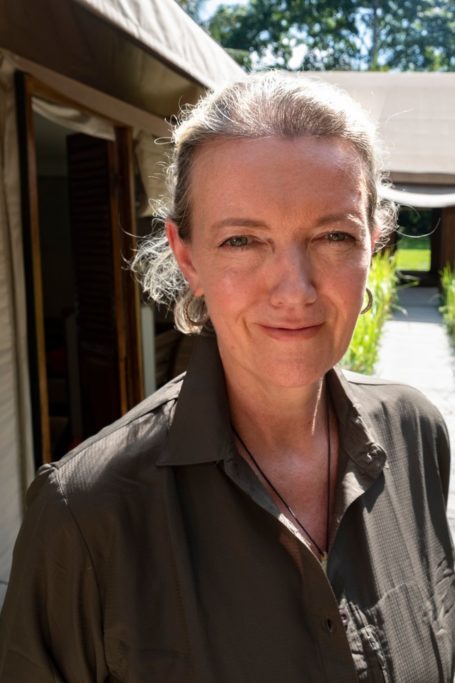
Annabel Heseltine
The journalist, broadcaster and editor holds a master’s in conservation and is host of the Resurgence podcast Hope Springs. Heseltine is also a fellow of the RGS, a trustee for the Women’s Fund for Nature and sits on the advisory board of the Scientific Exploration Society.

Petra Pettersson
Pettersson is Polestar’s inclusion lead and part of the company’s sustainability team. With over a decade of experience at brands including MQ and Kappahl, she holds a master’s in advanced textile engineering and drives Polestar’s equality and environmental agenda.
Fiona Duncan
Hotel critic for The Telegraph since 1999, Duncan has over three decades of experience in hospitality writing. She founded the Charming Small Hotel Guides series and currently edits Country & Town House’s Great British & Irish Hotels guide, with a sharp eye for character and comfort.
Lucy Cleland
As editorial director of Country & Town House, Cleland has spearheaded the brand’s sustainability strategy, including its 2023 B Corp certification. She leads on responsible editorial policy and is a regular speaker and panellist on regeneration, equity and purpose-driven publishing.
The Winners Of The Sustainable Hotel Awards 2026
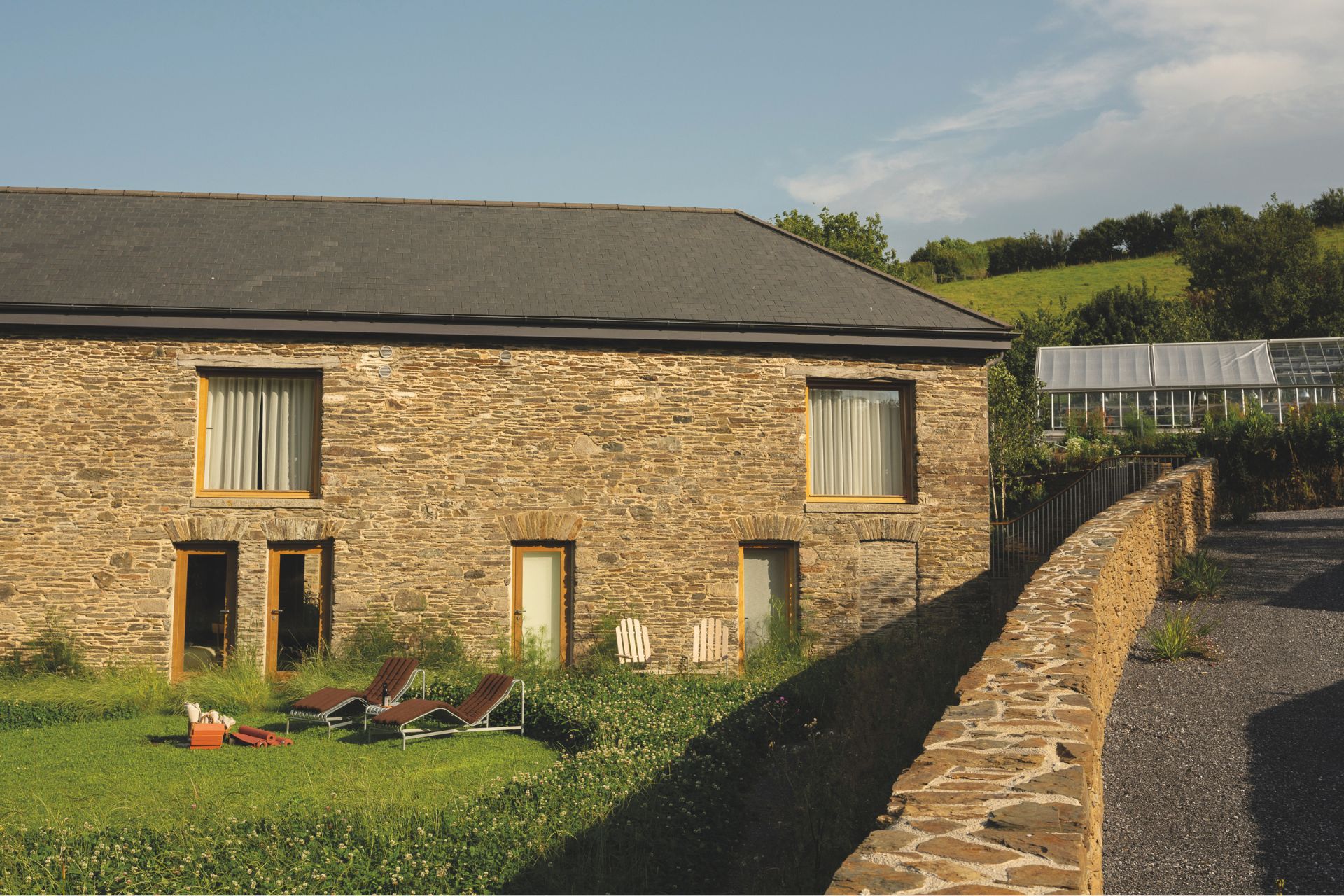
Overall Winner: Fowlescombe Farm, Devon
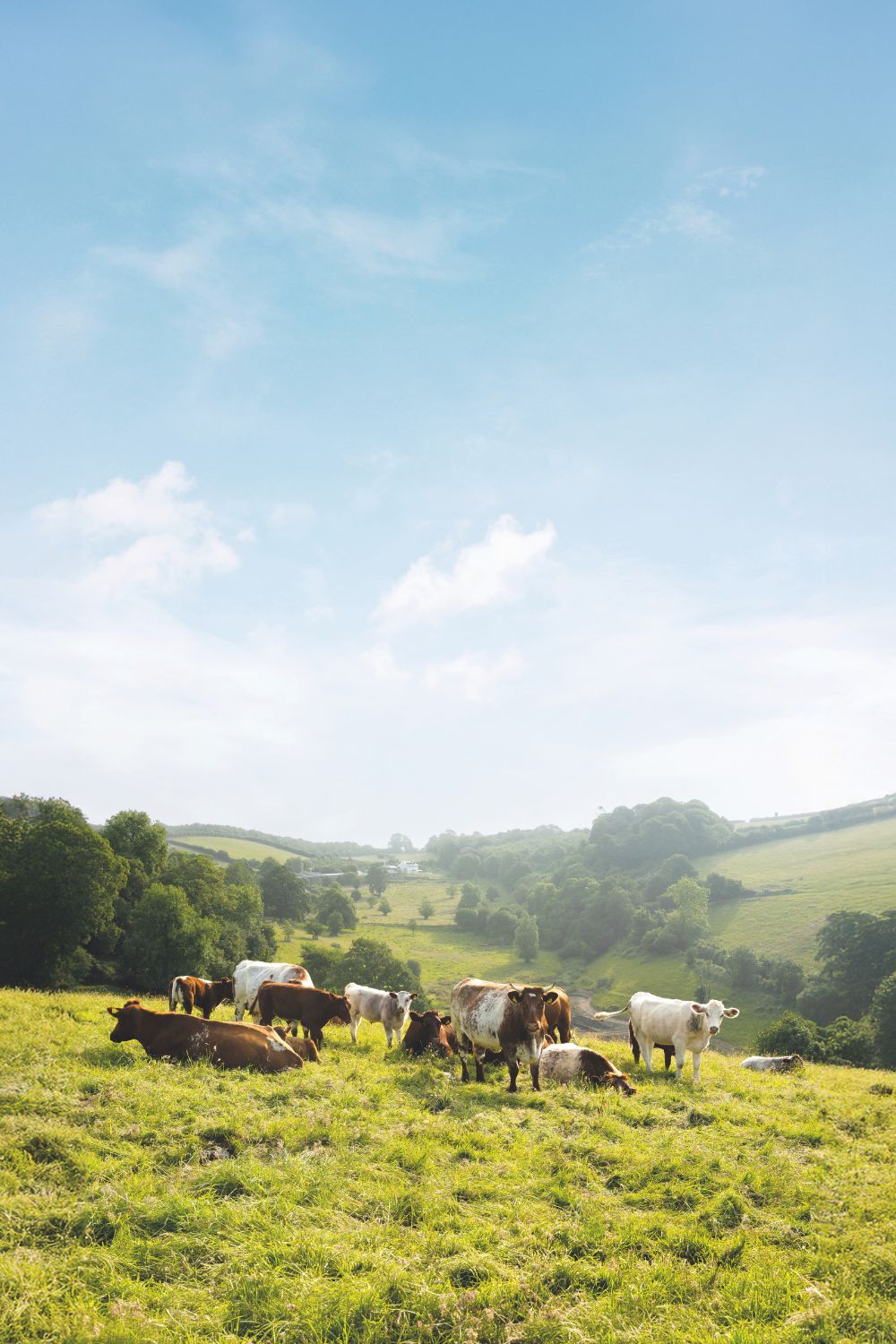
Fowlescombe Farm captures the future of British hospitality in one compelling, working model. Set within a regenerating farm landscape, it brings together low-impact luxury, serious environmental intent and a clear sense of purpose. It exhibits a fully integrated approach, from regenerative farming and transparent reporting to thoughtful guest experiences that connect people directly to land, food and nature. Fowlescombe reflects a growing movement towards agritourism in the UK, where hospitality becomes a means of restoring landscapes as much as hosting guests. ‘I was blown away by it – a proper version of a farm hotel,’ said judge Sarah Langford.
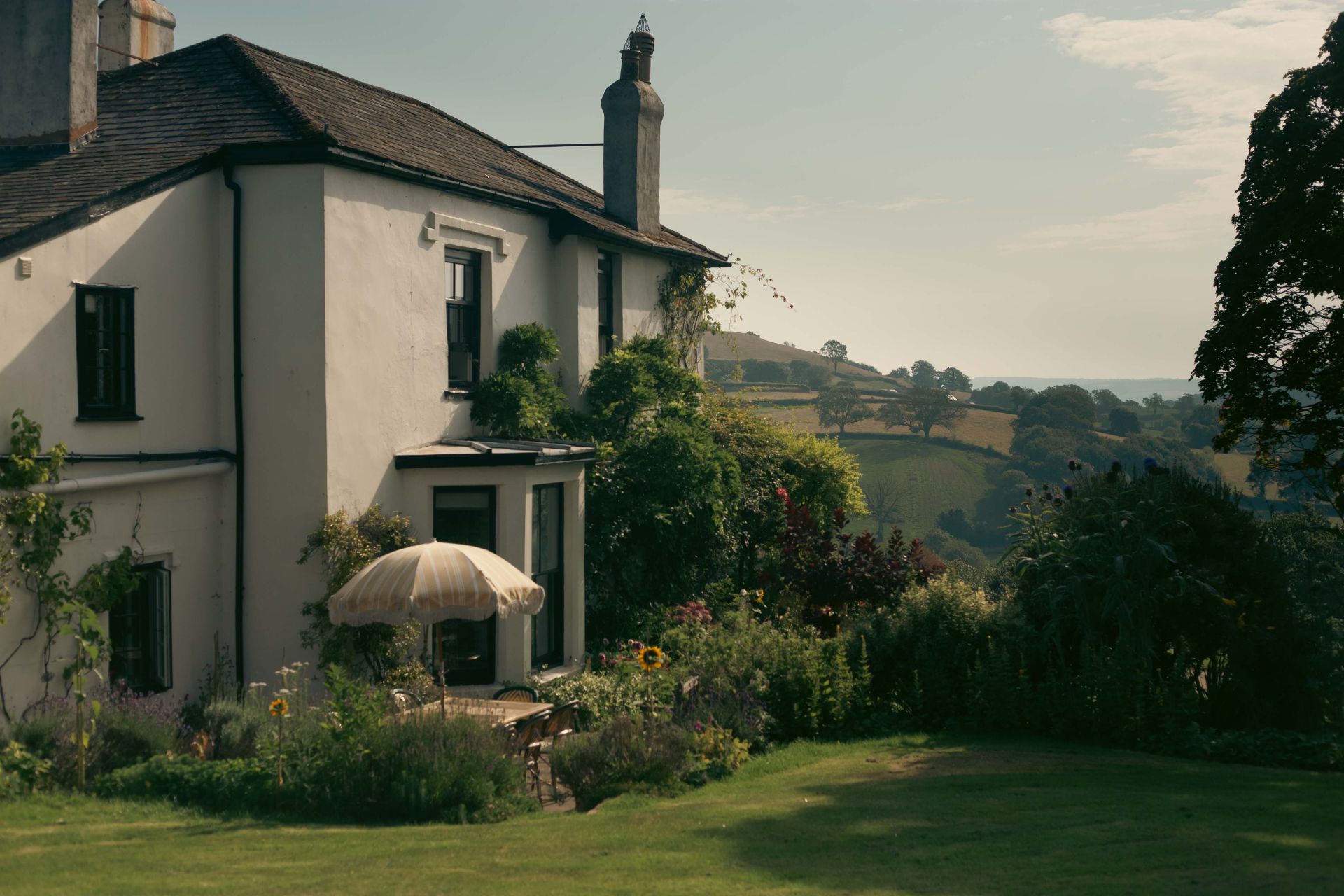
Best Responsible Newcomer: Glebe House, Devon
Tucked into the East Devon hills, Glebe House is a deeply personal project. A family home set within a former Georgian rectory, it has been reimagined as a small guest house and restaurant. It champions hyper-local food, much of it grown on Glebe’s own smallholding or sourced from nearby producers, with a low-waste kitchen. From in-house salami and breadmaking workshops to the garden and orchard planting, everything here feels full of passion, even if some of the more formal frameworks are still evolving. It is an exciting example of a new generation of hospitality.
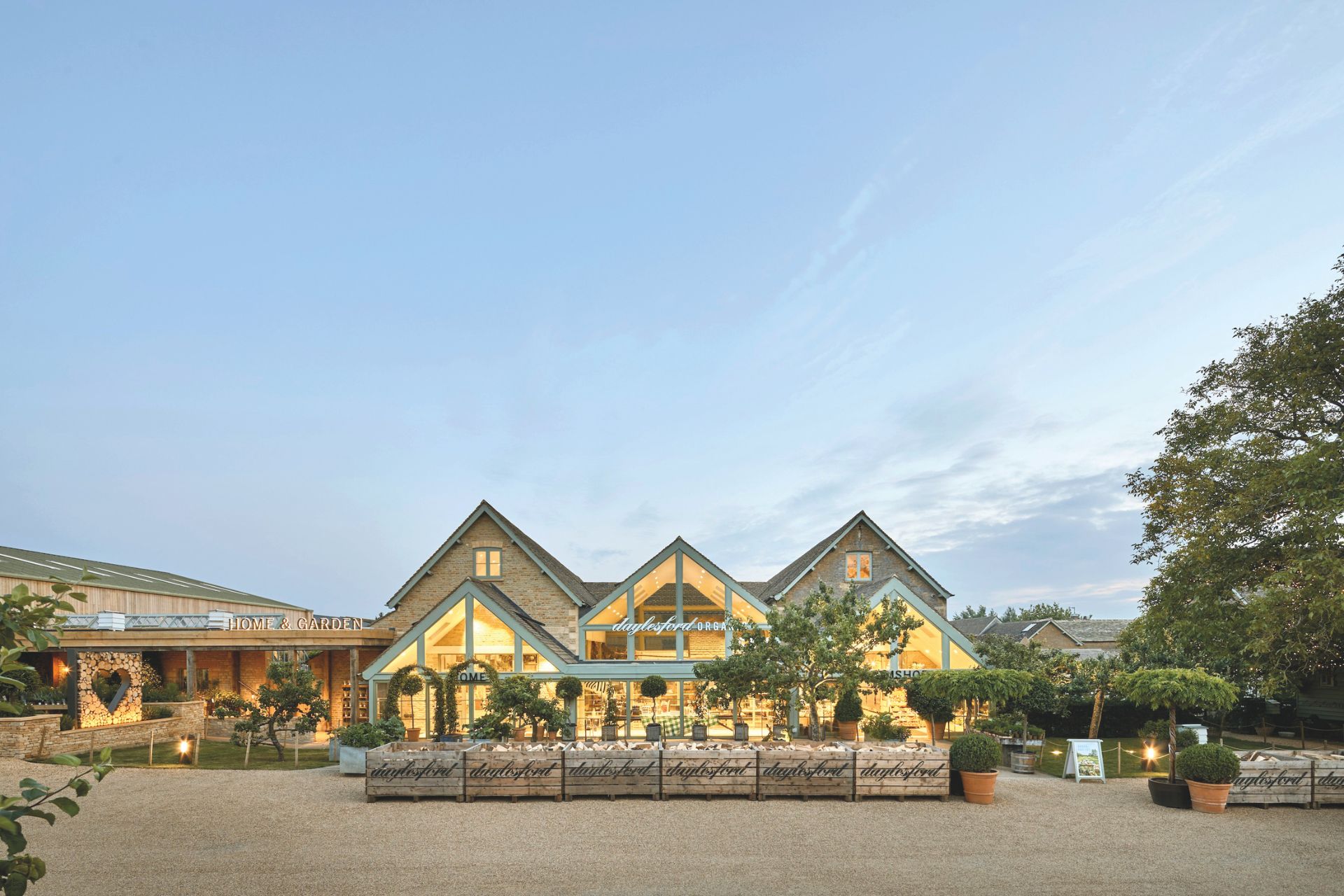
Longstanding Commitment Award: Daylesford Organic Farm & Cottages, Gloucestershire
Few have shaped Britain’s sustainable hospitality landscape quite like Carole Bamford. Long before ‘organic’ became fashionable, Daylesford built its model around regenerative farming, seasonal food and working in harmony with nature. This then extended to its hospitality offering, which operates at significant scale while maintaining organic principles, supporting British producers and investing in soil health and biodiversity.
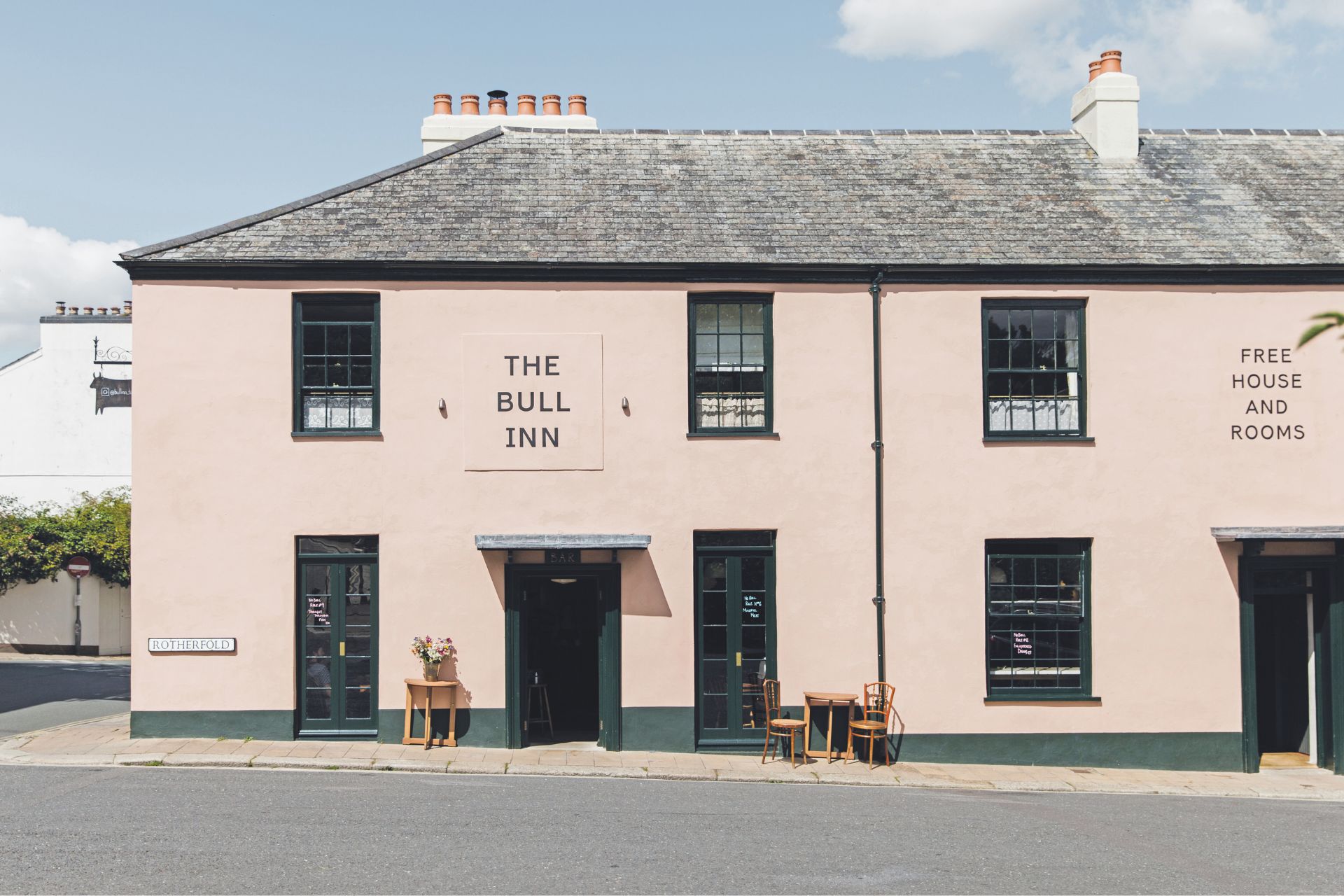
The Best Sustainable Pub Or Inn: The Bull Inn, Devon
The Bull Inn proves that true sustainability in hospitality is not about scale. This small pub with rooms in Totnes has built its model from the ground up around low-impact operations, local sourcing and an authentic connection to place – from Devon-made mattresses and locally crafted interiors to a seasonal, low-waste kitchen that champions nearby farms and producers. Through initiatives like its regenerative hospitality training programme (‘Training is really important…’ noted Kinsman, ‘no one else really spoke to that’), The Bull’s influence extends far beyond its own walls.
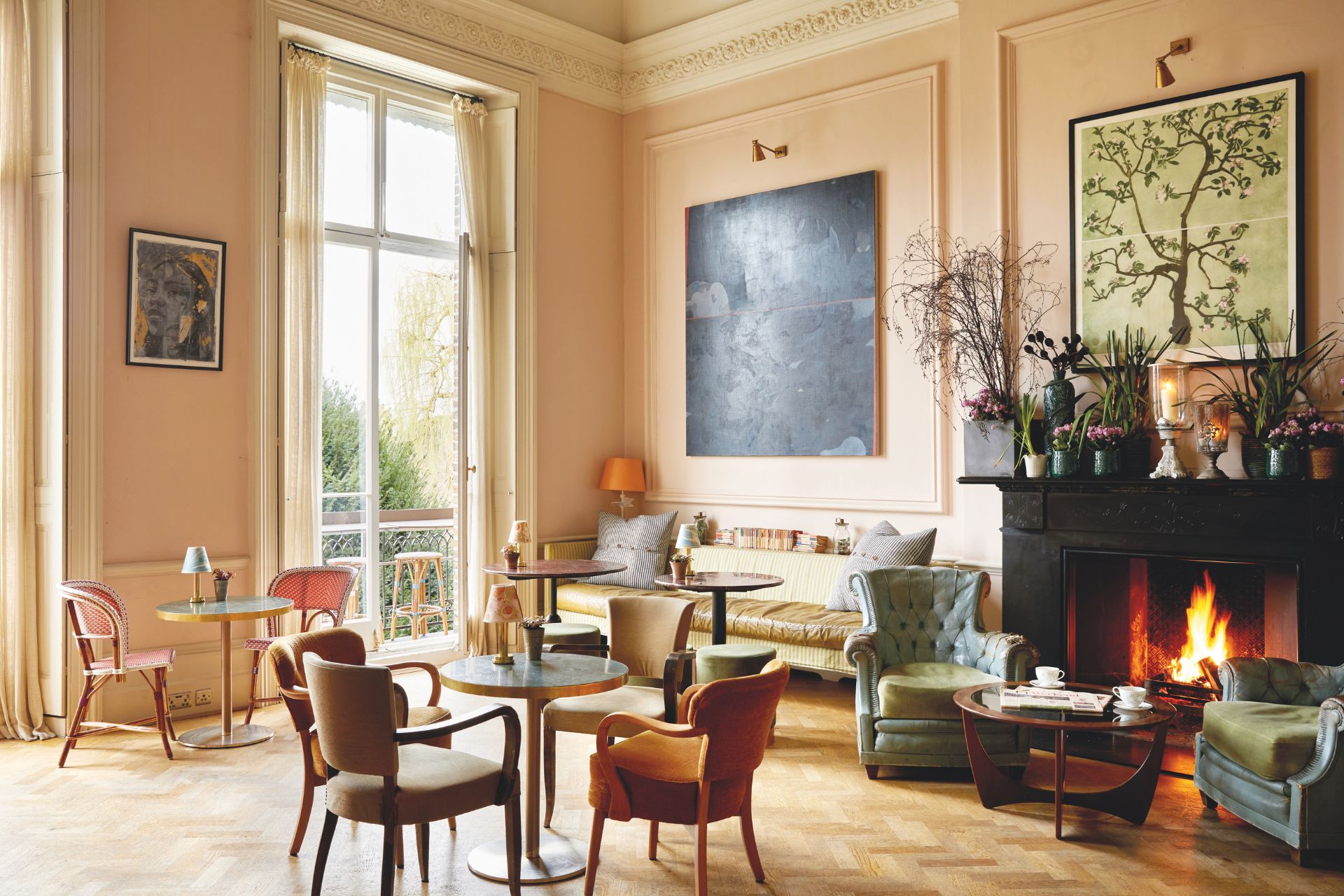
Best Sustainable City Or Town Stay – Winner: Bingham Riverhouse, London TW10
Set on a quiet stretch of the Thames, Bingham Riverhouse redefines what a city hotel can be. Family-run, it has woven sustainability through every layer of its operation, from a zero-waste kitchen and green energy supply to rigorous supplier standards and a clear carbon reduction plan. Through its membership model, cultural programming and community partnerships, it brings people together – hosting everything from wellness sessions to conscious business conversations. As judge Juliet Kinsman put it: ‘It has really interrogated everything from every angle.’
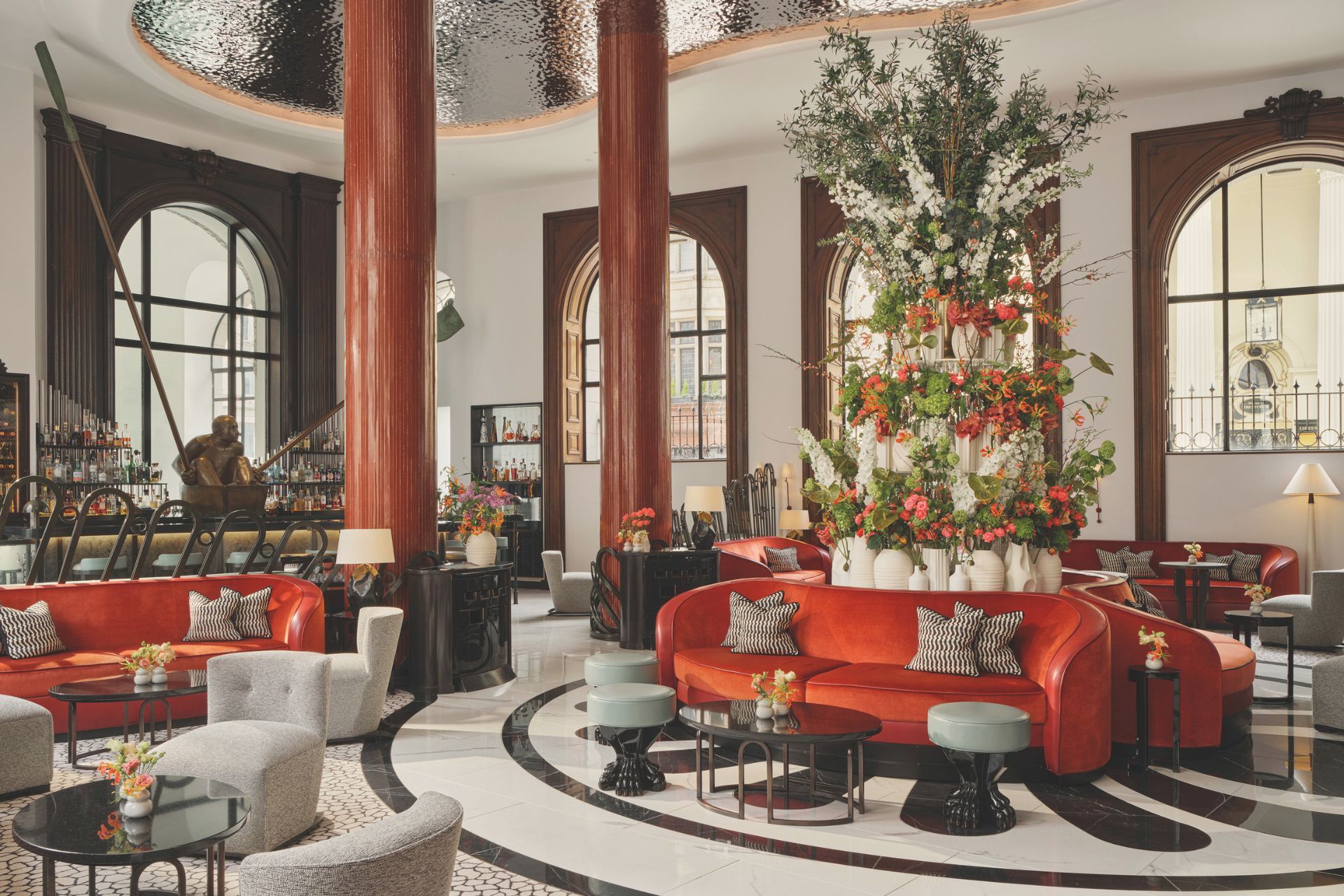
Best Sustainable City Or Town Stay – Highly Commended: One Aldwych, London WC2
In the heart of Covent Garden, One Aldwych demonstrates how a large, design-led city hotel can take a measurable approach to sustainability without losing its sense of place. With renewable electricity, meticulous monitoring of energy, water and waste, and a clear commitment to reducing usage year-on-year, its operational discipline is underpinned by a B Corp certification. This responsibility shows up in the guest experience too, from its cultural programming to partnerships with local theatres, artists and charities.
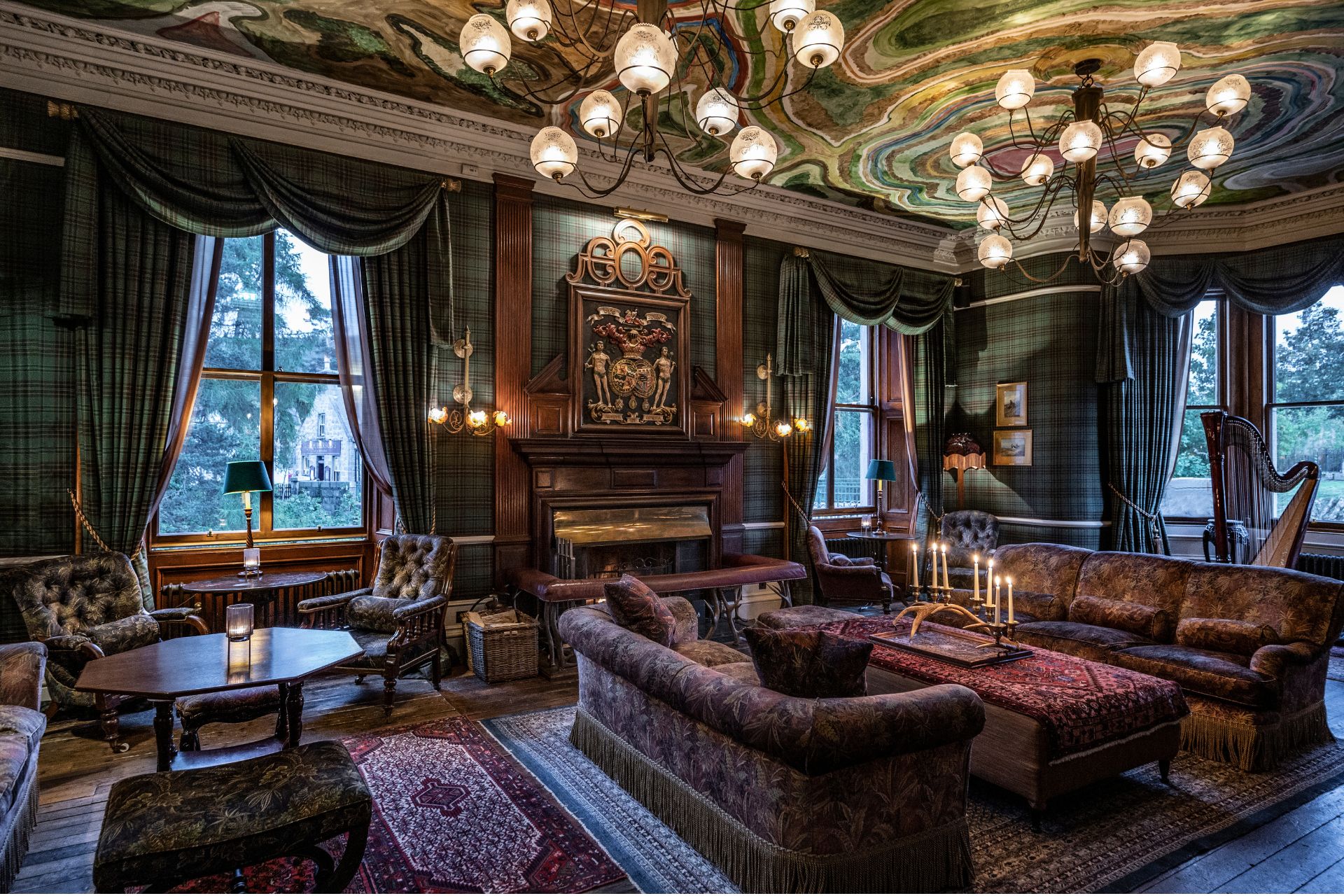
Best Sustainable Country House Stay – Winner: The Fife Arms, Braemar, Scotland
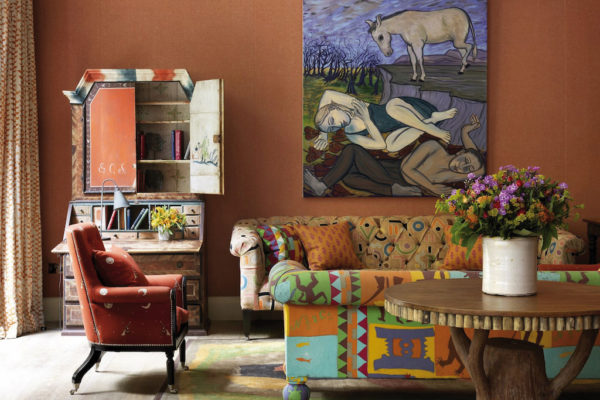
The Fife Arms, in the glorious Cairngorms, is a masterclass in how a country house hotel can own its sense of place while evolving for the future. From renewable energy and carbon tracking to deep relationships with local farmers, estates and makers, decision-making reflects a longterm commitment to the landscape and local community. Investment in people through training, retention and local employment is part of its approach to sourcing and conservation. At the same time, Highland culture, storytelling and craftsmanship are celebrated as part of daily life.
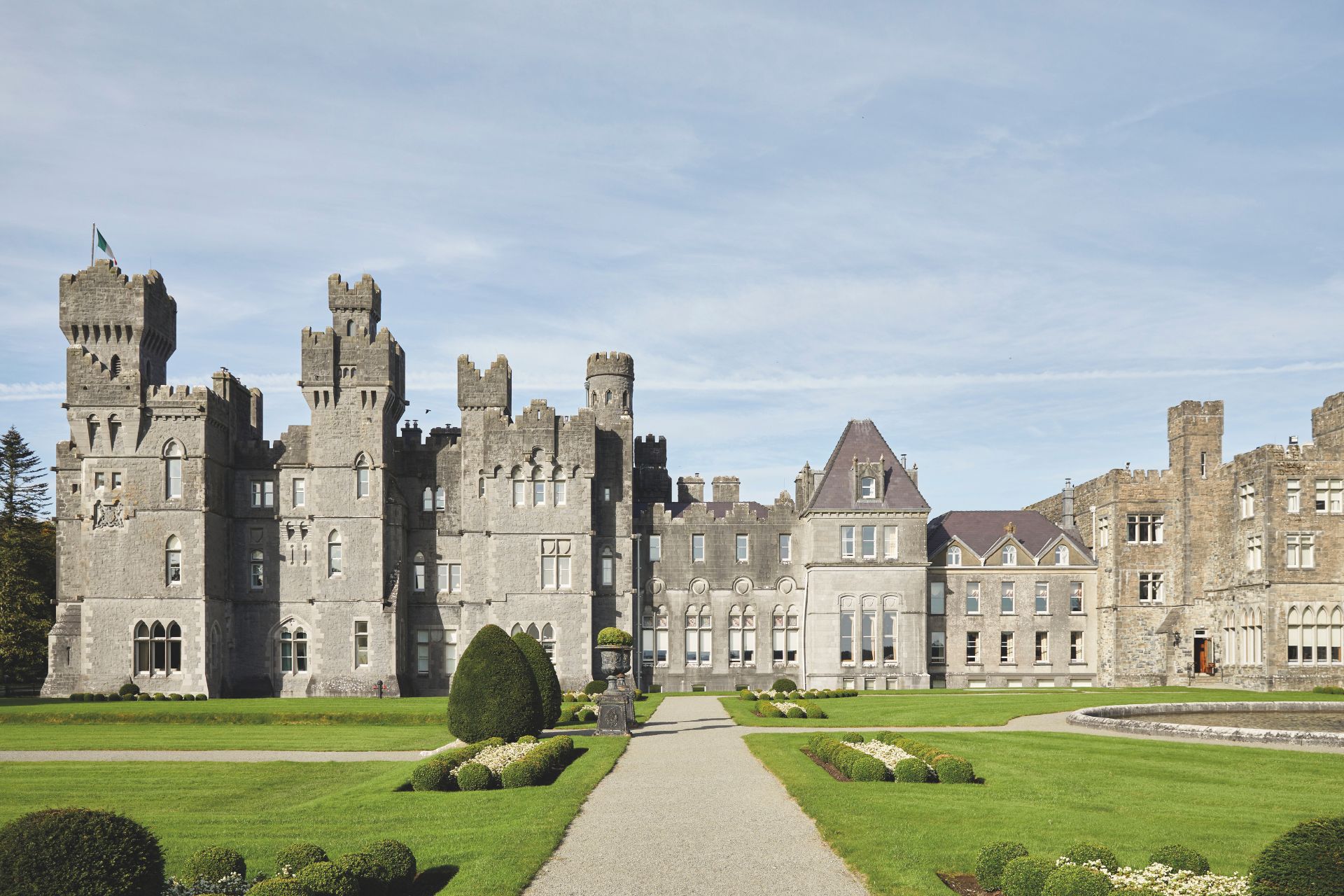
Best Sustainable Country House Stay – Highly Commended: Ashford Castle, County Mayo, Ireland
If you think an 800-year-old estate on Lough Corrib would struggle to put sustainability as a central pillar, think again. Ashford Castle shows how a heritage property can exhibit genuine environmental intent: from extensive estate-to-table sourcing and on-site food production to biodiversity work with Hometree and a highly effective food waste reduction programme, its sustainability efforts are both ambitious and measurable. Its EarthCheck certification adds further weight still.
Best Sustainable Small Country Retreat – Winner: Fowlescombe Farm, Devon
Fowlescombe Farm, set on a 450-acre regenerative farm near Dartmoor, offers an exciting vision of modern rural hospitality. Here, the farm and hotel operate as one ecosystem: the land feeds the kitchen; the seasons shape the guest experiences; and organic food production, low-waste cooking, renewable energy and regenerative land management are all part of the model. Staying at Fowlescombe offers guests the chance to reconnect with the people behind British farming and food production in a way that is absolutely authentic.
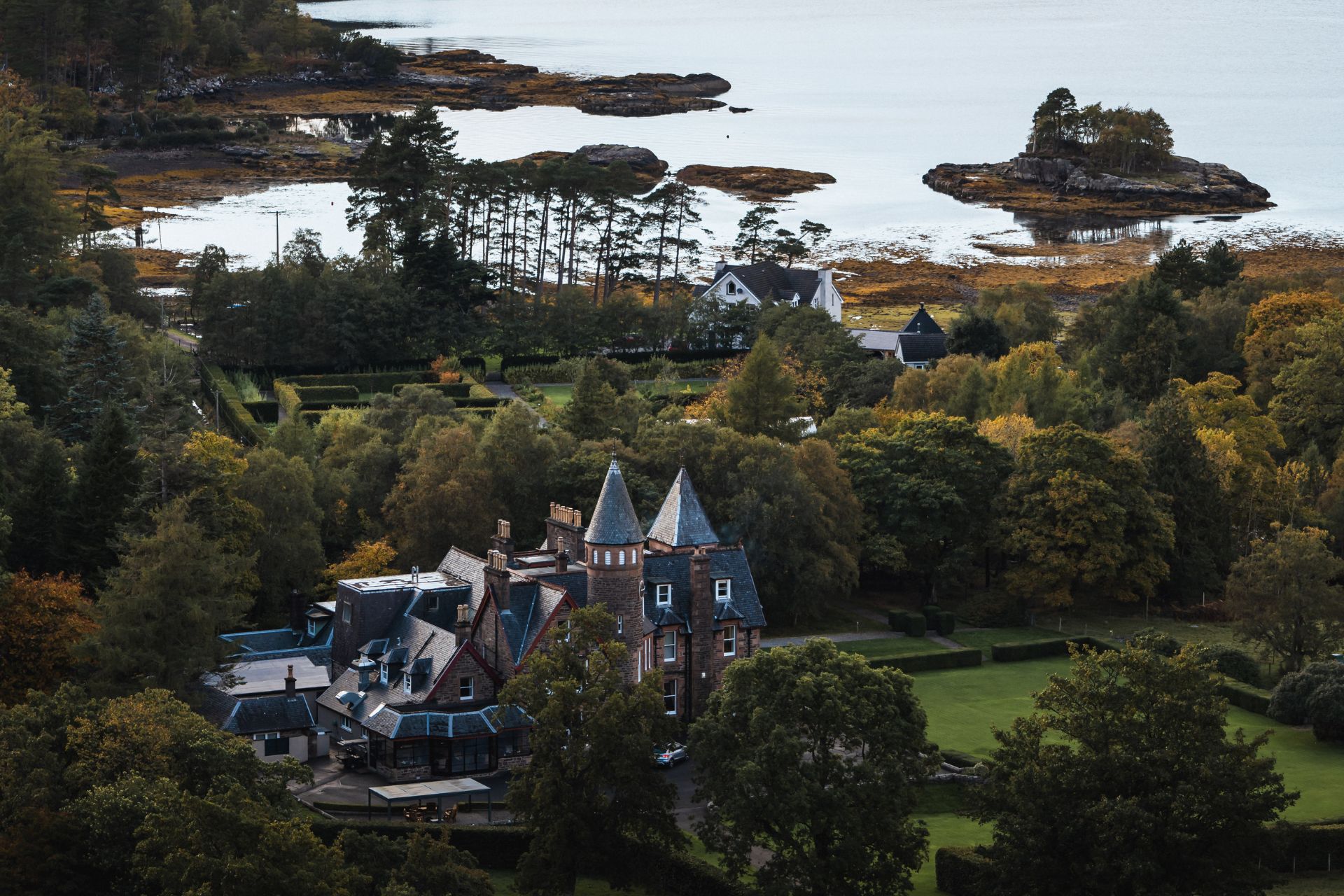
Best Sustainable Small Country Retreat – Highly Commended: The Torridon, Scottish Highlands
On the shores of Loch Torridon, The Torridon pairs old-school Highland grandeur with a rigorous approach to sustainability. Its kitchen garden, livestock and foraging programme feed directly into the hotel’s restaurants, while an EarthCheck certification, a clear emissions reduction plan and detailed environmental monitoring show its accountability. Family-owned, The Torridon has further ambitions to expand biodiversity projects, including increased low-mow pollinator zones, additional native tree planting and continued habitat protection.
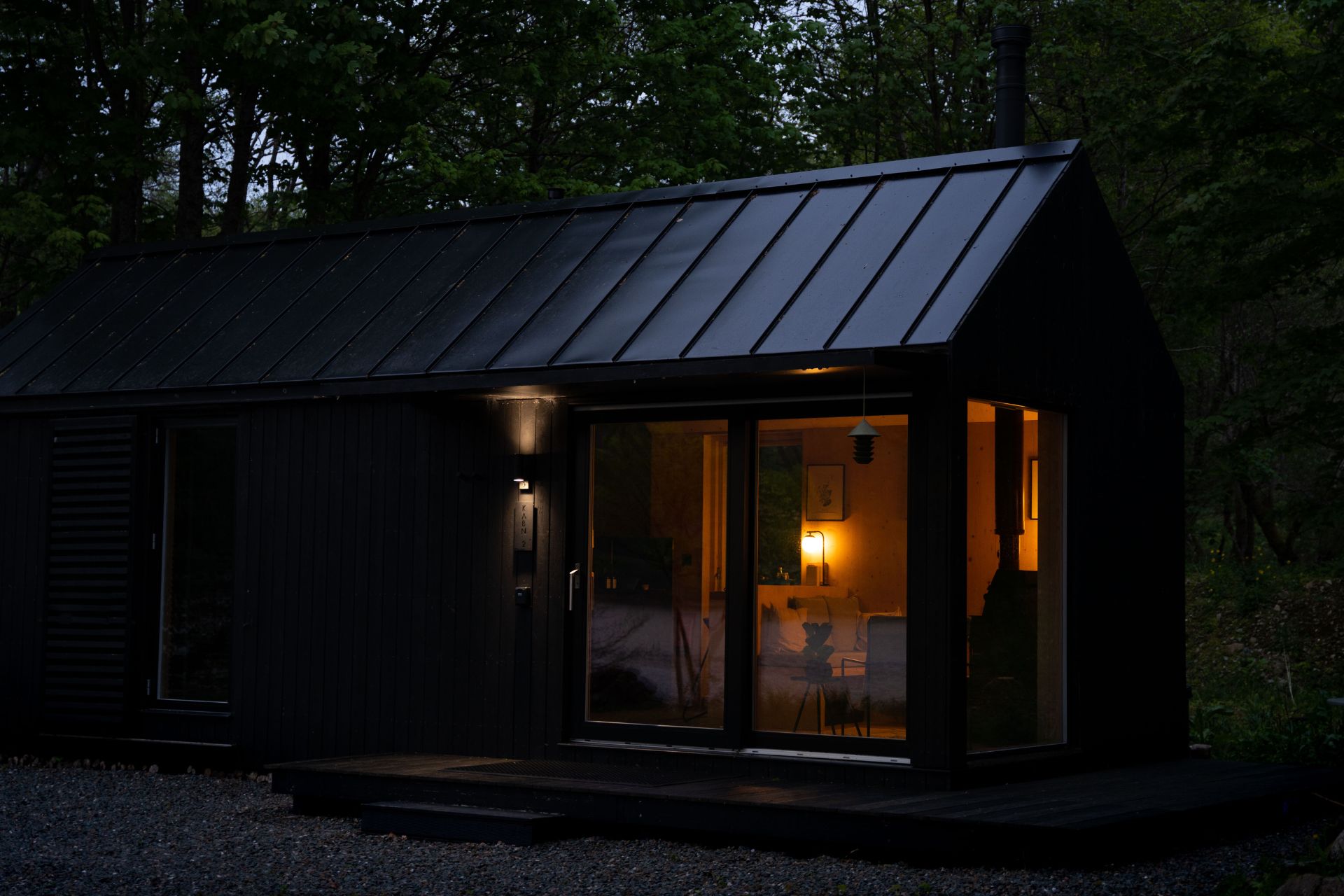
Best Sustainable Wild & Remote Stay – Winner: Kabn, Scottish Highlands
On the shores of Loch Fyne, Kabn is a deliberately minimal operation. As judge Marian Boswall described: ‘It’s as wild as it gets. A really impressive entry.’ With just two solar-powered, design-led cabins built to sit lightly within its landscape, guests are invited to slow down, whether that’s through wild swimming, cooking together, or simply watching the light shift across the water through the huge glazing. The team’s ethos of creating the conditions for people to notice and engage with what is already there and letting the landscape do the rest feels very right for the times. Kabn also donates one percent of annual revenue to environmental causes.
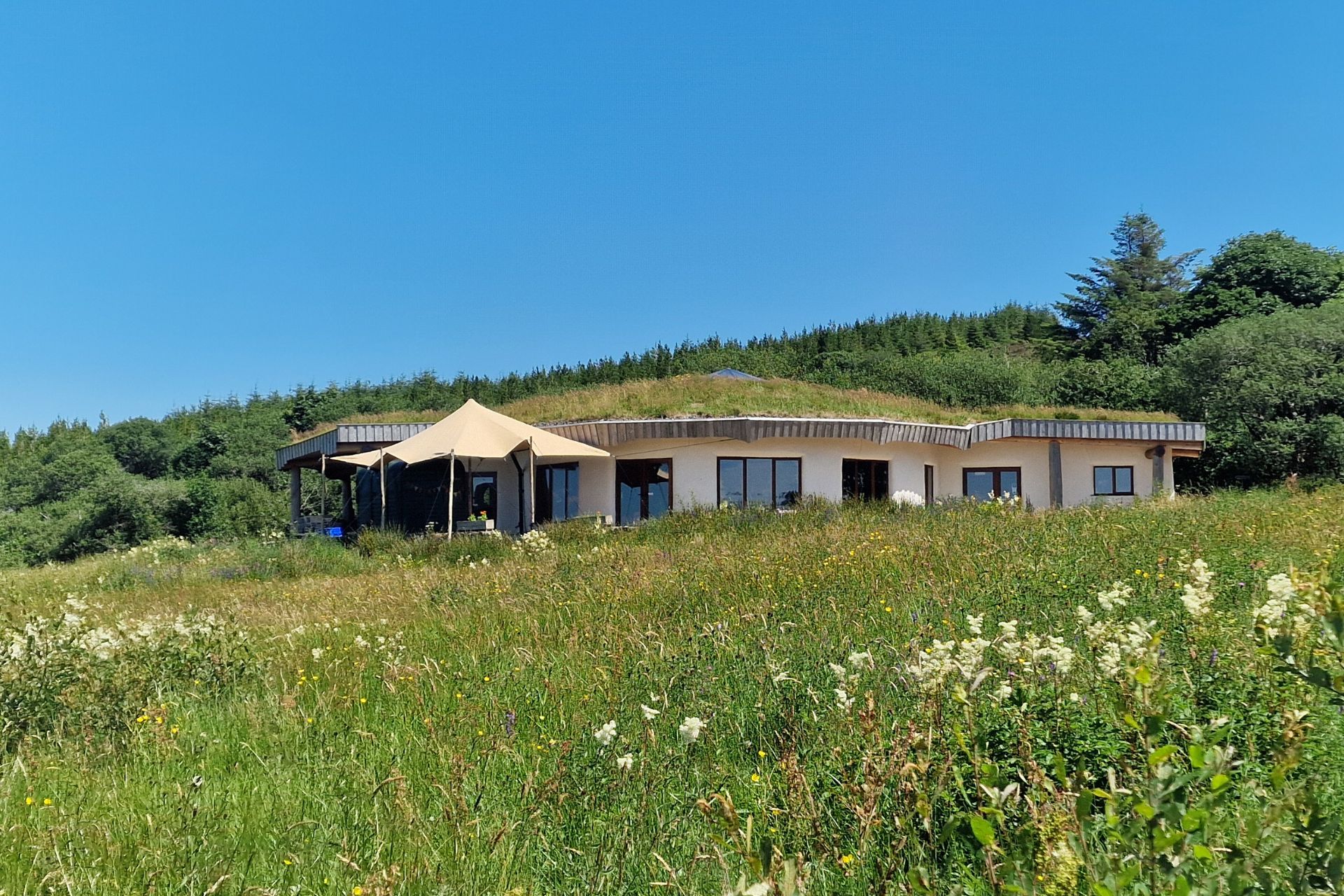
Best Sustainable Wild & Remote Stay – Highly Commended: Lough Mardal Lodge, County Donegal, Ireland
Lodge offers an off-grid, back-to-nature experience. Guests can stargaze under unpolluted skies, go wild swimming and enjoy sauna sessions. Straw bale buildings, composting systems, rainwater harvesting and renewable energy make the company’s impact light. Its long-term goal is to operate as a fully regenerative, nature‐led eco‐destination where environmental impact is actively beneficial. It is well on its way.
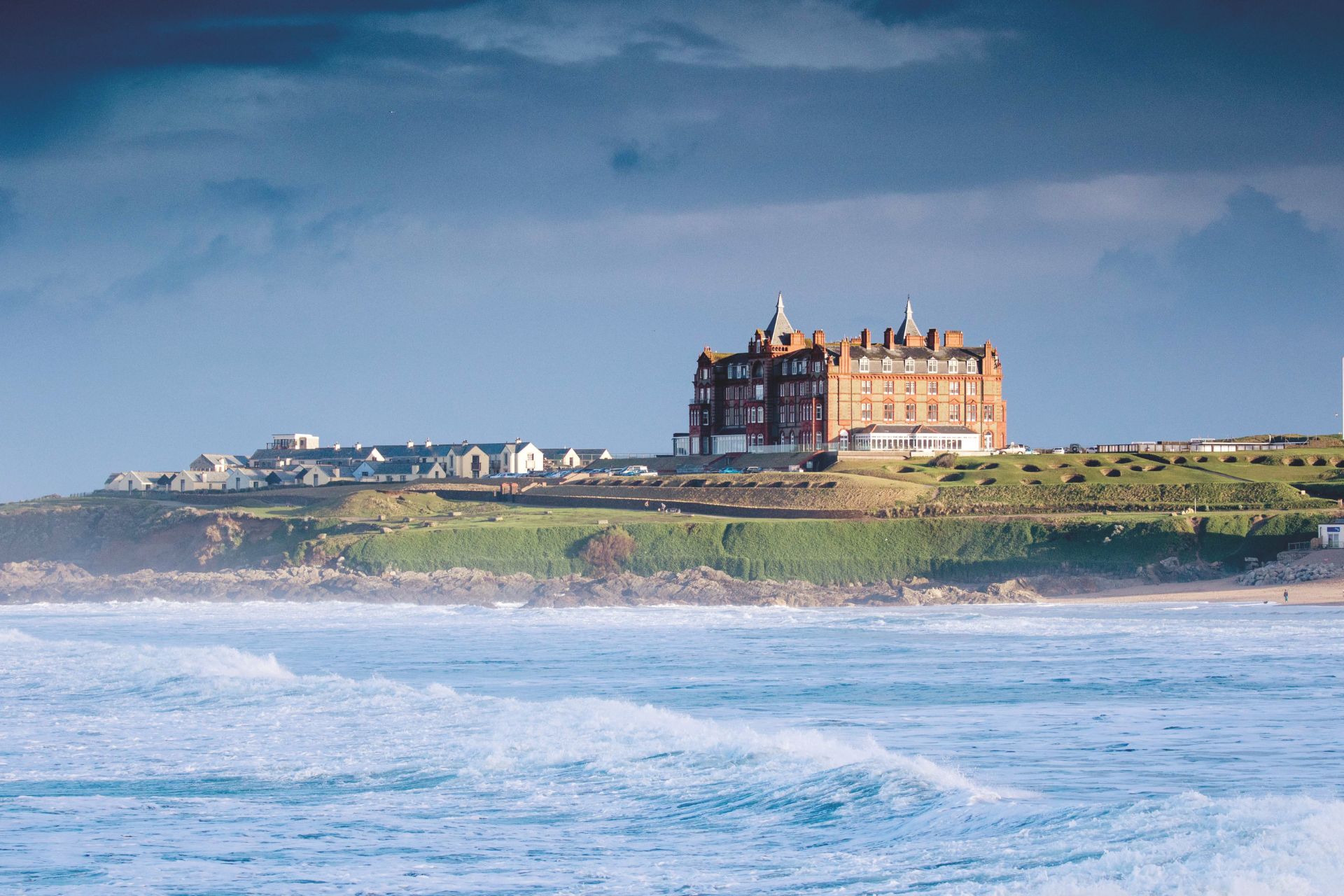
Best Sustainable Coastal Stay – Winner: The Headland, Cornwall
The independent, family-run Headland hotel, perched above Fistral Beach, has built a thoughtful sustainability programme around the landscape that defines it – from local sourcing and renewable energy to beach cleans, marine conservation and partnerships with Cornish producers and organisations. These are then woven into the guest experience through surf lessons, rock pool rambles and lobster releases. Practical initiatives, including food waste reduction and rigorous environmental monitoring, show committed operational rigour. ‘I love all the good works that go on at this Victorian coastal hotel,’ said Lucy Cleland.
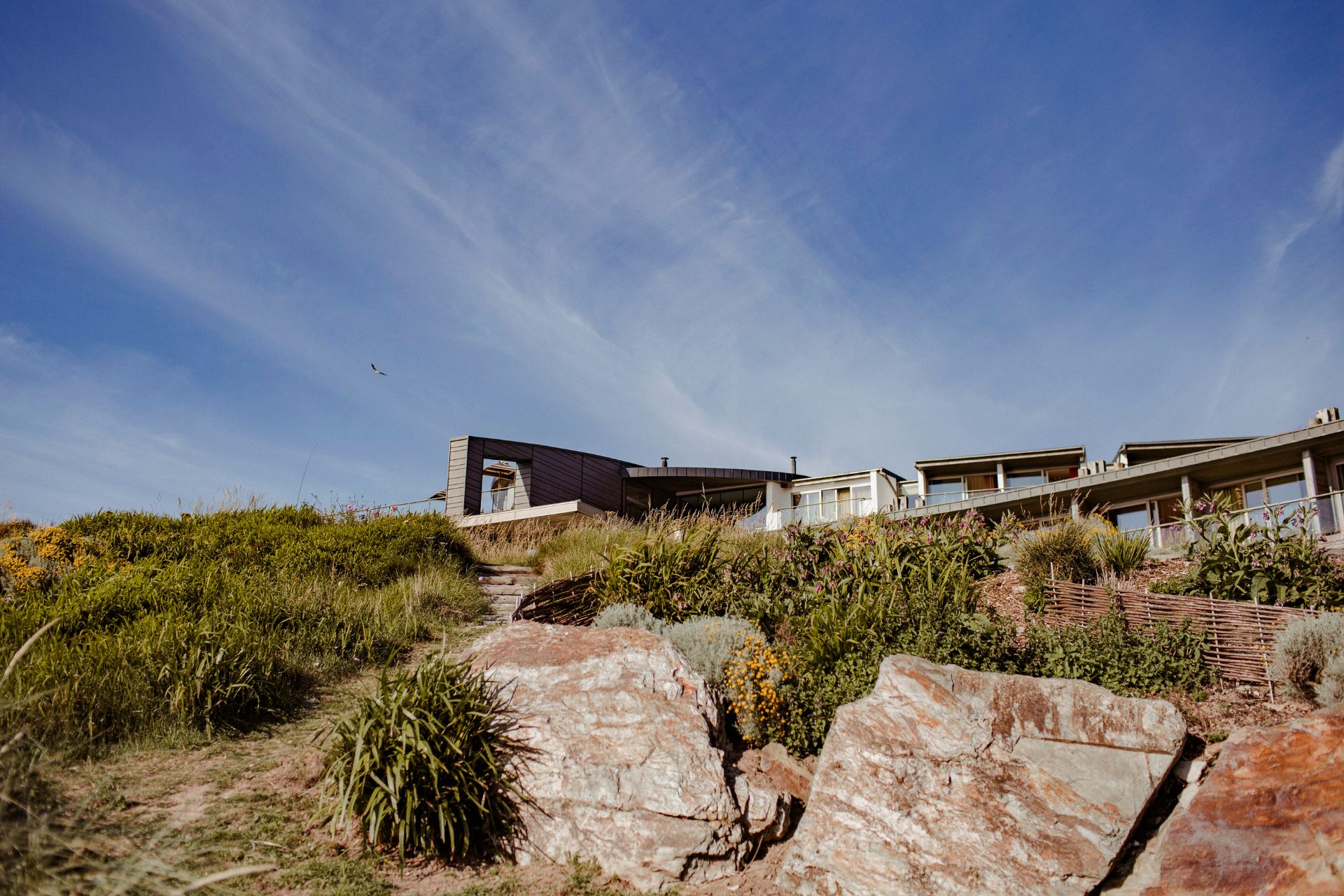
Best Sustainable Coastal Stay – Highly Commended: Scarlet, Cornwall
Set high above Mawgan Porth, Scarlet is one of the UK’s original exponents of sustainable coastal hospitality. Designed to disappear into the cliffside, the hotel’s sea-facing rooms enjoy natural light and Atlantic breezes by design. Renewable energy systems, natural ventilation, rainwater harvesting and a chemical-free outdoor pool have been part of its origin story from the outset. This extends to its food philosophy, with seasonal, locally sourced ingredients reflecting the surrounding Cornish coastline and community.
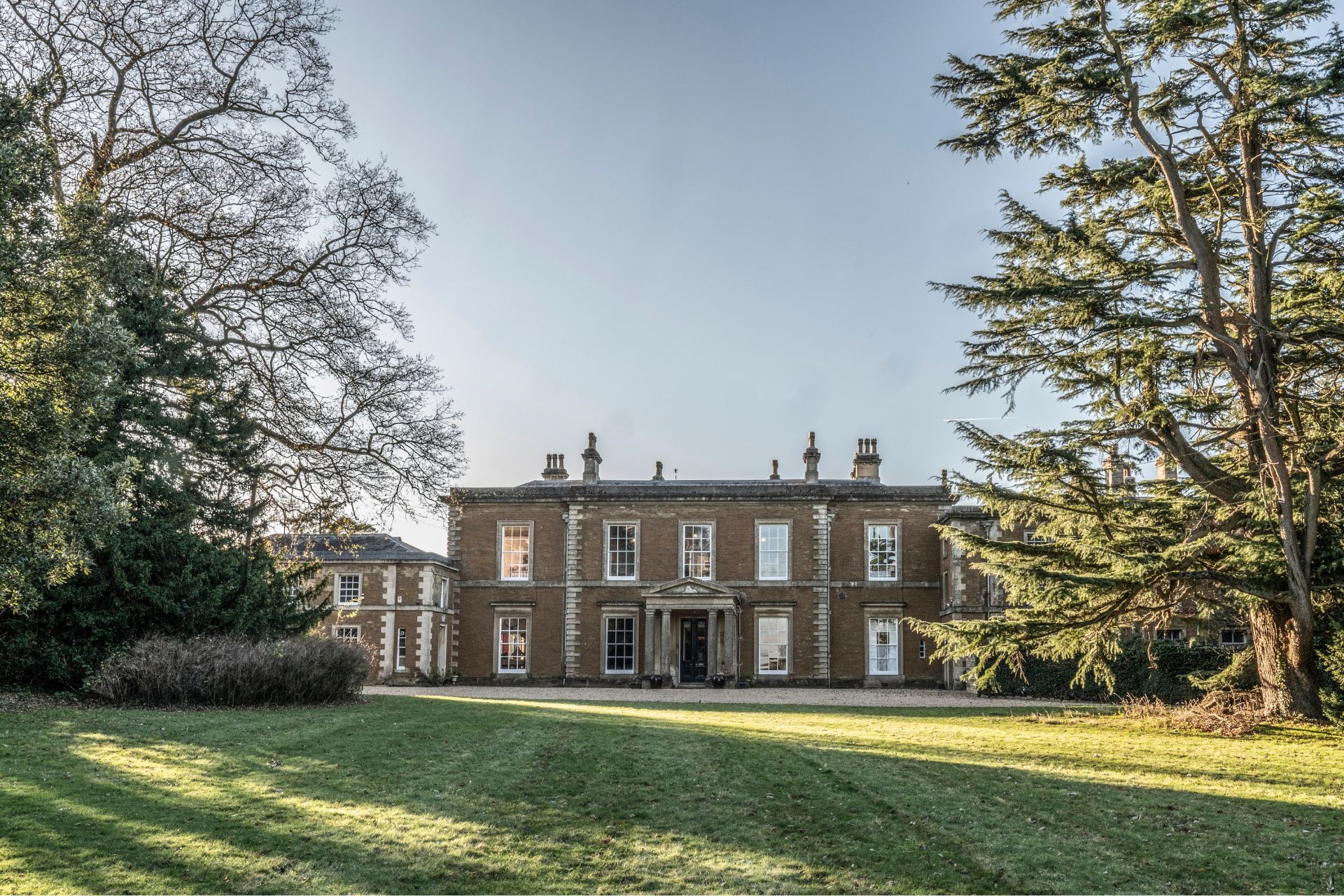
Best Sustainable Private Rental Or Exclusive Use – Winner: Keythorpe Hall, Rutland
Land, kitchen and guest experience are intrinsically linked at this owner-operated estate. At its heart is a two-acre walled garden supplying near zero-mile menus, with brilliantly creative dishes and ingredients dictated by seasonality and availability, including inventive substitutes for citrus, vanilla and spices. Energy is generated via biomass, with solar PV underway; waste is designed out through a no-waste kitchen and closed-loop systems that return nutrients to the soil. Flowers are grown, dried and composted on site. No detail is overlooked. ‘There’s real thought and care behind every decision,’ said Annabel Heseltine.
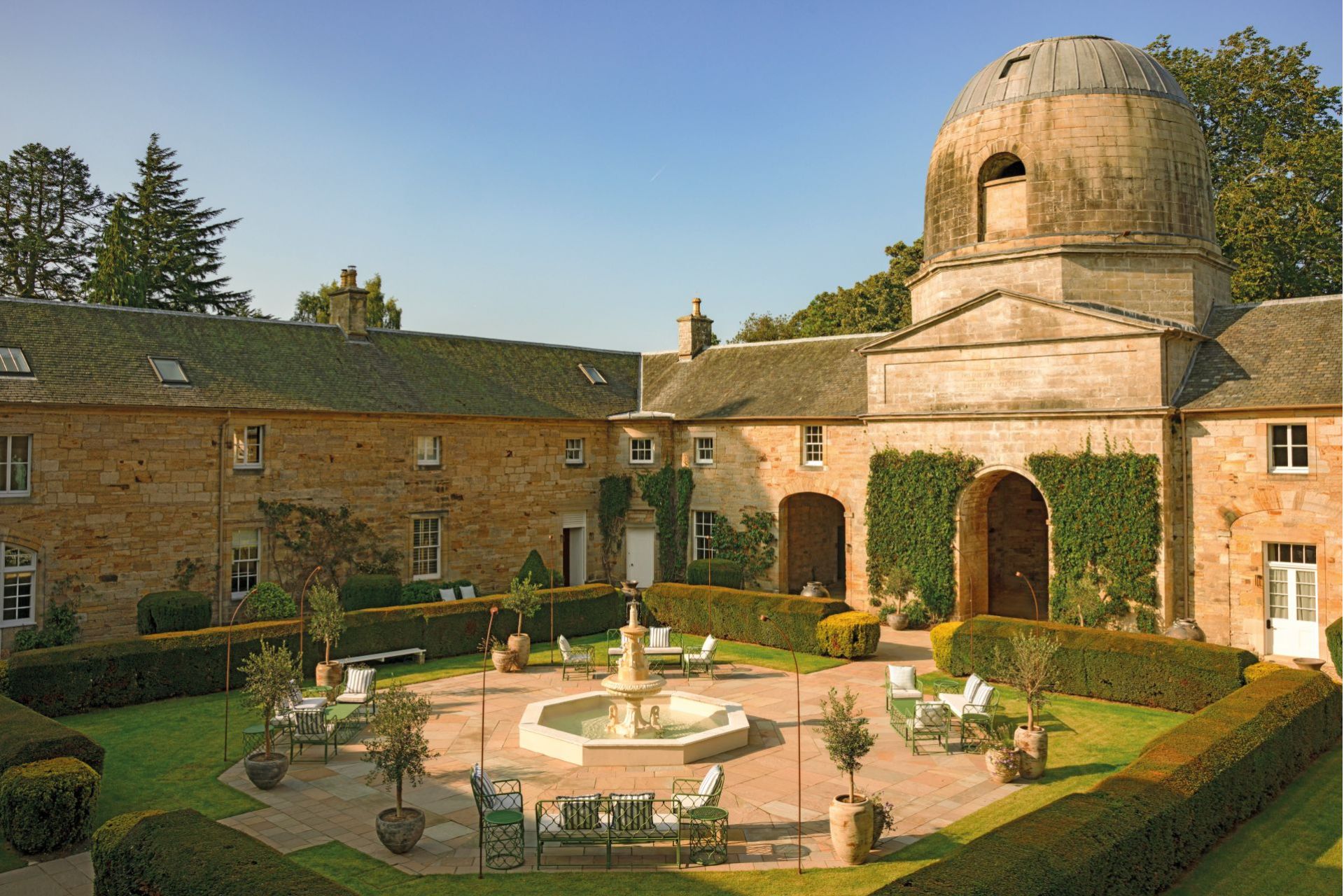
Best Sustainable Private Rental Or Exclusive Use – Highly Commended: Penicuik Estate, Midlothian, Scotland
Set across more than 3,000 hectares just outside Edinburgh, Penicuik Estate has been owned and stewarded by the Clerk family since 1654. In 2026, however, it operates according to its 50-year Living Landscape vision, which places regeneration, heritage and enterprise in careful balance. From peatland restoration and native tree planting to restoring historic buildings and inviting guests to stay for the first time – either in the house itself or other self-catering accommodation – the estate is thinking for the next 400 years.