


The Secret Of Enduring British Brands? Balancing History With Modernity
By
9 months ago
From Burberry to Dunhill, these labels blend past, present and future
Our most long-lasting British brands balance provenance with progress to keep themselves consistently relevant, says Alex Bilmes
British Brands Are Proving Fashion And Heritage Can Work In Tandem
Style is timeless; fashion is fleeting. The former looks back; the latter, forward. Style embraces history; fashion is only concerned with novelty. Or so we’re told. It’s not true. Style and fashion are in constant dialogue with each other, with the past, with the future and, most importantly, with the right now.
The brands that most successfully harness the appeal of legacy (their origin stories) and modernity (the mood of the moment) without being beholden to either are those that have the brightest futures. And British luxury brands are better than any at making heritage – another loaded term – seem fresh and relevant.
There’s another false dichotomy, specific to British style and fashion. On the one cashmere-gloved hand, British luxury is taken to mean formal tradition: Mayfair haberdashers and Northampton bootmakers, Savile Row tailors and the shirtmakers of St James’s. On the other tattooed fist is the trendies and the tearaways, the bleeding-edge east London design students with their wacky innovations and eyebrow-raising, outré creations.
These need not be celebrated in opposition to each other. Many of our most maverick figures have been steeped in the history and traditions of British luxury without being remotely hidebound by them. Think of Vivienne Westwood, queen of punk, with her tartan kilts and corsets. Or Lee McQueen, of Alexander McQueen, who combined a truly avant-garde vision of womenswear with a rigorous approach to his craft, taught on Savile Row where he was an apprentice tailor. McQueen was British to his bones, which is why he could be at once a diehard traditionalist and a committed subversive. ‘You’ve got to learn the rules before you break them,’ he once told me.
McQueen did his MA at Central Saint Martins in London, the most influential fashion college in the world. So did Daniel Lee, chief creative officer of Britain’s most valuable luxury brand, Burberry, where the delicate line between past, present and future is walked most publicly.
Which Brands Are Doing It Best?
Burberry was founded in 1856 in Hampshire and soon enjoyed a reputation for making innovative outerwear – most famously the trench coat, named for its role in the First World War. Almost 170 years on, Lee, from Bradford, still designs innovative outerwear that both nods to the company’s history and pushes it forward. Burberry was modern then, and it’s modern now.
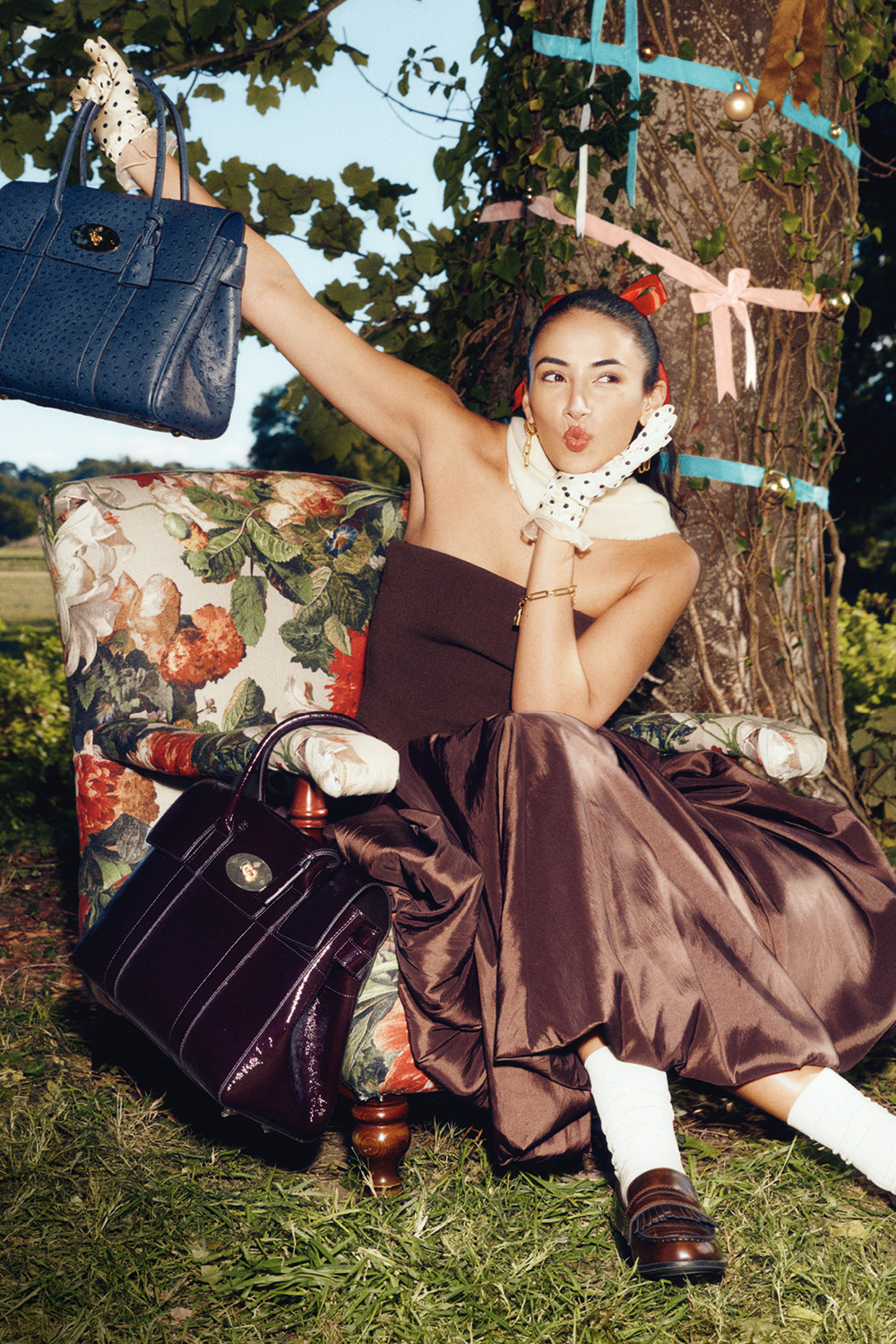
(c) Mulberry
This is a quality that all the great British fashion and luxury brands share. Mulberry, Sunspel, Paul Smith, Margaret Howell, Barbour, Russell & Bromley: all acknowledge their early years without pandering to a sense of nostalgia.
This is not unique to Britain, of course. Creativity knows no borders. No nation state has the monopoly on craft or skill. You can’t judge a person’s talent by looking at their passport. Plenty of the best students at Saint Martins today are from overseas, and many of the most gifted people working in British fashion and luxury were not born here.
British Expertise
And yet… there are attitudes and traditions and skills handed down across generations that are specific to places and peoples, resulting in particular areas of expertise and spheres of interest and influence. We hear quite a lot about the death of manufacturing in our country, and yet from Cornwall to the Highlands, there are people making items and objects of extraordinary quality in the old ways and, increasingly, using new technology to create technical products that our ancestors could not have dreamt of.
If you’ll indulge me, a small selection from my own wardrobe. Formal shirts from Emma Willis, made to measure in London by Willis herself at her shop in St James’s and manufactured at her factory in Gloucester. Knitted silk ties from Drake’s, the Savile Row outfitter that has elegantly and decisively captured the attention of stylish men with its contemporary take on classic tailoring, made at its factories in Clerkenwell and Somerset.
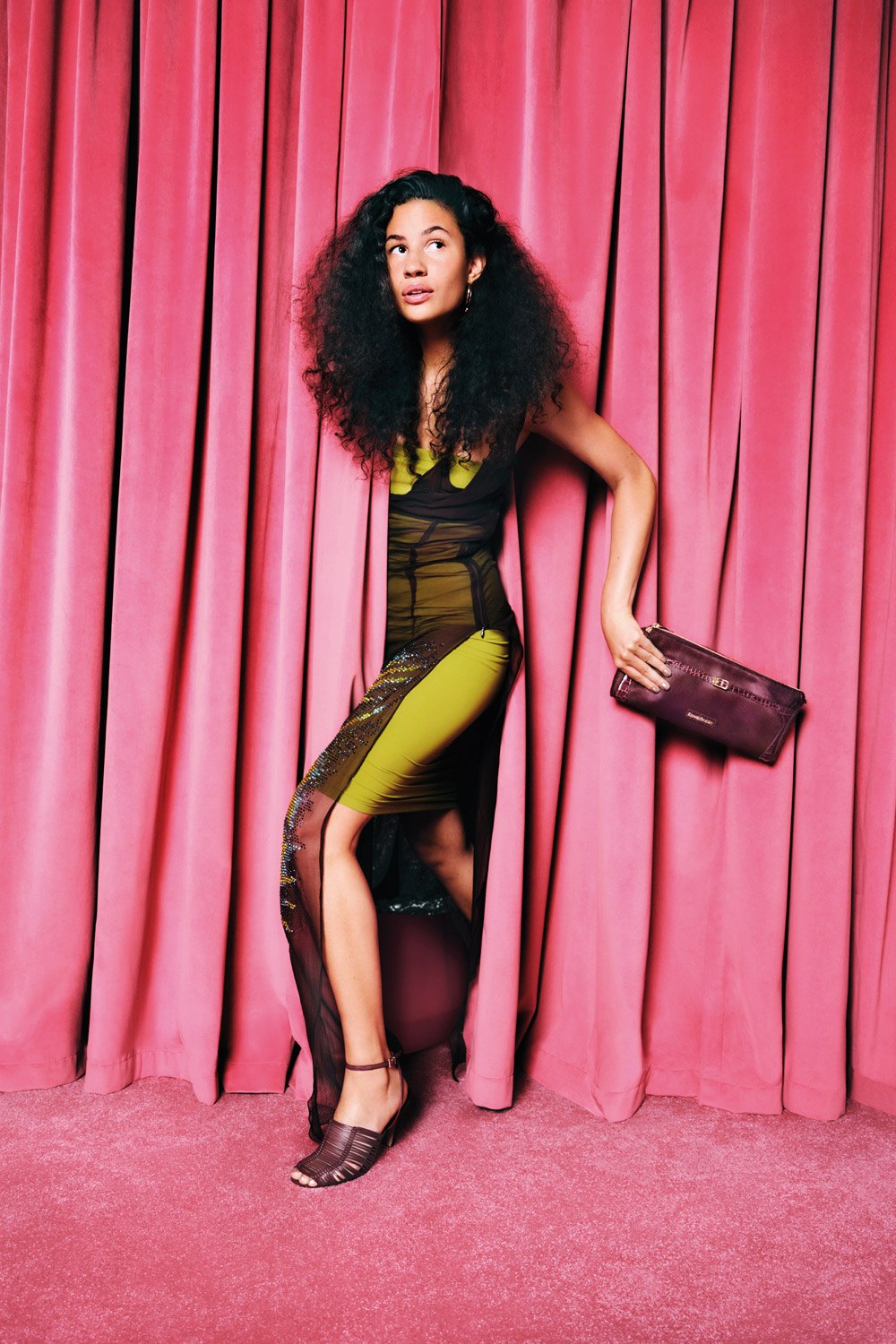
(c) Russell & Bromley
My most recent acquisition: a bespoke suit from Dunhill, thriving under the stewardship of Simon Holloway. This suit was made for me by Will Adams, for my money the best cutter in the business, at the Dunhill shop in Bourdon House in Mayfair, using cloth from Yorkshire.
Socks are Pantherella, from Leicester. Underpants, if you must know, are Sunspel, of Derbyshire. Shoes are Crockett & Jones, from Northampton by way of Jermyn Street. The spectacles are E.B. Meyrowitz, fitted at the atelier in Mayfair.
As soon as I’ve finished typing this, I’m off to take the dog for a walk. (He’s a whippet, an English breed. I bought him from a man in Leicestershire.) It’s chilly out there, so I’ll be wearing a worsted-cashmere scarf from Begg x Co, founded in Paisley but now based in Ayr, and a woolly hat from the great Richard James.
The raincoat I’ll be pulling on is from the excellent Private White V.C., of Manchester. It’s made of cotton Ventile, the stuff developed during the Second World War to keep downed RAF pilots alive when they crash-landed into the North Sea. So it ought to be sufficient for a brisk stroll into Shepherd’s Bush. The hound will be wearing his Paul Smith leather collar and lead. Spoilt dog.
Tonight, when I turn in, I’ll put on my Derek Rose PJs, though not before filling my Hackett hot water bottle. (You think I’m making this stuff up – it’s all true!)
It’s not only clothes. Some years ago, I edited a special issue of a magazine devoted to the best of British. We commissioned a shoot of all the stuff I’d own if I had unlimited funds. An Aston Martin, from Warwickshire; Catcheside cutlery, from Hereford; a Bremont watch, made in Oxfordshire; Corgi socks, from Ammanford, Carmarthenshire; a Dualit toaster, from West Sussex; a John Smedley polo shirt, from Derbyshire; a Roberts bicycle, from Surrey; a Burberry trench; an umbrella from London Undercover; a suit from Thom Sweeney. We also had beer from Suffolk, doughnuts from Bermondsey, a terrier from Yorkshire, a motorcycle from Leicestershire – and I could go on, but you’re getting the picture, I think.
All this stuff is rich in history, yet is made to be used and enjoyed right now – and for years to come.