


From A Historic Lodge To Buddhist Community Centre, Tasburgh Hall Has Seen It All
By
6 months ago
Inside the storied past of this 18th century home
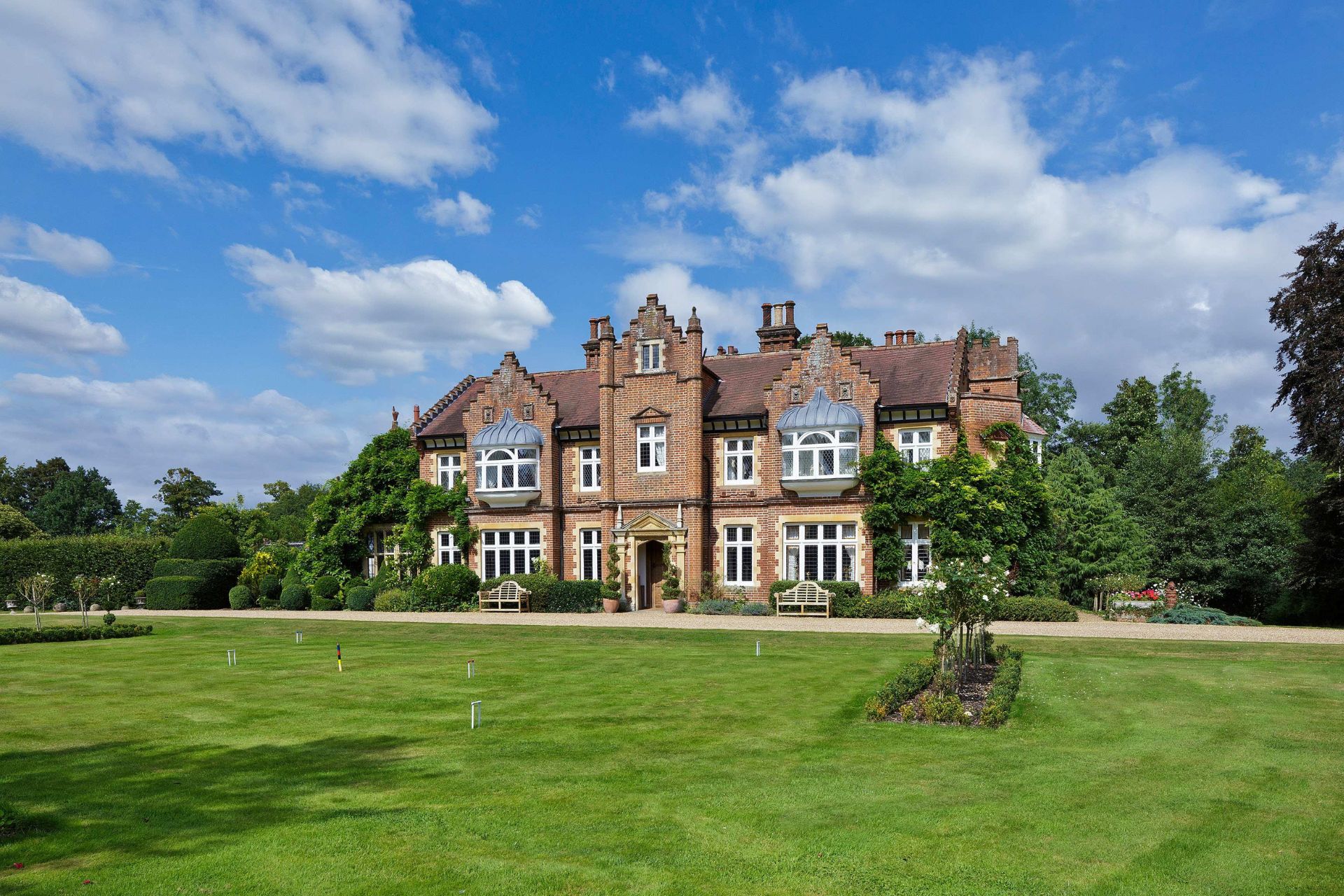
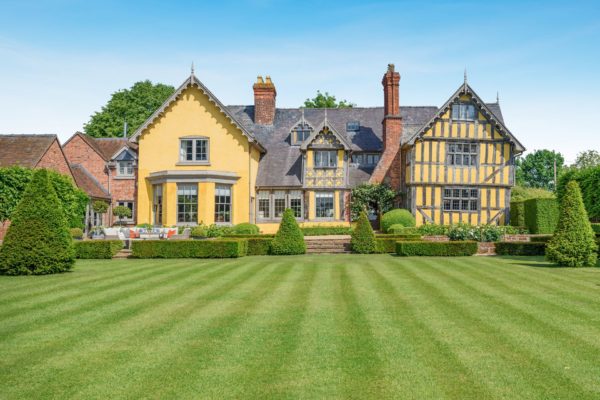
A historic Neo-Jacobean home in the quiet Norfolk countryside, Tasburgh Hall is certainly one of the most impressive country homes on the market right now. From an 18th century lodge and 19th century hall to an army base and Buddhist community centre, this historic property has donned many faces over the years. And now it’s looking to start its next chapter.
Inside Tasburgh Hall
In 1779, London banker and Quaker Thomas Mildred married a young woman named Elizabeth Hart – and though their love story is now lost to time, their financial records remain…
Perhaps in an attempt to impress his new bride, Mildred swiftly purchased all of the land and properties from one James Gooch, on which he built a new home for himself and his wife.
Selling up just a few years later in 1786, the property was described in an advertisement in the London Times as a ‘very desirable estate’ in the ‘county of Norfolk, consisting of a genteel modern good house, recently erected and in complete order, called Tasburgh Lodge’. With gardens, fish ponds, a coach house, stable for seven horses, another for 13, a granary, a kennel for 20 hounds, two barns, a bullock shed, outbuildings and 164 acres of ‘exceedingly rich land’, it went up on the market all for the yearly value of 180 pounds.
From there it changed hands a few more times before landing in the palm of General William Gwyn, a one-legged veteran of the Napoleonic Wars, in 1815. It was then occupied by Edward Grove, and later bought up by philanthropist and art collector Philip Berney Ficklin.
It was Ficklin who upgraded Tasburgh from ‘lodge’ to ‘hall’ via an extensive remodel from 1885–1890, in which he added the distinctive south and east fronts as well as a gatehouse and ballroom. The heraldic shields above the main gate pillars bear his arms, as does the stone memorial in the garden which commemorates the findings of skeletal remains and pottery.
Following Ficklin, ownership once again changed hands multiple times before Tasburgh Hall was eventually auctioned off in 1939. At this point, at the start of the Second World War, it was requisitioned as the headquarters of an army search light unit and later transformed into a residence and school for evacuee children.
Brought back into private ownership after the war, Mr John Ellis – the owner of Norwich jewellers, Dipples – restored the Hall and gardens to their pre-war time days, hosting village dances, fetes and garden parties for the locals of Tasburgh to enjoy. The Ellis family were succeeded by Mr and Mrs John Walton, who owned a large collection of Alfred Munnings paintings, before it was transformed into a community centre by a local Buddhist group.
When the Buddhist group vacated, ownership passed onto four families who sliced the house up into separate dwellings. It wasn’t until the current owners took over Tasburgh Hall in 2007 and undertook a 15-year project that it was brought back to a single family home and returned to its former glory.
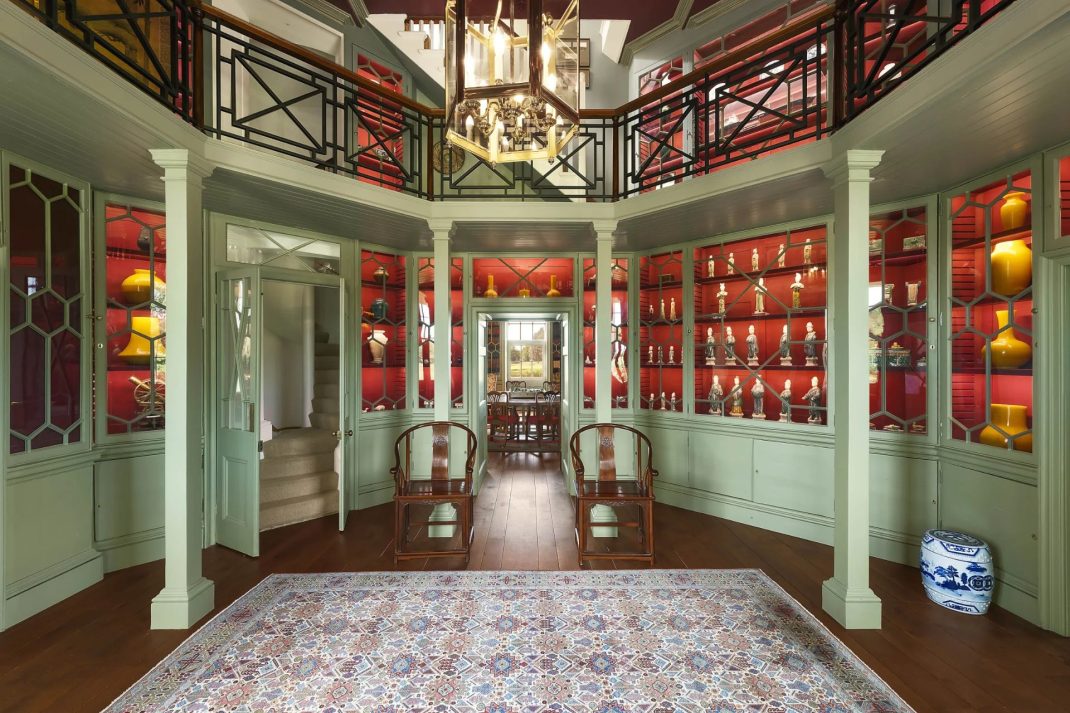
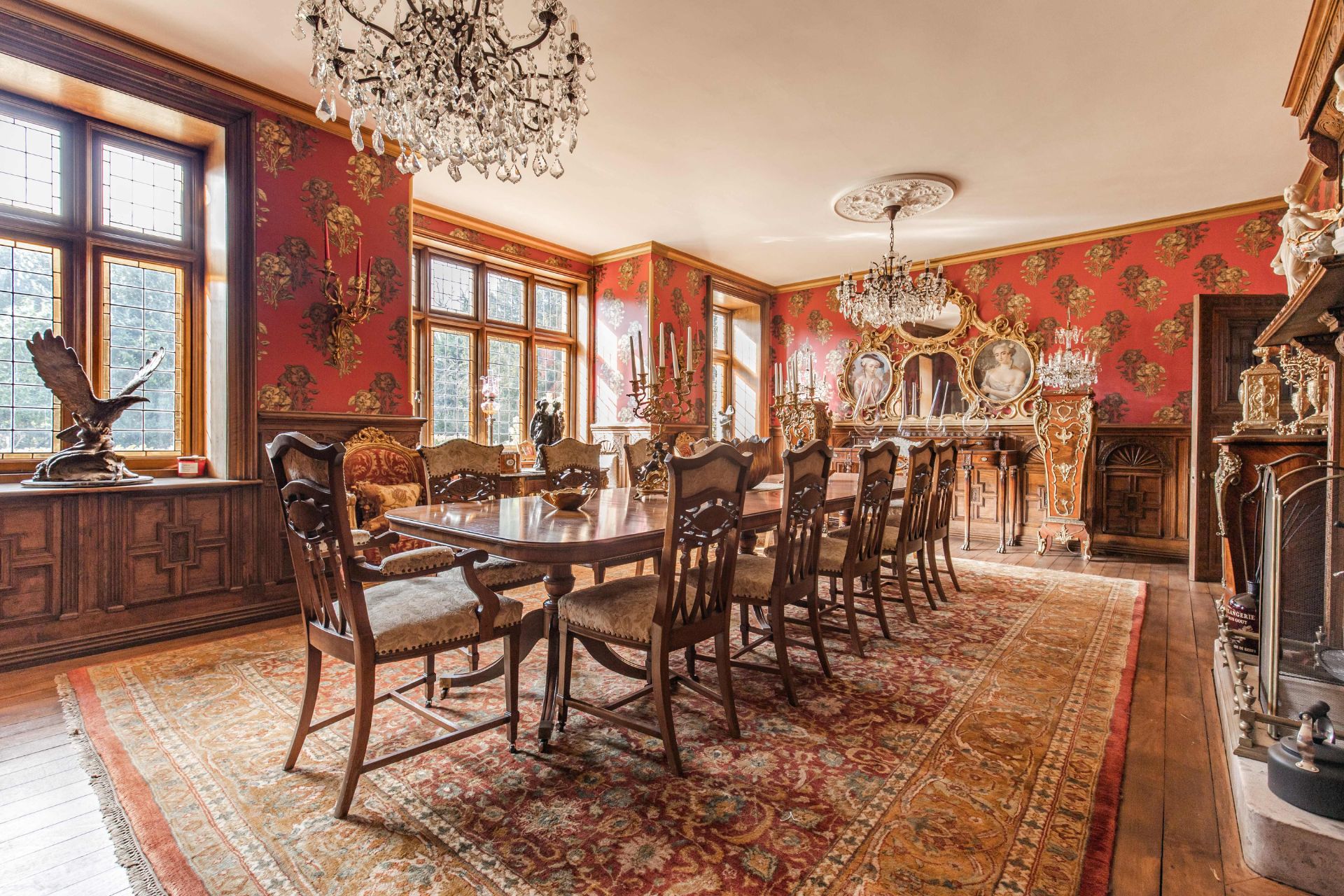
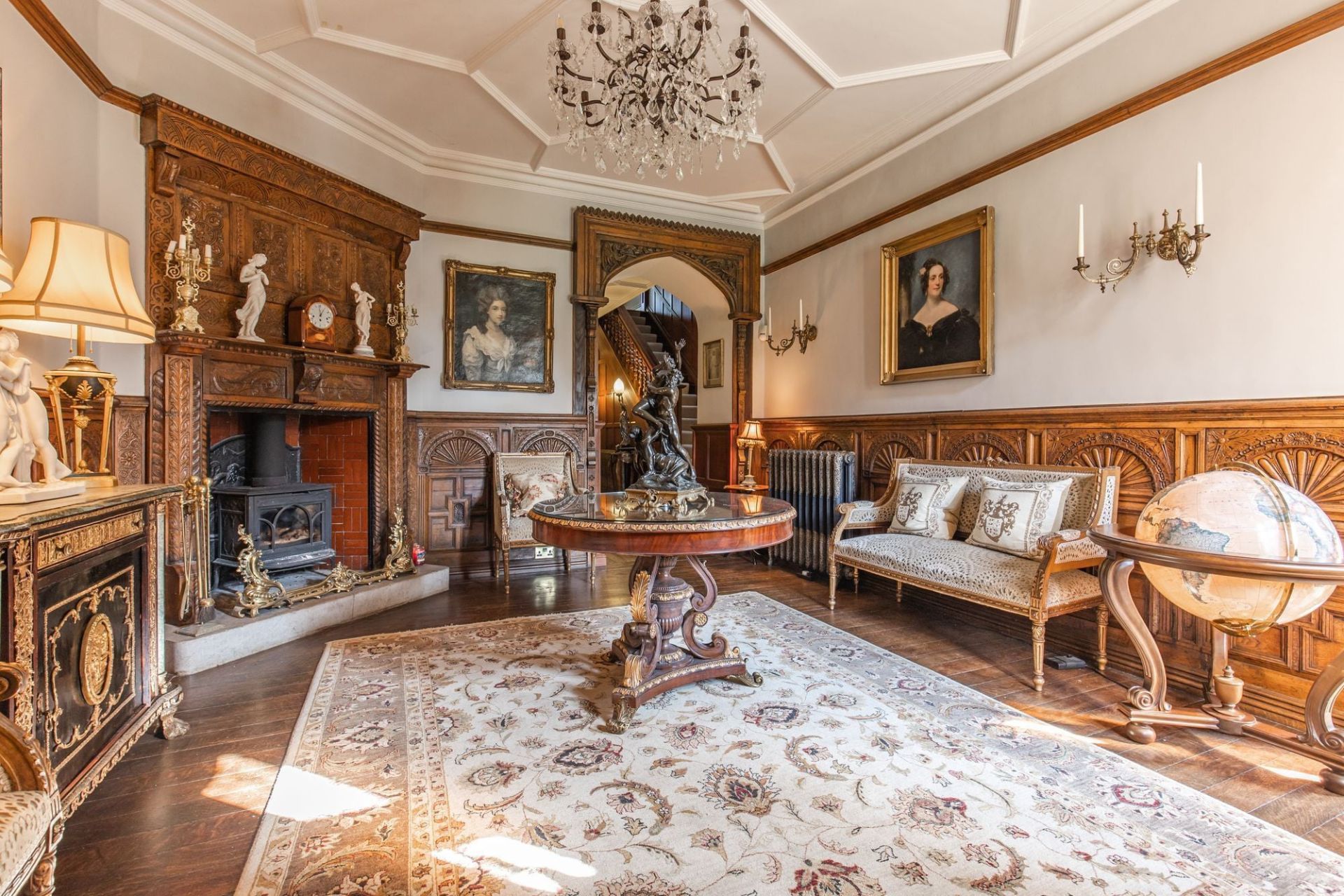
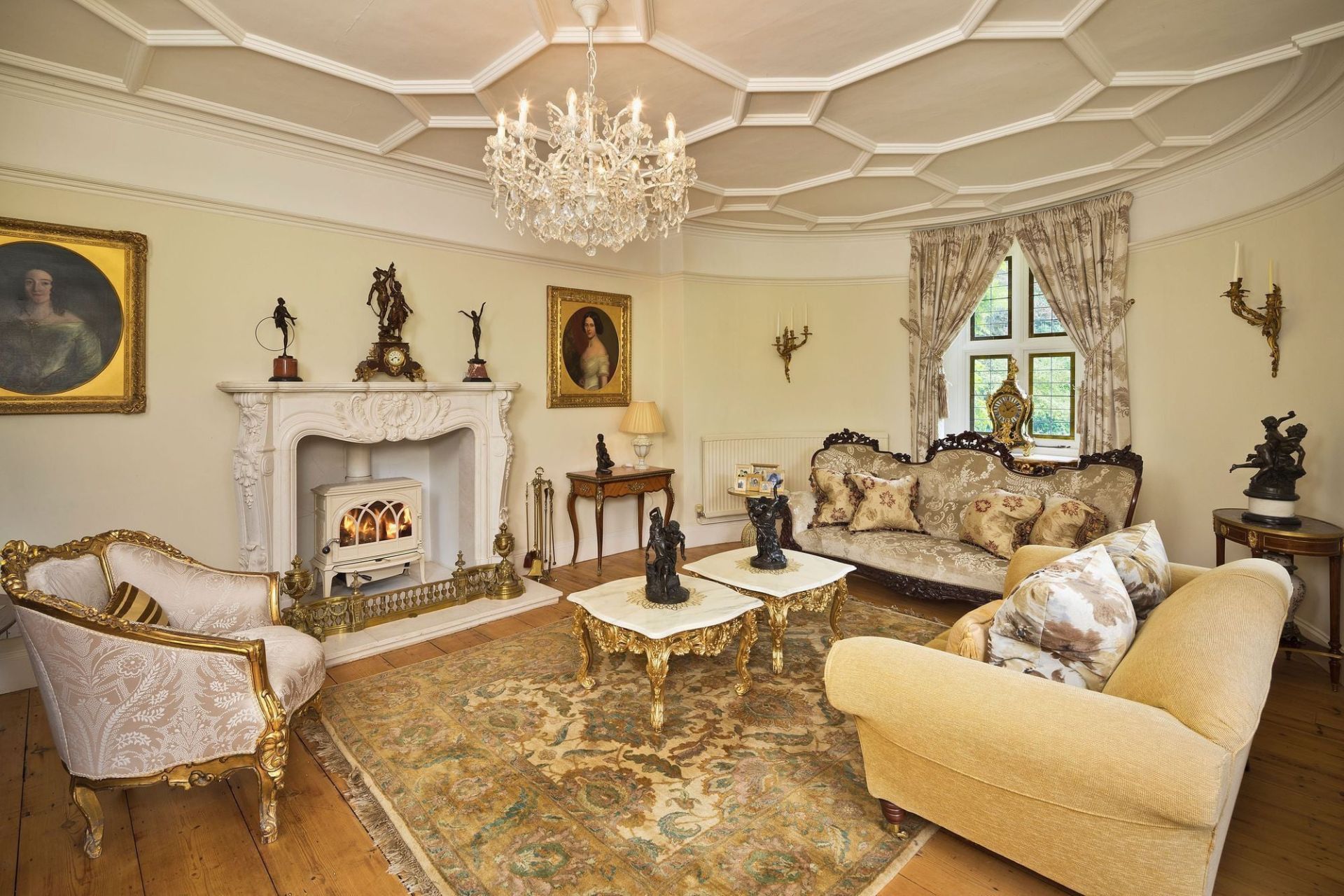
Over the last 15 years, the house has been renovated to exacting detail, incorporating elaborate plaster mouldings, gilded radiators, oak and stone flooring, luxury designer bathroom fittings and a bespoke Clive Christian-designed kitchen.
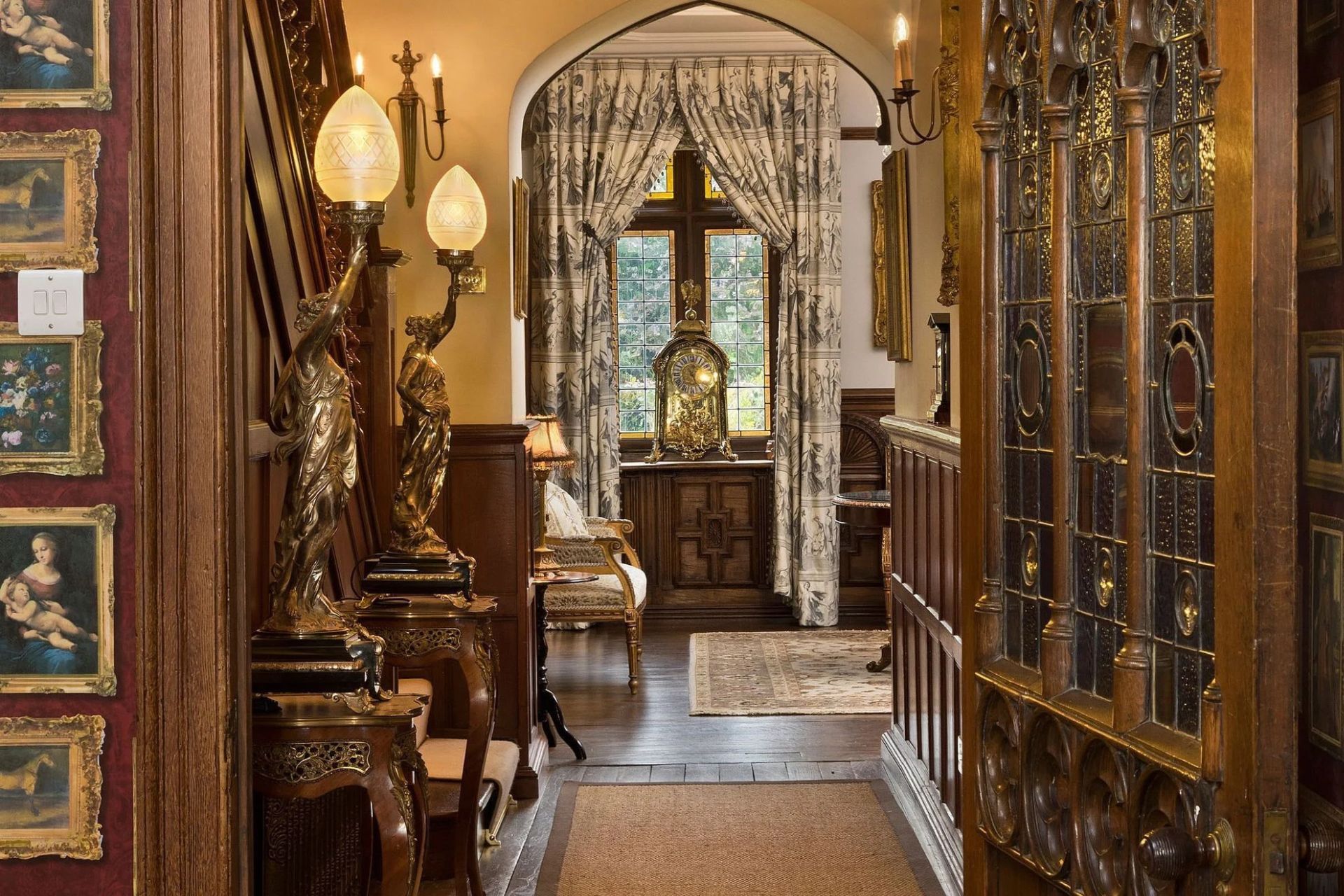
Located in south-east Norfolk, just south of Norwich and close to the ancient village of Tasburgh, this red-brick Neo-Jacobean country house makes an impressive mark on the landscape. The home boasts seven bedrooms, six reception rooms, a four-bedroom guest and leisure wing with a gym and games room, outbuildings, a two-bedroom gatehouse (with lapsed planning to extend), and solar panels.
As for the 23 acres of grounds, these have been enhanced with the planting of specimen trees, topiary gardens, the formation of a stocked fishing lake, boundary fencing, the addition of two Hartley Botanic greenhouses and a cart lodge.
The grounds also include landscaped formal gardens, a kitchen garden and orchard, a tennis court, parkland and woodland bounded by the River Tas.
On the market for £2,750,000. Find out more at sowerbys.com