


The Ultimate Guide To Jane Austen’s Onscreen Interiors
By
4 weeks ago
Unfurling in meticulously detailed wallpapers, sugary pastels and antique furnishings, the world of Jane Austen thrives in cinema
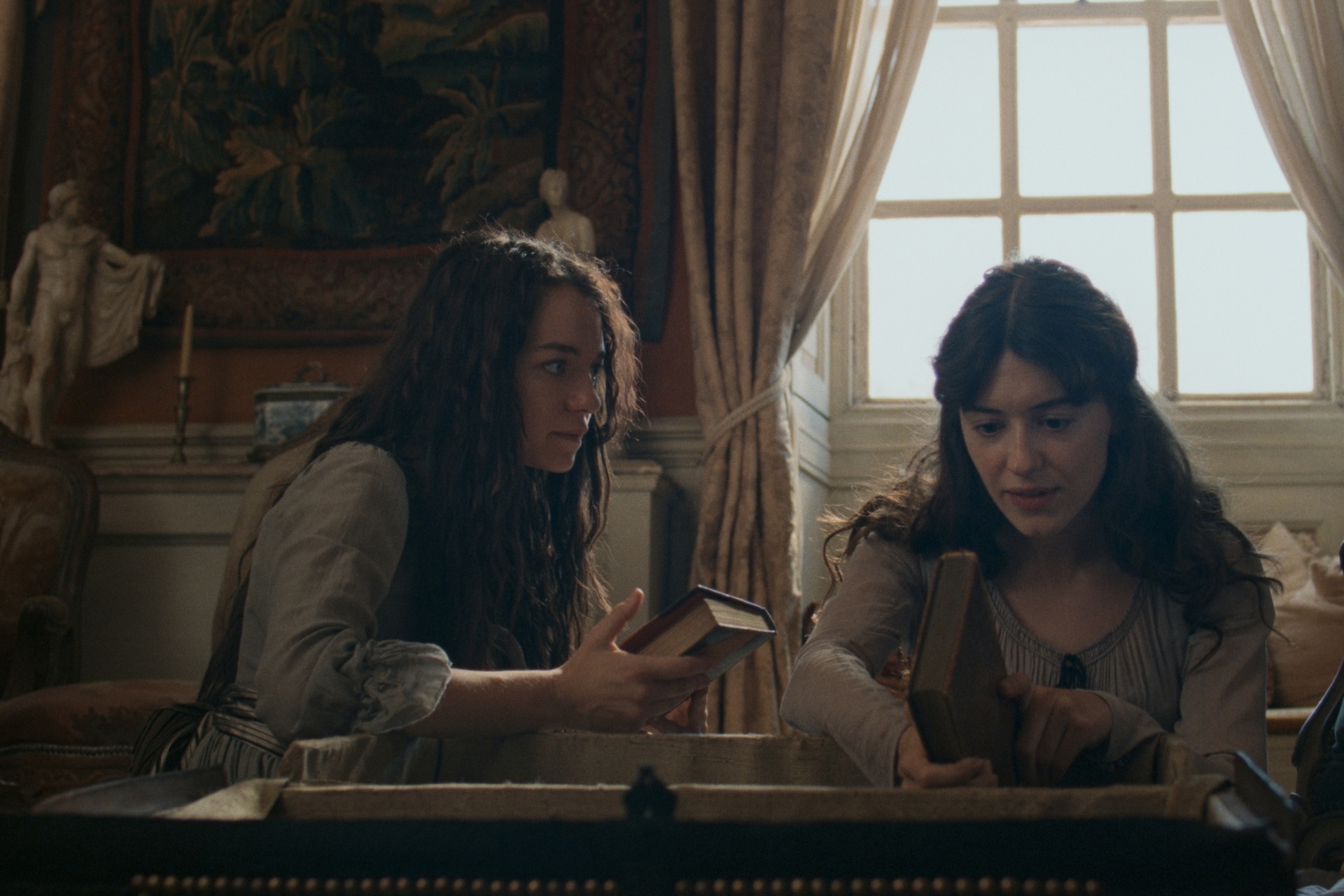
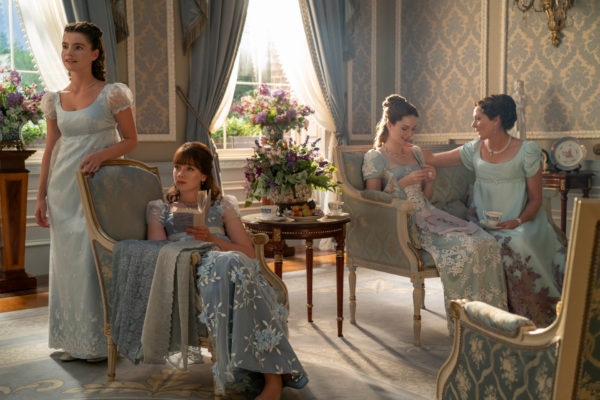
The world of Jane Austen is one that we will never tire of. Whether it’s reading her novels, flicking through the fashions of the period or seeing her work come to life through TV and film, her enduring legacy has remained a cornerstone of modern pop culture. And while many of us get carried away by the stories, characters and costumes that unfold onscreen, we would argue that it’s the interiors that truly bring Jane Austen’s vision to life.
‘What TV and film adaptations can do is completely visually immerse us in the architectural, costumed, furnished and material world of Regency England,’ Rebecca Craig, lead designer for Sanderson, tells C&TH. ‘We already are so lucky so have so much well preserved material history of the period – like La Belle Assemblée, the wonderfully illustrated fashion plates that we know Jane Austen liked to look at; the fragments of wallpaper that were uncovered in the 20th century when the novellist’s home was turned into a museum; or even the V&A, with its archive of Regency decoration and costume, both at South Kensington and on their online archive which anyone can look at and enjoy.
‘But seeing these costumes, furnishings, or wallpapers come together, no longer static but in movement, in situ in film and TV adaptations worn and used by actors can really paint a vivid portrait and make an audience feel a deeper connection to what society was like at that time.
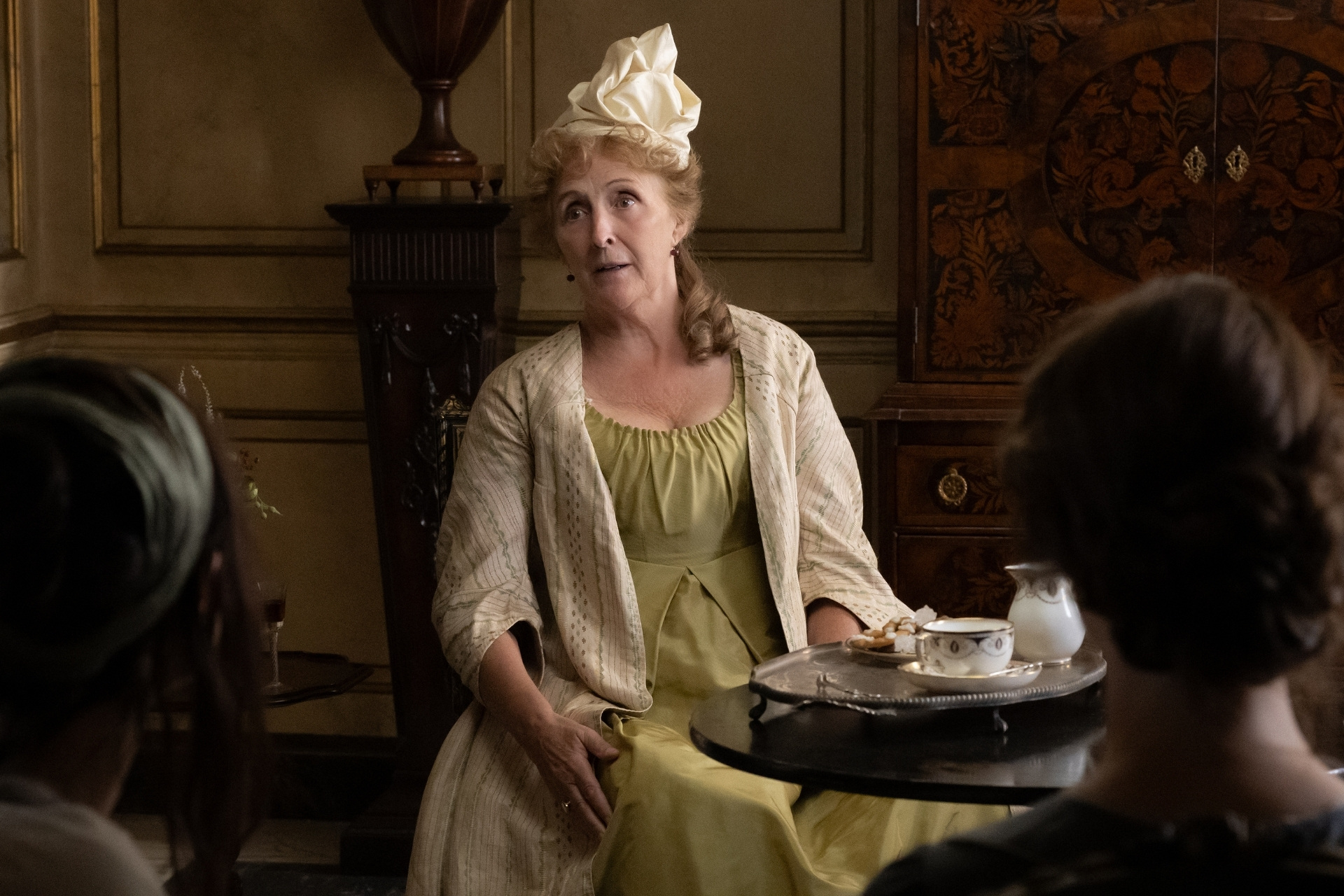
Fiona Shaw as Mrs Jennings in Sense and Sensibility (c) Alex Bailey / 2026 Focus Features LLC
‘I think the magic of Austen is that there isn’t one singular “Austen aesthetic” that’s totally replicable – it’s an interpretative form of interior decoration,’ she adds. ‘I think that’s seen with the number of onscreen adaptations we’ve had and how varied the creative responses have been. Autumn de Wilde’s interiors for Emma (2020), with their delicate, symmetrical and neat pale pinks, greens, pastels, are so different in colour and tone to Simon Langton’s perhaps more periodically precise interiors for the BBC 1995 adaptation of Pride and Prejudice.’
And over the years we’ve fallen in love with so many different Jane Austen adaptations – and the onscreen interiors that come with them. Here, we round up some of our favourites from over the years, with behind-the-scenes details from each project.
Onscreen Interiors: Jane Austen In TV & Film
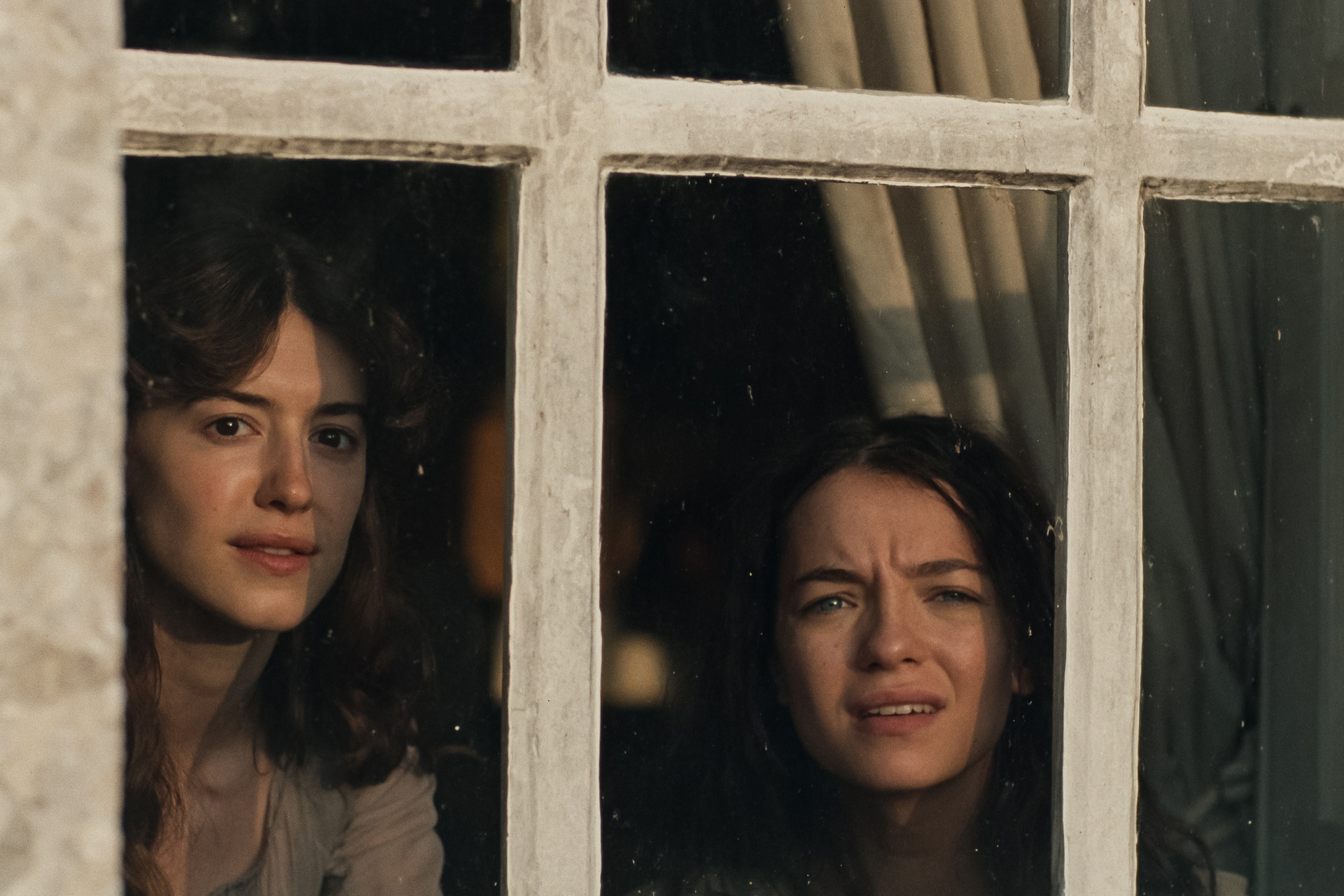
Daisy Edgar-Jones as Elinor and Esmé Creed-Miles as Marianne in Sense and Sensibility (c) Alex Bailey / 2026 Focus Features LLC
Sense and Sensibility (2026)
A big year for Jane Austen fans, 2026 is set to bring not one, not two, but three adaptations of her work to the big and small screen. The latest? Georgia Oakley’s film adaptation of the author’s debut novel, Sense and Sensibility.
Coming more than 30 years after its last cinematic release – the 1995 rendition by Ang Lee, starring Emma Thompson and Kate Winslet – the team behind the stunning scenes of 2026’s Sense and Sensibility describe it as a completely fresh take on a beloved story. ‘We wanted to have a new take on it, and I think we achieved that,’ the film’s location manager, Ian Hutchinson, told C&TH. ‘I never really thought about the original film, if I’m honest, and I haven’t gone back and watched it; I almost don’t want to. It’s a different memory in my mind, and this is a new era.’
‘It was a movie I absolutely loved and watched many times,’ production designer, Francesca Di Mottola, added. ‘But it didn’t scare me to retell the same story. A story can be told in any number of ways. Georgia was telling ours almost like a coming-of-age story, and our picture was maybe more pared down, more sensory.’
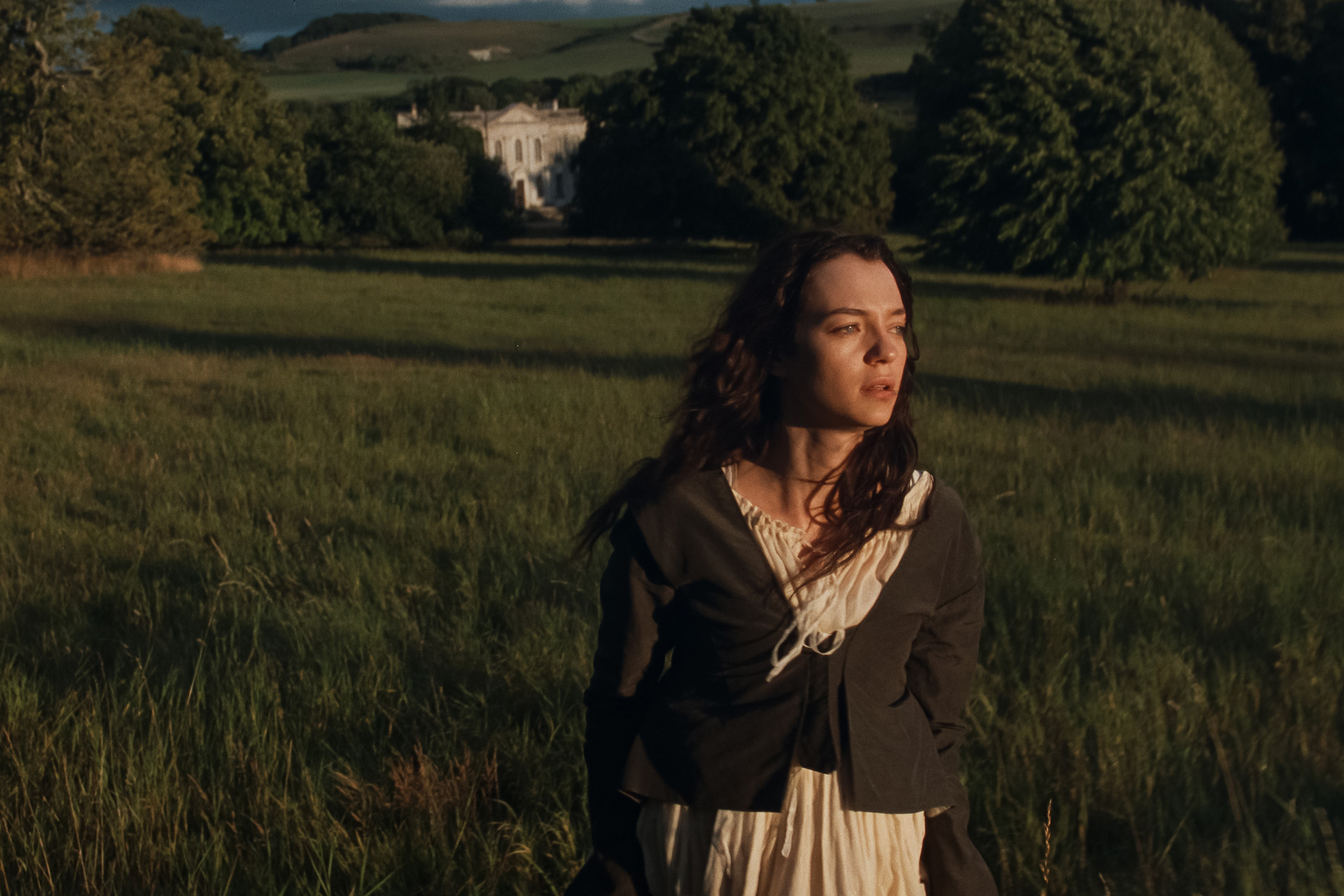
Esmé Creed-Miles stars as Marianne in Sense and Sensibility (c) Alex Bailey / 2026 Focus Features LLC
The brief for the film’s crew was dive into the sensory details that could immerse audience in the picture itself. ‘Nature was super important, this idea of being so much more exposed to the weather and the landscape,’ Di Mottola explained. ‘I feel like nature guided so much of the aesthetic choices – it dictated the colour palette of the movie, the tones being very natural and earthy rather than poppy pastel colours. It was almost like nature invading the world in every way.’
This idea is introduced from the very first home the Dashwoods occupy: Norland Park. The real life location, a privately owned 17th century mansion named Kingston Russell House, had not been used for filming before – but Hutchinson described its owners as a ‘lovely family’.
At the soon-to-be Norland, rooms were designed to look beautiful, but not overly opulent – it was to feel like a lived-in home in the British countryside. But getting some of the rooms ready involved some ‘trickery’ on Di Mottola’s part: dressing up the same rooms for different scenes, swapping corners and moving furniture around to resemble different parts of the house.
One room that remained unchanged, however, was the dining room. ‘The walls were covered in stunning hand-painted chinoiserie, in a colourway that’s very rarely seen: tones of browns and blacks, some ochres and pinks,’ she said. ‘That’s quite rare; chinoiserie tends to be greeny, bluey and pink, more in the pastel range. I was fascinated by that wallpaper.’
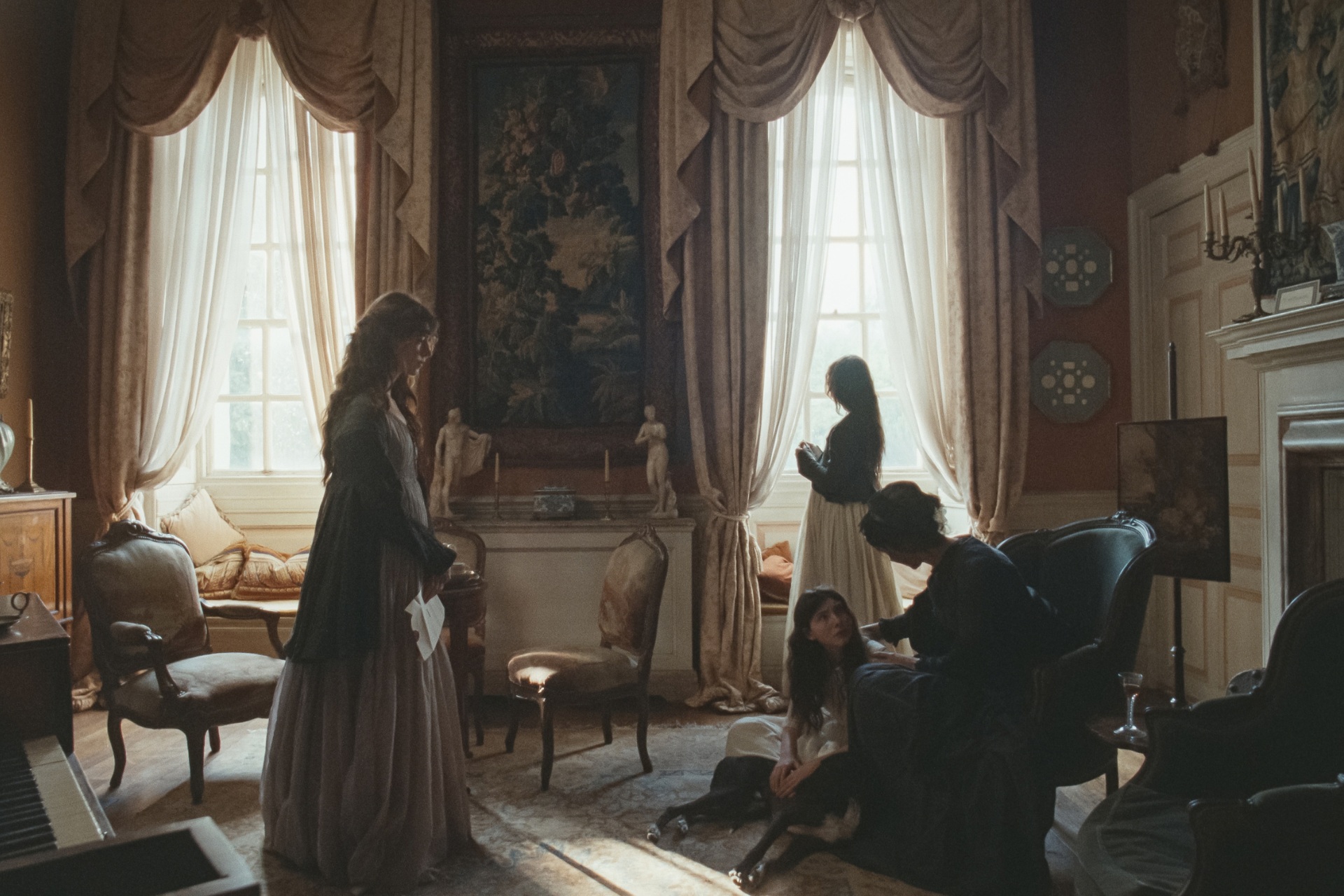
Daisy Edgar-Jones as Elinor,Esmé Creed-Miles as Marianne, Bodhi Rae Breathnach as Margaret and Caitriona Balfe as Mrs Dashwood in Sense and Sensibility (c) Alex Bailey / 2026 Focus Features LLC
When the Dashwood women head to Barton Cottage, the interiors become rather bleak. If you thought the cottage in question was derelict beforehand, you would be correct; located in the rolling hills of Dartmoor, the shell of Ditsworthy Warren Farm stood in for Barton Cottage. ‘When I was shown photos I honestly didn’t believe that we would go down the process of making this into Barton Cottage,’ Hutchinson told C&TH. ‘But when we started to do some imagery and set design, it was like “Oh yes, that’s how we can make that”.’
The team prepped the cottage in just three and a half weeks – and had to fight the elements every step of the way. ‘The weather was really bad at one point, then it was super hot,’ recounted Di Mottola. ‘We also didn’t know if there was a bat living on the roof, so we almost lost the location altogether. Our very first shoot day was a disaster – it was so stormy that all the work we’d done in the garden was almost lost, and we had to start again from scratch.’
The interiors were also stripped back to near-emptiness. ‘The space was so intimate that the set dressing had to be really considered,’ explained the production designer. ‘We tried to tell a story through objects, with the idea that they might find things there that belong to the distant cousins hosting them, plus a few pieces brought from Norland, because they weren’t allowed to bring much.’
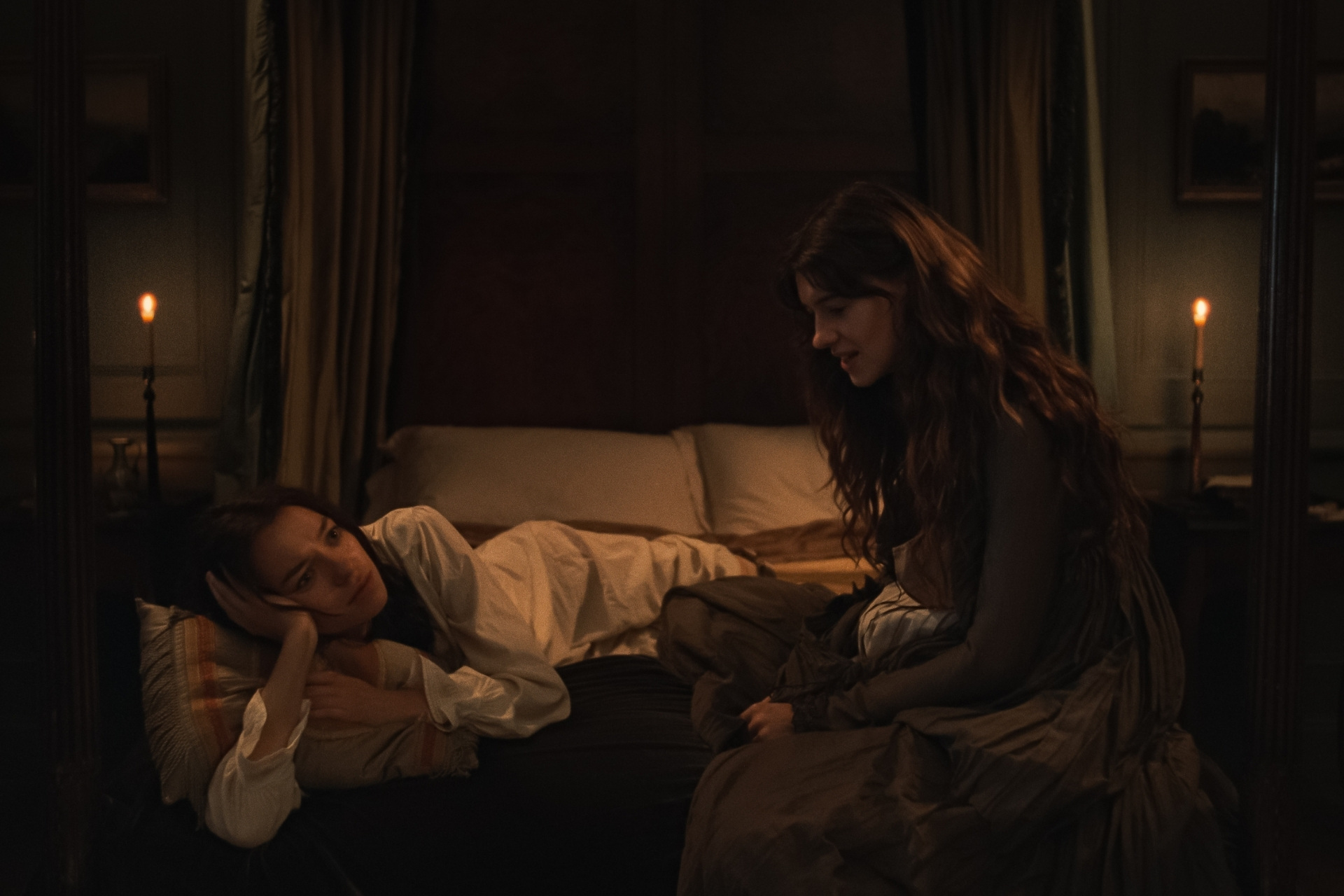
Esmé Creed-Miles as Marianne and Daisy Edgar-Jones as Elinor in Sense and Sensibility (c) Alex Bailey / 2026 Focus Features LLC
As happens in most of Austen’s stories, London serves as a key turning point for the story – meaning it’s often portrayed in grandeur. The same can be said for Sense and Sensibility. The crew largely shot exterior scenes in and around Lincoln’s Inn Fields and Horse Guards Parade, while many of the interior scenes were shot in heritage homes on the outskirts of the capital. ‘I think you get that sense when they drive into London, it’s a big difference coming from Barton,’ Di Mottola said.
Mrs Jennings’ Portman Square home, for example, was filmed at Rainham Hall – a National Trust, 18th century manor house in Essex. ‘It’s not a huge mansion – it’s a beautiful Georgian townhouse,’ says the production designer.
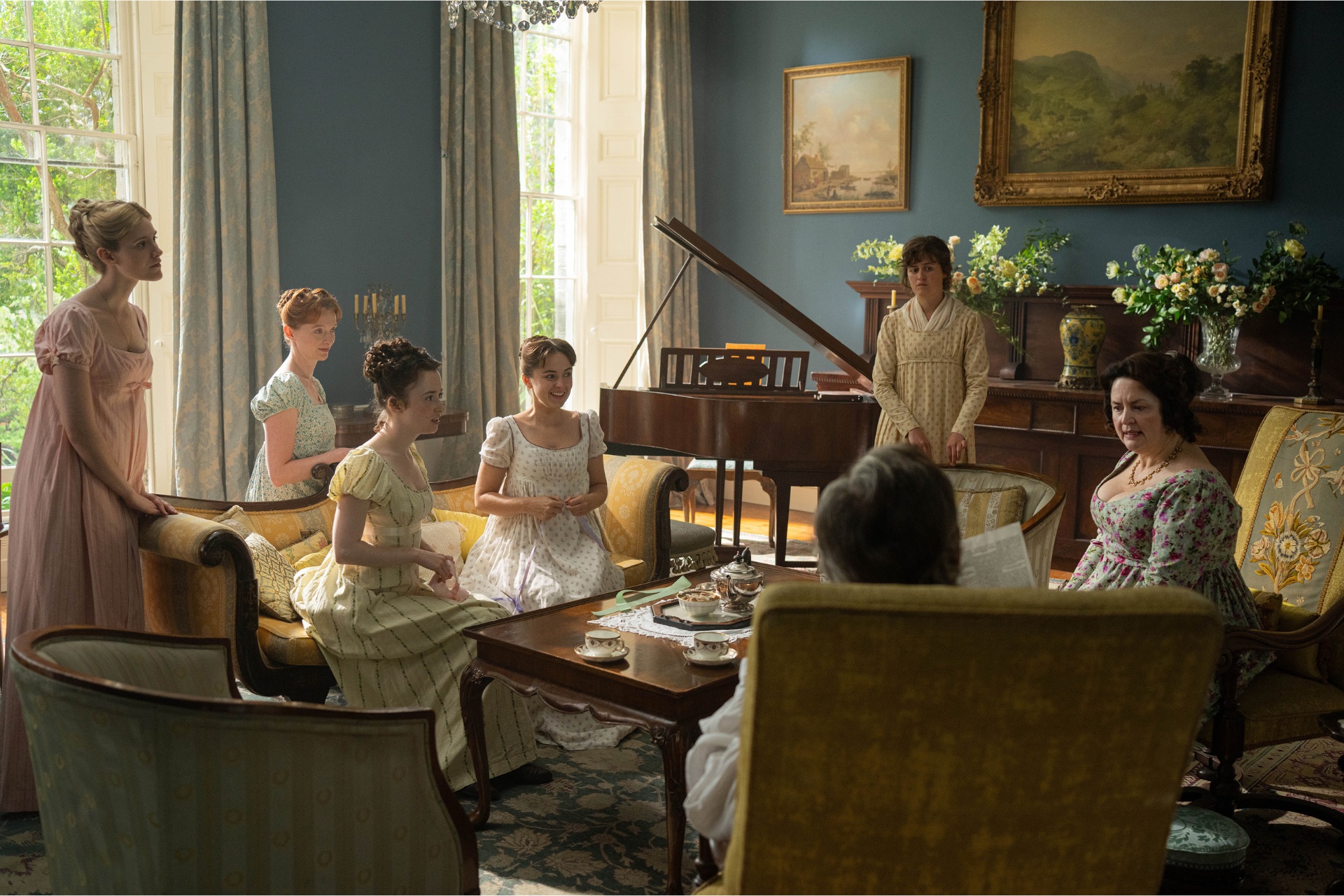
Jane Bennet (MADDIE CLOSE), Lizzie Bennet (POPPY GILBERT), Lydia Bennet (GRACE HOGG-ROBINSON), Kitty Bennet (MOLLY WRIGHT), Mr Bennet (RICHARD E GRANT), Mary Bennet (ELLA BRUCCOLERI) and Mrs Bennet (RUTH JONES) (c) BBC/Bad Wolf/James Pardon
The Other Bennet Sister (2026)
A slightly different beat from your classic Austen adaptation, the BBC’s The Other Bennet Sister is a spin-off of Pride & Prejudice – this time telling the story of social outsider Mary Bennet.
And with a new story to tell, the team behind the TV series were tasked with breathing fresh life into Jane Austen interiors. ‘The brief was to create a fresh interpretation of the Austen world – one that reflected Mary’s emotional journey through a new and visually engaging style,’ production designer Tim Dickel told C&TH. ‘It was essential that we carried out thorough research to ensure historical accuracy within the Regency period. With that knowledge in place, we were then able to make considered creative decisions, occasionally breaking from convention, but always with a clear and informed understanding of the period.
‘One of the key challenges was ensuring continuity between the real location and the sets constructed in the studio,’ he added. ‘Several interiors were built from scratch, and it was essential that the transition between location and studio felt seamless. Although this was a complex undertaking, it was one I greatly enjoyed, and I believe we achieved a cohesive and immersive result.’
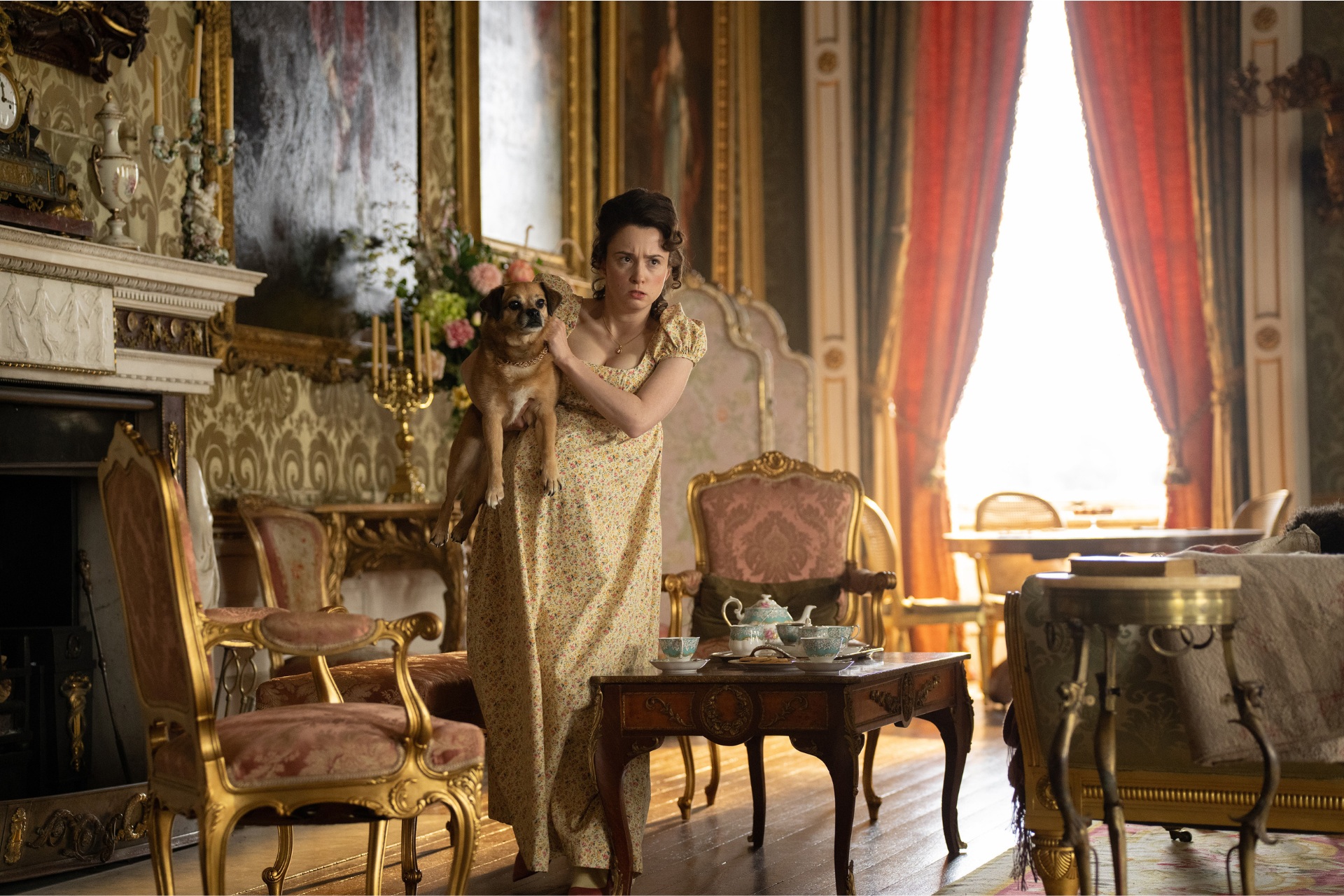
Lydia Bennet (GRACE HOGG-ROBINSON) (c) BBC/Bad Wolf/James Pardon
Mary’s journey shifts with the change in locations, too. Starting with Longbourn, the Bennet family’s home, Dickel noted how: ‘It was important that the principal houses within the story provided insight into Mary’s different worlds and reflected the progression of her journey. Longbourn needed to feel like a beautiful, traditional country house, but with subtle signs of wear and age. It was important that it remained firmly rooted in the countryside.
‘Through the interiors, I wanted Longbourn to convey a sense of the past – static, traditional, and somewhat restrained, much like Mary at the beginning of her journey,’ he continued. ‘The colour palette there is deliberately conservative and muted. The furniture and props were carefully selected to suggest a slightly threadbare quality and a modest level of wealth. The colour palette was inspired by the surrounding landscape, drawing on tones found in wildflowers and meadow grasses.’
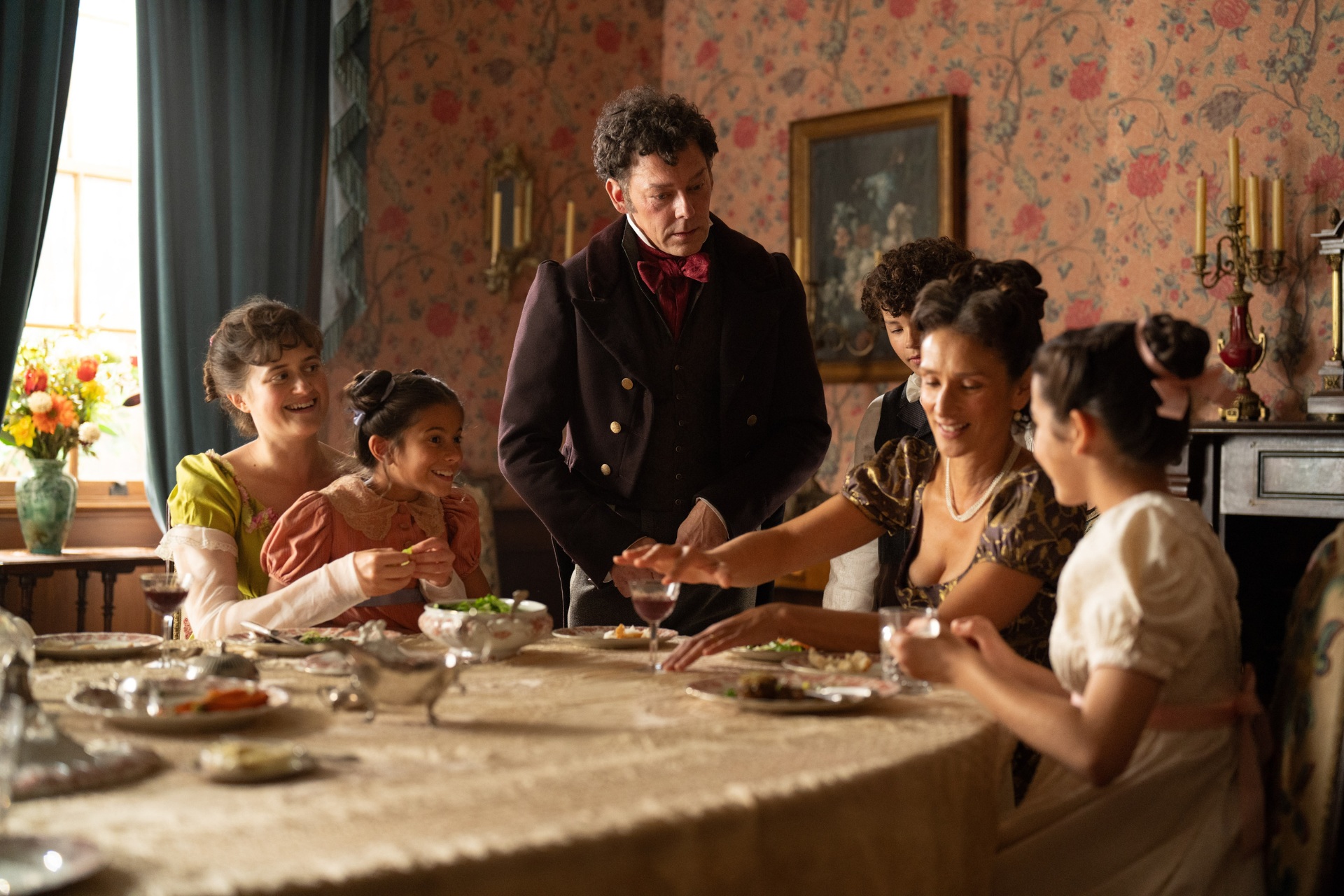
Mary Bennet (ELLA BRUCCOLERI), Mr Gardiner (RICHARD COYLE) and Mrs Gardiner (INDIRA VARMA) (c) BBC/Bad Wolf/James Pardon
By contrast, Dickel wanted Mr Hayward’s home to ‘convey opulence and extravagance’. Dickel considered this feeling in every detail, even down to the presentation of food, which he said was inspired by Dalí’s lavish 1973 cookbook – a collection that included recipes such as ‘bush of crayfish in Viking herbs’ and ‘toffee with pine cones’. ‘It needed to feel bold, flamboyant, and entirely unfamiliar to Mary – immersing her in a world she had never encountered before,’ explained the production designer.
London was made to look and feel even more vivid. ‘When Mary arrives in London, the visual language shifts significantly,’ Dickel highlighted. ‘The palette becomes richer and more vibrant, and the interiors evoke a sense of energy, sensuality, and the exotic. I drew on emerging trends of the time, incorporating intricate wallpapers, decorative furnishings, and objects influenced by trade routes such as the Silk Road. This “shock of the new” was intended to evoke both excitement and unease in Mary, reflecting her emotional experience.’
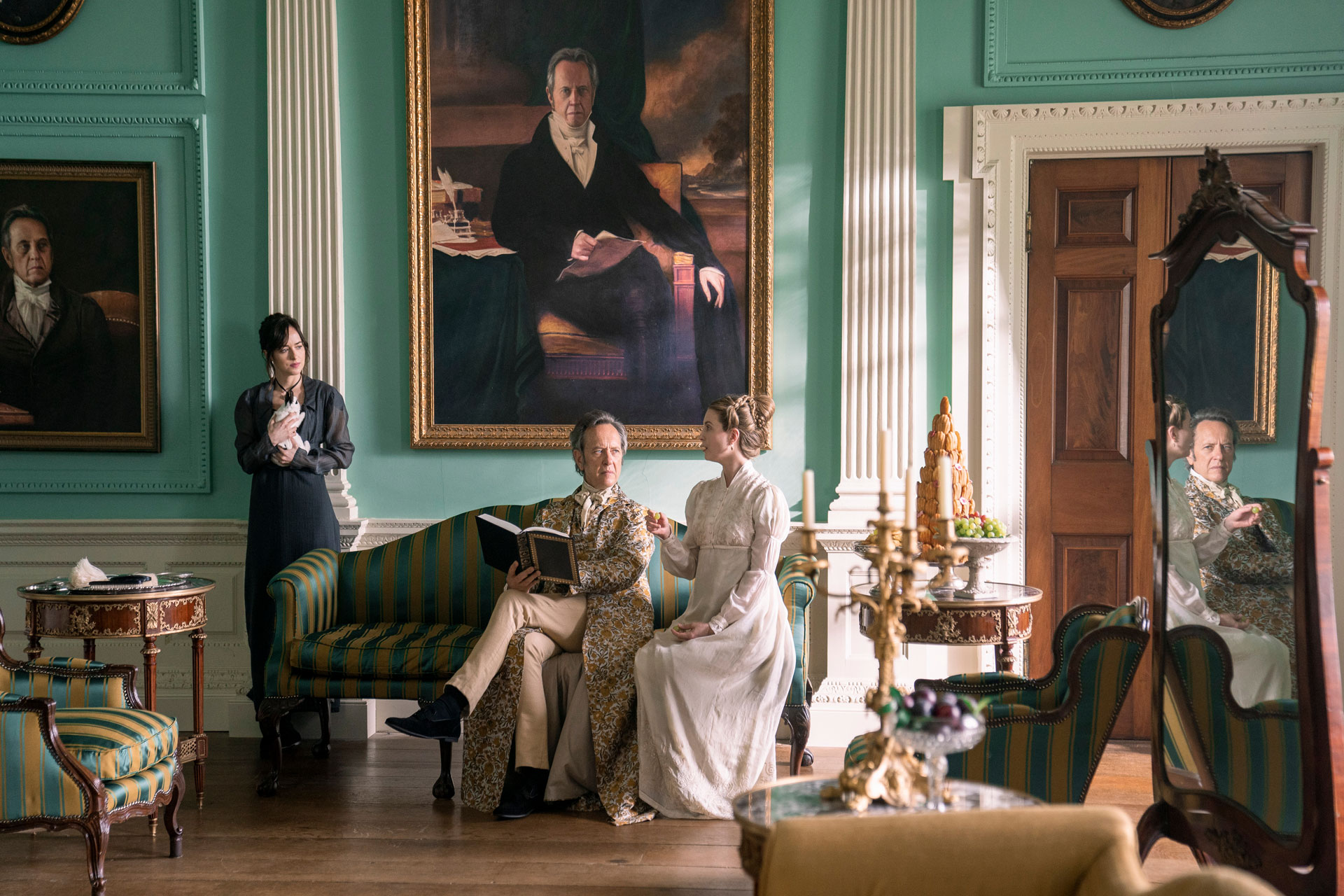
Persuasion. (L to R) Dakota Johnson as Anne Elliot, Richard E. Grant as Sir Walter Elliot, Yolanda Kettle as Elizabeth Elliot in Persuasion. Cr. Nick Wall/Netflix © 2022
Persuasion (2022)
Colour also rules the scenes and settings of Netflix’s 2022 title, Persuasion. Unlike other recent Austen adaptations, this one happily jumbles conventions old and new (Anne’s old flame, Captain Frederick? Here, he’s dubbed ‘the ex’) to create a joyful hodgepodge onscreen.
This theme was also apparent in the interiors. Production designer JP Kelly decked out the walls of the fictional Kellynch Hall, the grand ancestral home of the Elliot family, with brightly saturated colours – including rich jewel tones and birthday-cake pastels – as part of his goal to inject the traditional Regency sets with modern tastes.
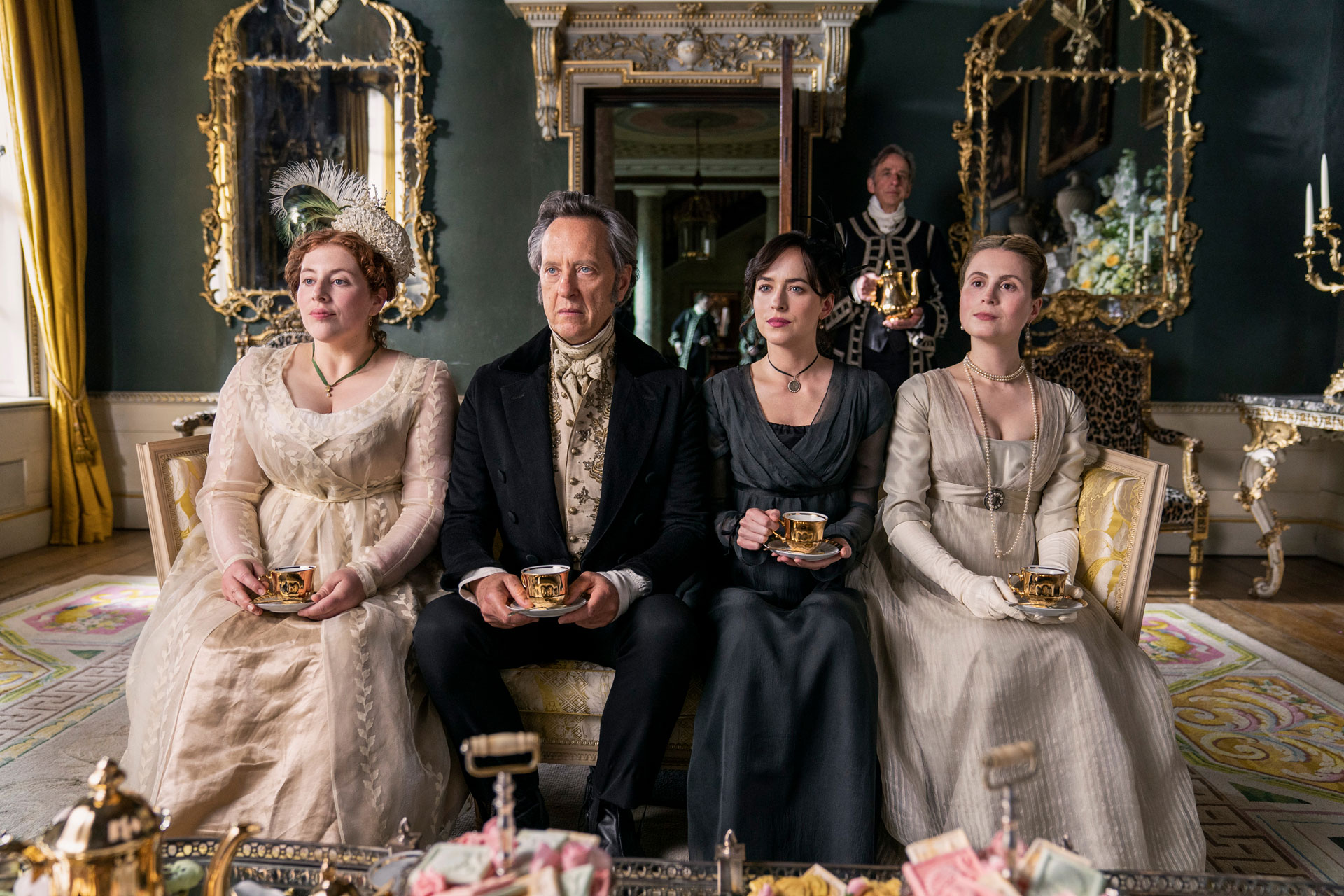
Persuasion. (L to R) Lydia Rose Bewley as Penelope Clay, Richard E. Grant as Sir Walter Elliot, Dakota Johnson as Anne Elliot, Yolanda Kettle as Elizabeth Elliot in Persuasion. Cr. Nick Wall/Netflix © 2022
Kelly and his team scouted privately-owned houses that could be partially (if not entirely) redecorated for the film, leaning into period features while adding pops of modernity. ‘The rule was, if you like it now, then it should be in the film,’ he told The Gloss. ‘All of the items were still period-correct, but if it appealed to modern taste it went in.’
One key example of this was Anne’s bedroom, which housed wallpaper – featuring blossoming trees, a babbling spring and slender herons – that was 300 years old. While this detail was made period accurate for the film, the reality was a bit different; the room itself actually belonged to the son of the home’s owner (the home having been rented for filming purposes) and the walls were in fact plastered with Lion King stickers, rather than ornate wallpaper.
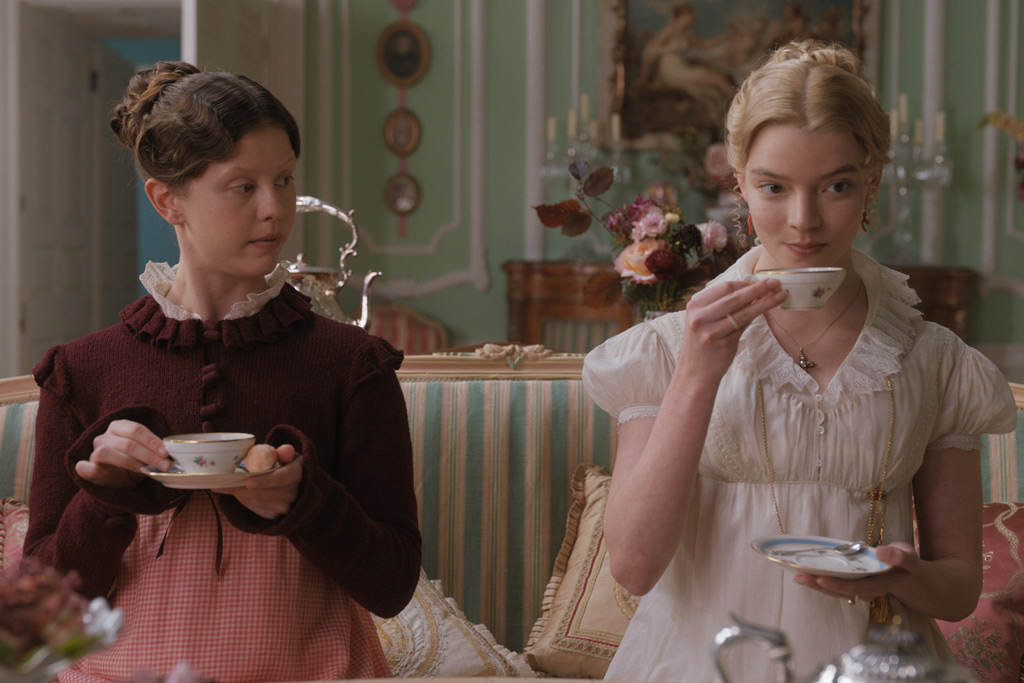
Mia Goth as Harriet Smith and Anya Taylor-Joy as Emma in Emma (2020)
Emma (2020)
If we had to describe the interiors of Autumn de Wilde’s Emma in just one word, it would be this: sugary. Wilde didn’t want to produce a film that was a fastidious mausoleum of historical accuracy. She explained in interviews leading up to the film’s release that she saw Emma playing other characters as dolls, so ergo: the location of the film, became a bright looking Georgian dolls house.
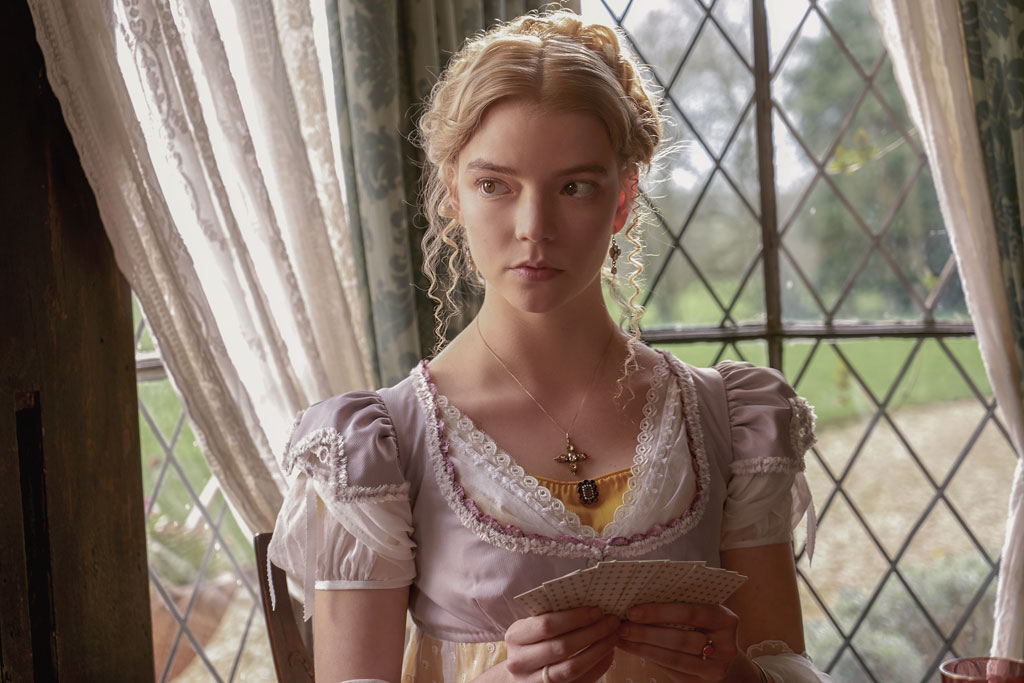
Much of the film’s story takes place in Donwell Abbey (real life Firle Place in Sussex), which production designer Kave Quinn splashed with colour from top to bottom – in the form of minty pastels, pinks, patterned wallpaper and drapery.
© Universal Pictures
Some viewers may find it surprising, but Quinn told Architectural Digest, that in fact ‘people often look back at the period and think things were very muted and faded, but that’s just because the costumes from that period are faded now in contemporary times. If you look at the ceramics, for example, that survived from the Georgian period, they have very heightened, punchy colors. That was something that Autumn was very keen to show.’
Quinn further explained in a conversation with Focus Features that Wilde adored Georgian ‘frippery’, leading to ostentatiously decorated birthday cakes, and intricate wall hangings. ‘There is a real history to Georgian styles and colours, like the lovely Pompeii red that we use in the film.’
They also set about to elevate the interiors of Firle Place to brighter and bolder levels, so that they would pop more vividly on camera. ‘The sitting room where you see Emma and her father frequently – which I believe was designed by William Kent – had been painted a very pale yellow, which would have read as off-white on camera,’ he explained. ‘We painted that a much stronger yellow. The blue hallway we painted a much more intense blue. Every single room, other than the mint drawing room, which is upstairs, we changed.’
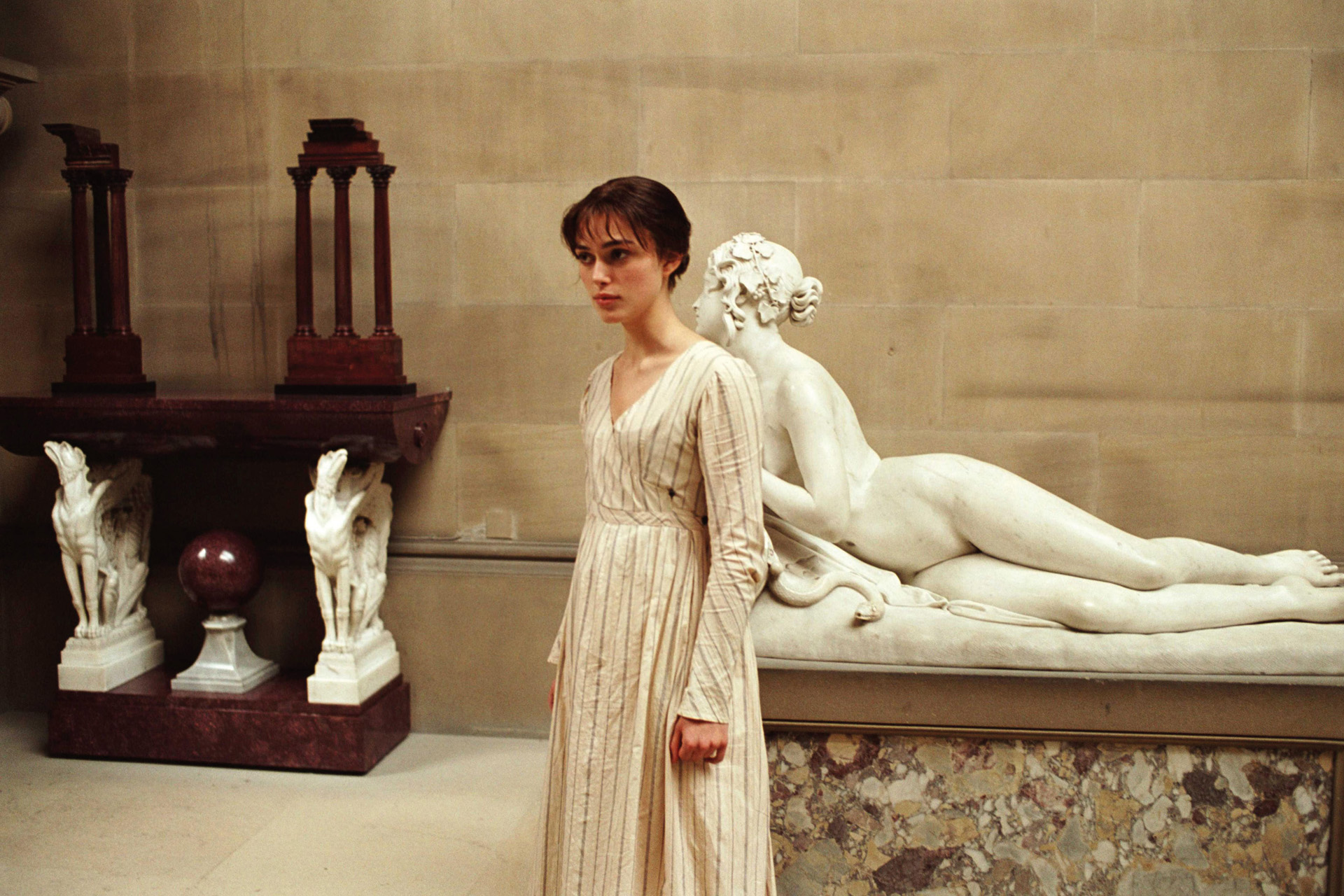
Kiera Knightley as Elizabeth Bennet in Pride and Prejudice (2005)
Pride & Prejudice (2005)
Pride & Prejudice has had many iconic iterations over the years, but perhaps none are as recognisable as the 2005 adaption starring Keira Knightly and Matthew Macfadyen. And while the cast and team behind the film are the driving force behind this, the setting also played a key role in making this adaptation one of the most iconic – even more than 20 years after its release.
Director Joe Wright decided to set his version of Pride & Prejudice in 1797, when the book was written – rather than in 1813, when it was published. This not only differentiated the title from other recent adaptations, but also meant that film’s production designer, Sarah Greenwood, also had to make the set appear Georgian, rather than Regency.
(Yes, the two are indeed different; where Georgian styles worked with balance and opulent neoclassicism, Regency styles were brighter and more eclectic, with Grecian and Gothic influences.)
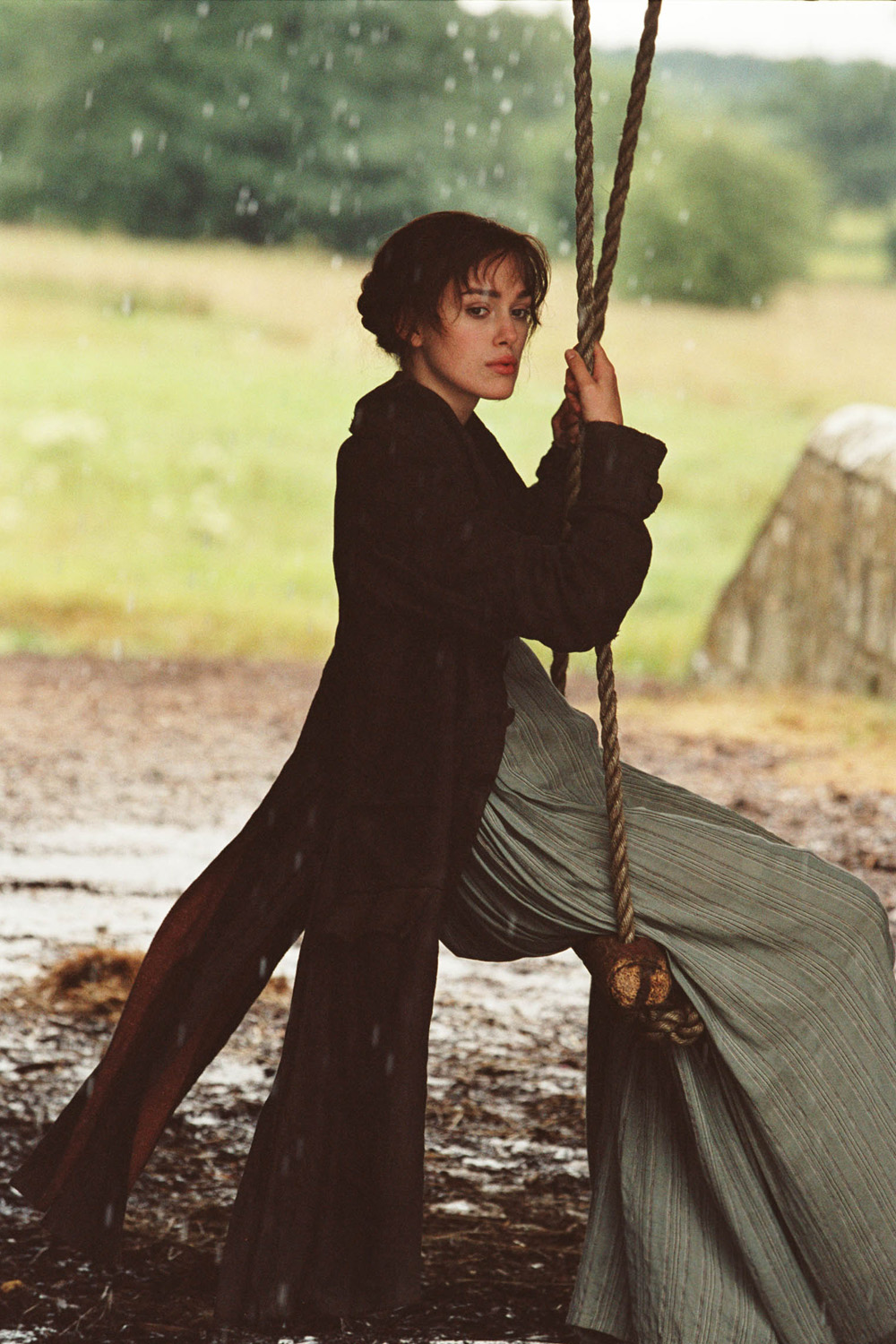
Kiera Knightly in Pride & Prejudice (2005) (© Universal Pictures. All Rights Reserved)
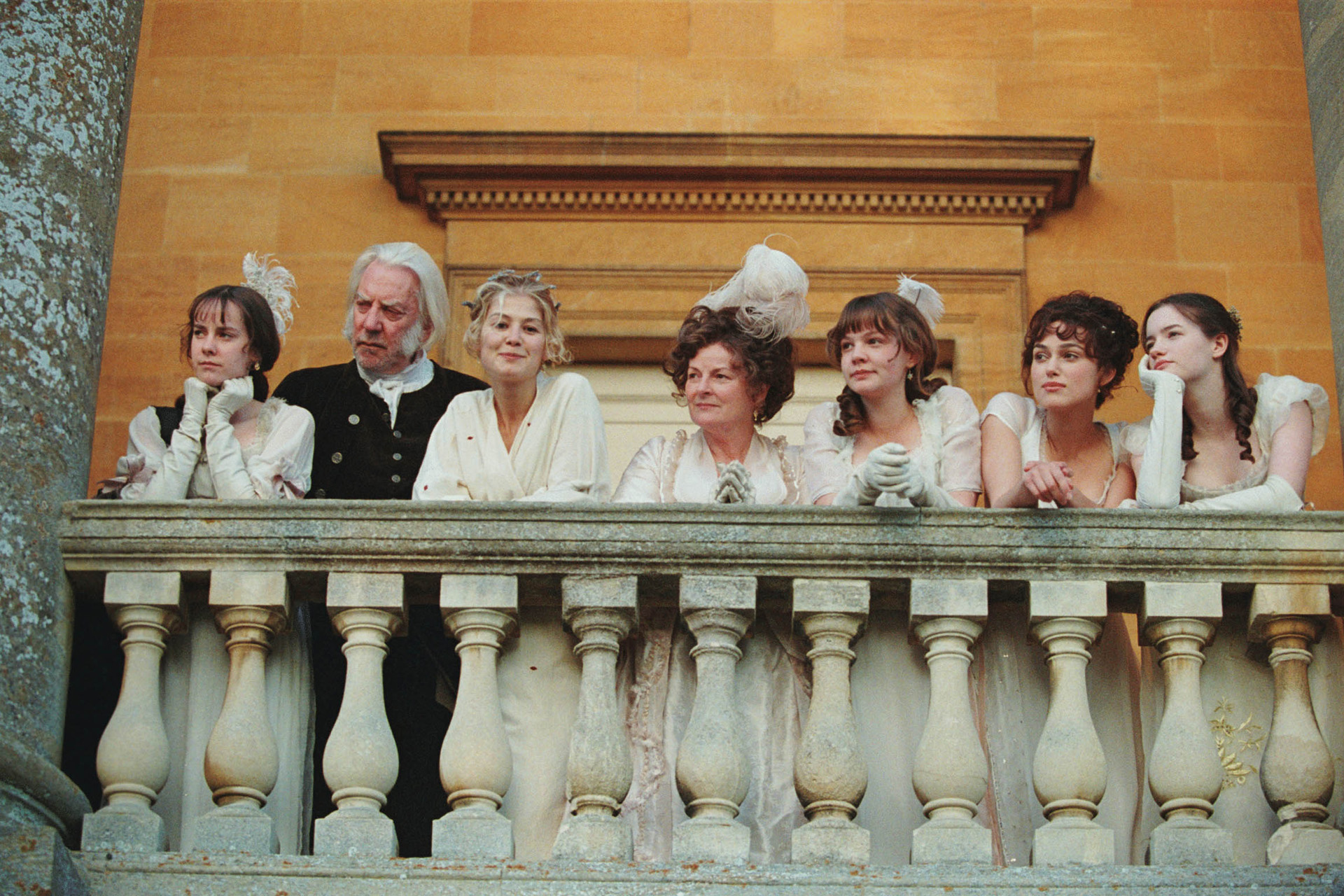
Longbourn, the Bennet family’s home, was one of the biggest transformations to tackle. Speaking to Variety for the film’s 20th anniversary, Greenwood remembered how the team had to re-panel the dark brown interiors of Groombridge Place in Kent so that they could paint over everything. The task – ‘delicate and laborious’, says Greenwood – resulted in the house being painted in more colours (especially blues), although these were made to look rundown with ‘lots of aging and patina’ to give the home a worn out look. ‘Nowadays, we have very strong modern chemical paints. We have cleaning products,’ Greenwood explained. ‘In those days, they didn’t. [The Bennet family] could repaint, but they couldn’t afford it.’
Antiques in the house were also chosen for being deliberately out of style compared to fashions of the time – since redecorating wasn’t an option – and furnishings were made to look ‘comfy and very lived-in. We made all the loose covers for the sofas that were all frayed and ratted and torn.’
There are also plenty of details that show the estate’s outdoors leaking in: dirt on the floor, animals trotting in and out. ‘What we wanted visually to get the feeling of was the fact that the farm, which was the estate [and] which would have produced all the wealth for the family, was just creeping in on them,’ said Greenwood. ‘It was just encroaching, and so the garden had gone to seed, and the animals were everywhere.
‘It was just the way of reinterpreting how they could have lived and making it slightly less mannered and slightly more real, which, in fact, is all in the book.’
© Universal Pictures. All Rights Reserved
While much of Darcy’s estate, Pemberley, was filmed in Wilton House Salisbury, the team did manage to pin down Chatsworth House for multiple scenes. Chatsworth, which is said to have been the location Austen used as inspiration when writing about Pemberley, was notorious for not allowing filming – but Wright was able to persuade the Duchess of Devonshire to not only let him use Chatsworth, but even modify one of its rooms: the gallery.
During the Victorian era, thick red drapes were hung in the sculpture gallery (in which Elizabeth admires a bust of Darcy), but Greenwood removed these to create a more authentic Georgian look for the film. ‘To this day, these drapes have stayed down because the statuary looks so much better against the stone walls than the red velvet,’ she told Variety. ‘The Victorians put the red velvet up, and we went in and took it down, and it never went back up.’