


Former Country House Hotel Once Frequented by J.R.R. Tolkien and C.S. Lewis For Sale
By
5 months ago
This historic home features an ever-changing maze and ponds inspired by a Spanish palace
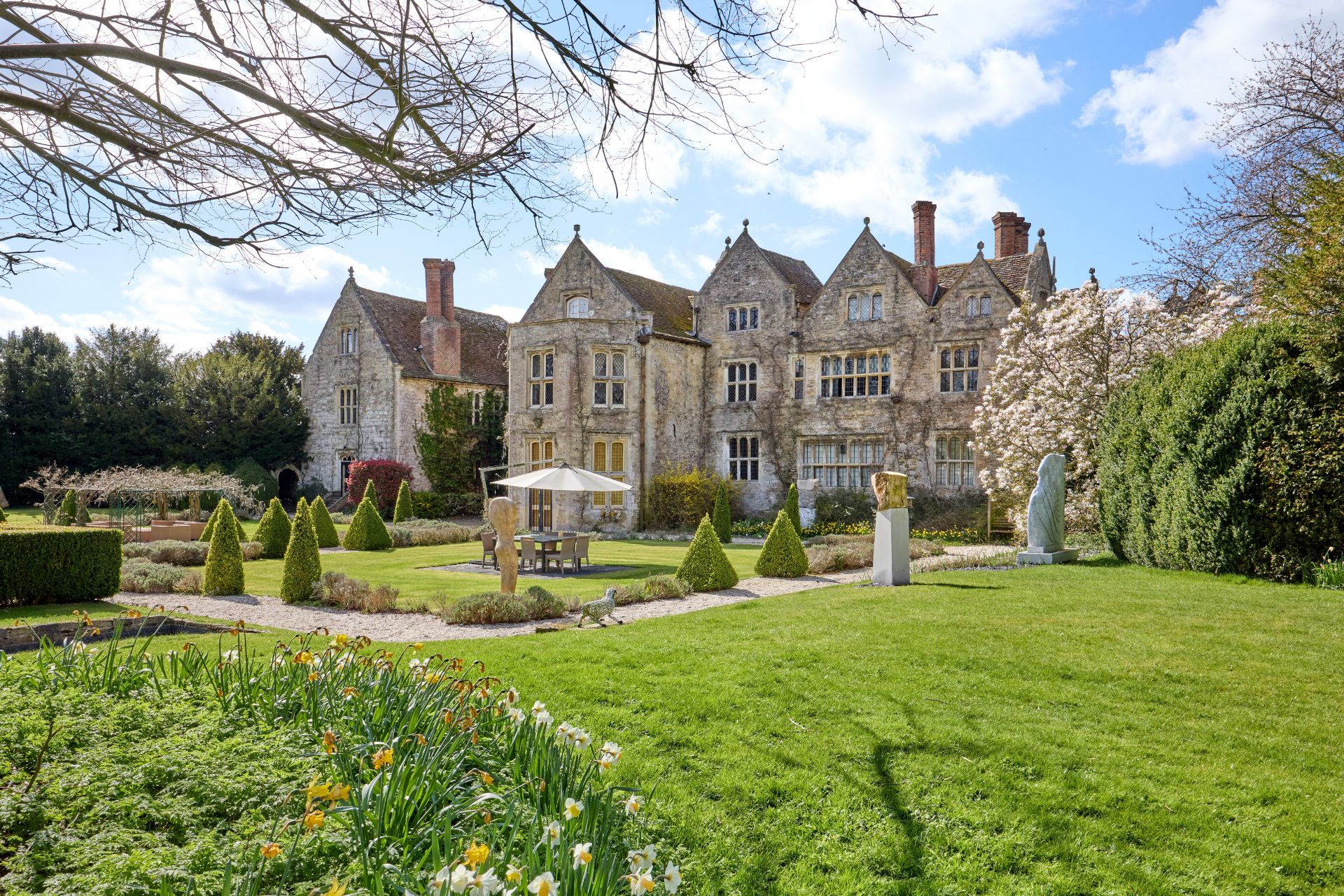
If you wanted to write a fantasy novel in the early 20th century, then Studley Priory was the place to be. For it is here that the Inklings – the famous literary society headed up by J.R.R. Tolkien and C.S. Lewis – would meet to share their drafts, critique each other’s work, and engage in debates around fantasy, mythology, literature and religion.
Founded in 1931, the Inklings started life as a student society at the University of Oxford’s University College, then headed up by undergraduate Edward Tangye Lean. Designed for students to read aloud their unfinished compositions, it soon attracted a team of budding writers, including Tolkien and Lewis, to its ranks. Transferring the Inklings to Magdalen College upon Lean’s graduation, the now-famous authors transformed the student society into a lifelong club. Without these regular meetings sparking inspiration, Tolkien’s Lord of the Rings and Lewis’s Chronicles of Narnia may never have existed.
Every Thursday for nearly 20 years, the men would gather at C.S. Lewis’s rooms at Magdalen College (where he worked as an academic), often supplementing the slot with a Tuesday lunch at The Eagle and Child pub. And occasionally they would venture even further afield, one of their favourite meeting spots being the Cotswold country house hotel, Studley Priory.
The History Of Studley Priory
Founded in 1176, Studley Priory started life as a Benedictine nunnery. Founded via a grant from baron Bernard of St Walery, historical records show that the nuns would often complain of the poor quality of the beef and the lack of mutton at dinners. Eventually closed in 1539, the priory lands were sold onto the Croke family who built the current structure on the grounds in 1587. It was also around this period that local author John Buchan set his historical novel Blanket of the Dark (1931) in which Studley Priory is named.
Sold on in 1870, it passed to the Henderson family who lived there until WWII, during which the property served as a sanatorium for the Royal Air Force officers. With many people struggling to maintain houses of this size in the post-war era, the priory was transformed into a country house hotel. Famous guests include composer Adrian Boult, scholar Gilbert Murray, writer Beverley Nichols, composer Sandy Wilson and of course C.S. Lewis. Said to be his favourite hotel, when he wasn’t hosting Inklings meetings, he regularly visited for a post-church beer, and brought his wife Joy along to stay.
It was later bought up by the Parke family during the 1960s. During this time, the property featured in the Oscar-nominated film A Man for All Seasons (1966), where it served as the exterior of Sir Thomas More’s Chelsea home. Despite being a three AA-rosette hotel, mounting financial losses forced it into administrative receivership and it was sold off in 2004 with a price tag of around £3 million.
Look Inside
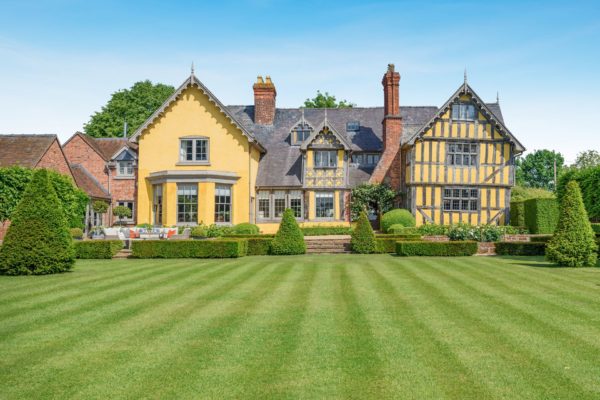
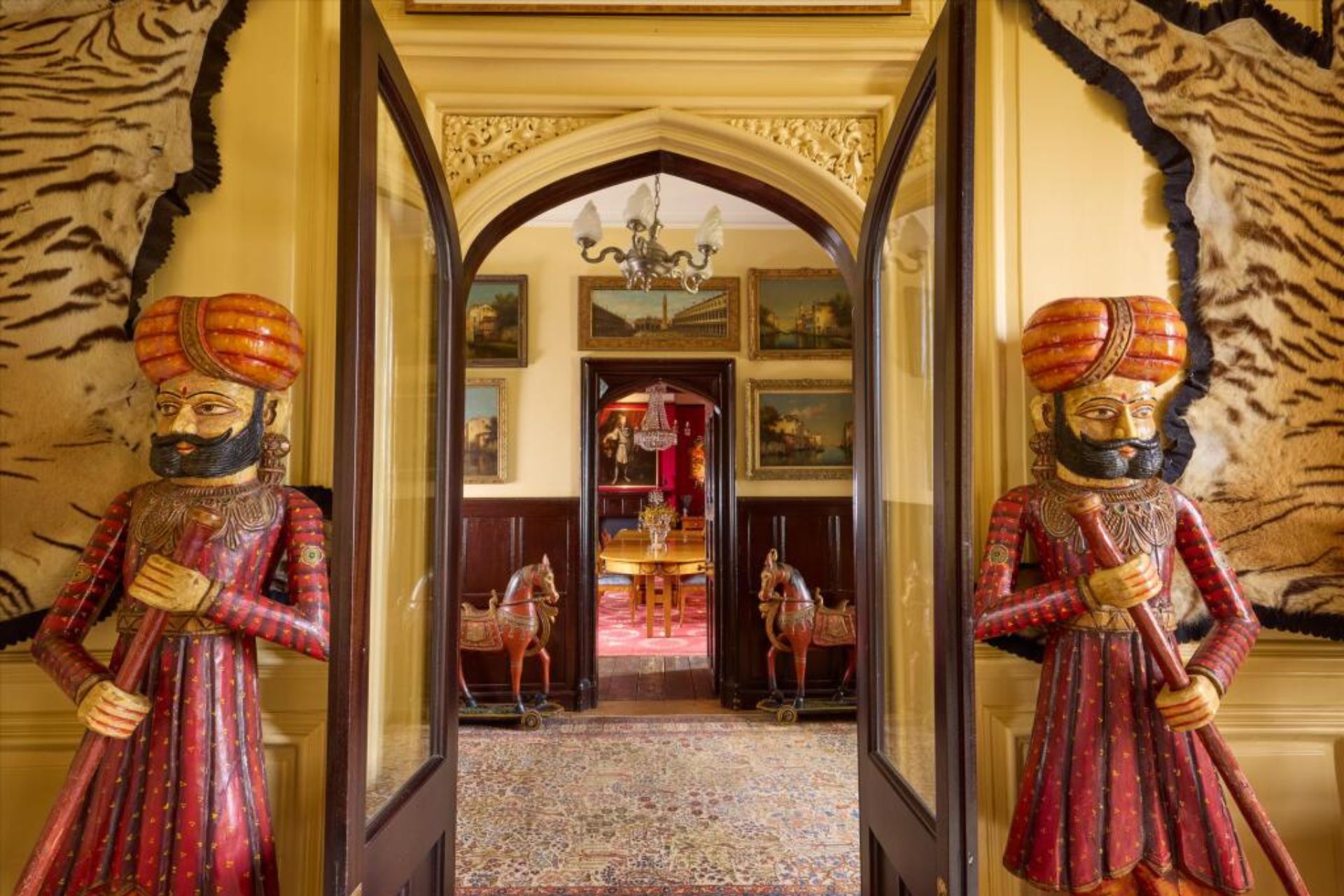
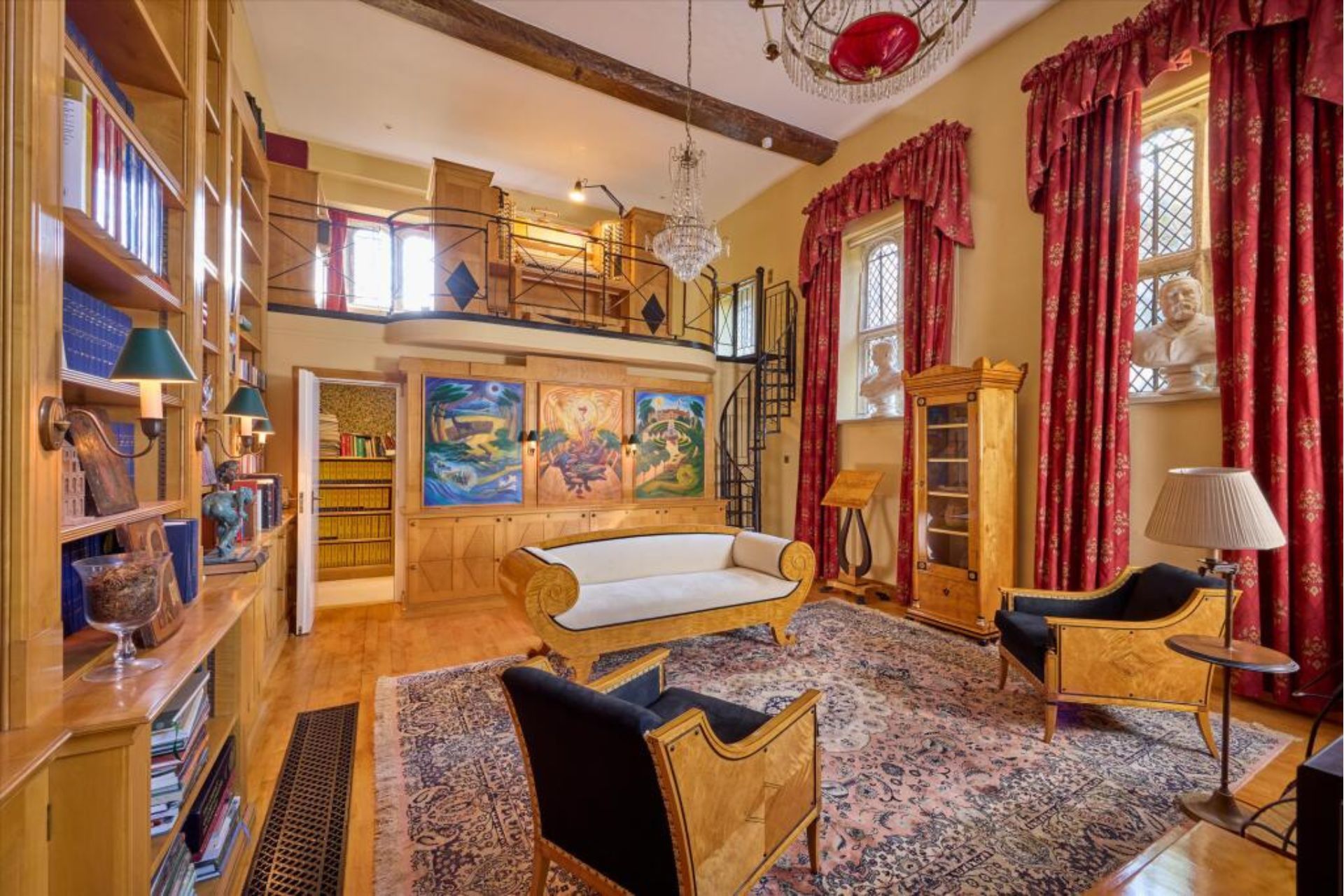
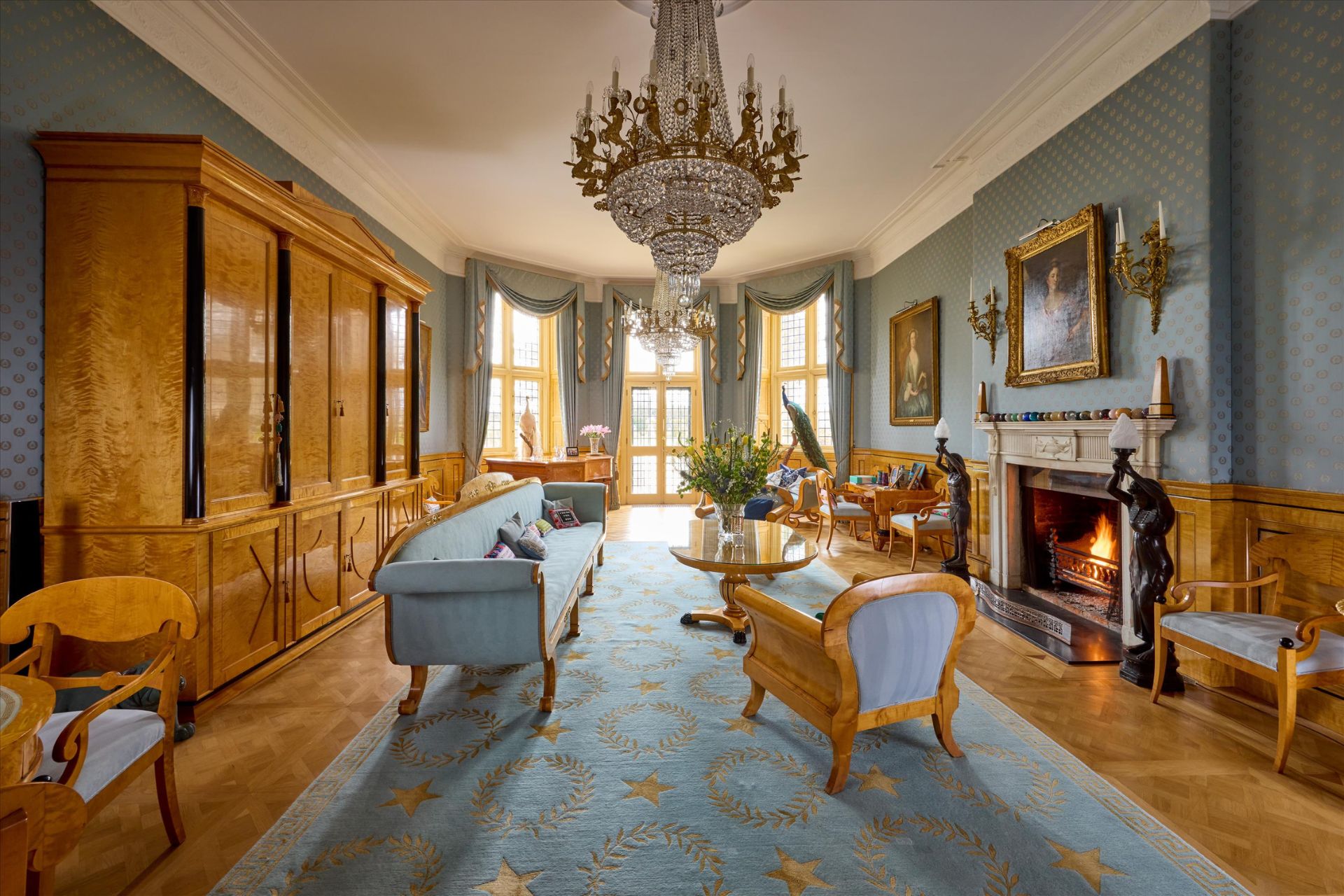
With nearly 25,000 sqft of interiors space, this Grade II* listed property is one impressively-sized home. Where it once housed 18 bedrooms during its country house hotel days, today (only) 11 bedrooms remain – with other key features including a great hall, 10 reception rooms, nine bathrooms, a cinema room, a bar/sun room, old servants hall, multiple store rooms, a winter parlour, separate ladies and gents loos, a workshop, various office spaces, and multiple outbuildings.
And if that sounds hard to navigate, just wait until you get to the maze outside. Spanning over 20,000 sqft, hidden with its leafy walls are eight ‘rooms’ – three with water features, two with bridge and a folly. Metamorphic by design, just as you think you’ve figured your way through, the series of gates throughout the labryrinth can be opened and closed to reconfigure the layout.
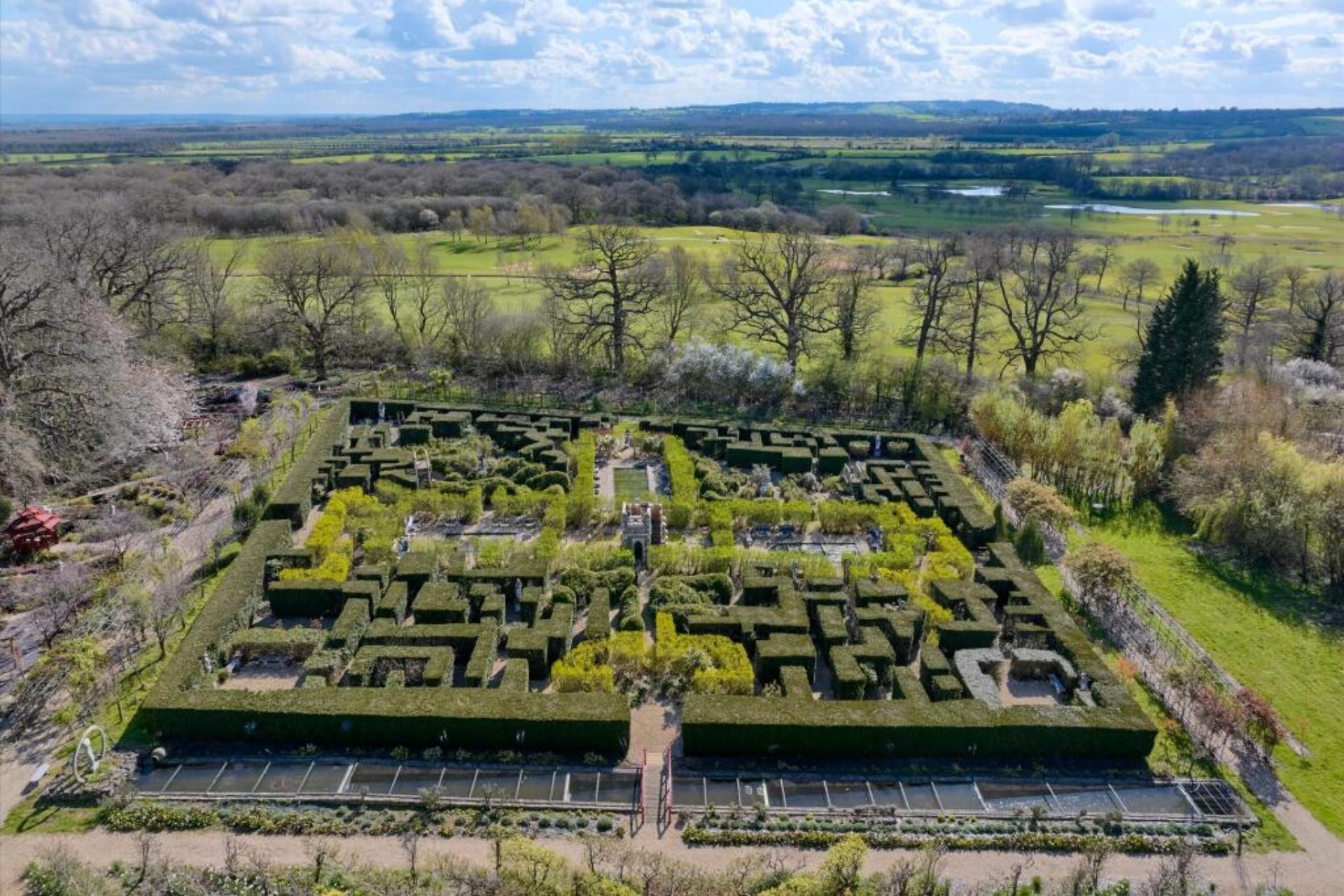
Beyond its many large lawns, other highlights of the grounds include the Japanese bridge and pond, the historic woodland, fountains and water features, a turning circle, an Italian garden, a rainbow garden, canal ponds, a yew temple, a temple of Egyptian god Horus, rose and wisteria arbours, fruit orchards, an olive grove, 50m of cascading ponds (inspired by those in the Spanish palace of San Ildefonso), three ‘bog’ gardens, an African ‘boma’ with a fire pit and pseudo native huts, a tennis court with pavilion, a wilderness walkway, wildflower garden, a pergola, a greenhouse, children’s playground, cedar house annexe, a cider-making brewery, and a belvedere with views across the Cotswolds. No worries about trekking across all 14.65 acres, roads have been constructed throughout with just enough space for a golf buggy.
On the market for £6,500,000. Find out more at knightfrank.co.uk