



Volkswagen ID.3: The EV That Doesn’t Need A Name To Impress
By
5 months ago
Spacious, quiet, and comfortable: the ID.3 shows why electric cars don't need to shout to impress
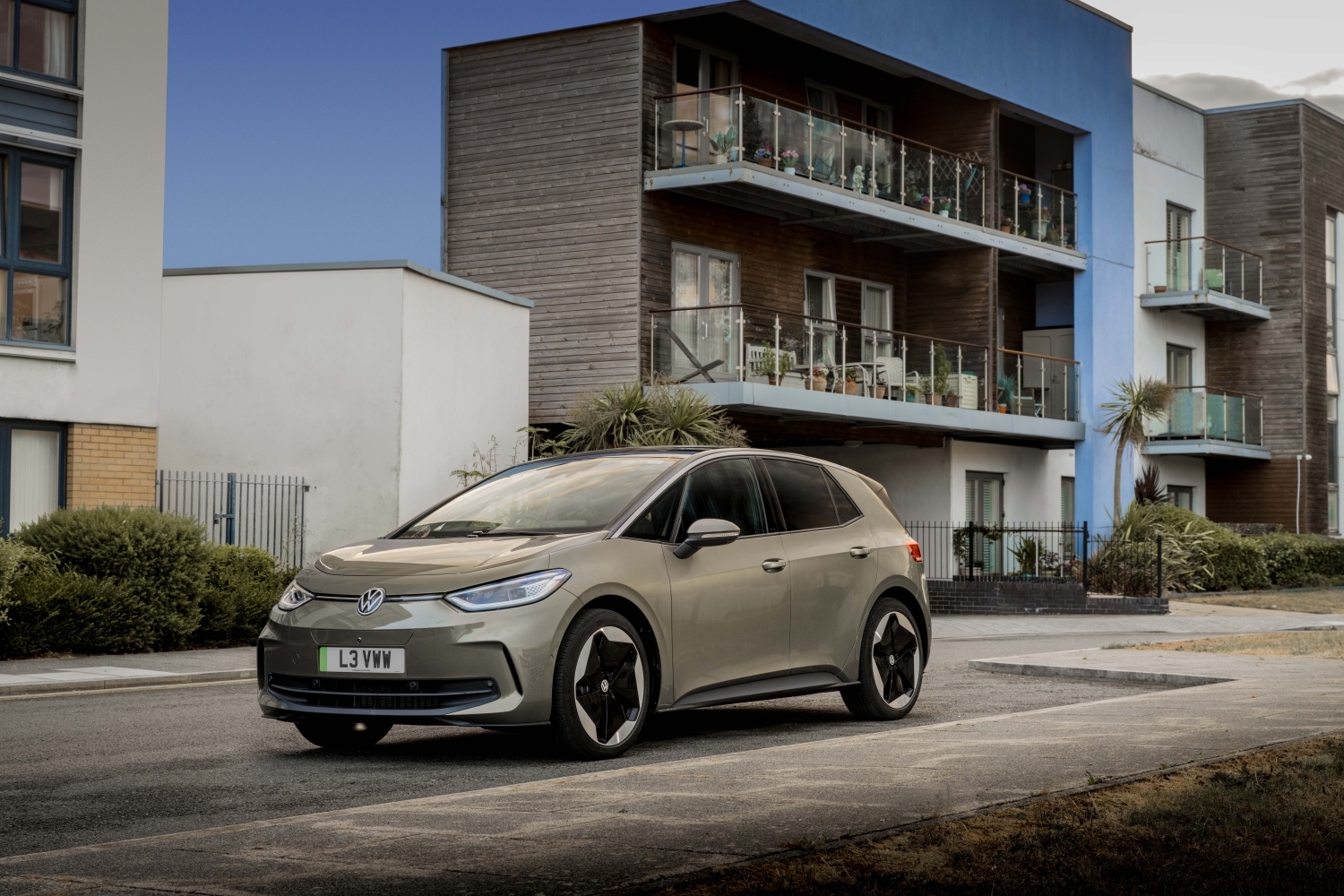
Volkswagen’s modest little EV has quietly won over even legendary racing drivers – and now, with a new name and design on the way, it’s ready to make a bigger impression. Jeremy Taylor and Jessica Talbot-Ponsonby discover why the ID.3 deserves far more credit than its confusing branding might suggest.
Car Review: Volkswagen ID.3
Jeremy: What car does the official Bugatti test driver keep on his driveway? Sat alongside Andy Wallace in an Oxfordshire pub, I was as surprised as anyone to learn he owns a modest VW ID.3.
The former racing driver has competed at Le Mans and the 24 Hours of Daytona – in 2019 he set a world record, travelling 304mph in a Bugatti Chiron. However, for pootling down the shops, he’s delighted with his battery-powered VW.
Wallace, 65, even takes his ID.3 on long-haul drives across Europe to the Bugatti factory in eastern France – he swears the everyday hatchback is all the car he needs. So, what makes the ID.3 so good?
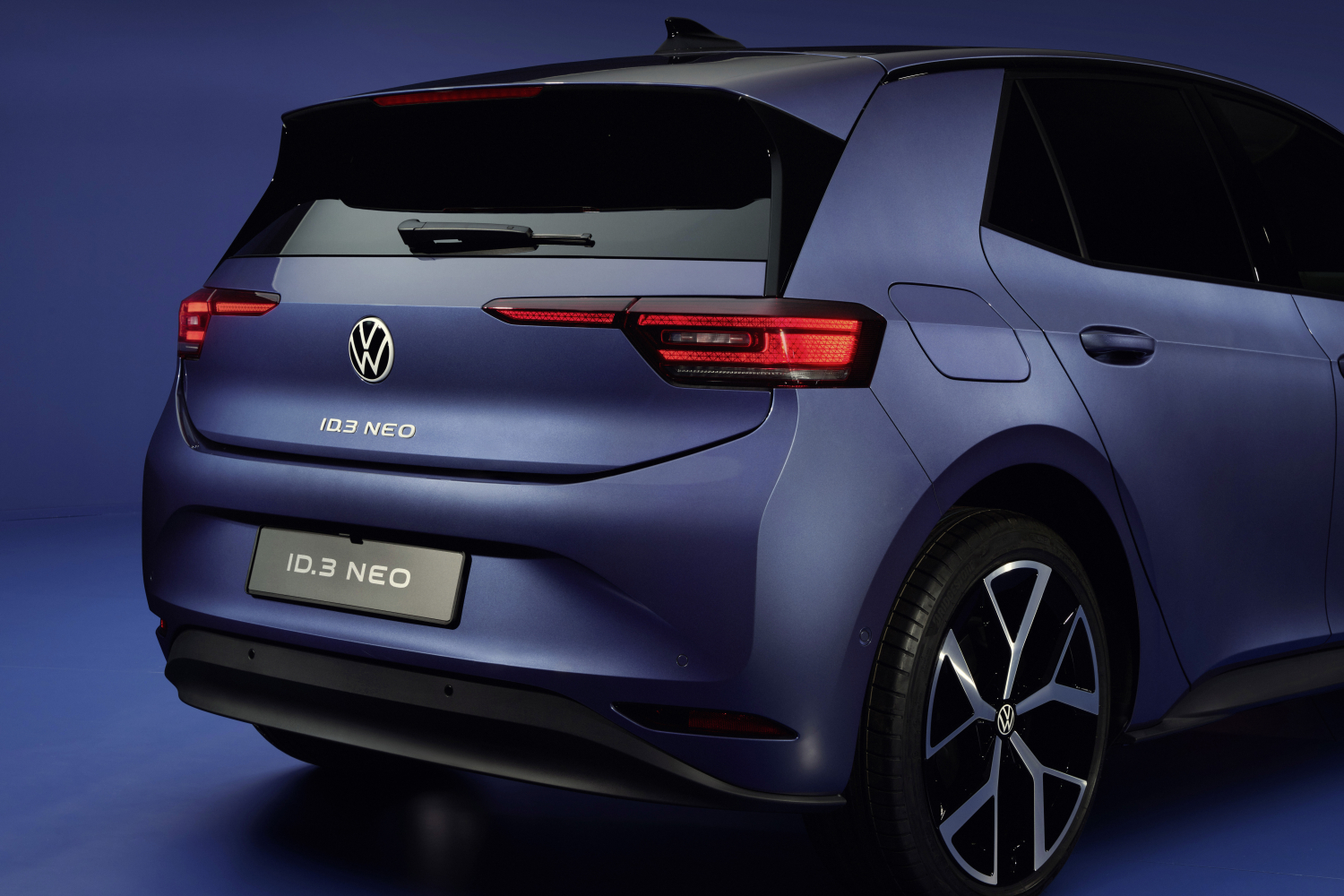
Apparently, not the name. From this summer, a heavily refreshed version of VW’s smallest EV – at least until the tiny ID.1 arrives in 2027 – will go on sale called the ID.3 Neo. The manufacturer is also naming its new Renault 5 rival, launching this month, the ID.Polo.
It’s all part of a charm offensive to give VW cars more character – something all ID models could benefit from. The new Neo (aka ID.3.) will feature a completely fresh design, ‘new generation’ software to make the infotainment screen easier to navigate, and an EV range of up to 391 miles.
Best of all, the Neo will also signal the return of some physical buttons on the dashboard. What a relief and a major win for common sense.
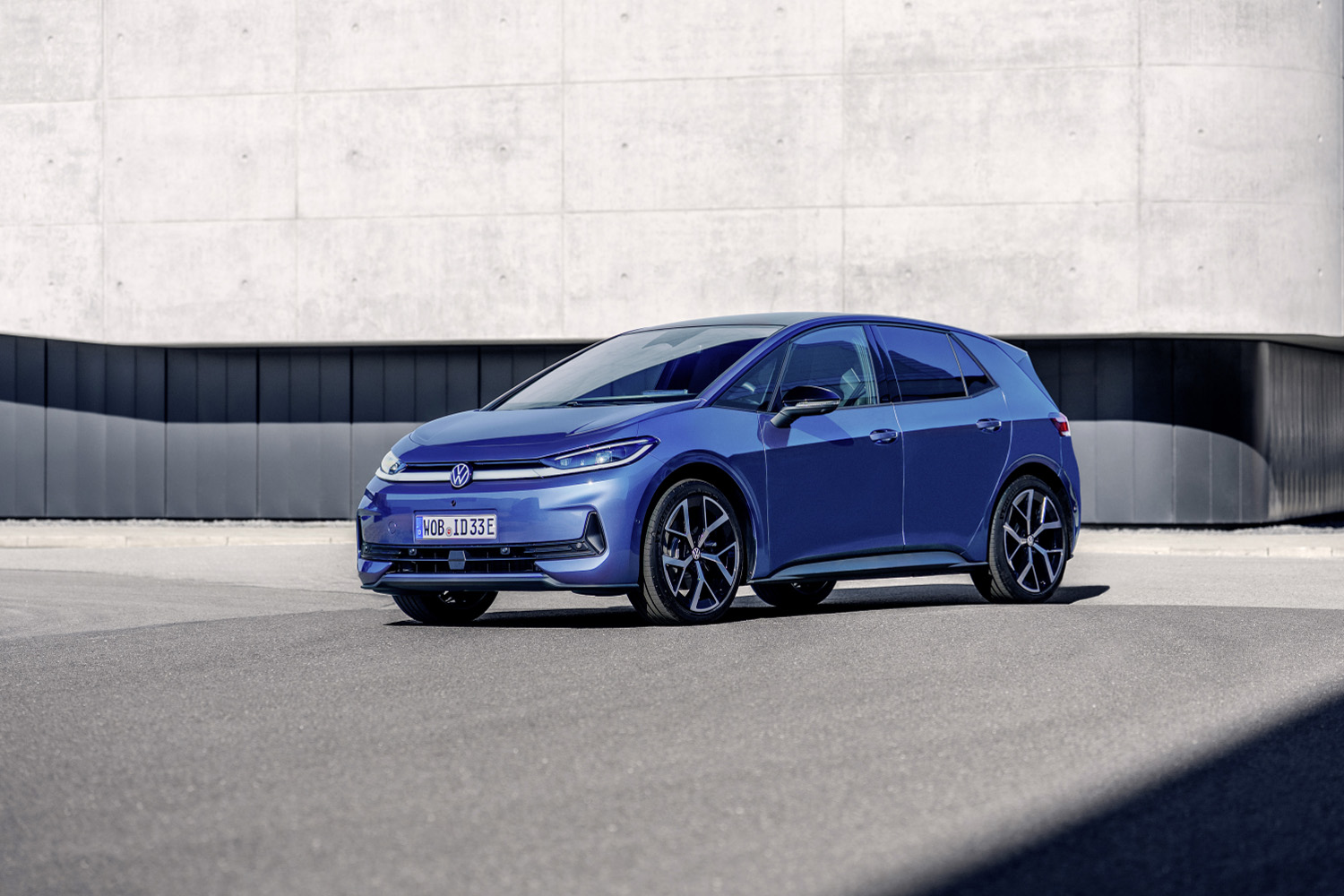
So what about the current ID.3, still available at a showroom near you? Often viewed as an electrified successor to the VW Golf, the outgoing model has overcome initial concerns over interior quality and onboard technology to become a very enjoyable family car.
And because it’s built on a bespoke electric platform, the ID.3 feels more roomy than a Golf, untroubled by the mechanics of the powertrain intruding into floor space. Trim materials are now a cut above rivals, with a modern and clean feel to the cabin.
The driving experience majors on comfort, rather than speed. Most versions feature a 201bhp electric motor, which will allow up to 351 miles on a single charge on Pro S versions but only manages the 0-60mph dash in around eight seconds.
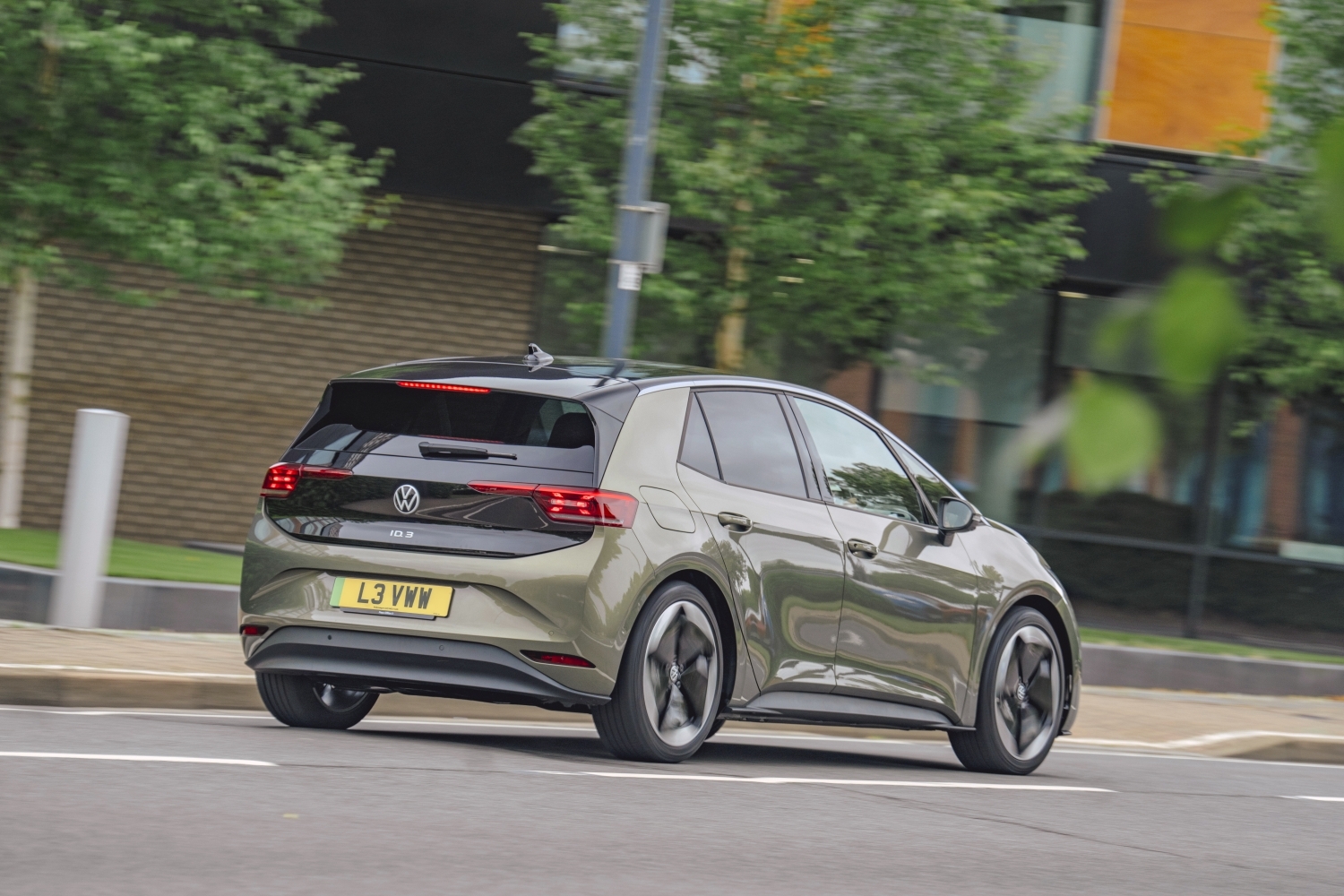
Current ID.3 styling is modern bordering on radical for some – our test car cleverly matched green paintwork with a black roof – and in my opinion, looks far more engaging than the Neo model about to launch in the summer.
Overall, the outgoing ID.3 is roomy, quiet and comfortable, offered with a decent electric range and a premium feel. The new Neo will likely be the same, except the more slippery design is ‘safe’ rather than exciting.
Jessica: ID.3 prices start at around £30,000, although our top spec Pro S is just under £40,000 new – or a rather more substantial £45,295, with the long list of additional extras on top. The panoramic glass sunroof (£795) is a must.
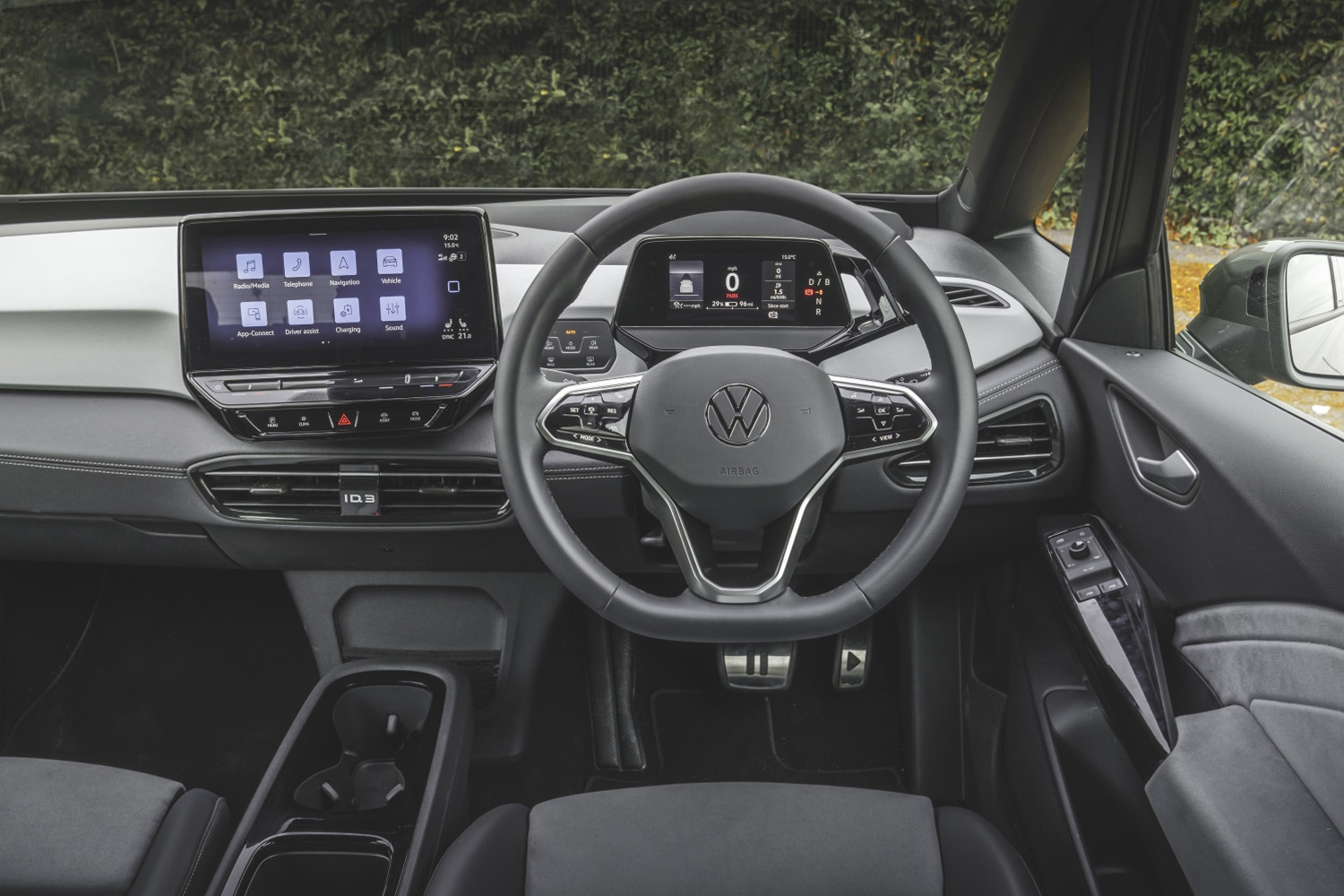
Despite the rather ‘nameless’ name – I’m glad the ID.3 will soon have a proper title – this is a car that I slowly warmed to. While some of the technology will have you bashing the steering wheel in frustration, the VW is fun to live with.
VW’s biggest issue is key rivals, such as the brilliant Renault 4 E-Tech, which blends retro charm with driving thrills.
Discover more about the Volkswagen ID.3 at volkswagen.co.uk
Jessica Talbot-Ponsonby is Director of Programmes at London College of Fashion, studying for a PhD in sustainable e-textile design.