


We Live & Farm On A One-Square-Mile Private Island In The Remotest Faroes
By
3 months ago
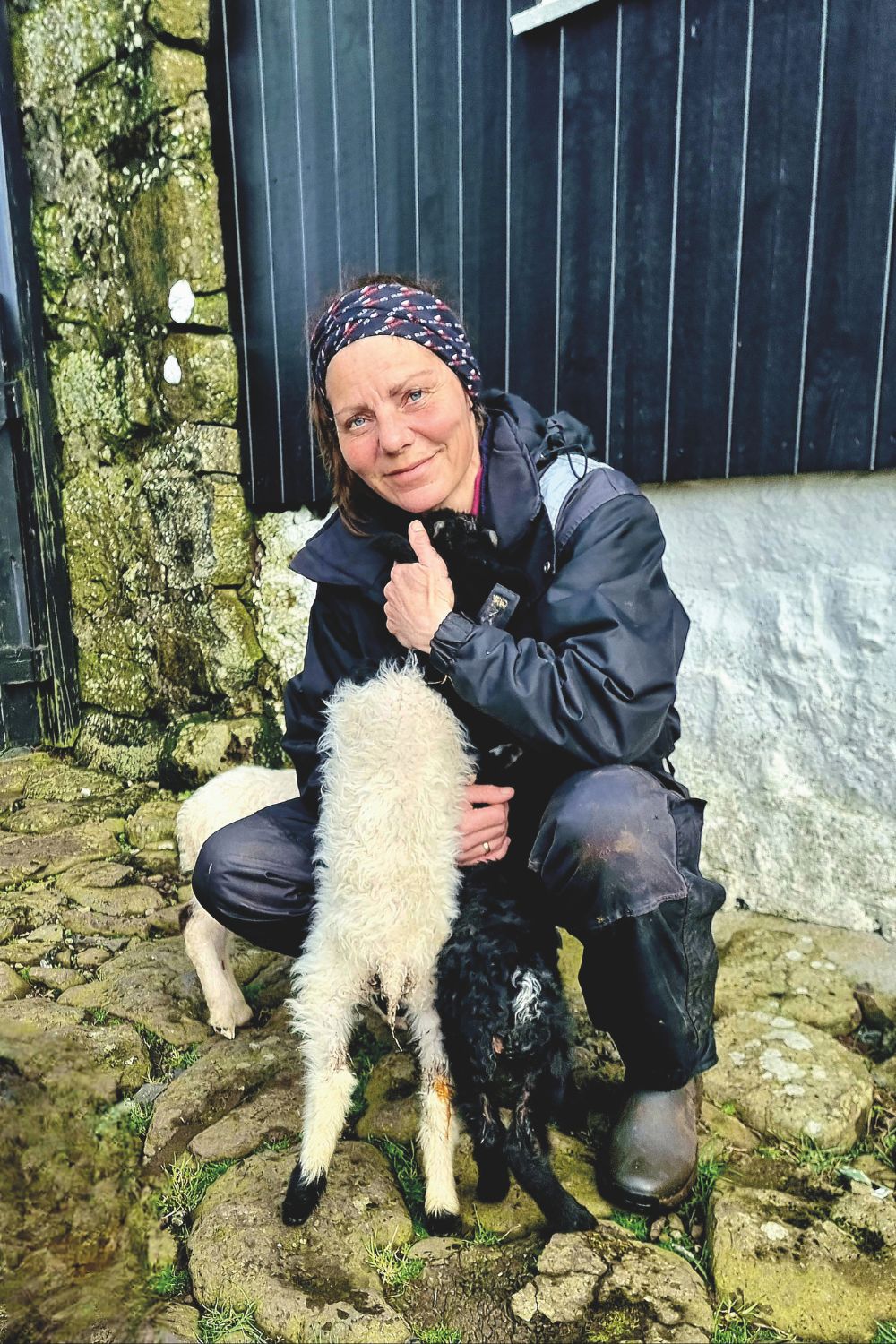
Eva is the eighth generation of her family to live and farm on Stóra Dímun
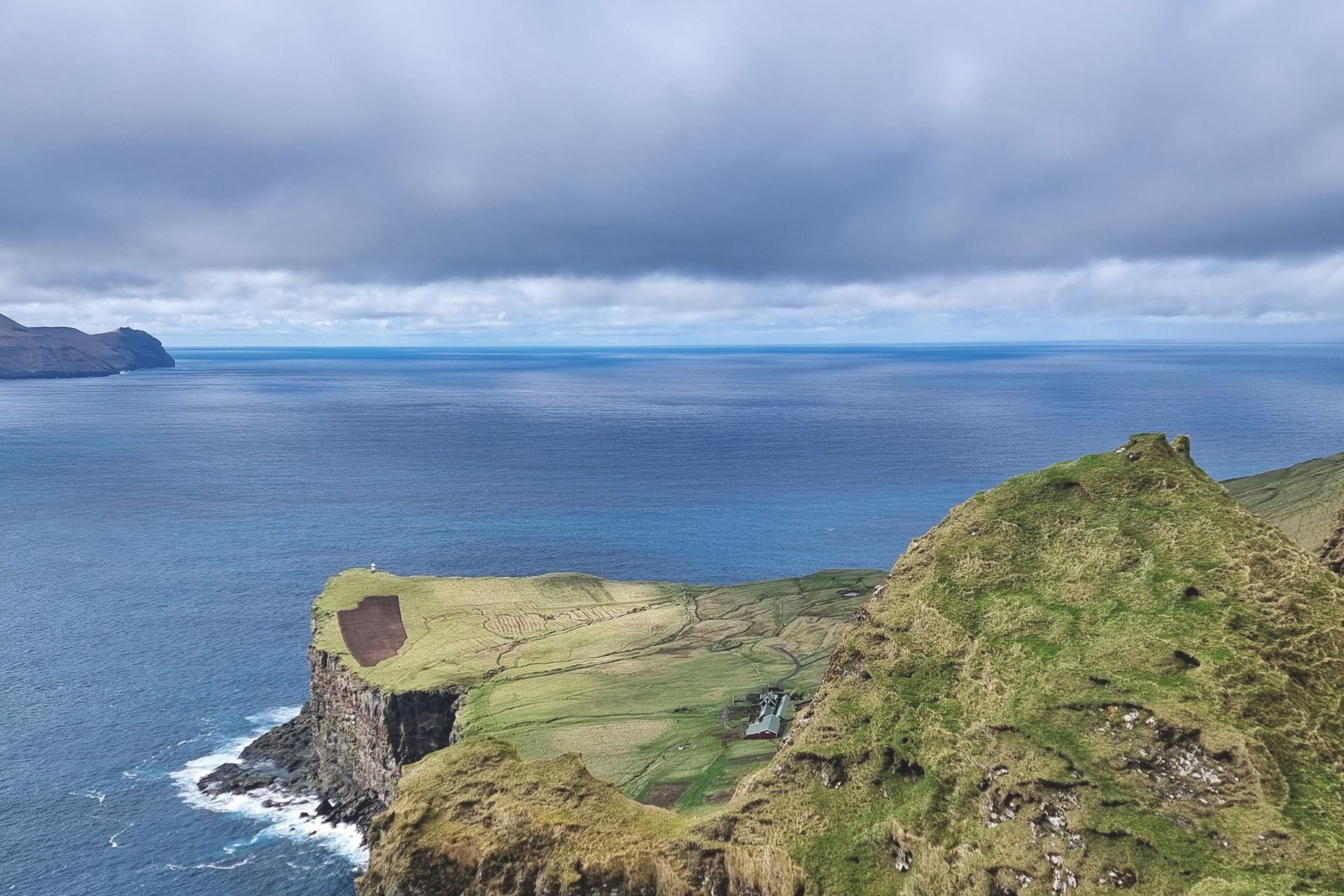
On the island of Stóra Dímun, Eva is at the window of the farmhouse looking across the home pasture towards the cliff edge. Five kilometres away, the uninhabited sister island of Lítla Dímun rises from the Atlantic. The ocean has the misty darkness of a sapphire and the low northern hemisphere sun is surprisingly strong. ‘The tide is easterly now,’ Eva observes. ‘In Faroes, we say it’s either running east or west, and it’s most dangerous when the current goes one way and the wind is in the opposite direction. In the old days it was important to know about the tides as we have no harbour, and to get off the island we had to lower a boat from the cliffs into the sea.’
An Island Without A Harbour
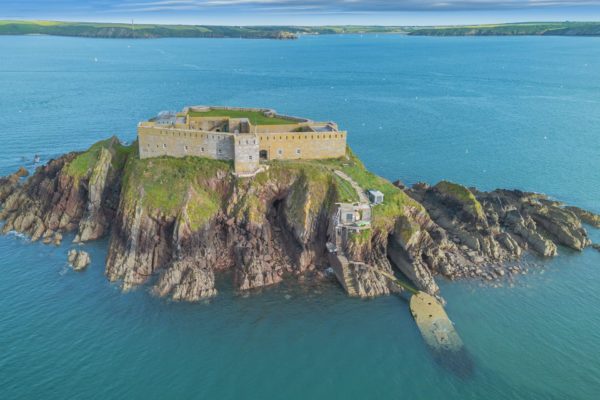
The wild ocean is the main obstacle to living here. Stóra Dímun (pronounced stow-ra doy-ee-mun) is the smallest inhabited island in this archipelago of 18 basalt outcrops around 200 nautical miles northwest of Shetland. Eva lives here alone with her husband Jógvan Jón and she is the eighth generation of her family to farm the island. They have a small tractor for use on the flat pasture around the farmhouse, but the rest of the island is too steep for any vehicles, even quad bikes.
Five sheepdogs are the key to gathering and driving the five flocks that inhabit different areas of the island. There are also half a dozen fattening bullocks, and a vague number of geese, ducks and chickens. In summer the new lambs swell the sheep population to around 1,200. Their meat provides Eva’s main income, but she and Jógvan Jón also grow kohlrabi and turnips to sell, and plant some potatoes for themselves. The meat is highly prized – flavoursome due to the excellent grazing on grass which is fertilised by the abundant bird life. This lifestyle is only possible thanks to a government subsidised helicopter service that calls at the island three times a week.
‘We live on an island, but we are cut off from the sea,’ Eva observes. The lowest point on Dímun is 120 metres above the shore, and it’s the only place on the island where a narrow path allows those who are fit and able to get down to where the old rowing boats used to dock. The path is barely a metre wide even at its widest, and at its base there is a jumble of enormous boulders that must be negotiated before a rough foreshore leads to a tiny inlet that once served as a fair-weather harbour. Before the helicopter service, everything that needed to be carried on and off the island had to fit into a rowing boat. Supplies, and even live cattle, had to be hauled up and down the sheer cliffs on a rope attached to a pulley. The winch sits about 130 metres above the rocks, but elsewhere the cliffs rise just over 400 metres from the water. People, sheep and dogs have fallen here with frightening regularity.
The Old Ways Of Doing Things
For Eva and her husband, island life is no romantic idyll. Like most farmers, they work long hours for a very modest income. However, she believes that producing food is one of the most important jobs in the world. The weather here means vegetables grow slowly, but they are sweeter and tastier. And she insists that using traditional techniques is important. They remove wool from the sheep with hand shears. ‘Once you abandon the old ways of doing things,’ she says, ‘there’s no going back.’ Jógvan Jón has the same opinion. ‘We could automate things a little but machines cost money, and they break, especially here, and power and fuel is costly and hard to get to the island.’
Many people dream of living in splendid isolation, of creating a private kingdom where we can hold the wider world at bay. It’s a fantasy fuelled by stories like Treasure Island, Robinson Crusoe and Swiss Family Robinson. The ultimate status symbol is a private island epitomised by Richard Branson’s Necker in the Caribbean, or Marlon Brando’s coral-fringed Tetiaroa in Polynesia. But here on Stóra Dímun, a good summer’s day will see the air temperature reach 16°C, perhaps 19°C in a heatwave. It rains a lot. Fog, even in summer, often disrupts the helicopter schedule, as do high winds at any time. For me, the attraction is its isolation, the simple silence of early mornings broken only by the shrill call of the snipe that hide in the rough grass around the farm. Even more thrilling is the gentle hluuu-hluuu-hluuu of their specially adapted tail feathers that vibrate as they fly.
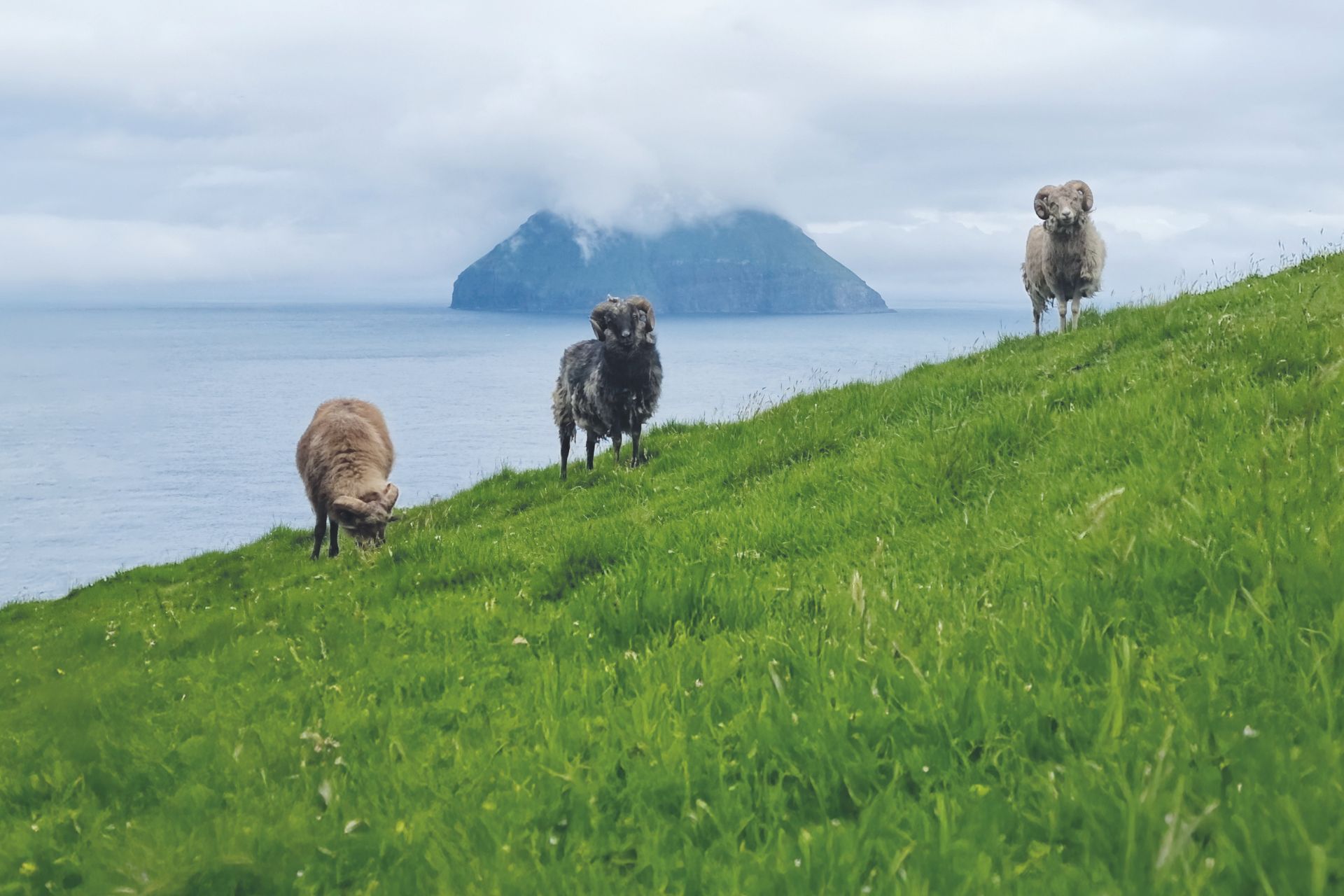
Roughly one square mile in size, Dímun is first and foremost a working farm. Eva loves the island, but she also sees it as her family’s legacy, and she knows the history of her forebears inside out. Several of the heads of family died falling from the cliffs while catching seabirds to eat. Others drowned at sea, and all too often their bodies were never found. Even the sheep on Stóra Dímun have to be tough – to endure the weather, rough pasture and perilous cliffs. Life is not easy for the livestock here either. Sheep are not brought inside for winter, and the lambs are born without human assistance. ‘We don’t want ewes that need help,’ Eva explains, ‘they must be able to survive here. It’s not easy pasture, so they need to be tough.’
Never Lonely, Only Alive
Eva is happiest on the island, although she visits the mainland regularly. ‘People always ask if I get lonely,’ she smiles, ‘but I’ve never felt that here. I can feel lonely in a city when I look out at the lights in other people’s houses and realise that I don’t know the people who live in them.’
Dímun is its own world, where the farm exists in balance with the migration of the birds and life cycle of the sheep. Eva and Jógvan Jón have made a life that ebbs and flows with the seasons too. Friends in the Faroes capital, Tórshavn, often ask if I have cabin fever after staying on the island. Similarly friends in England wonder if I have escaped to a land of make-believe where I can avoid reality. It’s quite the opposite. Life on Stóra Dímun seems much more real than anything we experience in our modern urban world, where we are insulated from the seasons and where food is easily bought without much thought for the effort it took to produce it.
Eva asked me recently if my impression of the island had changed much since my first visit a decade ago. I certainly love it, and Eva and Jógvan Jón make me feel like part of their family when I’m there. I answered that I felt more at home on the island because I know it so much better, and I have participated in everything from planting and harvesting the crops to shearing, slaughtering and butchering the sheep. But then I realised that what has really changed is that I no longer think of it as a small island. For me, Dímun is very much a living thing, it breathes the sea breezes and it has a heart that thrums like the snipe’s tail.