





How To Beat The Summer Blues
By
2 months ago
Top tips to face SAD during the warmer seasons
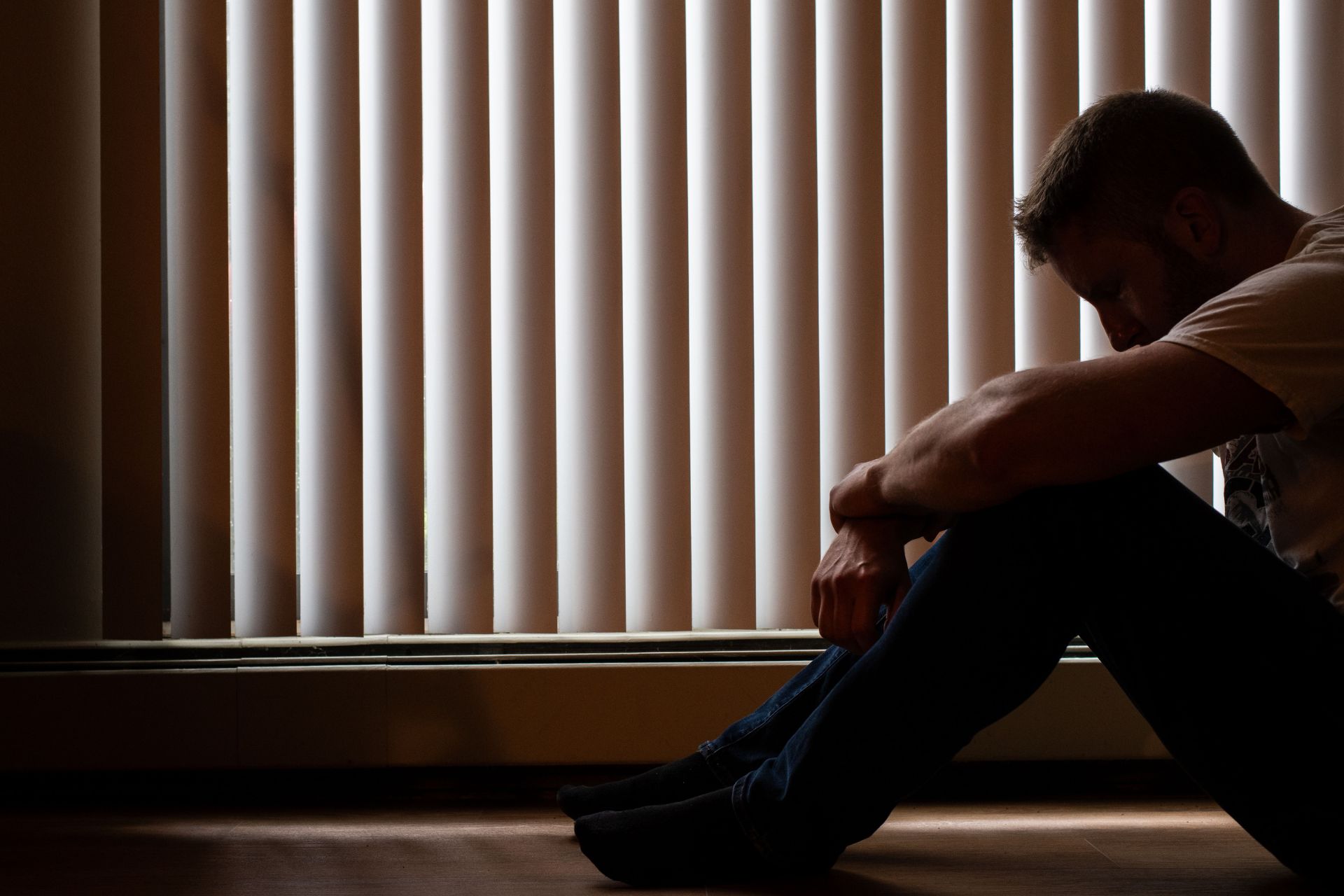
As the months continue to heat up, so does the summer blues – this time of the year’s version of seasonal affective disorder (SAD). Although this hallmark mood disorder is most often associated with the darker, colder winter months, some people instead experience the condition as spring turns into summer.
What Is SAD?
First acknowledged as a psychological condition in the 1980s, SAD – sometimes known as summer or winter depression – is a mental condition often associated with low mood, loss of pleasure in daily activities and extreme tiredness.
For those of us who long for the summer months, it might seem confusing that others are made depressed by these long, Vitamin-D infused days. But there’s many factors that contribute to these so-called ‘summer blues’: from high heat and disrupted sleep from long daylight hours, altered daily routines, and intense social pressure to be happy.
Whilst therapy and other interventions may be needed for those with more serious cases of SAD, there are some helpful tricks that can boost your mood in the summer months. As Sarah Rees, a cognitive behavioral therapist based in Cheshire, explains: ‘How we think impacts how we feel, and then what we do, and that kind of impacts our world.’ She recommends trying to notice your thoughts and think about how they could be more helpful, especially around self-criticism. Other suggest finding new joys to look forward to that only summer can bring, or, alternatively, trying to treat this time just like any other of the four seasons.
Want to quell your summer blues? Here’s our expert guide to fighting summer SAD.
Pexels
Find A New Rhythm
As schedules naturally change with the longer days and shorter nights, it’s recommended to try and keep relatively the same sleep and wake up time, with the same morning routine. Getting to bed too late and rising too early can build up a lack of sleep over time. Rees says the most important thing one can do is not stay isolated and to keep to your same activities as best you can. ‘With any other illness, you think “When I feel better, I’ll do that”,’ she explains. ‘With any kind of low mood, however, you have to do the thing and then the feeling will come. So you have to do the things that would naturally lift your mood, and expect the feelings to follow. That’s the tricky thing’
Ways To Cool Down
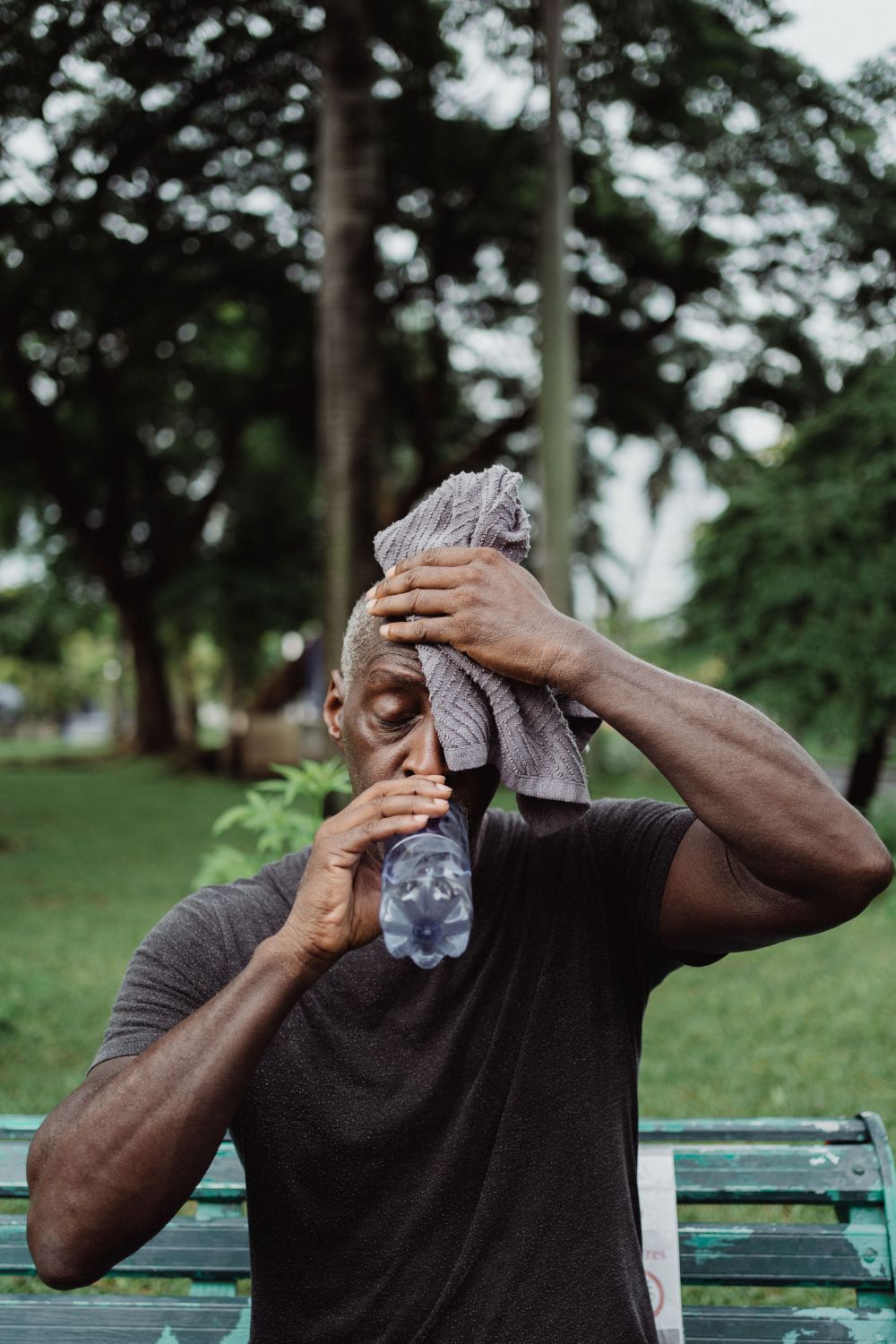
Irritability, fatigue and discomfort due to heat and humidity have been hallmarks of the past few record-breaking summers. Keeping hydrated, wearing sunscreen, hats, sunglasses, and walking in the shade are all top tips to beat the heat. One of the top recommendations from Rees is to not go out in the hottest parts of the day because you may have to spend hours afterwards recovering and cooling down.
Exercising and taking walks in the mornings and evenings as part of your routine when it’s cooler outside is a good idea, along with trying to fuel your body enough with whole foods. Lighter, cooler, hydrating meals such as salads, cold soups, cheese and meats can help with lower appetites that may come in the summer time.
Keep To The Shade
In the summer, heightened amounts of melatonin production from sun exposure can affect everything from sleeping to eating schedules, to people’s mental health. Staying indoors with shades drawn can help your brain take a break from constant sunshine that lasts longer and starts earlier in the day.
Black out curtains are also a good interior design choice to keep daylight out, while Rees recommends physically moving furniture away from bright windows which can help people prioritise sitting in shadier spaces in their home.
Prioritise Sleep
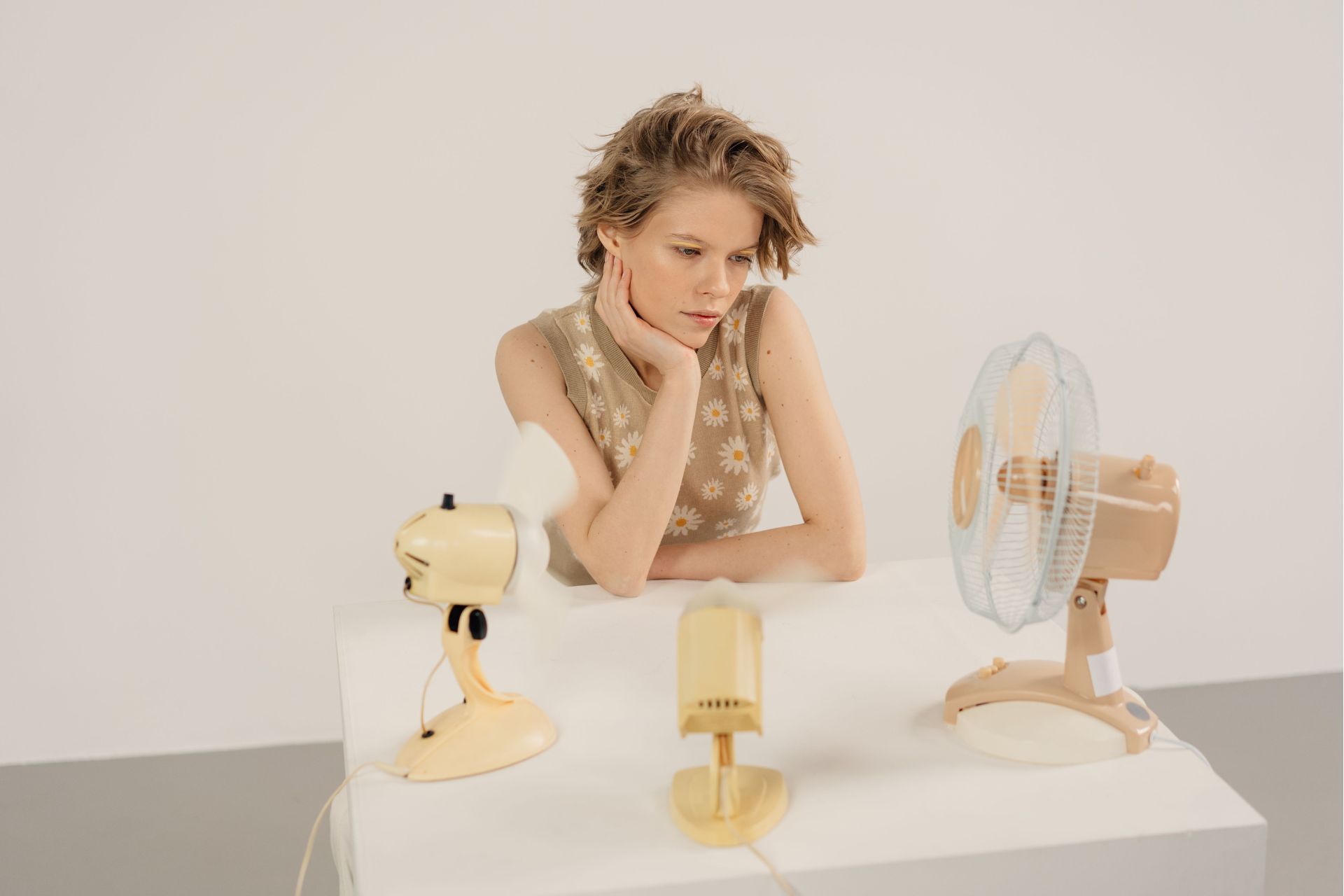
Staying cool at night with a fan is the first choice for many in the dog days of summer. But health professionals recommend trying to keep bedrooms even cooler at a chilly 18 degrees at night in order to maintain optimal body temperatures for deep sleep.
Having a nighttime routine of making rooms darker to naturally allow oneself to slowly get tired is another tip. Limiting alcohol and caffeine intake during the day to limit dehydration can also help with better quality of sleep at night.
Pexels
Curb Peer Pressure
The social need to be around friends can come head-to-head with too much pressure to spend money on holidays, nights out that go late into the evening, and attending outdoor events back-to-back. Your budget and mental bandwidth may be feeling the pinch, but the cultural norm to be out and about in the summer can be overwhelming..
Maryia Badashian, a member psychotherapist of the British Association for Counseling and Psychotherapy, says: ‘It’s very important to be careful to not fall into these social or cultural expectations and to know that sometimes knowing your limitation and saying “no” is ok.’ She also recommends not staying in your home all the time, but to be aware of how much time you’re spending with friends and what time you may need to recharge alone.
Positive Body Image Affirmations
In the summer, many people choose to wear lighter, and more inherently revealing clothes to avoid sweating and rising body temperatures. Because of this, boosting self-esteem is critical this time of year when leading up to and during the holiday season. While social media and constant pictures with friends are social norms in today’s society, being kind to yourself and trying not to compare yourself to others can help manage pressures to look any different than you currently do, because who you are is enough.
Therapise Your Brain
The first step after experiencing intense negative feelings that may be caused by changes during the summer season is to book an appointment with your GP. For rare cases of SAD that are treatment-resistant, the National Affective Disorders Service with the NHS specialises in mood disorders with personalised care.
As mentioned above, mental health professionals for talking therapies can ease anxieties and help you identify your own personal triggers for the summer blues. Finding specific coping mechanisms and positive responses to your individual feelings may make all the difference in how one experiences this sunny season. ‘If people are struggling, it’s ok really to ask for help. There’s no shame in asking for help – it takes a lot of courage,’ says Badashian.