


From The Bean Boom To Japanese Comfort Food: 7 Food Trends To Know For 2027
By
8 hours ago
Here's what's hot in food right now, according to the experts
What will we all be eating and drinking in 2027? Whole Foods has dropped its annual report, outlining the top food trends set to shape the year ahead. From the growing appetite for Japanese comfort food to the bean revolution and a soaring interest in food provenance, these are the key themes gaining traction right now.
Whole Foods Predicts The Key Food Trends For 2027
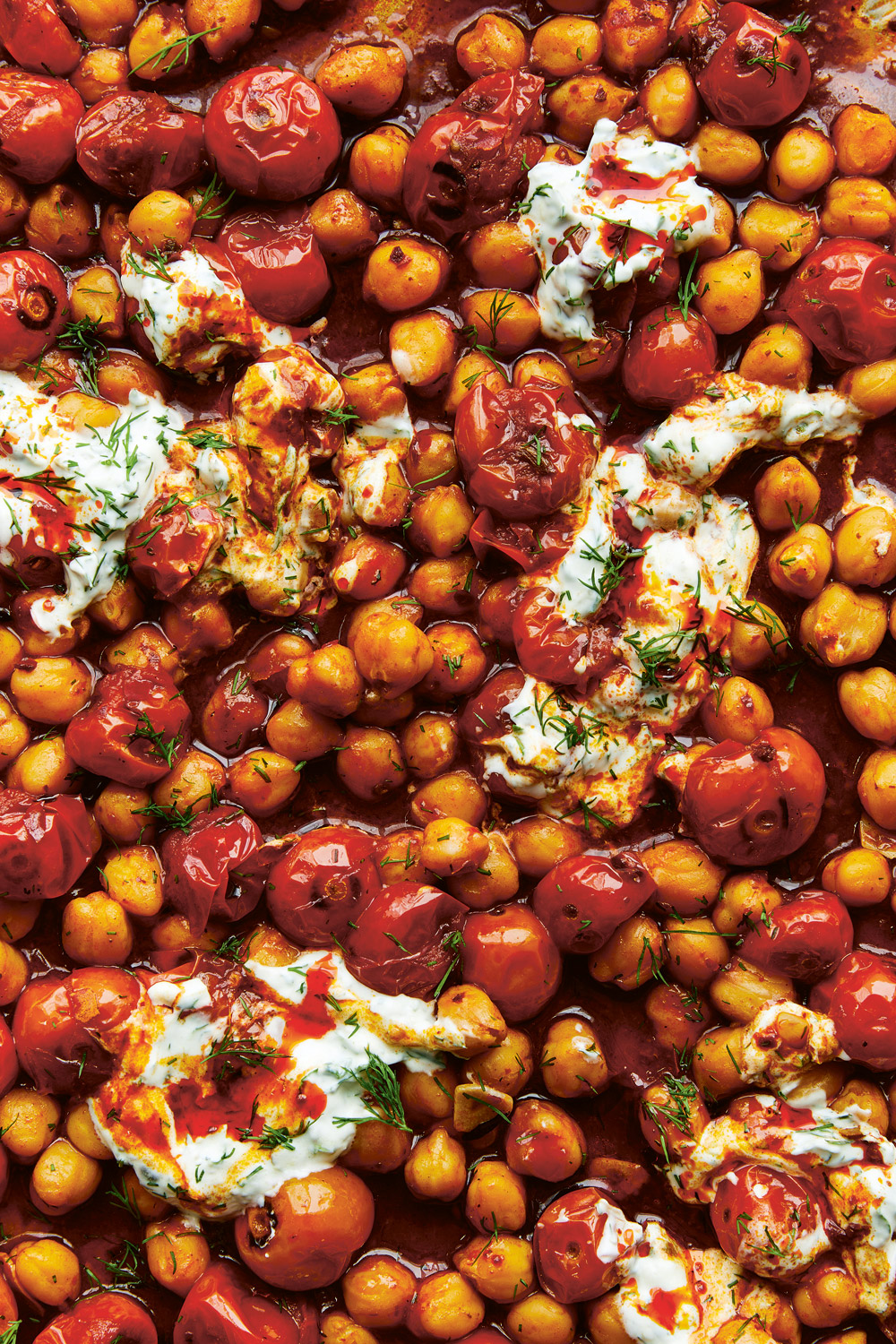
The Bean Boom
Once widely considered a basic and uninteresting ingredient, beans have undergone something of a renaissance in recent years. No longer just a side dish, legumes are increasingly becoming the main event – spurred on by the rise of BeanTok, TikTok’s bean-centric recipe trend. Amelia Christie Miller’s Bold Bean Co, known for its buttery queen chickpeas and velvety butter beans, has undoubtedly played a part (the company drove £4.8 million of the £5.7 million total growth in the UK jarred bean category in 2024, with annual sales reaching £11.7 million in 2026). But other brands are catching on: this summer M&S launched its own rivals bean range.
Recent statistics show shoppers are eating more beans and lentils and less real and plant-based fake meat, both to save money and improve their diet – with the amount of beans, pulses and soya bean derivatives having increased by 70 percent in the first half of 2026 compared to the same period last year.
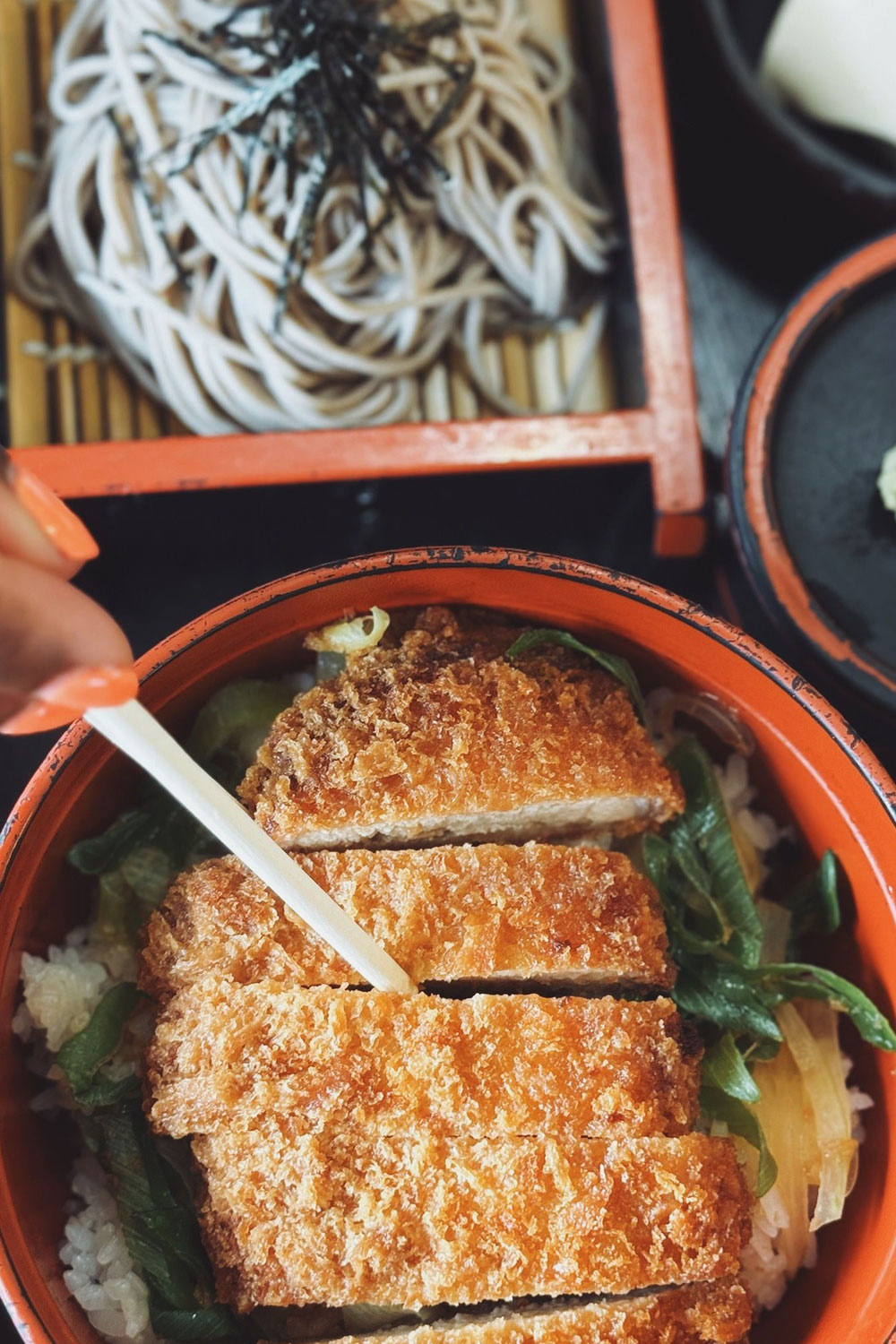
Tonkatsu (c) Pexels
The Yōshoku Effect
Japanese comfort food will be big in 2027, says Whole Foods, as interest grows surrounding yōshoku: Japanese interpretations of Western dishes. Think tonkatsu, Japanese curry rice, wagyu hamburger steak (hambagu) and omelet rice (omurice). Meanwhile, Japan’s konbinis (convenience stores) have become a TikTok phenomenon, particularly its 7-Elevens which feature create-your-own drink stations and instant ramen counters. Japanese milk bread (the shokupan bun), too, is having a moment on social media, following in the footsteps of Japan’s deep-fried sandwiches, fruit sando and fluffy soufflé pancakes, which all have devoted followings online.
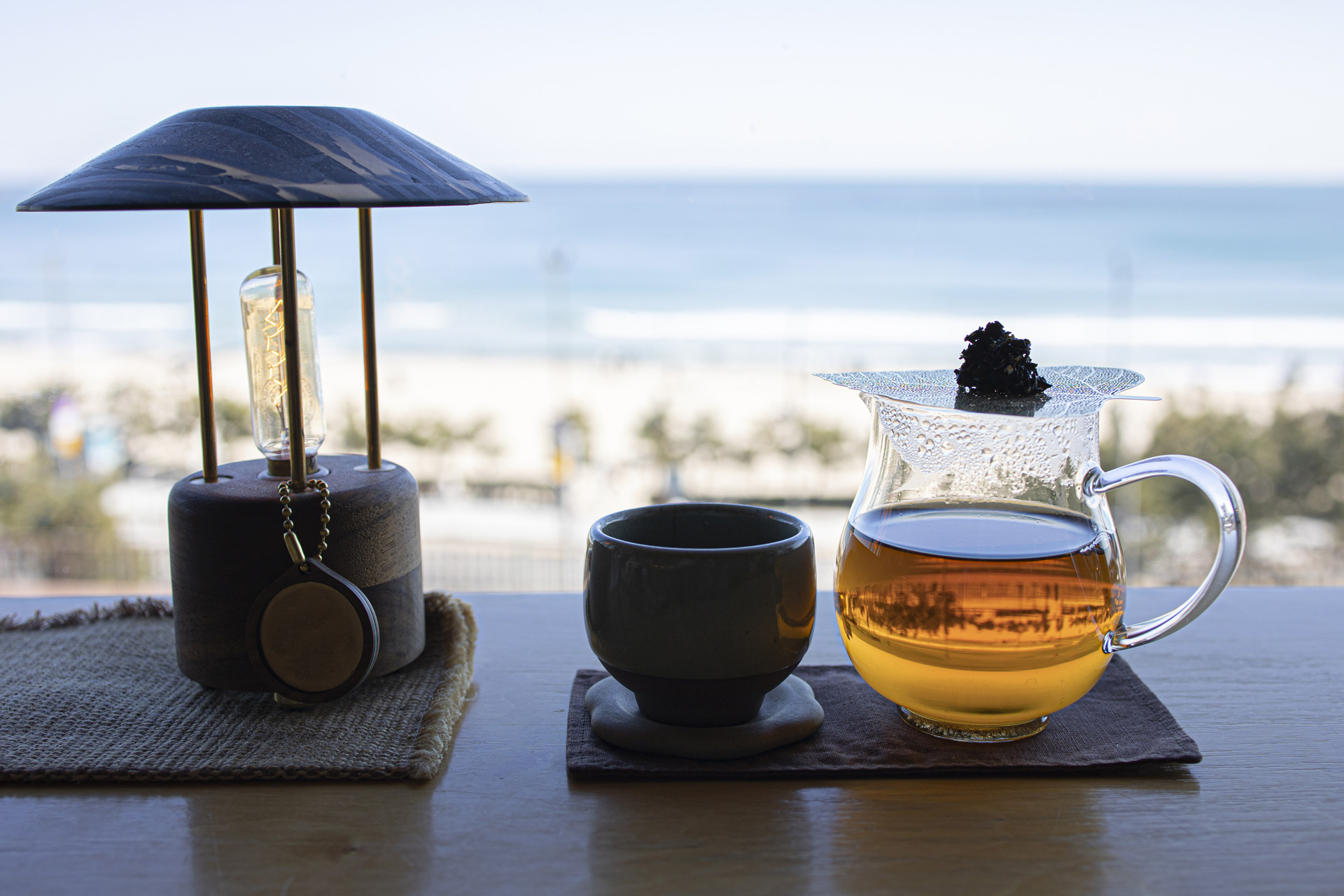
Hojicha (c) Getty Images
But it’s not just in the online sphere. Demand for Japanese cuisine has soared in supermarkets – sales of Miso Tasty ramen paste are up 41 percent year-on-year at Waitrose, for instance. Japanese drinks, too, are all the rage. The matcha boom shows no sign of slowing, but hojicha (a type of green tea which originated in Kyoto, Japan) is also gaining popularity.
Bitter Done Better
Bitter foods were highlighted as one of the key food trends for 2026, but in 2027 we’ll see even more adventurous ingredients grow in popularity. Whole Foods notes how bitter foods are popping up more and more on restaurant menus and in packaged goods – from amaro-inspired non-alcoholic drinks to chocolate enhanced with fennel pollen, tarragon and liquorice root. Bitter greens such as radicchio and endive, renowned for their gut health benefits, are trending, while social media is awash with tutorial videos showing users how to ‘take the edge off’ bitter vegetables using methods like quick-blanching and salt-resting.

ZOE app
Ingredient Minimalism
As the canon of research surrounding the negative impact of ultra-processed food continues to grow, we’ve become far more conscious of ingredient lists. Apps like Yuka, the NHS Food Scanner, and the ZOE App are being used to help shoppers navigate food shopping, while manufacturers are taking steps to simplify ingredient lists. Earlier this year, M&S food launched Only… Ingredients, a new range focused around products with eight or fewer ingredients, while Whole Foods bans over 300 ingredients across its entire collection.
Terroir’s New Territory
Shoppers have long looked at terroir – how a region’s climate and soils impacts taste – when it comes to wine. But Whole Foods notes how the idea of terroir has expanded across the food sphere as provenance becomes more and more important. The report cites the rise of products like regional honey, single-estate chocolate and named-source grains, which are distinctly connected to where they were grown.
Beautrition
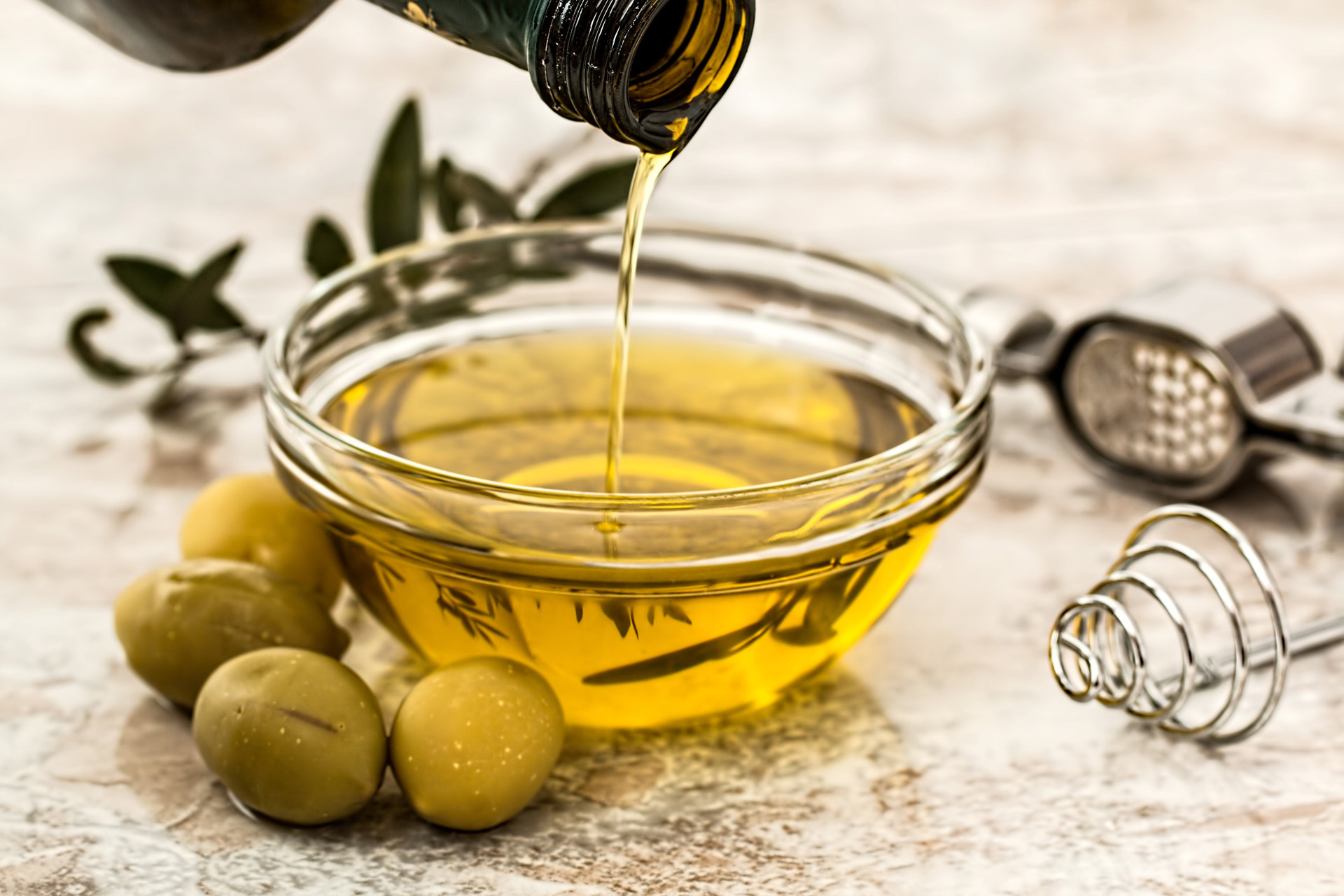
Nutritionists have long stressed how much the food we eat impacts our skin, but now their message is really starting to resonate with shoppers, according to Whole Foods. There’s a buzz around ingredients like collagen and antioxidants, as well as healthy fats and hydration, all of which have science-backed benefits for our skin. Meanwhile, one of this year’s biggest wellness trends is knocking back daily olive oil shots – a habit popularised by celebrities like Hailey Bieber, Kourtney Kardashian and Jennifer Lopez (though nutritionists are divided on whether consuming it as a shot actually has any added benefit). Sea moss, too, is in vogue, with devotees raving about the skincare benefits (and studies backing up the claims this time).