

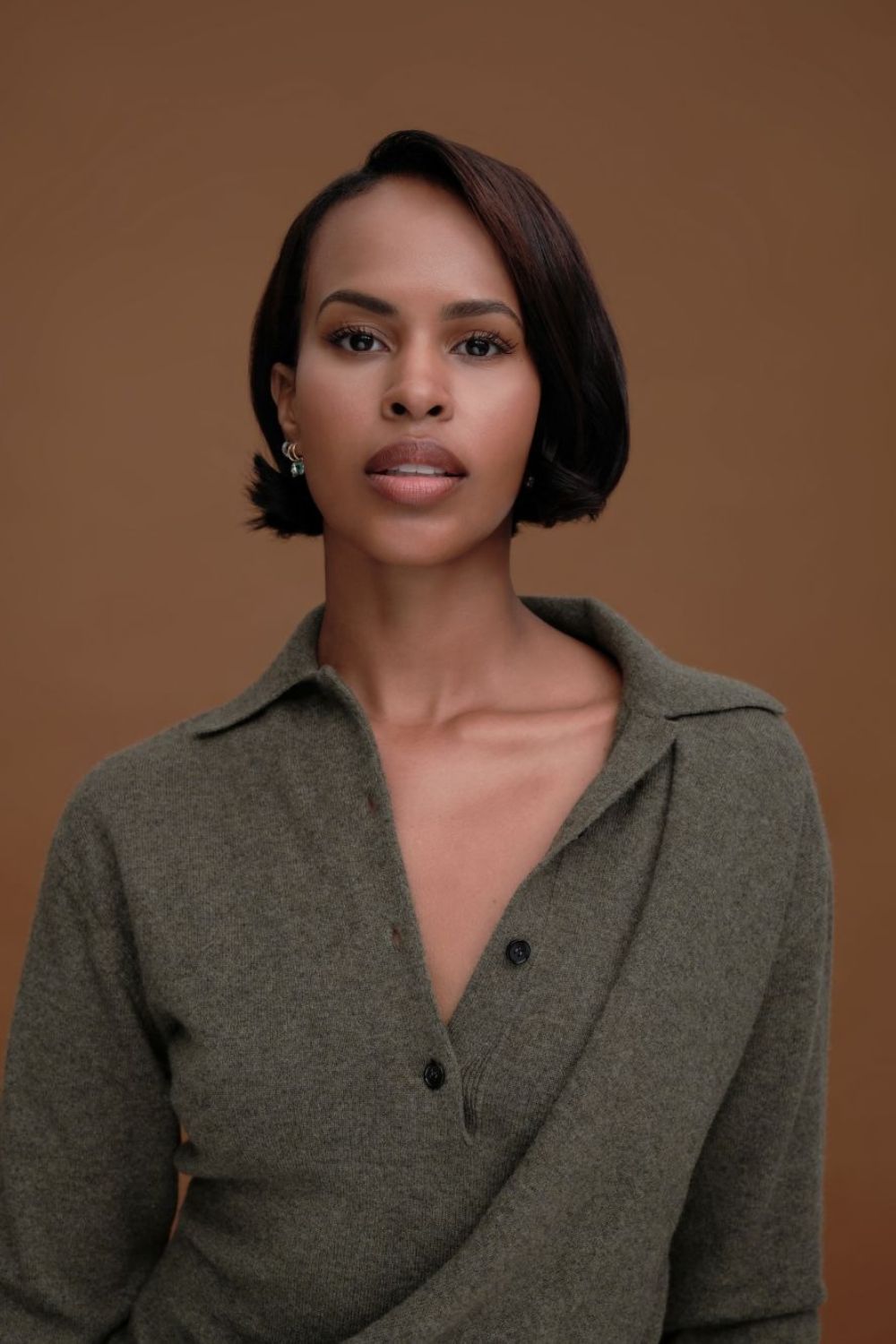
Meet the Future Icons: Sabrina Dhowre Elba
By
42 minutes ago
Founder & CEO, S’ABLE Labs; UN Goodwill Ambassador, IFAD
As an IFAD Goodwill Ambassador, Sabrina Dhowre Elba makes the case for investing in small-scale farmers and rural women, while building a skincare brand on African ingredients and science.
What do you do and why does it matter?
I’m an entrepreneur, creative and advocate. I’m the founder and CEO of S’ABLE Labs, where I’m building a skincare brand rooted in African ingredients, science and a more inclusive idea of who beauty is designed for. Alongside that, a lot of my work is focused on advocacy, particularly around women, rural communities, climate and economic opportunity in Africa. I also work across film, fashion and creative projects, so I suppose the thread through everything I do is using business, storytelling and culture to shift narratives and create opportunity.
What first made you realise environmental or social impact was something you wanted to be part of?
It was definitely an accumulation of learnings rather than one single moment. The more time I spent travelling and working with communities, particularly rural communities and smallholder farmers, the more I started to understand how interconnected everything is – climate, food, income, gender and opportunity.
What really stayed with me was seeing that the people who are often described as the most vulnerable are also some of the most resourceful and innovative. They already have solutions and generations of knowledge; what they often lack is investment, access and a seat at the table.
That shifted my perspective. I stopped thinking about impact as something separate from the rest of my work and started thinking about how it could be built into everything I do, whether that’s advocacy, storytelling or the way I build a business.
What’s the achievement you’re most proud of – and what made it possible?
I’m probably most proud of building S’ABLE Labs. Not just because it’s a business, but because it brings together so many things I care about: representation, African ingredients and knowledge, science, and creating a company that thinks seriously about where things come from and who benefits along the way.
What made it possible was persistence, more than anything. There have been plenty of moments where it would have been easier to compromise, change direction or give up altogether. But I’ve had a very clear sense of why I wanted to build it and who I wanted to build it for.
I’m also very aware that nothing meaningful is built alone. The team around me, the communities we work with, and the people who have believed in the idea have all made it possible.
Where have you had the most measurable, tangible impact?
Probably through my work with IFAD. I’ve spent years advocating for greater investment in small-scale farmers and rural communities, particularly around climate adaptation and access to finance. What makes that work feel tangible is being able to meet farmers directly, understand what they need, and then carry those voices into rooms where funding and policy decisions are being made.
What’s the biggest misconception people have about your field – or about the change you’re trying to make?
The biggest misconception is that communities facing the greatest challenges are waiting to be saved. In my experience, they’re often already adapting, innovating and building solutions with very little. The real issue is access to finance, markets, infrastructure and decision-making. The change I’m interested in is shifting from charity to investment, and from speaking for people to making sure they have the resources and power to shape their own futures.
If you could change one thing systemically – policy, culture, industry practice – right now, what would it be?
I’d change who gets access to capital. So many of the people with the strongest ideas, knowledge and ability to adapt – particularly rural women and small-scale farmers – are still the furthest from finance and decision-making. If we could move more investment to the first mile, rather than treating these communities as beneficiaries, I think we’d unlock far more lasting change.
Who or what is your biggest source of inspiration right now?
Right now, I’m most inspired by the women I meet through my advocacy work and business. There’s so much ingenuity, creativity, resilience and knowledge in the way they adapt, build businesses or support their families and sometimes even communities. It constantly reminds me that women really are doing it all.
What keeps you up at night – and what gives you hope?
What keeps me up at night is how quickly climate and economic pressures are moving, while the people most affected still have the least access to capital and decision-making.
What gives me genuine hope is the people I meet. I see so much ingenuity in rural communities, especially among women and young people. The solutions are often already there – they just need the investment, visibility and opportunity to grow.
Eco-guilty pleasure – what’s the one thing you haven’t managed to give up?
Probably flying. I travel a lot for work, advocacy and family, so it’s the one thing I haven’t realistically been able to give up. I’m very aware of the contradiction, especially working in climate, but I think honesty about those tensions is more useful than pretending any of us does sustainability perfectly.