



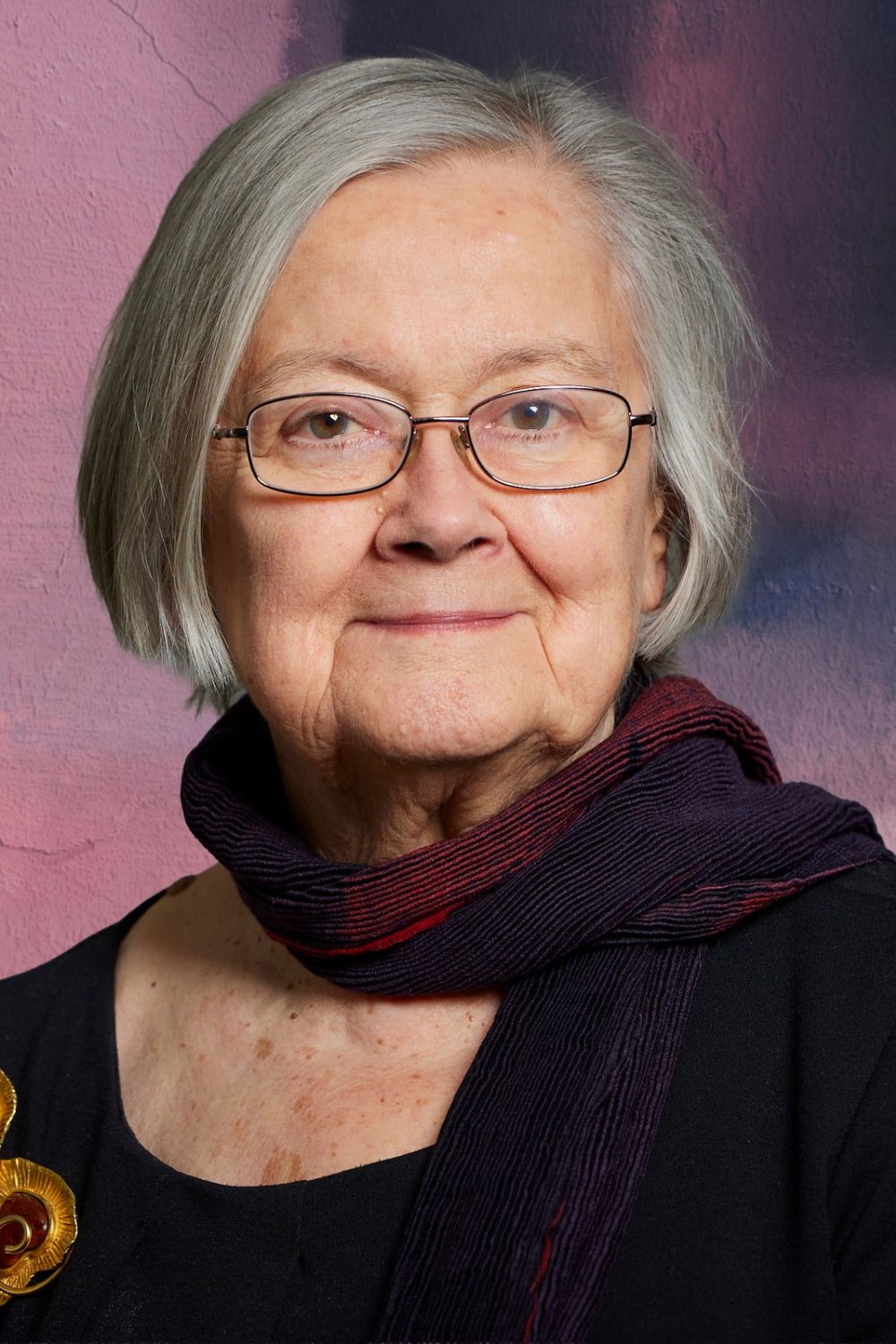
Lady Brenda Hale On Ambition, Academia & Her Advice To Student Lawyers
By
4 hours ago
The first female president of the UK Supreme Court takes us through her long and happy career in law
Lady Brenda Hale, Baroness Hale of Richmond is a household name for lawyers, aspiring judges and laypeople alike. After reading law at Girton College, Cambridge in 1963 – one of just five women in her year – Lady Hale went on to become one of the UK’s top lawyers, making history in 2017 as the first female president of the UK Supreme Court. We sat down with the baroness to talk her long and happy career and her crucial advice for young people working in law today.
Q&A: Lady Brenda Hale, Baroness Hale of Richmond
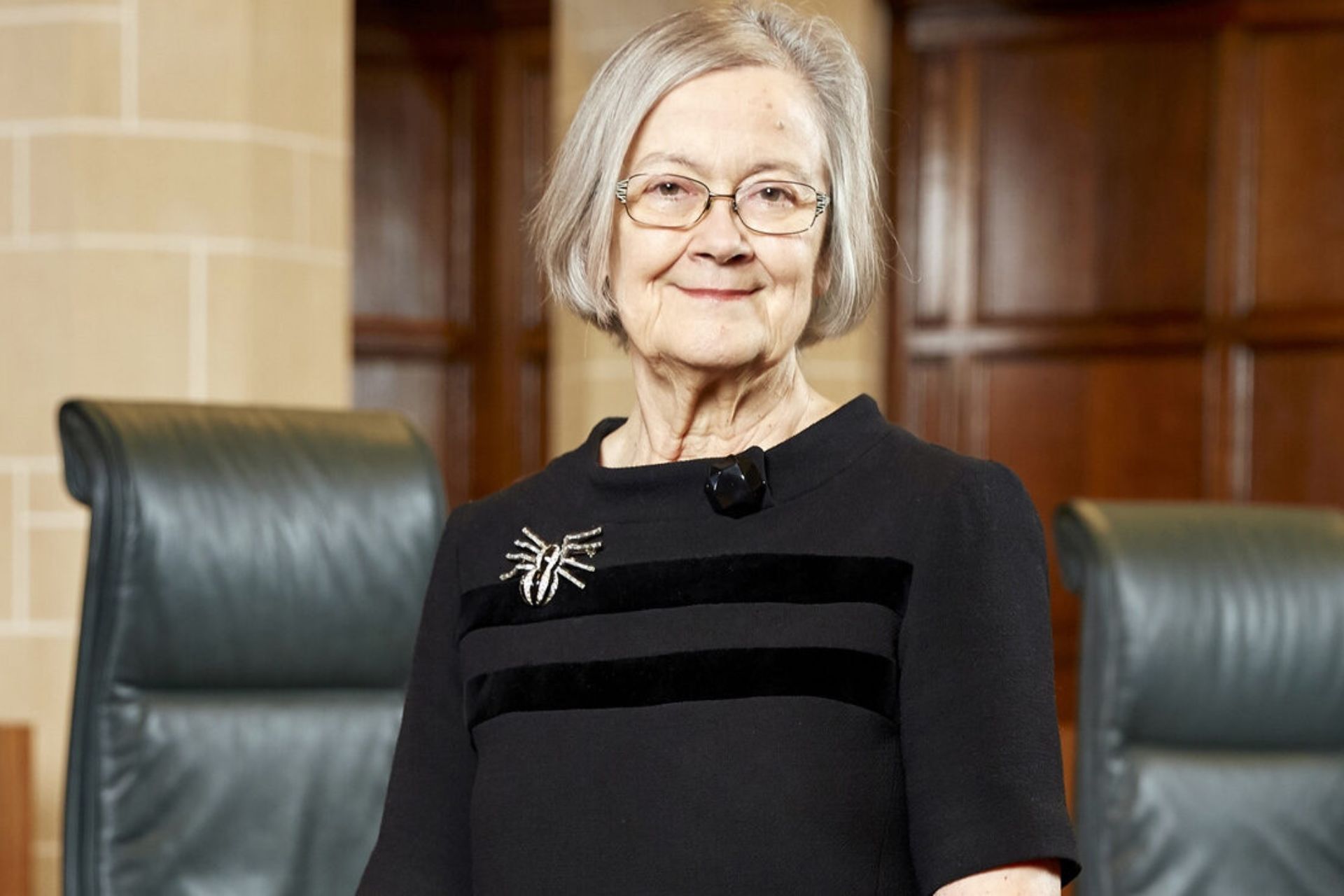
Lady Hale was one of just five women in her year at the University of Cambridge
What did you want to be when you were growing up?
I assumed I would be a teacher because both my parents were, but it dawned on me that I wasn’t best suited to being a teacher. I was usually top of the class so if students hadn’t understood something, they used to ask me to explain – but I never could.
What was your experience of school like?
I passed the 11+ at the age of ten, so went to what was then Richmond High School for Girls as its youngest pupil and did my O levels, A levels, and the Oxford and Cambridge exams a year younger. When I stayed on for another term to do the Oxford and Cambridge exams, I was made head girl. I have two sisters; one had already been head girl and the other became head girl two years after me. They were both more suitable for the role: I was a swot, and those aren’t necessarily the most popular girls in the class.
Where did the idea to study law come from?
I thought I would read history at university because it was my favourite subject, but my headteacher didn’t think I was a natural historian. She suggested economics, which I wasn’t keen on, and I suggested law. I went up to Girton College, Cambridge in 1963, when there were three colleges for women and 21 for men. There were five women in my year and about 100 overall. We felt very privileged and fortunate to be there.
Did you have an influential tutor at Cambridge?
Yes – Tony Weir, who lectured on a third-year course. He was a really inspirational man. There were some very brilliant women, but they could only be college fellows. I thought women didn’t have an immediate future in Cambridge so after I graduated, I went to work as an academic at the University of Manchester. It had a very good law faculty but it also wanted me to qualify as a barrister and do some part-time practice at the same time. If I hadn’t done that, I would never have become a judge.
How did you make the transition into the judiciary from academia?
I taught seven subjects at Manchester, but I had written a book about mental health law and was recommended to preside over mental health tribunals. In 1980 I was appointed to the council on tribunals, and that led to a tap on the shoulder suggesting I should become an assistant recorder – a part-time judge – which I did in 1983.
Were you glad to have your shoulder tapped?
It was a surprise. If you’re offered a challenge like that, however scary it might be, you give it a go.
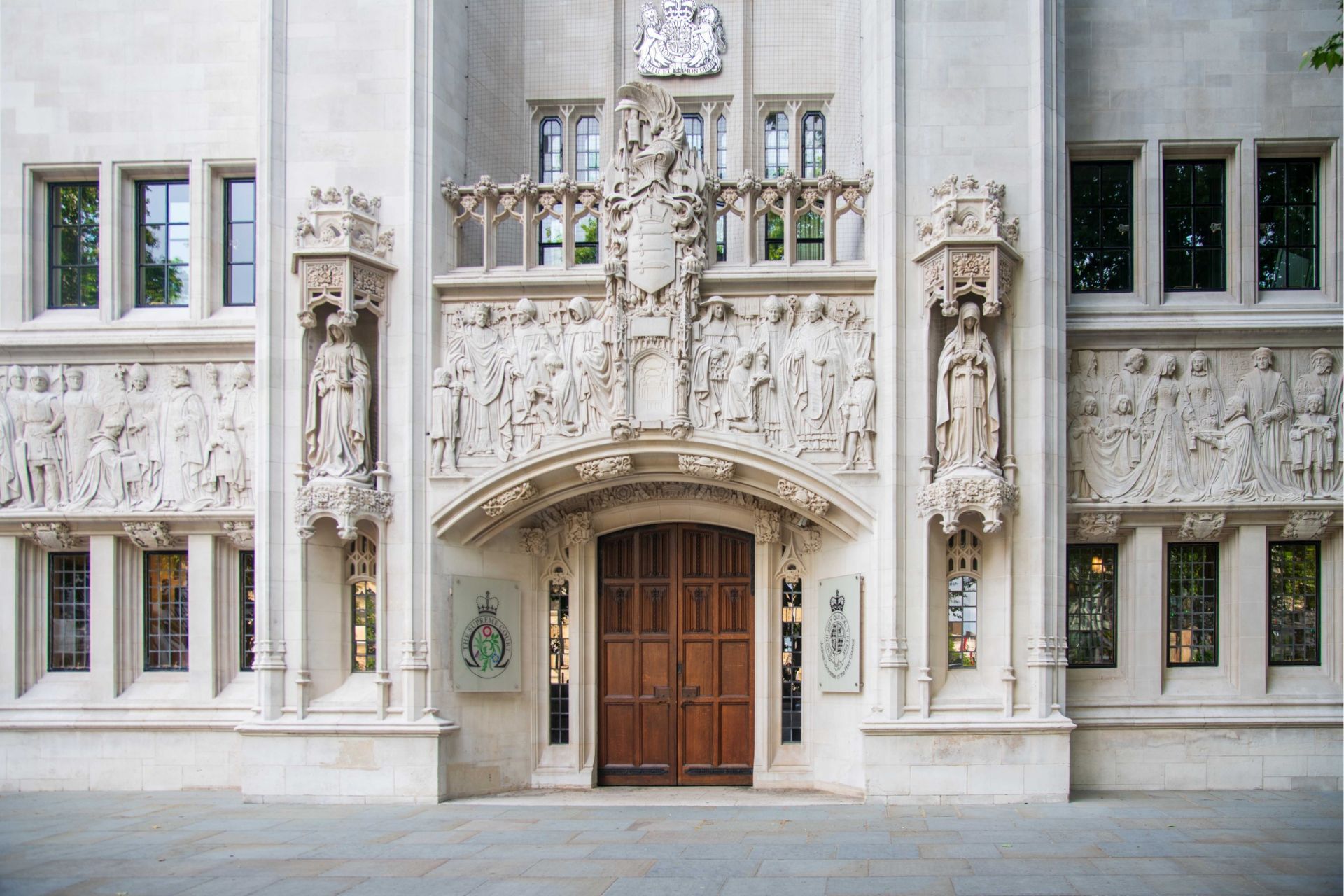
Lady Hale became the first female president of the UK Supreme Court in 2017
You were the first woman appointed to the Law Commission, the first female Law Lord and the first female president of the Supreme Court. What do you make of ‘first woman’ idea?
I felt it was an honour. There is this idea that ‘you cannot be what you cannot see’. If there are very few people like you doing a particular thing, you may be reluctant to put yourself forward. But we would never have made any progress if there hadn’t been a first woman doing something.
What kind of environment is the Supreme Court?
If you’re interested in solving difficult questions of law it’s a fantastic place to be, but not everybody is. You hope to have a collegiate, cooperative atmosphere there – one of mutual respect where you take one another seriously.
How did you become president of the Supreme Court?
When in 2013 the deputy presidency came up and then in 2017 the presidency, I went through the applications processes, which were very rigorous. The presidency is nothing like as demanding as being Lord or Lady Chief Justice of England and Wales; I would never have wanted to be Lady Chief Justice. The president of the Supreme Court is the top judge in the UK, but the role presides over a relatively small institution.
What advice would you give to would-be lawyers now?
One ambition at a time. At school, my ambition was to get to Oxford or Cambridge; at Manchester my ambition was to become a professor; and when that didn’t happen I became a law commissioner. That worked better for me than having an overall game plan at the beginning.
Is there anything you would do differently?
I’m sure there would be decisions I made that were not the right decisions, and that I will not have treated people as kindly as I should have done. But I’ve enjoyed every job that I have had in the law.