


Lucy Worsley On Why She Was Relieved To Move Out Of Hampton Court Palace & Her New BBC Show
By
14 minutes ago
The TV historian chats palaces, power and the perfect tomato
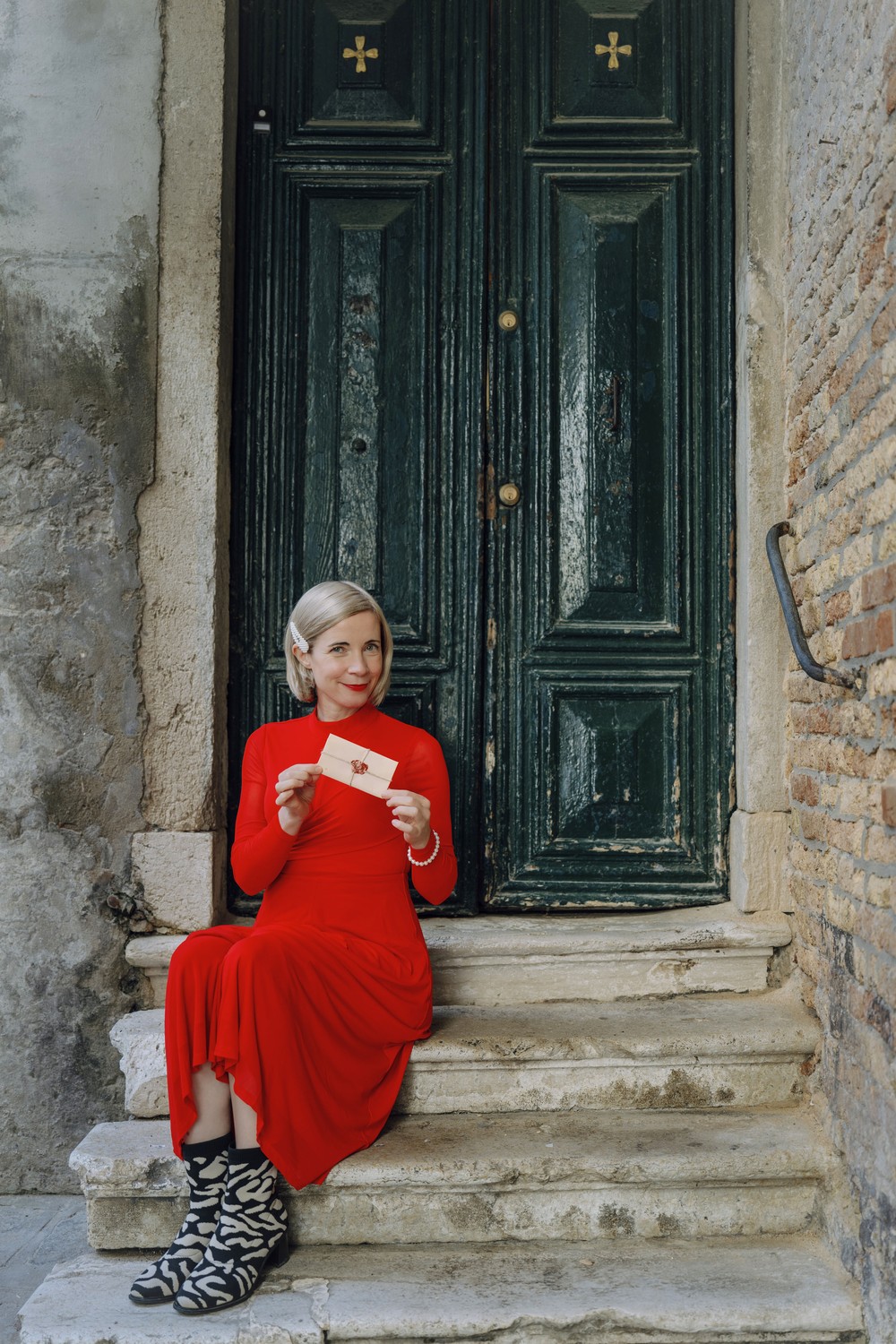
There is perhaps no one more obsessed with castles than Lucy Worsley. Throughout her career, the historian, writer and broadcaster has filmed, worked, and even lived in some of the world’s most impressive palaces, dressing up as their most famous denizens and telling tales of their storied pasts. And now she’s taking us behind the scenes with her in her latest BBC series Keys to the Castle.
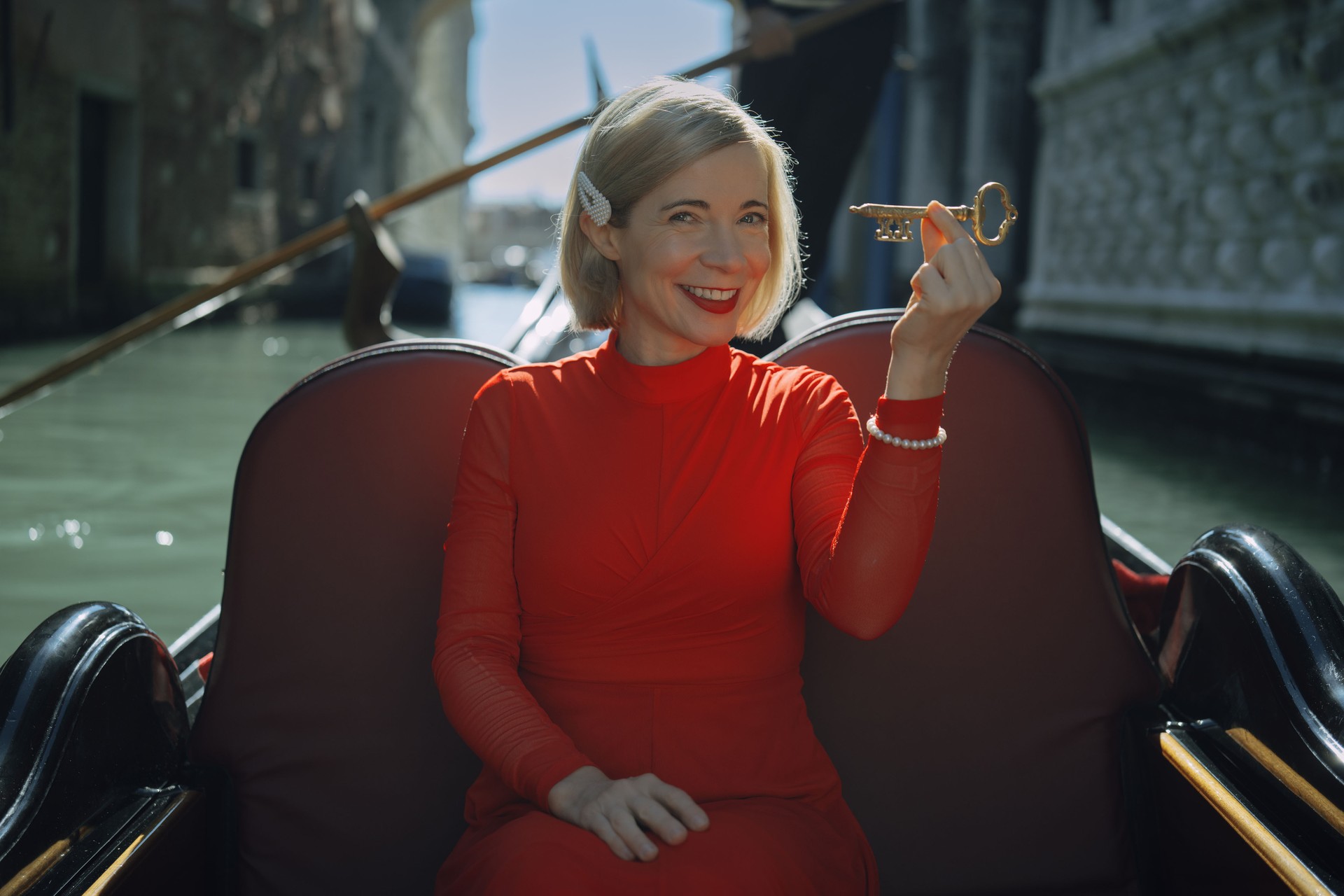
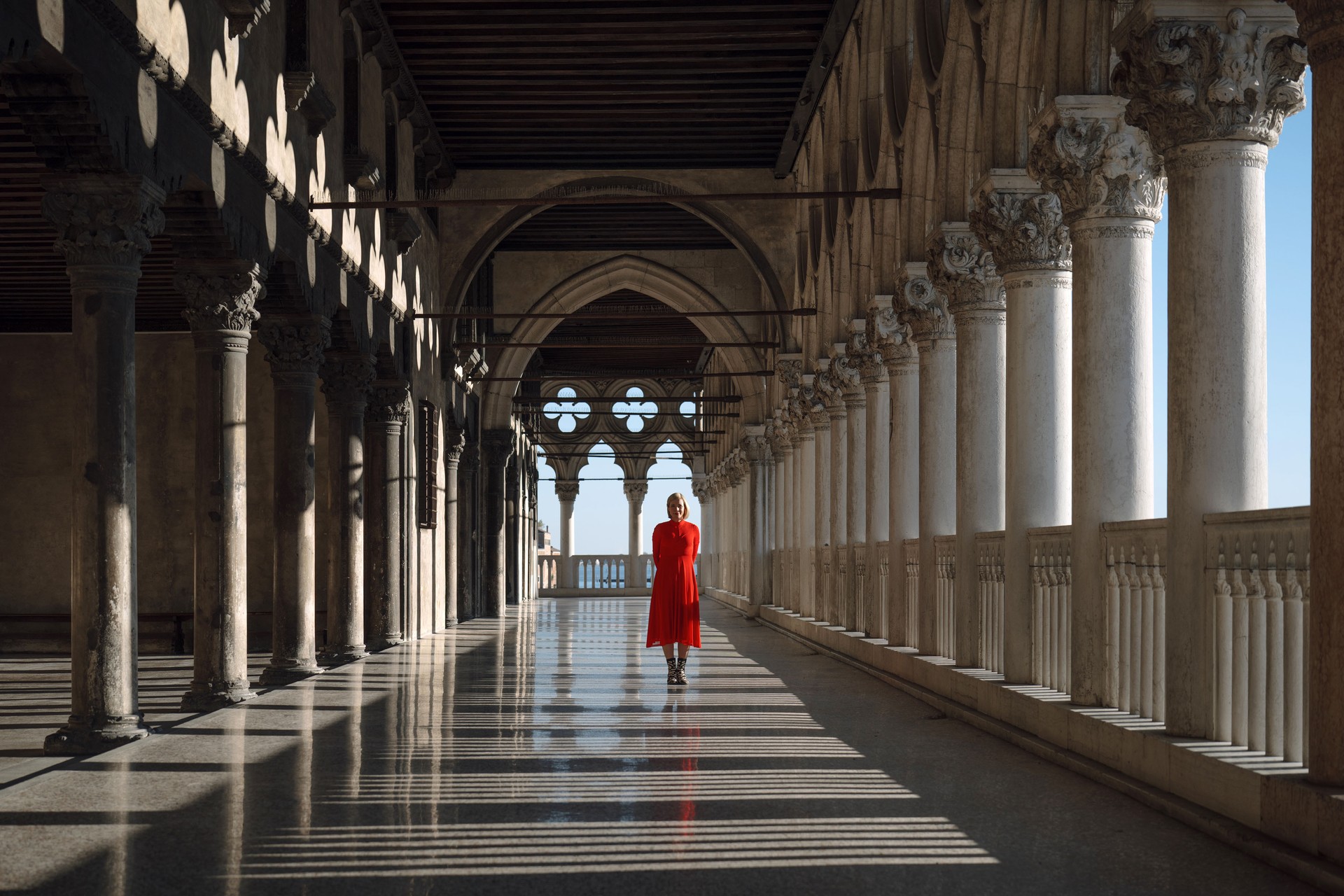
Lifting the the velvet rope on some of the world’s most maginificent palaces – the Doge’s Palace in Venice, the Palace of Versaille, Blenheim Palace, and Neuschwanstein Castle in Bavaria – she’ll explore the secret corners of these four iconic castles, and how each shaped the personalities of those who lived there, from Winston Churchill and Marie Antoinette to ‘Mad’ King Ludwig II of Bavaria. Ahead of the show, we caught up with the historian to chat underwater chambers, nocturnal kings and what she’d say to Henry VIII in a performance review.
Credit: BBC Studios & Tom Hayward
Q&A: Lucy Worsley
Can you give us an elevator pitch for your new show?
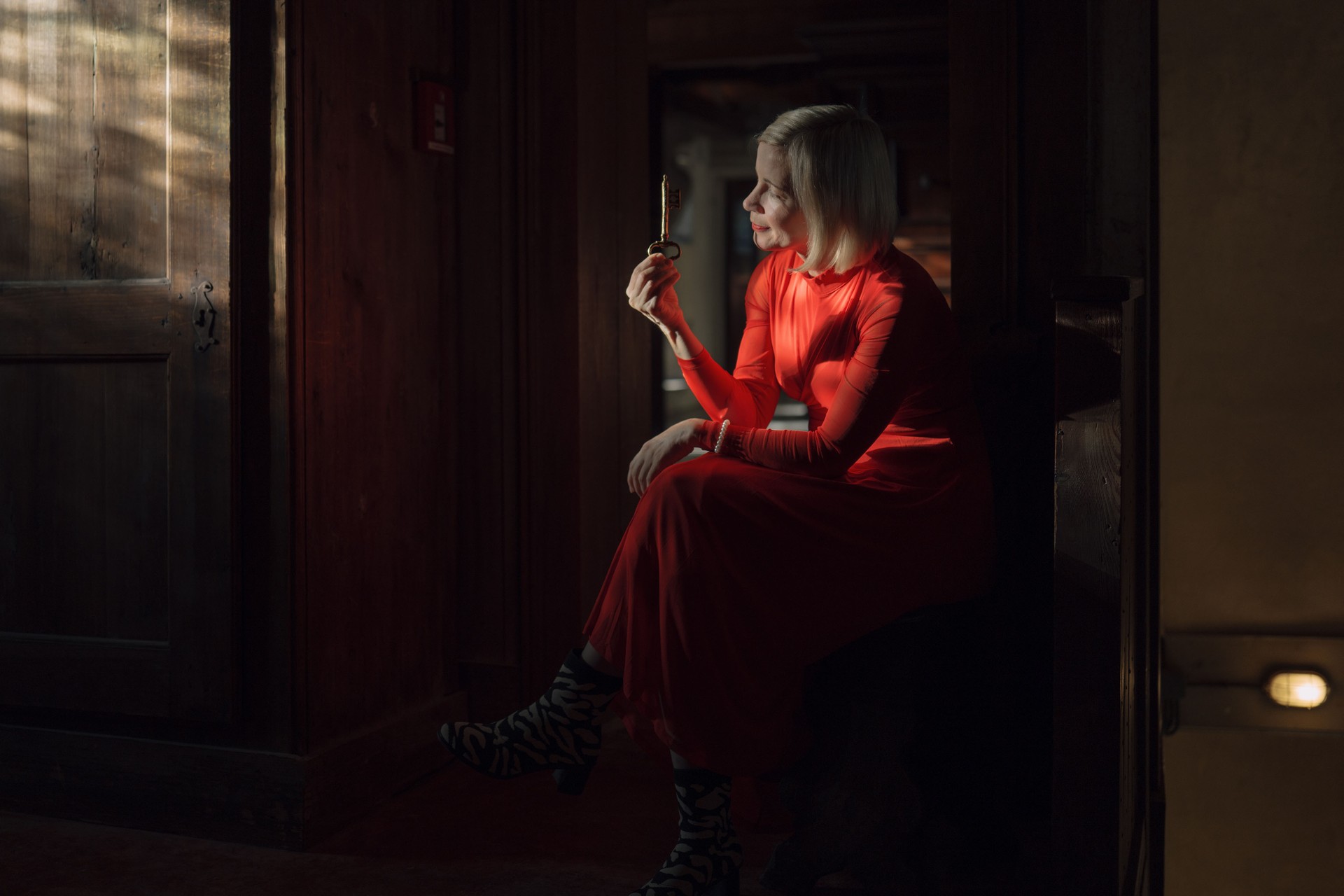
For 20 years I worked at Historic Royal Palaces as a curator. When I left that job, I went to the BBC and said, ‘I’ve got more time now. Do you want to send me to some other amazing, magnificent palaces around the world?’ To my surprise, they said yes. They told me to use my contacts to get viewers behind the velvet ropes, through the locked doors and into the parts of these buildings you’d only see on the world’s most amazing guided tour. I hope that’s what we’ve delivered. I’ve certainly had a wonderful time seeing these places from the inside out.
You often dress up for your documentaries. Any costumes this series?
No historic costumes. Sometimes I had to put on a boiler suit, though. Did you know there are secret underwater chambers hidden in the bridge over the lake at Blenheim Palace? Getting into those involved safety gear, as did quite a lot of Blenheim. They’ve recently been spending a lot of money on the place, including a new roof, and we were lucky enough to use their scaffolding to see parts of the building you’d otherwise never see.
Why do you so often opt for period dress in your shows?
I’m a social historian, and I love the stuff of the past as evidence of how people lived. That goes from architecture to furniture to, notoriously, clothing. Part of my dressing up is silly and fun, but there’s a serious point to it too. I used to be one of the curators responsible for the Royal Ceremonial Dress Collection at Hampton Court. It’s around 10,000 pieces of dress, going back to a hat arguably worn by Henry VIII. The number is debatable, because people ask whether shoes count as one item or two!
Clothing reveals so much about life in the past. Actors will tell you that once they put on the shoes and the breeches, they began to move their bodies differently. A lot of that is the expression of hierarchy. Today, if you meet a billionaire, they’re likely to be wearing a hoodie and jeans. At the Tudor court you could instantly pigeonhole someone by their clothes. A plain black velvet suit fit for Henry VIII’s court would have cost as much as the rent on your London townhouse. Clothes were walking money in a way they aren’t anymore.
Credit: BBC Studios & Tom Hayward
How did you choose the palaces in the series?
I asked, ‘Can I go to my favourites?’ I had never been to Neuschwanstein, the Chitty Chitty Bang Bang castle. I used to babysit some children, and we would always watch Chitty Chitty Bang Bang until we got to the Child Catcher. I had longed to see that castle for real, so this was my chance. I also wanted to spend time at Versailles, because I love Marie Antoinette. And Blenheim? I’ve got a bit of a beef with Blenheim, actually, because they market themselves as Britain’s best palace. That’s a bit offensive to those of us who’ve worked at Hampton Court, so I thought I’d better go and check out the competition.
Are there any other castles you’re particularly fond of?
Bolsover Castle in Derbyshire, because I had formative experiences there. In my early 20s I worked for English Heritage, and Bolsover was my job. As you drive north on the M1 it’s on the right-hand side, and it looks like a wizard lives there. But it isn’t a castle from the Middle Ages. It’s a Gothic, chivalric, romantic recreation of a medieval castle, built in the 17th century in the Stuart period, and it’s just amazing. Very early in my career I worked on a huge project there to put back lost features and restore the wall paintings. It also has a very curious building made for the lost art of teaching horses to dance, which you can still see at the Spanish Riding School today. So I learnt a lot about horses there too.
Was there a place you visited as a child that made you fall in love with history?
The Weald & Downland Museum in Sussex. It’s made up of houses from different periods that have been brought to the site, so you walk through history as you go up this slightly mad village street they’ve created. I remember going with my mum and being very taken with the open drop toilet in the upstairs Tudor farmhouse, which is literally a plank with a hole. I think that set me off on my career. I know from experience that on a guided tour of Versailles or Hampton Court, people think they ought to be asking about the aesthetics of the Baroque movement. What they really want to know is: how did they go to the loo? How did they wash their clothes? How did they cook their dinners? I’ve got no dignity about the questions people are really interested in.
The series explores how these buildings shaped the famous figures who lived in them, like Churchill and Marie Antoinette. How much power can architecture have over its residents?
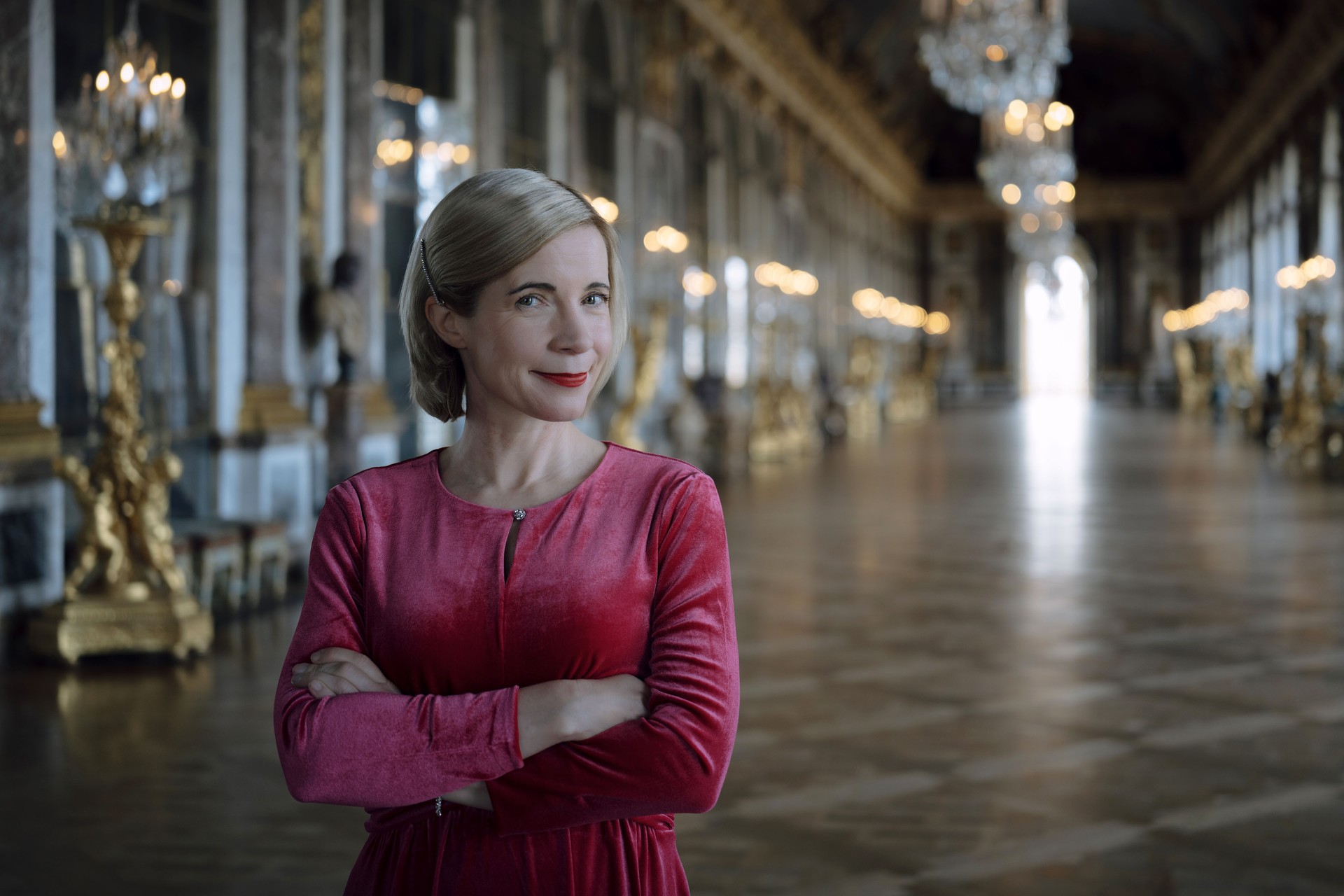
Massive power. It really does shape your life, or you can shape the architecture to shape your life in turn. You can see Winston Churchill as being destined for greatness by Blenheim, where he grew up. It wasn’t his own home; it was his cousin’s, but he was always hanging out there, and you can see the grandiosity and self-confidence that being heir to all of this gave him. At Versailles, the opposite happened. The palace was a huge, complicated machine that ultimately ate Marie Antoinette up. It didn’t make her; it broke her.
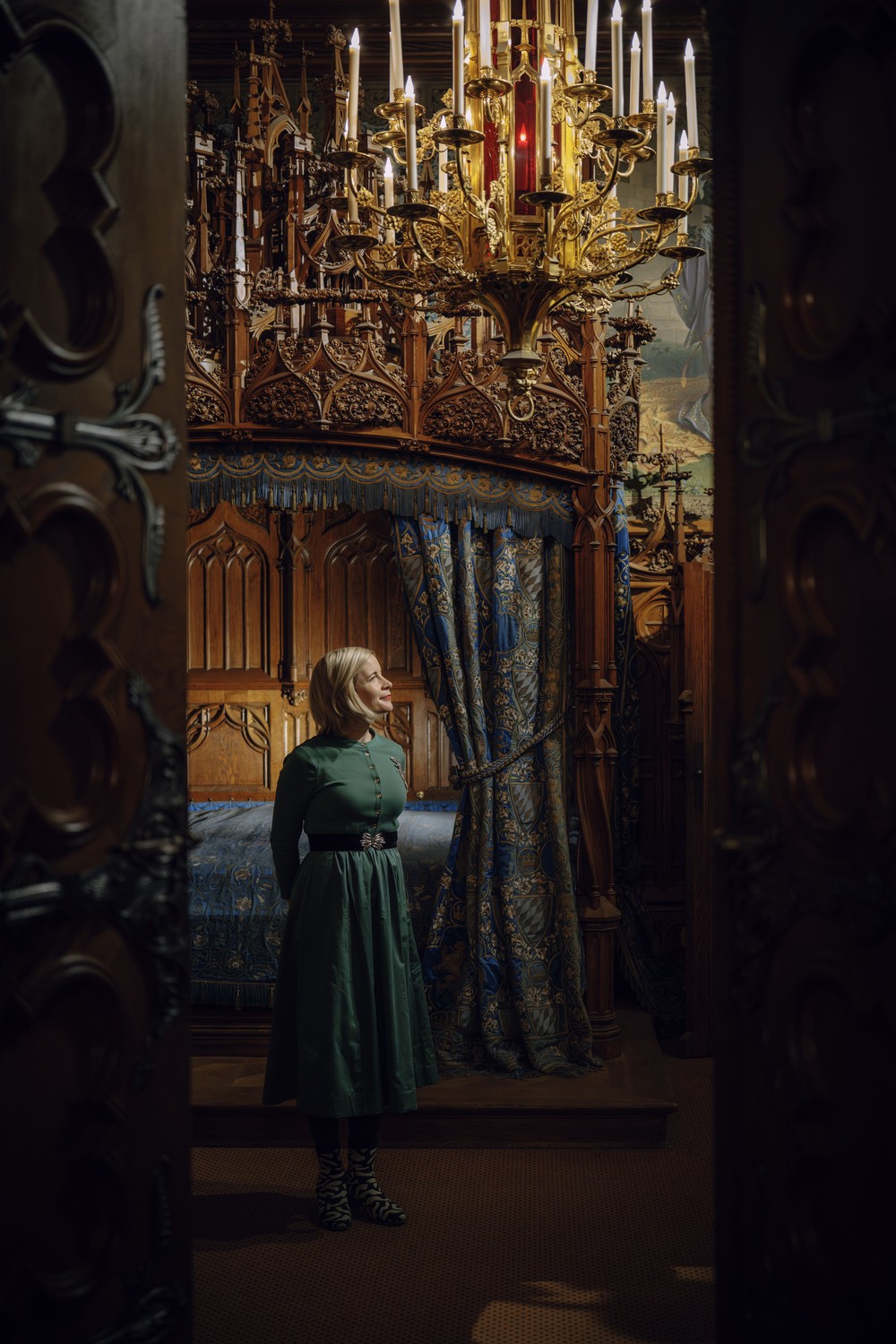
Neuschwanstein was entirely the creation of a fascinating man called King Ludwig II of Bavaria, the Swan King, as they call him there. It expresses his belief that the world was too complicated for him to live in. He had forbidden desires in the 19th century; he clearly had feelings for other men. He couldn’t get on with other people at all, and he built the castle to get away from everybody. There’s a throne room where he would sit on his throne but let nobody else in. He built a concert hall but wouldn’t let anyone come to the concerts. He ended up living at night so he could avoid his servants. That turned out to be lucky for us – because millions of people visit the castle every year, we were only allowed in with cameras between 6pm and 2am. It was dark, which might seem odd, but that was how the castle was lived in.
Credit: BBC Studios & Tom Hayward
You lived at Hampton Court Palace for a while. How have the places you’ve lived shaped you?
They’ve given me a real insight into what life there was like in the past. After a year at Hampton Court I was actually quite glad to move out. Today it’s a really friendly, welcoming, happy community, but it’s tight-knit. Everybody knows your business, and walls have ears. Back when it was a snake pit, with people competing for power and access to the monarch, the lack of privacy must have been unbearable. You can see that with Marie Antoinette and the rules she had to live with in the Palace of Versailles. But you can see her bending them by making her own mini palace in the garden, the Petit Trianon. Watching the dawn rise over the Petit Trianon was one of the most wonderful things we got to do.
If you had an infinite budget to create your perfect castle, what would it look like?
I wouldn’t want to build one. I’d want an old one that already exists. I could do what William Randolph Hearst did in California: take rooms and interiors from all sorts of other castles and bring them to his own, which the architect Julia Morgan built for him. But that would probably be irresponsible. Having worked in heritage for so long, what I’d really like is to find a castle that needs some love and bring it back from the brink. I don’t have one in mind. I’d nip onto the heritage at risk register and find one that appealed to me. Maybe something 17th century.
What’s the best way to preserve historic buildings for future generations? Tourism, private business or public money?
The first step is to write a conservation plan for the building. That means researching its history, learning its stories and working out what’s special and worth protecting. Parts of Hampton Court were built in the Tudor period: don’t mess with them. Other parts, like toilet blocks added in the 1930s, have been there so long that they’re interesting in their own right. So there are places where you can make changes, and places where significance is so high that you should protect them at all costs. Then you need to find a use that keeps what the National Trust calls the ‘spirit of place’. That might be housing, a hotel, a community centre or whatever best protects that particular building.
Credit: BBC Studios & Tom Hayward
Which buildings of today will we look back on the way we look back on these great palaces?
I fear they don’t exist. Many buildings today are built too quickly and aren’t designed to stand the test of time. There’s a sense that architecture is disposable and can come down again when we get bored of it, which is a huge waste of resources. Some medieval buildings have survived because they can be used in different ways; they were treated as a real investment in the future.
I’m intrigued to see lots of historic features coming back. A medieval building with thick stone walls keeps out the cold in winter and the heat in summer, and now we’re seeing the return of external shutters for both those reasons. People are also really concerned about water consumption. The Victorians got by on much less than we do, and their lives were mostly fine. The way we live now doesn’t have to be the way we always live. You can take some comfort from the lifestyles of the past. Just because we’re not used to living a certain way doesn’t make it impossible.
Credit: BBC Studios & Tom Hayward
Has your work informed your own home?
I can’t say much about my husband, because he doesn’t like me talking about it, but he’s an architect, so he has the final say at home. Our home is quite modern. I get my fill of the old stuff at work.
If you could go back to one year as a fly on the wall, which would it be?
One of my jobs at Hampton Court was running performance development reviews, or appraisals, with objectives and so on, for the other curators. So I’d be at Hampton Court in 1536, and I’d call Henry VIII into my office. I’d ask him to consider that Catherine of Aragon was really ill and maybe revise his attitude towards her. Hopefully he’d mend his ways, wouldn’t run off with Anne Boleyn and would do the right thing.
You’d change the whole course of English history.
I would, wouldn’t I? Also, during my time there we recreated a Tudor wine fountain, but we never quite knew how the original was plumbed inside. While I was there in 1536, I’d have a look at how it really worked and make sure we’d got it right.

Credit: BBC Studios & Tom Hayward
How do you live a life in balance?
I grow tomatoes, Isabel. I’m a very enthusiastic tomato grower. This year I think I watered too assiduously because it was so hot. I was out there watering, watering, watering, and I think that made the plants think they could just keep growing leaves and didn’t need to bother with fruit. So all the fruit is green, and it’s now sitting in cardboard boxes with bananas. The gas from the bananas is slowly turning the tomatoes red. It is working!
And how can we all live a little better?
I try to create the kind of history that appeals to people who don’t yet know they like history. Lots of people think life’s too busy: they’ve got jobs, families and careers, and no time for this. But I notice that when people get a bit older, lose a parent or retire, they suddenly want to know where they fit in, and they come back to us historians. So I’m ready and waiting for when you’re ready to step over the threshold into the worlds of the past.
What else is in the pipeline?
A new series of Lady Killers with Lucy Worsley starts on BBC Radio 4 on 2 December. It’s about murder, and you can hear it on Radio 4, BBC Sounds or wherever you get your podcasts. I’m also still on tour for Queens and Kings: An Unusually Personal History. It’s about my life at Hampton Court and the other royal palaces, as well as a history of the queens and kings. It’s a bit of me, but mainly them. Notice the title says ‘queens and kings’, not ‘kings and queens’. That’s a nice indication of my priorities.
Lucy Worsley’s Keys to the Castle is a four-part series from BBC Arts, airing on BBC Two and iPlayer from 23 November