


Can We Dream Of A White Christmas?
By
16 minutes ago
It’s something many of us wish for, but are our hopes of snow on December 25 melting away?
On Christmas Day in 1941, Bing Crosby sang those iconic Irving Berlin’s lyrics: ‘I’m dreaming of a white Christmas, just like the ones I used to know…’
That was nearly 85 years ago, and yet it still rings true. As the UK’s seasons shift with climate change taking hold, snowy Christmases are increasingly reduced to that of memories. So, how likely are we to see snowfall on that special day?
What Does The Weather Forecast Predict?
The good news is, the chances are higher than you might imagine. Over the past 65 years, there have been 41 white Christmases, meaning we are more likely than not to experience one.
The latest predictions from the Met Office suggests there could be colder and drier-than-average conditions during the winter months. Snow requires just the right combination of cold air and moisture, meaning drier-than-average conditions could result in clear skies instead of snow.
But we’re still too far away from Christmas Day to accurately predict the likelihood of snow. Even a couple of days before, it’s hard to really know if we’ll get that coveted snowfall.
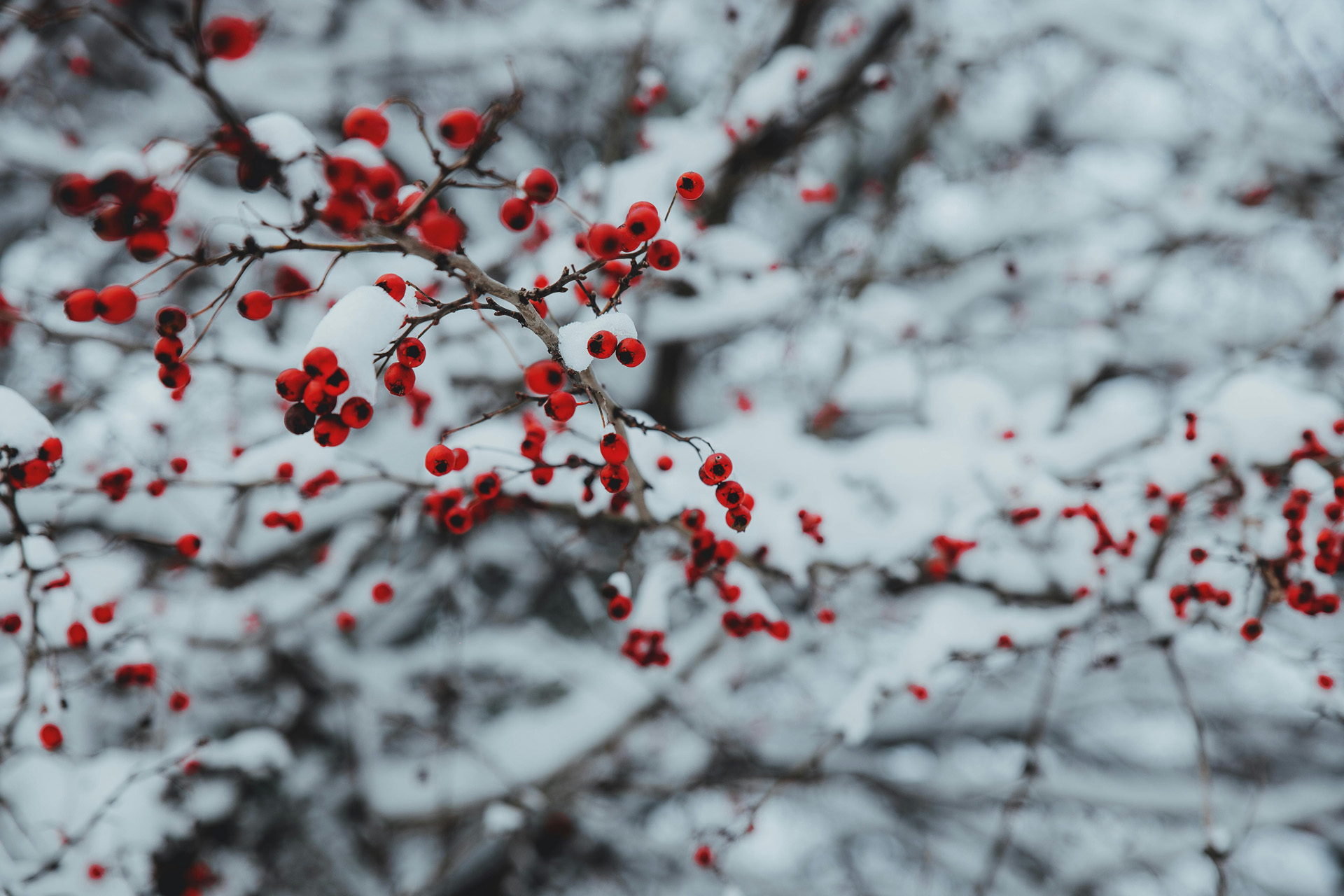
Pexels
What Is A White Christmas?
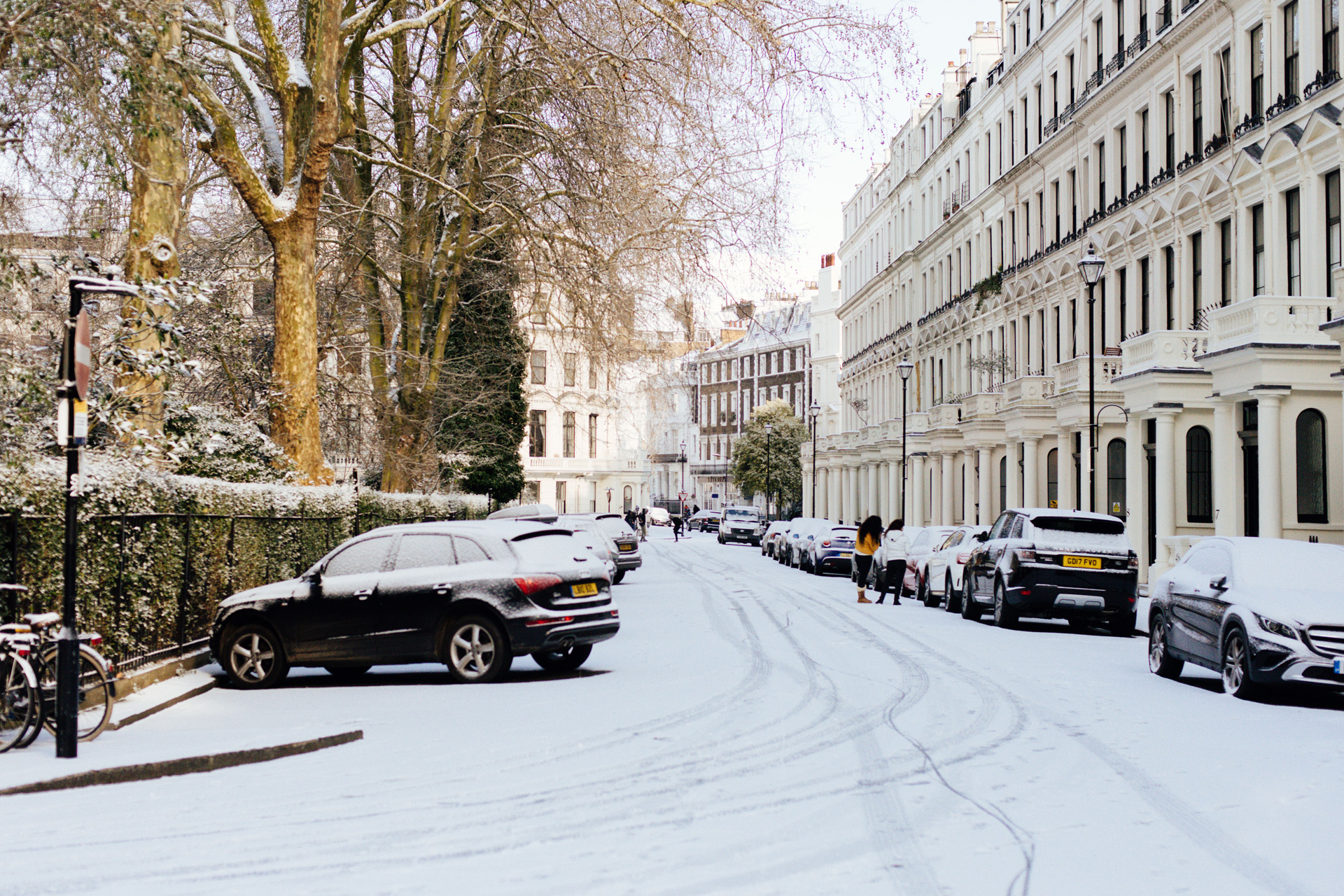
A ‘white’ Christmas might not look as you’d expect. For a Christmas to be officially ‘white’, all it requires is a single snowflake to fall at any point on Christmas Day at a Met Office station. So it could be less postcard-perfect thick layers of snow, and more a light frosting. Even if everything in eyesight is covered in snow, if no new snow falls on 25 December, it is not a white Christmas.
You may feel like you can’t remember the last white Christmas, but officially every year from 2020 to 2023has been a white Christmas, even though very few places saw settling snow. In fact, the last widespread white Christmas was in 2010, when snow fell at 19 percent of Met Office stations.
We are actually more likely to see snow in January and February than in December. White Christmases were more frequent in the 18th and 19th centuries, and even more so before 1752, when Britain switched from the Julian to the Gregorian calendar, removing 11 days and effectively shifting Christmas Day earlier into the season.
If Not A White Christmas, A Frosty Christmas?
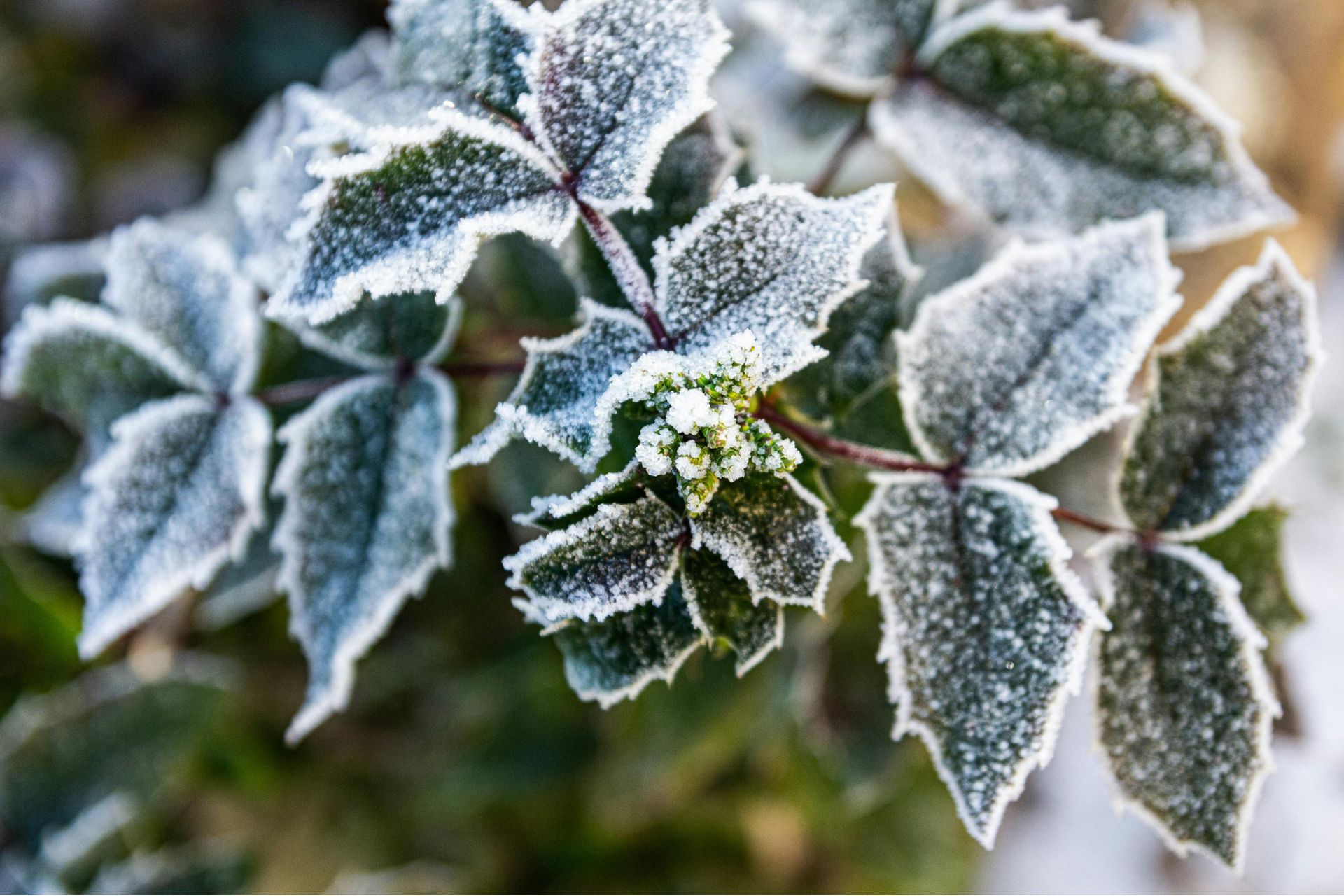
The UK’s seasons are changing, due to climate change. This means fewer winter frosts, according to the Met Office. This is when the air temperature falls to 0C or below. Across the UK, the number of winter air frosts was around a quarter lower in the decade to 2025 than during the period from 1961 to 1990.
In Cornwall, the average number of winter air frost days has almost halved, falling from around 18 to just 10. Scotland is still, unsurprisingly, the frostiest – but has also seen a reduction, from around 45 to 38 winter air frost days.
What Impact Is Climate Change Having?
Climate change has brought higher average temperatures over land and sea and this generally reduced the chances of a white Christmas.
‘Our summer is getting wider and our winter is getting smaller,’ says Dr James Pope, climate scientist at the Met Office. ‘The driver of this is that the whole global climate is warming. And that impacts on the UK.’
Thomas Crocker, science manager with the Met Office’s climate security team, says the UK’s weather in the coming years is going to vary: ‘There’s still going to be some cooler summers, there’s still going to be some drier winters – but that baseline has shifted.’
Where Can I Find A White Christmas?
If a white Christmas is a non-negotiable for you, you may have to look outside of the UK. Here are a roundup of the snowiest cities in the world.