


The Birthplace Of Tate Britain Has Hit The Market
By
2 months ago
This home was once owned by Tate Britain founder and sugar industrialist Sir Henry Tate
Fun fact: the Tate of Tate Britain and the Tate of Tate & Lyle sugar are in fact the same Tate. Who knew? And his former London home is now on the market, complete with the billiard room where he (Sir Henry Tate) hung the collection which founded the famed London gallery. Whether you’re a sugar addict or art fanatic, there’s likely to be something in the history of Sir Henry Tate’s home which will speak to you.
Discover Henry Tate Mews
Who Was Sir Henry Tate?
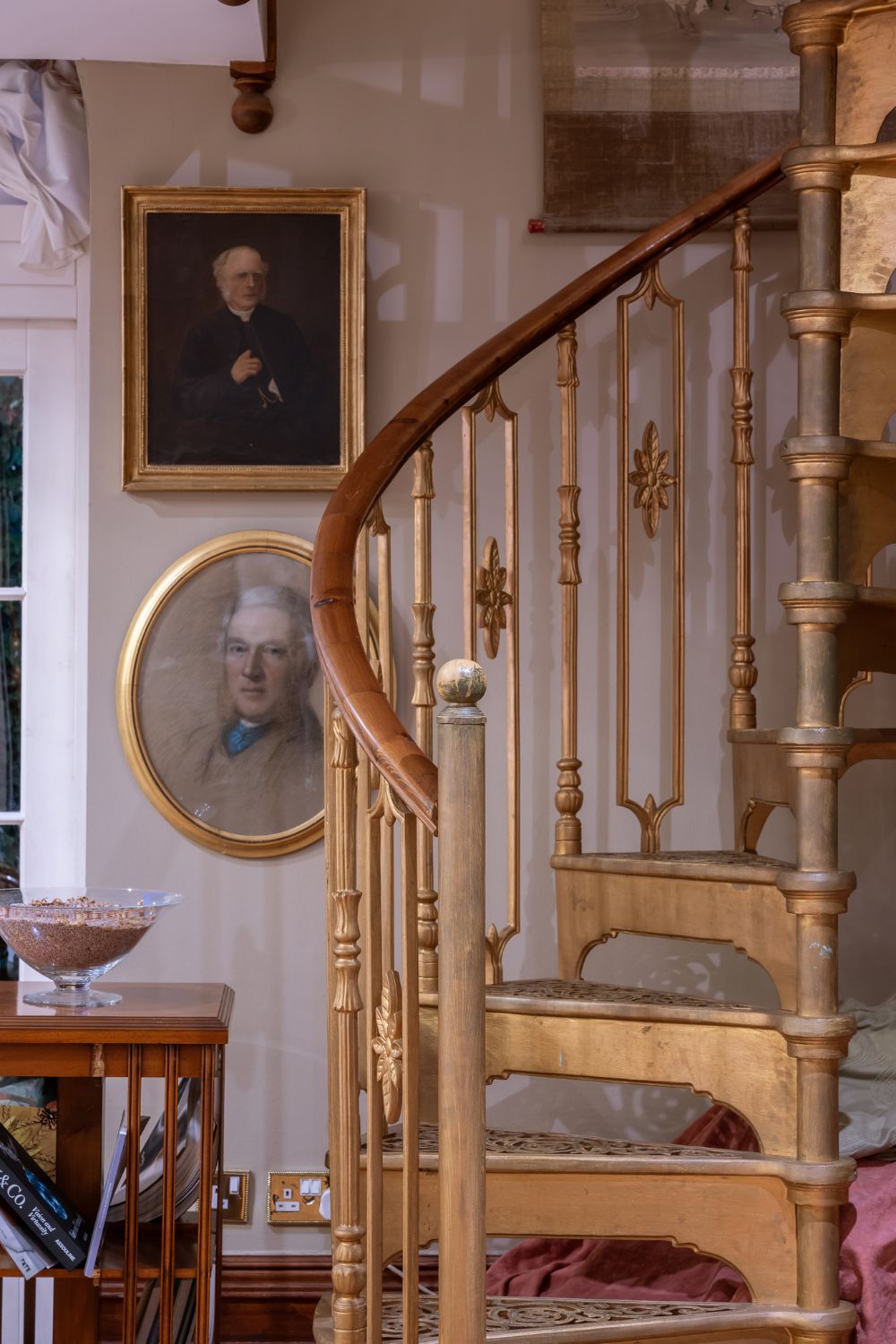
Renowned as one of the great self-made figures of the Victorian era, renowned industrialist Sir Henry Tate not only transformed the modern sugar trade but London’s art scene too. Before founding one of the capital’s best-loved galleries, Tate started his career not through any nepotism or nobility, but as a grocer’s apprentice working in Liverpool at just 13.
Following his seven year apprenticeship, Tate set up his own shop in the nearby Birkenhead and grew the business into a six store chain by age 35. He later broke out of the grocery business in 1859 to become a partner in the John Wright & Co. sugar refinery and gained complete control of the company 10 years later, renaming it to Henry Tate & Sons.
While it would have been all well and good for Tate to rest upon his laurels, his clergyman father had raised him well and Tate used his new-found wealth to give back to the community through generous donations to universities, libraries and hospitals. And in case his rather grand house still has you questioning the extent of his goodwill and modesty, Tate was renowned for improving worker’s conditions too, building the Tate Institute opposite his London refinery so workers would have a spot to relax after work. He was eventually (and reluctantly) rewarded for his efforts with the title of baronet in 1898, after being told the royal family would be offended if he refused again.

However, of all his generous contributions Tate is probably best remembered by his donation of 65 Pre-Raphaelite paintings to the British government in 1889. Having donated the paintings on the condition that they would be hung in an appropriate space, he was snubbed by the National Gallery who turned down the artworks due to a lack of space. Figuring if you want something right you’ve got to do it yourself, Tate donated a further £80,000 towards the construction of a new gallery at Millbank.
Opening in 1897, the gallery is better known today as Tate Britain. And if that wasn’t enough of a legacy, Henry Tate & Sons later merged with Abram Lyle & Sons (of golden syrup fame) in the 1920s to become household baking staple Tate & Lyle sugar.
Step Inside Henry Tate Mews
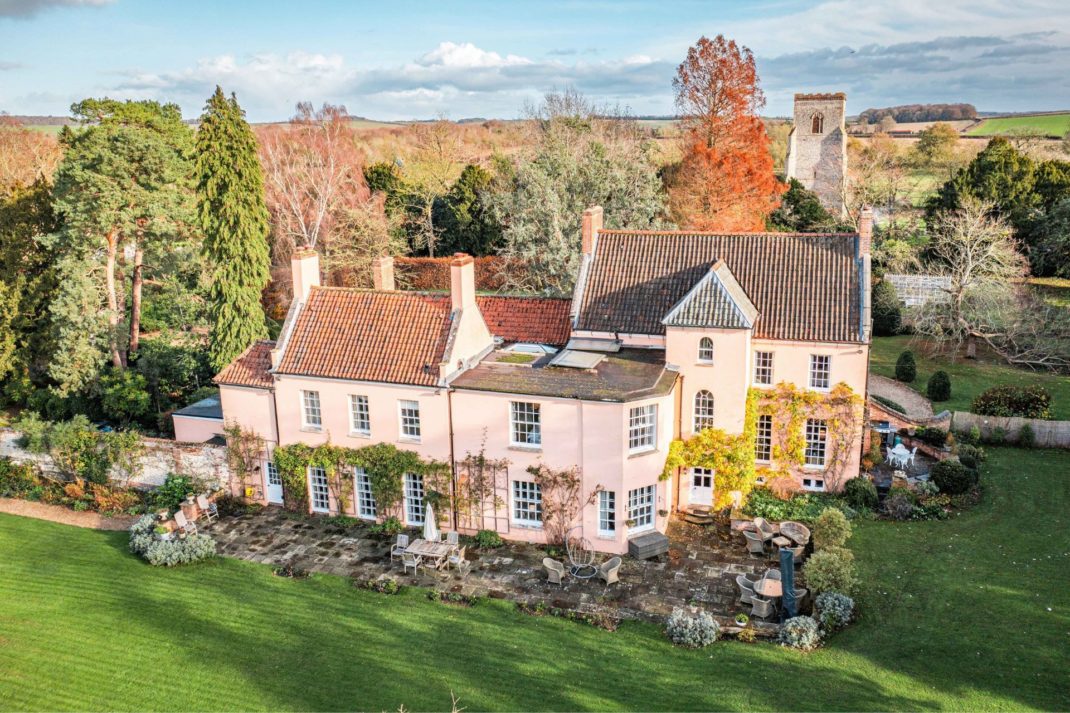
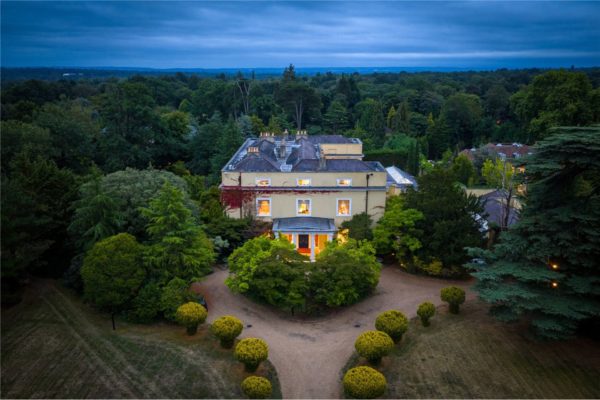
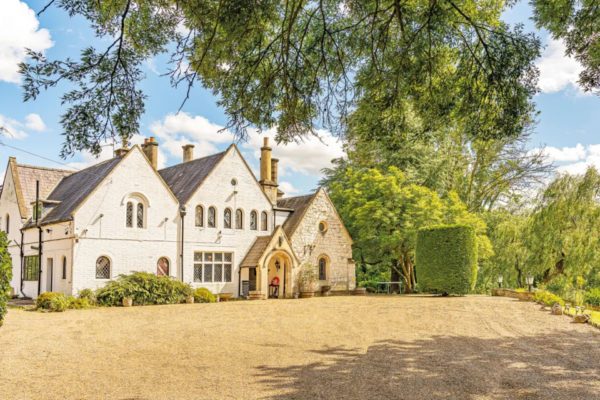
Originally known as Park Hill, the main house at Henry Tate Mews was built in the 1830s, long before Sir Henry Tate’s purchase of the property in 1874 – where he lived until his death in 1899, aged 80.
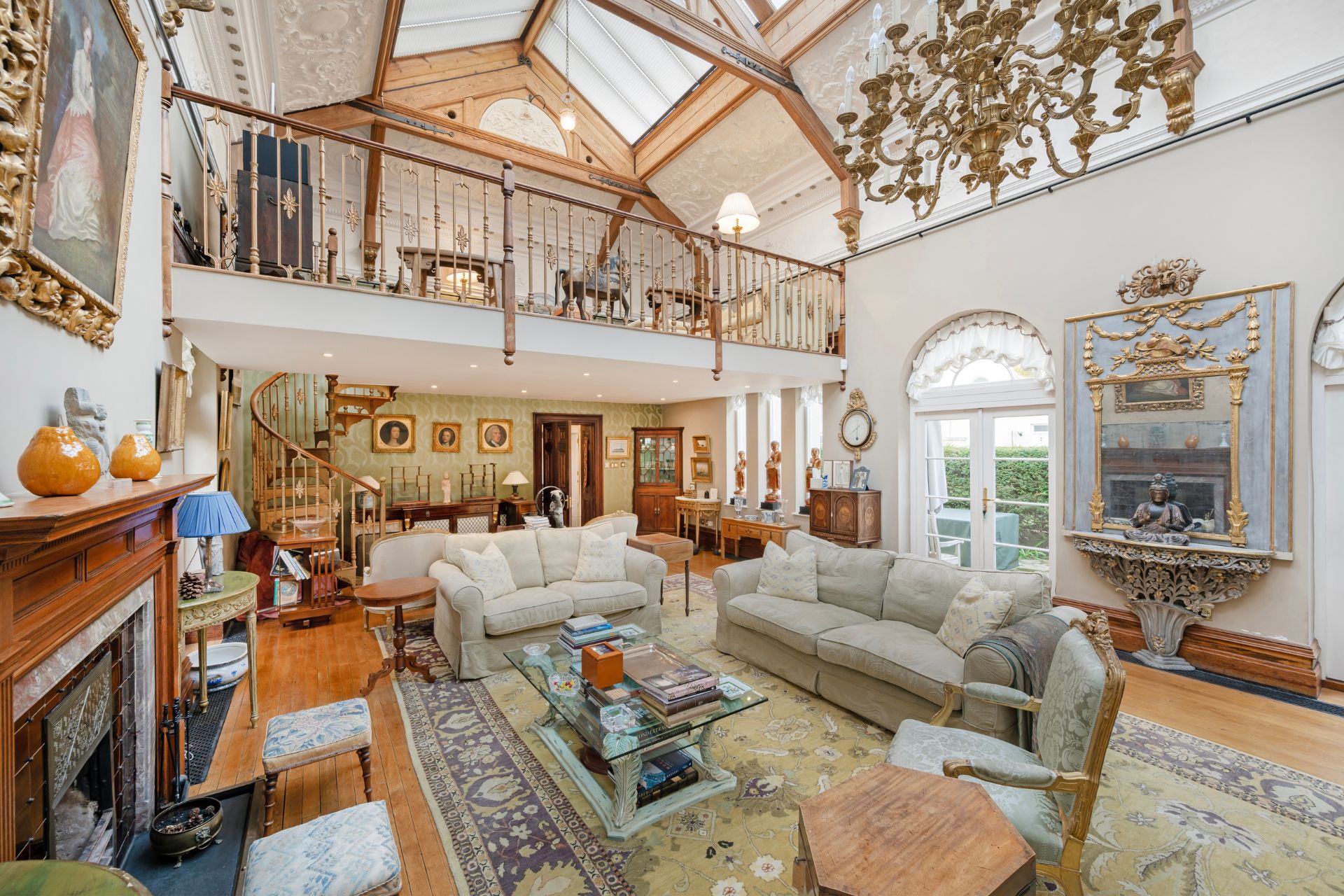
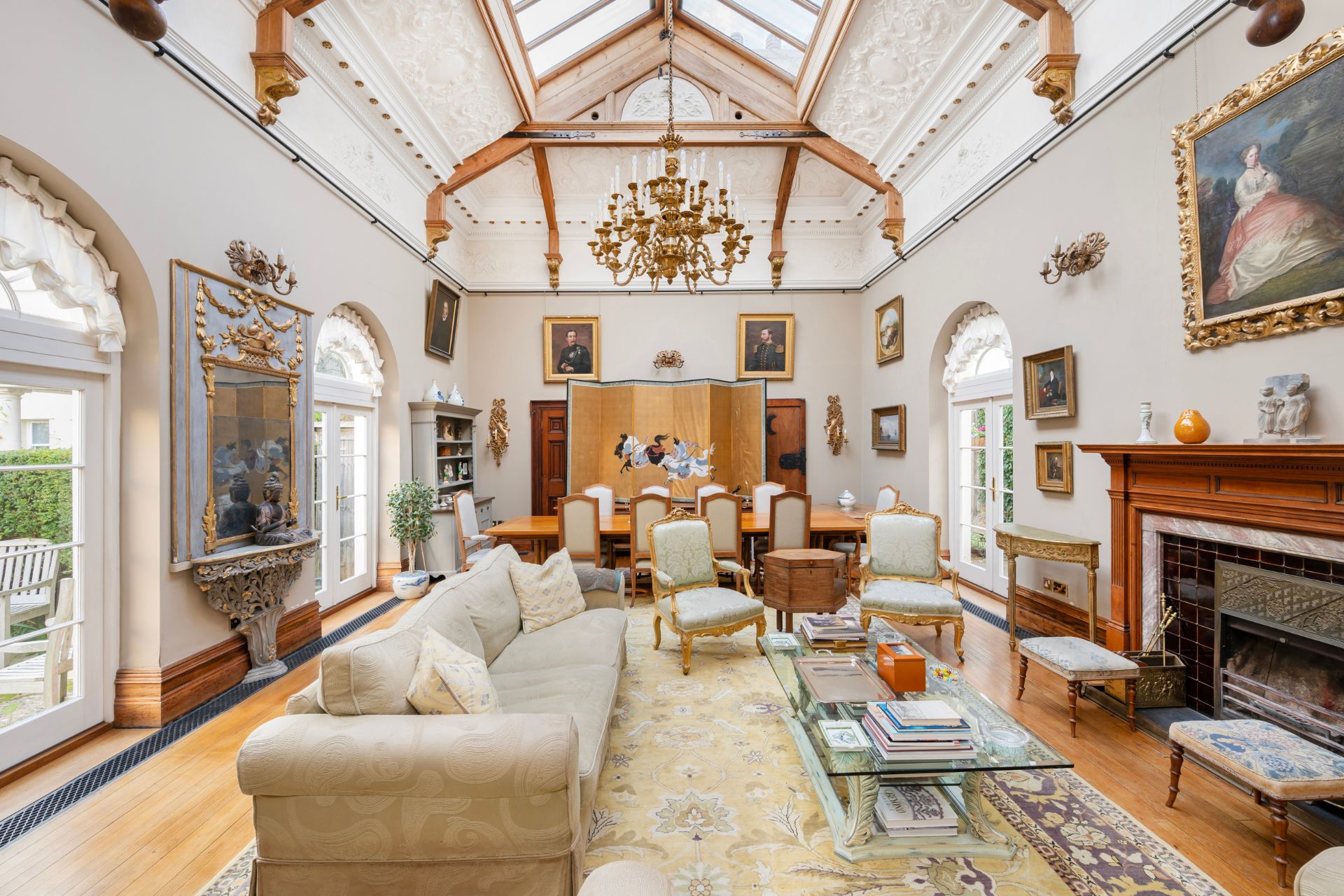
The birthplace of Tate Britain, the eponymous Tate built an adjoining billiard room from which he displayed his collection of Pre-Raphaelite art, including John Everett Millais’ Ophelia which still hangs in the Tate (now surrounded by Taylor Swift fans) today. The former billiard room remains the architectural showpiece of the home, complete with original skylights and enhanced by a mezzanine level added during the 2000 redevelopment – though you will have to trek over to the Tate if you want to see the art which once decorated the room.
Elsewhere on the ground floor is a contemporary kitchen/breakfast room and utility room. Spanning a total of three floors and 3,500 sqft, the home is complete with five bedrooms and four bathrooms, done up in a mix of period character and modern comfort.
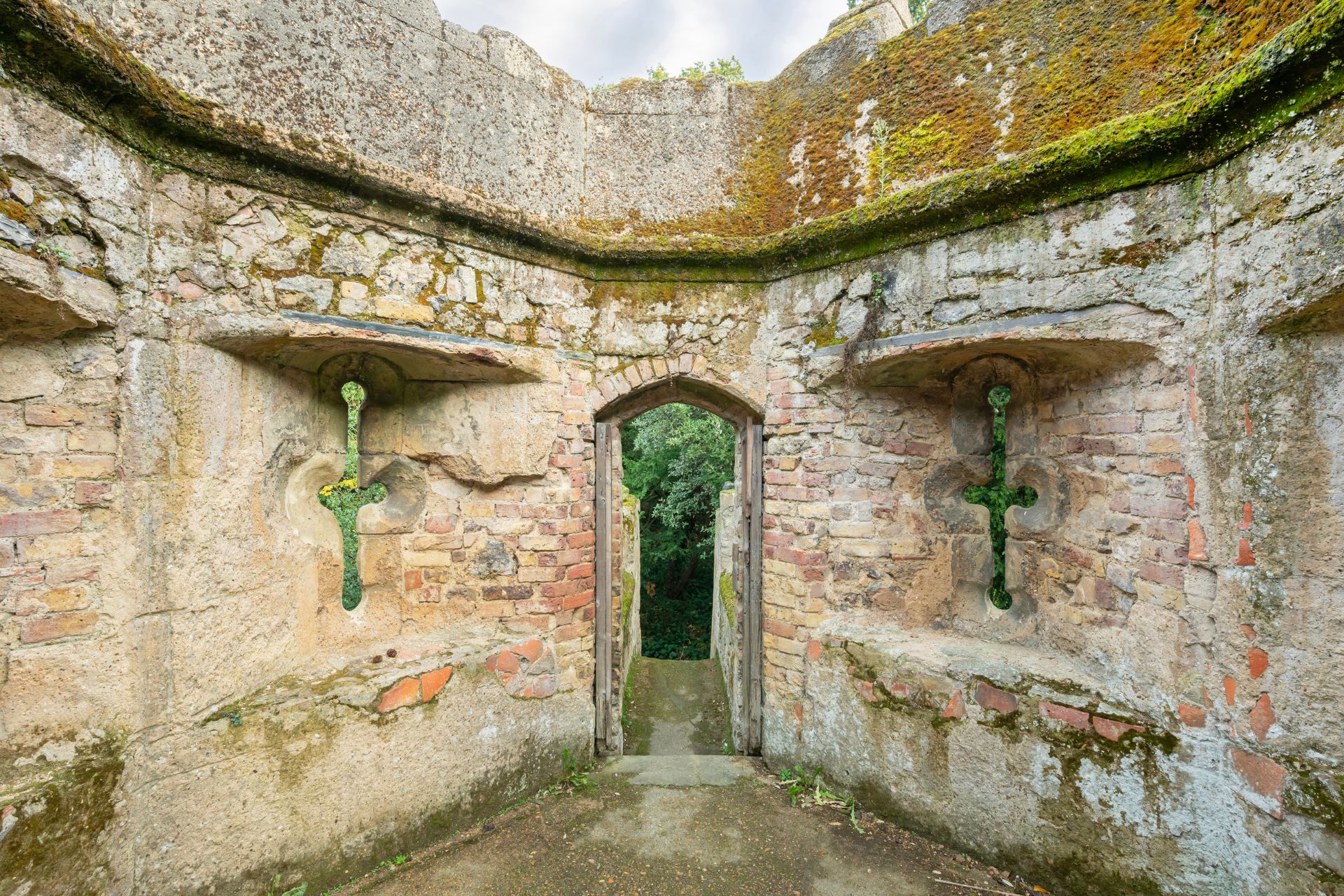
Outside, the in-city grounds retain the feel of a private rural estate, with two large patio gardens and eight acres of communal gardens spread across landscaped grounds and lawns, complete with a pond, woodland area, Victorian folly, grotto and over 40 varieties of apple trees. Located just a stone’s throw from Streatham Station in London, Streatham Common and The Rookery also sit just beyond the gates.
Henry Tate Mews is on the market for £1.5m – £2m. Find out more at wilfords.com