


Look Inside A Marylebone Townhouse Designed By The Best Architects In Georgian Britain
By
6 months ago
Robert & James Adam were the most beloved architects of the 18th century
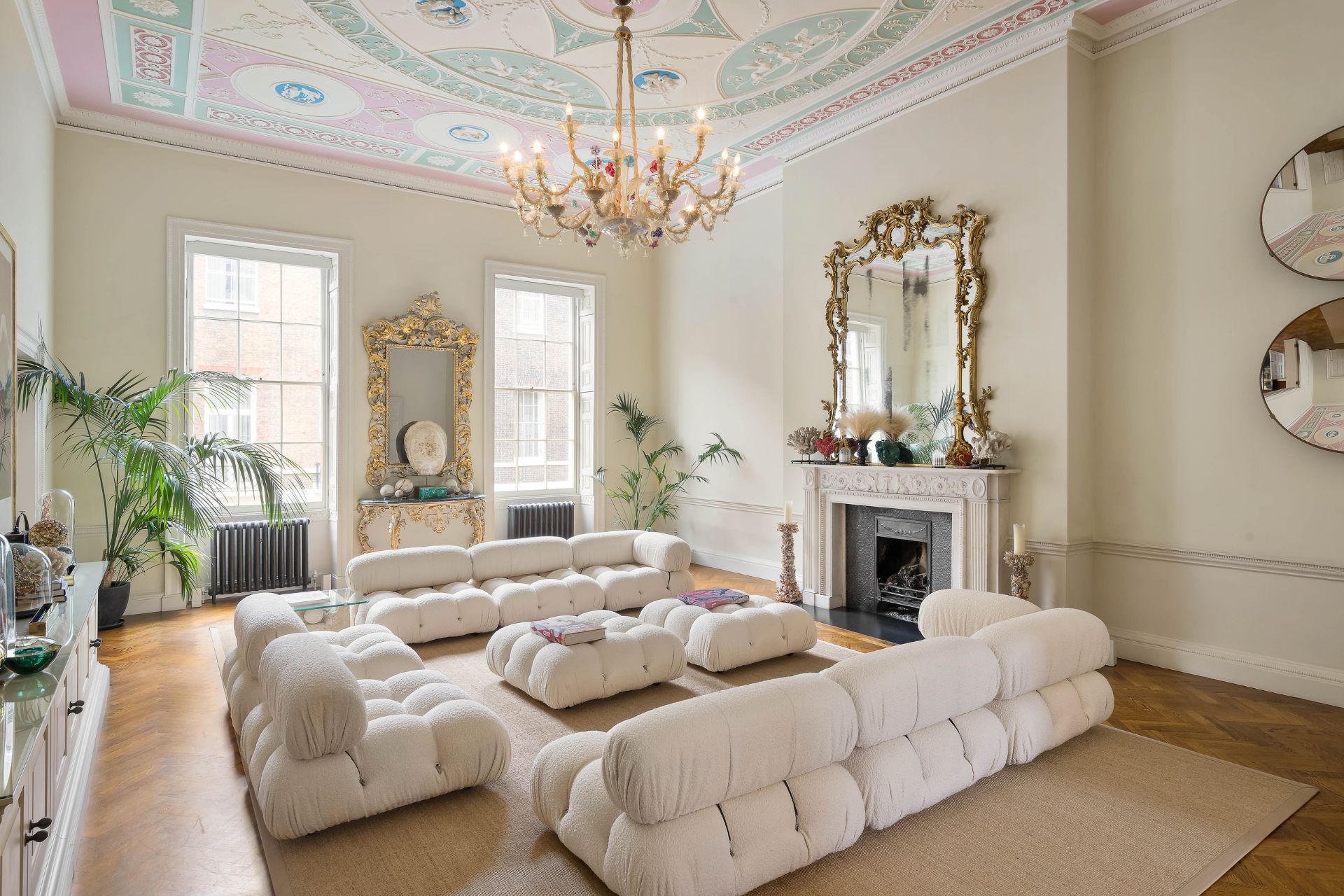
Look up in the library of Kenwood House and you’ll discover a sugary green ceiling, piped with stripes of rose pink and frosted with floral plasterwork. Though it looks like the sort of girlish fantasy dreamt up for Autumn de Wilde’s Emma (2022), this powdery, pastel display in fact bloomed from the brain of renowned 18th century architect Robert Adam.
For fans of its wedding-cake ceiling, the Hampstead Heath estate is, unfortunately, firmly off the market – Edward Cecil Guinness (of the famed brewing family) bequeathed the house to the nation upon his death in 1927 and it’s now under the care of English Heritage. But never fear, this Marylebone townhouse boasts a near-identical design from the very same architect.
This Mansfield Street Home Is On The Market
The History
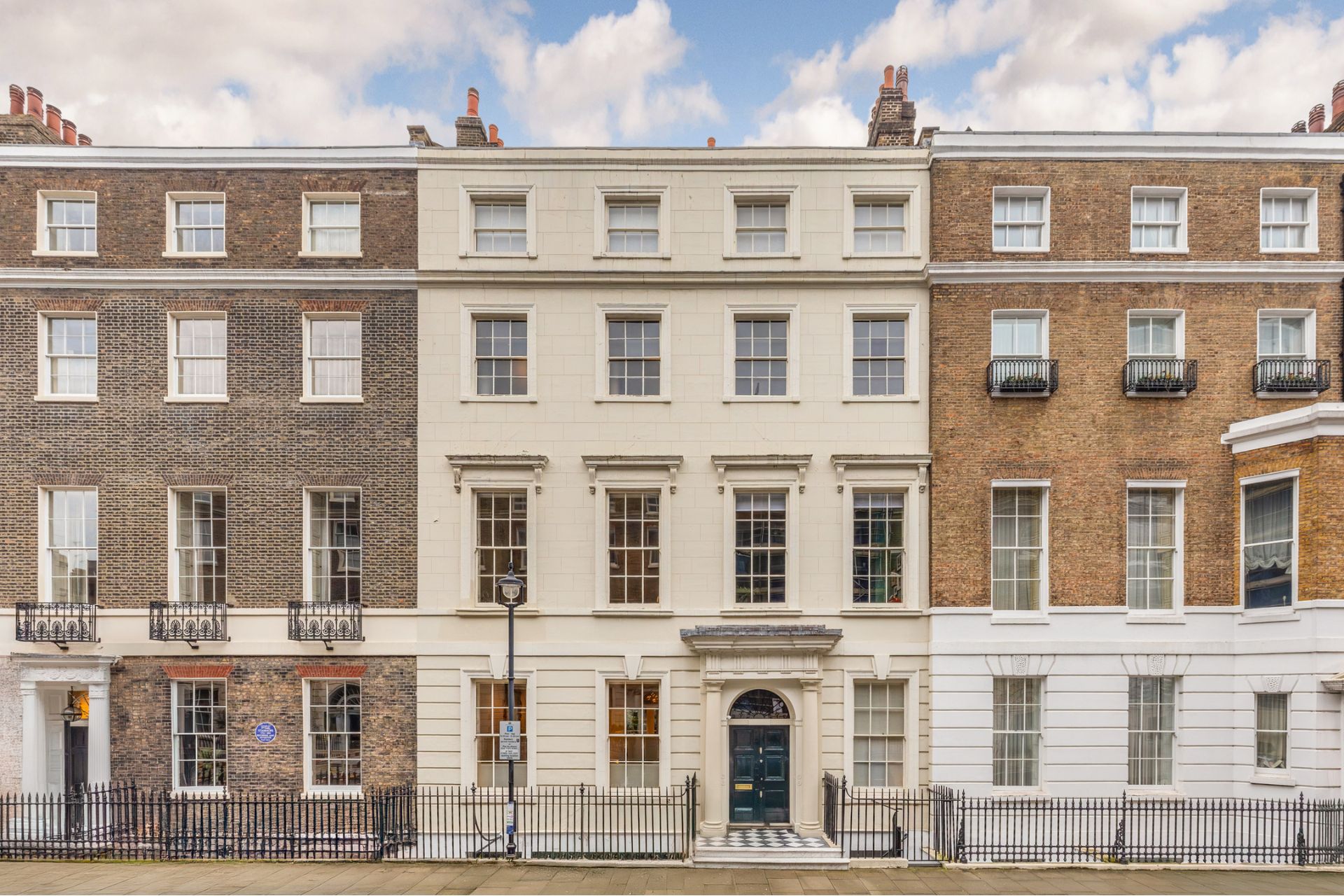
Located on Mansfield Street (coincidentally the same name of Kenwood House’s former Earl-owner), this Grade II* listed property was designed by Robert Adam, and his brother James Adam – the most influential architects of 18th-century Britain. Renowned for their mastery of proportion, light and ornamentation, the Adam brothers conceived houses as complete environments, where architecture, interiors and decorative detail were designed to work in harmony. For country home enthusiasts, the Scottish neoclassical architects were the same visionaries behind the National-Trust run Kedleston Hall in Derby, Syon House in Brentford, Dumfries House in Scotland and the private London members club, Home House.
Completed in 1773, the house was built by the carpenter and master builder John Hobcraft: a close collaborator of the Adams who worked with them at Croome Court in Worcestershire and was involved in the wider Mansfield Street development. Thomas Bermingham, 19th Baron Athery and later Earl of Kouth, moved in a year later. But he wasn’t the only history-making figure to call the street home. Rosalind Pitt-Rivers, one of Britain’s most influential biochemists, was born at No. 18 Mansfield Street in 1907 – the second president of the European Thyroid Association, Pitt-Rivers was closely associated with the discovery of the thyroid hormone triiodothyronine.
Following WWII, the houses on the east side of Mansfield Street were acquired by the British Employers Confederation and remained in institutional use until 1997. It wasn’t until 1998 that the buildings were sensitively separated, transitioning back into individual residences.
Look Inside
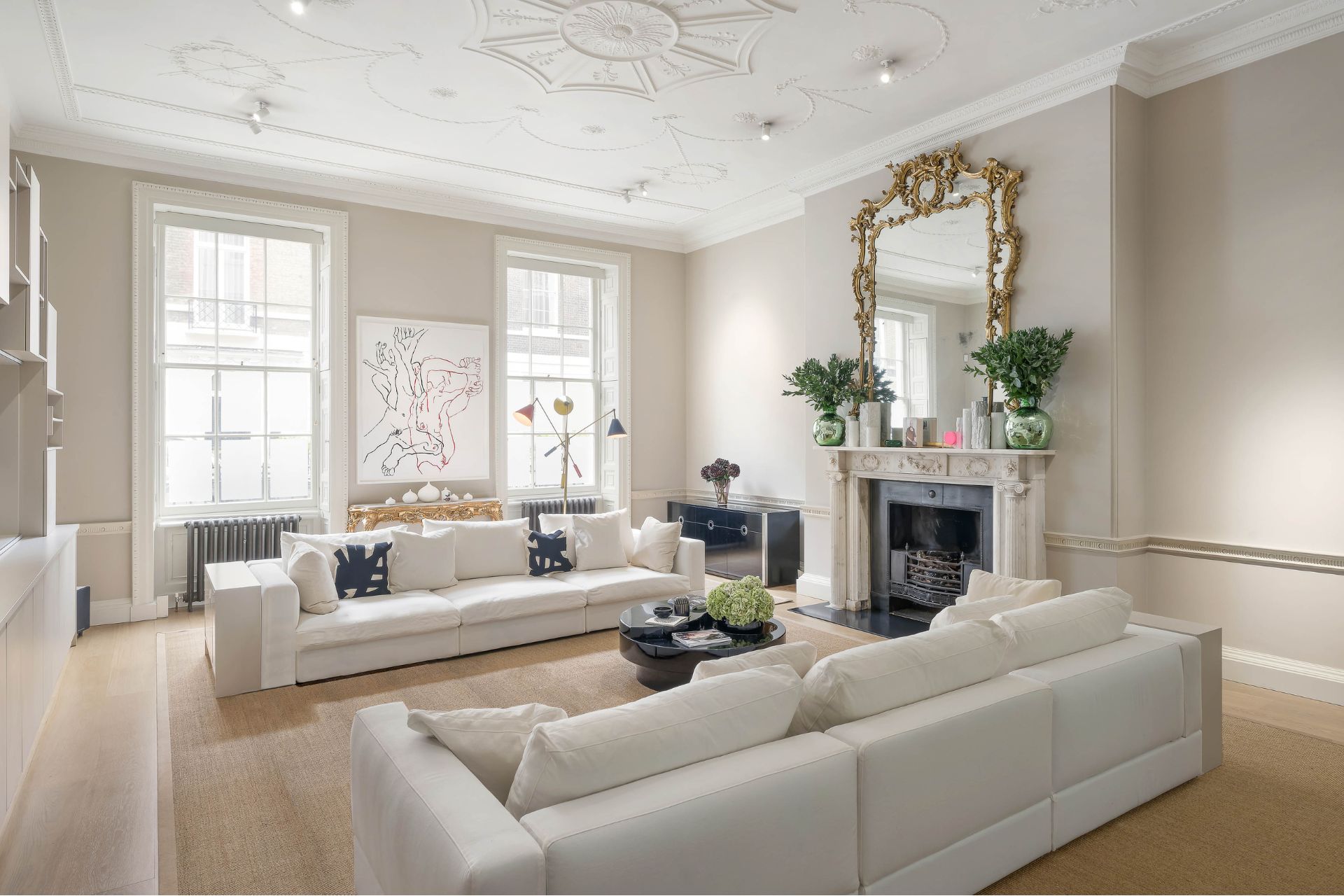
Spanning approximately 13,495 sqft and arranged across five principal (lift-accessed) floors, this seven-bedroom, eight-bathroom home is rich in period details. Boasting the best of the Adams’s architecture, the house features 18ft ceilings, formal reception rooms, original fireplaces, wedding doors and tall sash windows. The original ceilings (including the Kenwood-esque confections) remain, as does the distinctive anthemion ironwork balustrade on the sweeping entrance stairwell.
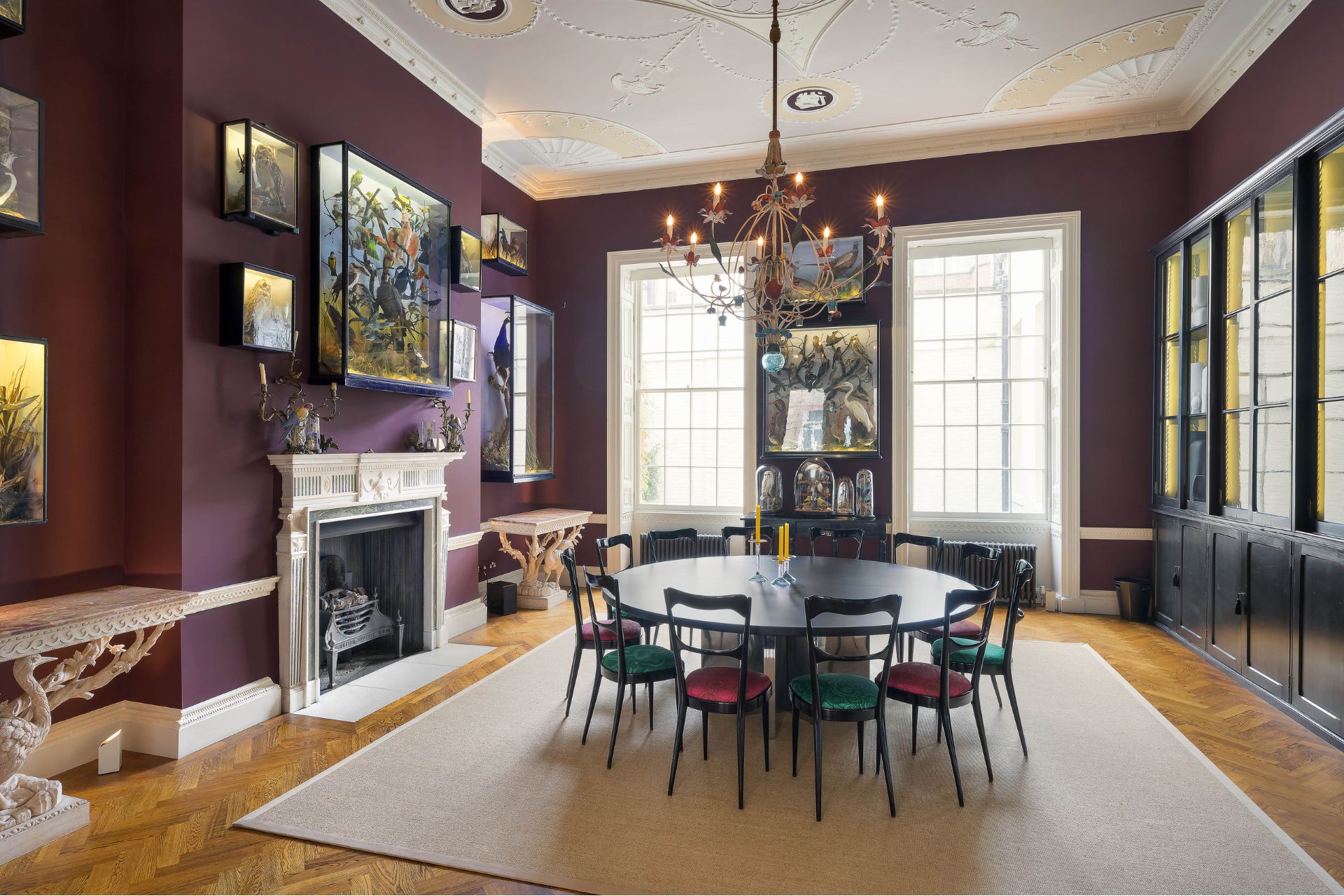
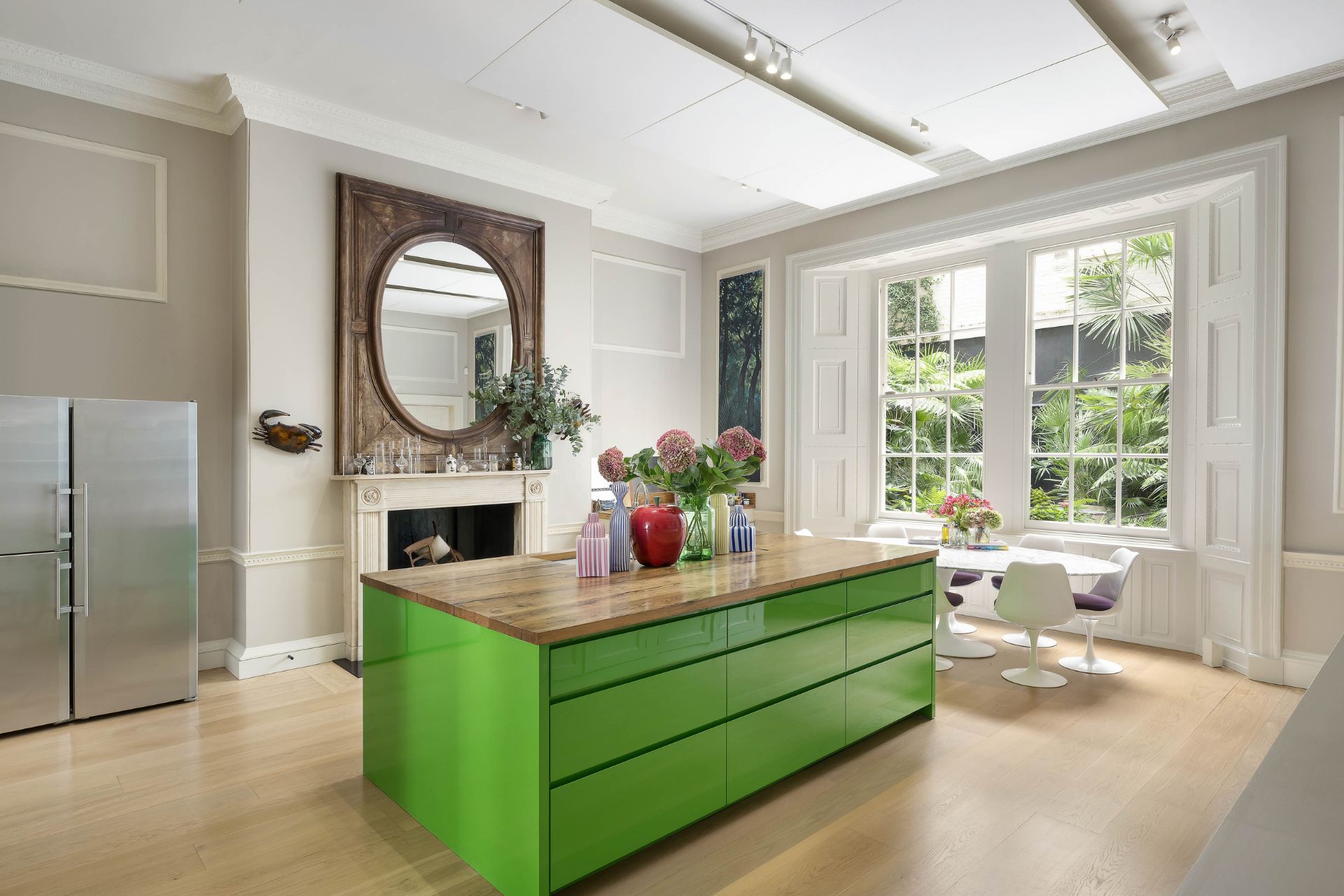
While the bones of the house remain distinctly Georgian, modern interventions make for striking punctuation points throughout the home – from the glossy lime-green island in the kitchen to the bouclé sofas in the reception room. Elsewhere on this floor, sits the entrance hall, terrace, boot room, bathroom and garage, while the first floor is dedicated to formal entertaining, with its two reception rooms, dining room, drawing room, study and library.
Up above, is the principal suite which boasts not one, but two private bathrooms (one marble with a freestanding bath and the other with twin showers and a double vanity), plus a dressing room lined with bespoke cabinetry. Elsewhere on this floor is the ensuite guest bedroom, while the third floor holds five further bedrooms, alongside a sitting room, TV room, bathroom and utility room. A mezzanine library, with an additional bathroom, crowns the top of the house, while two self-contained studios, a gym, vaults and plant room lie below in the basement.
On the market for £27.5m. Find out more at sothebysrealty.co.uk