


Hugh Grant’s Iconic Blue Door Home From Notting Hill (1999) Is For Sale
By
39 minutes ago
Here's your chance to buy-up a piece of film history
Wander down the streets of Notting Hill, and you’ll spot hordes of tourists teeming around an innocuous blue door – all dutifully posing for the mandatory Instagram shot. The door in question? The fictional home of Hugh Grant’s bumbling, bashful bookseller Will Thacker in Notting Hill (1999) – and the real former home of the film’s writer Richard Curtis.
While Will Thacker managed to afford the Notting Hill home on a bookseller salary, today the touristed townhouse, and its staggering £7.95m price tag, is more likely to fall in the hands of someone with Anna Scott’s (Julia Roberts) film star salary.
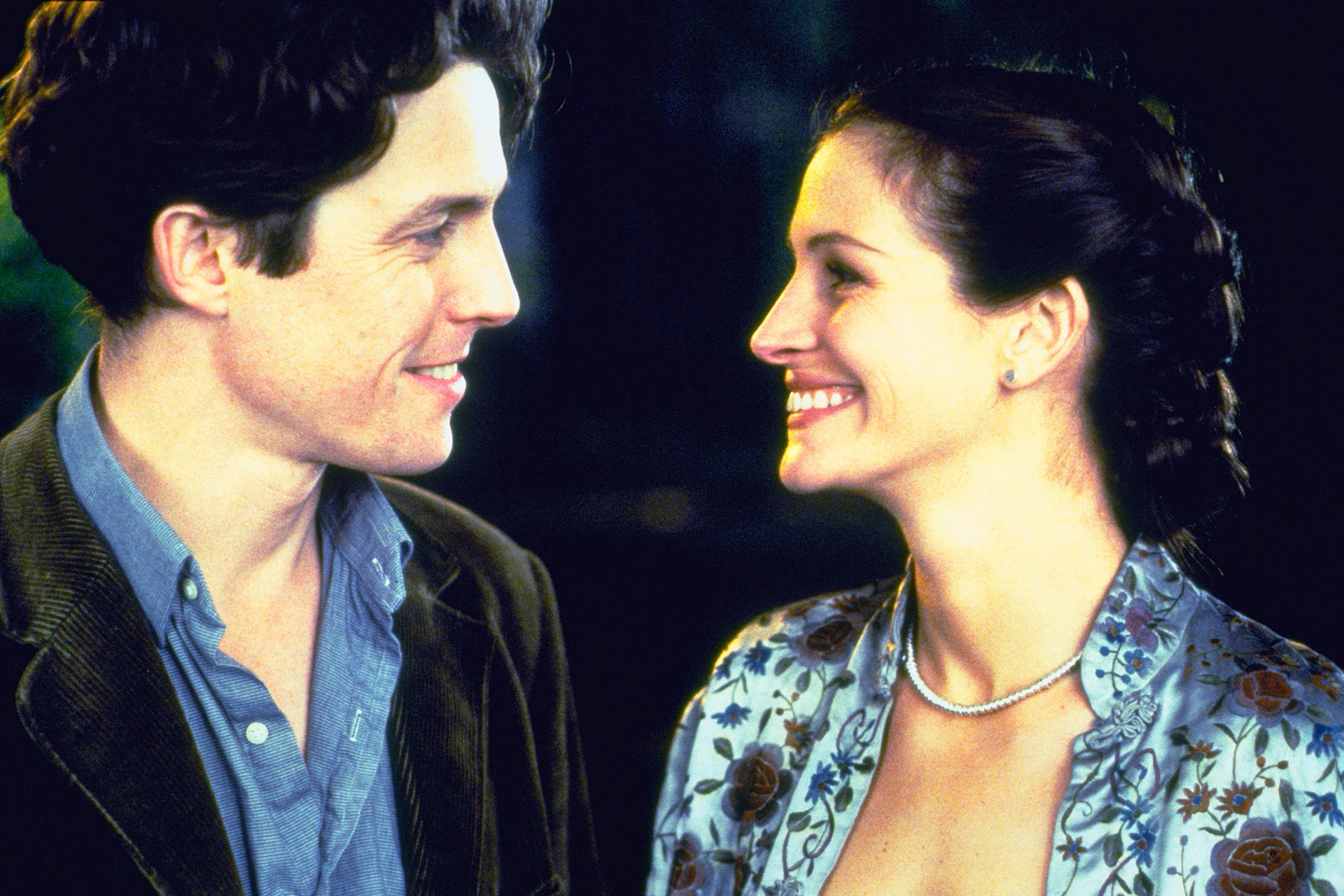
Hugh Grant and Julia Roberts star in Notting Hill (© Universal Studios)
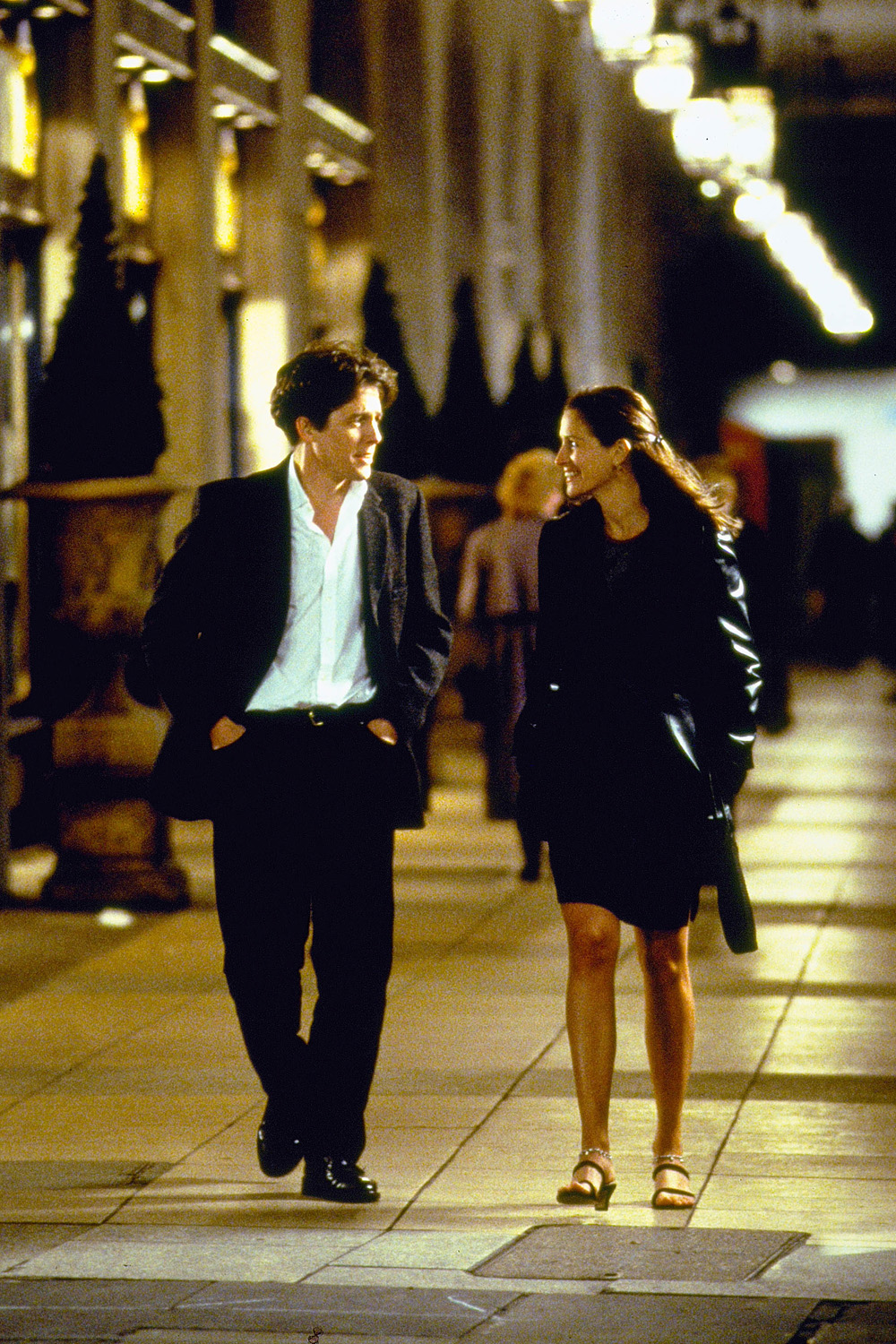
For anyone who hasn’t watched the film, it centres on Will, the owner of a travel bookshop, who one day discovers Hollywood starlet Anna perusing his shelves. The pair, predictably, fall in love, and thus an rom-com classic was made.
Will’s home, and its iconic blue door, is a key character in the story. ‘So this is where I spend my days and years,’ he says in the film’s opening, ‘in this small village, in the middle of a city, in a house with a blue door that my wife and I bought together before she left me for a man who looked like Harrison Ford.’
When Julia Roberts’s Anna Scott hides out from the paparazzi inside, she shrieks: ‘Really? The entire British press just woke up this morning and thought, “Hey, I know where Anna Scott is, she’s in that house with the blue door in Notting Hill”.’
Though there are no more film stars hiding inside, ever since its on-screen debut, the famous blue door has continued to attract fans from across the globe. So be warned if you do buy, there may be a swarm of rom-com groupies crowding outside, ringlights at the ready, at all hours of the day.
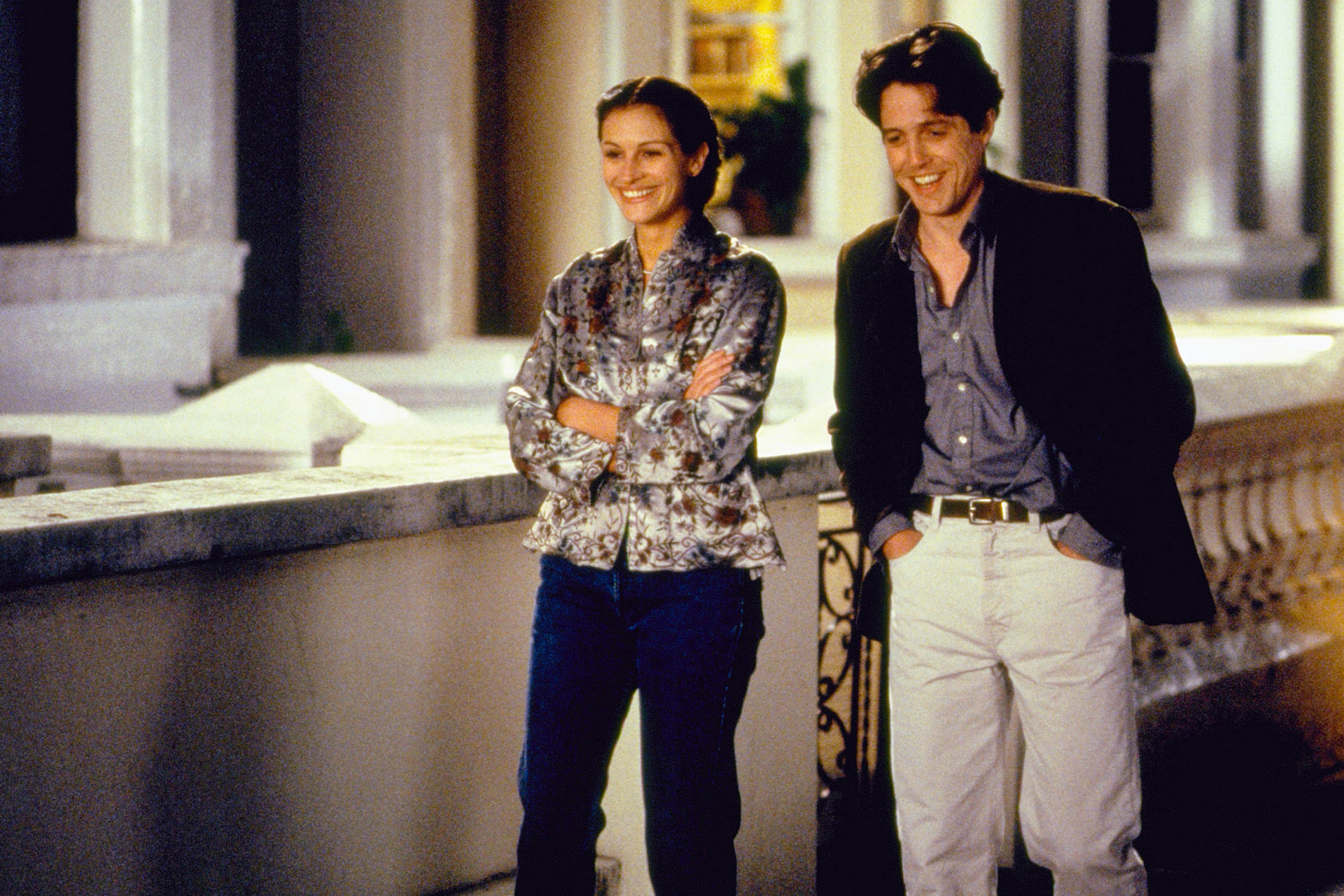
Hugh Grant and Julia Roberts star in Notting Hill (© Universal Studios)
If you do want to avoid endless ‘excuse-me’s and ‘out of the way’s, you could take a leaf out of the previous owner’s books. Prior to the film’s release, Love Actually and Notting Hill writer Richard Curtis lived in this very same townhouse with his wife, the broadcaster and journalist Emma Freud (cousin of Esther, Bella and co.). Perhaps predicting the press intrusion soon to descend, Curtis sold the two-bedroom property at 280 Westbourne Park Road for £1.2m in 1999, shortly after the film’s release, and moved to a quieter location.
The home was snapped up by Caroline Freud, the estranged wife of Emma’s brother Matthew, who quickly discovered that living behind such a famous door brought problems. ‘I decided to sell the door because I found it increasingly difficult to get in and out of my house, as crowds of tourists were constantly having their photographs taken in front of it,’ Caroline said.
Due to heavy wear and constant attention from tourists, the original 19th-century pine door was put up for charity auction through Christie’s in December 1999, where it sold for £5,750. The replacement door was painted black and its identifying No. 280, removed. Unfortunately for neighbours, this meant any brightly-coloured door on the pastel hued street was ripe for attack. Some neighbours on the famously multi-coloured Lancaster Road even began painting their houses white to avoid catching the attention of influencers.
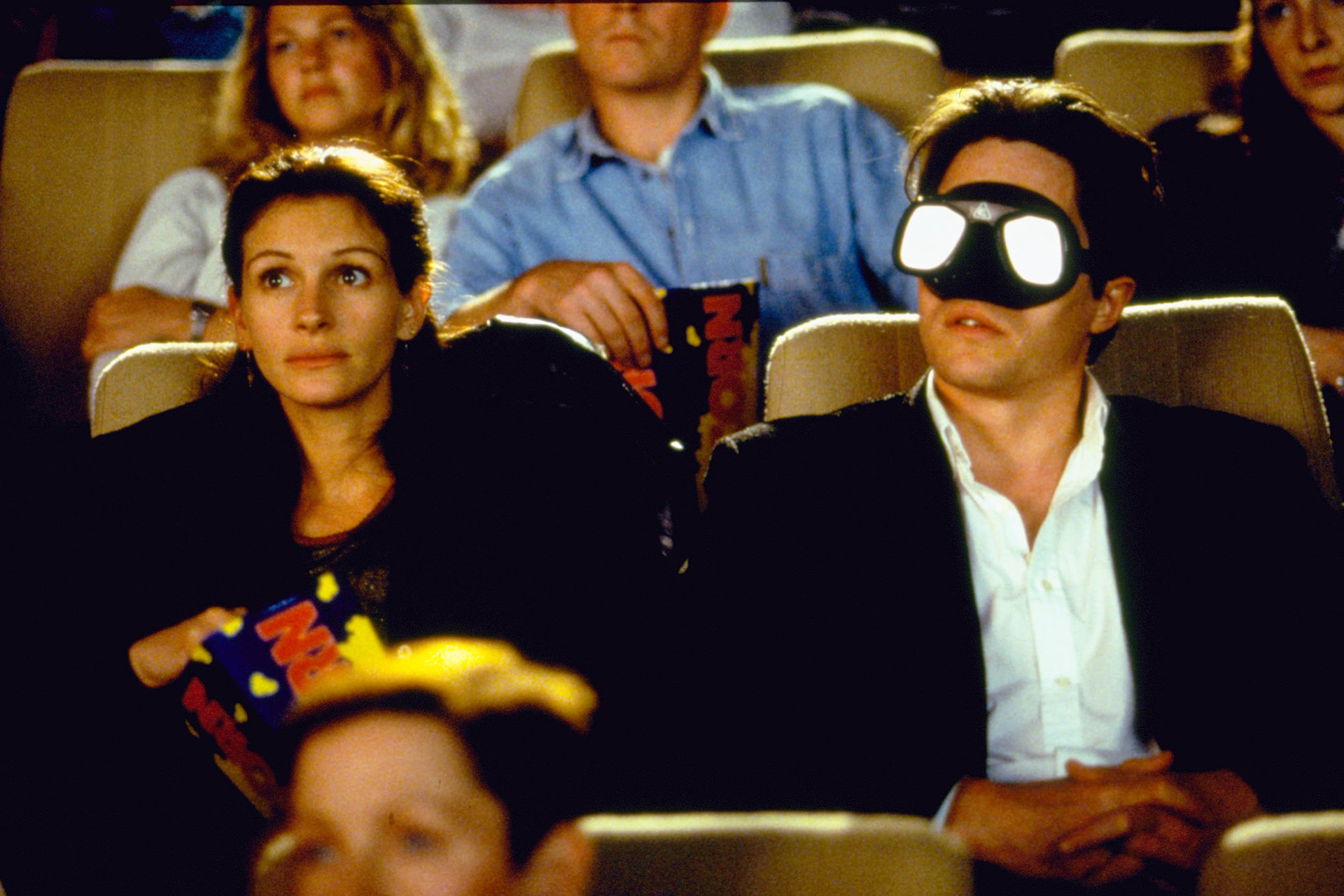
Hugh Grant and Julia Roberts star in Notting Hill (© Universal Studios)
The bookshop where Hugh’s character works in the film has been subject to equal levels of attention. The Travel Bookshop in Notting Hill at 13 Blenheim Crescent (opened in 1979) inspired Hugh Grant’s store in the film – though its interiors and exteriors were shot elsewhere. After the store closed in 2011, it reopened as The Notting Hill Bookshop, attracting fans to its shelves. Though there’s still plenty of cause for confusion, with souvenir-heavy storefronts, touting film paraphernalia, dotted all over nearby Portobello Road.
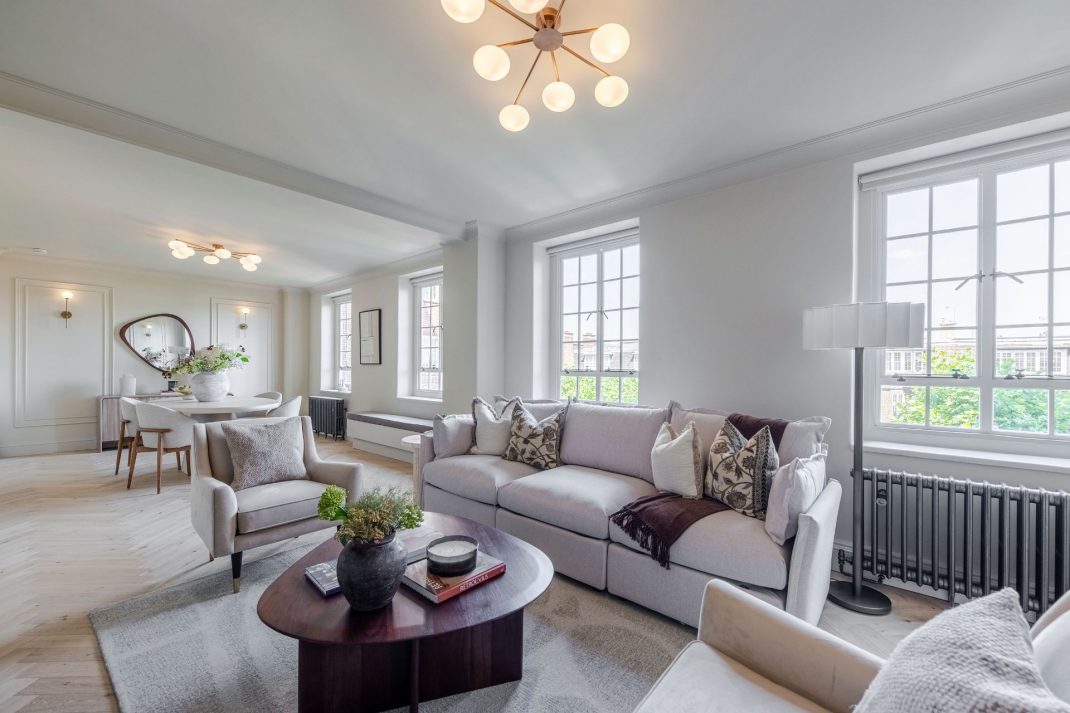
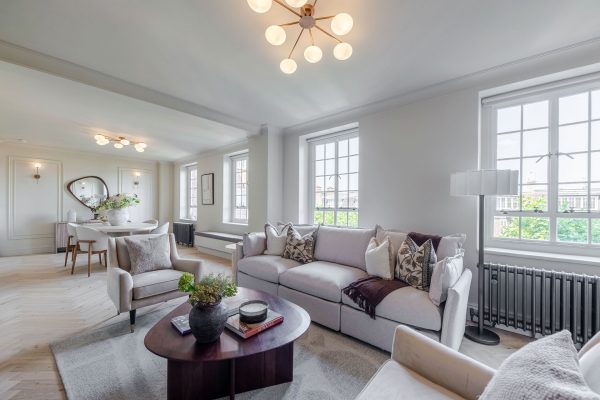
Today, Will’s Notting Hill home is owned by NEON Adventures founder Neil Hutchinson (who purchased it for £4.5m) and the front door has been restored to the iconic bright blue hue. Beyond the famous door, the property – which was, in a brief former life, a Baptist chapel – spans some 3,000 sqft, featuring three bedrooms and two bathrooms. Inside, there’s a kitchen, dining and reception room, extending to almost 48 ft, plus a first-floor gallery with a book-lined study (a fitting nod to the film). Meanwhile, a spiral staircase in the private courtyard garden leads through to a secret roof terrace, enclosed by mature planting and old brick walls – a romantic spot to privately dine above the rooftops of Notting Hill.
Available off-market for £7.95m with invisiblehomes.co.uk