


Inside A Nearly 1,000-Year-Old Former Monastery With A 10-Seater Hot Tub
By
6 months ago
The Cloisters is the ultimate mix of old and new
The year was 1688 and the lords and ladies of England were concerned. Their Catholic monarch (King James II) had just given birth to a son by his second wife, Mary of Modena. While the public had been willing to put up with a Catholic ruler for a few short years, the prospect of the throne passing onto a similarly Catholic child – rather than one of James’s Protestant-raised daughters – was more than their Anglican hearts could bear.
Unwilling to submit to a Holy Roman bloodline, a few of the more staunchly Protestant lords began plotting a solution. One key conspirator? This home’s former owner, the 3rd Lord John Lovelace. A Whig and a Puritan, Lovelace had already embroiled himself in scandal when he wiped his backside with a summons from a Catholic magistrate – a move of rebellion that got him reprimanded by the Privy Council and threatened with prosecution.
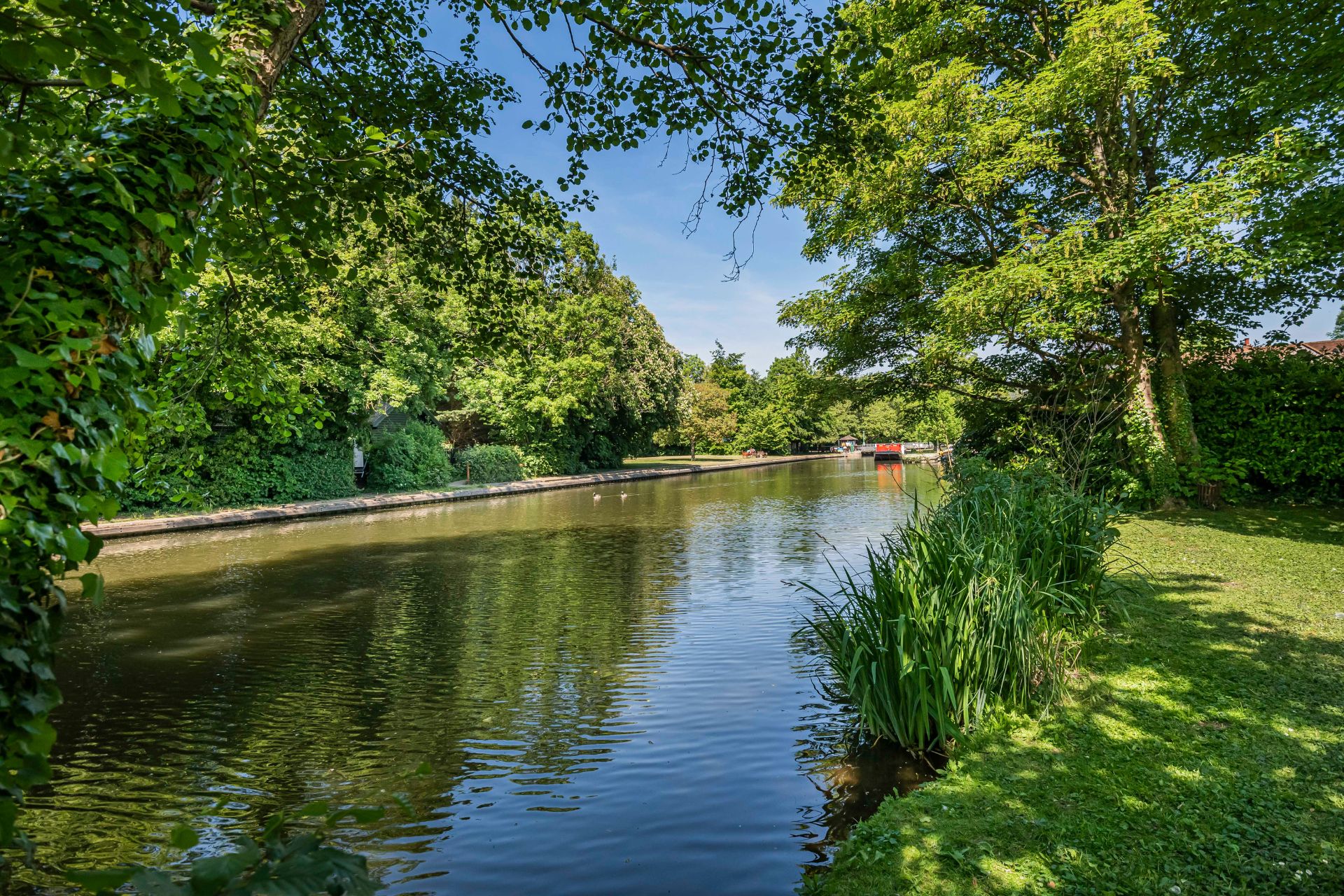
Keen to put the Protestant monarch William of Orange on to the English throne (the Dutch grandson of King Charles I and wife to James II’s eldest daughter Mary), Lovelace and his gang met up at this very same Berkshire home to draw-up their plans. Entering the home in secret via the water gateway in the river’s Tudor wall, they held their meetings in the crypt which can now be found in the neighbouring garden.
The History Of The Cloisters
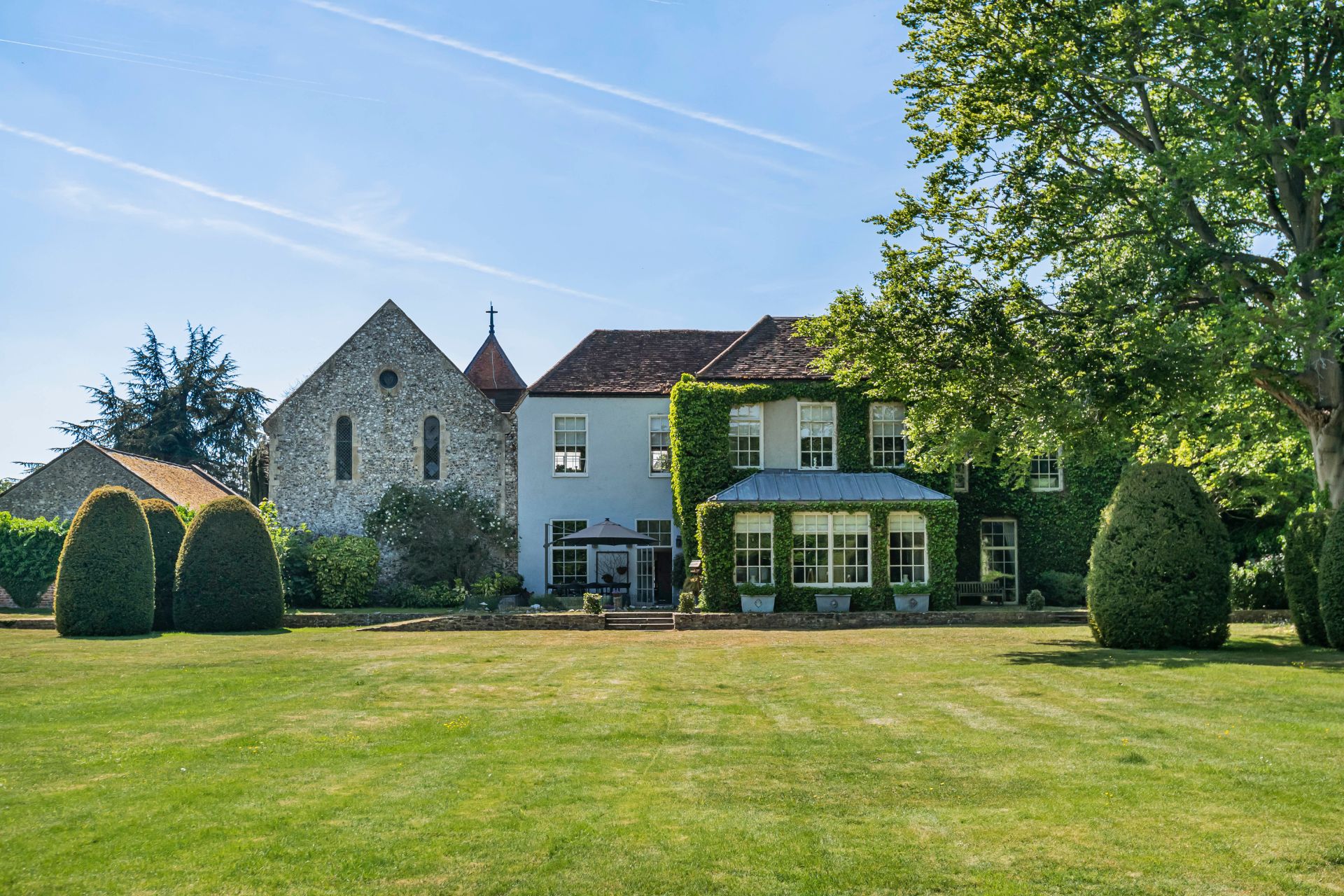
Ironically for a property so entwined in anti-Catholic conspiracy, The Cloisters – as you may well guess from the name – started life as a Benedictine Priory, established by Geoffrey de Mandeville in 1086. The centre of village life for over 450 years, it was (like nearly all English priories) closed down in 1536 following Henry VIII’s dissolution of the monasteries.
While many monasteries and Catholic churches were ransacked and destroyed, as a daughter cell of Westminster Abbey the monks at The Cloisters got off easier than most. The monastic estate passed on to John Lovelace – the grandfather of the aforementioned conspirator – in 1545. The family built a mansion on the Priory’s grounds (the southern edge of the present lawn) called Ladye Place which was designed to recall the monastery’s foundation. However, this too was later demolished in the 19th century.
Though it was The Cloisters that helped bring Queen Mary II to the throne, it was another Queen Mary who actually paid a visit to the home over 200 years on. In April 1931, Queen Mary (wife of King George V) visited the gardens and watched a game of tennis on a stone seat (now by the large lawn) which is known as ‘Queen Mary’s seat’ to this day. Another fun historical tidbit, during WWII Mr Sorrel Strausler – the designer of the amphibious tank used in the D-Day landings – reportedly used the home’s moat to test his prototype.
The Cloisters
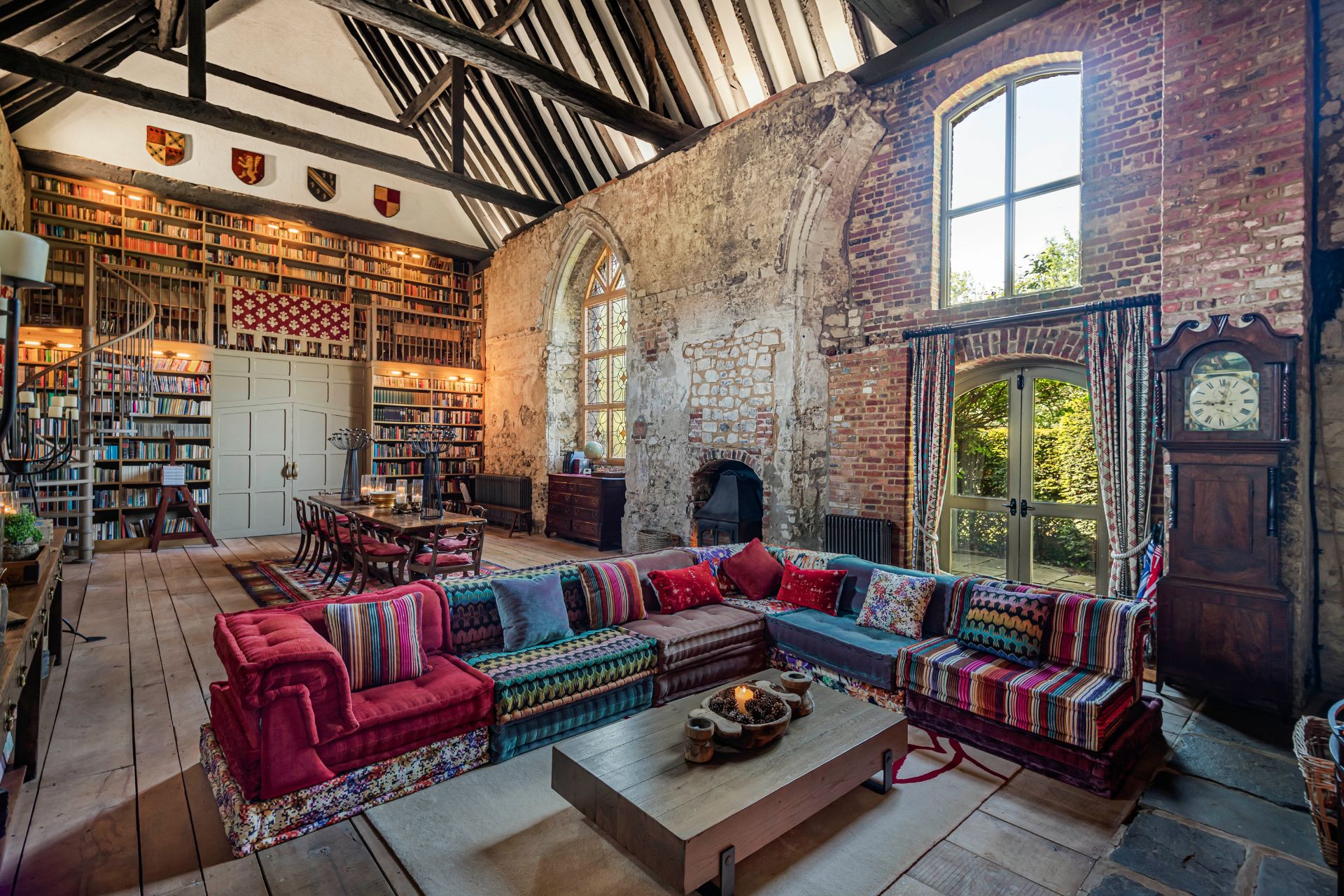
Formerly known as Paradise, in 1948 the original 20-acre monastic domain was divided into separate properties, including The Cloisters. Refurbished and modernised by the present owners in 2017, the property is now an eclectic mix of old and new features, from the nearly 1,000-year old monks refectory (turned entertainment space) to a 10-seater hot tub.
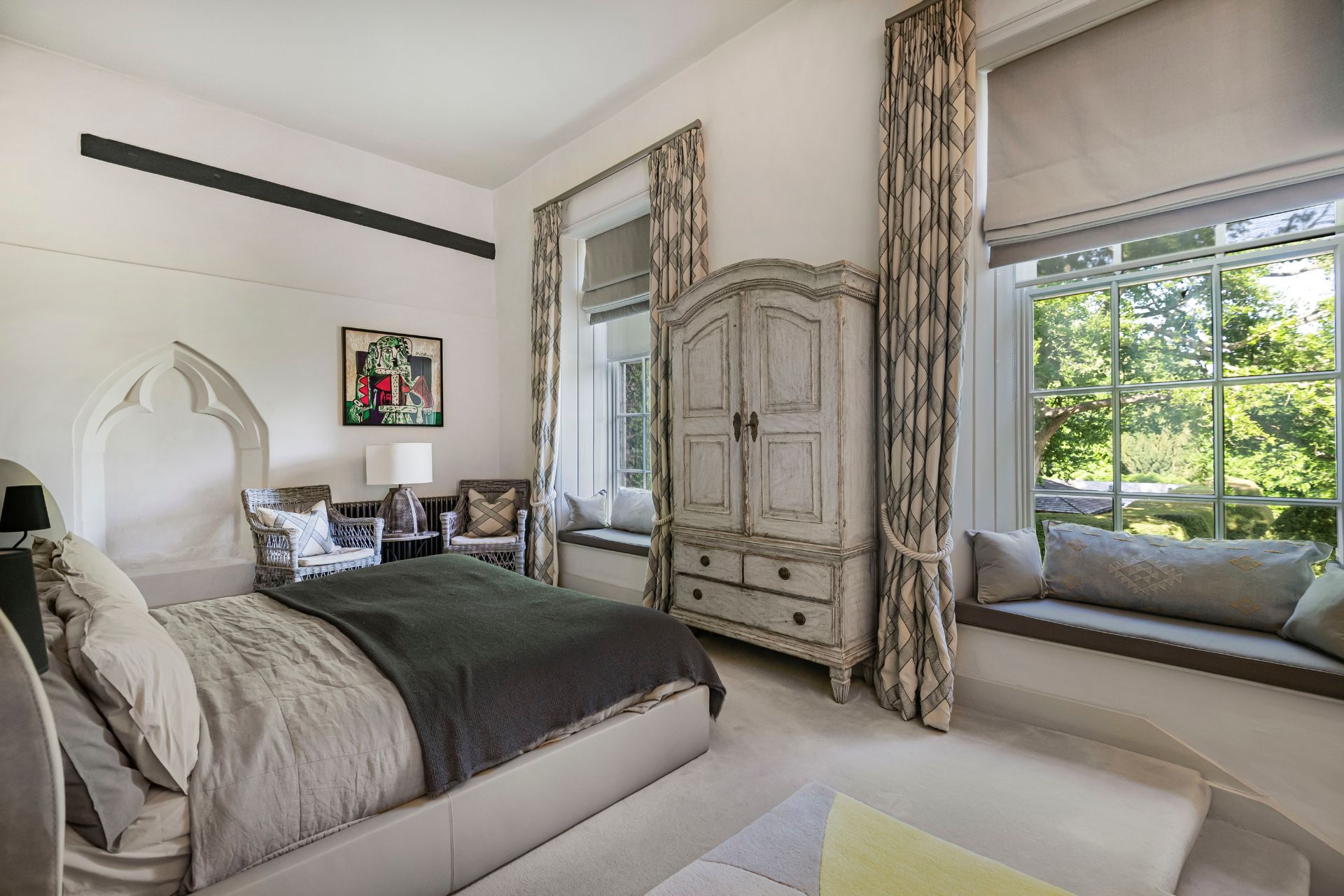
Beyond the refectory, this two-storey Berkshire home features a kitchen, breakfast room, dining room, drawing room, sitting room and study. Meanwhile, the first floor houses four bedrooms, alongside a fifth bedroom/office at attic level, and further self-contained accommodation in the monks’ cottage.
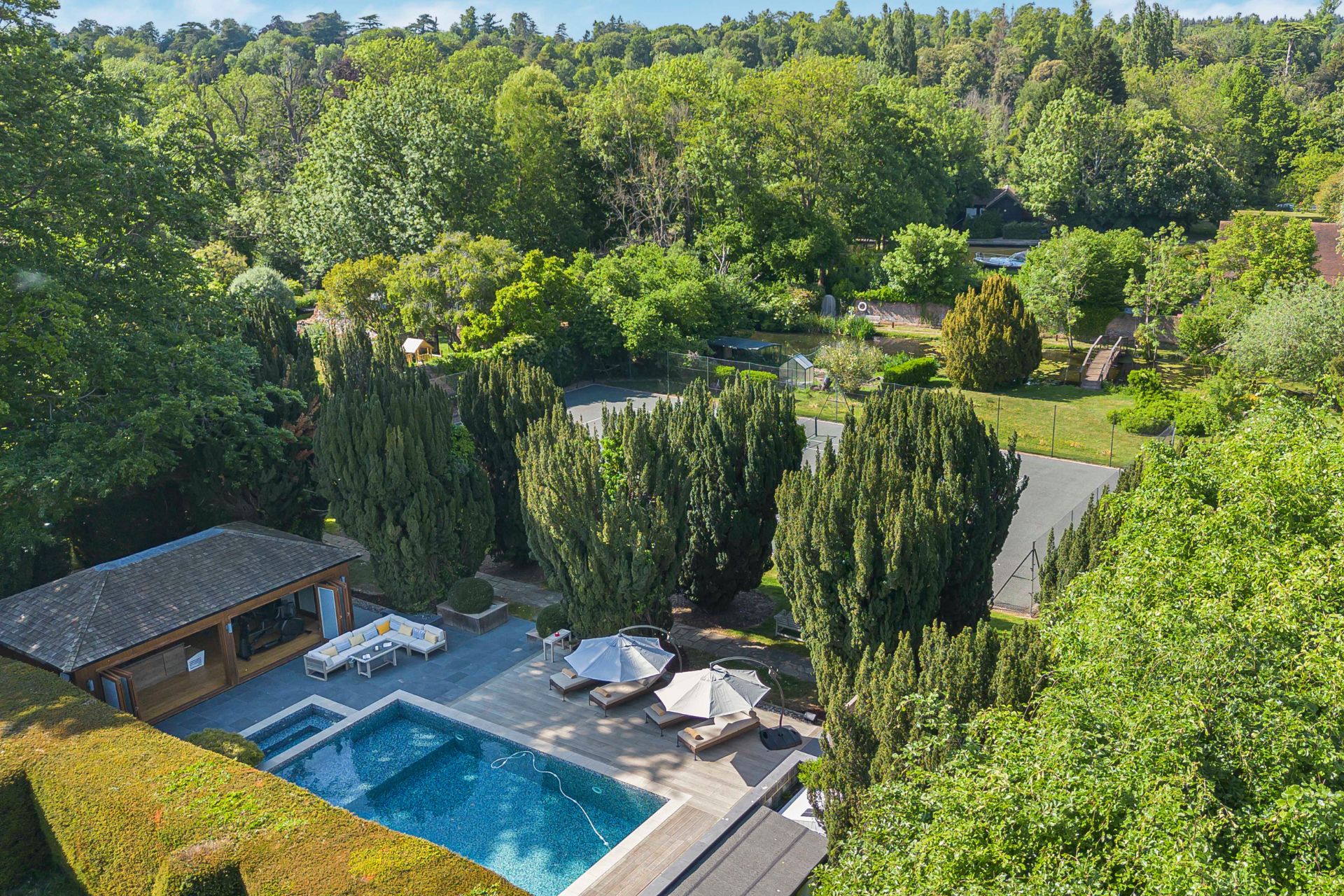
The renovations also saw a new swimming pool commissioned in the original pool garden, complete with a landscaped decking, an electric solar cover and heat source pump, plus a pool house with a sauna, steam room, home gym and kitchen. And if that’s not enough space to relax and unwind, the landscaped grounds also offer entertaining areas, tennis courts, a medieval carp pond, a summerhouse, and a moat accessed via a timber bridge.
On the market for £5.5m. Find out more at search.savills.com