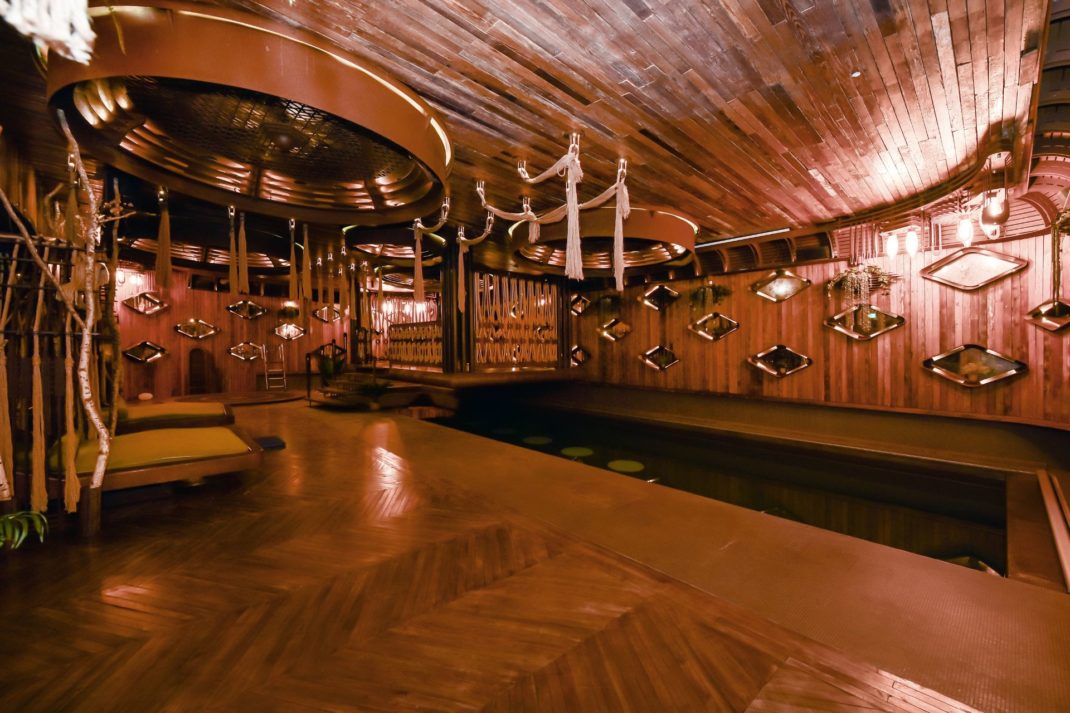



Are Wellness Homes The New Must-Have Luxury?
By
4 hours ago
Saunas and steam rooms are now a necessity in any new development worth its Himalayan salt
What makes a property a luxury property? Is it the number of rooms, the extent of the grounds, or is it as simple as counting the zeroes on the price tag?
Though all of the above have their place, in recent years a new set of criteria has emerged. No longer enamoured by ballrooms and stable blocks, the billionaires of today have re-evaluated how they spend their cash – and the phrase ‘health is wealth’ has never rang more true.
In the age of Bryan Johnson and his plasma-transfusing, hyperbaric-oxygen-using regimes, the obsession with living longer and better is creeping into every aspect of our lives. You no longer need to be listed in Forbes to hop in a cryotherapy chamber or don an LED mask. When we’re not on the hunt for organic produce or plastic-free solutions, we’re filling up our calendars with sauna sessions, reformer pilates classes and alcohol-free outings. But why invest so much time and money on wellness if your home isn’t designed to support your wellbeing, too?
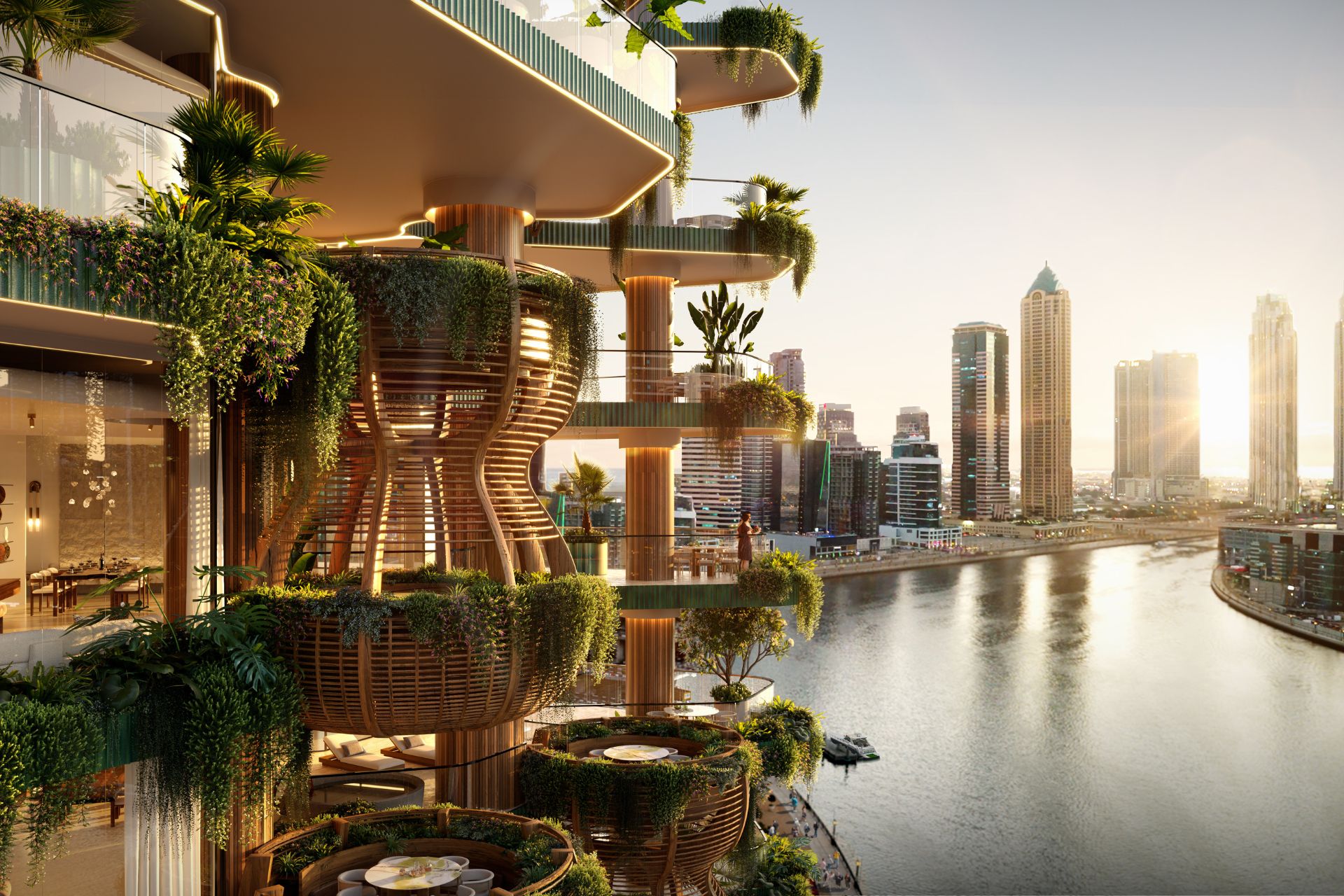
Eywa Tree of Life
Inside The Wellness Home Trend
Properties are no longer simply chosen based on where people will be happiest, but where they will live longest. Stefan Pitman – founder of Dorset-based architecture practice SPASE – has cited ‘the ultimate wellness home’ as a key property trend for 2026. In 2025, the Global Wellness Institute confirmed that wellness real estate is the fastest growing sector in the wellness economy, predicting the market will double from $584 billion to $1.1 trillion by 2029.
Thomas Chamberlayne, chief marketing manager at Hutchison Property Group (UK) Ltd works on some of the biggest (and priciest) new developments in London, including Powerhouse, Chelsea Waterfront. In recent years, he’s observed a fundamental shift in how high net worth buyers want to live, explaining that ‘wellness is no longer something they leave the house to pursue; it’s being designed directly into their homes’. George Hankinson, head of residential at Real Estate Management (UK) Limited (the team behind Shard Place) agrees: ‘Wellness features are not viewed as optional extras anymore, but necessities that people are not willing to compromise on,’ he says.
But why the newfound obsession? On the one hand, the watch on your wrist, the ring on your finger or whichever wearable tech you choose can deliver near-constant health data. And since the pandemic, we’re more on edge about protecting our bodies from illness, too.
But that’s not all the pandemic’s done. Pitman of SPASE architecture theorises that since lockdown confined us to our homes, we’ve had a renewed obsession with them: staying indoors more, and wanting to feel better about the spaces we are curating. He also notes the rise of considered consumerism across the board: as we shop more sustainably, it only makes sense that the same philosophy extends to our interiors. ‘People care about where they’re purchasing things,’ he says. ‘Why surround yourself with materials that have higher volatile organic compounds (VOCs) that are harmful?’
Where saunas, spas and pools were once heralded as rarities only to be possessed by the uber-wealthy, they are now a necessity in any development worth its Himalayan salt. As Alex Michelin, founder and CEO of property developer Valouran, explains: ‘10 years ago, a gym was a nice-to-have; today, it’s a must-have.’ Outgrowing treadmills and bikes, today ‘wellness facilities that were once unheard of are now expected as the norm’.
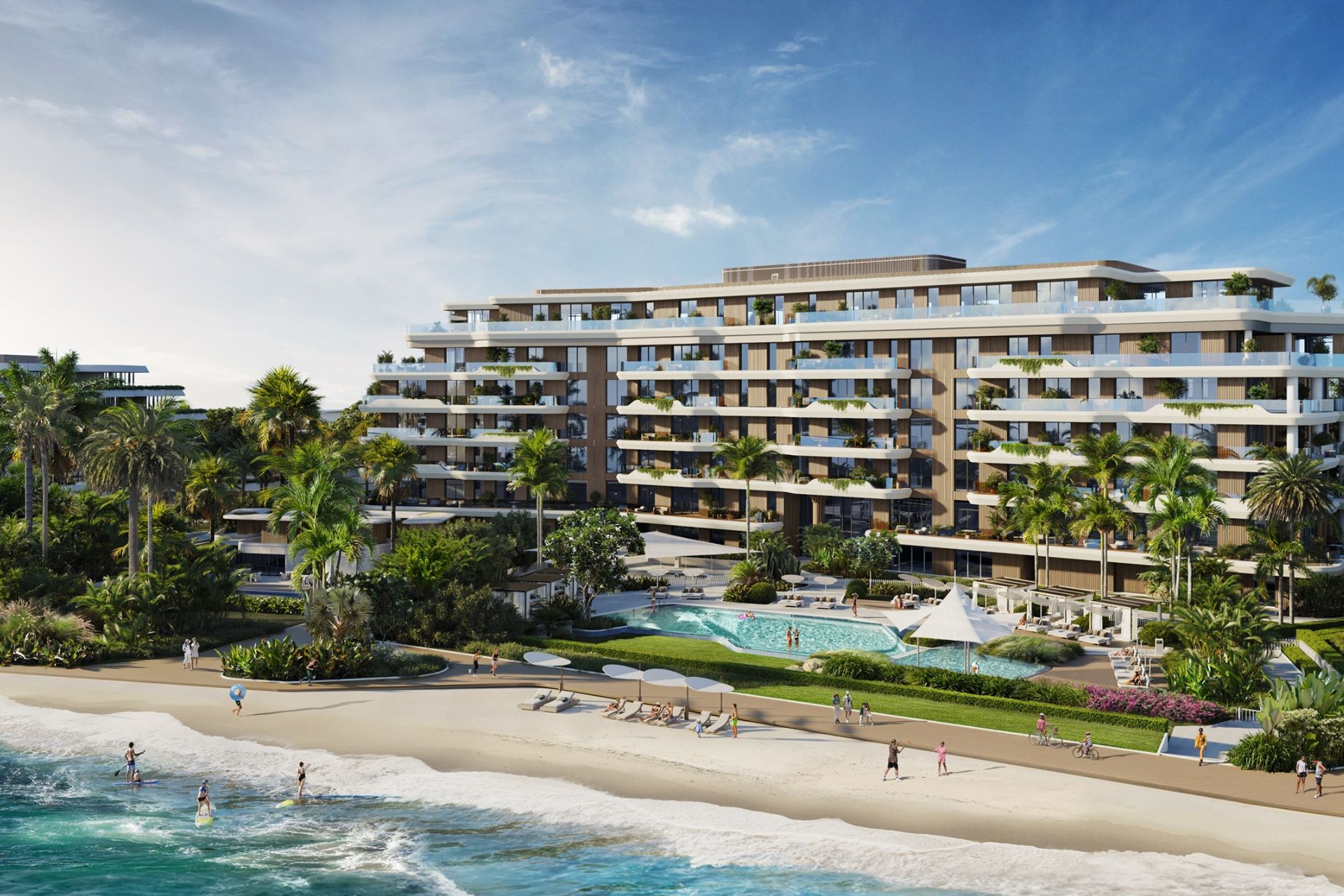
SHA Emirates Island
Valouran’s upcoming development The Whiteley, for example, will feature London’s first ever magnesium pool. Elsewhere, Wandsworth Mills boasts a thermal spa complete with a pool, sauna, steam room, ice fountain and snow room. As developer St George’s MD Marcus Blake outlines: ‘The snow room is intentionally designed as a counterpoint to the warmer spaces – a refreshing, sub-zero environment maintained between -5°C and -10°C, ideal for short sessions of one to three minutes. It completes the thermal journey, supporting circulation, aiding recovery and offering a rejuvenating sense of physical and mental reset.’
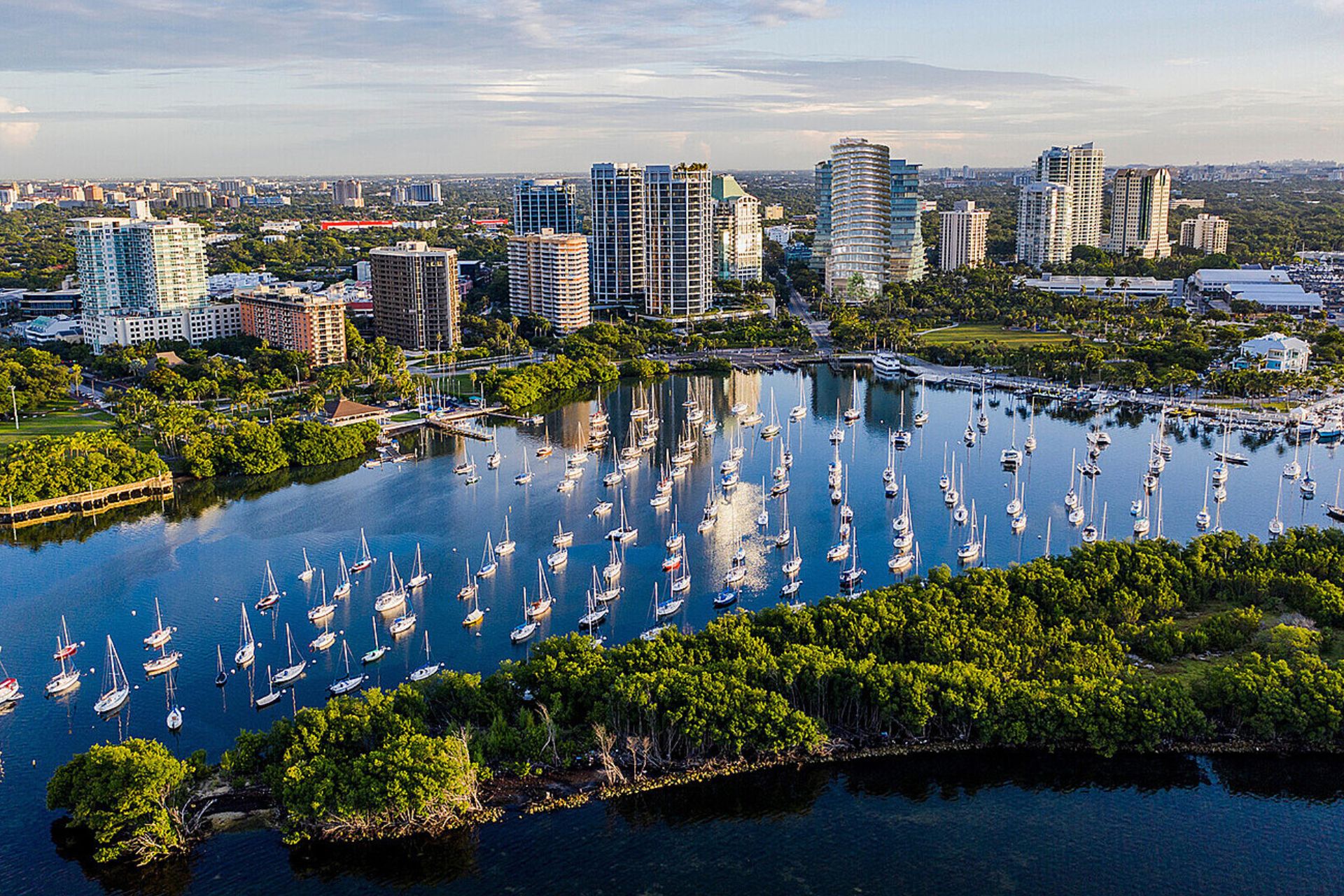
Overseas, things are getting even more intense. At Four Seasons’ Resort & Residences AMAALA at Triple Bay, Saudi Arabia, bespoke wellness journeys supported by a spa, personalised fitness programmes, meditation, sleep rituals, nutrition guidance, LED therapies, detox rituals, cryotherapy, halotherapy, plunge pools and a complete thermal circuit. In Miami, Four Seasons’ Coconut Grove development boasts an ice fountain, cold plunge, hydromassage pool, horizontal and leg-circulation shower, yoga room, gym and a Roman-inspired thermal suite. And in Abu Dhabi, the brand offers sound-healing sessions, Hypervolt therapy, quartz-sand therapy and, soon, a dedicated longevity centre.
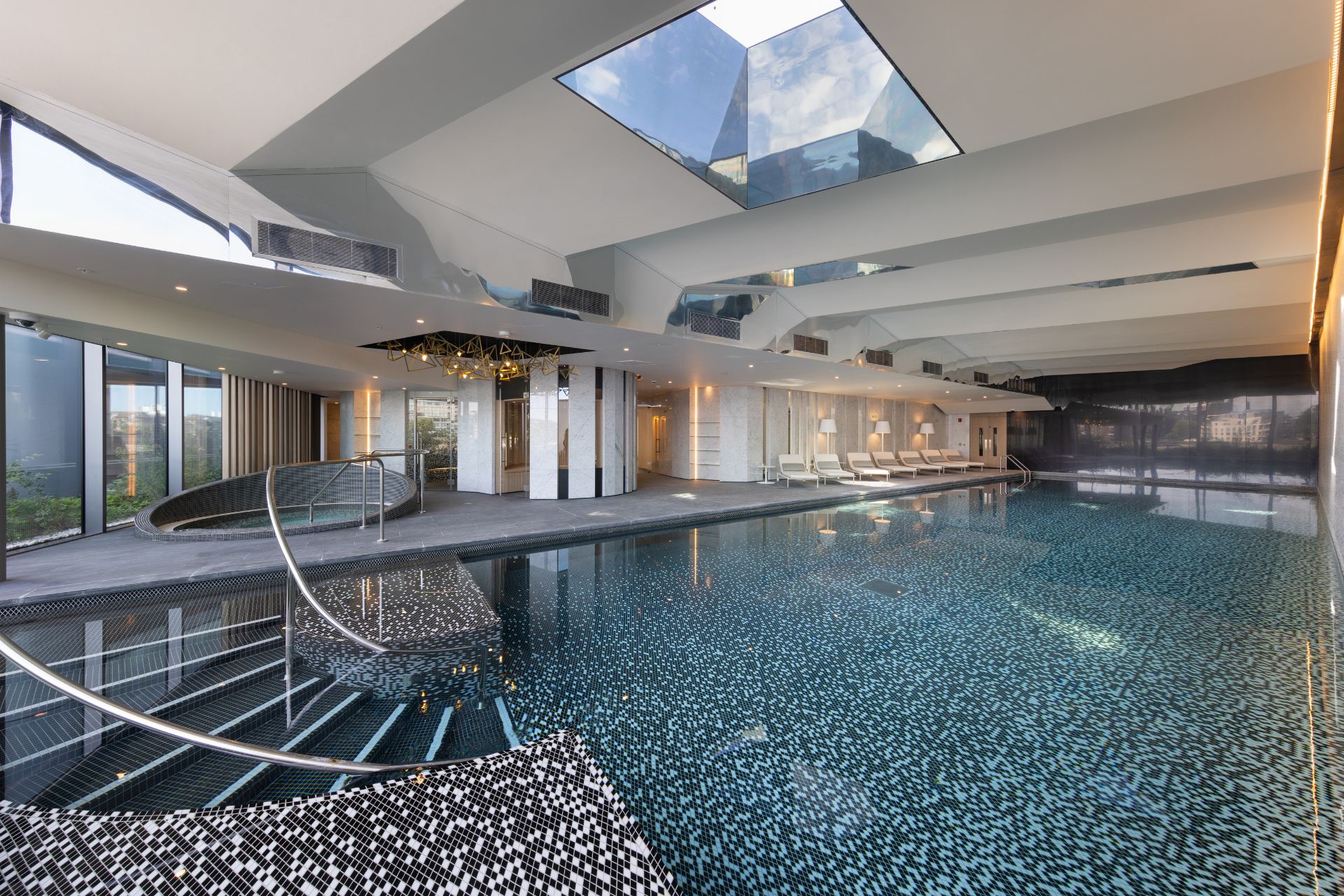
Chelsea Waterfront
Moving beyond buildings’ structure and spas, some developments have even started hiring dedicated teams to aid residents’ wellbeing. Shard Place has partnered with Educated Body – experts in inspiring wellbeing, fitness and vitality – to host regular sessions for residents, while Chelsea Waterfront boasts its very own ‘serenity sommelier’ and holistic health coach Georgia Smith.
With so many wellness offerings available, the stress of optimising your wellbeing can often do more harm than good. Georgia’s role is to cut through that noise. As she explains, ‘what people are increasingly looking for is not more information, but reassurance’. Rather than prescribing a specific lifestyle, she shapes wellbeing around people’s everyday lives: whether helping someone recalibrate after travel, supporting movement and recovery at home, or creating moments of calm.
What Does Wellness Actually Mean?
Georgia is not wrong: the wellness noise is almost deafening, and the term seems to deteriorate with each new use. Defining a wellness home is even harder, says architect Stefan Pitman. ‘I think a wellness home is a bit multi-faceted. On the not so sparkly end of things, it’s about a home that is sustainable and friendly, using natural materials, things that don’t give off lots of VOCs and buildings that are energy efficient and have ventilation systems and filters,’ he says.
It’s easy to be distracted by glitzy gadgets. At Shard Place, Hankinson defines wellness as ‘supporting residents’ everyday quality of life – not just through fitness, but through spaces that encourage calm, comfort, and balance.’ From rooms flooded with daylight and fresh air, to ventilated winter gardens, tactile interiors, communal terraces and an outdoor pool, each feature is designed with residents’ health in mind.
The most overlooked wellness luxury? Time, Hankinson notes. It’s not only about providing residents with top-notch facilities but removing the friction from their daily lives. This sense of ease was a key consideration at 700 Broadway in Santa Monica, too. As executive vice president of design, Phoebe Yee explains: ‘We’re trying to make a residence that makes living there feel easy, so that you can spend your time and energy on other things.’
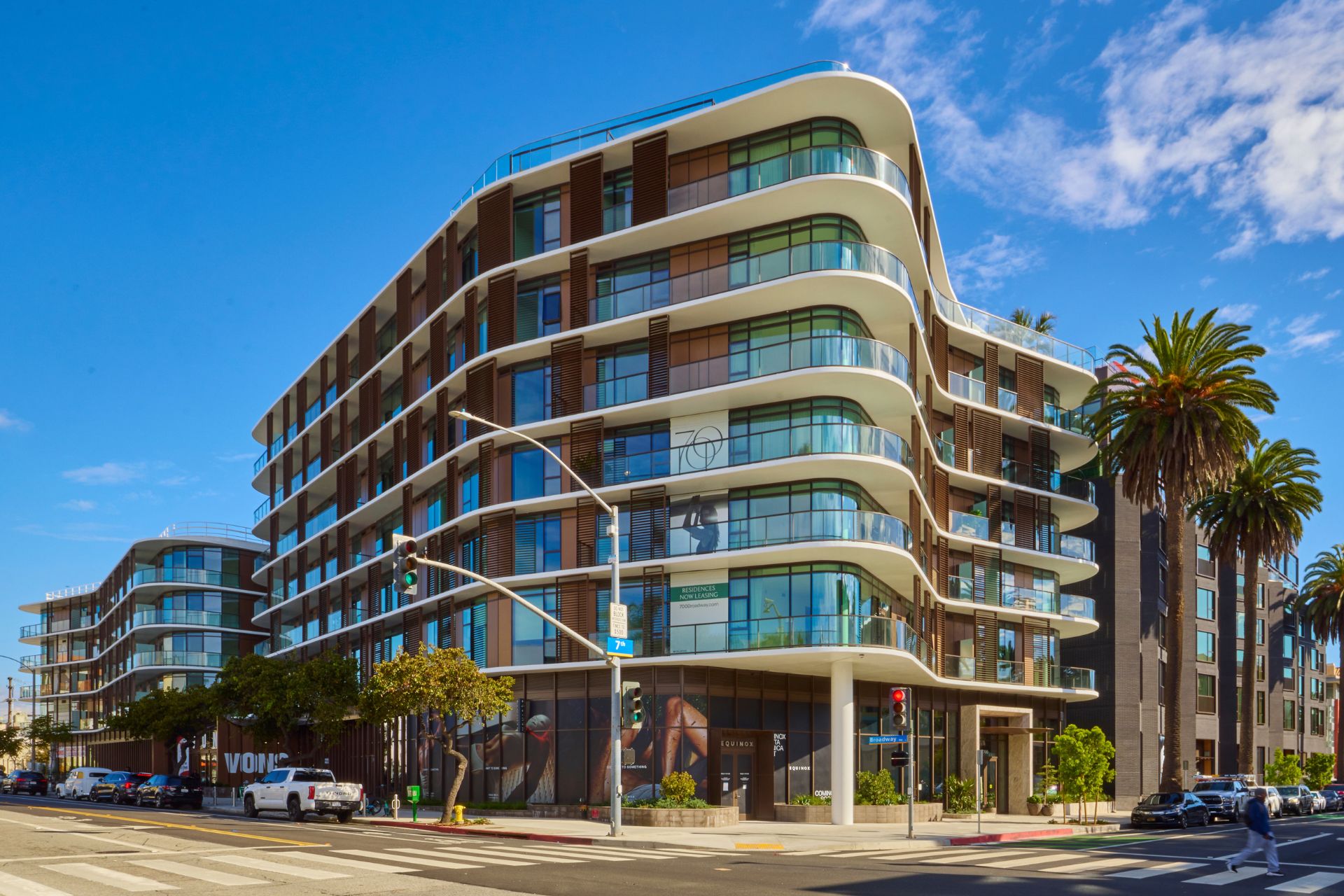
But living in paradise will do nothing for your mental wellbeing if there’s no one to enjoy it with. Yee largely focused on the more overlooked facets of wellbeing, such as social health – a problem she seeks to tackle through a programme of community events. ‘In a lot of places, people don’t know their neighbours anymore […] I see my parents, who are in their 80s, who live in a golf course community where a lot of other people are retired, and I think they’re so active and so engaged, because they have that sense of community.’
And beyond chatting to others, a walk outside is your next best bet to re-focus a cloudy mind. At 700 Broadway, the private park, natural light, biophilic design, and bright calming interiors are designed to curate that tranquil feel.
At Six Senses’ Les Bordes Estate, nature is similarly prioritised. Director of residential sales Florian Lakat explains that the ‘natural setting is central to the experience’. Sitting within the Sologne Forest in the Loire Valley (AKA ‘The Garden of France’), the development is cradled in forest landscapes, lakes and open parkland. ‘That proximity to unspoilt landscape has a profound impact on mental wellbeing and is something that cannot be replicated in other locations,’ says Lakat. ‘Beyond the estate, the wider Loire Valley offers rich cultural nourishment too, from historic towns and architectural heritage to vineyards and countryside that invite exploration.’
Functioning both as a holiday and full-time residence, Les Bordes is one of the rare developments to also boast an on-site chef. Though the food is catered to aid wellbeing and longevity, it isn’t prescriptive, with residents free to use their own kitchens and produce.
‘The restaurants will celebrate the traditions of the Loire Valley,’ says Lakat, ‘while also following the Eat With Six Senses principles, with a strong focus on locally grown, seasonal ingredients and food that is both pleasurable and nourishing. There will also be organic kitchen gardens and a medicinal garden, reinforcing that connection between land, food and wellbeing.’
Where In The World Is Best For Wellbeing?
At Les Bordes, the location is as integral to wellness as the structure – and it’s not alone. Since launching Dubai wellness development Fahid Island in June last year, Aldar has sold more than $2.3bn worth of properties on the island, with expats and overseas buyers representing 75 percent of sales.
Though hotels have boasted gyms and saunas for decades, wellness is no longer a luxury to be enjoyed only in the brief span of a spa mini-break. As Jonathan Emery, CEO of Aldar Development explains: ‘There’s been a clear evolution from “health tourism” to “health house buying” and even “health relocation”, as people prioritise holistic wellbeing in all areas of life.’
In 2004, writer and explorer Dan Buettner coined the term Blue Zone to define those areas in the world where people more often reach the age of 100. Spanning Okinawa (Japan), Sardinia (Italy), Nicoya (Costa Rica), Ikaria (Greece), and Loma Linda (California) the lifestyle, dietary and social habits of these regions are said to foster longevity. And while these aren’t the only corners of the world that people are escaping to, as the news increasingly warns us of the chemicals, plastics and pollutants seeping into our air, water and soil, many are left with a desire to escape somewhere uncontaminated by human hands.
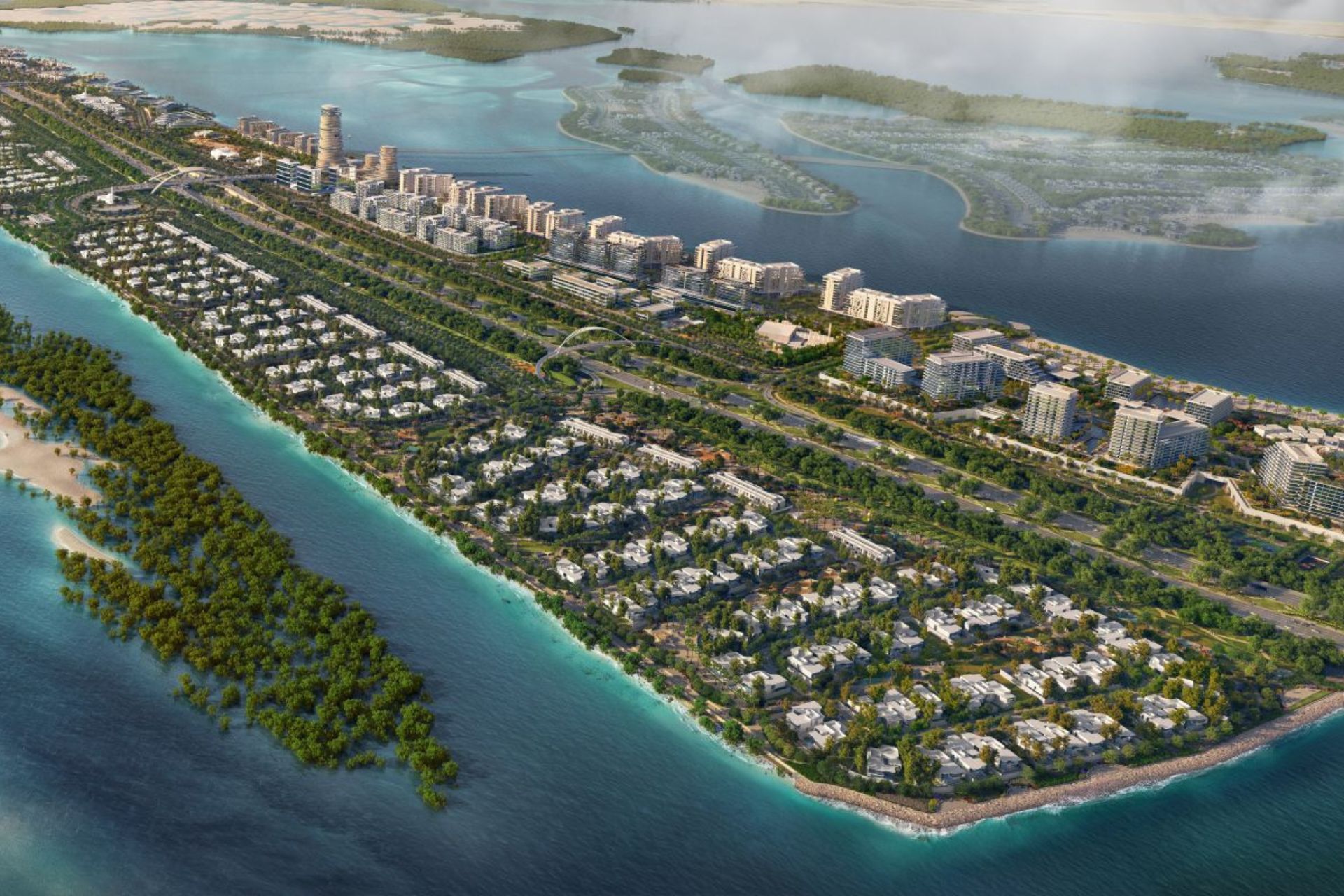
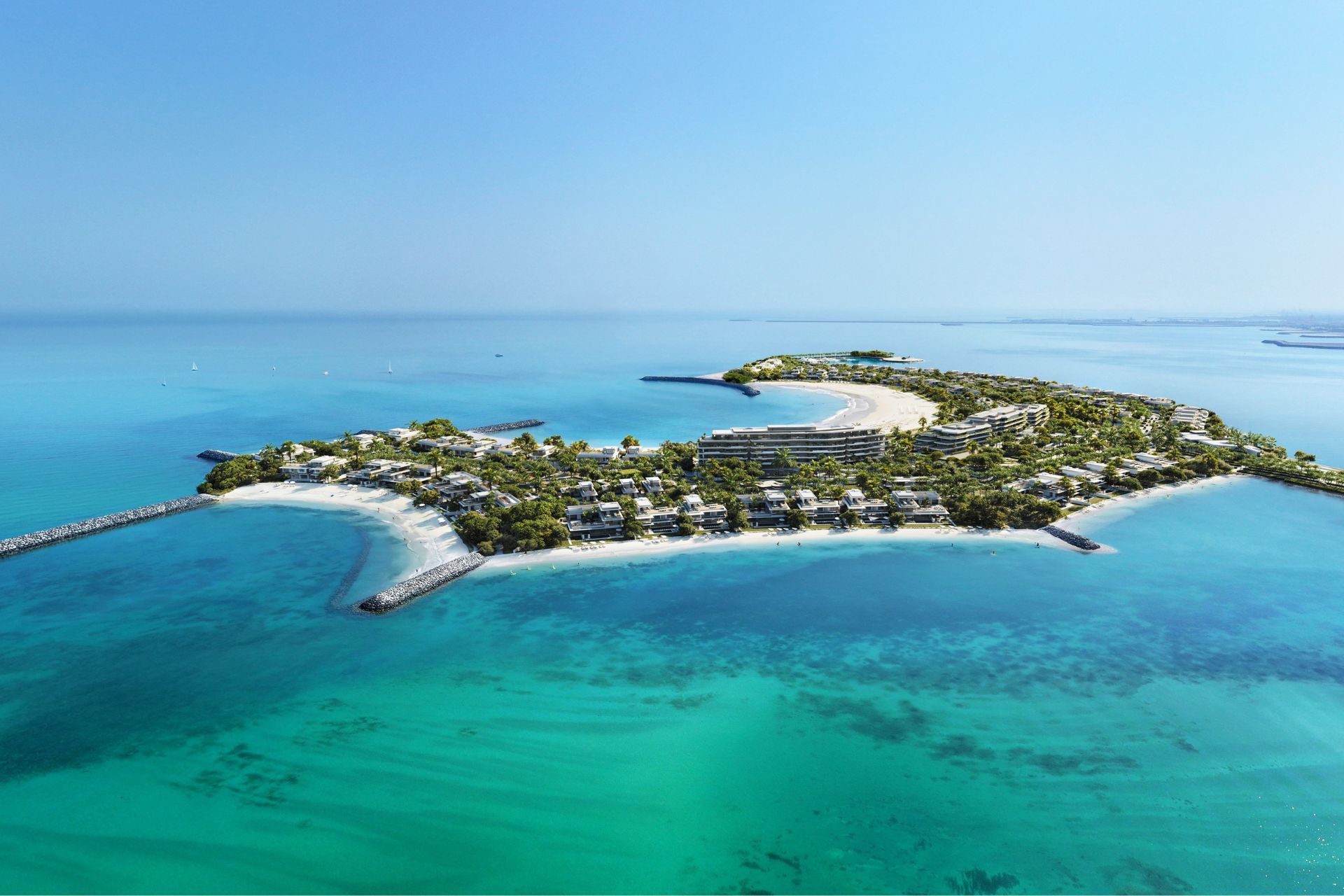
Aldar’s Fahid Island
Once a virtually untouched desert island, AlJurf island in the UAE (between Dubai and Abu Dhabi) was transformed into a lush green sanctuary through the planting of thousands of trees. And now, it’s being transformed into the world’s very first wellbeing island – SHA Residences Emirates Island. Offering seven-star hospitality, plus world-class health and wellness services, the island is set on the coast of Sahel al Emarat, often referred to as the Riviera of the Emirates.
All the homes will incorporate advanced purification systems, use natural materials and integrate dynamic lighting to regulate sleep-wake cycles. Residents will be able to enhance their physical health at the Movement Pavillion and Hydrotherapy Circuit, enjoy organic, farm-to-table cuisine, and focus on mental and spiritual wellbeing at the Mind & Body Pavillion.
Human rights record aside, the UAE has become somewhat of a wellness hotspot in recent years. Nearby at Eywa Tree of Life in Dubai, the tree-shaped development will use earthly materials, biophilic forms, natural light and curated crystals. Alongside meditation lounges and plunge pools, the design promises air purification, low-EMF (electromagnetic frequency) architecture, and ‘liquid crystalline’ water systems.
However, it is Aldar’s Fahid Island in Dubai which has nabbed the world’s first official wellness certification from Fitwel. ‘Wellness at Fahid Island is foundational, not decorative,’ says Emery. ‘Our evidence-based approach guides every decision, whether it’s water conservation, building orientation to maximise natural breezes, or using materials that actually benefit occupant health over time. We also employ microclimate modelling to ensure residents enjoy a measurable improvement in outdoor conditions year-round.’
Though founded before this age of wellness, Fitwel president and CEO Joanna Frank explains that its wellness certification matters more than ever: ‘Developers can no longer just call a property “healthy” without evidence to support it,’ she says. ‘The goal is to ensure that wellness isn’t just a marketing claim.’
To achieve Fitwel’s certification, the team assesses a range of criteria, including location and access, community design, building resilience, operations and policies, and amenities and programming. As to why Fahid Island passed the test, Frank explains that wellness was built into the design from day one, rather than added as an afterthought. ‘What makes it remarkable is the scale and thoughtfulness of the approach – prioritising walkability, access to amenities, generous green space, and environmentally responsive design suited to the region’s climate.’
How To Ensure Your Home Is Healthy
As the famous Gwyneth Paltrow quote goes: ‘I use organic products, but I get lasers. It’s what makes life interesting, finding the balance between cigarettes and tofu.’ Sometimes even the most wellness-obsessed among us will let their LED mask blind them to their most harmful habits. The wellness-shaped elephant in the room may just be the room itself.
As Olga Turner Baker, co-founder and MD at healthy building consultancy Ekkist puts it: ‘There’s no point having a hyperbaric oxygen chamber that you sit in for half an hour a day if you’re breathing in toxic air and drinking water full of PFAs.’
Many of our homes are built with harmful chemicals. One of the worst culprits is astroturf, Turner Baker points out. Often made from recycled tyres or plastics, they can contain benzene, and sometimes even lead, mercury and PFAs (i.e. forever chemicals) which are linked to everything from irritation to cancer.
Luxury vinyl is another sinner, with one study revealing that children in homes with vinyl flooring had higher concentrations of butyl benzyl phthalates (BBP) in their urine, which can wreak havoc on our bodies. Many adhesive carpets sprays are also carcinogenic, while paints with high levels of VOCs, though now rare, can also be dangerous.
Beyond the materials, there are other factors to consider, like access to daylight; poor quality electric lighting is proven to cause headaches, migraines and eye strain, deteriorating vision over time. Noise pollution is another danger: you’re more likely to suffer a cardiovascular event like a heart attack or stroke if you’re continuously plagued by excess noise.
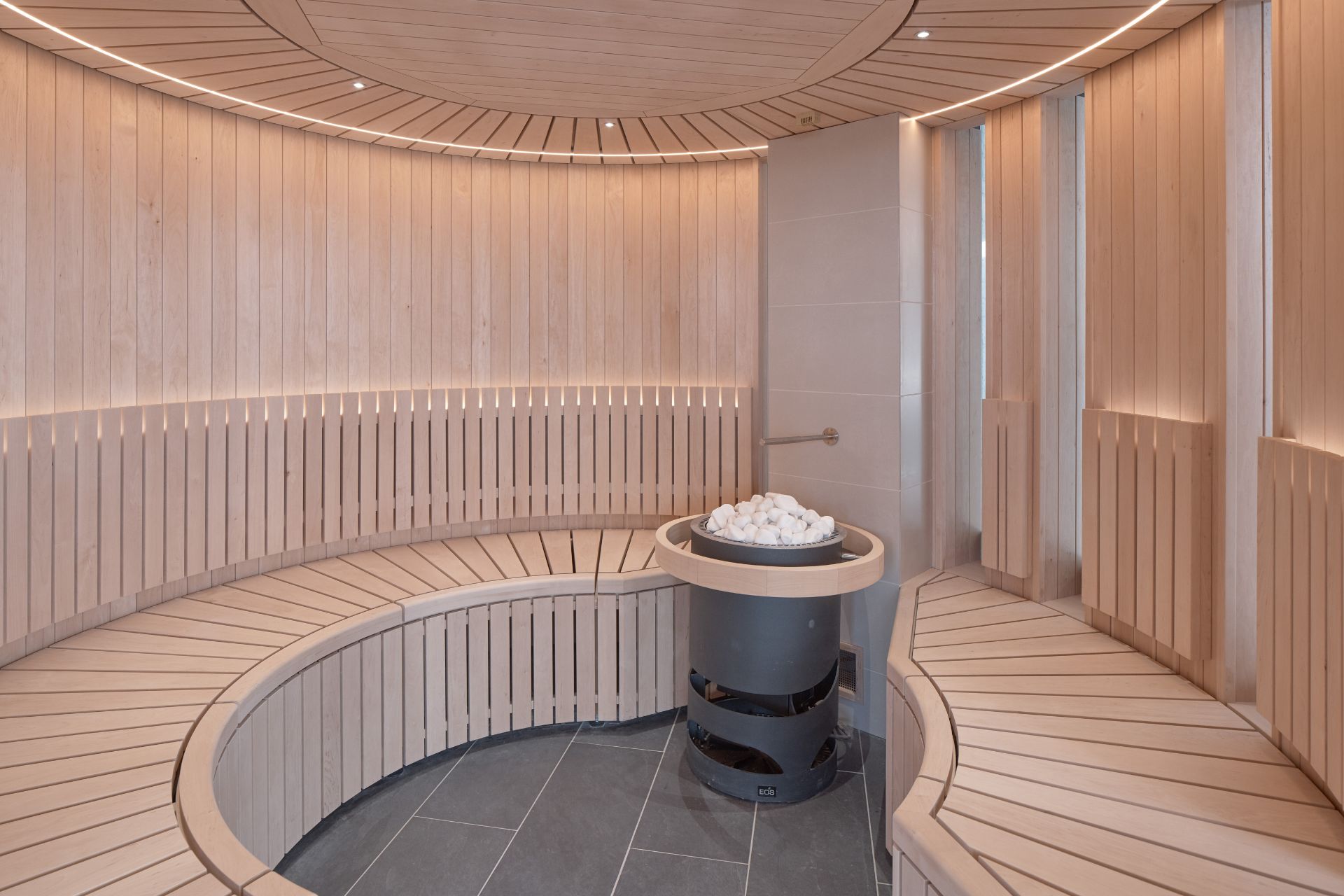
In Turner Baker’s dream wellness home, it would be less about the saunas and the steam rooms, and more about natural materials (wood and stone are proven to lower cortisol), flowering green gardens visible from every aspect, plenty of indoor greenery, dimmable red-toned lights to aid circadian rhythms, thoughtful acoustics, mechanical ventilated heat recovery, and, most importantly, air and water filters. It would be located in a walkable community, away from busy roads where air quality is worse, and surrounded by a thriving local community. ‘The most ironic thing is if the budget was unlimited there would be nothing crazy or flash. It would just be a real level of thoroughness,’ she says. And ideally it would be a Passivhaus.
To keep track of all these factors, Turner Baker and her team have developed a Healthy Homes Checklist. Intended to be used in much the same way as an EPC, it can help buyers get a better sense of whether their properties will be beneficial or harmful to their health.
Pitman also argues that we shouldn’t view sustainability and wellbeing as separate entities. ‘Sustainability is quite far-reaching: it’s not just about low carbon and materials, it’s about sustaining your welfare and quality of life,’ she says. Not only does better air quality make you feel better, but you feel better about yourself knowing that your home has a low carbon footprint.
As for the gimmicks, Turner Baker admits she would be open to a sauna – but warns that the quality (and toxicity) of glues, materials and sealants can vary massively across brands. ‘Make sure you get a good quality one,’ adds Pitman, ‘otherwise it can turn into a microwave.’