


This Victorian Home Holds A Medieval Secret At Its Centre
By
15 seconds ago
Step back in time with this gorgeous Surrey home
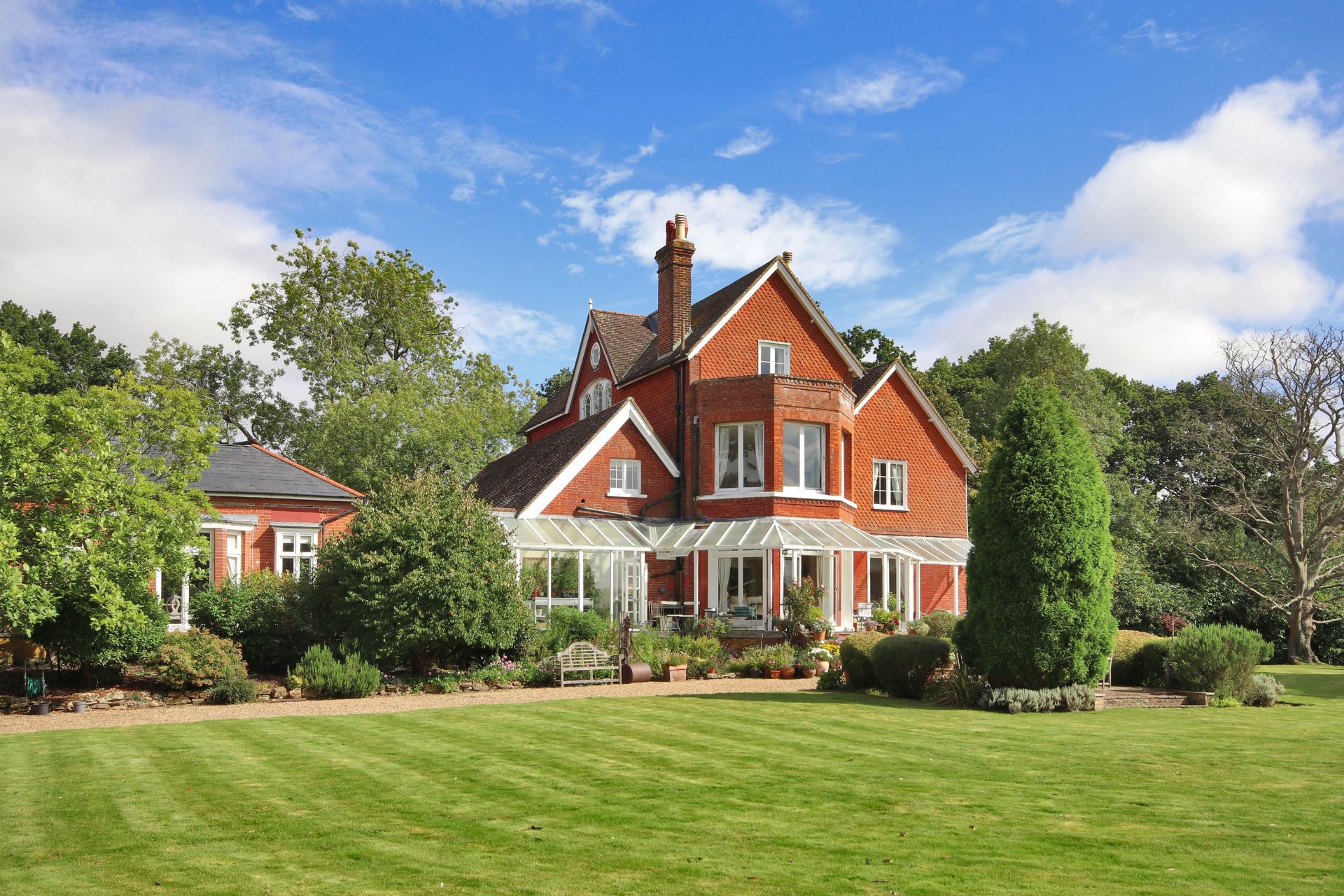
You’d think if you’re home dated back to the Middle Ages you’d want to boast about it. Few of us can get our hands on a property steeped in such history or bolstered with so much heritage
But for the Victorians, the Medieval era was a shameful past. It was these uptight, crinoline-wearing industrialists who first started referring to the time period as the ‘dark ages’ after all. Uninterested in the fascinating literature and technological advancements made in the early 1000s, they dismissed the people of pre-Renaissance Britain as a mass of unwashed, blood-thirsty heathens.
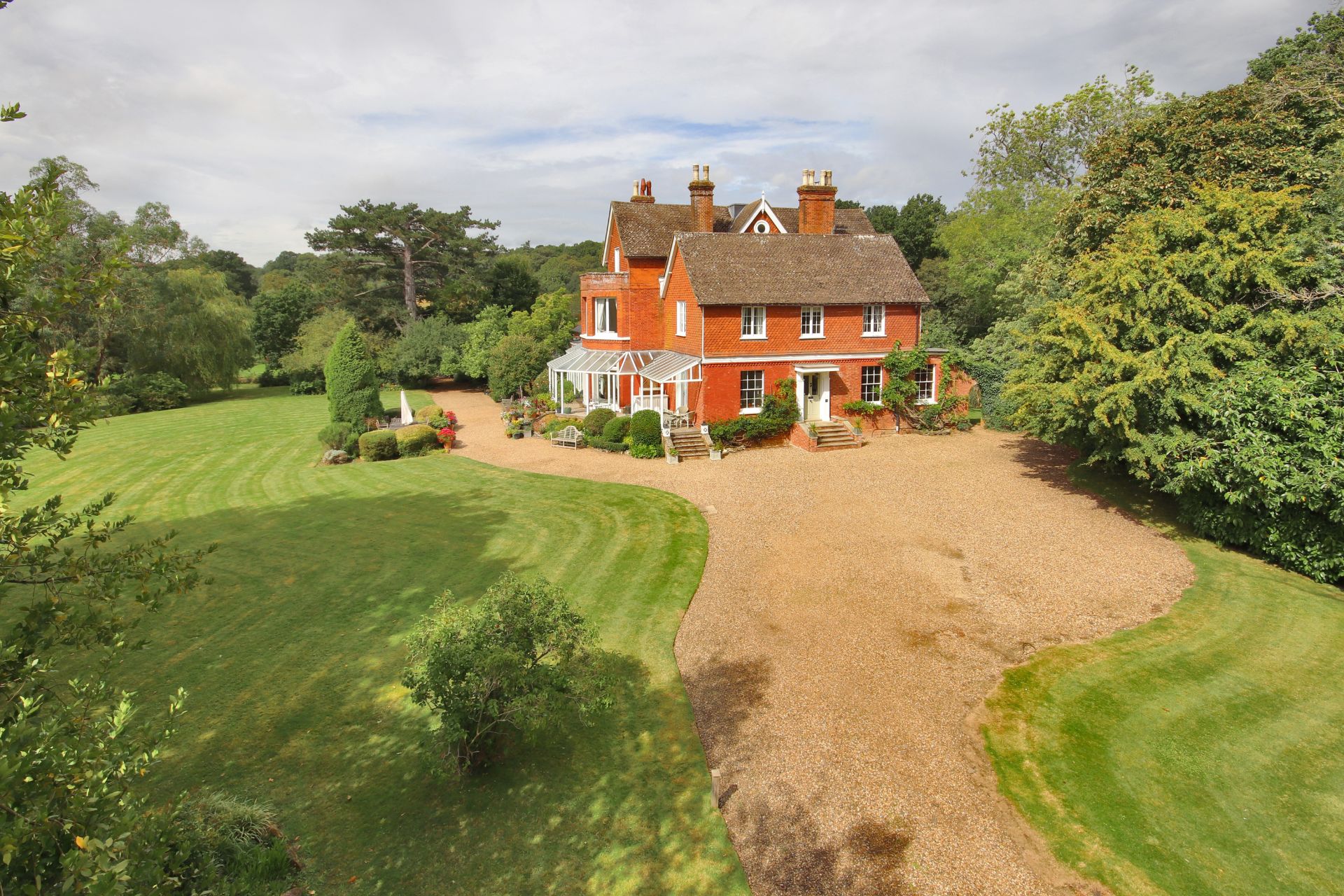
It’s no wonder then that when a Victorian family got their lace-gloved hands on this historic property, that they did everything in their power to conceal its Medieval roots. The earliest features of Wrays – which date all the way back to 1500 – were plastered over with lathe ceilings and walls, masking the oak timber frame. The façade was done up in 19th century brick and tile, and all whiffs of the ‘dark ages’ disguised. Which is why it wasn’t until 1994 that this Surrey home came to the attention of English Heritage and received its Grade II listed status.
The History Of Wrays
Divided into three distinct areas, Wrays’s historic core was first constructed in 1500; the earliest written record is of ‘Simon of Wrays’ who died here in 1541. A Medieval Hall House, it would’ve been owned by wealthy landed gentry, with the importance of Wrays confirmed by its inclusion on an array of both old and new maps where other local buildings are left unmarked.
Historically, Wrays would’ve consisted of a large single space within a thatched barn structure. There would’ve been an open fire in the centre, plus an opening in the roof for the smoke to escape. As well as warming the space, the fire also served as the home’s social barrier: the main ‘Queen Post’ – a carved central oak pillar dividing the hall which still survives today – sat next to the fire, delineating the decoratively carved side where the lord and lady lived, from the plainer half where the servants slept, joined by animals in the winter.
The second area, the main house of Wrays, was rebuilt and extended into its current form circa 1851, around the same time the Great Exhibition came to London Hyde Park. In fact, the first floor bathrooms which were built into the roof space around 1880, were directly inspired by the exhibition when Tomas Crapper (his surname not in fact the etymological origin of the profanity, but an unfortunate case of normative determinism) first exhibited the flushing toilet, fuelling the craze for in-home bathrooms. Though updated for the 21st century, both bathrooms retain their historic style to this day.
Alongside the historic bogs, the main house features a former school room, governess room, servants’ quarters (plus restored electric bell-ringing system – servants not included), a flower room, beer store, jam room and two wine cellars. As part of the restoration process the current owners even had the pleasure of meeting past occupants of Wrays, including the daughter of the gardener from 1921, one of the governesses who worked in the house during the war, and a 90-year-old lady who once worked as a maid.
The third section of Wrays is the annexe. Now a two-bedroom apartment featuring a bathroom, kitchen and lounge, it was converted into staff accommodation in 1935 when owned by the Minister of War under Baldwin’s government. Before that, the adjoining structure was first built in 1865 as a party room with a vaulted glass cupola ceiling and sprung oak dance floor (now sat beneath the carpet) on which Victorians could foxtrot the night away. Though the glass cupola was removed in the early 70s, the current owners possess photos from its heyday.
The Home Today
Restored by the current owners over 30 years, the Medieval timber frames have been uncovered, while the Victorian detailing has been retained, the exterior re-established, and the property updated for modern family life. Across the home, many original architectural details remain, from period fireplaces and ornate mouldings, to panelled doors and sash windows which trace Wrays’s characterful past.
Through the restoration of the frame, the owners also uncovered evidence of the the soot blackened roof timbers, walnut floorboards, 16th century three-panelled oak doors, the old window apertures and even the chisel marked roman numerals made by the carpenters as they numbered each timber. Elsewhere, they discovered original ‘wattle and daub’ walls made from a woven lattice of tree branches plastered in mud, horsehair and cow dung (can’t blame the Victorians for concealing that one), some even with a few Medieval leaves still attached.
Though restored, much of these more historic elements have since been re-covered and protected due to the difficulties of leaving them exposed. As such, the ‘Hall House’ now better reflects the building as it was around 1740 – though with modern additions such as a central chimney (rather than an open fire) and an additional storey included.
With its Victorian and Tudor elements now elegantly combined, today the six-bedroom home spans three storeys across two staircases, five bathrooms, five receptions rooms (including a drawing room, sitting room, formal dining room, study and snug), a kitchen/breakfast room with a 60-year-old fully restored AGA, plus the service rooms and wine cellar below. Approached via a long private drive, outside Wrays enjoys four acres of countryside views, including a swimming pool, tennis court, landscaped grounds, terrace and paddocks.
On the market for £2.5m – £2.75m, find out more at theagencyuk.com