



5 Ways To Make Your Home More Sustainable
By
6 months ago
Discover the eco changes you can make to reduce the carbon footprint of your home
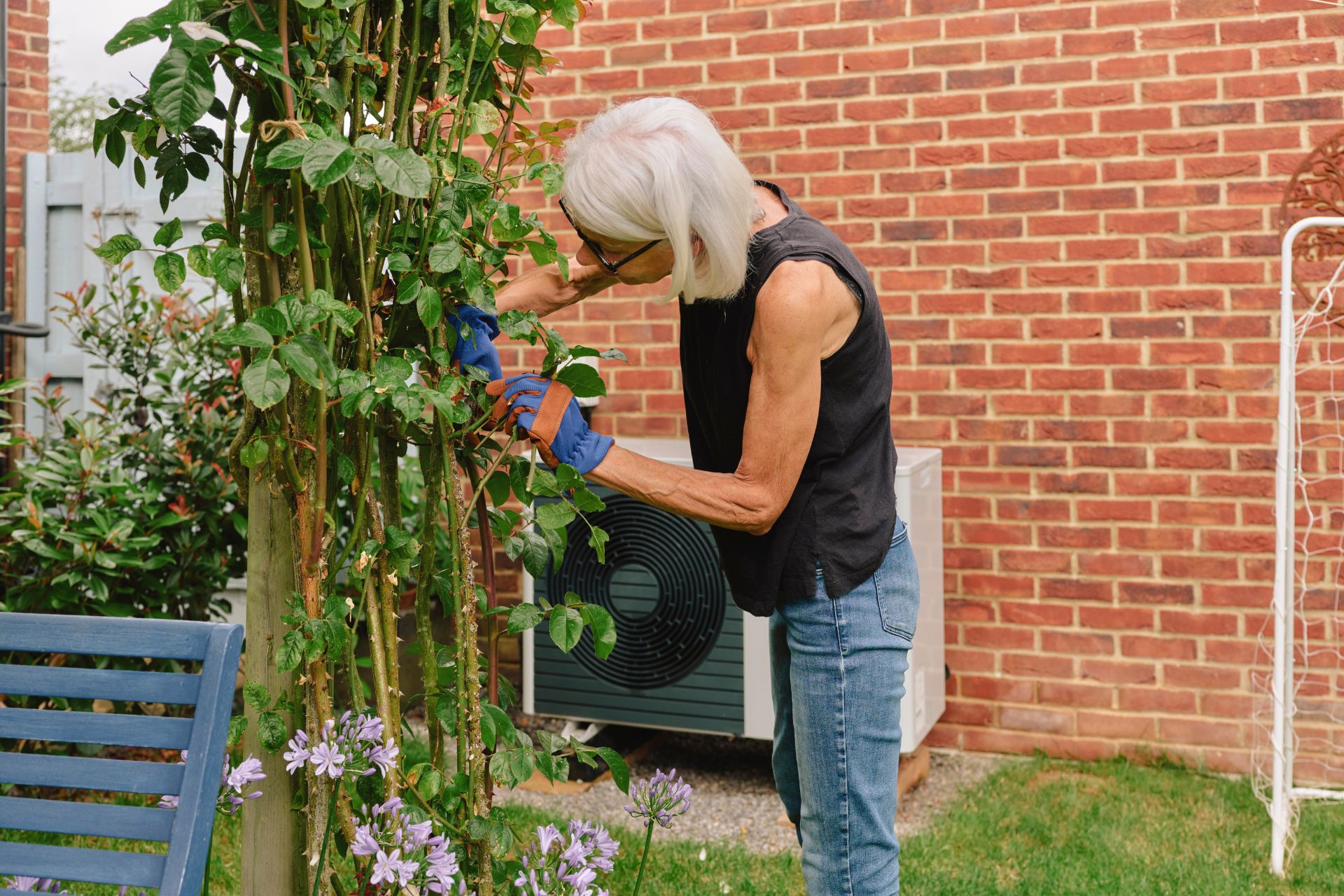
Reducing your carbon footprint may seem like a daunting task, but there’s plenty of attainable changes we can all make to live greener and more sustainable lives. And where better to start than the home? From installing solar panels to swapping fossil fuel heating systems for heat pumps using the government’s Boiler Upgrade Scheme, these energy saving actions are not only good for the planet but your pocket too.
By becoming less reliant on imported fossil fuels through these initiatives, we can also improve energy independence and future-proof our homes ahead of the government’s targets for clean energy by 2030 and net zero by 2050 – which will mean that the UK is able to produce enough clean power to meet its annual electricity demand without relying on imported fuel. Want to know what you can do to make a difference? Here’s our five top tips for transforming your property into a more sustainable, and affordable, home.
Sustainable Swaps: Home Edition
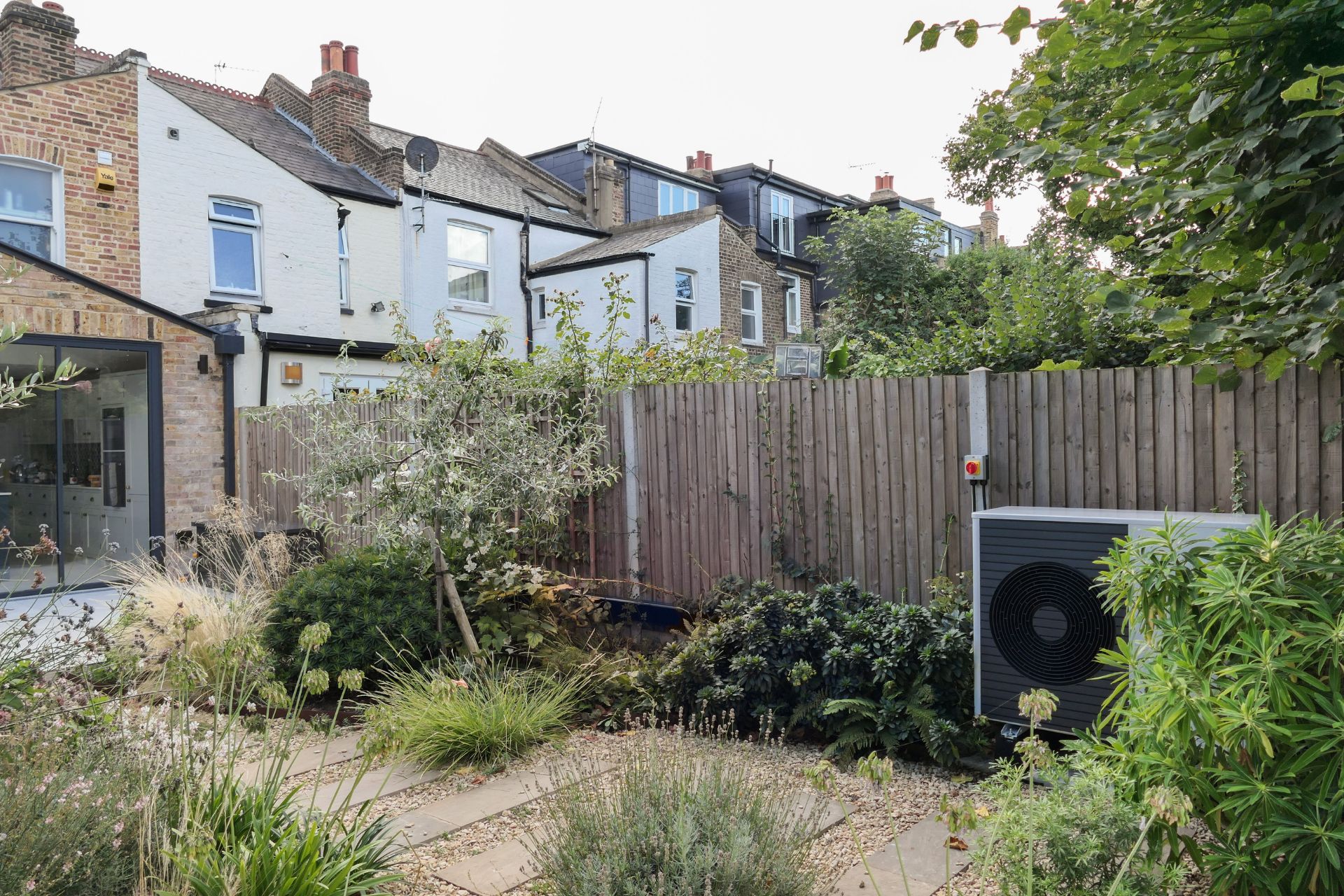
Credit: Katy King / Nesta / Climate Visuals
1. Install A Heat Pump Using The Government’s Boiler Upgrade Scheme
Want to improve energy efficiency, reduce carbon emissions and improve air quality at the same time? Not only can heat pumps reduce your carbon emissions by around 70 percent, but they are three times more energy efficient than traditional gas boilers.
Unlike boilers, heat pumps use electricity. They work like a fridge in reverse, taking heat from the air or ground (even in sub-zero weather) to maintain a constant and comfortable temperature throughout the home. This means if you make the most of smart tariffs with cheaper off peak rates, you could use your heat pump alongside a smart meter to save around £100 a year on energy bills when compared to a gas boiler.
Moreover, heat pumps don’t burn fuel, meaning that they promote cleaner air quality and allow energy independence from imported fossil fuels. Plus, as the UK energy grid continues to use a larger proportion of renewable energy sources year on year, your heat pump will get greener too. So you can relax in the comfort of your warm and cosy home, knowing it’s suitably future-proofed.
When it comes to installation, the Government’s Boiler Upgrade Scheme can help cover the expense by providing a £7,500 grant towards the cost of a heat pump. As the scheme is neither income nor means tested, most homeowners in England and Wales can benefit from this support to help offset the cost of replacing old fossil fuel heating systems with this greener alternative. There’s also a zero percent VAT on installation.
2. Put In Solar Panels
Much like heat pumps, solar panels are not only good for the planet but for your pocket too. Those who install solar panels save more than £500 a year on average on energy bills. Plus, you can get paid for any extra electricity you don’t use by selling it back to the grid, making your home more desirable on the housing market by improving the EPC rating, and increasing its self-sufficiency. Pairing with other products such as heat pumps, home batteries and smart meters will only cut your carbon emissions and energy bills further.
3. Replace Your Gas Hob With An Induction Hob
Even gas hob aficionados have found themselves swapping out their old flames for induction hobs in recent years. Unlike a traditional gas cooker, induction hobs work by heating the pan rather than the hob surface, operated via copper coils beneath which generate a magnetic field. As such, studies show that induction hobs are 85–95 percent energy efficient, a much higher rate than traditional gas hobs which are only 35–40 percent efficient. In real terms, that means quicker cooking, a cooler kitchen in summer, and comparatively lower energy bills if you use the hob in conjunction with solar panels and a battery. Moreover, the swap to an electricity-operated induction hob will help future-proof your home for a gas-free future.
4. Upgrade Your Insulation
The most effective way to keep heat inside your home in the winter, and out in the summer? Insulation. And yet so many older homes in the UK still aren’t insulated to modern standards. Proper insulation acts as a barrier, stopping up to 50 percent of heat from escaping through roofs, walls and floors. As such, you could save £200 per year with correct wall insulation and reduce carbon emissions by around 600 kg a year too. Insulating your property effectively can also help with the performance and efficiency of a heat pump, making it a positive addition to your home regardless of what heating system you’re using.
5. Get A Home Battery
Using home batteries alongside a smart tariff means you can charge it up directly from the grid during off peak times when energy is cheaper, and save money by using this energy when prices turn higher. Plus, batteries could help protect your home if a power cut strikes – allowing your fridge and freezer to continue running, for instance, and keeping the lights on during an outage. If you already have solar panels, meanwhile, you’ll reap even more benefits as home batteries can help make the most of your panels by storing any excess energy for later.
Find Out More
The steps you take in 2026 to make your home more sustainable, however small, are supporting the UK to become a clean-energy superpower. Find out more about the Boiler Upgrade Scheme at cleanenergy.campaign.gov.uk