


How Banham Is Spotlighting Treasured British Collections
By
5 months ago
Safeguarding our homes is about protecting the sentimental pieces we cherish
Often, the most valuable possessions in our homes aren’t the ones that cost the most money. They’re the sentimental items that tell our stories: the photo albums filled with childhood memories, the fridge magnets picked up on holidays, the book collections of our favourite authors – all built up with love and care over the years. Protecting our properties, therefore, is personal; it’s about safeguarding the pieces of life that hold meaning.
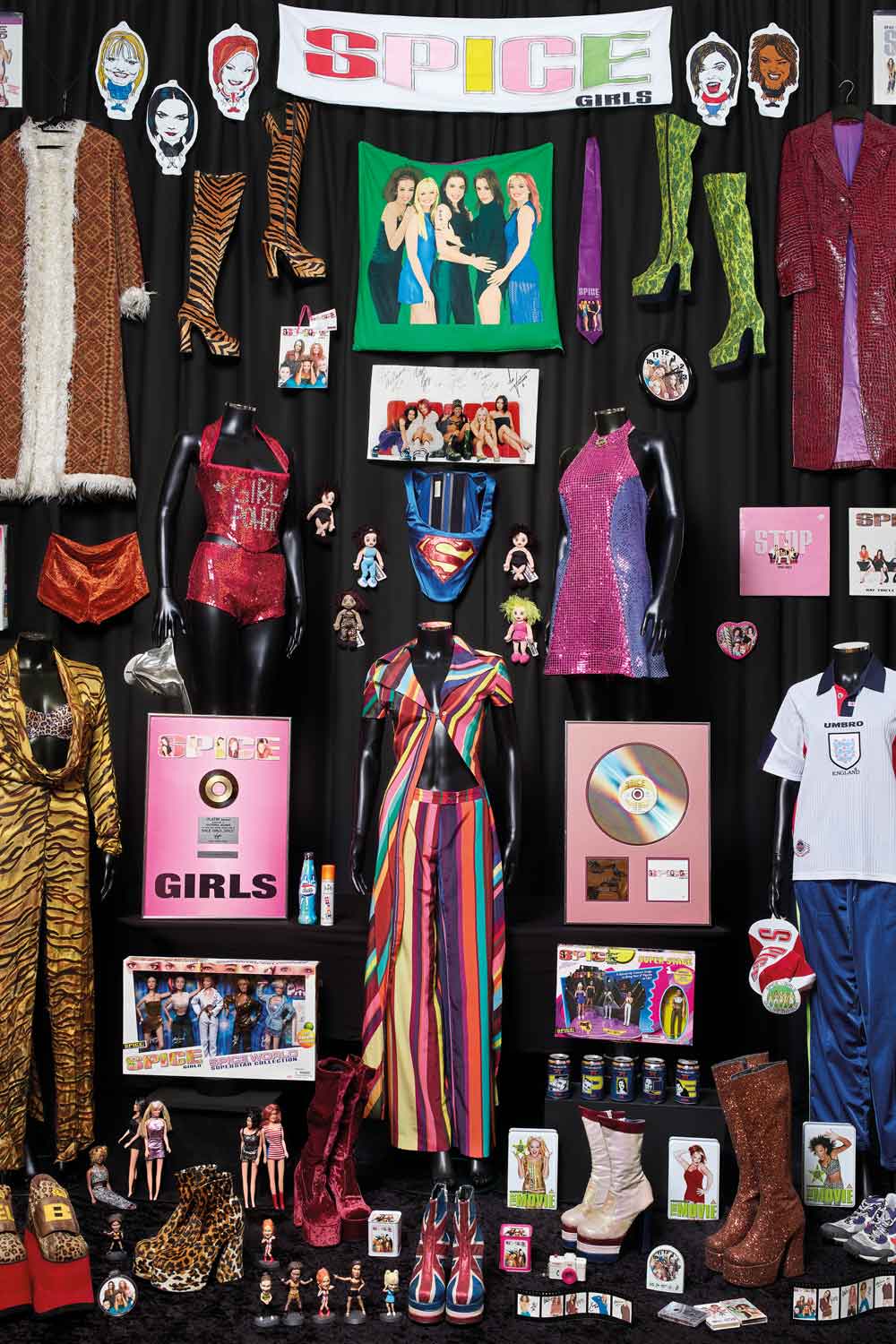
This belief sits at the heart of British brand Banham. The family-run business has spent a century keeping our homes safe – and now, to mark its centenary, it’s launching a new campaign designed to celebrate the unique treasures we cherish.
Protect What You Cherish
Liz West
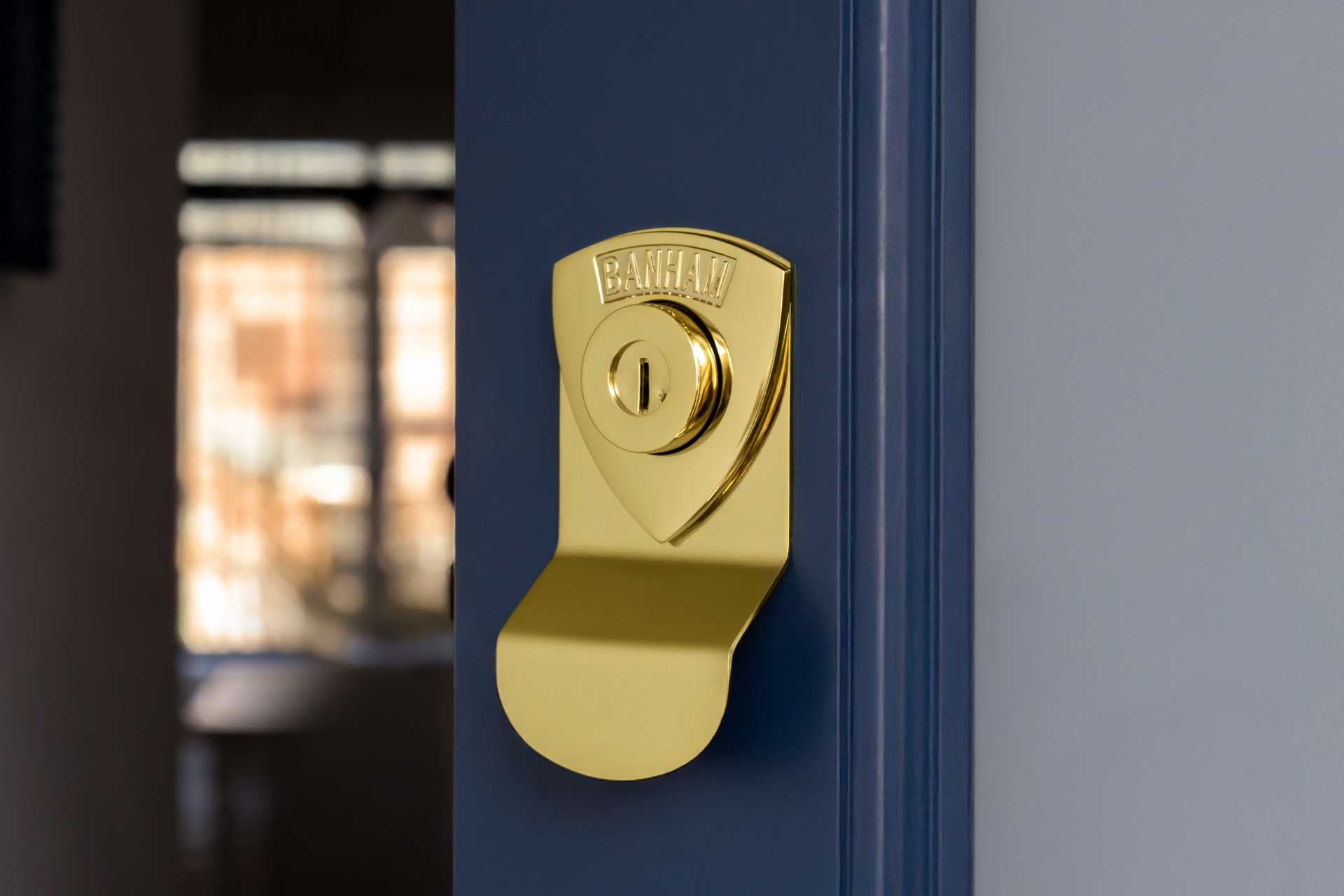
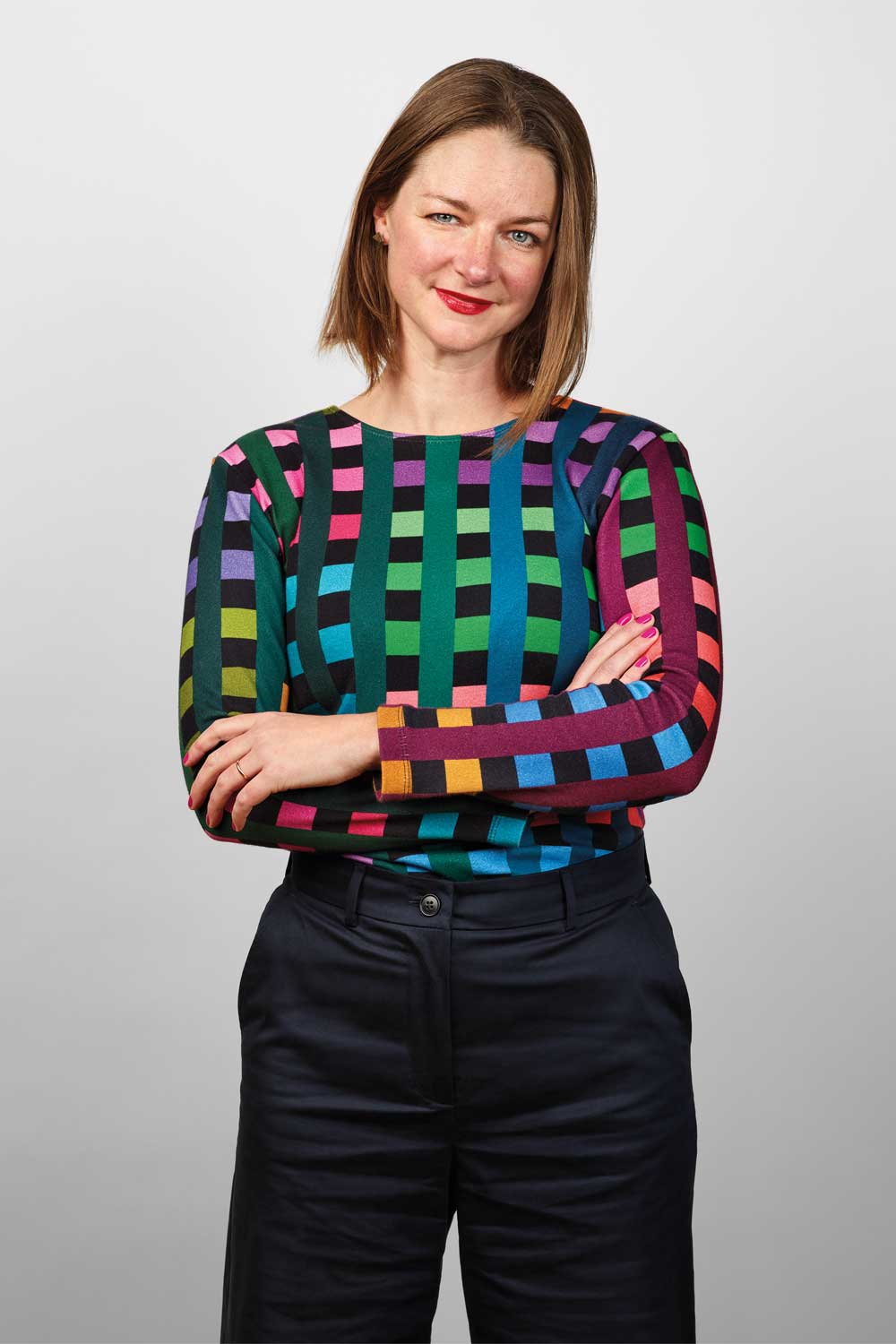
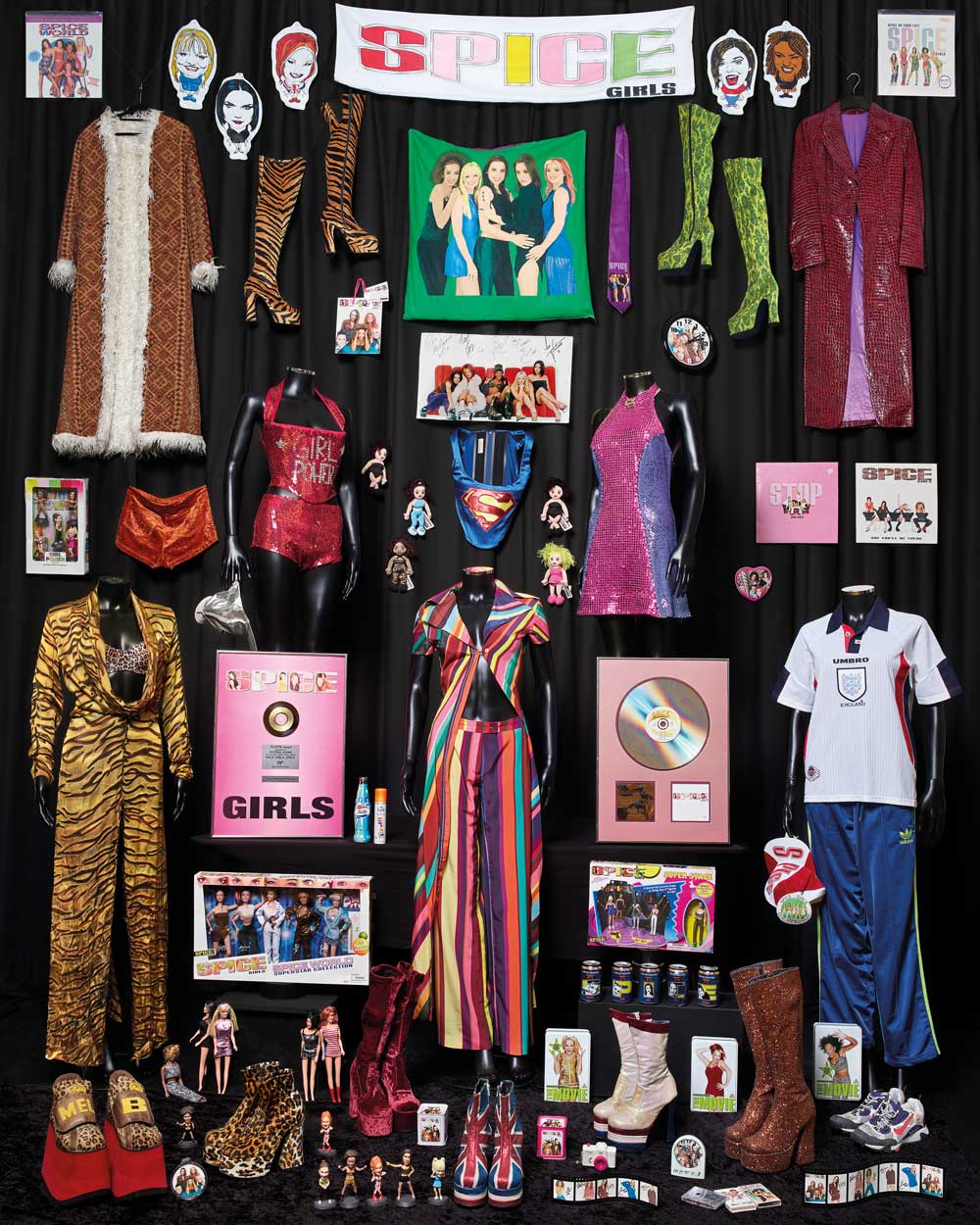
Protect What You Cherish highlights real-life stories of the wonderfully British, eccentric collections we keep under lock and key. For Liz West, it started with a concert in Manchester in 1998 and a teenage obsession with five women who told her she could do anything. Over two decades later, that obsession has grown into a Guinness World Record-holding collection of more than 5,000 pieces of Spice Girls memorabilia, exhibited at museums across the country and still growing.
‘My father was a record collector,’ Liz explains. ‘I grew up in a house with bookshelves full of books, records, CDs, and objects en masse. It was in my psyche and instinct to be a collector, I think. I never questioned it. And when I fell in love with the Spice Girls in the late nineties, I was at a really impressionable age. For me, building a collection brought me closer to my idols.’
The appeal was never just nostalgia. ‘My mum often says, “It’s a really good job that you didn’t make an S Club 7 or a B*Witched collection”, because at least I chose something that has become culturally and historically significant,’ Liz says. As an 11-year-old, Girl Power felt like a genuine manifesto. ‘I was set an example by five women that if I worked hard enough and dreamt big enough, I could achieve anything. I think that mentality is what’s probably driven me on to be an artist, and do what I want in life.’
The collection has shaped Liz’s work in ways she couldn’t have anticipated. Now a practising artist, she traces her obsession with colour and light directly back to the bright sequins and kitsch spectacle of nineties pop. ‘As a child, I was captivated by the colourful kitsch, bright sequins, sparkle of the merchandise and the memorabilia,’ she reflects. ‘Now, as an artist, I’ve realised that my aesthetic is completely the colours of the nineties – the kitsch, the brightness, the vividness.’ The collection, she says, has come full circle.
Liz West
Her most cherished pieces are the one-off items: tour costumes and stage-worn footwear, including donations from two of the band’s members. Among them is a green tassel dress worn by Geri Halliwell – the very same one Liz spotted from the crowd at that first Manchester concert. ‘To see it in the flesh, and then to own it is really special for me,’ she says.
Liz is careful to focus her collecting energy on the irreplaceable. Where she once sought out mass-produced merchandise, she now pursues the singular – the pieces that can’t be replicated. And her ambitions for the collection are equally singular. Having already exhibited at Leeds City Museum, she has her sights set higher: ‘I’d love to see my collection in the V&A or a really important institution.’
As for choosing a favourite Spice Girl? ‘Having a favourite Spice Girl would be like choosing your favourite child. I mean, you do secretly have one but you’re not going to admit it out loud.’
Liz’s Spice Girls Collection
Steve Wheeler
Another story in the campaign focuses on Steve Wheeler, who has spent years collecting 23,000 British milk bottles to create his own personal museum. ‘My collection started with a milk bottle I found on a walk in the Brecon Beacons, and put in the rucksack,’ he reminisces. ‘When I got home and checked on it, it was an old 1950s half pint. I found the dairy was closing, and on investigation, I found all the dairies seemed to be closing and being taken over, so I thought I better get a few of these bottles from the dairies before they all close. I remember getting my hundredth bottle and thinking, now I’ve arrived.’
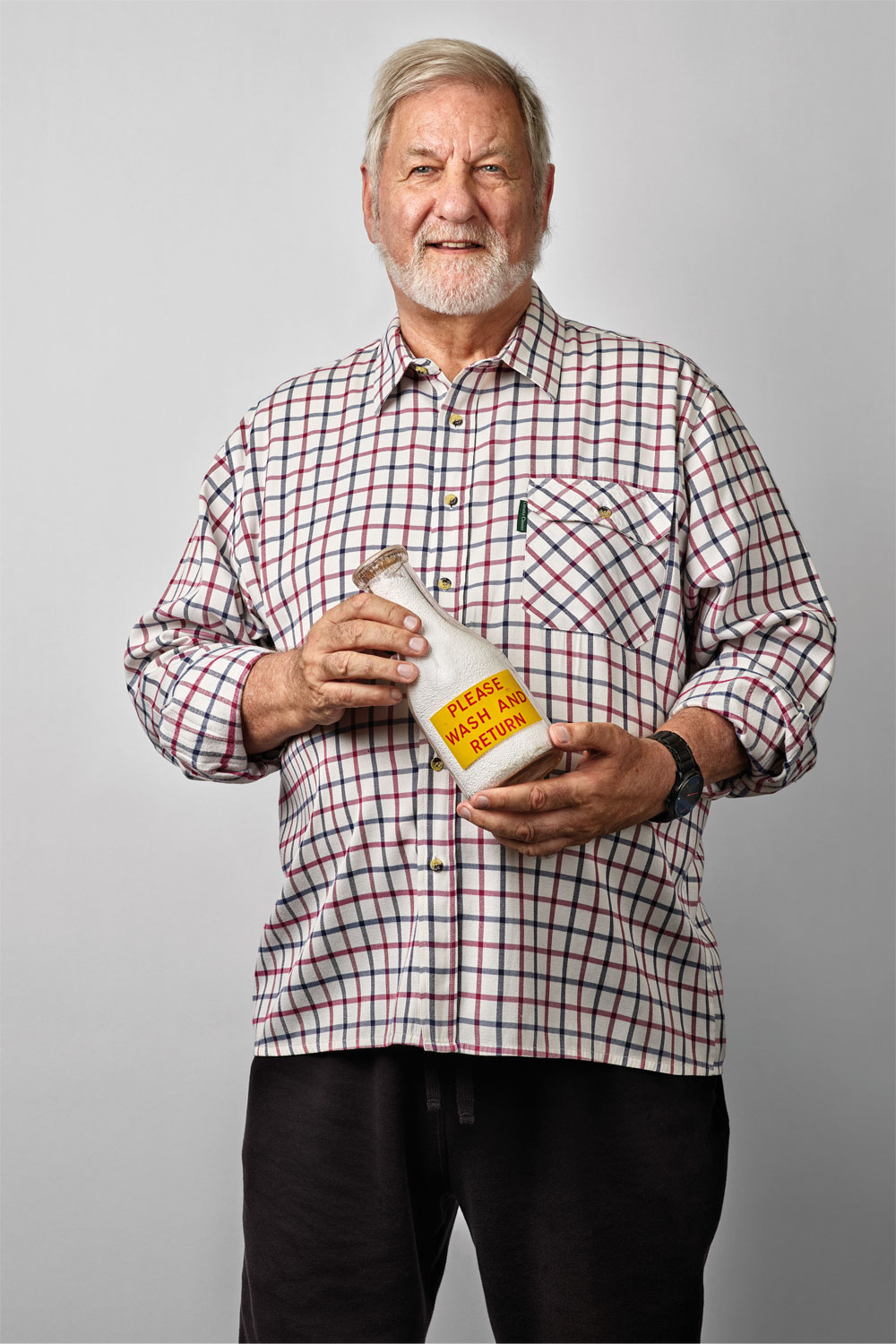
Steve loves anything made of glass – but it’s not just the designs and materials that appeal to him. He’s also fascinated by the people who are connected with dairies and milk bottles, the farmers he meets for an early breakfast before milking begins. ‘When I walk around the museum, probably 99 percent of the bottles will trigger a memory of where I got it from, or the guy that I met, or the farm I went to, or the people who visited and pointed it out.’
Maintaining the museum requires care. Once every 18 months, Steve does a mass clean – and if he notices a bottle is damaged, he fills it with polystyrene beads, which ‘hides a multitude of sins.’
Steve plans to keep the collection until he dies, then hopes to pass it onto future generations through a permanent display. ‘In a perfect world I would like a national milk bottle museum because apart from the stuff I’ve got, I’ve got friends out there who specialise in milk bottle collections and have some really unusual stuff,’ he says. ‘If nothing else though, I’ve had my enjoyment out of it, so I shall pass on to my cloud in the sky quite happy.’
His advice for others looking to get into collecting? ‘Really enjoy the thing you’re collecting, and do it when it doesn’t cost anything.’
Kirsty Johnstone
Kirsty Johnstone, meanwhile, shares her remarkable assortment of antique teddy bears. She has spent five decades building up her 1,200+-strong collection – from soft toys from her own childhood to homemade bears and teddies dating back to WWI and WWII.
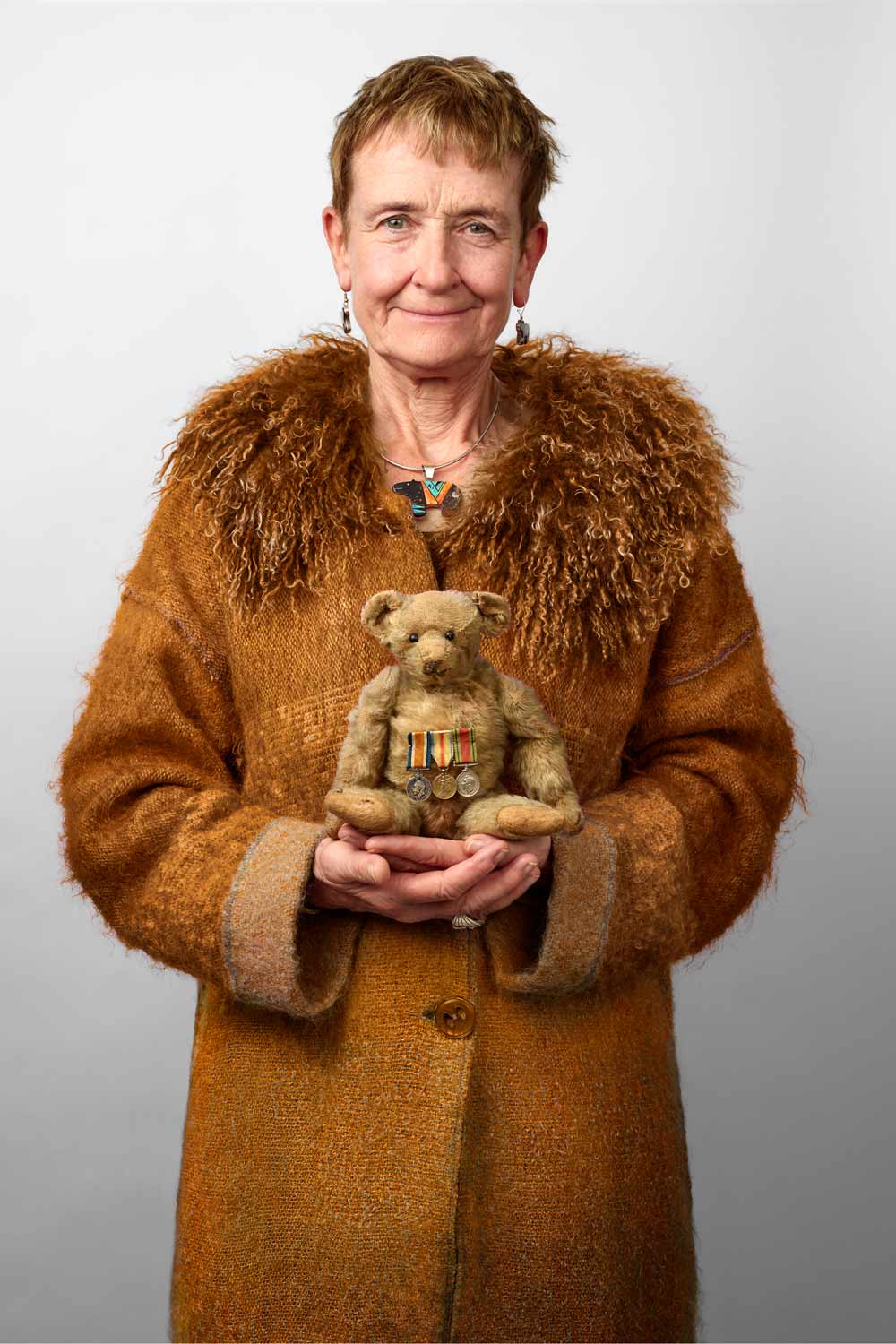
‘I first started with soft toys forty or fifty years ago when I was young,’ Kirsty reflects. ‘I used to go to artist fairs for teddy bears with mum: there used to be far more in person ones than there are now, and it was something we did together.’ Her drive to collect? ‘My bears bring me such happiness; they make me smile. I enjoy meeting other collections, enjoy the auctions and the Facebook groups. It’s lovely to share the stories, put photos up and make friends. I’ve got to know auctioneers and dealers through it, and although I enjoy collecting and doing the research, it’s friendship as well.’
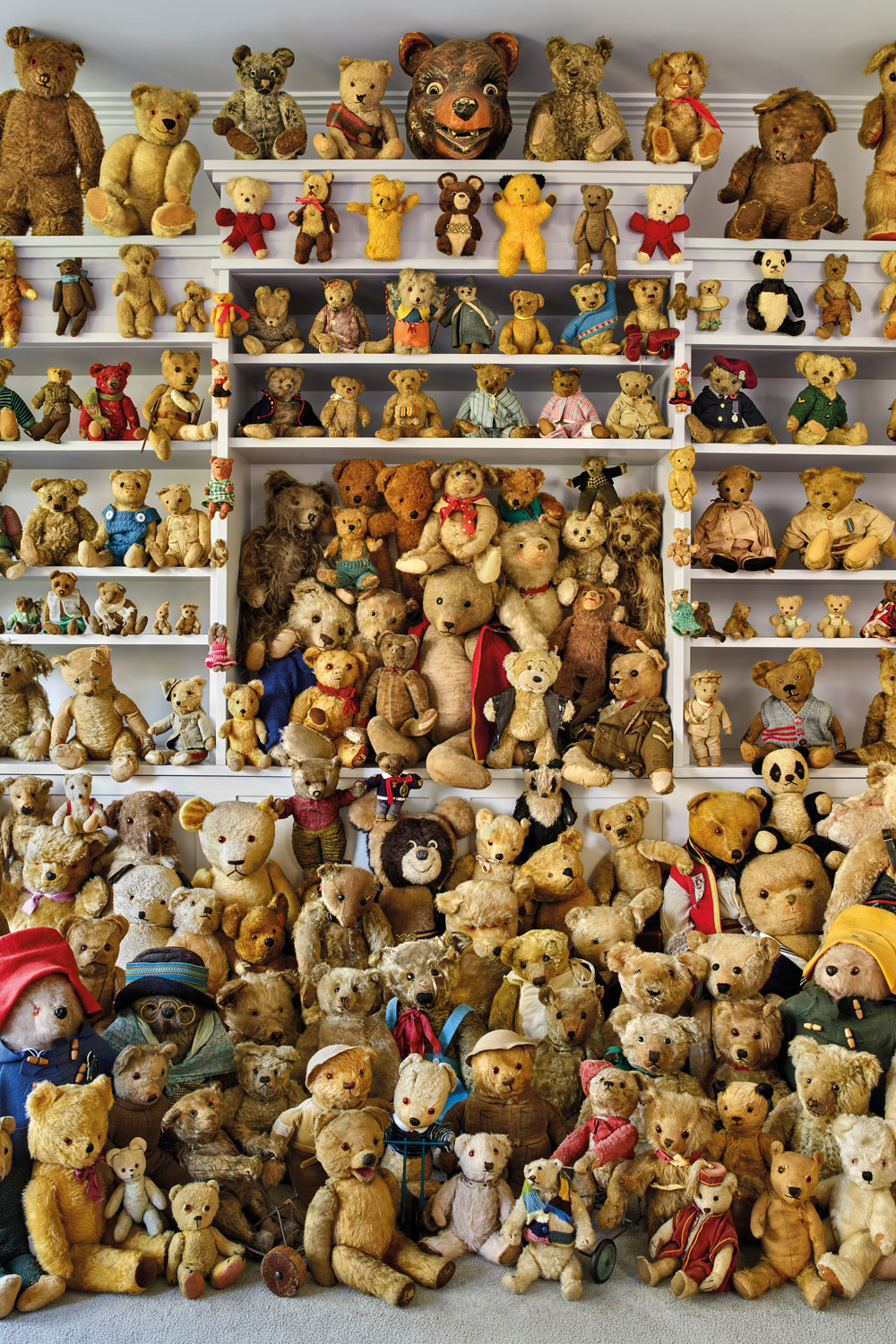
Many of the teddy bears have fascinating stories attached to them too, Kirsty adds. ‘I’ve got a Steiff bear that was used by a lady in Liverpool in World War II when she used to entertain the troops. If they had 13 at dinner, so that it didn’t bring them bad luck, they would put the bear in a chair, to make 14. He’s actually got a bald patch because everyone used to touch him for luck.’ And keeping them in check is no walk in the park: the teddies require regular dusting to consistently ensure there are no moths flitting around.
The Story Of Banham
Banham was founded in 1926 by William F Banham, who created the first-ever automatic door bolt after his wife Marie-Ann suffered a series of burglaries at her west London dress-making store – and so Banham Patent Locks was born. In the 1930s, William decided to raise awareness about his products with a stunt on Oxford Street, offering £25 to anyone who could break through a Banham door lock (not one person succeeded).
This pioneering spirit and family‑run ethos continues to define Banham today, with the business now led by William’s grandchildren and great‑grandchildren, including executive chairman Charles Hallatt. What began with locks has evolved into a comprehensive, layered approach to protection – one designed to help people feel safe in the places they cherish most.
Over the years, Banham’s offering has grown to include bespoke security solutions spanning burglar alarms, doors, safes, fire alarms and safety systems, CCTV, keyholding and 24‑hour monitoring, gates, grilles and more. Every innovation reflects the same commitment that started it all: protecting homes, families, and businesses with care, craft and solutions tailored to their needs.
‘For 100 years, we’ve had the privilege of protecting what matters most to people, including some of the finest homes and businesses across London, the South East, and the South West,’ says Hallatt. ‘As a family business, it’s a responsibility we take seriously – ensuring our customers feel safe, supported, and confident that the things they cherish are protected. That’s why we continue to evolve our products and services, offering tailored security solutions that meet the unique needs of every home and business. It’s a commitment we’re proud to carry forward for the next 100 years and beyond.’
Find Out More
Banham services London, the South East and South West of England. To understand the best options to help you protect what you cherish, request a home security consultation by visiting the Banham website or calling on 020 7819 3730.
Follow along with Banham’s Protect What You Cherish campaign here.